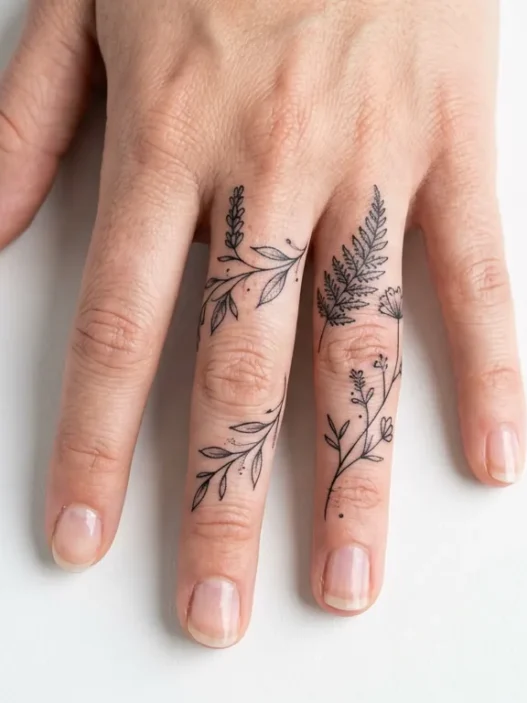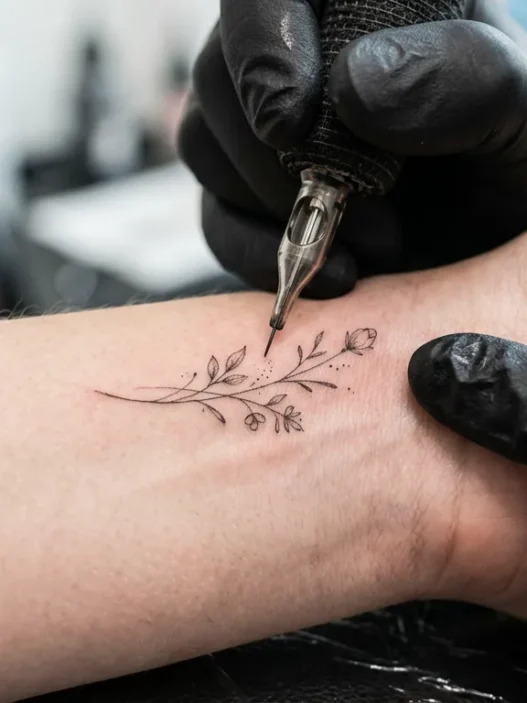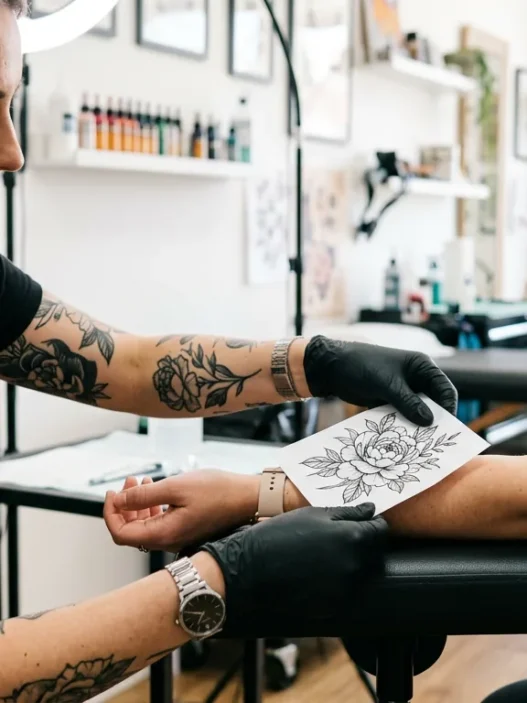



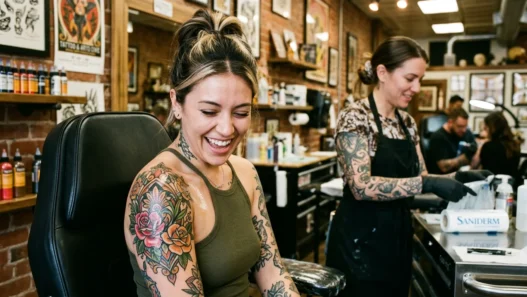

I spent three months hunting for the right artist for my hand tattoo, and honestly? I almost gave up twice. The first artist I booked had gorgeous Instagram photos but couldn’t answer basic questions about hand placement without getting defensive. The second one seemed perfect until I noticed they’d never actually posted a single healed hand tattoo. By month two, I was questioning whether I even wanted this piece anymore.
But something clicked during my eighth consultation. This artist pulled out a binder of healed work before I even asked, explained why certain designs fade faster on hands, and spent twenty minutes talking through aftercare like it actually mattered. That’s when I realized I’d been looking at all the wrong things.
What I Learned Searching for My Hand Tattoo Artist
Where I Was Looking Wrong
I started my search the way most people do — scrolling Instagram and saving pretty pictures. Big mistake. Those perfectly lit, fresh tattoo photos tell you almost nothing about how the work will actually age on your skin.
For weeks, I was obsessing over artists with the most followers and the flashiest posts. I’d screenshot designs I loved without even checking if the artist specialized in hand work. Hand tattoos are completely different from arm tattoos — the skin moves differently, fades faster, and needs specific line weights to stay readable.
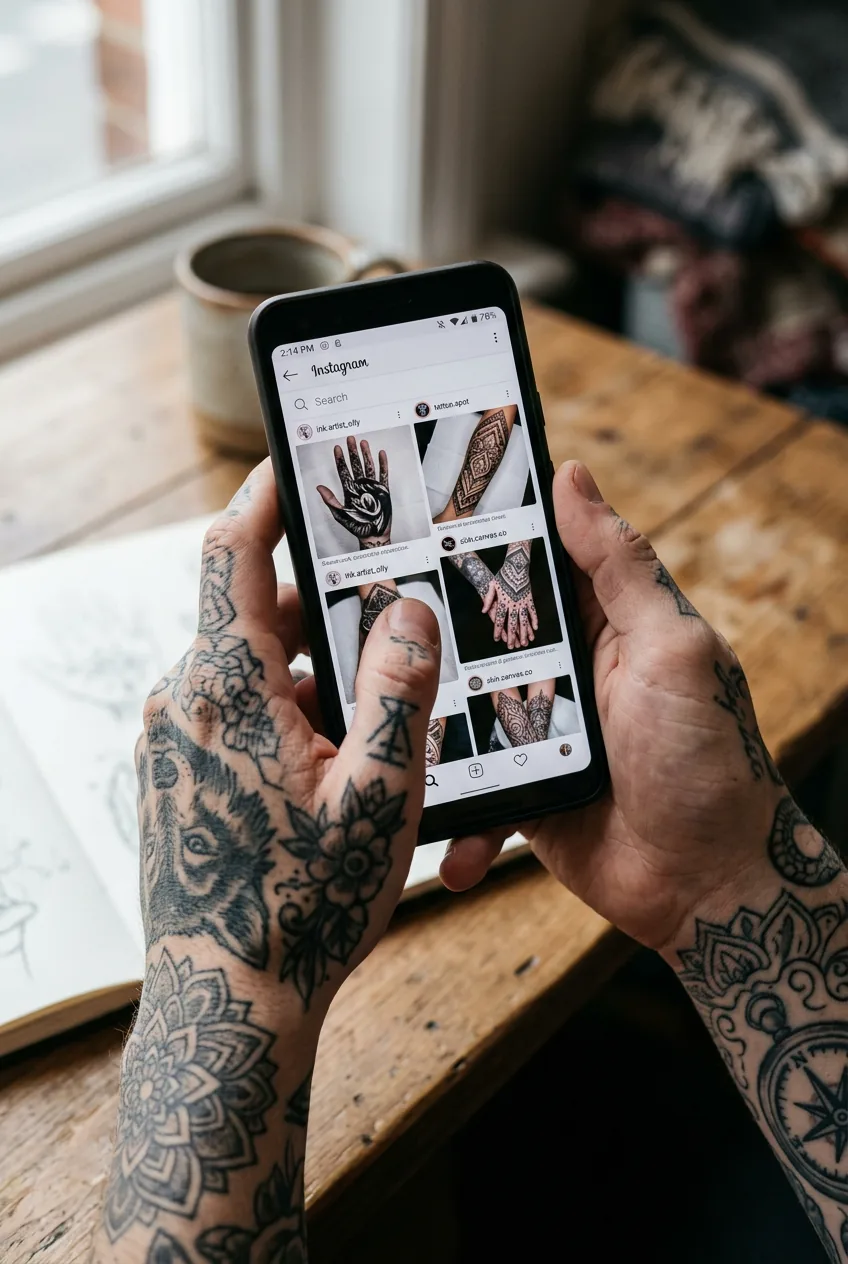
The turning point came when I started searching for healed hand tattoo photos instead of fresh work. Suddenly I could see which artists’ pieces actually held up over time. Some of those Instagram-famous portfolios looked completely different when you saw the same designs six months later.
I also realized I was focusing on style over expertise. Sure, that watercolor phoenix looked amazing, but did this artist understand how watercolor techniques work on hands specifically? Could they modify their usual approach for a placement that gets washed twenty times a day?
The Portfolio Habits That Changed Everything
Once I started looking at portfolios differently, everything shifted. The best artists weren’t necessarily the ones with the most dramatic before-and-after posts. They were the ones showing the boring, practical stuff that actually matters.
Here’s what I learned to look for:
- Multiple angles of the same piece — not just the hero shot
- Healed photos taken months later (the good ones actually follow up)
- Clear close-ups showing line quality and saturation
- Variety in hand placements, not just knuckles and fingers
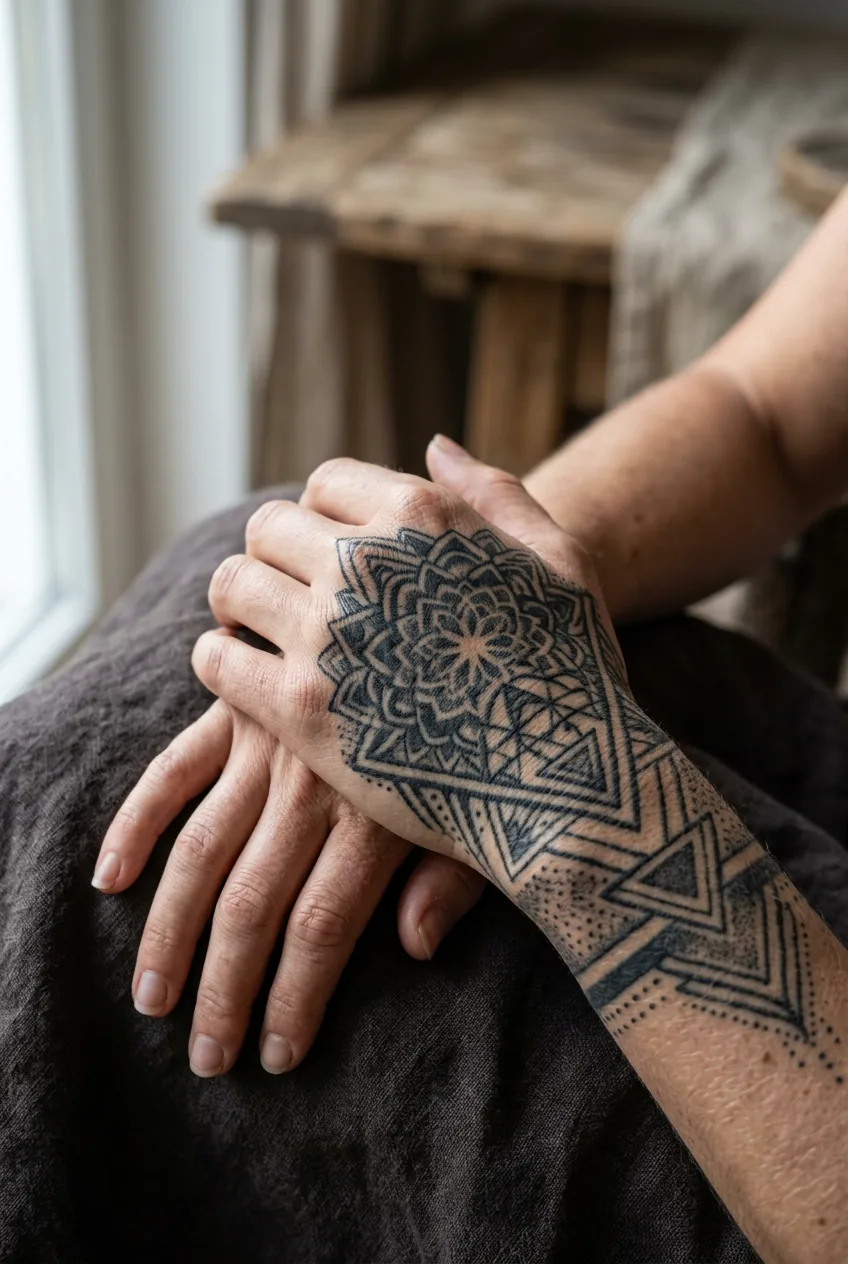
The artist I eventually chose had this habit of posting “check-in” photos where clients would come back to show how their wrist or palm pieces were healing. Not glamorous content, but it told me everything I needed to know about their commitment to the long-term result.
I also started paying attention to how artists talked about their hand work in captions. The good ones would mention specific considerations — “used slightly bolder lines here to account for hand movement” or “chose this placement to work with the natural skin flow.” Generic captions like “love this piece!” became red flags.
Red Flags I Wish I’d Noticed Sooner
Some warning signs seem obvious now, but I missed them completely during my first month of searching. The biggest one? Artists who seemed annoyed when I asked about hand-specific experience.
One artist actually rolled their eyes when I asked how many hand tattoos they’d done. “A tattoo is a tattoo,” they said. Wrong answer. Hands are notoriously difficult — anyone who doesn’t acknowledge that probably shouldn’t be working on them.
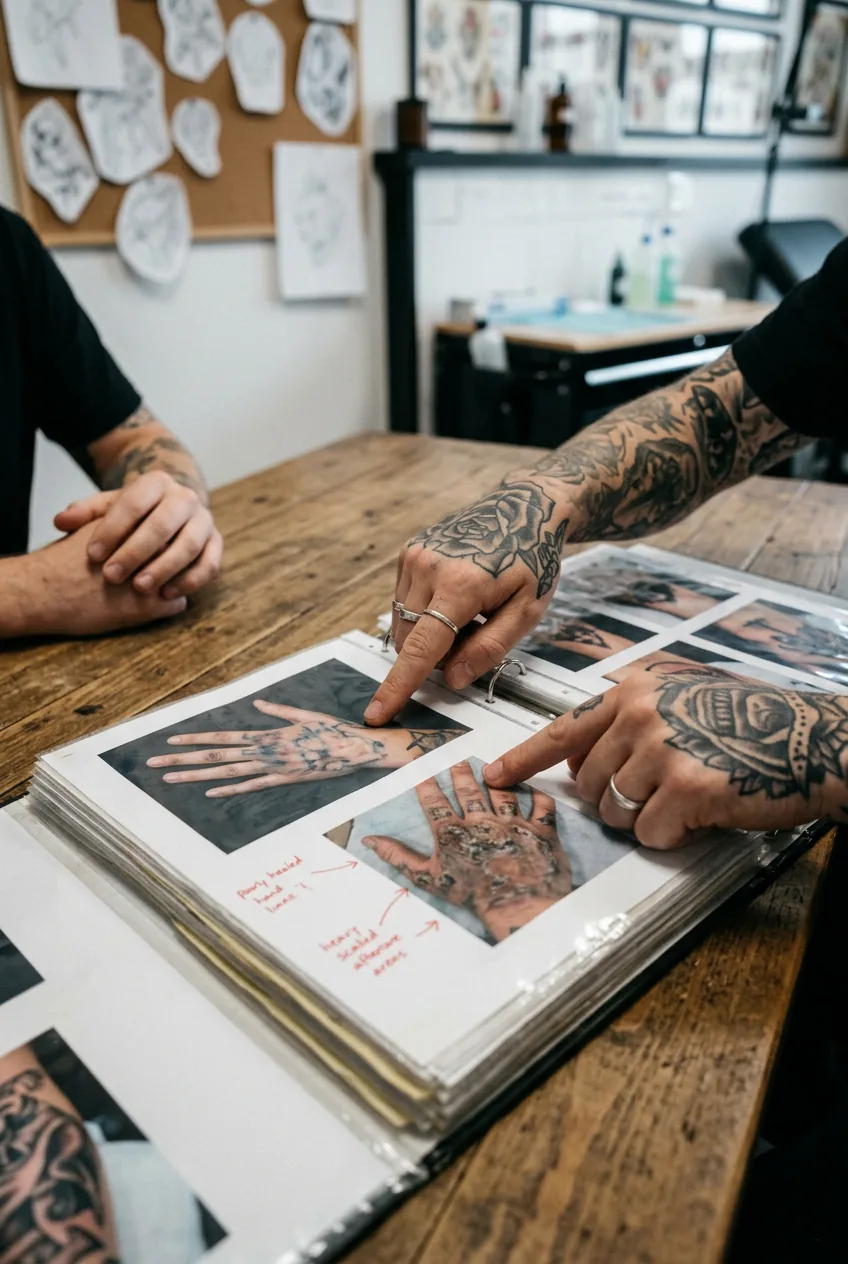
Another red flag: artists who immediately agreed to any design I suggested without discussing placement alternatives. Good hand tattoo artists should push back sometimes. They should suggest modifications, warn you about designs that won’t age well, or recommend different positioning based on your hand shape and lifestyle.
I also learned to be wary of artists whose hand portfolio was mostly finger tattoos or simple text. Don’t get me wrong — those can be beautiful. But if that’s all they’ve done, they might not be ready for more complex hand pieces that require understanding of how detailed work behaves in that placement.
The consultation process revealed other issues too. Artists who seemed rushed, didn’t ask about my job or lifestyle, or couldn’t explain their aftercare recommendations beyond “keep it clean” got crossed off my list quickly.
The First Consultation That Felt Right
When I walked into Maya’s studio, she immediately asked to see my hands — not the design I’d brought. She examined how my skin moved, asked about my daily routine, and spent ten minutes discussing why my original placement idea might not work long-term.
“See how your skin pulls here when you make a fist?” she said, demonstrating with her own hands. “If we put the design there, these elements will distort every time you grab something. Let’s try positioning it here instead.” That level of practical thinking was exactly what I’d been missing.
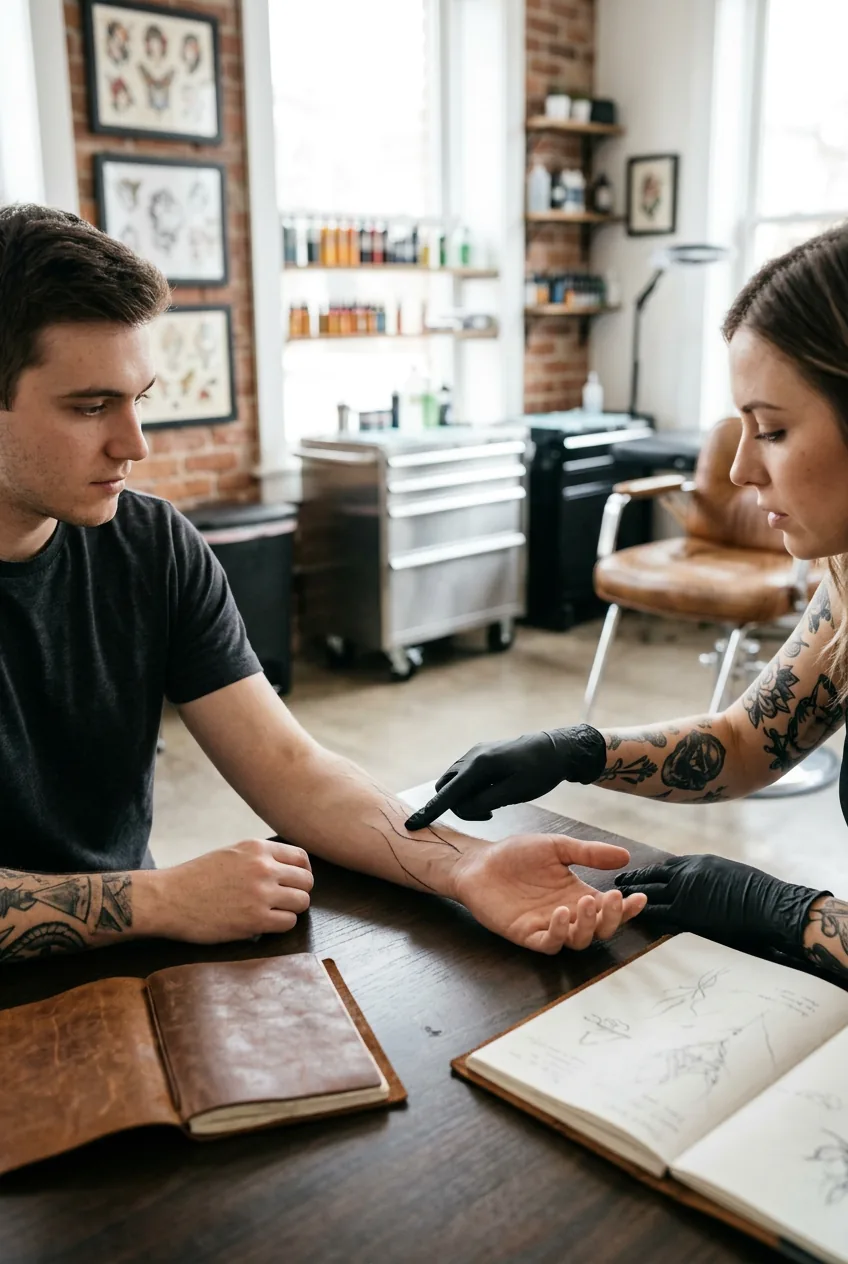
She pulled out photos of similar pieces she’d done, but more importantly, she showed me how they’d healed. Some looked perfect, others had needed touch-ups, and she was honest about both outcomes. “Hand tattoos are maintenance,” she said. “Anyone who tells you otherwise is lying.”
The consultation lasted over an hour. We talked through design modifications, discussed realistic expectations for healing, and she even recommended I wait two weeks to really think it over. That confidence — knowing she didn’t need to pressure me into booking immediately — sealed the deal.
Maya also asked questions no one else had: Was I planning other hand tattoos? How did I feel about potential workplace reactions? Did I understand that hand tattoos often need refreshing? She wasn’t trying to talk me out of it, just making sure I was prepared for the reality of hand tattoo placement.
What a Good Consultation Really Looks Like
Why This One Artist Made All the Difference
Maya understood something the others missed — hand tattoos aren’t just smaller versions of regular tattoos. They require different techniques, different design considerations, and definitely different aftercare approaches.
During the actual tattooing, I watched her adjust her approach in real-time. She modified line weights based on how my skin was taking the ink, paused to check healing between passes, and even changed the needle configuration partway through when she noticed the original wasn’t working optimally on my skin type.
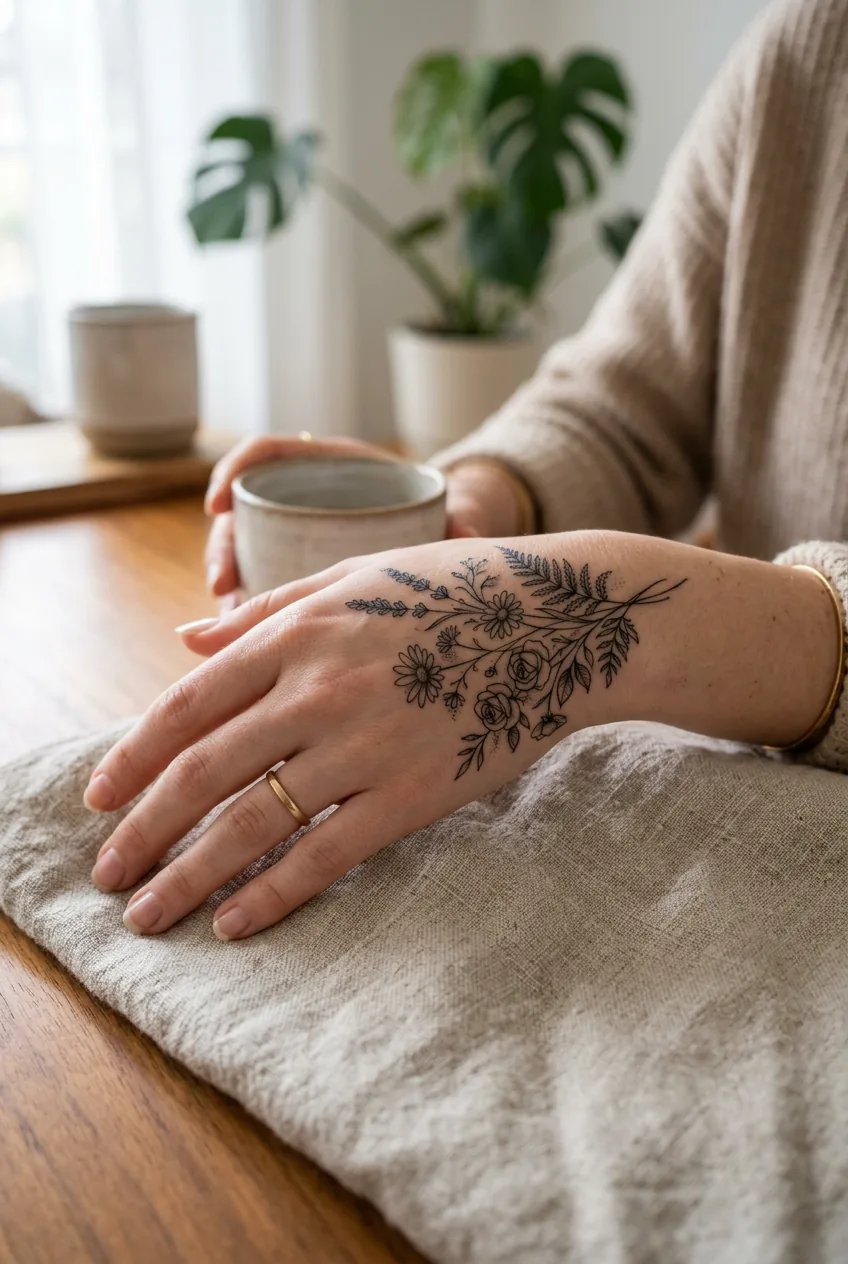
But what really set her apart was the follow-up. She texted check-ins during the first week, answered my probably annoying questions about normal healing symptoms, and scheduled a free touch-up appointment before I even knew I might need one. Six months later, when I had concerns about one small area, she fit me in the same week without charging extra.
The piece itself has aged beautifully. The lines stayed crisp, the shading settled evenly, and even after a year of normal hand use, it looks almost as good as the day she finished it. Looking at proper aftercare methods made a huge difference too, but having an artist who prioritized longevity from the design phase was crucial.
Maya treats hand tattoos like the specialized work they are. She books longer appointments, charges appropriately for the complexity, and only takes on hand pieces she’s confident will age well. That selective approach might mean waiting longer for an appointment, but the results speak for themselves.
The difference between my first few consultations and finding Maya taught me that hand tattoos deserve an artist who sees them as their own category. Not every tattoo artist should be working on hands, and the good ones who do understand exactly why that’s true. Trust the process, ask the hard questions, and don’t settle for someone who treats your hand like just another piece of skin to ink.