


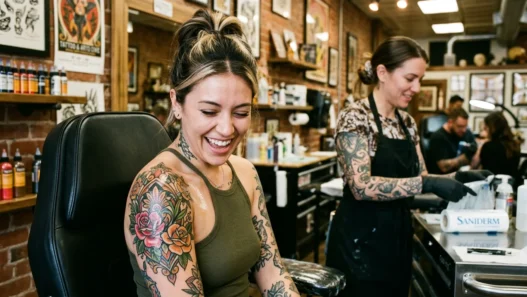


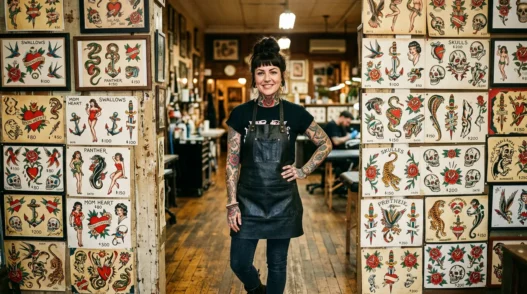

I sat in the waiting chair of a tattoo studio for forty minutes longer than my appointment time, and I didn’t mind one bit. My phone stayed face-down in my bag. I’d been thinking about this particular piece — a half-sleeve built around koi and rolling water — for almost three years, and somewhere in that waiting room I realized the appointment itself had become the point, not just the ink underneath it. That’s the thing nobody tells you about getting a Japanese tattoo done properly: the ritual starts long before the needle ever touches skin.
The Decision That Set It Apart
I’d gotten tattoos before. Small ones, quick ones, the kind you get on a whim during a bachelorette weekend and forget about until someone points at your ankle. This was different from the moment I started sketching it out. I spent months reading about traditional irezumi symbolism before I ever booked a consultation, because I wanted to understand what I was choosing to carry, not just what looked good on a mood board.
That’s the part I think gets skipped constantly. People treat the decision like picking a font. But a Japanese tattoo — with its waves, its wind bars, its koi fighting upstream — comes loaded with centuries of meaning whether you engage with that or not. I didn’t want mine sitting on my arm as decoration. I wanted the choosing itself to mean something, so I gave it the time it deserved instead of rushing to a chair the first week I felt excited.
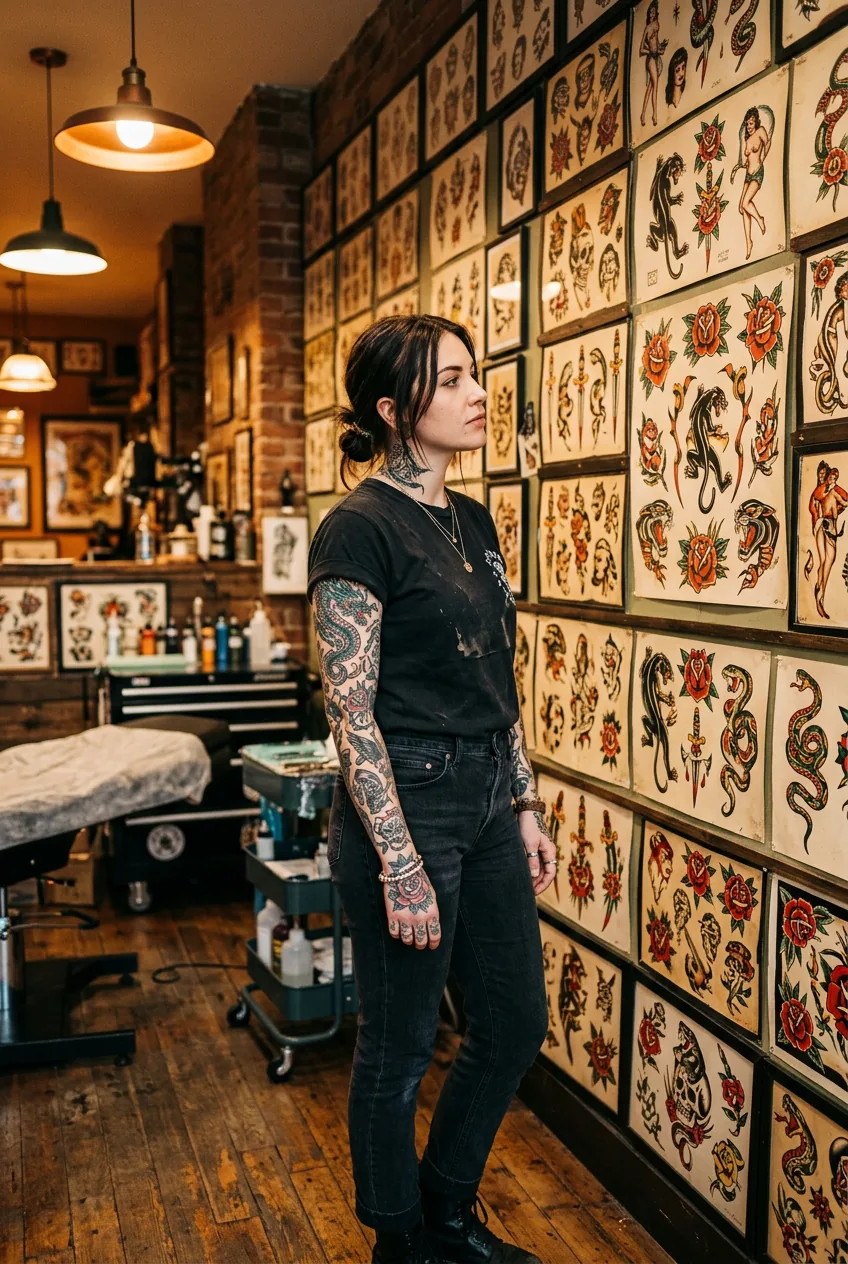
My artist, who’d apprenticed under someone trained in the traditional style for years, asked me one question before we discussed a single design detail: why this, why now. I didn’t have a perfect answer. I just knew I was standing at some quiet edge in my life and I wanted a mark that would still make sense on the other side of it.
The Stillness in the Chair
Nobody warns you how loud the silence gets once the machine starts. My session ran close to five hours, and somewhere around hour two, my mind just — stopped racing. Not because it didn’t hurt. It did, in that dull, rhythmic way that eventually becomes background noise. But there was nothing to do except be there. No phone, no small talk that made sense over the buzz, just breath and skin and the slow outline of a wave forming under someone else’s steady hand.
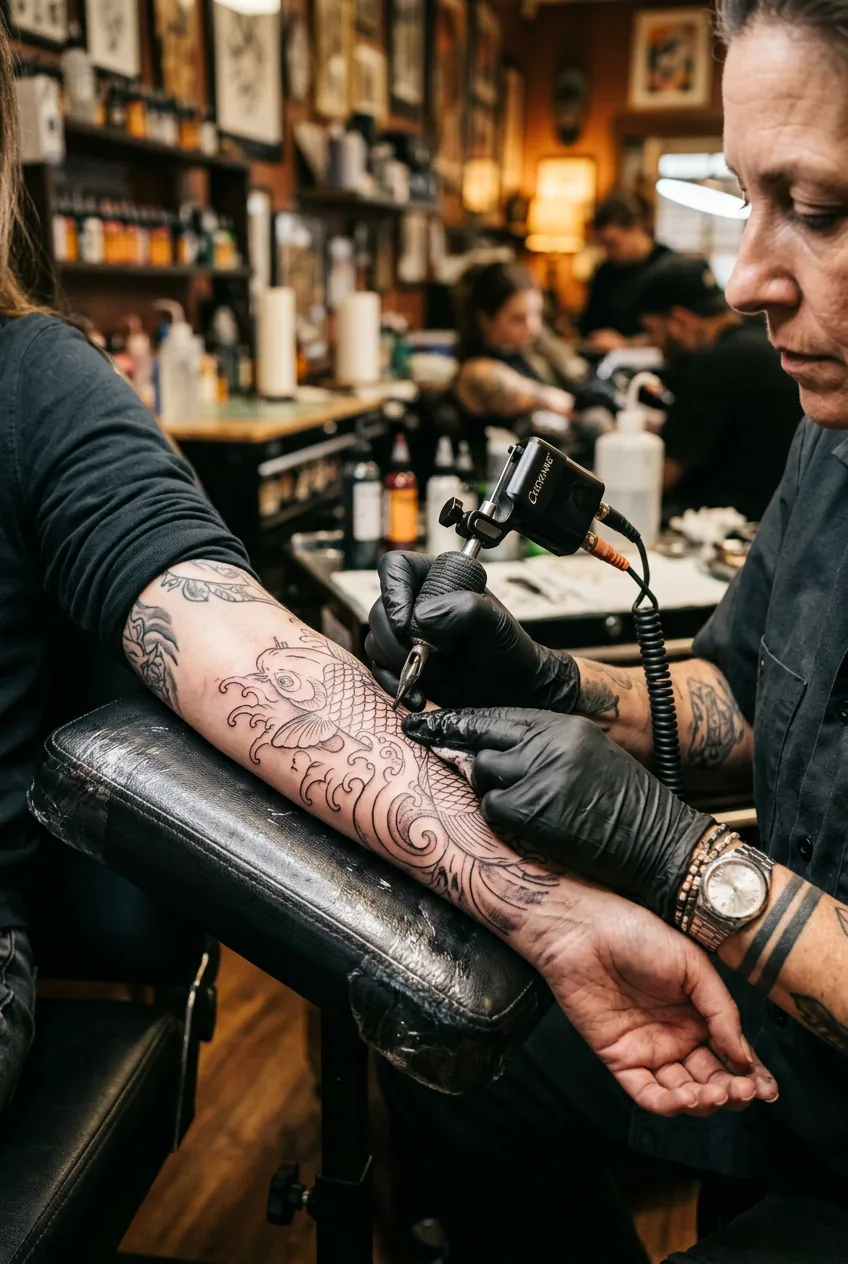
I’ve heard people compare long tattoo sessions to meditation, and I used to roll my eyes at that. Now I get it, though I’d frame it differently. It wasn’t peaceful exactly. It was just honest. You can’t perform anything in that chair. You can’t scroll away from discomfort. You just sit with the thing you chose, hour after hour, and that stillness does something to how you experience the whole process. If you’re weighing how long a piece like this actually takes, it’s worth reading up on sleeve completion timelines before you commit to the first sitting.
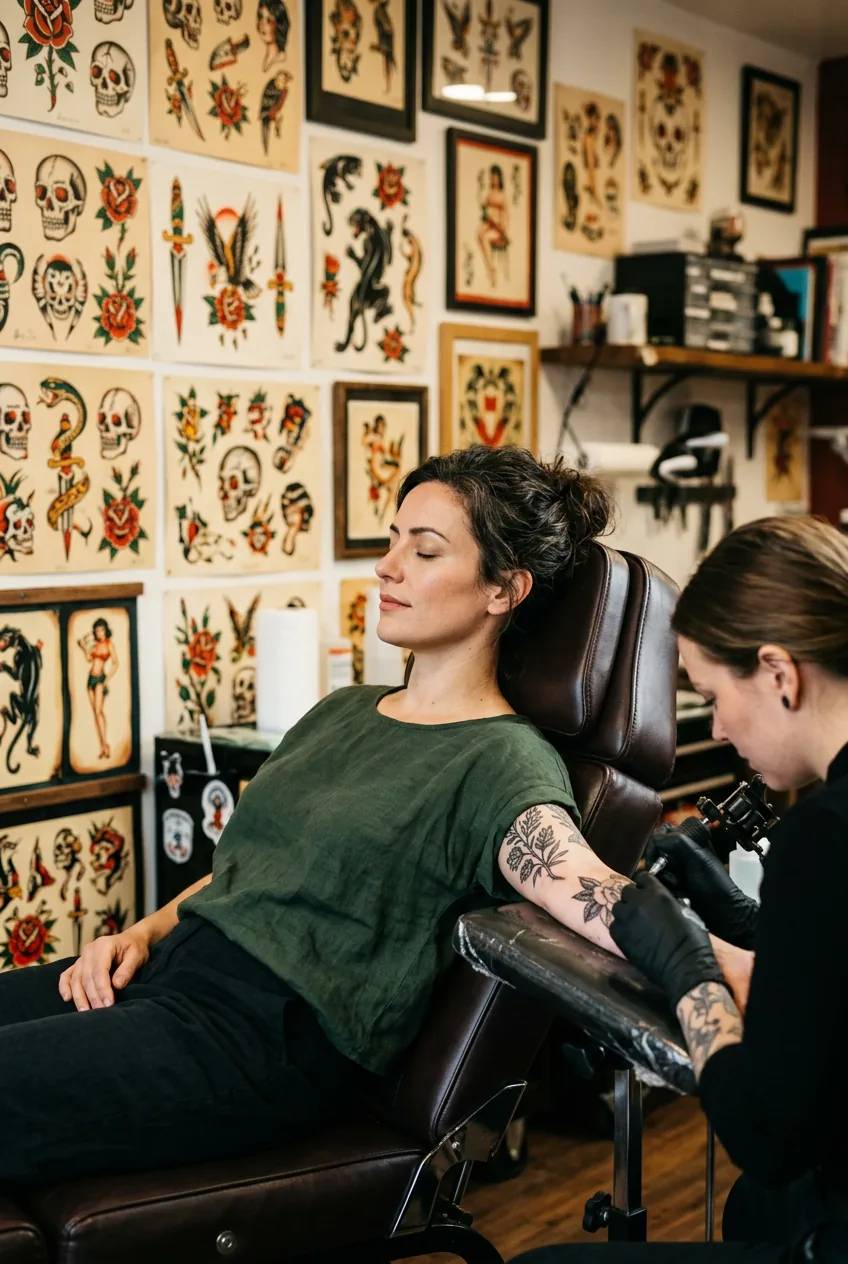
Somewhere in hour four, I stopped thinking about the pain entirely and started thinking about my grandmother, of all people, and a conversation we’d had years before she died. That’s not something I expected. But that’s what stillness does when you actually let it happen instead of numbing through it.
What the Permanence Did to My Mind
Did I panic afterward, thinking about the fact that it’s forever? Honestly, no. And I think that surprised me more than anything else about the whole experience.
So what did change, then? I started noticing my arm in mirrors differently. Not admiring it, exactly — more like checking in with it, the way you’d check in with a decision you made and stand behind. It became a kind of proof that I follow through on things I actually mean, which sounds small until you realize how rarely most of us commit to anything permanent on purpose.

Did it change how I saw tattoos in general? A little. I used to think bigger, slower pieces were just a different aesthetic choice from something small and quick. Now I genuinely believe the process changes you differently depending on the scale, and I’ll say something slightly unpopular here: I don’t think every tattoo needs to be a ritual, and I don’t think that makes the smaller ones less valid. A tiny wrist symbol done on a lunch break can matter just as much as a five-hour sleeve. The ritual isn’t in the size. It’s in whether you decide to treat it as one.
The Mark as a Threshold
People sometimes ask me why I didn’t just get a small minimalist tattoo instead, something quiet and discreet that would’ve hurt less and taken an afternoon. Fair question. Here’s how I think about the difference now that I’ve sat with both kinds.
- A small, minimalist piece often marks a moment — a date, a name, a feeling you want to remember.
- A larger Japanese tattoo, worked in stages over months, marks a process. You live inside the decision for longer, and it changes shape as you do.
- Neither is more meaningful by default. But they ask different things of you, and I think it’s worth being honest about which one you’re actually ready for before you sit down.
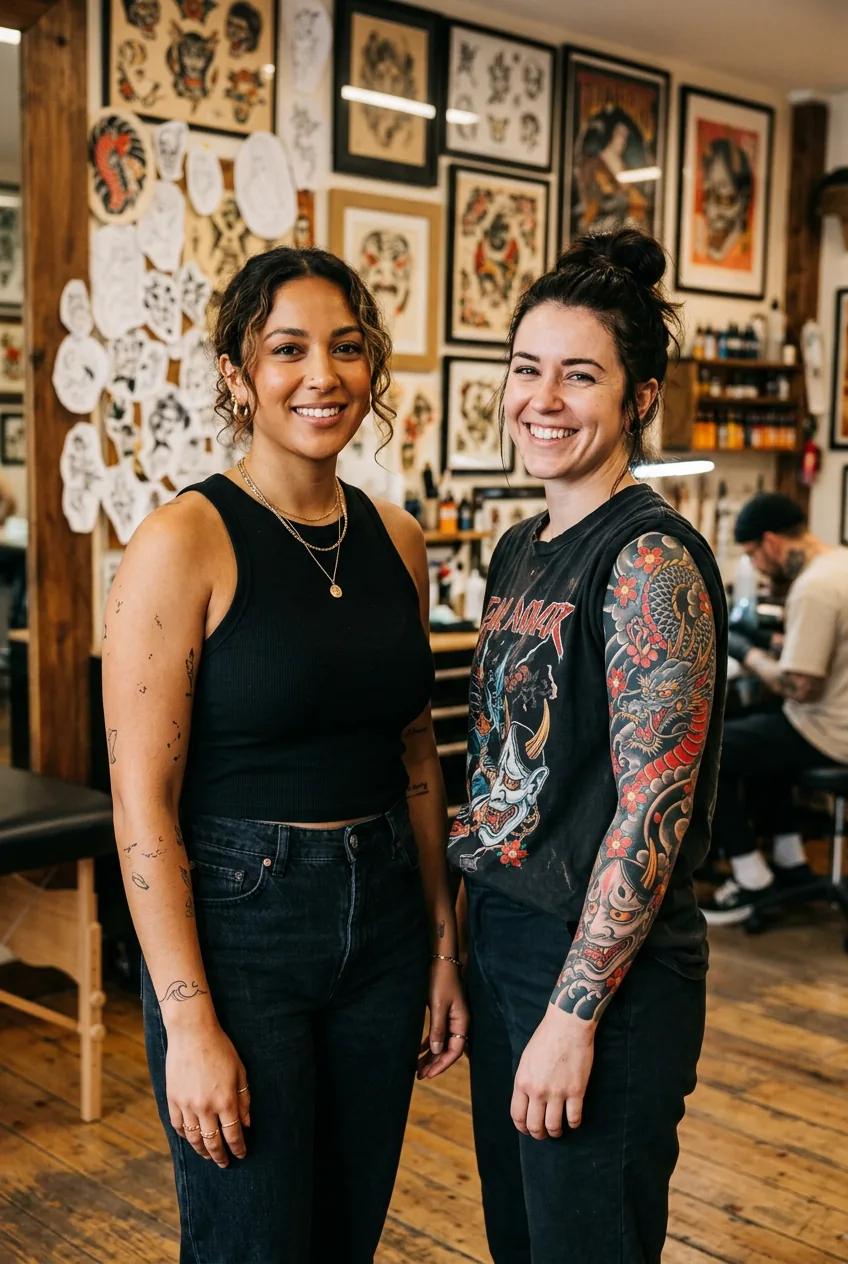
For me, the size and the time commitment were the point. I wanted something I couldn’t finish in an afternoon, because I wasn’t trying to mark a single moment. I was trying to mark a passage — the space between who I was before the piece and who I became by the end of it. That’s the threshold. Not the tattoo itself, but the version of me that walked out of the studio afterward.
Choosing a Japanese Tattoo That Means Something
If you’re considering something in this style, a few things I’d genuinely pass along, not as rules, just as hard-earned notes:
- Find an artist who has actually studied the traditional style, not just one who’s copied a flash sheet — you can usually tell within five minutes of looking at their portfolio.
- Give yourself real time between deciding and booking. Weeks, not days, ideally longer for anything large-scale.
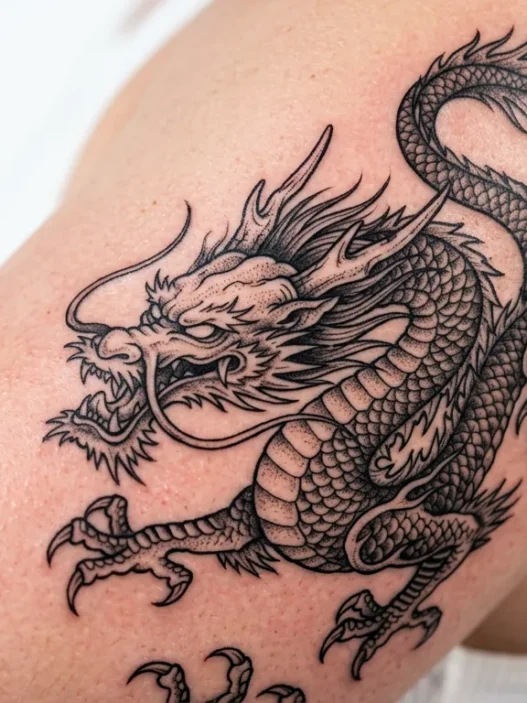
- Understand the motifs before you commit to them. Koi, peonies, waves, dragons — each one carries its own weight, and you should know what you’re choosing, the same way you’d research any symbolic tattoo motifs before it becomes permanent.
- Don’t rush the healing. This is also part of the ritual, oddly enough — the slow, unglamorous weeks of aftercare where the piece finally settles into being yours.

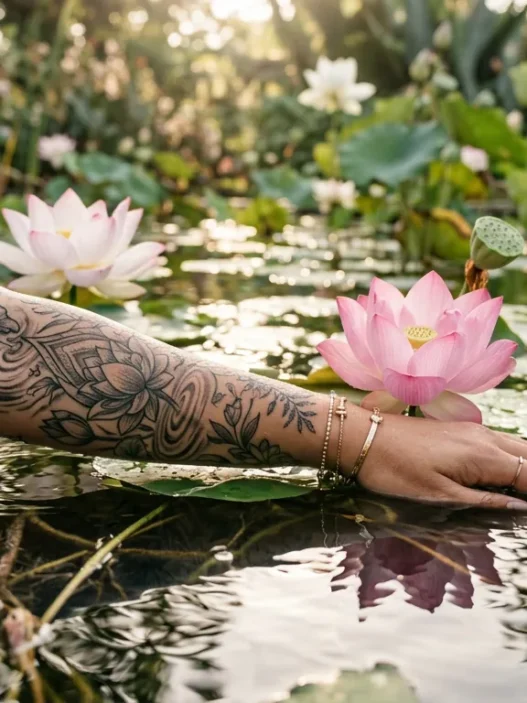
Japanese tattooing sits comfortably alongside other deeply rooted approaches to the craft — you’ll see plenty of overlap in bold linework and color philosophy if you browse traditional tattoos, and if florals speak to you the way waves spoke to me, it’s worth looking at how artists in the floral tattoos space handle similar themes of growth and permanence. Whatever you land on, the point isn’t the style. It’s whether you let the process change you, or just let it happen to you.
I still catch my sleeve in the mirror some mornings and feel that same quiet click of recognition. Not pride, not regret, just recognition — like meeting an old decision and finding it’s still standing where I left it. That’s what I wanted from all of it, and that’s what I got.