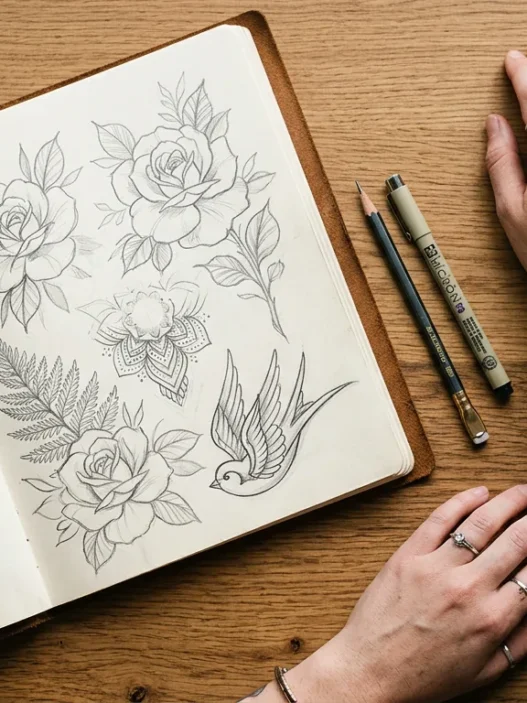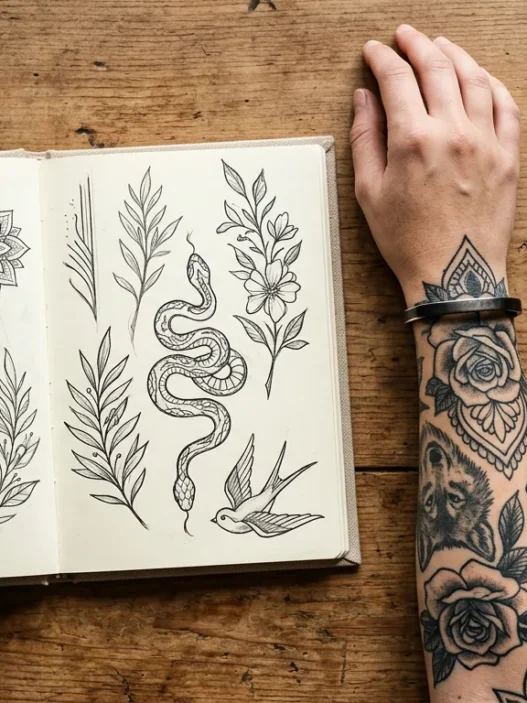




I’ve been obsessed with henna tattoos ever since my first one at a street festival three years ago. What started as curiosity about those intricate brown designs turned into a deep dive into their meanings — and honestly, I was shocked by how much symbolism these temporary tattoos carry. Each pattern tells a story rooted in centuries of tradition.
Discover the Hidden Meanings
- The Lotus Flower: Spiritual Awakening
- Paisley Patterns: Life and Fertility
- Mandala Circles: Wholeness and Balance
- The Hamsa Hand: Protection and Blessings
- Rose Vines: Love and Beauty
- Arabic Calligraphy: Sacred Words
- Geometric Triangles: Strength and Stability
- Moon Phases: Feminine Cycles
- Peacock Feathers: Grace and Pride
- Infinity Symbols: Eternal Connection
- Floral Chains: Unity and Growth
1. The Lotus Flower: Spiritual Awakening
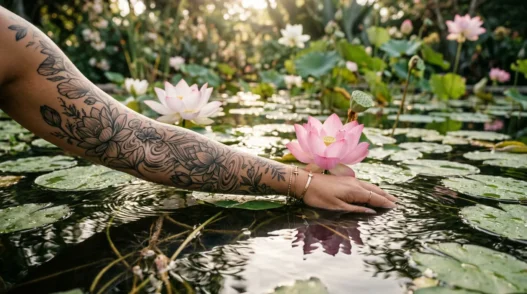
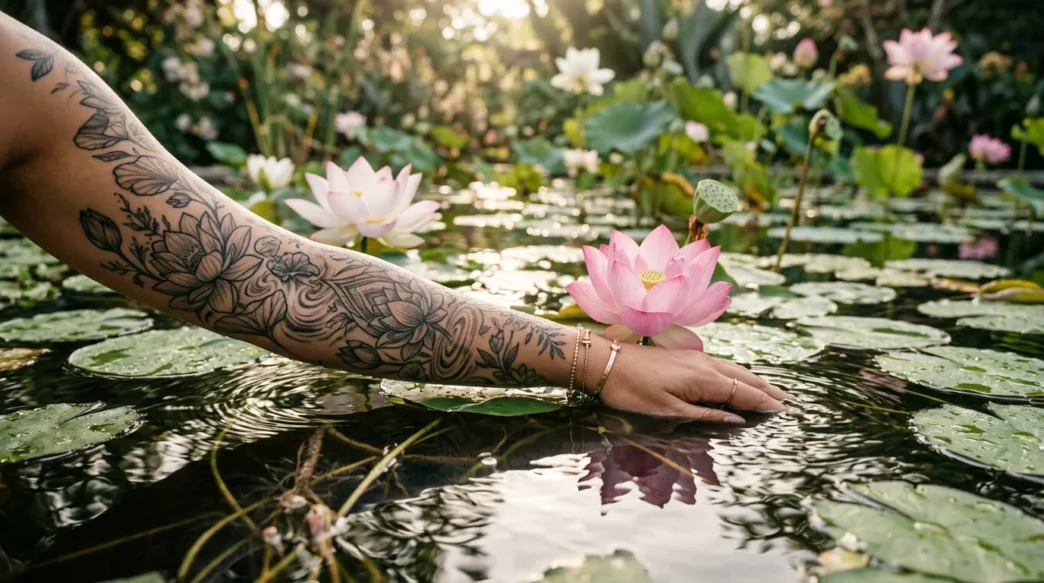
The lotus is my absolute favorite henna design, and for good reason. This flower grows from muddy waters yet emerges completely clean — making it the perfect symbol for transformation and spiritual growth. In Hindu and Buddhist traditions, the lotus represents enlightenment, rebirth, and the ability to rise above challenges.
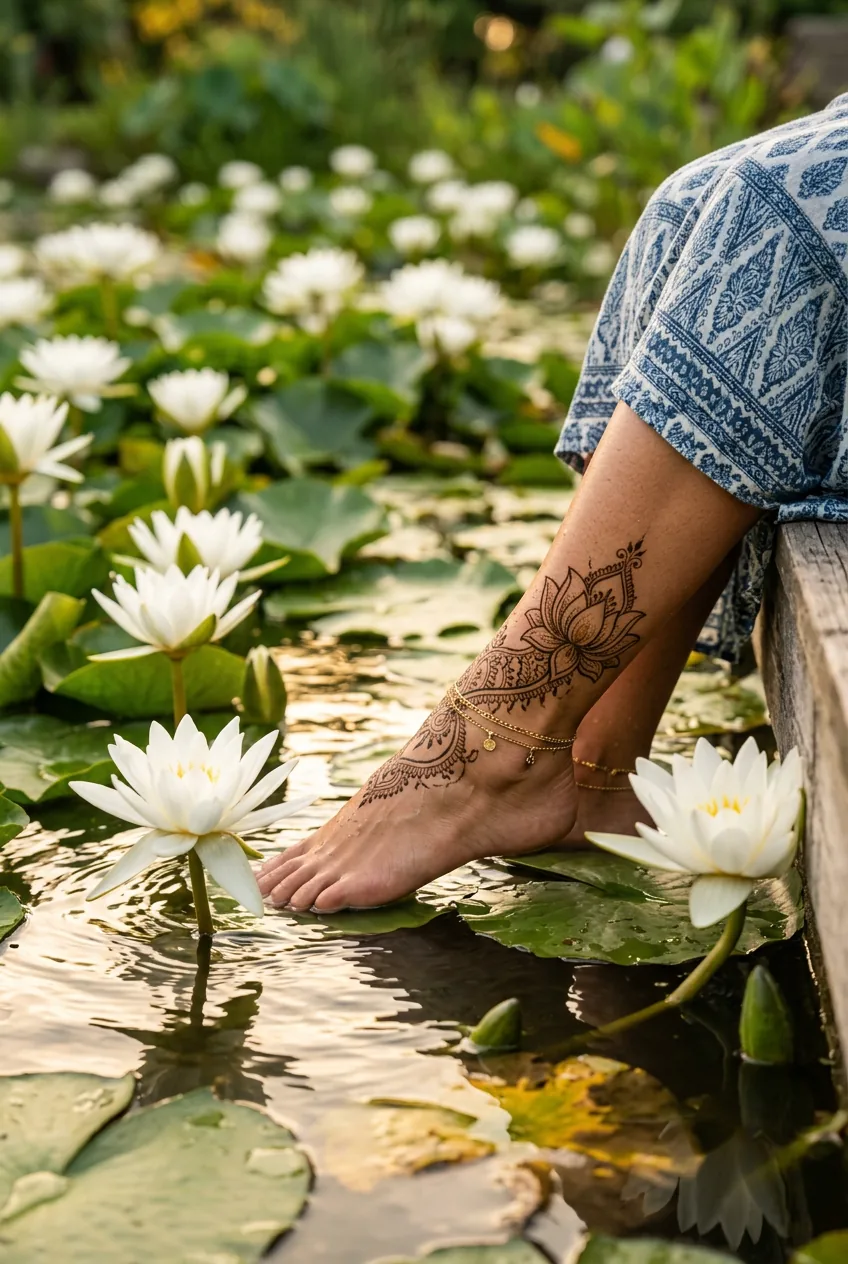
I love how versatile lotus designs are. You can go minimalist with just the flower petals, or create an elaborate piece with stems, leaves, and surrounding water patterns. The best placement? I think they look stunning wrapping around the ankle or flowing down the forearm. Traditional vs. modern approaches to lotus designs offer completely different aesthetics too.
2. Paisley Patterns: Life and Fertility
Paisley might look like just a pretty teardrop shape, but it’s actually one of the most meaningful henna motifs. Originally called “boteh” in Persian, this pattern represents life, fertility, and abundance. The curved shape mimics a seed, symbolizing potential and new beginnings.
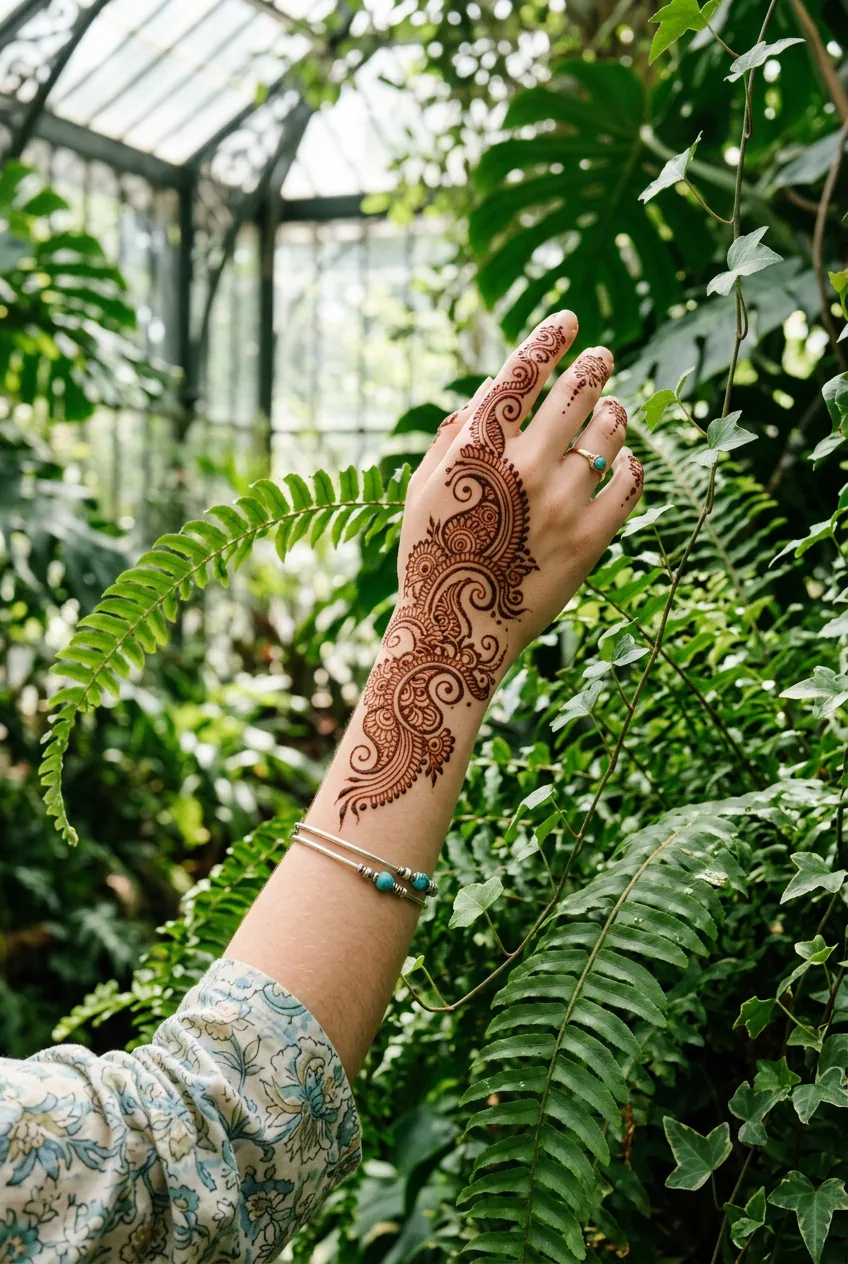
What I find fascinating is how paisley patterns can be arranged. Single paisleys make elegant small tattoos, while interconnected chains create flowing designs perfect for arms or legs. The density of the internal patterns can range from simple dots to incredibly intricate geometric fills.
3. Mandala Circles: Wholeness and Balance
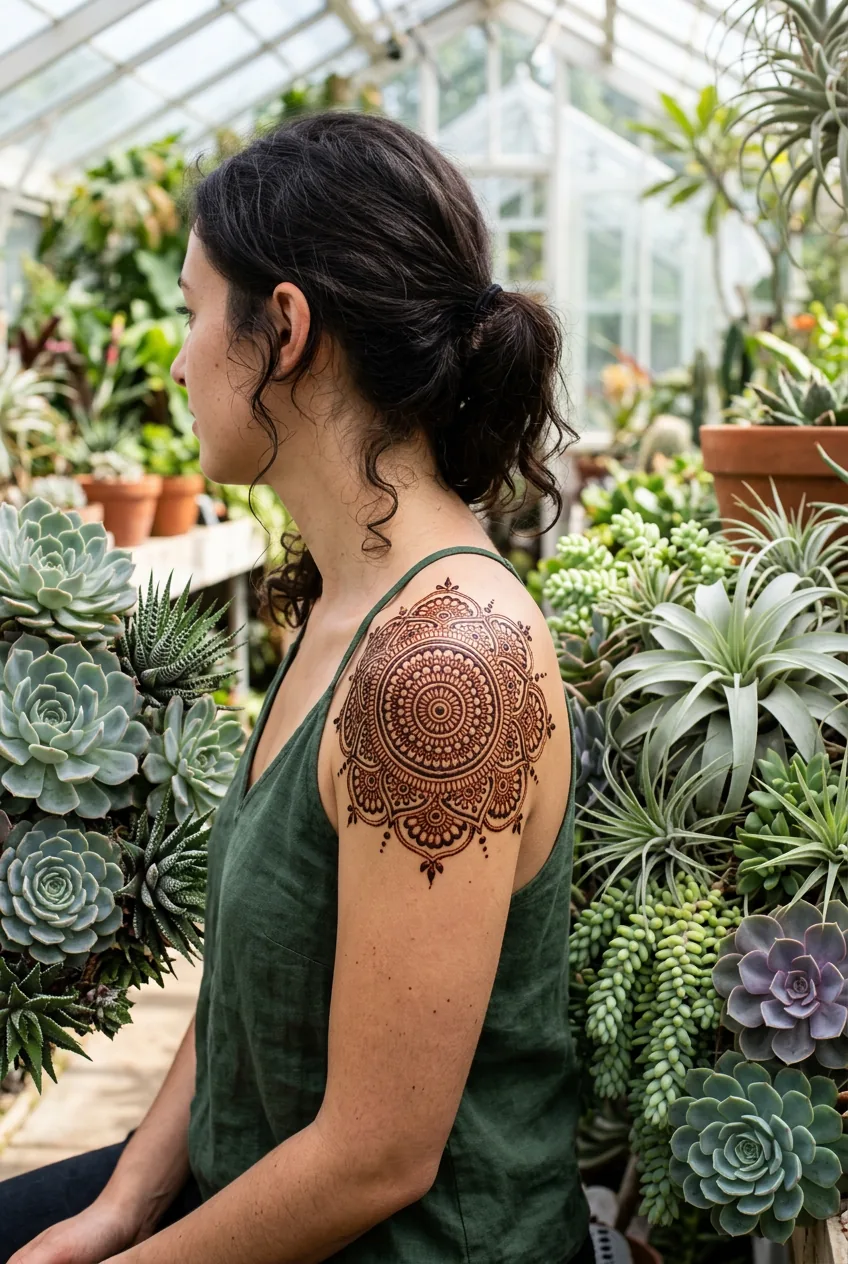
Mandalas are probably the most recognizable henna design, and they’re deeply spiritual. The word “mandala” means circle in Sanskrit, representing wholeness, unity, and the cosmos. These circular patterns radiate from a central point, symbolizing how all life emanates from one source.
I’ve noticed that no two mandalas are ever exactly alike. Each artist brings their own interpretation to the layers of petals, geometric shapes, and intricate details. They work beautifully as shoulder pieces or back designs where there’s room for the full circle to breathe.
Watch This Artist Create Magic
4. The Hamsa Hand: Protection and Blessings
The Hamsa hand is pure protection energy in tattoo form. This palm-shaped symbol appears across Middle Eastern and North African cultures as a ward against evil eye and negative energy. The five fingers represent the five pillars of Islam or the five books of Torah, depending on cultural context.
My personal pick has to be the Hamsa — I got one during a particularly challenging time in my life, and something about having that protection symbol on my wrist just felt right. The intricate finger patterns are like wearing a blessing.
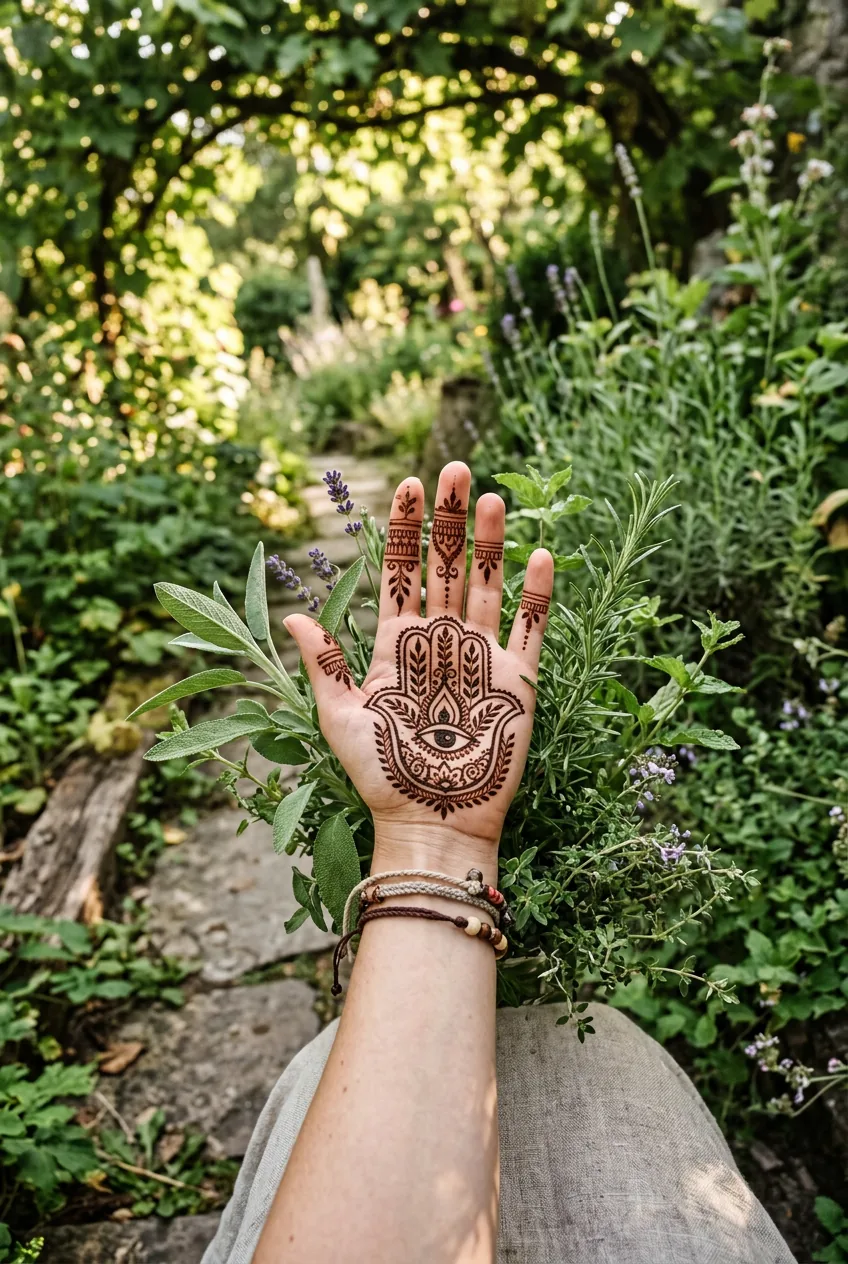
Modern henna artists often add eyes, flowers, or geometric patterns within the palm design. I love how the fingers can be decorated with different motifs while keeping the overall protective meaning intact.
5. Rose Vines: Love and Beauty
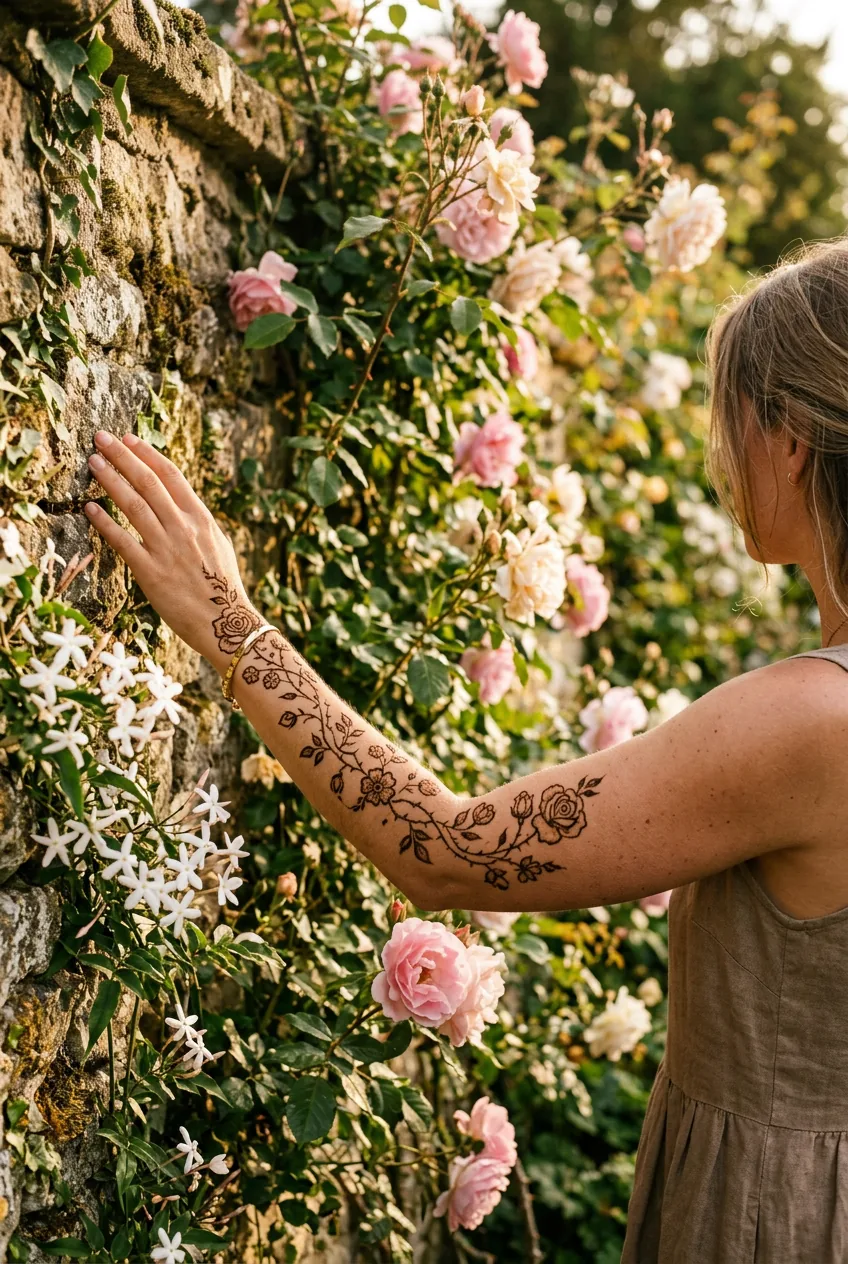
Roses in henna art aren’t just pretty flowers — they’re symbols of divine love, beauty, and passion. The thorny vines represent the challenges we face in love, while the blooming roses show the beauty that emerges from perseverance.
What makes rose vine henna tattoos special is their flexibility. The vines can wrap around curves, follow arm lines, or create delicate ankle chains. I’ve seen stunning pieces where the roses gradually bloom as the vine progresses, telling a story of love’s journey.
6. Arabic Calligraphy: Sacred Words
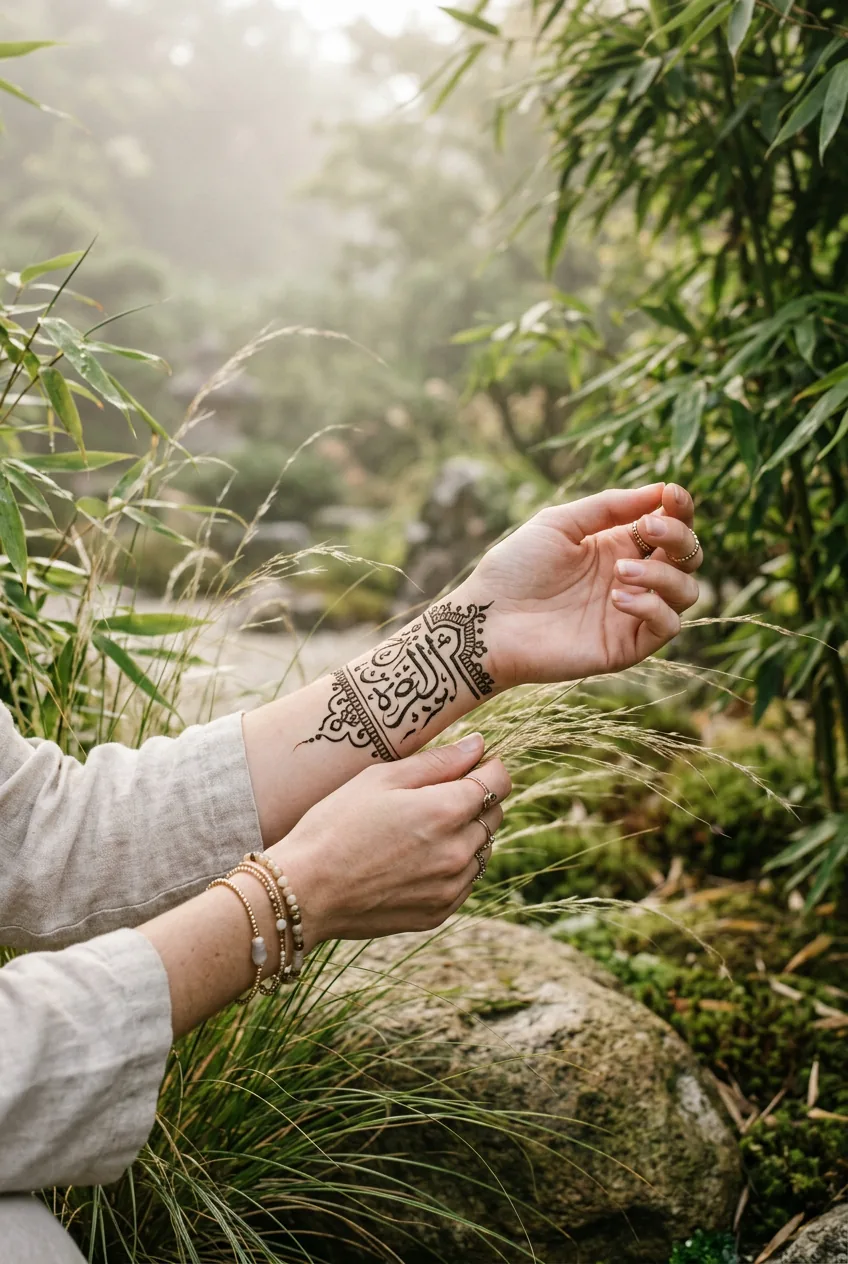
Arabic calligraphy in henna is absolutely mesmerizing. These flowing scripts often contain verses from the Quran, words of blessing, or names of loved ones. The art form transforms text into visual poetry, where each curve and dot carries spiritual significance.
The beauty lies in how the letters connect and flow like water. Even if you don’t read Arabic, the visual impact is stunning. Popular phrases include “Bismillah” (in the name of Allah), “Mashallah” (what God has willed), or simply the word “love” in Arabic script.
7. Geometric Triangles: Strength and Stability
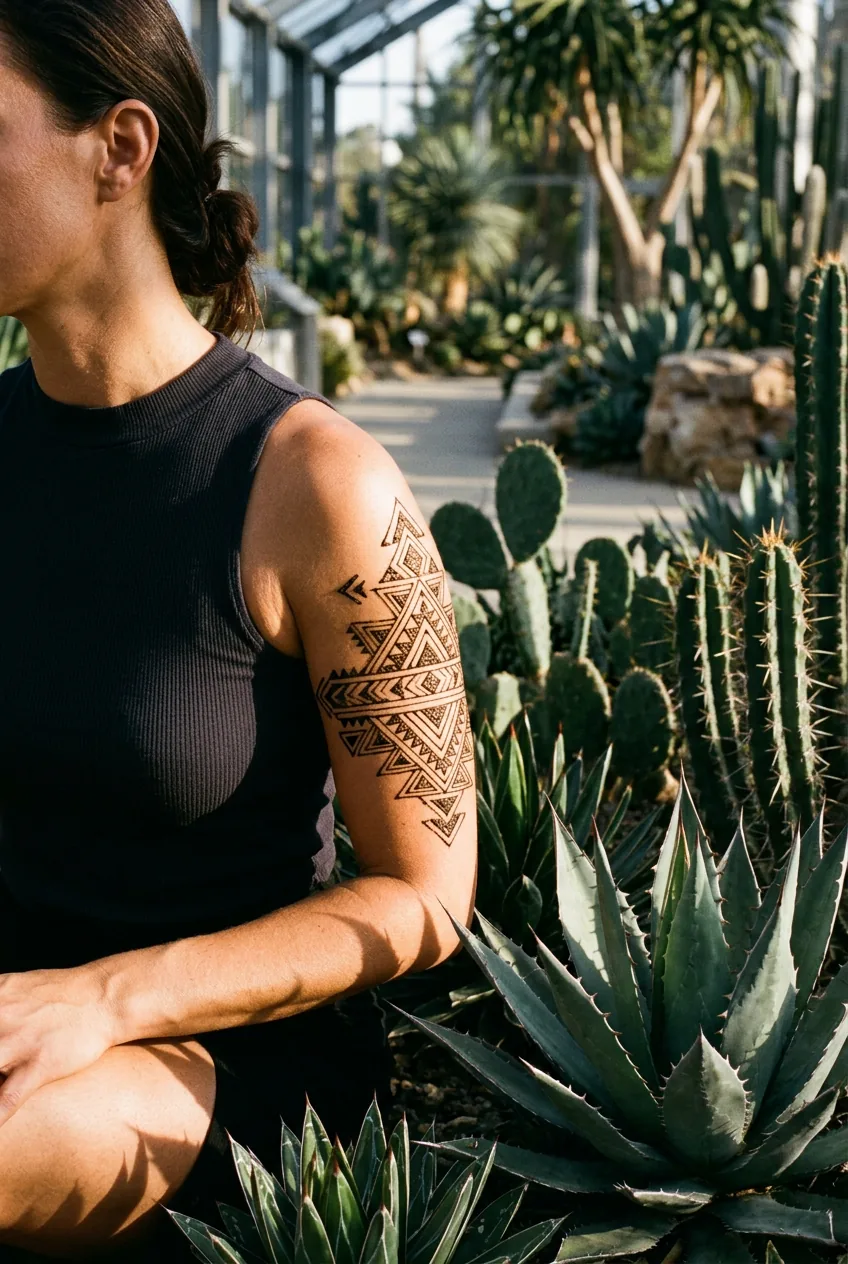
Triangular patterns in henna represent stability, strength, and the sacred feminine. Upward-pointing triangles symbolize masculine energy and fire, while downward triangles represent feminine energy and water. When combined, they create perfect balance.
I’m drawn to how geometric henna designs create optical illusions through repetition. Triangles can form diamonds, stars, or complex lattice patterns. They work particularly well for modern women who want meaningful symbolism without overly traditional florals.
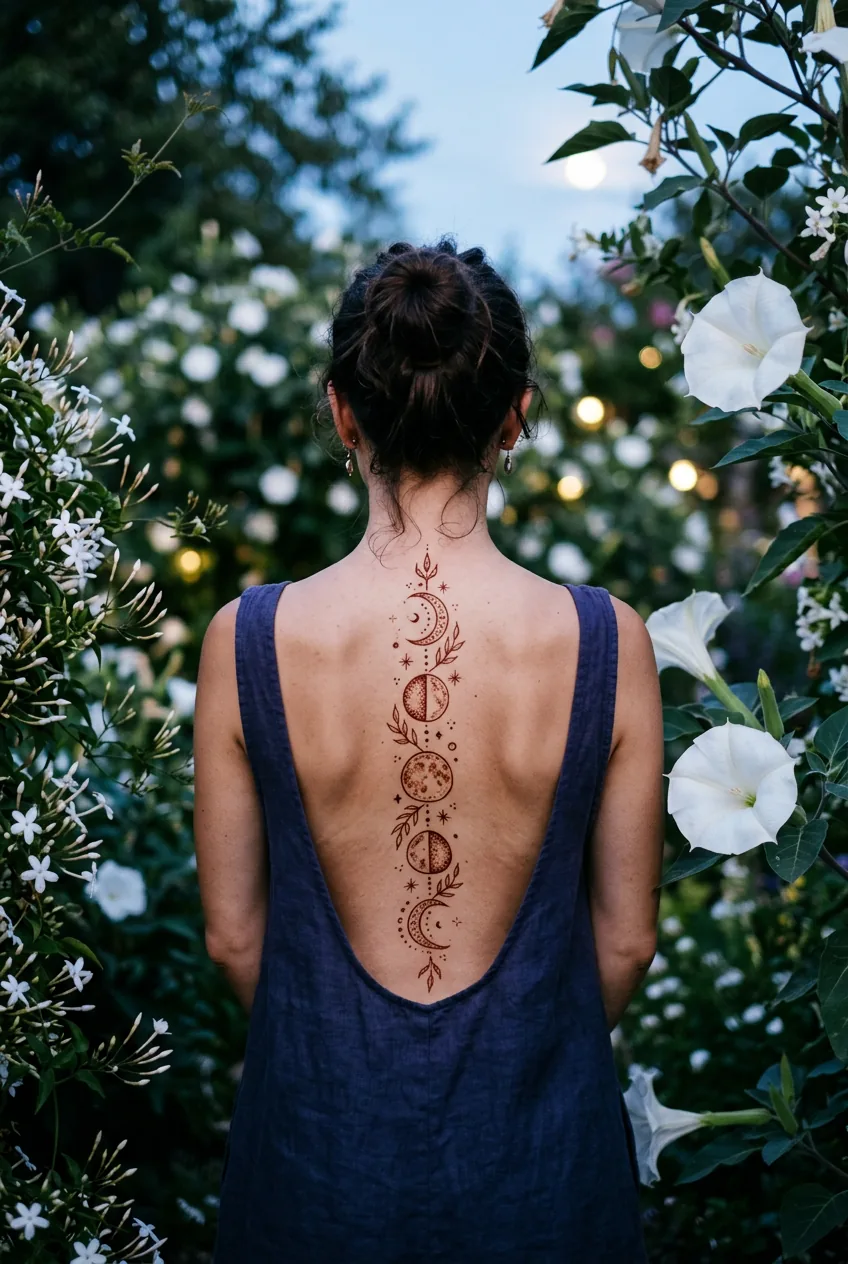
8. Moon Phases: Feminine Cycles
Moon phase henna tattoos speak directly to feminine energy and natural cycles. The waxing and waning moon represents the constant ebb and flow of life, emotions, and spiritual growth. It’s deeply connected to women’s monthly cycles and intuitive wisdom.
These designs can be simple crescents or elaborate phases showing the full lunar cycle. Moon symbolism in tattoos connects to ancient goddess worship and feminine power. I love seeing them placed along the spine or wrapped around the wrist like a celestial bracelet.
9. Peacock Feathers: Grace and Pride
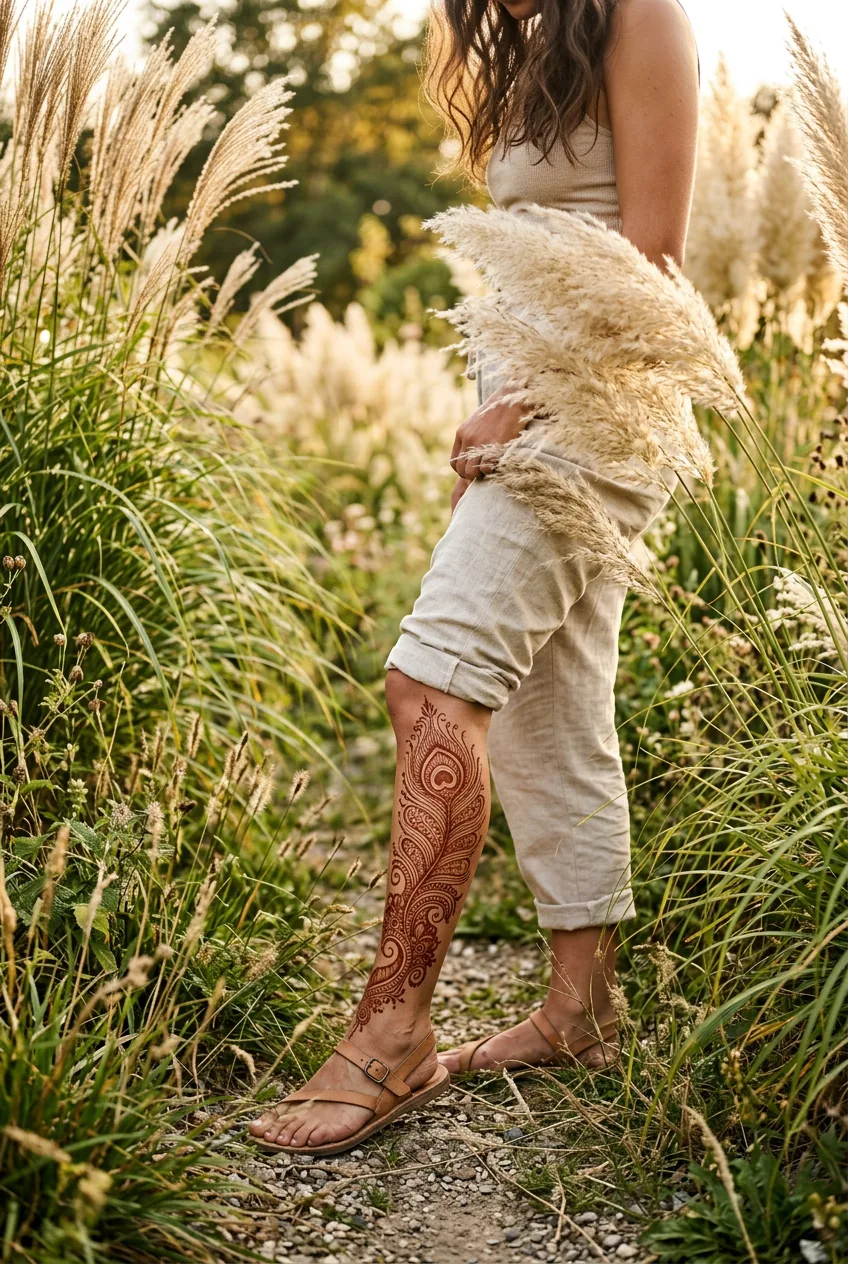
Peacock feathers in henna art symbolize grace, pride, and royalty. In Hindu mythology, the peacock is associated with Lakshmi, goddess of wealth and prosperity. The eye pattern on the feather represents the all-seeing eye of protection and wisdom.
The intricate details possible in peacock feather henna are incredible. Artists can create realistic texture through tiny lines and dots, making the design look almost three-dimensional. They’re perfect for long, flowing placements like down the back of the arm or along the calf.
10. Infinity Symbols: Eternal Connection
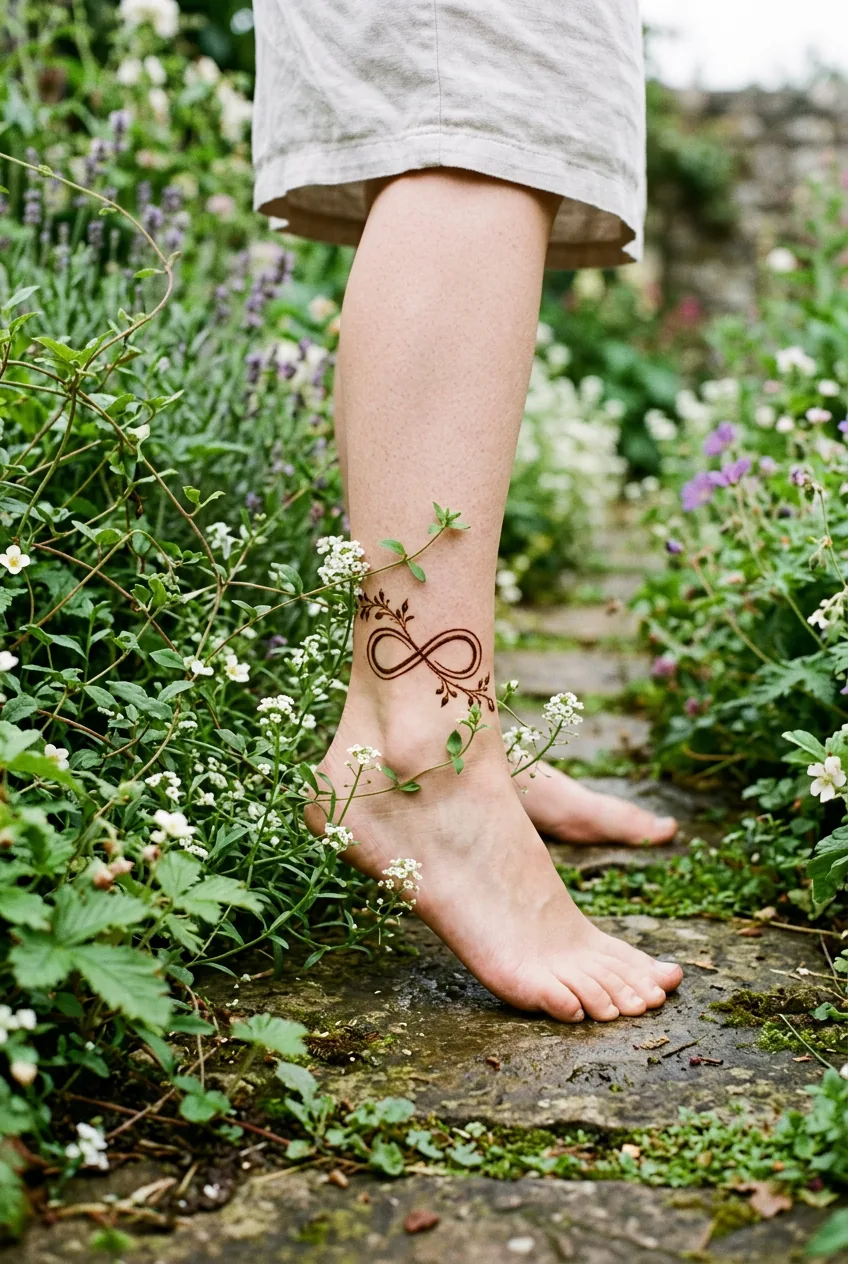
The infinity symbol in henna represents eternal love, endless possibilities, and unbreakable bonds. While it’s a relatively modern addition to traditional henna art, it’s become incredibly popular for its simple yet profound meaning.
What I love about infinity henna designs is how they can incorporate other elements. Names, dates, or small flowers can be woven into the loops, creating personalized meanings. Fine line techniques work beautifully for these delicate symbols.
11. Floral Chains: Unity and Growth
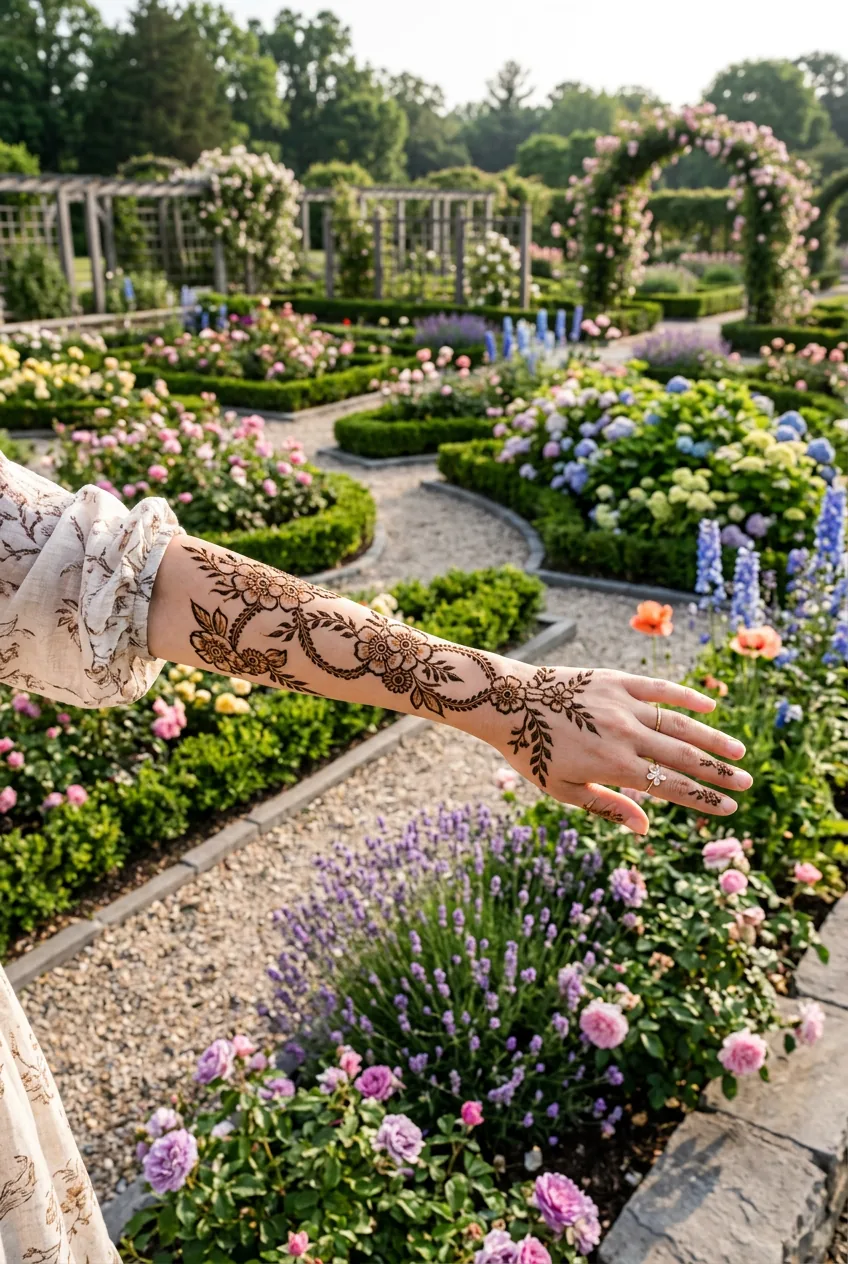
Floral chain patterns represent unity, connection, and continuous growth. These flowing designs often combine different flowers — roses, lotus, jasmine — each contributing its own symbolism to create a story of life’s journey and interconnectedness.
The versatility of floral chains makes them perfect for any body placement. They can curve around shoulders, flow down arms, or create delicate ankle decorations. Proper aftercare ensures these detailed designs heal beautifully and last their full duration.
Questions I Get About Henna Meanings
Do henna tattoo meanings change based on placement?
Not really — the symbol itself carries the primary meaning regardless of where you place it. However, certain placements can enhance the symbolism. For example, protective symbols like the Hamsa work beautifully on wrists or hands where they’re visible.
Can I combine different meaningful symbols in one design?
Absolutely! Many traditional henna designs blend multiple symbols. A lotus surrounded by paisley patterns, or a mandala incorporating moon phases, creates layered meaning. Just make sure the combination flows visually and the meanings complement each other.
Are there symbols I should avoid for cultural sensitivity?
It’s wise to understand the cultural context of any symbol before using it. Religious symbols like Om or sacred Arabic text deserve particular respect. When in doubt, ask your henna artist about the cultural significance and choose symbols that feel authentic to your own spiritual journey.
How long do meaningful henna tattoos typically last?
Quality henna tattoos usually last 1-3 weeks, depending on placement and aftercare. The meaning stays with you much longer though! I find that choosing a symbol with personal significance makes the temporary nature feel less important — it’s about the intention you set when getting it.
These symbolic henna designs offer such a beautiful way to wear your intentions and connect with ancient wisdom. Whether you choose the transformative lotus or protective Hamsa, you’re carrying centuries of meaning in those intricate brown lines. And honestly? That temporary nature makes each one feel even more special — like a moment of spiritual significance captured in time.