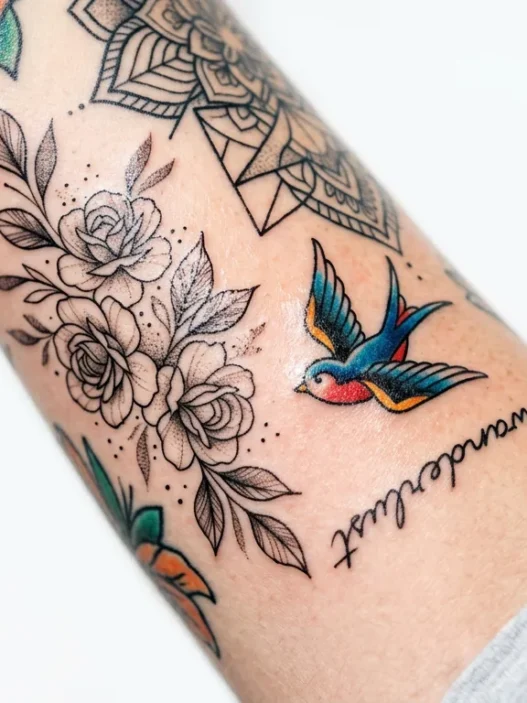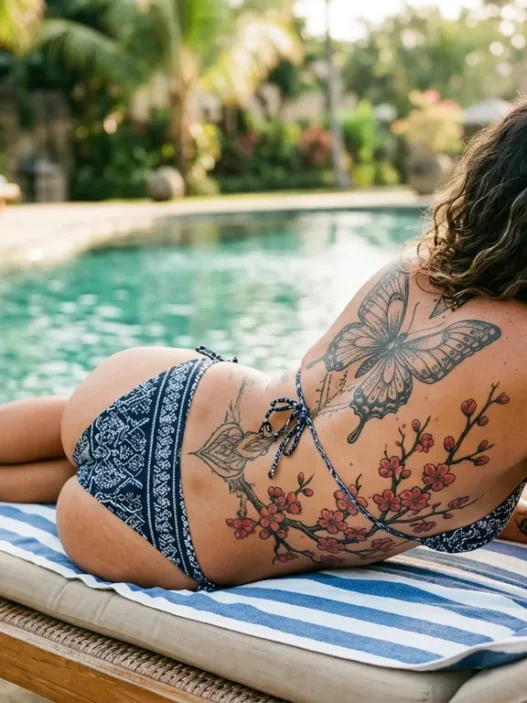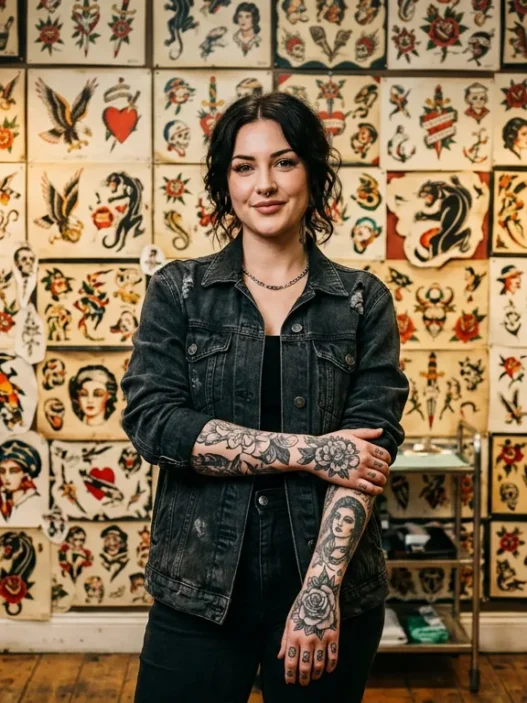






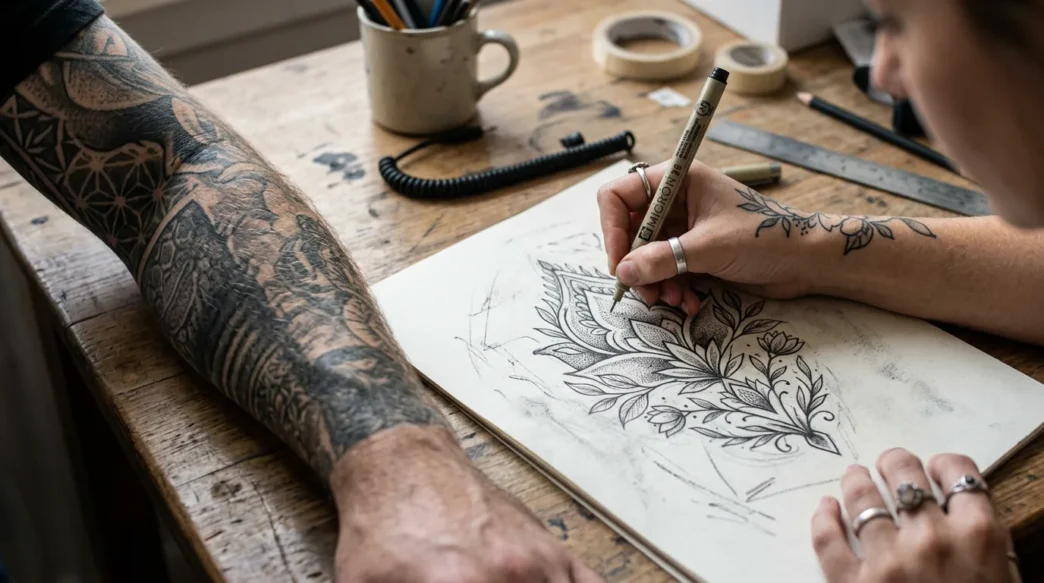
I spent three months going back and forth between a traditional mehndi-inspired shoulder piece and this gorgeous modern geometric interpretation I’d seen on Instagram. The indecision was killing me. Every time I thought I’d settled on one style, I’d see something in the other camp that made me second-guess everything.
What you’ll need for this decision:
- Honest assessment of your cultural background and connection to henna traditions
- Understanding of your skin type and how tattoos typically heal on you
- Research into local artists who specialize in intricate linework
- Clear idea of your pain threshold and session preferences
- Long-term vision of how this tattoo fits your evolving style
Which Style Matches Your Cultural Connection
Let’s get real about this first. Traditional henna patterns carry deep cultural significance — they’re not just pretty swirls. If you have South Asian, Middle Eastern, or North African heritage, a traditional approach might feel like honoring your roots. The classic paisley motifs, mandala centers, and intricate bridal patterns tell stories that have been passed down for generations.
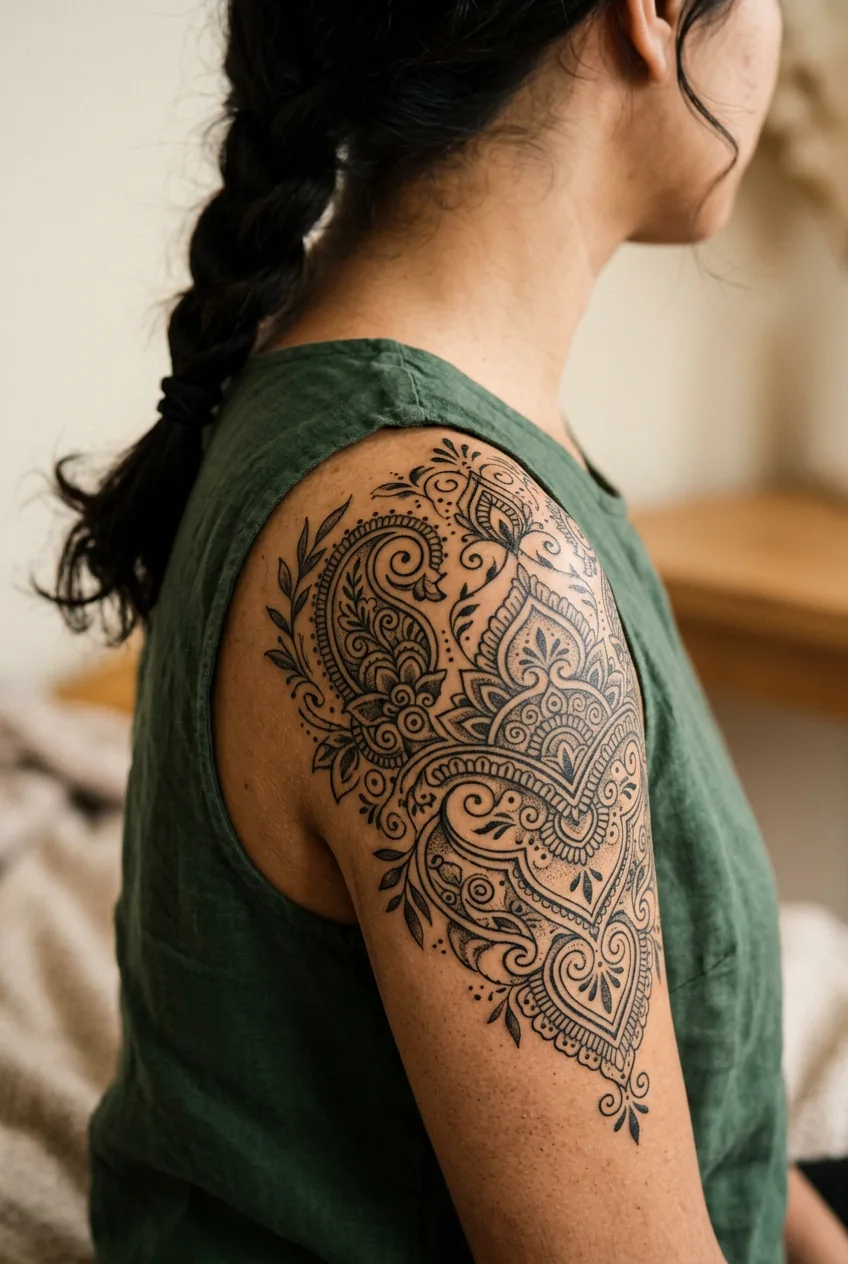
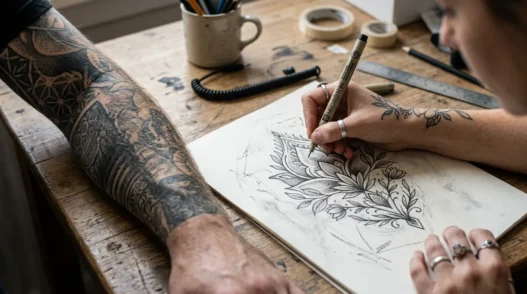
But here’s where it gets interesting. Modern henna-style tattoos take those foundational elements and remix them completely. Think geometric interpretations of traditional paisleys, or mandala-inspired designs that incorporate contemporary line weights and negative space. These aren’t trying to replicate authentic mehndi — they’re using henna aesthetics as a starting point for something entirely new.
I ended up choosing modern because I’m not South Asian, and I didn’t want to feel like I was appropriating something sacred. The geometric approach let me appreciate the beauty of henna artistry without overstepping cultural boundaries. That felt right for me, but your situation might be completely different.
Which Design Ages Better on Your Skin
This is where the technical stuff gets crucial. Traditional henna patterns rely heavily on super fine line work — we’re talking hairline details that look incredible fresh but can blur together as your skin ages and the ink settles.
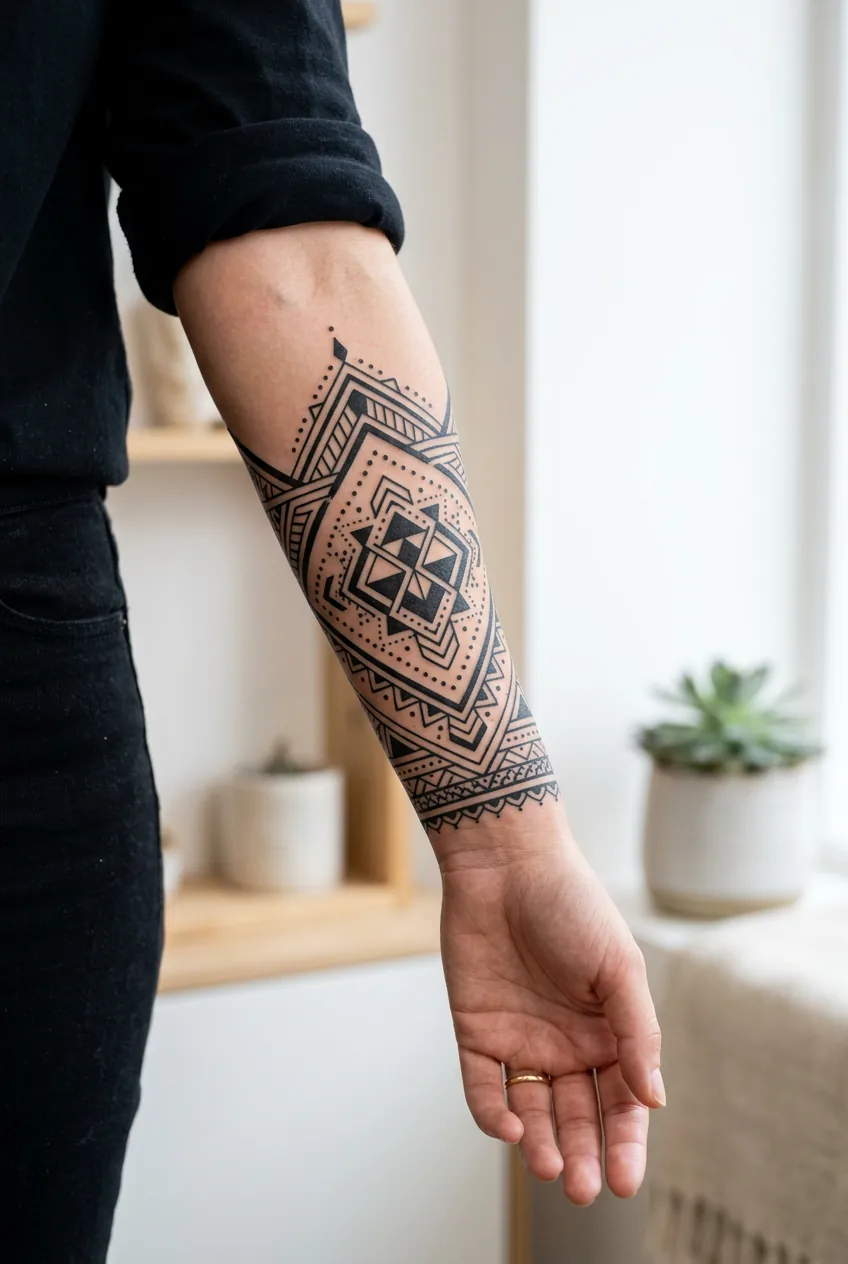
Modern interpretations often use bolder line weights and more strategic negative space. Those thicker lines hold their shape better over time. The geometric approach also means fewer tiny details that might turn into muddy blobs down the road.
I made the mistake of choosing a design with incredibly detailed filling patterns in the smallest spaces. Two years later, some of those areas look fuzzy. I wish I’d gone with cleaner, bolder elements in those tight spots.
Your skin type matters here too. If you’re prone to keloid scarring or your tattoos tend to spread slightly during healing, modern’s cleaner approach might be smarter. Traditional works beautifully on skin that heals tattoos crisp and clean.
Which Artist Can Actually Execute It
Not every tattoo artist can pull off authentic traditional henna patterns. The level of detail required is insane — we’re talking about artists who specialize in precise, intricate work and have studied actual mehndi techniques. These artists charge premium rates and often have months-long wait lists.
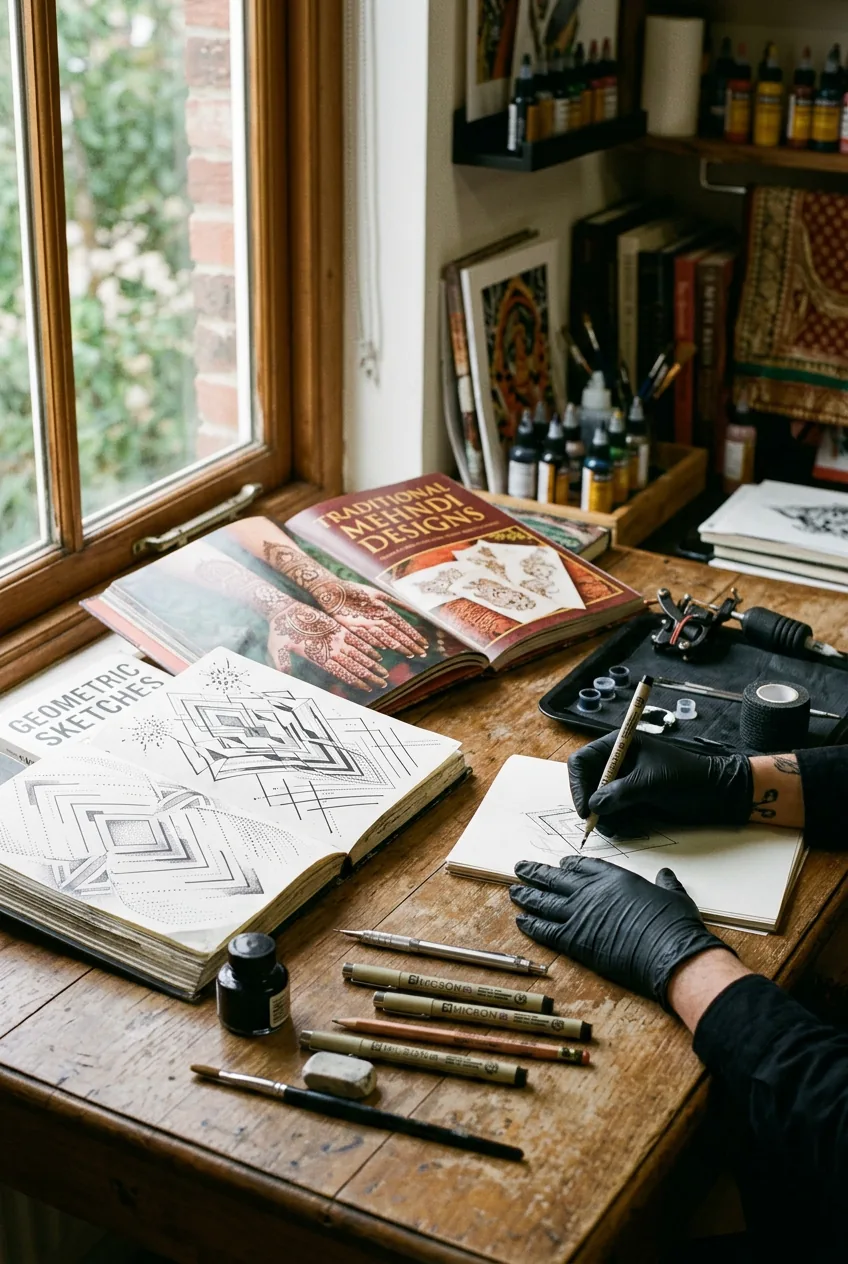
Modern henna-style tattoos are more accessible. While you still want someone skilled in fine line work, the geometric approach is within reach of most experienced tattoo artists. You’re not requiring them to understand traditional pattern flows or cultural symbolism — just clean execution of contemporary design elements.
I found exactly three artists in my city who I trusted with traditional work, but over a dozen who could handle the modern style I was considering. That broader pool of artists also meant better pricing and shorter wait times. Finding the right artist becomes much easier when you’re not hunting for extremely specialized skills.
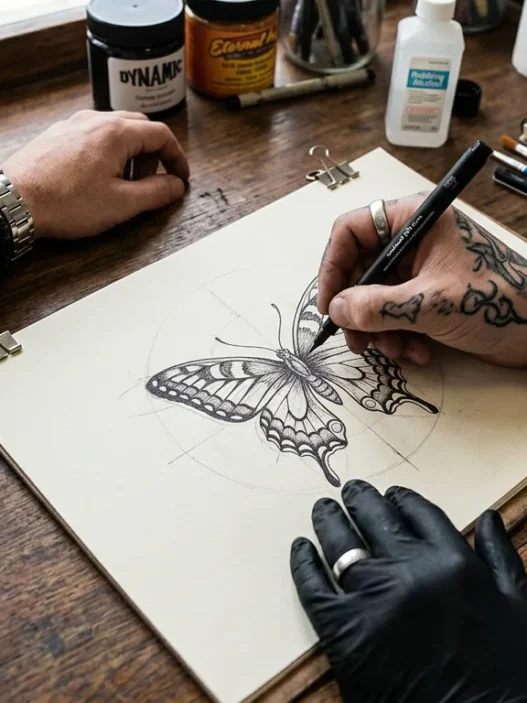
Watch This Artist Work Live
Which Style Fits Your Pain Tolerance
Traditional henna patterns require marathon sessions. Those intricate details can’t be rushed, and stopping mid-pattern often ruins the flow. I’ve sat through 6-hour sessions for traditional work — it’s brutal, especially in sensitive areas like ribs or inner arms.
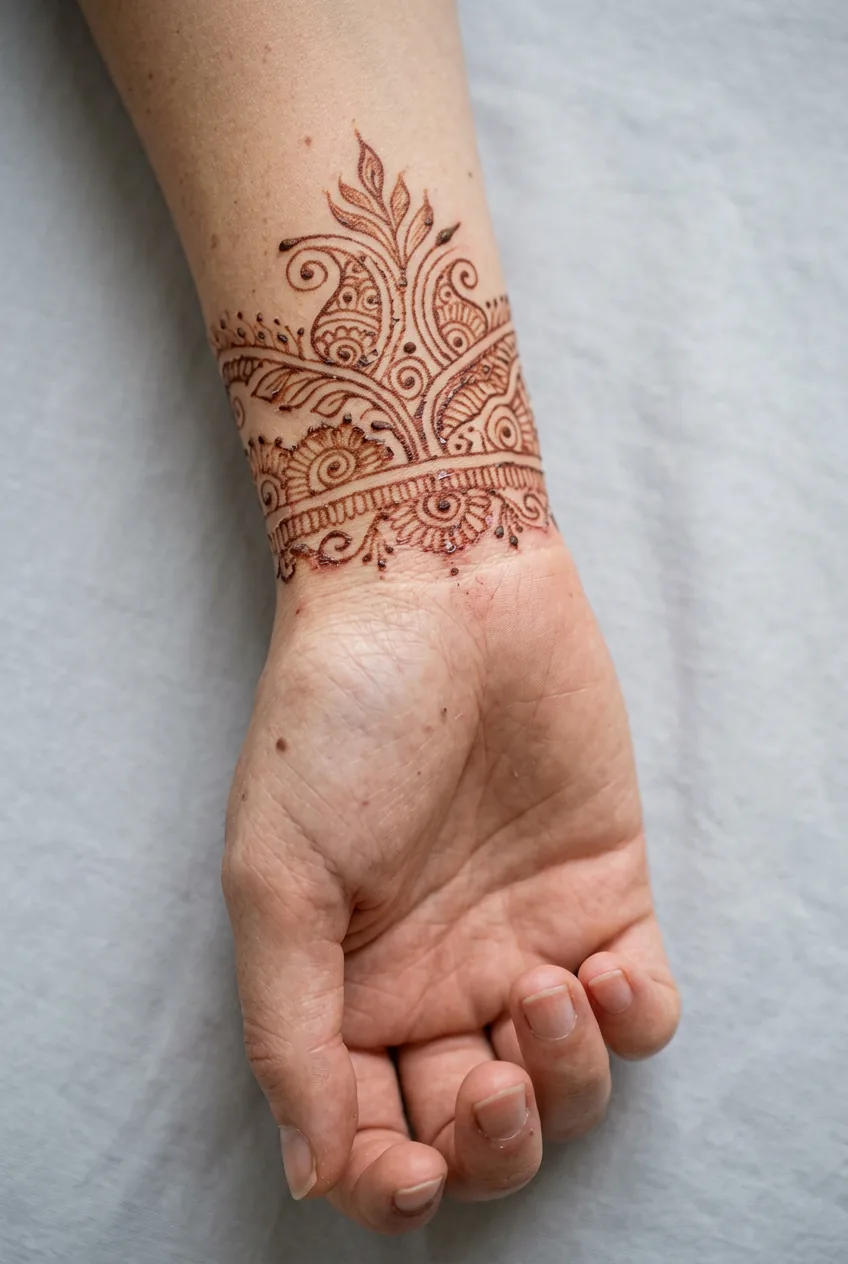
Modern designs offer more flexibility. You can often break them into multiple sessions more easily, or design them to work well even if completed in stages. The bolder elements mean your artist can work faster without sacrificing quality.
If you’re someone who taps out after 2-3 hours in the chair, modern might be your better bet. But if you can handle long sessions and actually prefer getting everything done at once, traditional’s marathon approach might suit you perfectly.
Which One Will You Still Love in 10 Years
Traditional henna patterns have staying power — they’ve been beautiful for centuries and aren’t going anywhere. There’s something timeless about authentic mehndi-inspired work that transcends trends.
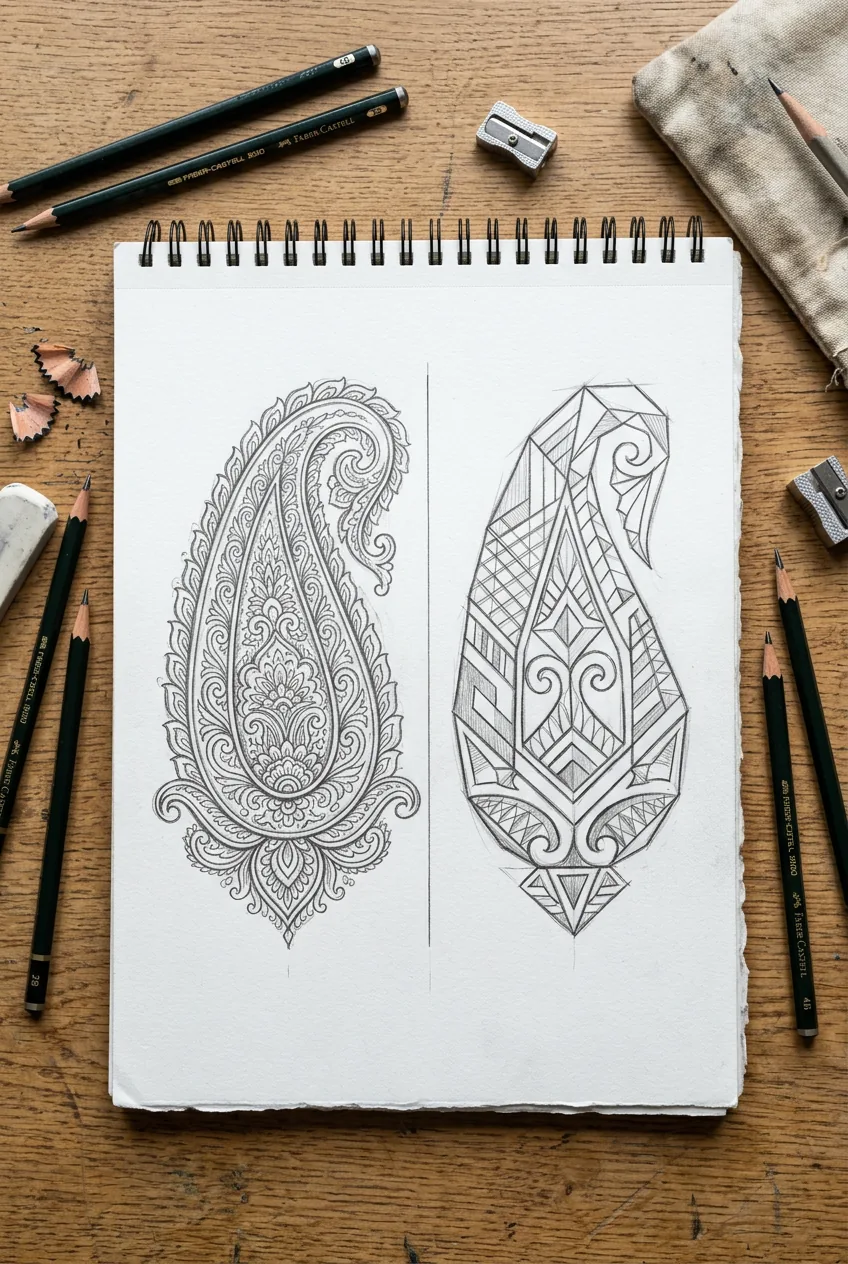
Modern geometric interpretations feel very 2026 to me. That’s not necessarily bad — I love how contemporary they look right now. But will that geometric aesthetic still appeal to me when I’m 50? It’s harder to predict.
Think about your personal style evolution. Are you someone who sticks with classic choices, or do you embrace changing aesthetics? There’s no wrong answer, but be honest about which camp you’re in. Minimalist tattoos have taught me that sometimes the simpler, more timeless choice ages better than trend-driven designs.
Making Your Final Decision
Here’s how I finally decided: I drew up a pros and cons list for each style, but then I did something else. I lived with printed versions of both designs on my mirror for two weeks. Every morning, I’d look at them and notice which one made me smile.
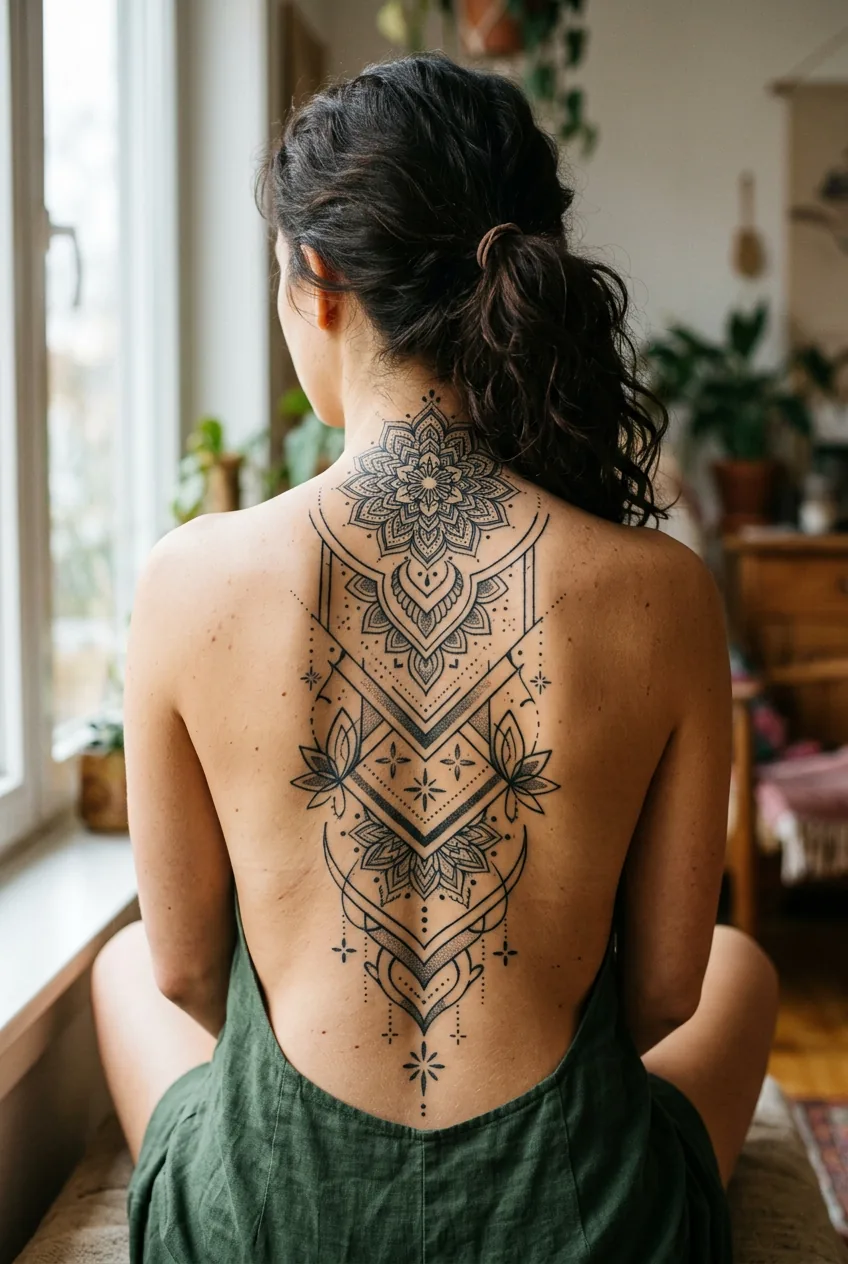
The modern geometric version won. Not because it was objectively better, but because it felt like me. It honored the beauty of henna artistry while fitting my personal aesthetic and lifestyle constraints.
Your decision might be completely different. Maybe you have cultural connections that make traditional the obvious choice. Maybe your skin type and artist availability point toward modern. Maybe you just love one style more than the other — and honestly, that’s the most important factor of all.
Don’t overthink this decision to death like I did. Both approaches can result in absolutely stunning tattoos. The “right” choice is whichever one makes you excited every time you picture it on your body. Trust that instinct — it knows what it’s talking about.
Questions I Get About Henna-Style Tattoos
Can I mix traditional and modern elements in one design?
Absolutely, but it requires a skilled artist who understands both aesthetics. The key is maintaining visual coherence — choose one style as your foundation and use the other as accent elements. I’ve seen gorgeous pieces that use traditional paisley shapes with modern geometric fills.
How much should I expect to pay for detailed henna-style work?
Traditional detailed work typically runs $150-250 per hour with specialized artists, and these pieces often take 4-8 hours. Modern interpretations might cost $100-200 per hour and can often be completed faster due to bolder line work. Always get quotes upfront.
Do henna-style tattoos require special aftercare?
The fine line work in both styles needs extra protection during healing. Keep them out of direct sun, don’t soak them in water, and be gentle with cleaning. The intricate details can be more sensitive to rough handling than bold traditional tattoo styles.
Will the fine lines blur together over time?
Some blurring is natural with any tattoo, but proper execution and aftercare minimize this. Traditional styles with extremely fine details are more susceptible, while modern geometric approaches with adequate spacing between elements tend to age better. Quality linework from an experienced artist makes all the difference.