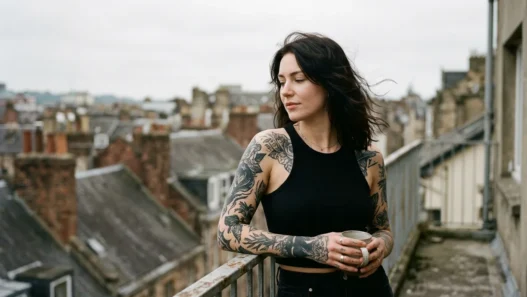

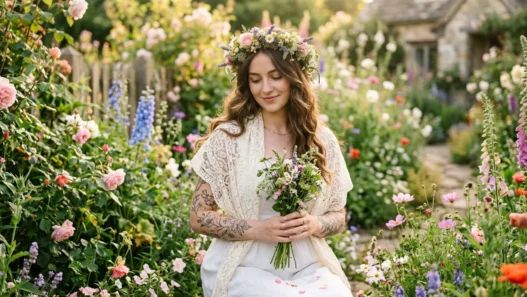


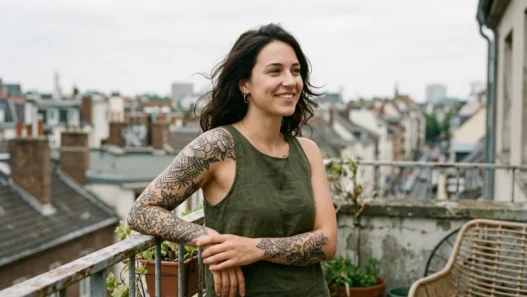
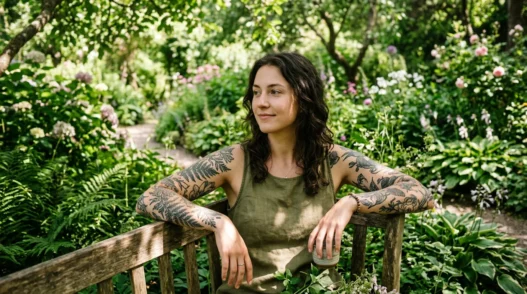
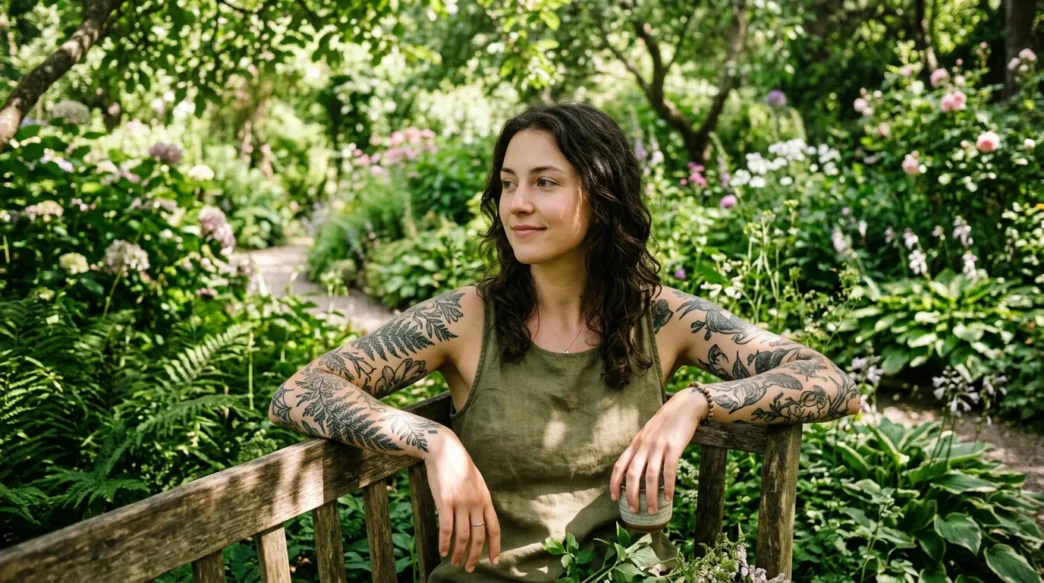
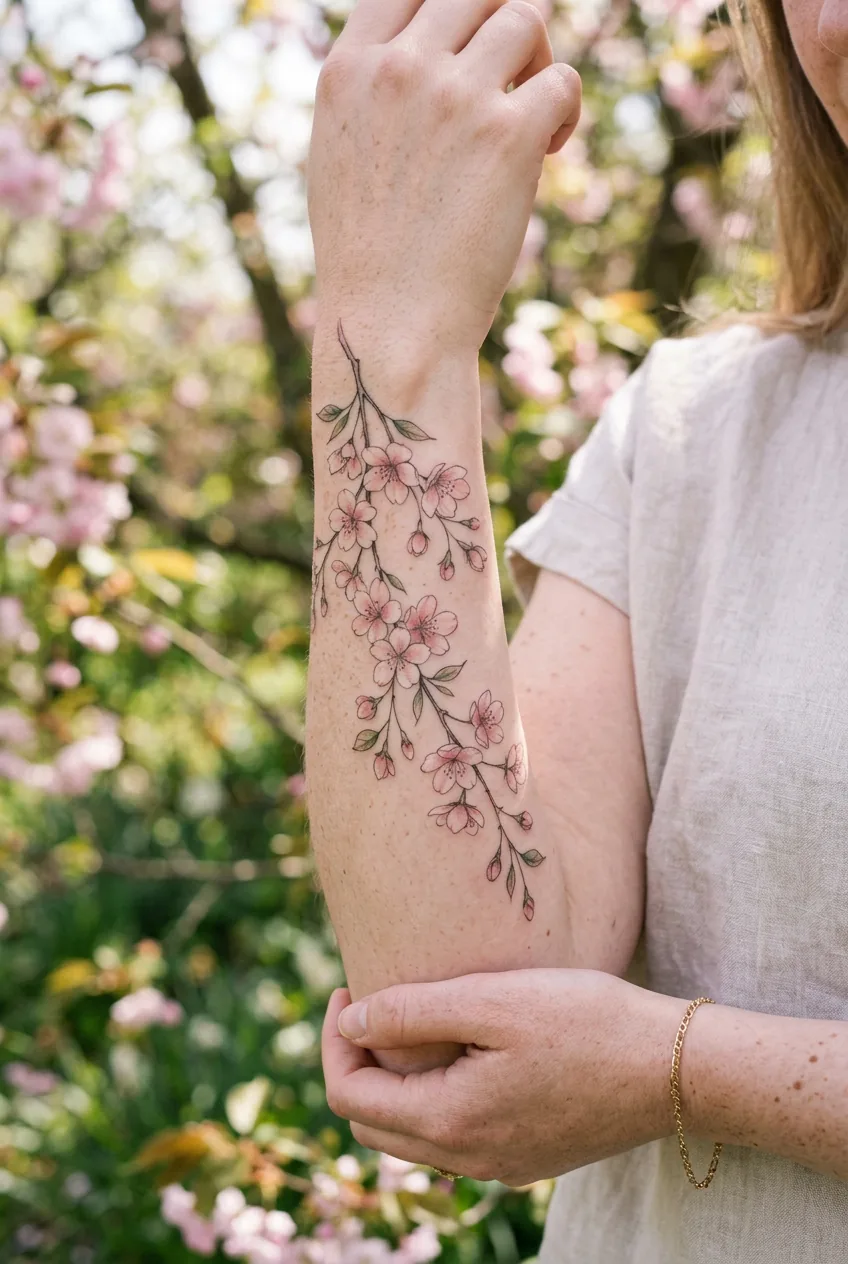
I was nineteen when I first saw her walking out of the coffee shop, and I swear I forgot how to breathe. Not because she was stunning (though she was), but because of the delicate cherry blossoms cascading down her forearm like they’d grown there naturally. That moment changed everything for me. Eight years later, I’m covered in my own botanical garden, and I’ve never once regretted falling head over heels for flower tattoos.
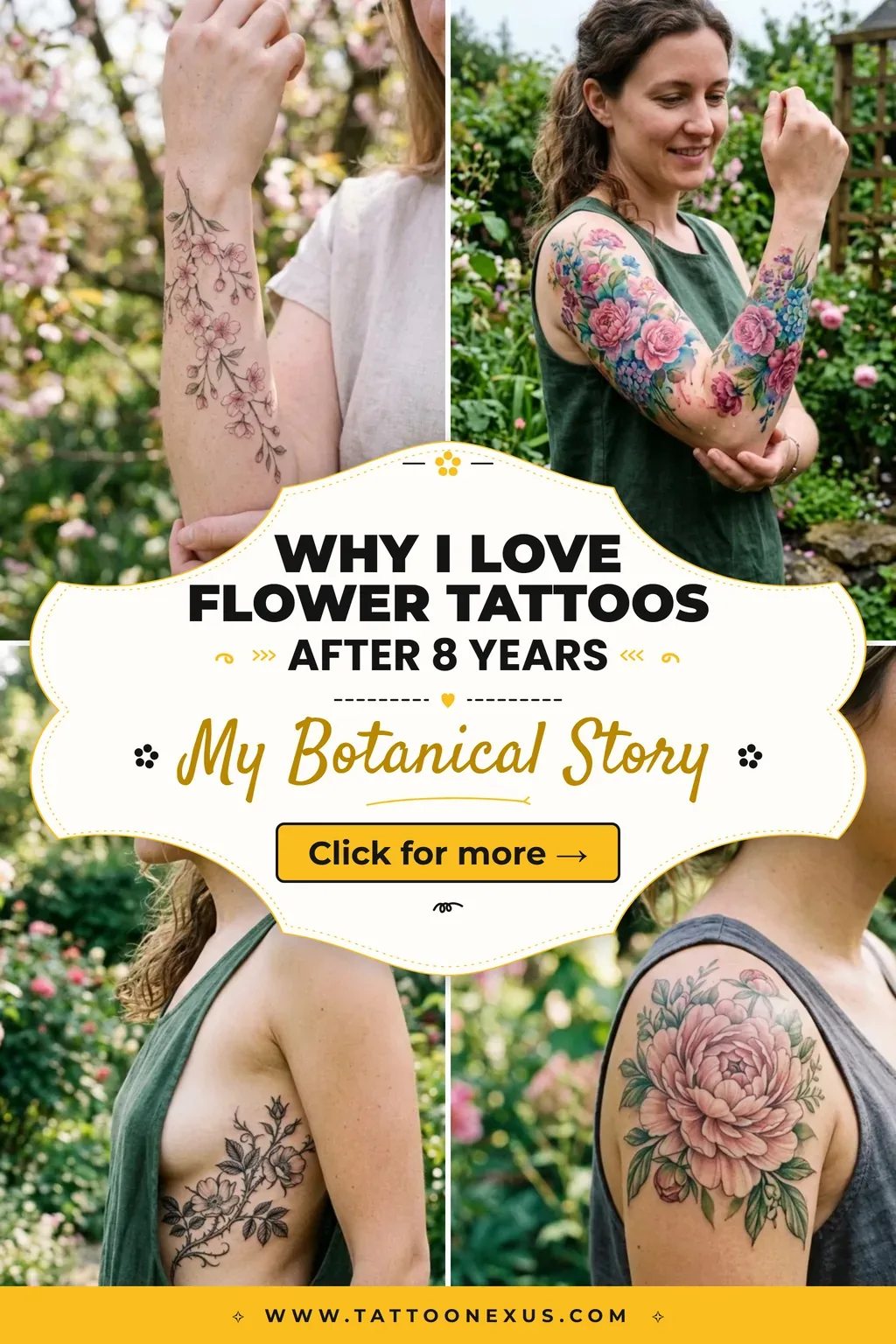
What Makes Me Love Flower Tattoos So Much
The First Time I Saw It
That girl in the coffee shop? She had this ethereal quality that I couldn’t put my finger on until I realized it was how her tattoo seemed to live and breathe with her movements. The cherry blossoms weren’t just sitting on her skin — they were part of her story.
I’d been considering getting my first tattoo for months, scrolling through endless flash sheets of anchors and infinity symbols. But seeing those delicate pink petals changed my entire perspective. Flowers weren’t just pretty decorations. They were symbols of growth, renewal, femininity, strength. They could be soft or bold, realistic or abstract, tiny or sprawling.
What struck me most was the versatility. Every flower carries its own meaning — roses for love, lotuses for rebirth, peonies for honor. But beyond symbolism, they offered something other tattoo styles couldn’t: natural movement and organic flow that worked with the body’s curves instead of fighting them.
Why Nothing Else Compares
Here’s my controversial take: geometric tattoos are overrated. There, I said it. Don’t get me wrong — I appreciate the precision and skill involved. But after years of watching trends come and go, flower tattoos remain timeless in a way that perfectly aligned triangles simply don’t.
Think about it. When was the last time you looked at a vintage photo from the 1940s and thought, “Wow, that rose tattoo looks so dated”? Never. But I guarantee you’ll feel differently about today’s mandala designs in twenty years. Flowers have been adorning human skin for centuries because they represent something fundamental about the human experience.
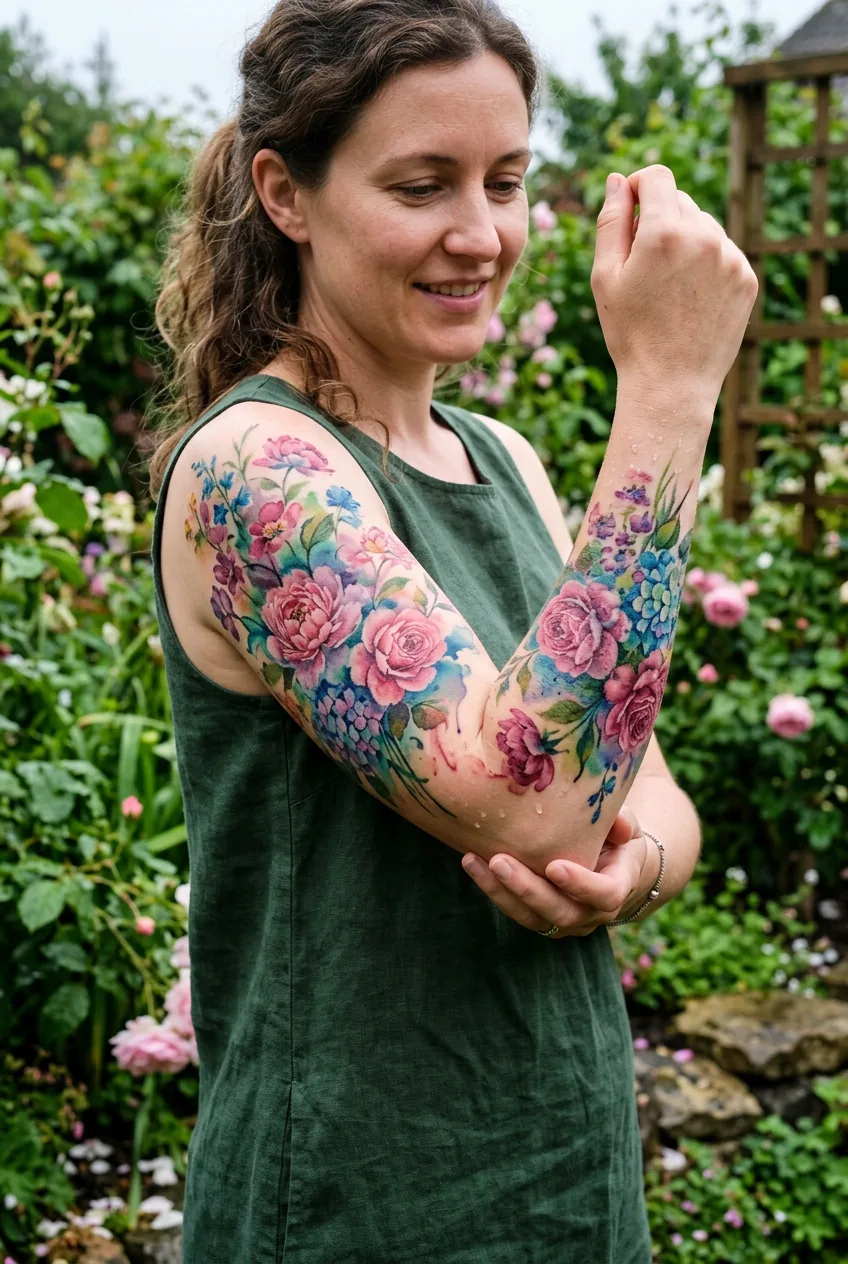
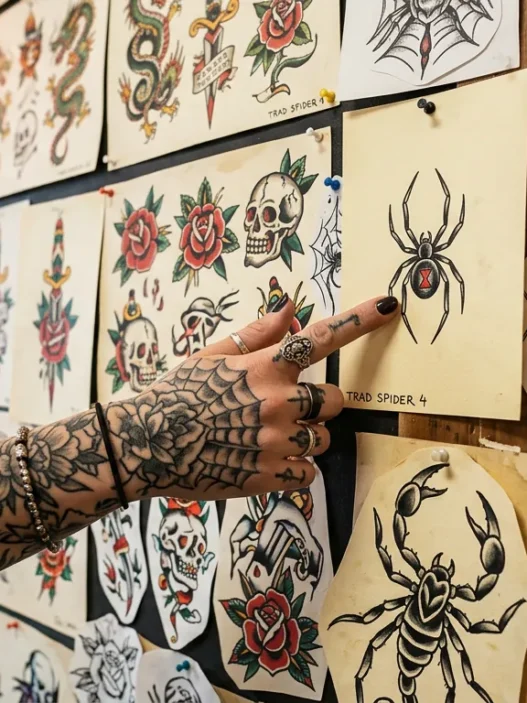
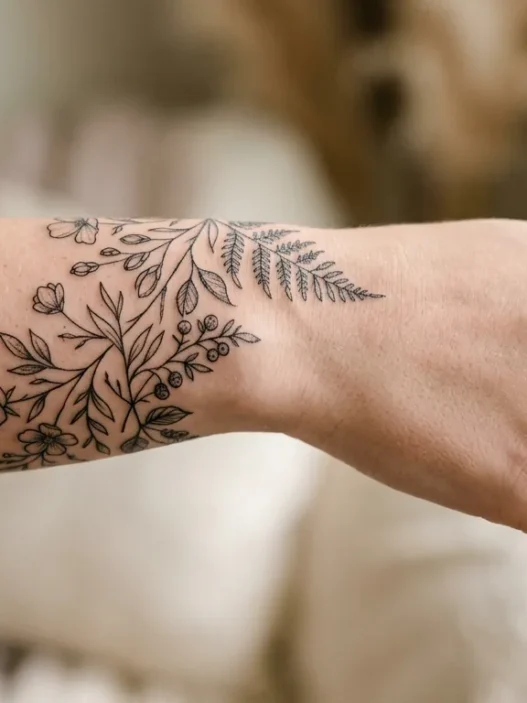
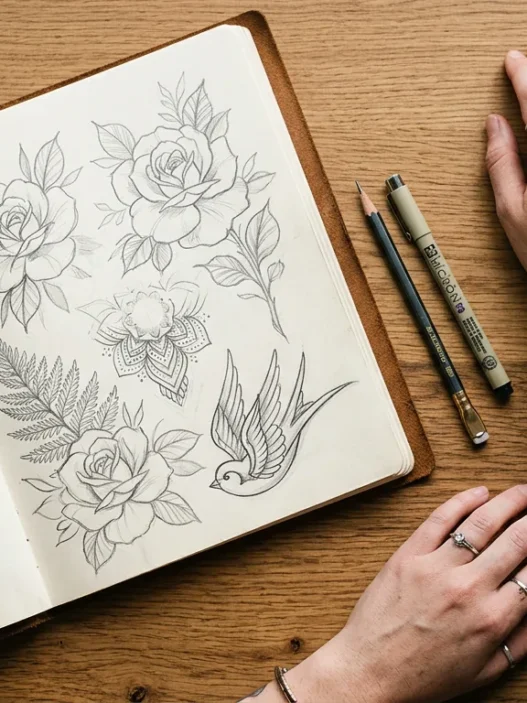
The technical possibilities are endless too. Watercolor blooms that bleed into each other like a garden after rain. Fine line work so delicate it looks like botanical illustrations. Bold traditional roses with thick black outlines that’ll look crisp for decades. Fine line techniques have revolutionized how artists approach petal details, creating pieces that look impossibly delicate.
And can we talk about how they age? While sharp geometric lines blur and solid black fills fade unevenly, flower tattoos often become more beautiful with time. The slight softening mimics how real flowers naturally fade, creating this gorgeous vintage effect that actually improves the piece.
The Artists Keeping It Alive
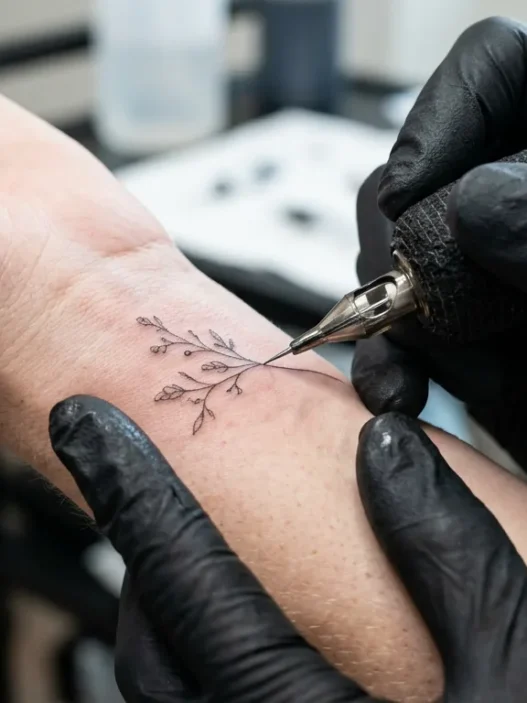
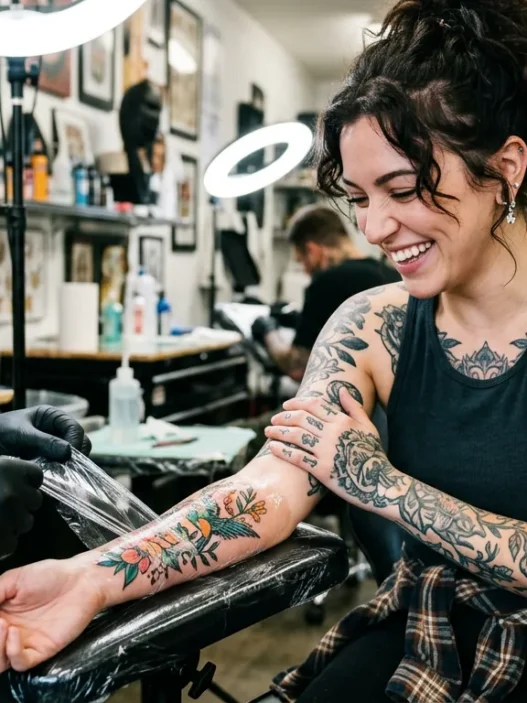
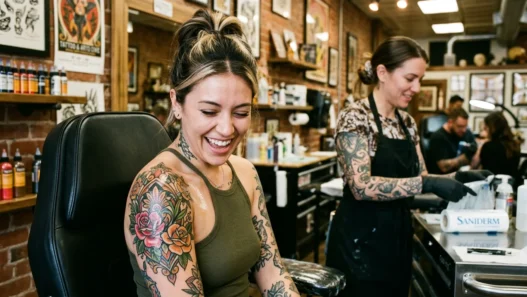
The artists specializing in botanical work are absolute wizards. I’ve watched my favorite artist spend three hours on a single peony, layering colors so carefully that the finished piece looked like it might rustle in the breeze. These aren’t your typical tattoo shop artists cranking out flash — they’re botanical illustrators who happen to work on skin.
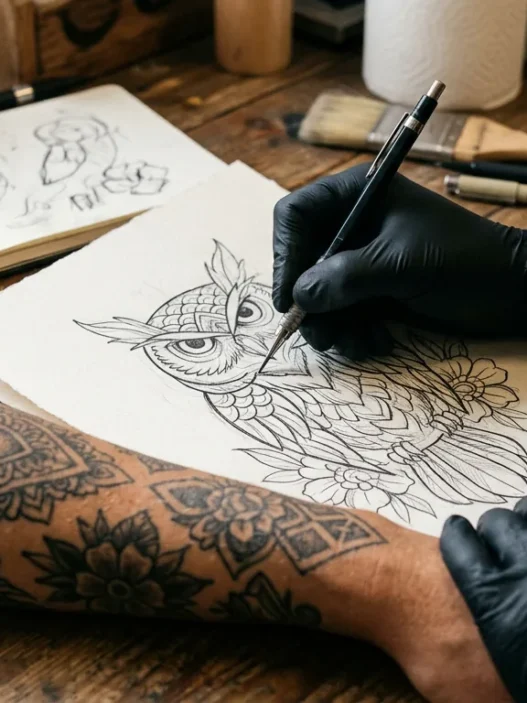
What amazes me is how they study actual flowers. Real petals, stem structures, the way light hits leaves. My artist keeps a collection of pressed flowers and botanical reference books. She’ll spend as much time researching the anatomy of a hibiscus as she does planning the composition.
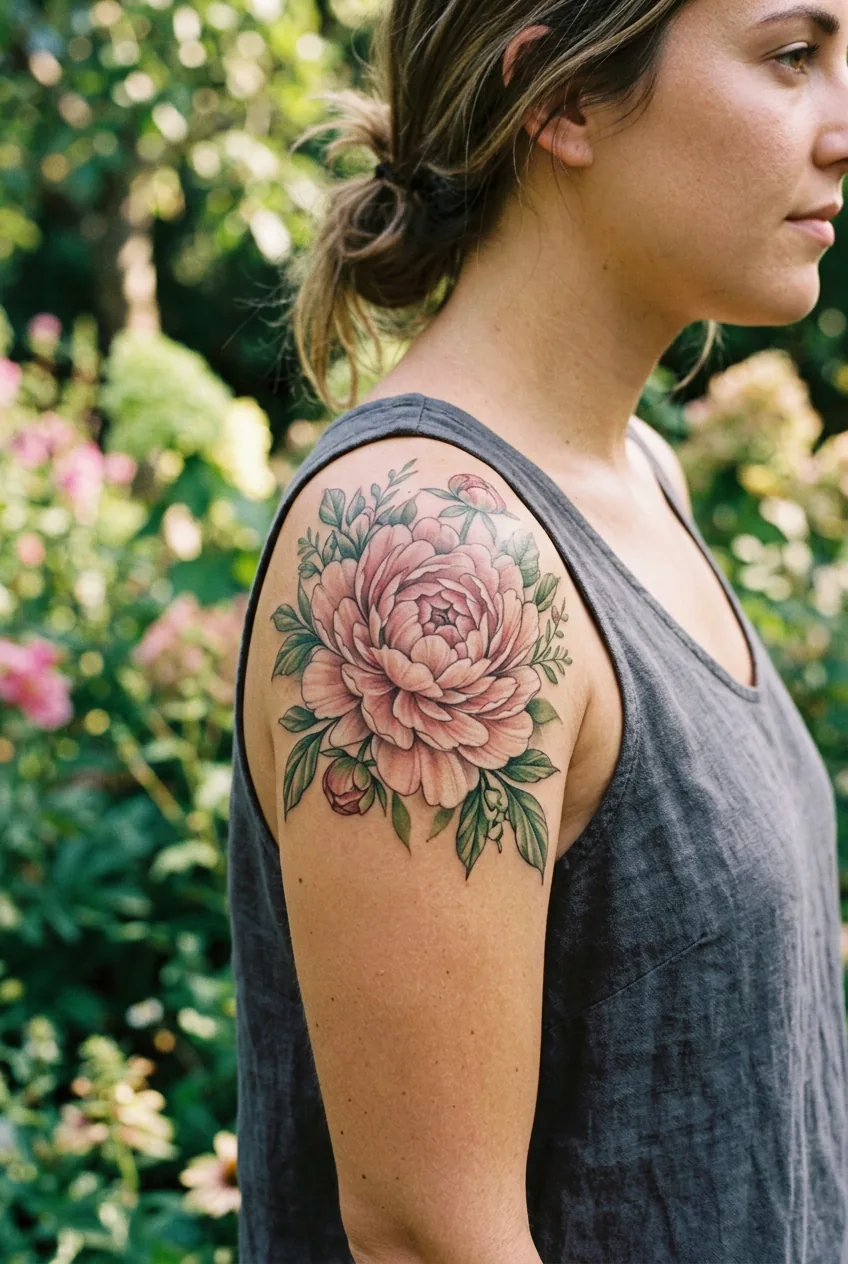
The level of detail they achieve is mind-blowing. I’ve seen lavender sprigs so realistic I wanted to touch them to see if they felt fuzzy. Roses with individual thorn shadows. Forget-me-nots clustered so perfectly they looked like they’d self-seeded across someone’s shoulder blade.
These artists understand that flowers aren’t just shapes to fill — they’re living things with personality. The drooping head of a dying sunflower tells a different story than a daisy chain. A budding rose promises different things than one in full bloom. They’re not just tattooing flowers; they’re capturing moments in a plant’s lifecycle.
Watch This Artist’s Process
Why I Chose It for Myself
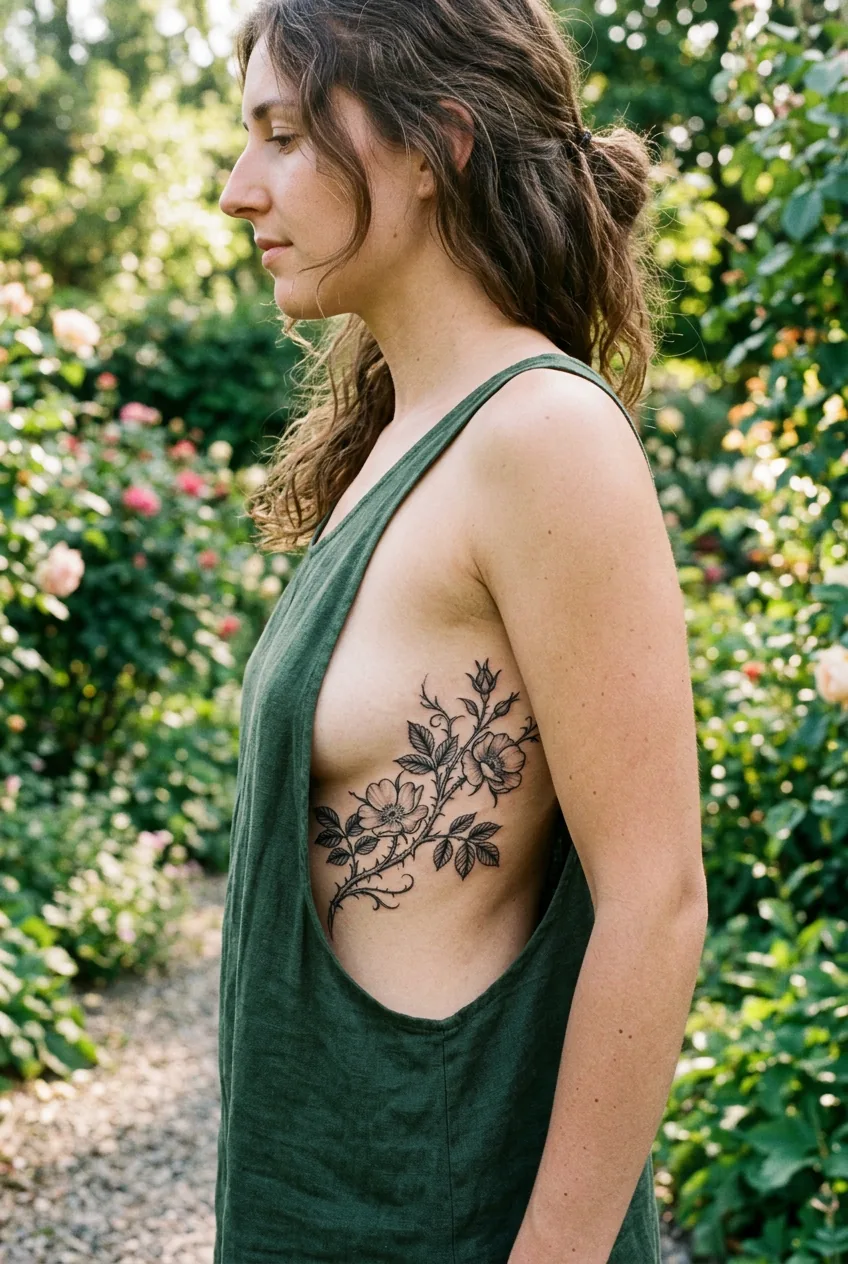
My first piece was a wild rose on my ribcage — simple, classic, but with enough thorns to show I wasn’t all sweetness. That single rose opened the floodgates. Six months later, I was back for jasmine vines wrapping around my ankle. Then poppies on my shoulder. Now I’ve got a whole garden growing across my body.
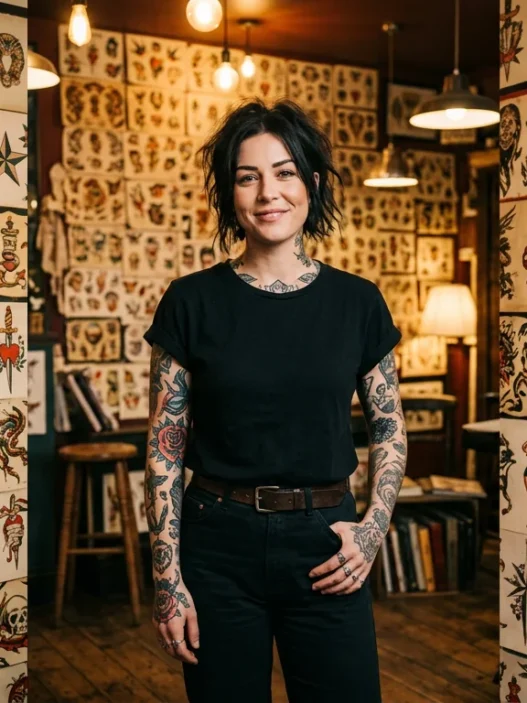
Each flower marks a different chapter of my life. The lotus on my wrist came after I survived my darkest year — because lotuses grow from muddy water into something beautiful. The cherry blossoms on my back celebrate the brief, precious nature of happiness. The succulent on my forearm? That’s for the times I had to survive on very little water.
People always ask if I worry about running out of skin or regretting the feminine aesthetic. But here’s the thing — flowers aren’t inherently feminine. They’re universal symbols of life, death, rebirth, beauty, strength. Every culture on earth has flower symbolism. Every person has a flower that speaks to them.
And the skin thing? I’m strategic. Each piece is planned to work with the existing garden. My artist and I talk about seasons, color palettes, how different species might interact. It’s not random; it’s cultivated. If you’re thinking about your first piece, consider checking out this guide on small tattoos and quality choices — it helped me plan my botanical journey.
The Evolution Never Stops
What keeps me obsessed with flower tattoos in 2026 is how the style keeps evolving. We’ve moved so far beyond the basic tribal rose or generic butterfly-and-flower combo. Today’s botanical tattoos are sophisticated, nuanced, and incredibly personal.
The new techniques blowing my mind include negative space work where the flower is defined by what’s not there. Dotwork stippling that creates texture you can almost feel. Color gradients so subtle they look like natural lighting changes. Some artists are even experimenting with UV-reactive inks that make certain petals glow under blacklight — imagine flowers that literally bloom under the right conditions.
The trend toward native plant tattoos is particularly close to my heart. Instead of generic roses, people are choosing flowers from their homeland. California poppies. Texas bluebonnets. Hawaiian hibiscus. These pieces tell stories about place and belonging that mass-produced flash never could.
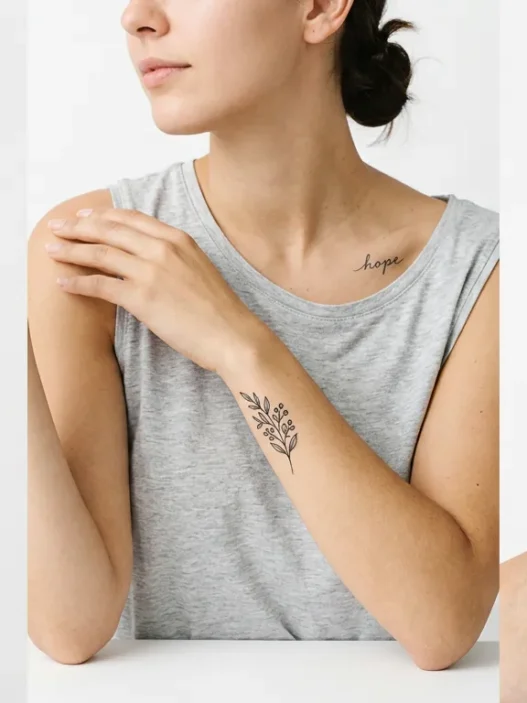
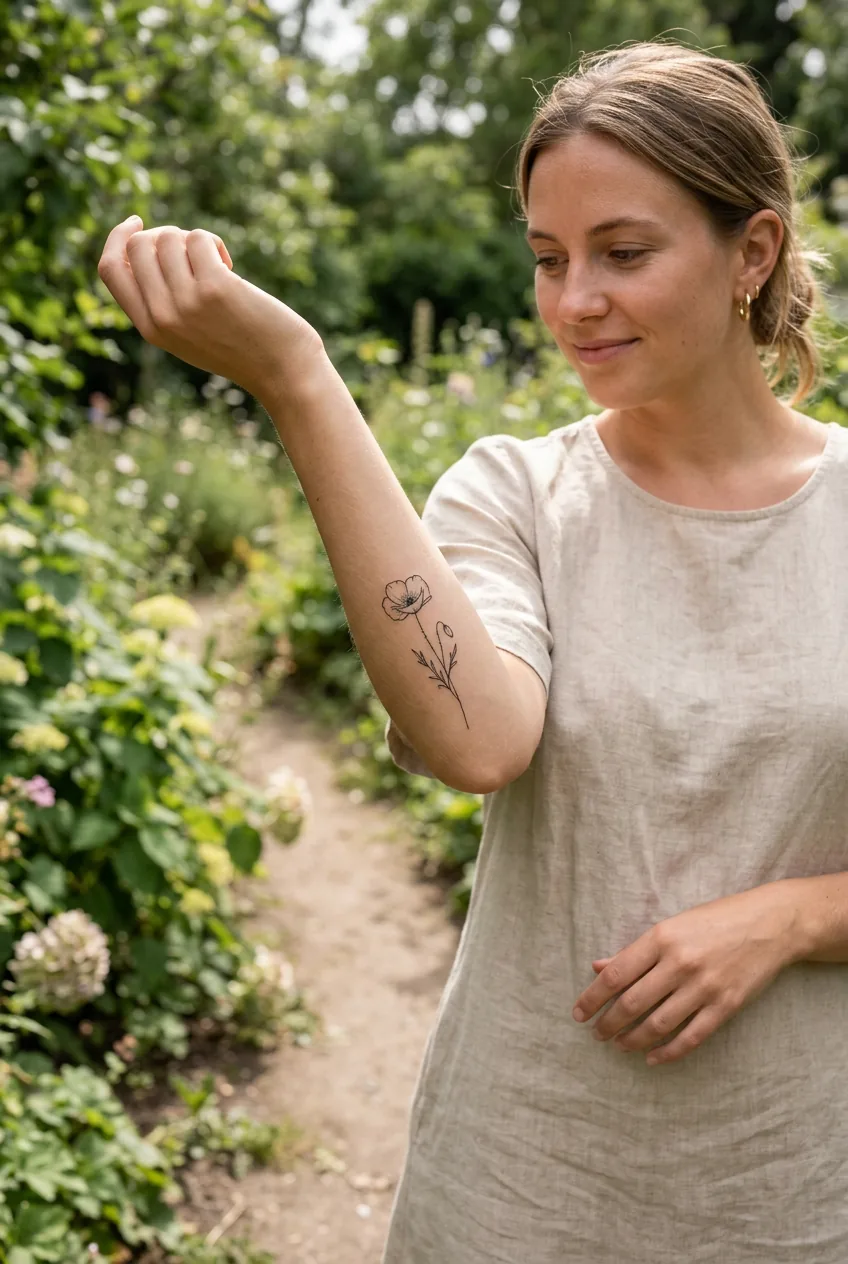
Minimalist botanical work is having a moment too. Single stem pieces. Pressed flower silhouettes. Tiny seed pods clustered like jewelry. Not every flower tattoo needs to be a full sleeve — sometimes a single perfectly placed bloom says everything.
Living With Botanical Ink
Eight years into my love affair with flower tattoos, I can honestly say they’ve improved my daily life in unexpected ways. I notice real flowers differently now. I see how morning glories spiral, how rose hips form after the petals drop, how different leaves catch light.
My tattoos have become conversation starters in the best way. Other plant lovers recognize specific species and want to talk about their gardens. Artists ask about my tattooers. Kids are fascinated by the idea that flowers can be permanent. It’s opened connections I never would have made otherwise.
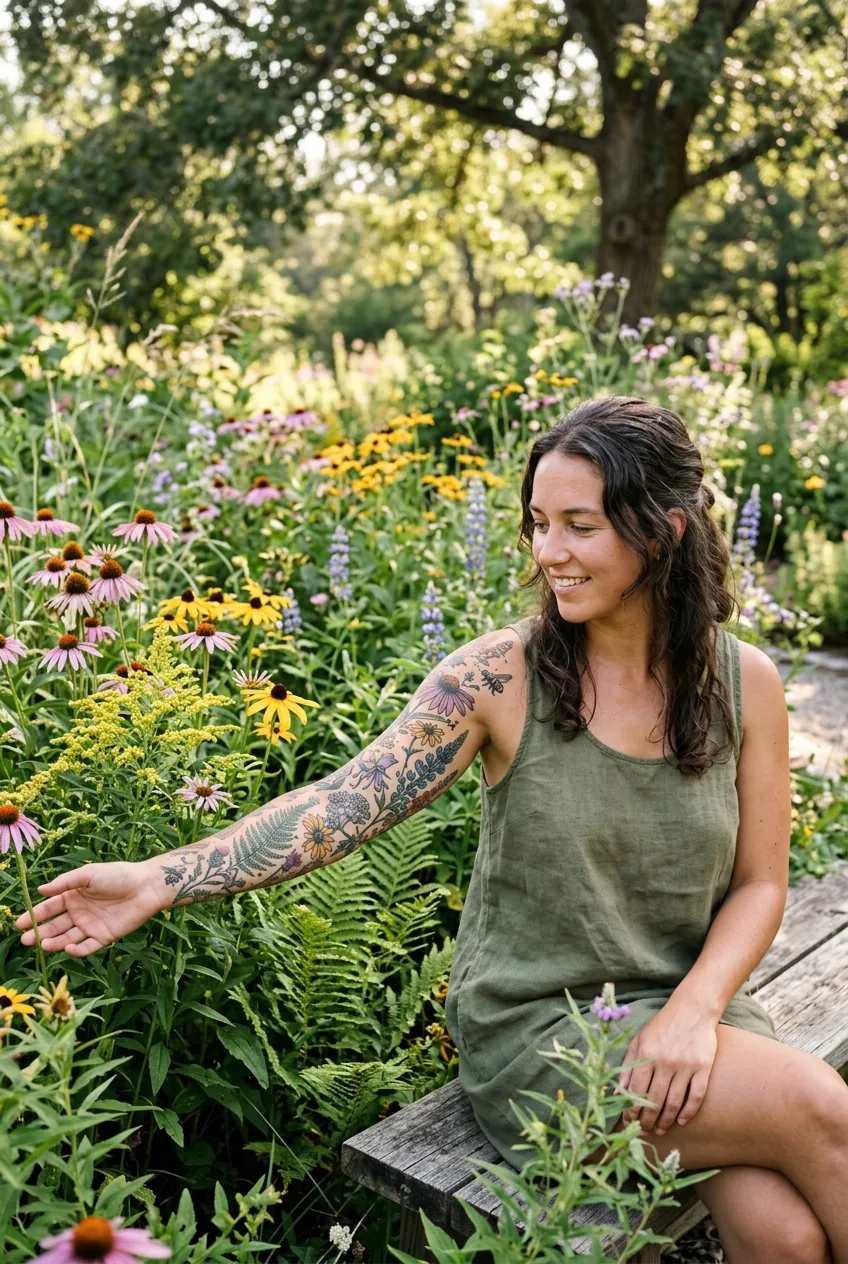
The maintenance is surprisingly minimal too. Good sunscreen keeps colors vibrant. Regular moisturizing maintains line quality. And unlike some styles that look cheap if they’re not perfect, flower tattoos develop character as they settle into your skin.
Sure, there are drawbacks. Finding artists who truly understand botanical work takes time. Quality floral pieces aren’t cheap. And you have to be prepared for people who don’t understand why you’d want “girly” tattoos. But for me, the joy of wearing a permanent garden far outweighs any negatives.
If you’re considering flower tattoos, my advice is simple: choose species that mean something to you. Work with artists who understand plants, not just pretty shapes. And don’t worry about trends — flowers have been beautiful for millions of years. They’re not going out of style in your lifetime. For placement ideas, especially if you’re considering delicate areas, this complete guide to hand tattoos might help you think through the decision.
Questions I Get About Flower Tattoos
Do flower tattoos look feminine on everyone?
Not at all. Flowers are universal symbols that transcend gender. Think about traditional Japanese cherry blossoms on masculine designs, or bold roses in sailor tattoos. The style, placement, and execution determine the overall aesthetic more than the subject matter.
How do I choose which flowers to get tattooed?
Start with personal meaning — birth flowers, flowers from significant places, or species that represent qualities you admire. Research symbolism but don’t get trapped by it. Sometimes a flower just speaks to you visually, and that’s reason enough.
Do flower tattoos fade faster than other styles?
Actually, they often age beautifully. While sharp geometric lines can look harsh when they blur, flower tattoos develop a soft, vintage quality over time that mimics how real flowers naturally fade. Proper aftercare and sun protection help maintain vibrancy.
Should I get realistic or stylized flowers?
It depends on your personal style and pain tolerance. Realistic pieces require more detail work (and longer sessions), but they’re absolutely stunning. Stylized flowers can be equally beautiful and often age more gracefully as small details don’t blur together.
Every time I catch a glimpse of my tattoos in the mirror, I’m reminded why I fell so hard for this style. They’re not just decorations — they’re a living, growing part of who I am. And honestly? I’m already planning my next piece. There are still so many flowers I want to carry with me.