




I spent three months agonizing over where to put my back tattoo. Not what design — I knew I wanted a delicate floral piece. But where on my back? Upper shoulder blade? Lower spine? The middle somewhere? Every placement felt like it would completely change the tattoo’s personality. And honestly, I wish someone had given me a proper framework for thinking through this decision instead of just saying “wherever you want.”
What You’ll Need for This Decision Process
- Your final tattoo design (at least a solid sketch)
- Measurements of the design’s dimensions
- A friend to help mark placement options with washable marker
- Full-length mirror and hand mirror combo
- Photos of your back from different angles
- Honest assessment of your pain tolerance
- List of your clothing styles and work requirements
How Your Design’s Proportions Dictate Placement
Here’s what nobody tells you: your design’s shape and size eliminate about 60% of placement options immediately. A long, vertical piece that’s 8 inches tall? It’s not going on your shoulder blade. A wide, horizontal design? The small of your back won’t work.
I learned this the hard way when I fell in love with a sprawling botanical design that was 10 inches wide. My artist gently pointed out that it would either need to curve awkwardly around my shoulder blade or get placed much lower than I’d imagined. The proportions of your back aren’t uniform — your shoulder area is roughly square, while your mid-back is more rectangular.
Vertical designs (taller than they are wide) work best along the spine, on shoulder blades, or running down the side of your back. Horizontal designs need the wider real estate of your upper back between the shoulder blades, or across your lower back. Square designs have the most flexibility — they can work almost anywhere depending on size.
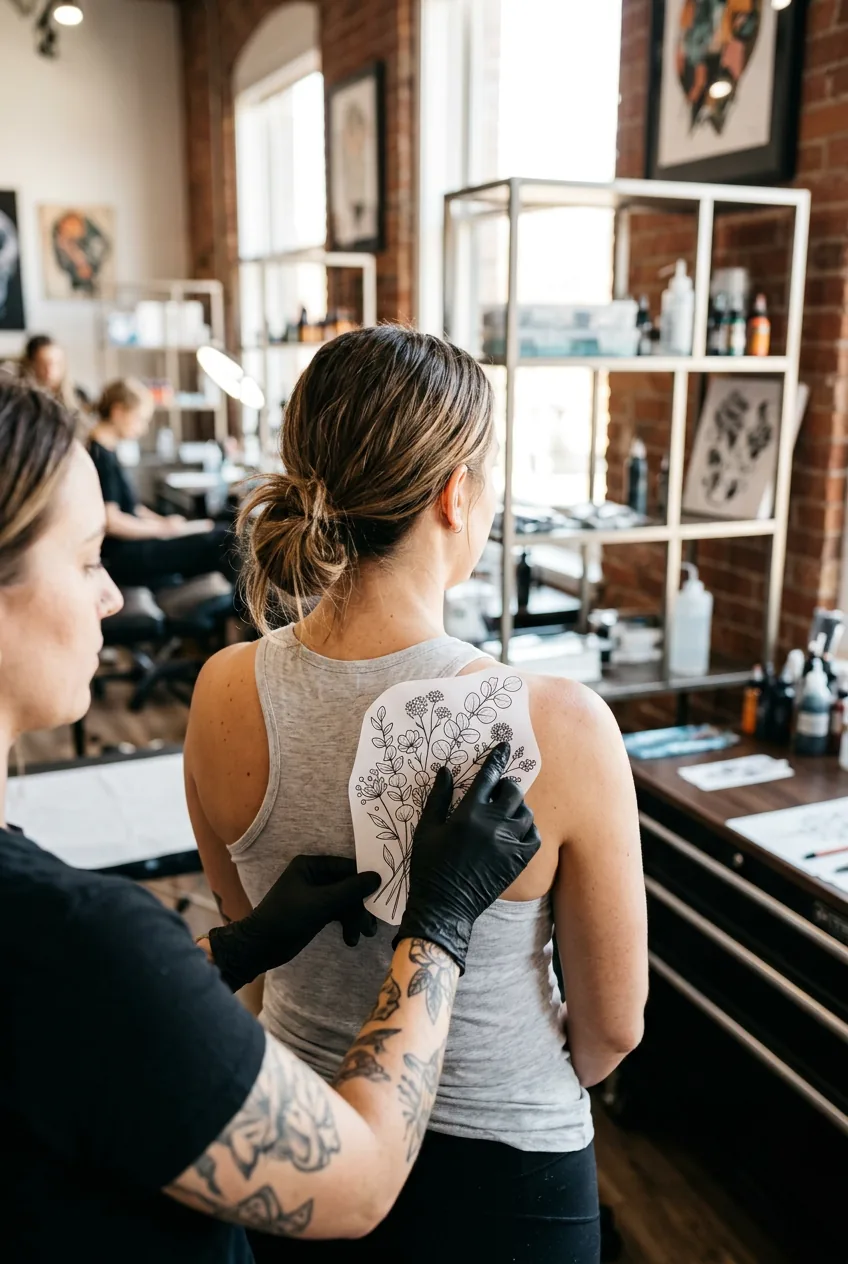
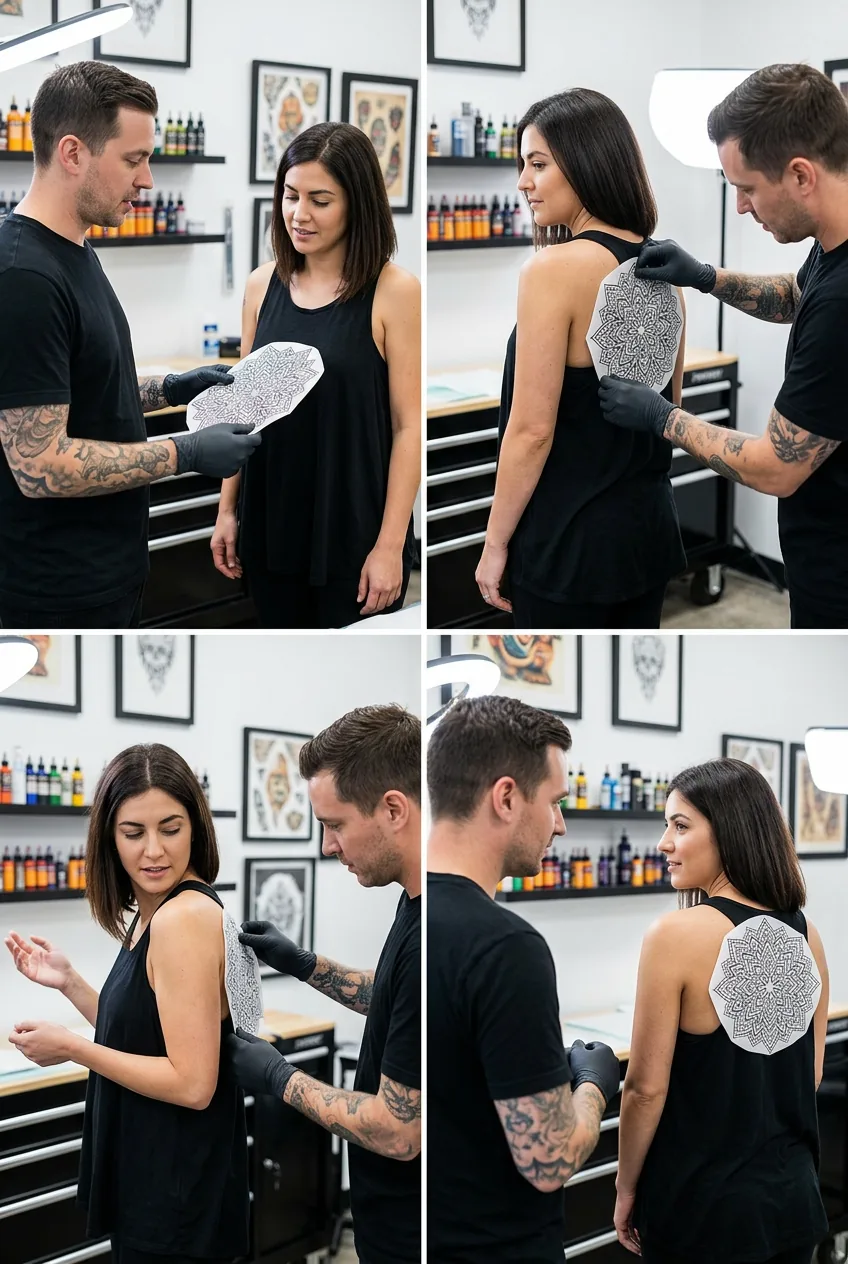
Test this before you fall in love with a placement. Print your design at actual size and tape it to different spots on your back. You’ll immediately see where it looks natural versus where it fights against your body’s natural lines.
The Pain vs Visibility Reality Check
Everyone wants to know about pain levels, but the real question is: how much pain are you willing to endure for the exact placement you want? Because there’s always a tradeoff.
The least painful spots on your back are the fleshier areas — the upper back between your shoulder blades, and the area just below that. These spots have more muscle and fat padding. But they’re also the most visible when you wear lower-cut tops or dresses.
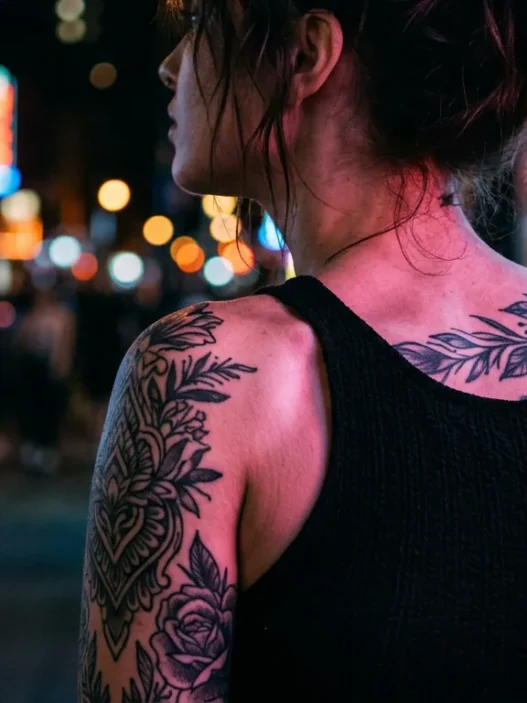
I chose my shoulder blade specifically because I wanted the option to hide my tattoo for work events. What I didn’t realize was that shoulder blades are basically bone with skin stretched over them. Three hours of needle work directly on bone was… educational. I definitely underestimated that pain level.
The spine area is notoriously painful — you’re essentially getting tattooed on bone. Same with the ribcage area if your design wraps around your side. The lower back can be surprisingly tender too, especially as you get closer to the tailbone.
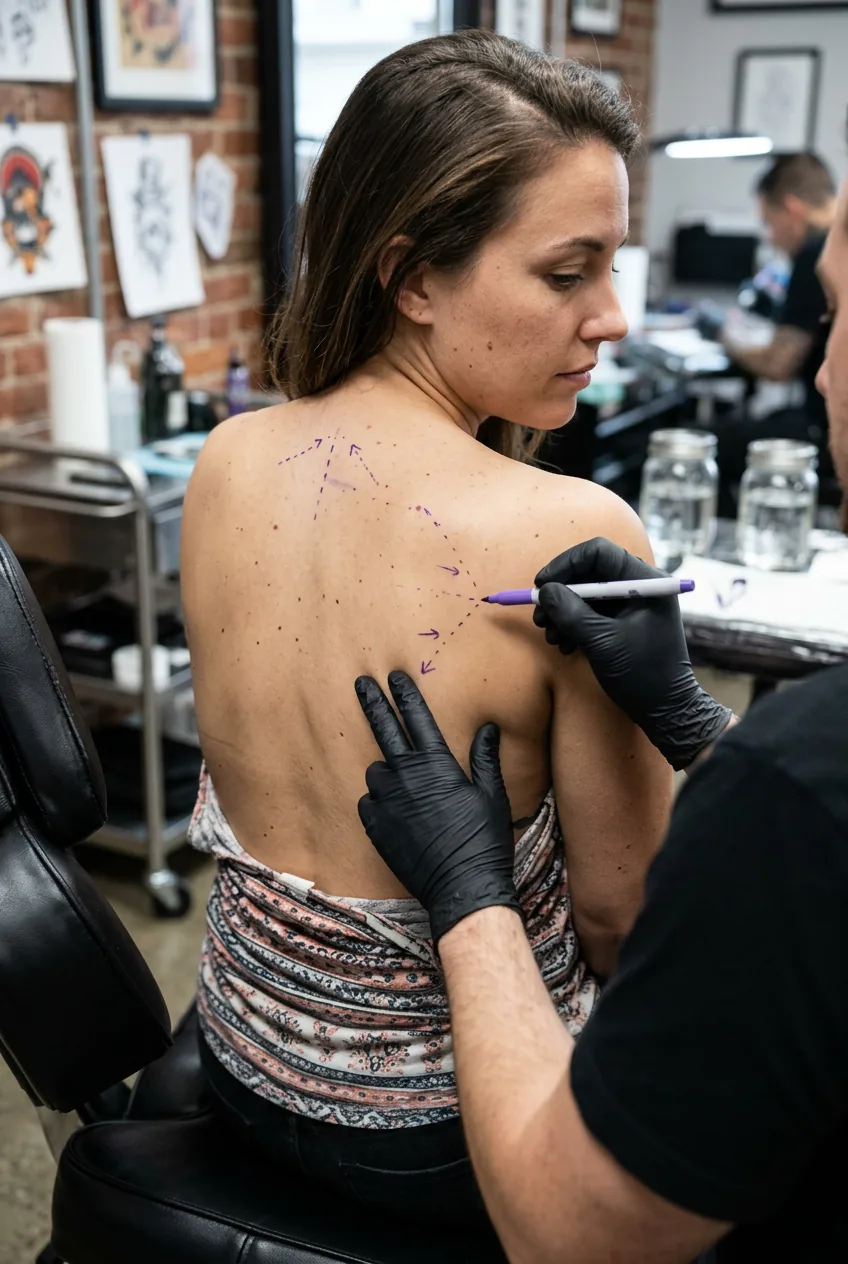
But here’s the visibility reality: if you want a back tattoo that you can completely hide when needed, your options are limited to the upper shoulder blade area and the middle-back area that sits between your bra line and shoulder blades. Everything else shows with certain necklines or clothing styles.
My advice? Don’t let pain completely dictate placement, but be realistic about what you can handle. A tiny simple tattoo on your spine might be manageable, but a large piece there is going to test your limits.
Understanding How Movement Affects Different Spots
This is the factor most people completely ignore, and it’s huge. Your back isn’t static — it stretches, contracts, and moves constantly. Some areas move more dramatically than others, and that affects both the tattooing process and how your tattoo ages.
The shoulder blade area moves the most. Every time you reach forward, lift your arms, or roll your shoulders, that skin stretches and contracts significantly. This makes it harder for the artist to work (they have to keep asking you to hold still), and it can affect how crisp fine details stay over time.
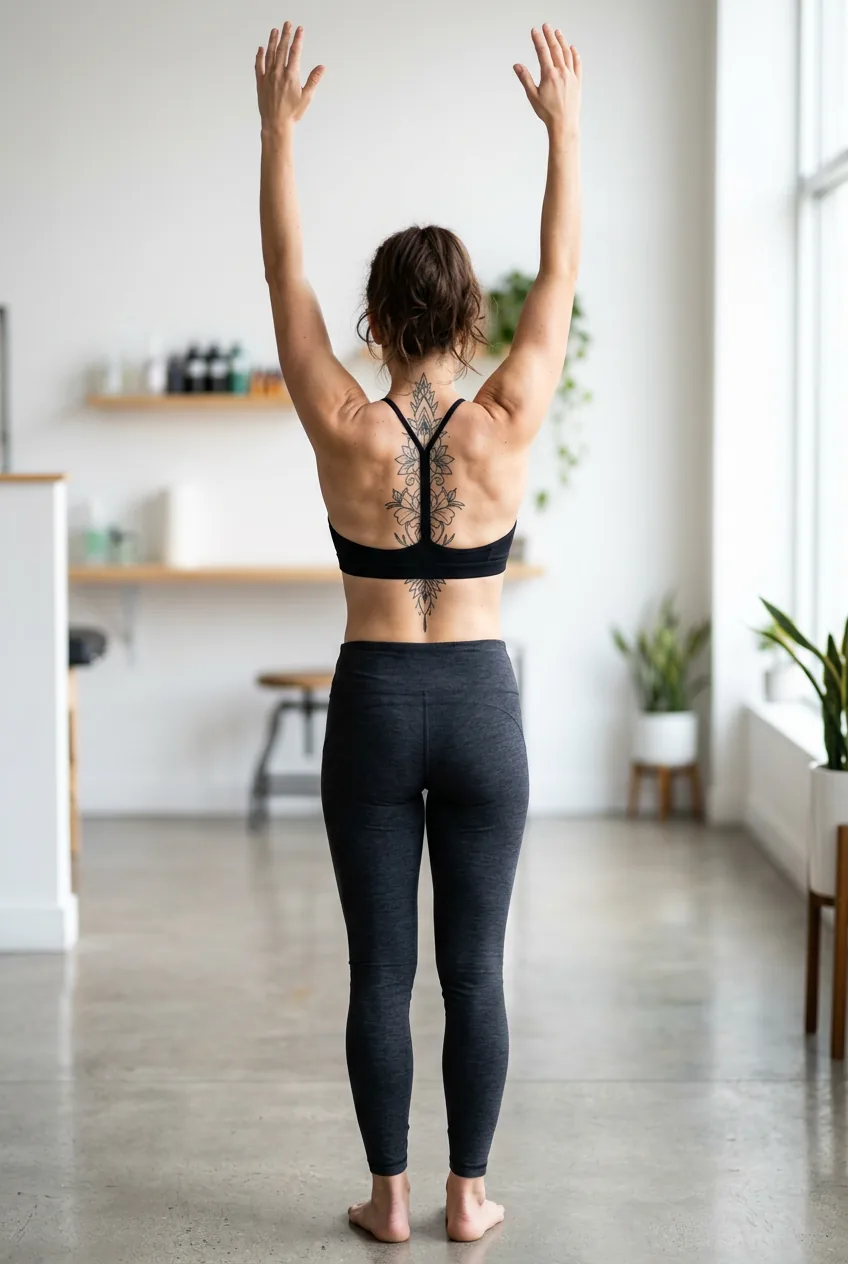
The center of your back, along the spine area, is actually pretty stable. It moves less than you’d think. The area between your shoulder blades is also relatively stable — it’s far enough from the shoulder joints that normal movement doesn’t stretch it much.
Lower back movement depends on your lifestyle. If you do a lot of bending, twisting, or core-focused exercise, that skin moves quite a bit. If you’re more sedentary, it’s relatively stable. Think about your daily activities honestly.
For designs with intricate line work or fine details, choose a more stable area. For bold, simple designs that can handle a little stretching over time, you have more flexibility.
See How Skin Movement Really Works
What Your Lifestyle Actually Requires
Your job, your wardrobe, and your social situations should heavily influence placement. I know it sounds limiting, but it’s better to choose a placement you can live with long-term than to love it for six months and regret it for years.
Corporate jobs usually require the ability to completely hide tattoos. This means upper shoulder blade or the area between your shoulder blades that sits under most professional tops. Lower back tattoos show with many blouses and dresses.

If you love wearing strapless dresses, backless tops, or low-cut styles, think carefully about upper back placement. You might want the tattoo to enhance these looks rather than clash with them. Some women specifically choose placement to complement their favorite necklines.
Exercise routine matters too. If you spend a lot of time in sports bras or workout tops, consider how your tattoo will look in those contexts. Some placements get weird tan lines from athletic wear.
And honestly? Think about your relationship with showing skin. Some women love having a tattoo that’s always slightly hidden and mysterious. Others want it to be part of their everyday style. Neither is wrong, but they lead to different placement choices.
How Placement Changes as You Age
Nobody wants to think about this at 25, but your back will change shape over the decades. Some areas age better than others for tattoo placement, and it’s worth considering if you want this tattoo to look good for life.
The upper back and shoulder blade area tend to maintain their shape well. The bone structure stays consistent, and unless you gain or lose dramatic amounts of weight, the proportions don’t shift much. This is why so many women choose this area for meaningful symbolic tattoos — they know it’ll look essentially the same in 20 years.
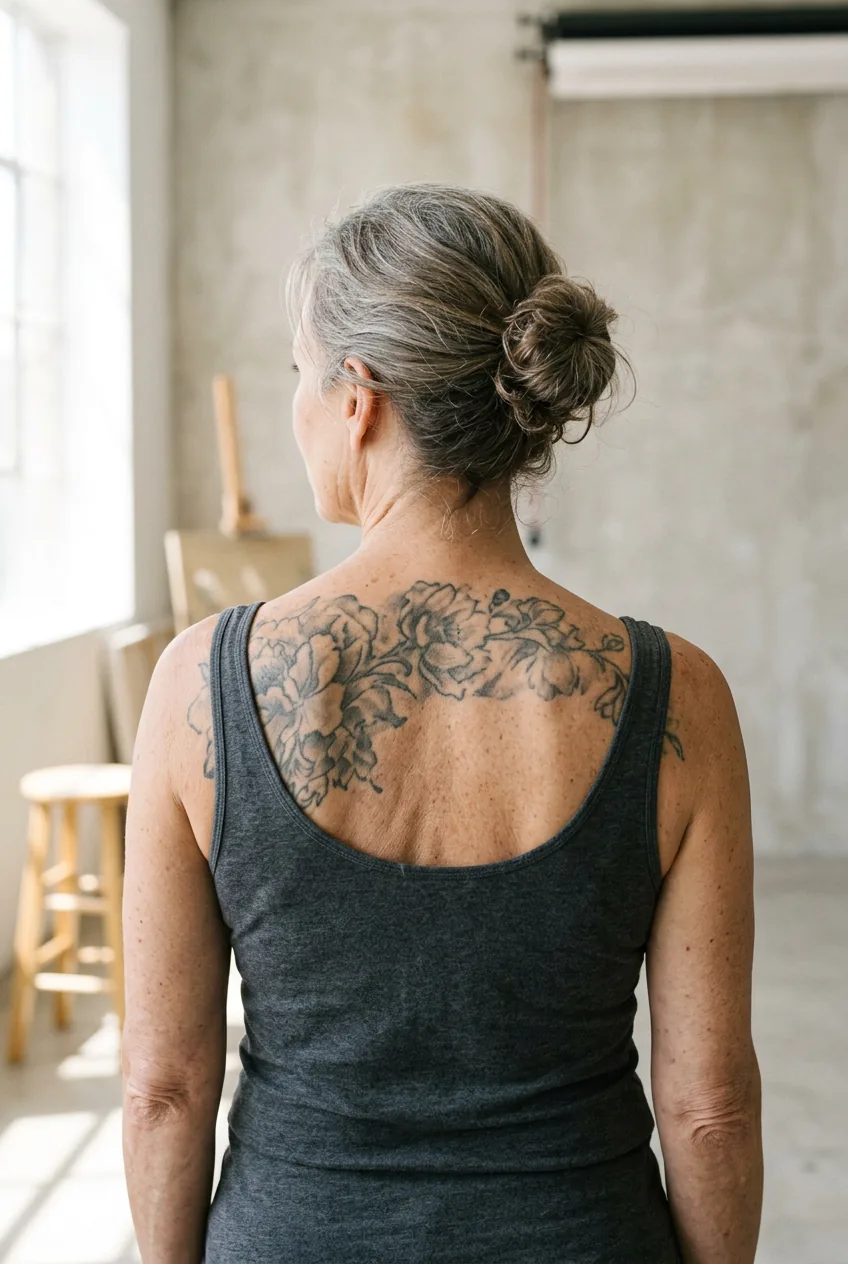
The lower back is more unpredictable. Pregnancy, weight fluctuations, and natural aging can change how this area looks. If you’re planning to have children, think carefully about lower back placement. The skin stretches and contracts during pregnancy, and some women find their lower back tattoos look different afterward.
The area along the spine ages consistently well — the bone structure provides a stable foundation. Mid-back placement (between shoulder blades) is also pretty reliable over time.
Proper tattoo aftercare becomes crucial regardless of placement, but some areas require more maintenance to stay looking crisp as you age.
Making the Final Decision That’s Right for You
After considering all these factors, here’s how I recommend making the final call. It’s not just about finding the “best” placement — it’s about finding the placement that works with your specific design, lifestyle, and preferences.
Start by eliminating options based on hard constraints. If your design is 10 inches wide, cross out the spine and shoulder blade options. If you absolutely need to hide it for work, eliminate the lower back and side areas. If you have low pain tolerance, maybe skip the bony areas.
Then rank your remaining options based on what matters most to you. Is it visibility control? Pain management? How it’ll look in your favorite outfits? There’s no wrong priority — just be honest about yours.
Test your top two choices with temporary placement. Use washable marker to outline your design in each spot. Wear it for a weekend. See how it feels when you catch glimpses in mirrors, how it works with your clothes, whether you find yourself wanting to show it off or hide it.
And here’s something I learned: trust your gut reaction when you see it placed. I knew immediately when my artist placed the stencil on my shoulder blade that it felt right. Not just looked right — felt right. Your intuition about your own body is usually pretty accurate.
The placement I ended up choosing wasn’t my original plan, but it’s been perfect for my lifestyle and the way I wanted to wear the tattoo. Sometimes the right choice isn’t the obvious choice — it’s the one that works with everything else about your life.
Questions I Get About Back Tattoo Placement
Can I change my mind about placement at my appointment?
Absolutely, but major changes might require rescheduling if your artist needs to resize or redesign elements. Minor adjustments (moving a few inches up or down) are totally normal during the stencil placement process.
How do I know if my design is too big for the placement I want?
Print it at actual size and test it on your back. If it extends beyond the natural boundaries of that area or looks cramped, it’s probably too big. Your artist can also assess this during your consultation.
Should I consider future tattoos when choosing placement?
If you’re planning a larger back piece eventually, yes. But don’t let hypothetical future tattoos dictate your current choice. You can always work around existing tattoos or incorporate them into larger designs later.
What if I have back acne or scars in my preferred placement?
Talk to your artist about this during consultation. Some scarring can be incorporated into designs beautifully. Active acne usually needs to heal completely before tattooing, but your artist can work around old acne scars.
The framework I wish I’d had three months earlier helped me make a decision I’m still happy with two years later. Your back tattoo placement affects everything from daily comfort to long-term satisfaction — but with the right approach, you can find the spot that’s absolutely perfect for your design and your life.