



I got my first meaningful tattoo at nineteen — a tiny hummingbird behind my left ear that most people never notice. My mom cried when she found it three months later. Not because she hated tattoos, but because she finally understood I was marking myself with the memory of my grandmother, who used to say hummingbirds were messengers from heaven. That little bird changed how I thought about ink forever.
What I Was Communicating
When I chose that hummingbird, I wasn’t thinking about what strangers would see. I was trying to keep my grandmother close to me in a way that felt permanent. She died when I was seventeen, and I felt like I was losing pieces of her every day — the sound of her voice, the way she hummed while cooking, even the smell of her perfume on old sweaters.
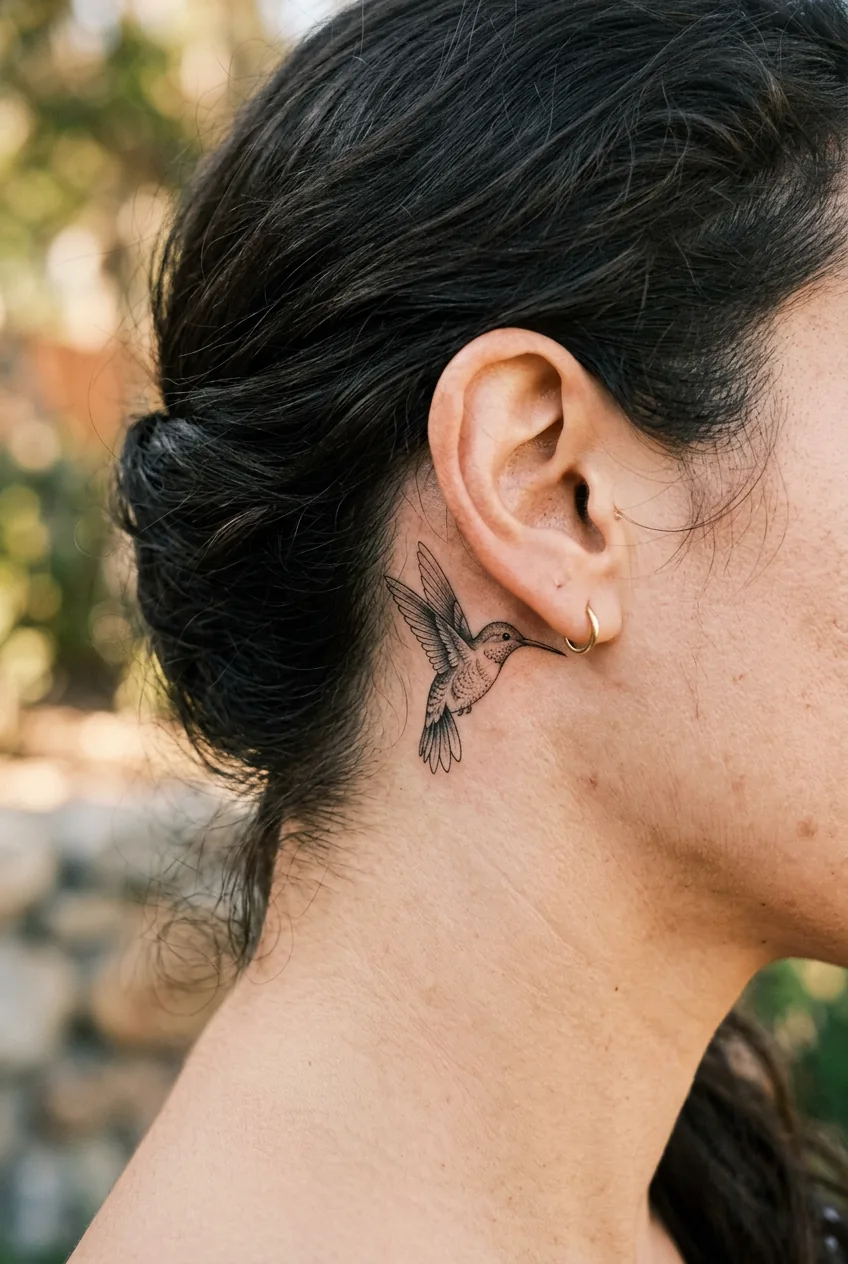
The hummingbird was my way of saying “she’s still here.” But it was also me claiming ownership over my own skin for the first time. Growing up, I felt like my body was always under scrutiny — too tall, too pale, not feminine enough. The tattoo felt like planting a flag and saying this space is mine now.
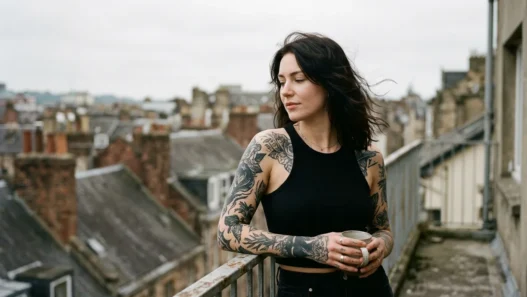
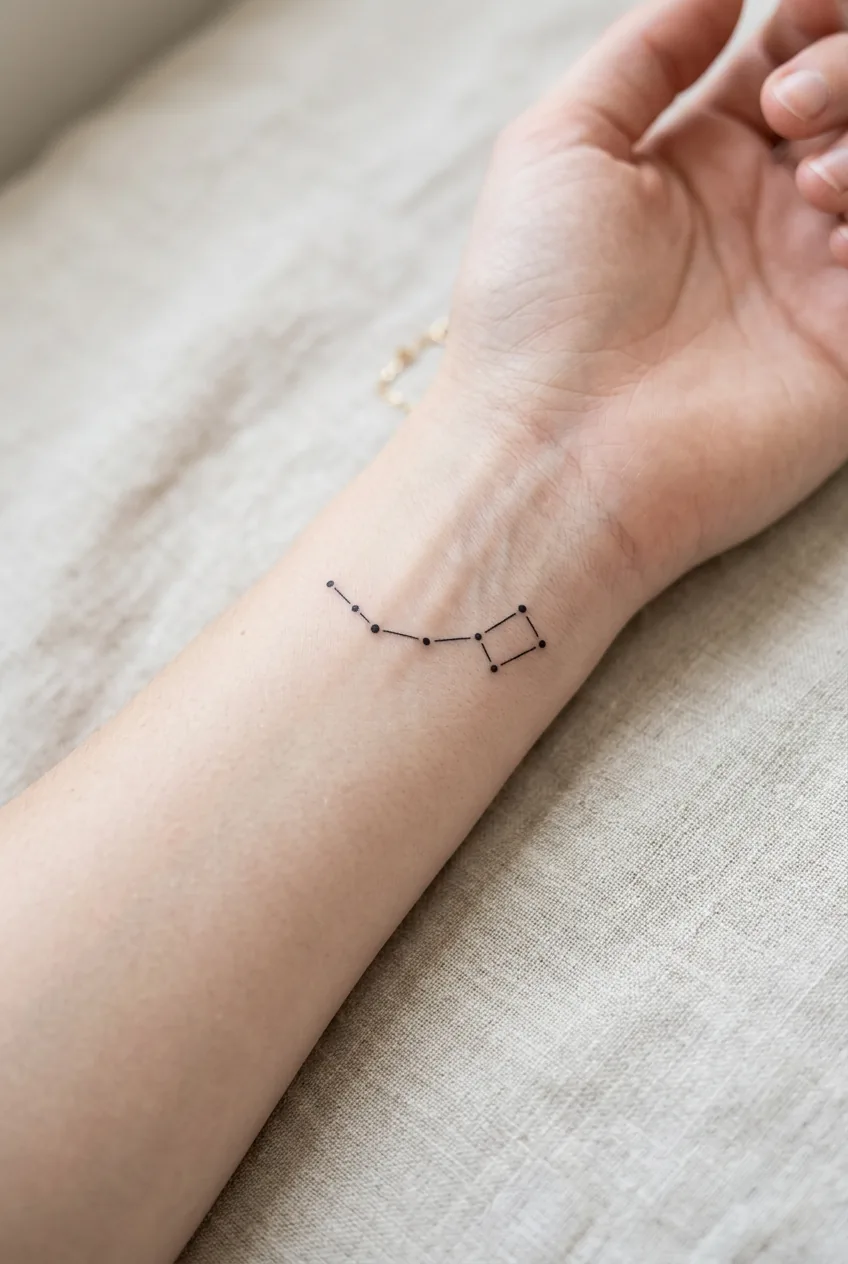
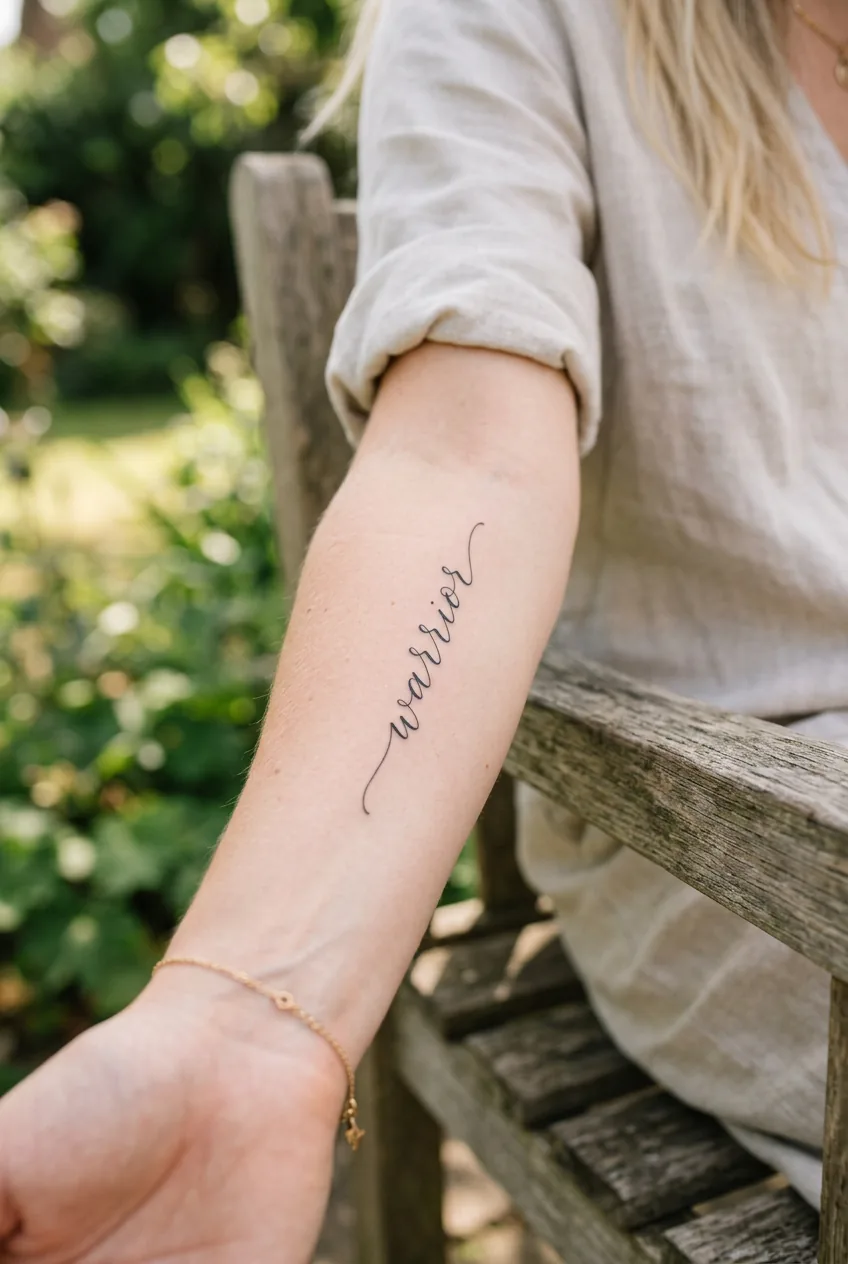
My wrist tattoos came later, each one marking a different chapter. The constellation on my right wrist maps the night sky from the evening I graduated college — the first time I felt like I’d accomplished something entirely on my own. The delicate script on my left wrist says “warrior” in my great-grandmother’s handwriting, copied from a letter she wrote during World War II.
Each piece was intentional communication with myself first, everyone else second. I was building a visual autobiography that only I could fully read.
How Others Read It Differently
Here’s what’s fascinating — and sometimes frustrating — about meaningful tattoos: people see what they want to see. My hummingbird gets read as “nature lover” or “free spirit.” The constellation becomes “astrology girl.” The handwritten script makes people assume I’m “trying to be deep.”
I remember being at a job interview where the hiring manager noticed my wrist tattoo and said, “Oh, you’re one of those creative types.” She meant it dismissively, like my ink disqualified me from being taken seriously. What she couldn’t see was that the word “warrior” had gotten me through panic attacks, through my father’s cancer diagnosis, through nights when I didn’t think I was strong enough for any of it.
But sometimes people surprise you. A woman at the grocery store once caught sight of my hummingbird when I tucked my hair behind my ear. Her eyes filled with tears, and she told me her daughter had died at twenty-two and left behind a room full of hummingbird figurines. “She always said they were visits from angels,” she whispered. In that moment, my tattoo became a bridge between two strangers sharing the same kind of grief.
The truth is, meaningful tattoos operate on multiple frequencies. There’s what they mean to you, what they signal to others, and what they accidentally communicate to people who have no context for your story. Learning to be okay with all three interpretations has been its own journey.
What It Means to Me Now
Five years later, my relationship with my meaningful tattoos has evolved. The hummingbird still makes me think of my grandmother, but now it also reminds me of who I was at nineteen — brave enough to permanently mark my skin with love, even when I was terrified of needles.
The constellation tattoo has become less about that specific graduation night and more about all the moments I’ve navigated by my own internal compass. When I look at it now, I see every decision I’ve made to trust myself even when everyone else thought I was wrong.
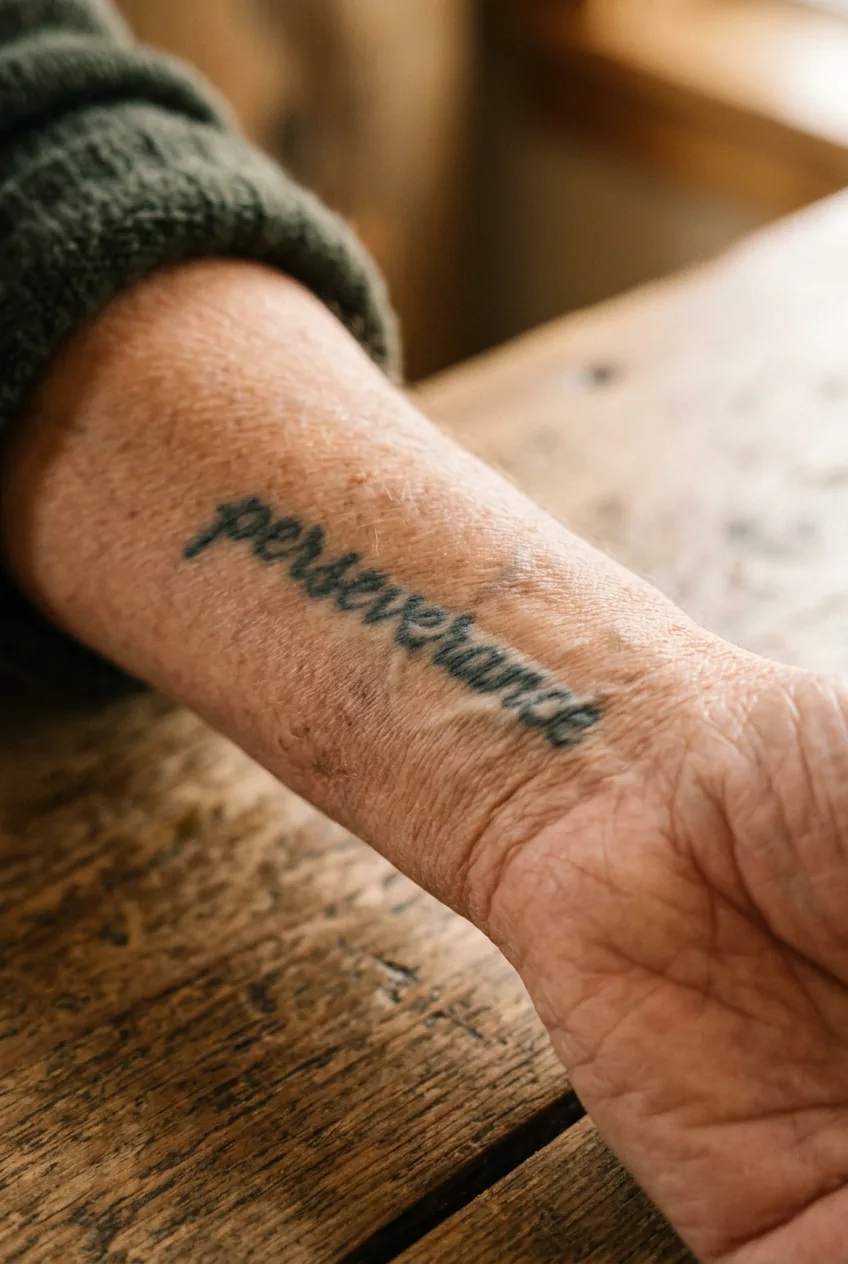
And that “warrior” script? It’s weathered now — the lines have softened slightly, and the ink has settled into my skin in a way that makes it feel like it was always there. Which is perfect, because feeling like a warrior isn’t something I put on anymore. It’s just who I am.
The most unexpected thing about meaningful tattoos is how they grow with you. I thought I was capturing specific moments, but what I actually did was create touchstones that remind me of my own capacity for resilience, love, and growth.
How Tattoo Meaning Evolves Over Time
The Ink I Haven’t Got Yet
I have a running list of potential tattoos in my phone notes — images, phrases, symbols that catch my attention. But I’ve learned to sit with ideas for at least a year before committing. Not because I’m worried about regret, but because I want to make sure the meaning runs deep enough to sustain a lifetime of looking at it.
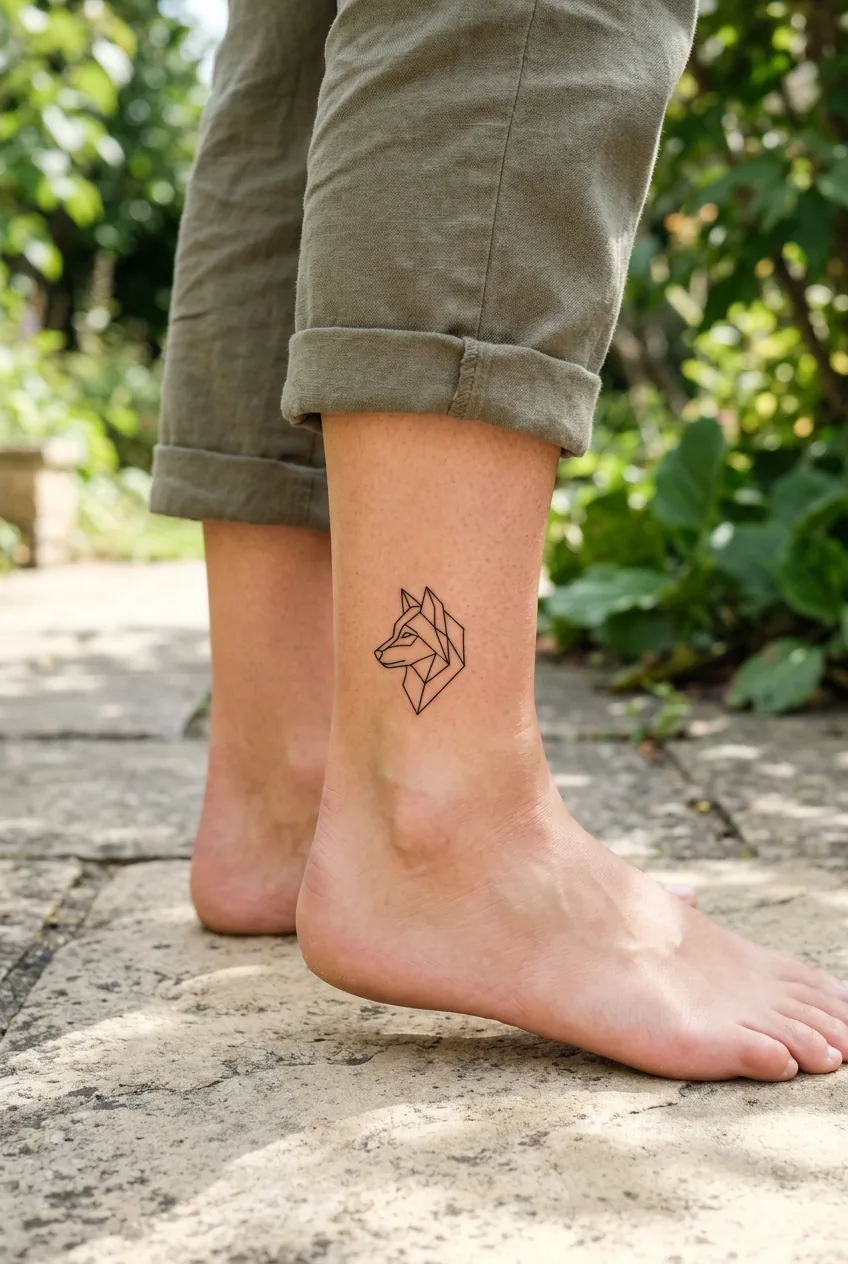
Right now, I’m considering a small wolf on my ankle — not because I love wolves particularly, but because my therapist once told me I had “lone wolf energy” in the best possible way. The idea of marking my independence and self-reliance appeals to me, but I’m still testing whether it feels true enough to be permanent.
There’s also a quote from my favorite poet that I’ve been carrying around for two years now: “We are all just walking each other home.” I love the sentiment, but I’m wrestling with whether I want words that visible. Where you place a tattoo says as much about its meaning as the design itself.
The waiting period has taught me that meaningful tattoos aren’t just about the moment you get them — they’re about creating space for future versions of yourself to discover new layers of meaning. Rush the process, and you might end up with ink that tells yesterday’s story instead of tomorrow’s truth.
Why Some Marks Stay Hidden
I have one tattoo that nobody sees except my romantic partners and my doctor. It’s on my ribcage — a simple outline of mountains that represents a hiking trip I took alone after my worst breakup. The tattoo commemorates not just the physical journey, but the emotional peak I reached when I realized I could rebuild my life entirely on my own terms.
This one stays hidden intentionally. Some meaningful tattoos are meant to be shared; others are meant to be secrets you keep with yourself. The mountain range is my private reminder that I’m capable of starting over, but I don’t need external validation of that strength. It’s mine alone.
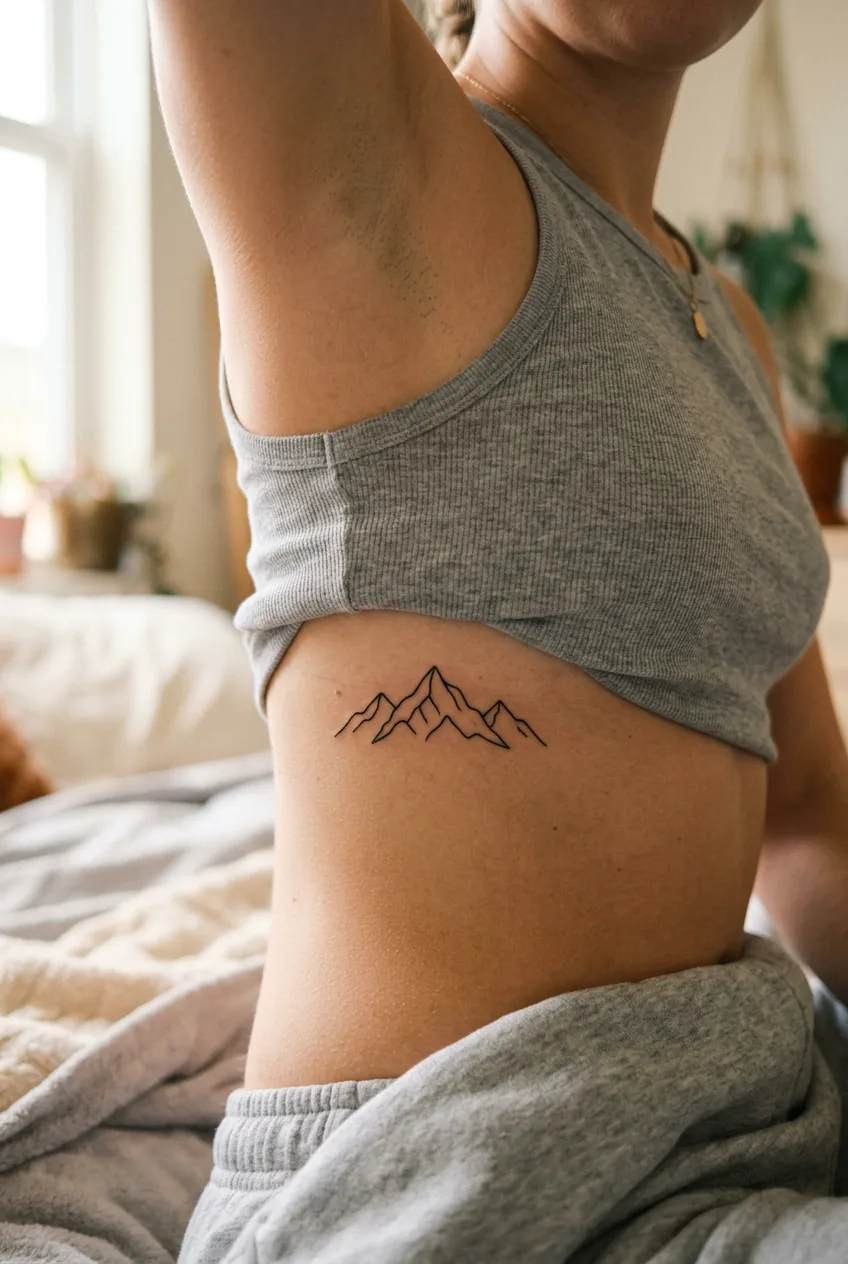
I think there’s power in having ink that the world can’t see and can’t interpret. It removes the social layer entirely — no one can project their assumptions onto hidden tattoos, so they remain purely personal. When I’m having a difficult day, I sometimes press my hand against my ribs and feel the slight texture where the mountains are. It’s like having a secret superpower.
Not every meaningful mark needs to be a conversation starter. Some are meant to be conversations between you and yourself.
Questions I Get About This
Do you ever regret getting meaningful tattoos?
Never the tattoos themselves, but sometimes I regret sharing their meanings too freely. Once you explain a meaningful tattoo to someone, they think they understand it completely, when really they only know one layer. I’ve learned to be more selective about who gets the full story.
How do you know if a tattoo idea is meaningful enough?
If I can imagine myself at seventy still finding truth in the symbol, it passes the test. I also ask myself whether the meaning is specific to a moment or speaks to something ongoing about who I am. The best meaningful tattoos grow with you rather than trapping you in one version of yourself.
What if the meaning changes over time?
That’s not a bug, it’s a feature. My tattoos mean different things to me now than when I got them, and that evolution is part of their value. They’ve become archaeological records of my growth — proof that I’ve been several different versions of myself and survived each transformation.
Should meaningful tattoos be visible or hidden?
It depends entirely on whether the meaning is something you want to share with the world. Visible tattoos become part of how others perceive you, while hidden ones remain purely personal. Both have their place, but choose consciously based on whether you want external input on your internal story.
My meaningful tattoos aren’t just decorations — they’re anchors that keep me connected to the truest parts of myself. They remind me where I’ve been, celebrate where I am, and hint at where I’m going. In a world that’s constantly trying to tell us who to be, having your own story written on your skin feels like the ultimate act of self-determination.