


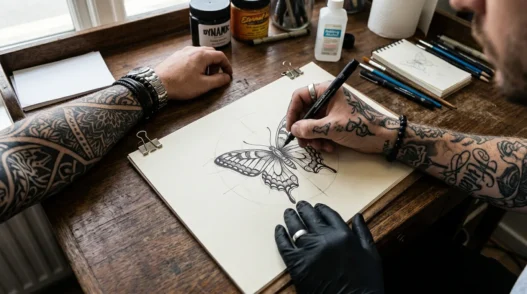
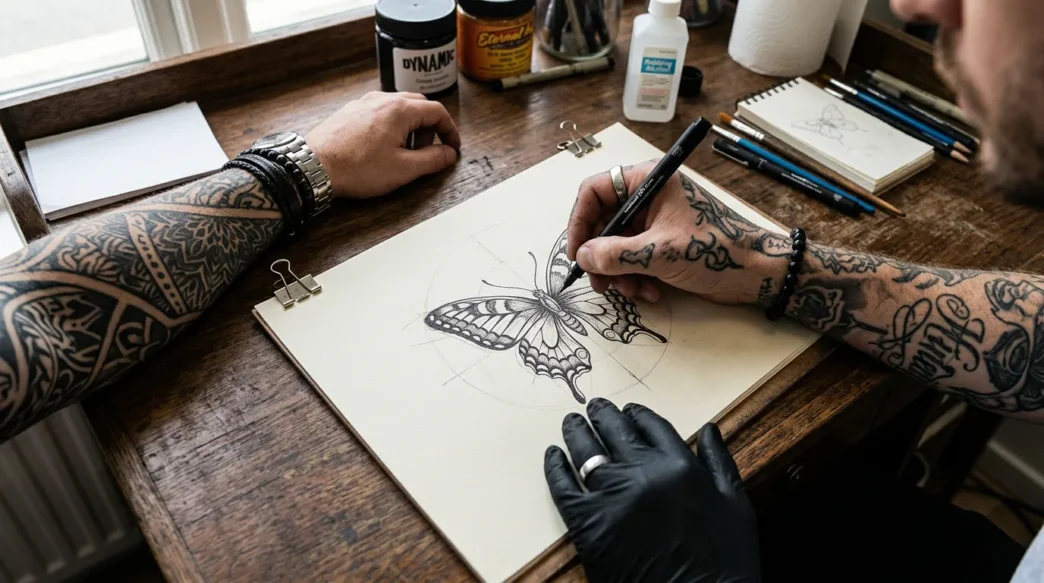
I spent three months going back and forth between a delicate fine line butterfly and a bold traditional one. Every Pinterest board I made looked completely different, and honestly? I was overthinking myself into paralysis. That’s when I realized I needed a real decision framework — not just more pretty pictures to scroll through.
What you’ll need for this decision process:
- Photos of your intended placement area (take them in natural light)
- A realistic timeline for when you want the tattoo done
- Your honest assessment of your pain tolerance
- Examples of butterfly tattoos you’ve saved (both styles)
- A budget range for the artist and sessions
Which Style Ages Better on Your Skin Type
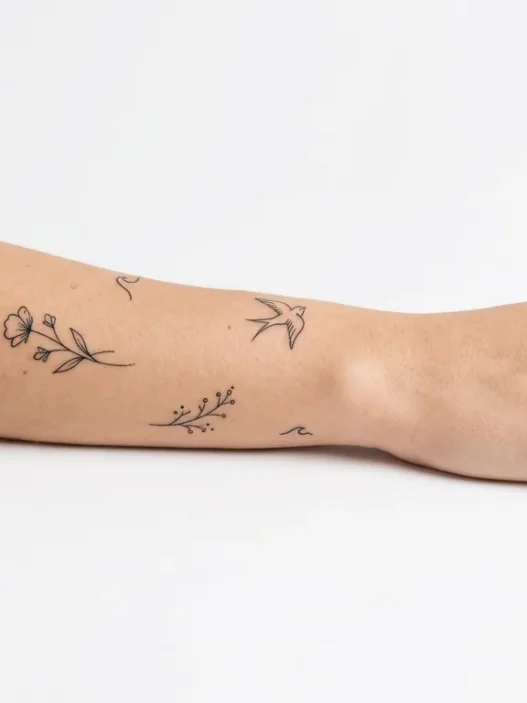
This is where I had to get brutally honest with myself. Fine line butterfly tattoos are gorgeous when fresh, but they don’t age the same way on every skin type. If you have oily skin like I do, those hairline details start to blur together after about five years.
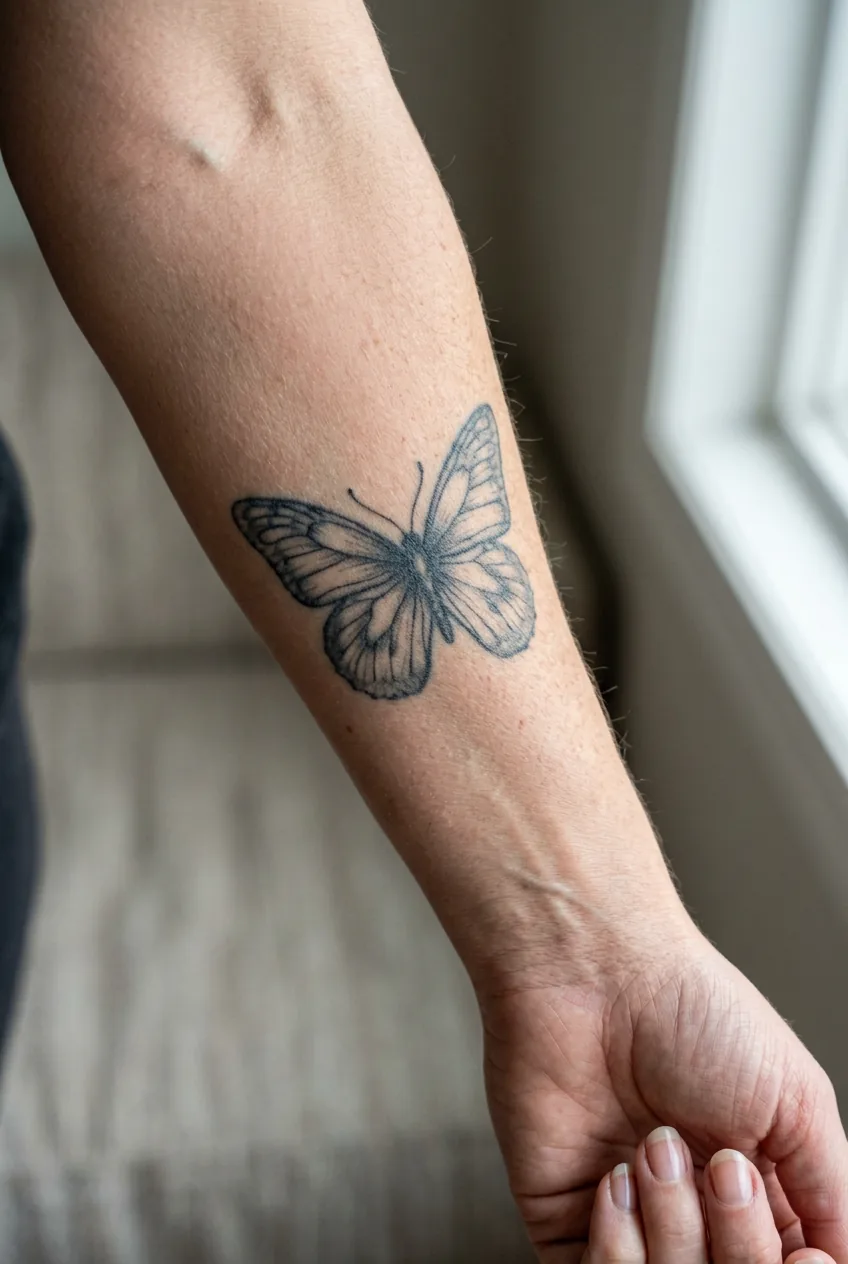
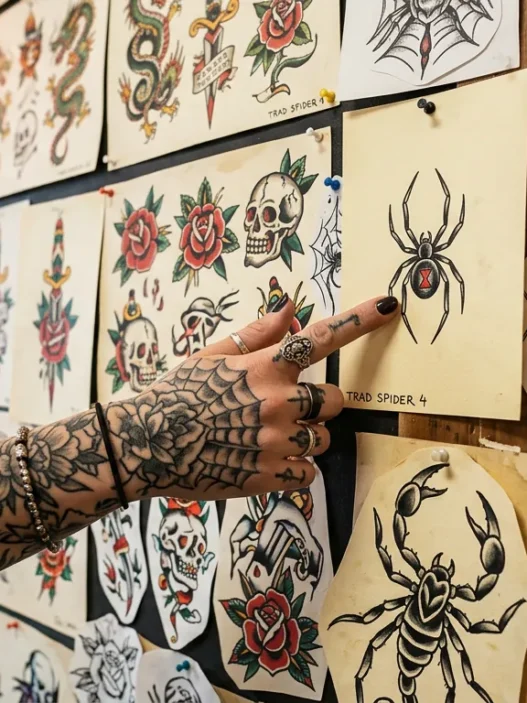
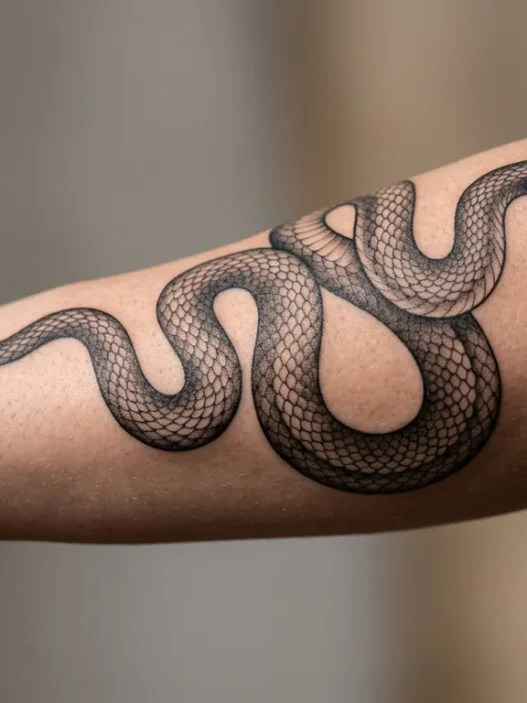
Bold butterfly tattoos with thicker outlines actually hold up better over time. The black lines stay crisp, and even if the shading softens a bit, the overall design remains readable. My friend got a traditional butterfly on her shoulder eight years ago, and it still looks incredible.
Consider your skin texture too. If you have naturally thin skin or tend to get a lot of sun exposure, fine line work might not be your best bet. Sun damage and aging can really impact those delicate details.
I made the mistake of choosing fine line work for my first tattoo on my wrist — where the skin moves constantly. Three years later, some of those tiny details just… disappeared. Lesson learned.
Which Works for Your Pain Threshold
Here’s something most people don’t tell you: fine line tattoos can actually hurt more in some spots. The artist has to go slower, be more precise, and sometimes go over the same area multiple times to get those whisper-thin lines just right.
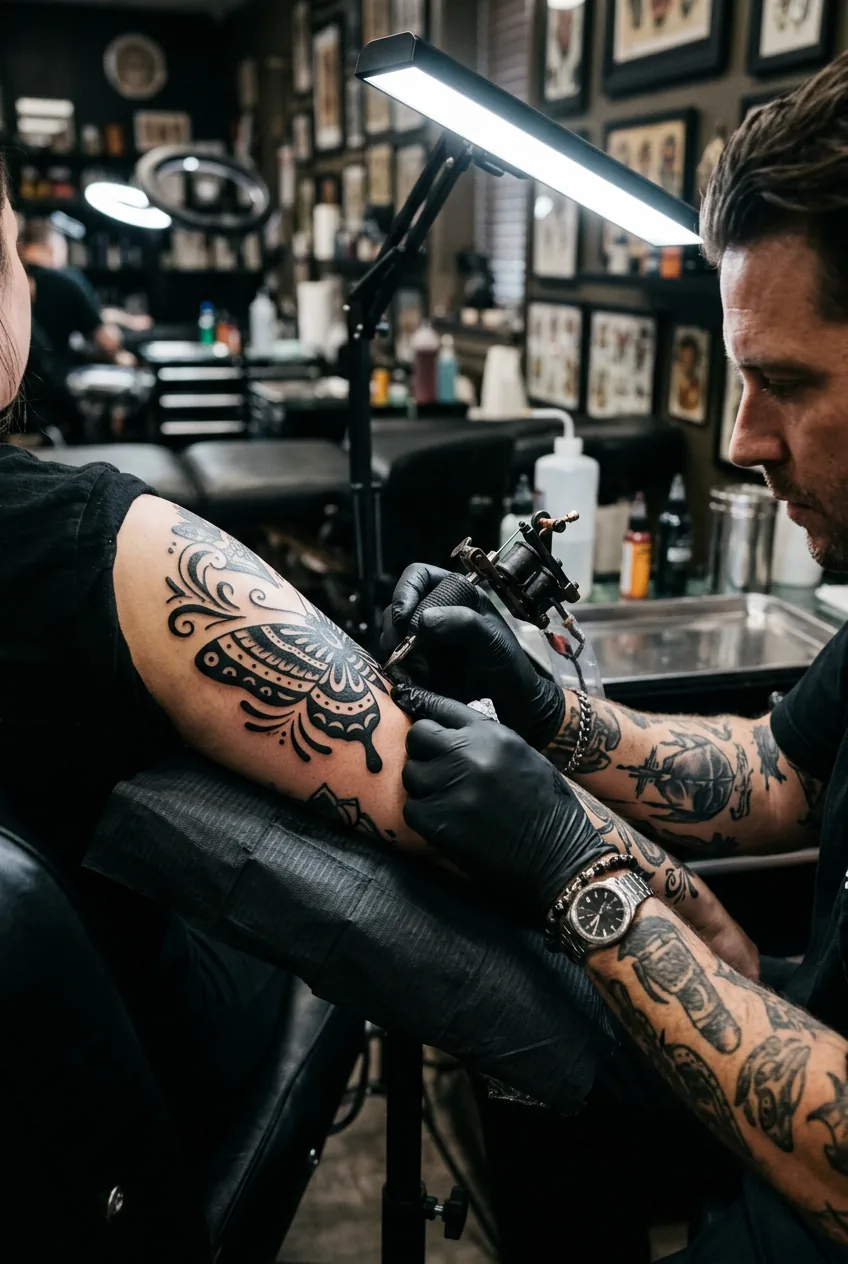
Bold butterflies, on the other hand, get done faster. More ink goes down in fewer passes. Less time in the chair equals less overall discomfort, even if the individual needle sensation feels more intense.
I have a pretty low pain tolerance, and my bold butterfly on my upper arm took about two hours total. My friend’s fine line version in the same spot? Four hours, because the artist had to be so meticulous with each wing detail.
Which Requires a Specialist Artist
Fine line work is absolutely an art form that requires serious skill. Not every tattoo artist can pull off those gossamer wing details without them looking shaky or uneven. You’re looking at booking with someone who specializes in this style — and paying specialist prices.
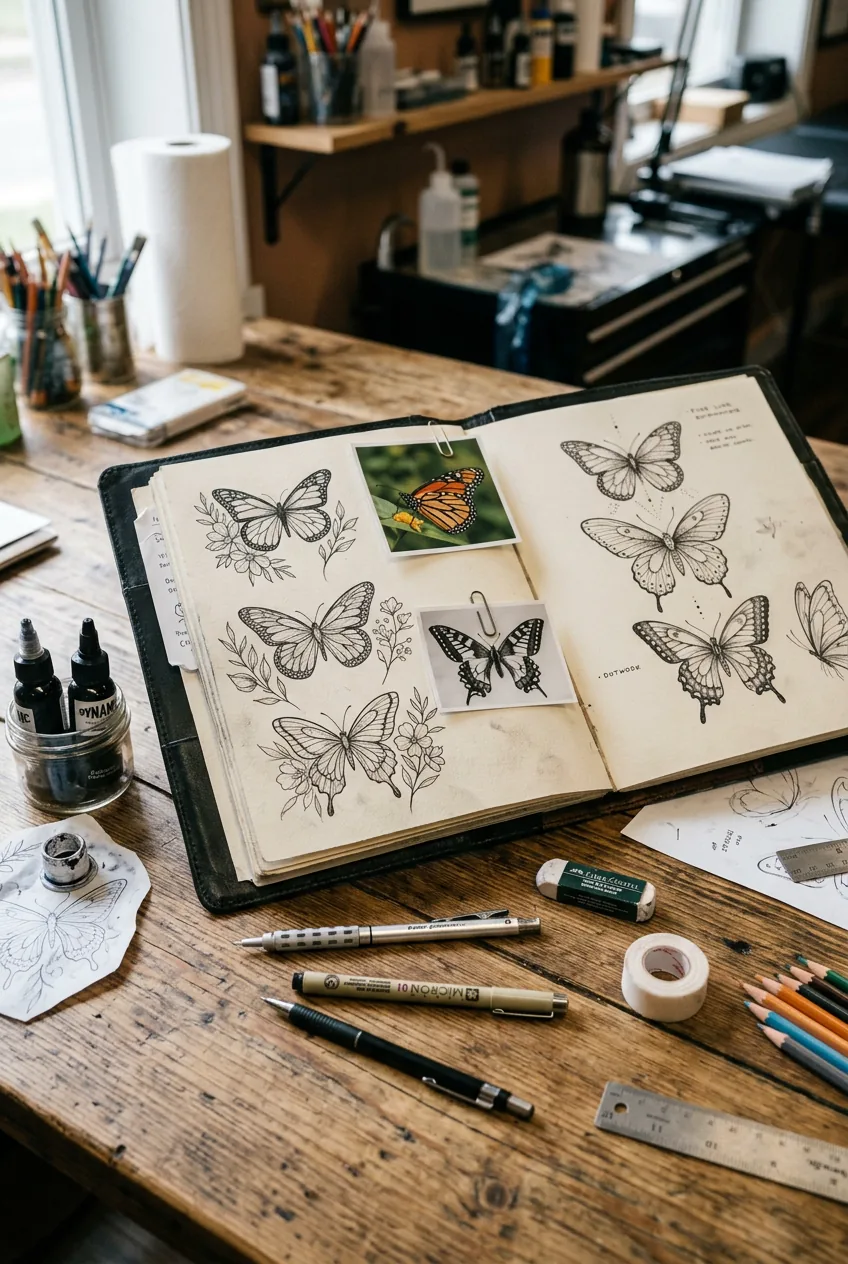
Bold traditional butterflies? Most experienced artists can nail these. The techniques are more established, and there’s more room for slight imperfections that won’t ruin the overall look. This gives you way more artist options and usually shorter booking wait times.
I ended up waiting six months to get an appointment with a fine line specialist, only to realize during the consultation that her style didn’t quite match what I had in mind. Starting over with that timeline was brutal.
Watch This Artist Explain the Difference
Which Placement Suits Each Style
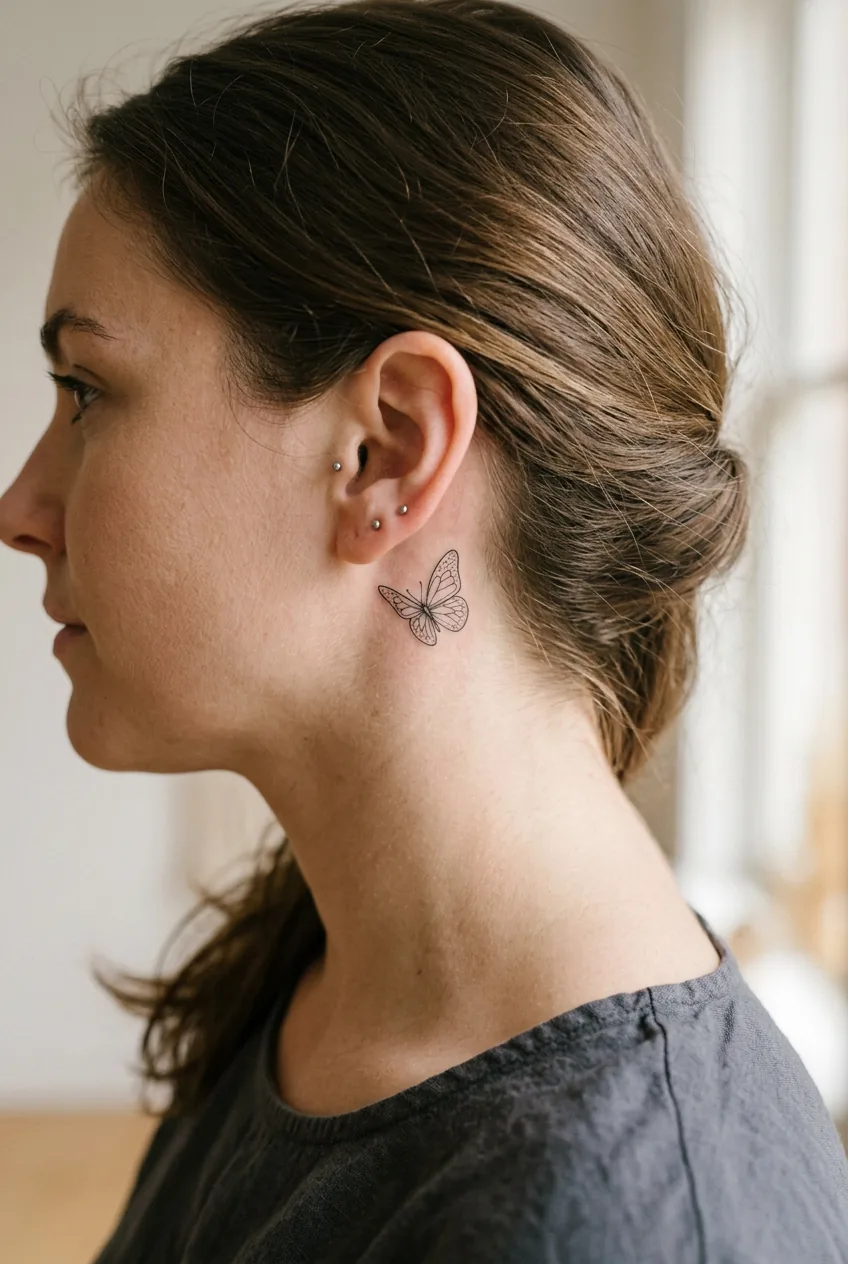
Placement changes everything about how your butterfly will look and age. Fine line butterflies work beautifully on areas that don’t stretch much — think behind the ear, on the ankle, or along the collarbone. These spots showcase the delicate detail without distorting it over time.
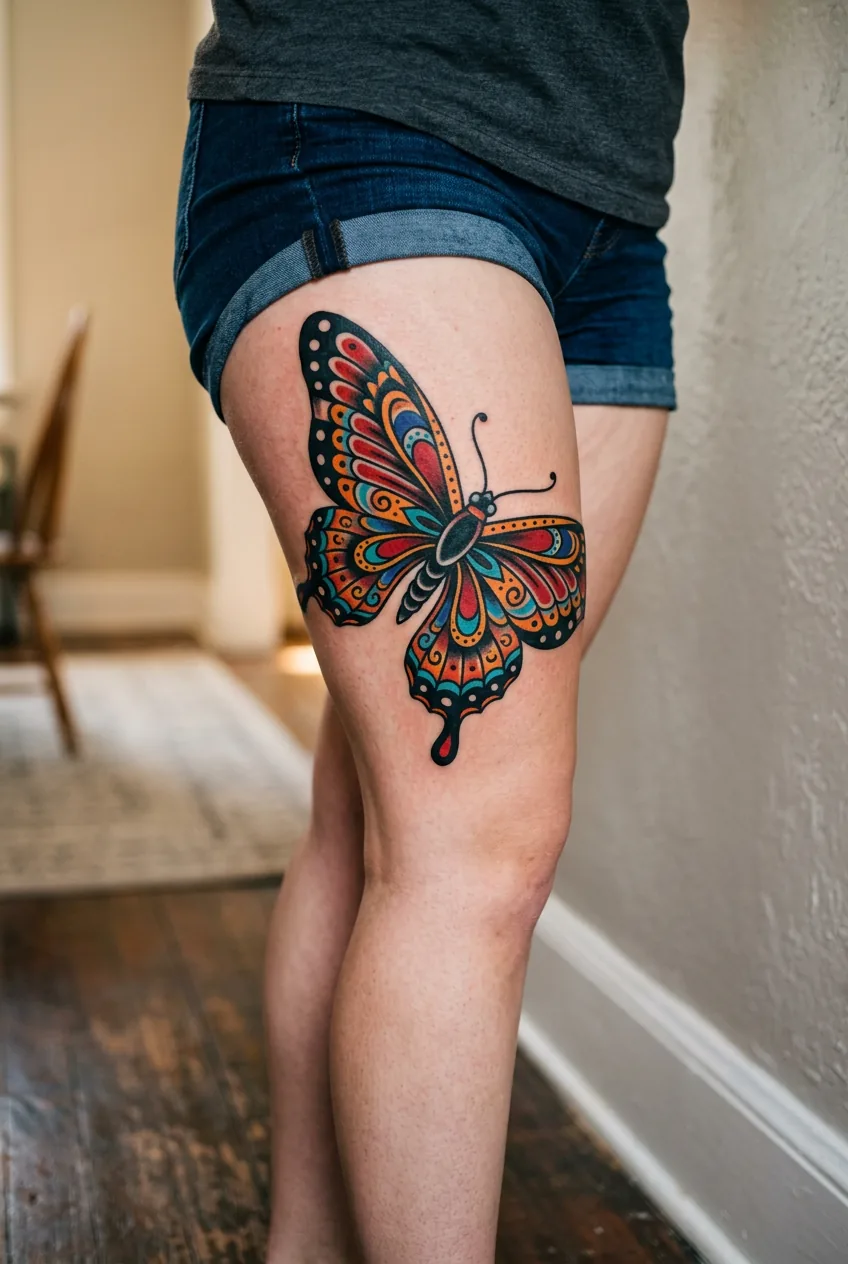
Bold butterflies can handle more dynamic placement. Upper arms, thighs, back pieces — areas where the skin moves and stretches. The thicker lines and solid color blocks maintain their integrity even when your body changes.
For small tattoos specifically, bold styles often read better from a distance. That tiny fine line butterfly might disappear completely when you’re wearing certain clothes or from across a room.
Which One Will You Still Love in 20 Years
This question kept me up at night. Will that minimalist fine line butterfly feel too trendy in two decades? Or will a bold traditional one start looking outdated?
Here’s what I’ve observed from talking to people with older tattoos: bold, well-executed work tends to have more staying power in terms of both physical aging and personal taste. Fine line tattoos are having a major moment right now, which makes me wonder if they’ll feel very “2020s” later on.
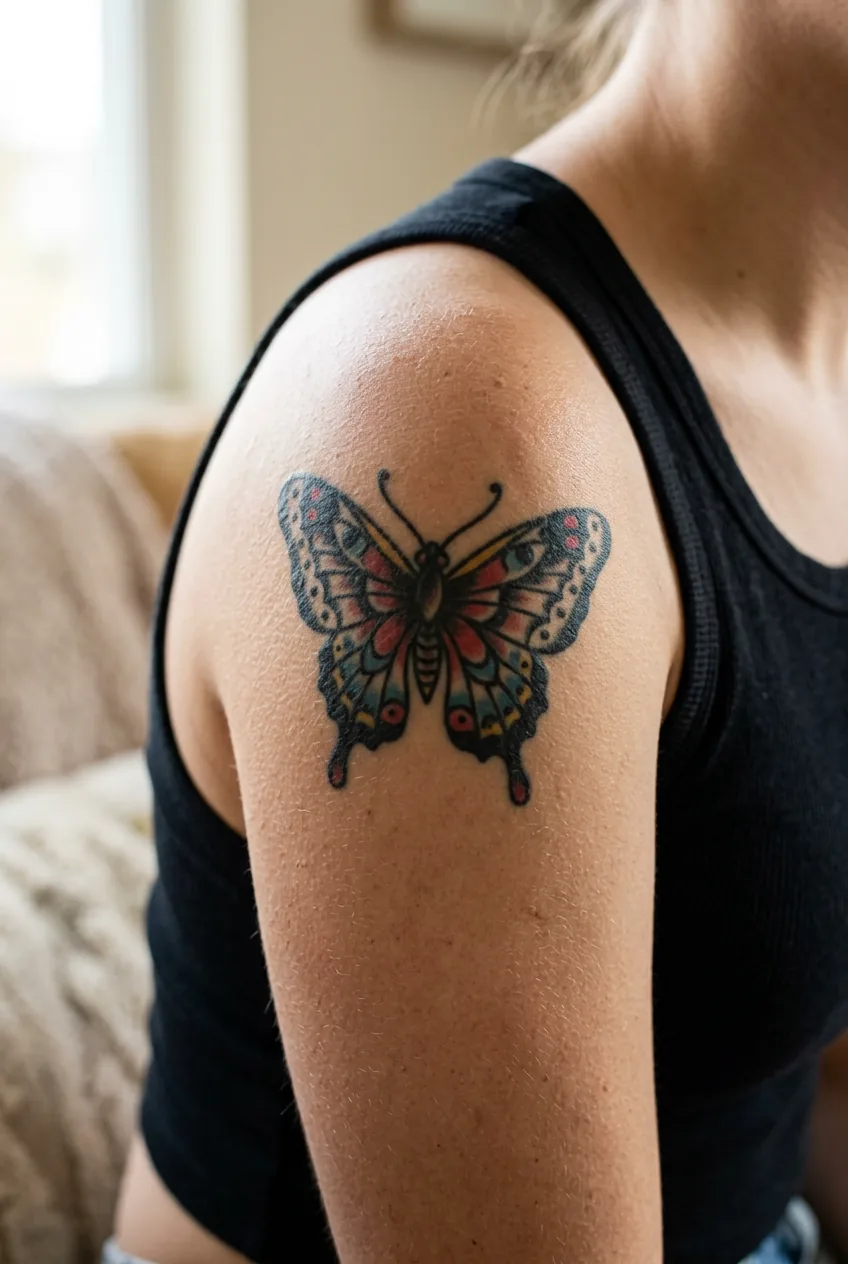
But honestly? If you absolutely love fine line work, that passion will probably outlast any trend cycles. I’ve seen people with 15-year-old tribal tattoos who still light up talking about them because the style meant something specific at the time.
The key is choosing based on what speaks to you personally, not what looks good in other people’s Instagram posts. Classic tattoo styles that have stood the test of time usually have strong personal meaning behind them.
Making Your Final Decision
After working through this framework myself, I landed on a bold butterfly with fine line accents — kind of a hybrid approach. The main outline and wing shapes are thick enough to age well, but there are delicate details in the wing patterns that satisfy my love for intricate work.
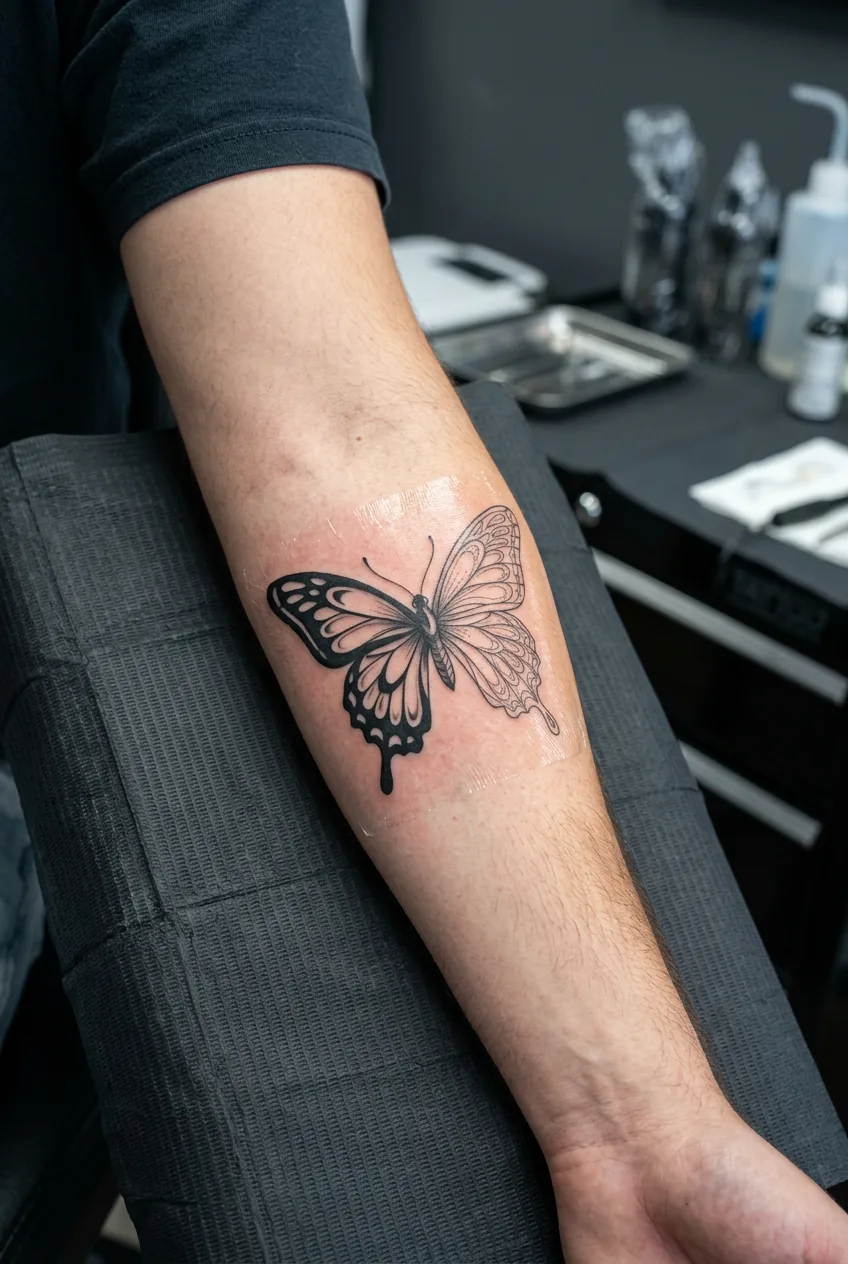
Your decision might be completely different, and that’s exactly the point. Maybe you discovered that your skin type and lifestyle make bold work the obvious choice. Or maybe you realized you’re willing to accept that fine line work might soften over time because you love the aesthetic that much.
Consider booking consultations with artists who specialize in both styles. Seeing their portfolios in person and discussing your specific placement ideas will give you information that no amount of Pinterest scrolling can provide. Most artists are happy to do a quick sketch of how your butterfly might look in different styles.
The right choice is the one that makes you excited to book your appointment, not anxious about whether you’re making a mistake. When I finally settled on my hybrid approach, I felt this sense of relief — like I’d been holding my breath for months and could finally exhale.
Questions I Get About This Decision
Can I combine both styles in one tattoo?
Absolutely! That’s exactly what I did. You can have bold outlines with fine line details, or even multiple butterflies in different styles as part of a larger piece. Just make sure your artist is comfortable working in both styles.
How much more expensive is fine line work?
Fine line specialists typically charge 20-30% more per hour, and the sessions take longer. My hybrid butterfly cost about $400 total, while a similar-sized bold traditional piece would have been closer to $250.
Will a fine line butterfly be visible in 10 years?
It depends on placement, your skin type, and sun exposure. On protected areas with good aftercare, fine line work can stay crisp for decades. But it will never age quite as clearly as bold work.
Should I start with a small test tattoo first?
If you’re torn between styles, getting a small piece in one style can help you understand how your skin takes that type of ink. Just pick a spot where a small tattoo makes sense on its own.