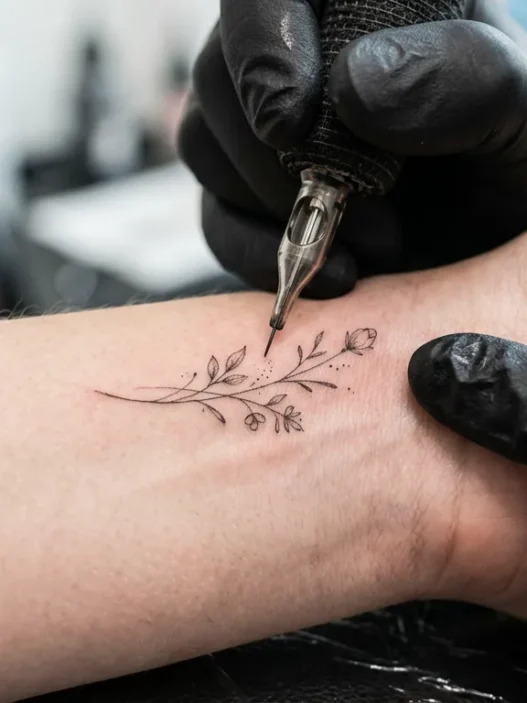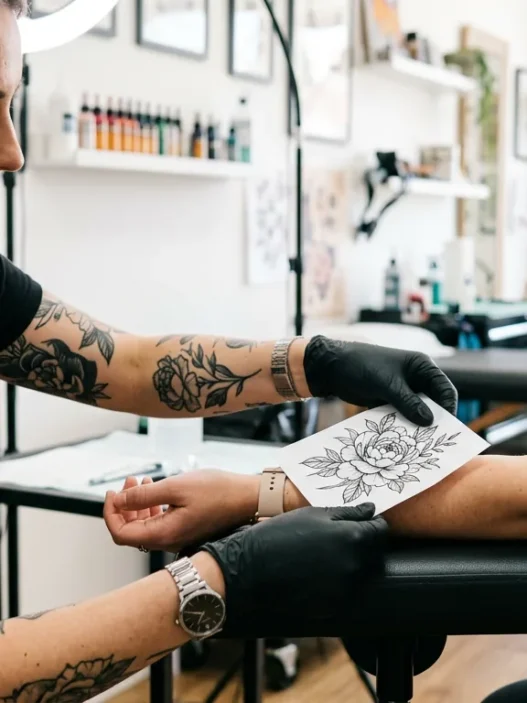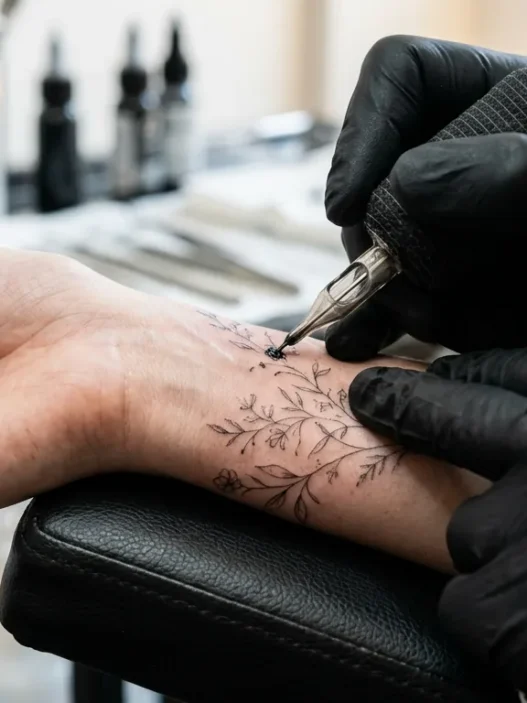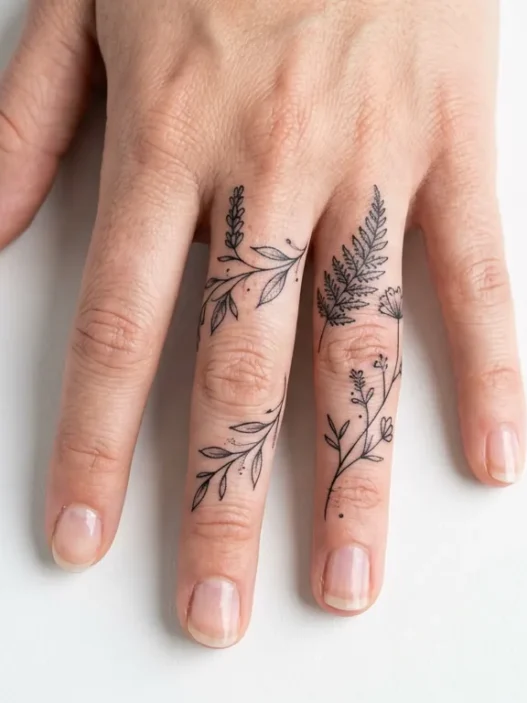








I spent three months researching hand tattoos before getting mine. Not because I was scared of the pain, but because I’d heard too many horror stories about fading, job interviews gone wrong, and artists who promised the world but delivered mediocre line work. The internet is full of pretty photos and basic advice, but nobody talks about the real stuff.

The Style History Nobody Mentions
Hand tattoos weren’t always the Instagram-friendly trend they are now. For decades, they were markers of specific communities — sailors, gang members, people on the margins of society. That history matters because it explains why older generations still react strongly to visible hand ink.
The shift happened around 2010 when celebrities like Rihanna started showing off delicate finger tattoos. Suddenly, what was once considered “job stoppers” became fashion statements. But here’s what nobody talks about: the traditional hand tattoo styles evolved for good reasons.
Bold, simple designs with thick lines weren’t just aesthetic choices. They were practical. Hands move constantly, stretch, and fade faster than any other body part. Those old-school roses and anchors? They held up because they were designed to age well.
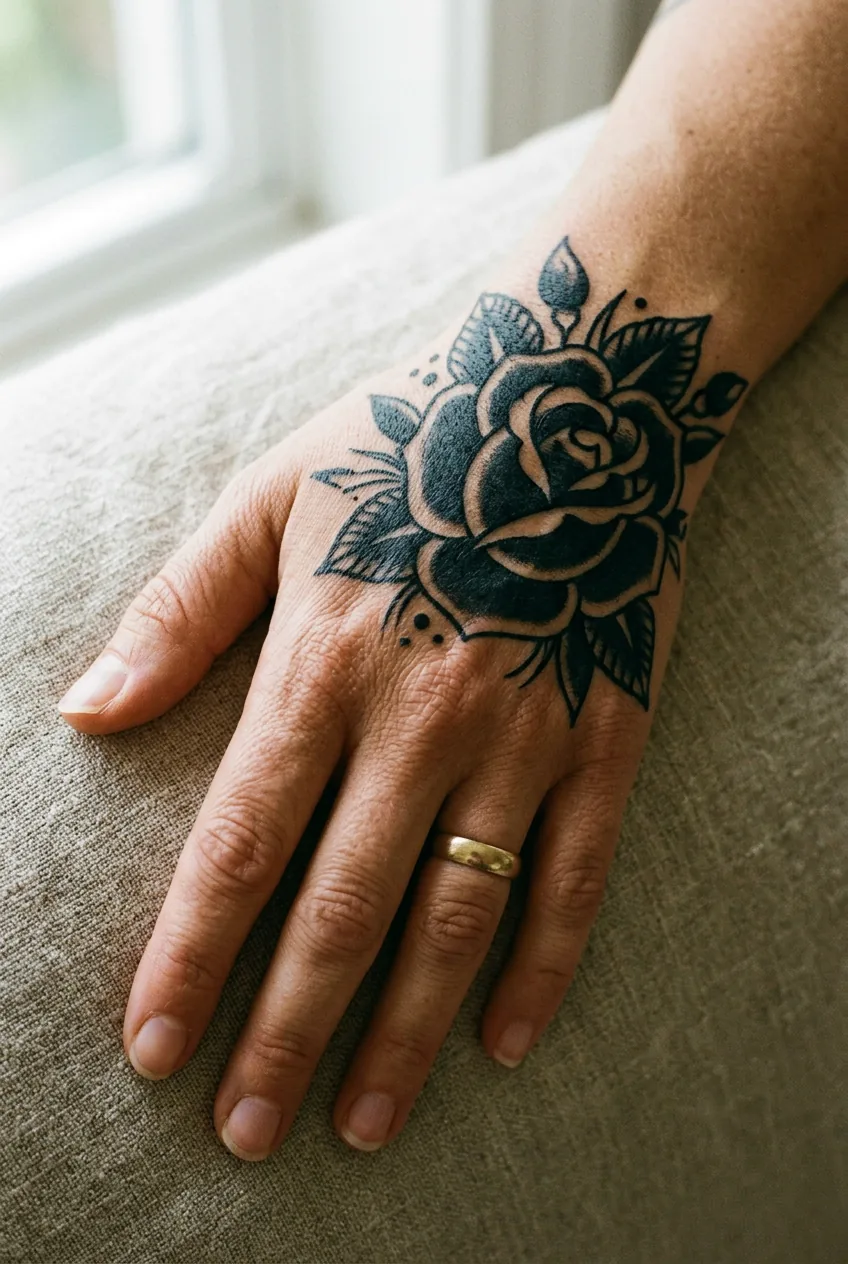
Modern hand tattoos often ignore this wisdom. I see so many women getting intricate mandala designs or fine-line script that looks gorgeous fresh but turns into a blurry mess within two years. The traditional approach might seem less Pinterest-worthy, but it’s based on decades of real-world wear patterns.
I chose a slightly thicker line weight than I initially wanted after talking to three different artists. Each one independently told me the same thing: go bolder than your instincts tell you. Two years later, my tattoo still looks crisp while friends with delicate designs are already booking touch-ups.
What the Industry Gets Wrong About Fading
Most tattoo shops will tell you that hand tattoos fade because of sun exposure and hand washing. That’s only part of the story. The real culprit is constant movement and the unique skin structure of your hands.
Your hands have the thinnest skin on your body, with minimal fat padding between the surface and bone. Every time you grip something, make a fist, or even just flex your fingers, that tattoo ink gets compressed and stretched. Over months and years, this mechanical stress breaks down the ink particles.
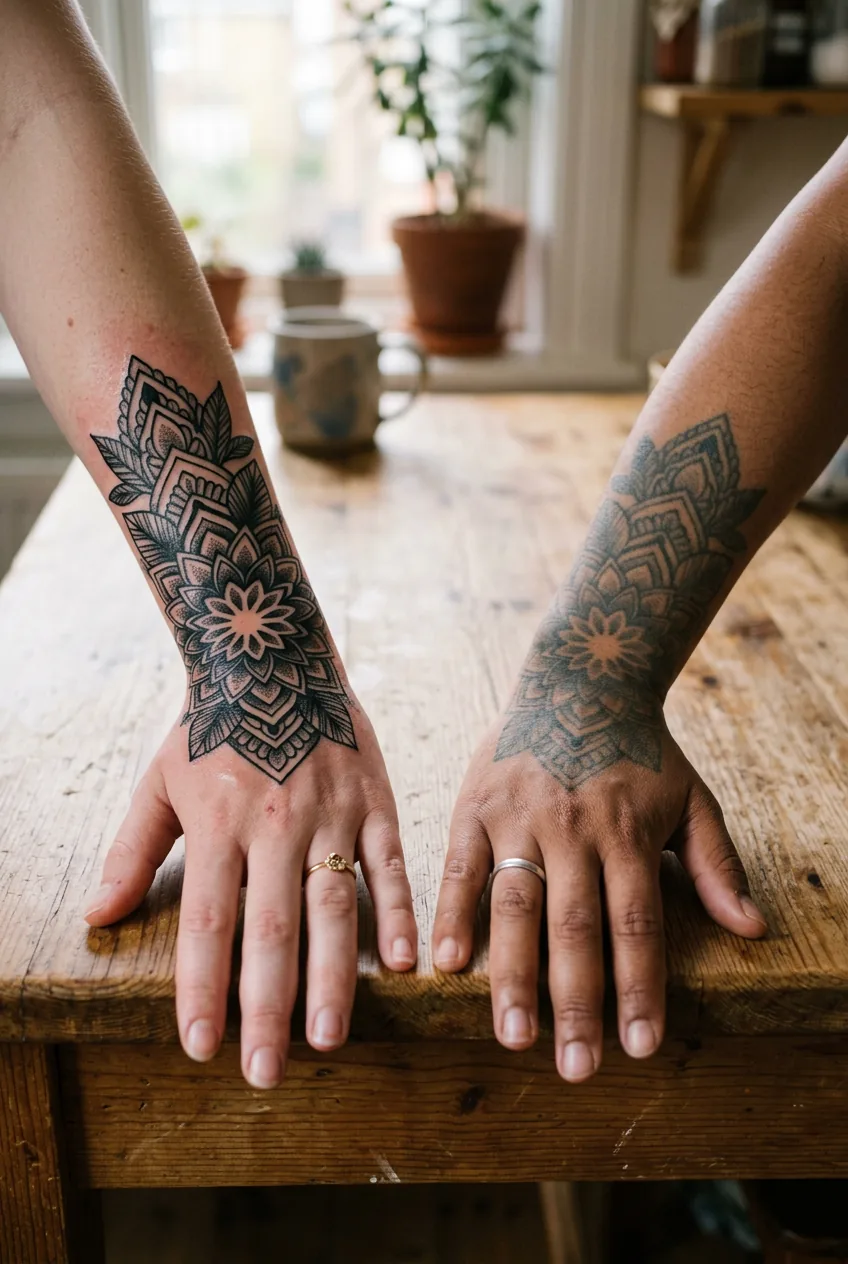
Here’s where shops often mislead clients: they’ll show you photos of “healed” hand tattoos that are maybe six months old. A truly settled hand tattoo needs to be evaluated at the two-year mark. That’s when you see the real story.
The fading pattern isn’t random, either. Areas that flex most — knuckles, the palm side of fingers, anywhere the skin stretches significantly — lose detail first. The back of the hand, especially toward the wrist where there’s less movement, holds ink much better.
I wish someone had explained the “fading timeline” to me upfront. Months 3-6 are when you notice the first changes. By month 12, the design has found its “settled” state. And honestly? That settled look often has more character than the fresh tattoo. The slight softening of lines can make hand tattoos look more integrated with your skin.
The Nuance in Finding the Right Artist
Not every great tattoo artist is great at hand tattoos. This is a specialized skill that requires understanding skin mechanics, ink saturation levels, and long-term aging patterns. I learned this the hard way during my research phase.
The portfolio test is crucial: ask to see hand tattoos that are at least two years old. If an artist can’t show you aged examples of their hand work, that’s a red flag. Some artists are honest about their limited hand tattoo experience. Others aren’t.

Technical skills matter more for hands than anywhere else. Look for artists who understand proper depth — too shallow and the tattoo fades quickly, too deep and you get blowouts. Proper needle depth techniques can make or break the longevity of your piece.
I visited four different shops before choosing my artist. The winner wasn’t the most expensive or the most Instagram-famous. She was the one who spent twenty minutes explaining why my original design wouldn’t work and sketched three alternatives that would age better. That consultation told me everything about her expertise level.
Another thing: geographic experience matters. An artist in a sunny climate deals with more sun-faded hand tattoos and learns to compensate. Someone in a northern city might not have the same real-world knowledge about UV damage patterns.
This Artist Explains the Technique
Career Impact — Let’s Talk Reality
This is the conversation nobody wants to have, but I’m going to be blunt: hand tattoos still affect career opportunities. The degree varies wildly by industry, region, and company culture, but pretending it doesn’t happen is naive.
I work in marketing, which is generally tattoo-friendly. Even so, I’ve noticed subtle differences in how clients react during video calls. Some older clients take a beat longer to warm up. It’s not necessarily discrimination — just human psychology processing something unexpected.

The “cover-up” conversation comes up a lot. Concealer works for small hand tattoos, but anything substantial shows through. I tried every high-coverage foundation recommended online. None lasted more than a few hours with normal hand use.
Here’s my honest assessment after two years: if you work in conservative industries (finance, law, healthcare administration), hand tattoos are still risky. Creative fields, tech, retail, food service — much more accepting. But even in accepting industries, you might limit advancement opportunities.
The reality is that hand tattoos send a message about permanence and decision-making. Some employers read that as confidence and authenticity. Others see it as impulsiveness. Both interpretations say more about the observer than about you, but you’ll live with the consequences either way.
If you’re considering Everything I Know About Getting a Hand Tattoos for Women Tattoo (Free Advice From Someone Who’s Learned the Hard Way), factor in your five-year career plan. Not because tattoos are wrong, but because strategic thinking prevents regrets.
Aftercare That Actually Works
Standard tattoo aftercare doesn’t cut it for hands. Your hands touch everything, wash frequently, and get exposed to elements constantly. I developed my aftercare routine through trial and error — and a lot of obsessive research.
The first week is critical. I wore nitrile gloves constantly except when washing or applying ointment. Sounds excessive, but hands pick up bacteria from every surface. One infection can ruin months of healing and permanently affect your tattoo quality.
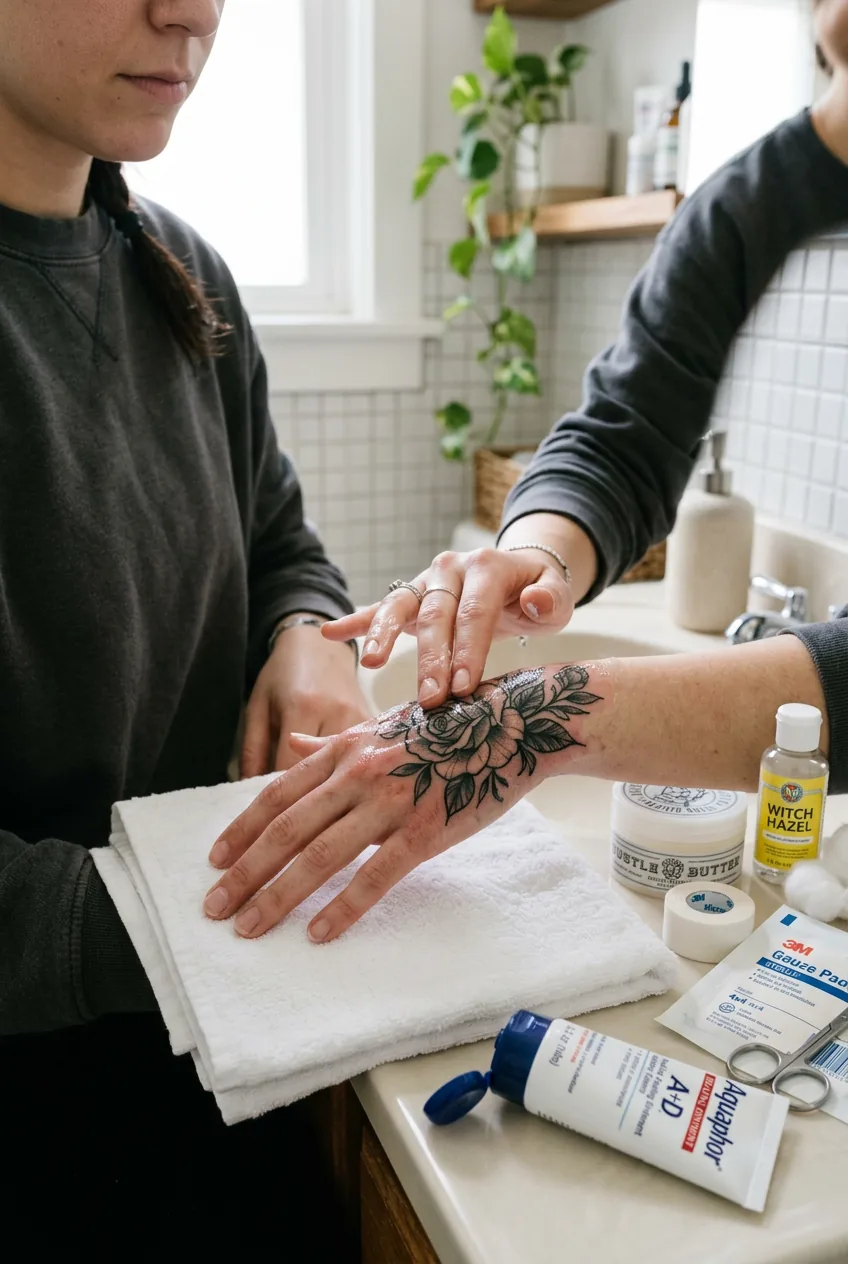
Washing technique matters more than product choice. I used lukewarm water and unscented soap, but the key was patting dry instead of rubbing. Hand towels are rougher than you realize. I switched to paper towels for the first two weeks.
Moisturizing becomes a obsession. I applied unscented lotion every time I washed my hands — probably 15 times a day. The constant water exposure dries out healing skin faster than anywhere else on your body. I went through an entire bottle of Aquaphor in ten days.
Sun protection is non-negotiable. I bought driving gloves specifically for UV protection during the healing phase. After healing, I apply SPF 30 to my hands every morning, just like my face. Sun damage happens gradually, but it’s the biggest factor in long-term tattoo degradation.
The hardest part was restricting hand use. No gym for two weeks. No extensive cooking or cleaning. I meal-prepped before getting tattooed and hired a cleaning service. Worth every penny to protect my investment.
The Psychology Most People Skip
Getting a hand tattoo changes how you experience the world, and nobody prepares you for that psychological shift. Your hands are always visible to you. That tattoo becomes part of your constant visual field in a way that arm or back tattoos never do.
For the first month, I was hyperaware of every glance at my hands. Grocery store clerks, coffee baristas, people in elevators — everyone looks at hands during normal interactions. The attention felt overwhelming until I adjusted to it.

But there’s a positive flip side: hand tattoos become confidence anchors. Every time I look down, I see something I chose, something meaningful to me. It’s like wearing your favorite piece of jewelry that never comes off. The psychological impact is surprisingly powerful.
The “conversation starter” aspect is real but exhausting. People feel entitled to comment on visible tattoos in ways they never would about other appearance choices. I developed standard responses for common questions to avoid repeating explanations constantly.
Hand tattoos also change your relationship with other body art. After getting comfortable with visible ink, I found myself more drawn to pieces that integrated well with the hand design. It’s like the hand tattoo becomes the anchor point for your overall tattoo aesthetic.
One unexpected benefit: hand tattoos make you more intentional about self-presentation. When you know people notice your hands, you pay more attention to nail care, hand cream, and overall grooming. It’s raised my general appearance standards in positive ways.
The commitment feels different than other tattoos too. You can forget about a shoulder piece or ankle tattoo for days at a time. Hand tattoos are constant companions. Make sure you’re ready for that level of integration with your body art.
Questions I Get About This
Do hand tattoos hurt more than other placements?
The back of the hand is surprisingly manageable — similar to forearm pain levels. Finger tattoos and knuckles are significantly more intense because there’s minimal cushioning between skin and bone. The palm side is excruciating, which is why most artists won’t do palm work.
How often do hand tattoos need touch-ups?
Quality hand tattoos by experienced artists typically need their first touch-up around the 18-month mark. After that, every 3-5 years depending on your lifestyle and sun exposure. Factor touch-up costs into your budget from the beginning.
Can you get hand tattoos if you have dry skin?
Dry skin actually heals hand tattoos better than oily skin in most cases. The key is maintaining consistent moisture levels during healing. If you already deal with chronic dry hands, you’ll need to be extra diligent with aftercare routines.
What’s the minimum age most shops require for hand tattoos?
Many reputable shops won’t do hand tattoos on anyone under 25, regardless of legal age. It’s not about maturity — it’s about life stability. Hand tattoos affect job prospects, and most artists want clients who understand long-term consequences.
Hand tattoos for women represent a bigger commitment than most people realize. They’re not just body art — they’re daily reminders, conversation pieces, and yes, sometimes career considerations. But for those who do the research, find the right artist, and commit to proper aftercare, they can be incredibly rewarding. Just go in with eyes wide open about what you’re actually signing up for.