


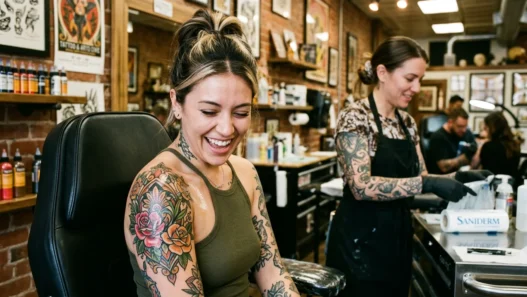

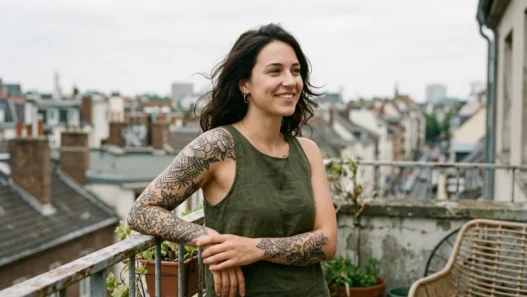


I got my first small tattoo at twenty-three on a complete impulse, in a walk-in shop I’d never heard of, with a reference image I pulled up on my phone thirty seconds before sitting in the chair. It faded into a blurry little smudge within eighteen months. I’ve had seven tattoos since then — some tiny, some not — and I’ve learned things I genuinely wish someone had just told me before that first one. So consider this the conversation I never got to have. No judgment, no upselling, just the stuff I actually know.
On Choosing the Design
Here’s the thing about small tattoos: the smaller the design, the less room there is for a mediocre idea to hide. A large piece can carry an okay concept. A tiny one cannot. So before you fall down a Pinterest rabbit hole at midnight and screenshot forty-seven options, give yourself a week.
Save images you keep coming back to. Not ones you like in the moment — ones that make you think yes, still three days later. That filter alone will eliminate about 80% of your shortlist. If you want some genuinely beautiful starting points, 7 tiny simple tattoo ideas with big impact is a great place to browse without feeling overwhelmed by the scale of everything.
Also — and I cannot stress this enough — do not get text in a tiny font. It will bleed. It will blur. Three years from now it will look like a bruise with ambition. Fine line script needs a minimum size to hold, and most people don’t realize that until it’s too late. If you love the idea of words, ask your artist what the smallest readable size is for the font you want. Then go slightly bigger than that.
On Choosing the Artist
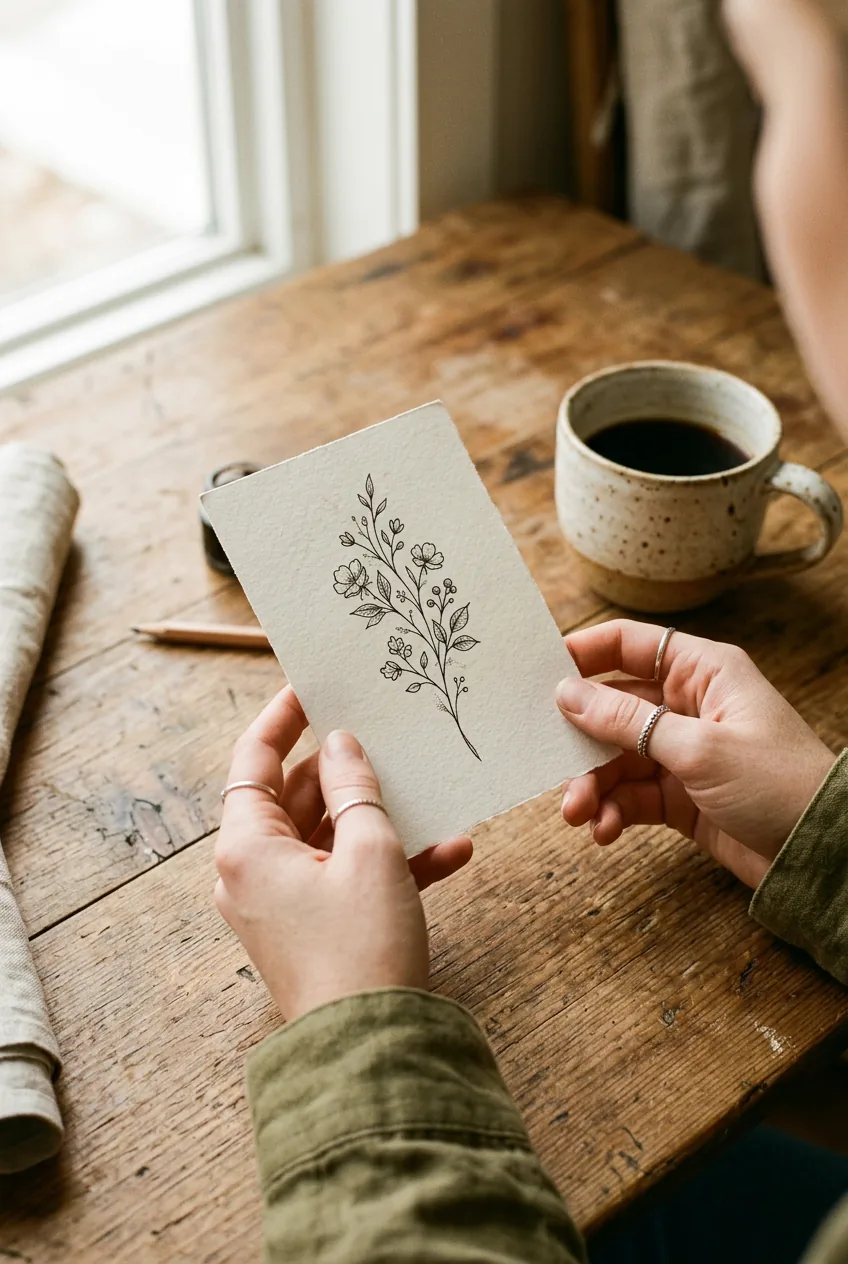
This is where I see people go wrong most often, and it’s also where this free small tattoo advice might save you real money in the long run. Do not choose an artist based on a single stunning photo. Look at their healed work. Fresh tattoos look incredible on almost everyone. Healed tattoos tell you the truth.
Ask them directly — most artists who are proud of their work will have healed photos in their highlights or will send them if you DM. If they can’t produce any healed shots, that’s information.
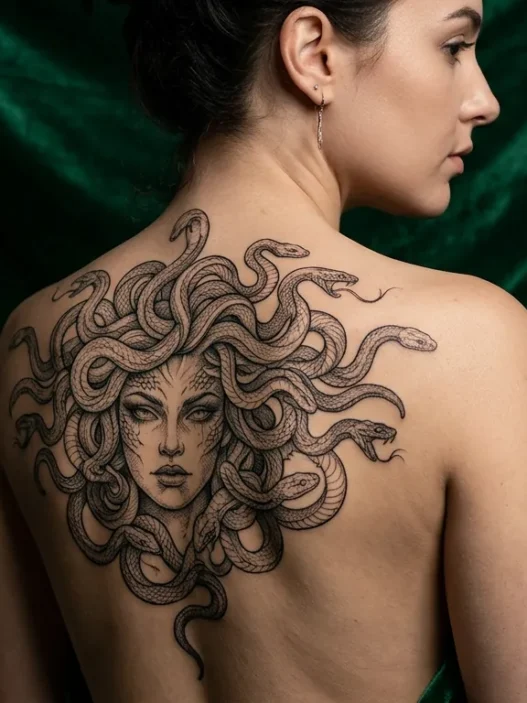
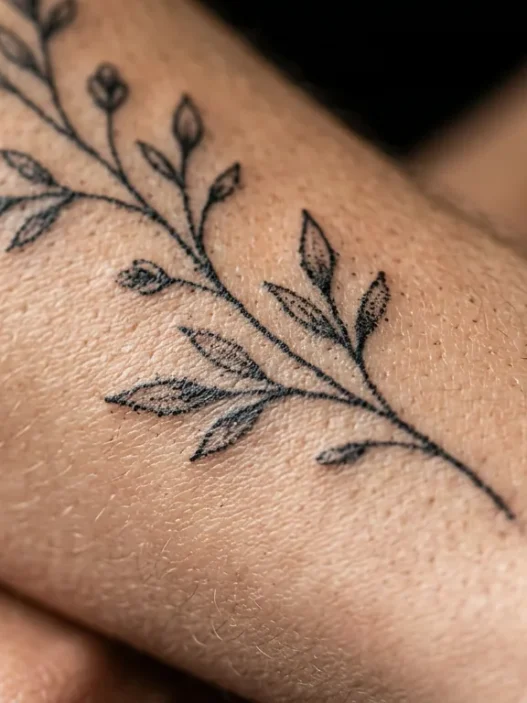
Specialization matters more than you think for small work. A phenomenal realism artist might not be your best choice for a delicate fine-line botanical. Look for artists who post consistently in the style you want. And check their portfolio for pieces that are actually similar in size to yours — a beautiful full sleeve tells you almost nothing about how they handle something the size of a coin.
The honest truth about small tattoo inspo and what artists won’t tell you covers this really well — things like how some designs just don’t translate to tiny sizes, and why your artist’s hesitation about a design is actually a compliment to their craft.

On the Money Part
Most reputable studios have a shop minimum — usually somewhere between $80 and $150 depending on location. A tiny tattoo that takes twenty minutes will still cost that much. I say this not to scare you but because I’ve watched friends try to negotiate a shop minimum and it never ends well for anyone involved.
Budget for the tip too. 20% is standard and genuinely appreciated. Tattooing is skilled, physical, meticulous work. The artist is hunched over you for an hour. Tip accordingly.
My controversial opinion? Cheap tattoos are almost never actually cheap. You will pay for a touch-up. You will pay for a cover-up. Or you’ll just live with something you don’t love, which has its own invisible cost. I’d rather save an extra month and book with someone whose work I genuinely admire than rush it because I found someone doing flash for $40. Choosing the right artist
That said — flash days are a legitimate way to get quality work at a lower price point. Follow artists you love, watch for their flash announcements, and be ready to book fast. That’s not cutting corners; that’s just smart timing.
On Placement and the Long Game
Placement is the decision people think least about and regret most. Not the design — the placement. Because a design you grow out of can be covered or reworked. But a location that never gets sun, or one that stretches dramatically with movement, or one that your workplace can see even in long sleeves — that’s structural.
Some things worth knowing before you pick a spot:
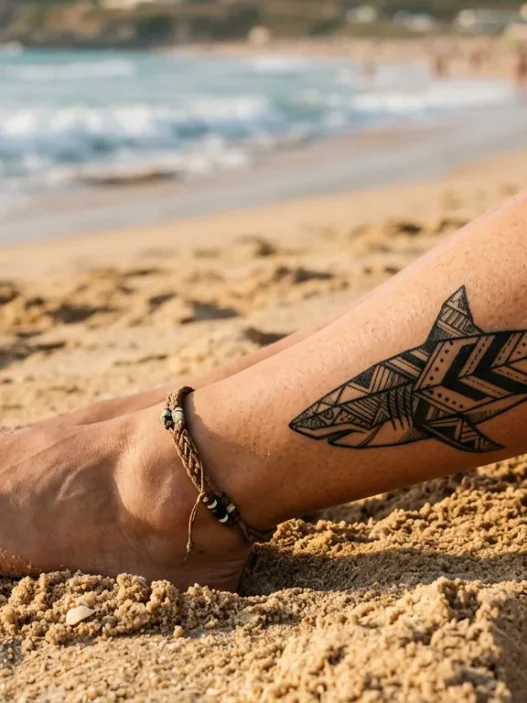
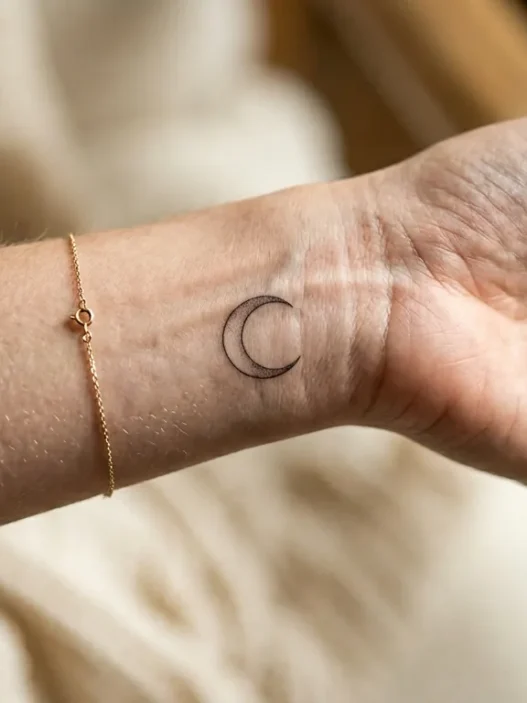
- Inner wrist and ankle — gorgeous, but they face friction and sun exposure constantly, so they fade faster
- Ribcage — one of the more painful spots, but it heals beautifully and ages well if you take care of it
- Fingers and hands — the hands-down (sorry) hardest place to heal a small tattoo; expect fading and likely touch-ups
- Behind the ear — heals quickly, but placement has to be very precise or it looks off; don’t skip the consultation for these
- Collarbone/sternum — stunning, tends to hold ink well, and honestly one of my favorites for feminine small pieces
If you’re thinking longer-term and want to build a collection rather than just get one-off pieces, it’s worth reading about the small tattoos capsule approach — the idea that curation matters as much as each individual piece. I wish I’d thought this way earlier.
On the Day Itself
Eat a real meal beforehand. Not a coffee and a granola bar — a real meal. Your blood sugar dropping mid-session is not the vibe. Bring a snack anyway, especially if it’s a longer appointment.
Wear something that gives easy, comfortable access to the area being tattooed. I once wore a complicated jumpsuit to a hip appointment and we don’t talk about it.
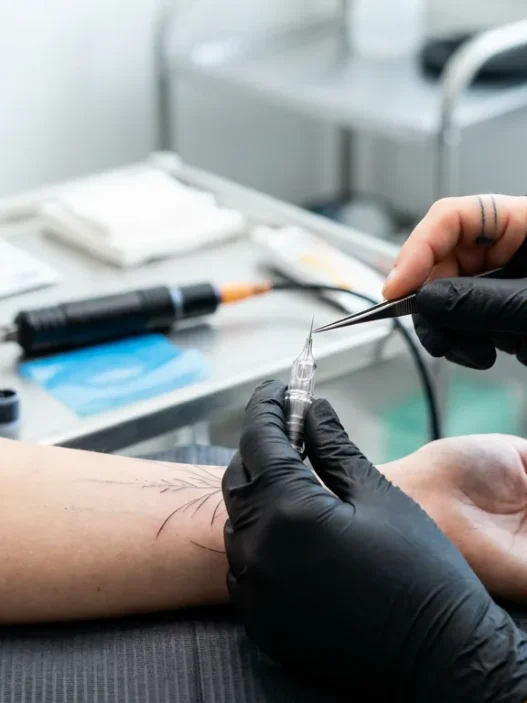
It’s okay to ask your artist to pause. It’s okay to say you need thirty seconds. Good artists expect this. What they don’t love — and honestly, what doesn’t help you — is tensing your entire body and white-knuckling through it in silence. Breathe. Your first tattoo session
Look at the stencil placement before the needle starts. I mean really look — stand up, look in the mirror from a distance, look from the angle you’ll normally see it from. If something feels even slightly off, say so. Moving a stencil two centimeters takes thirty seconds. That same conversation after the tattoo is finished is a very different one.
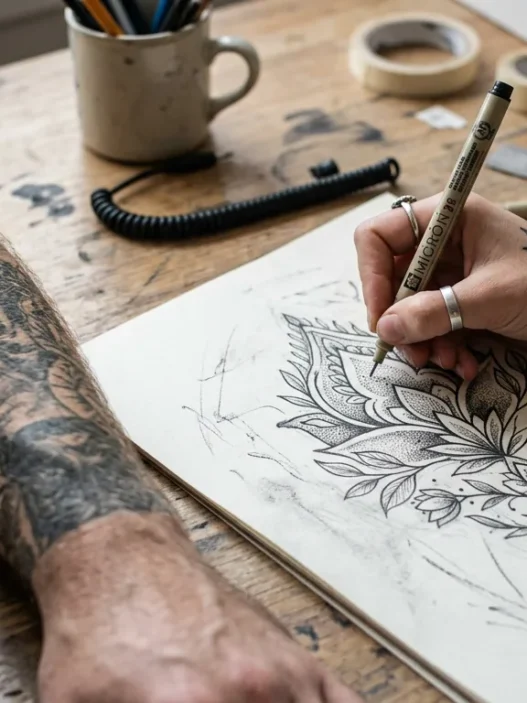
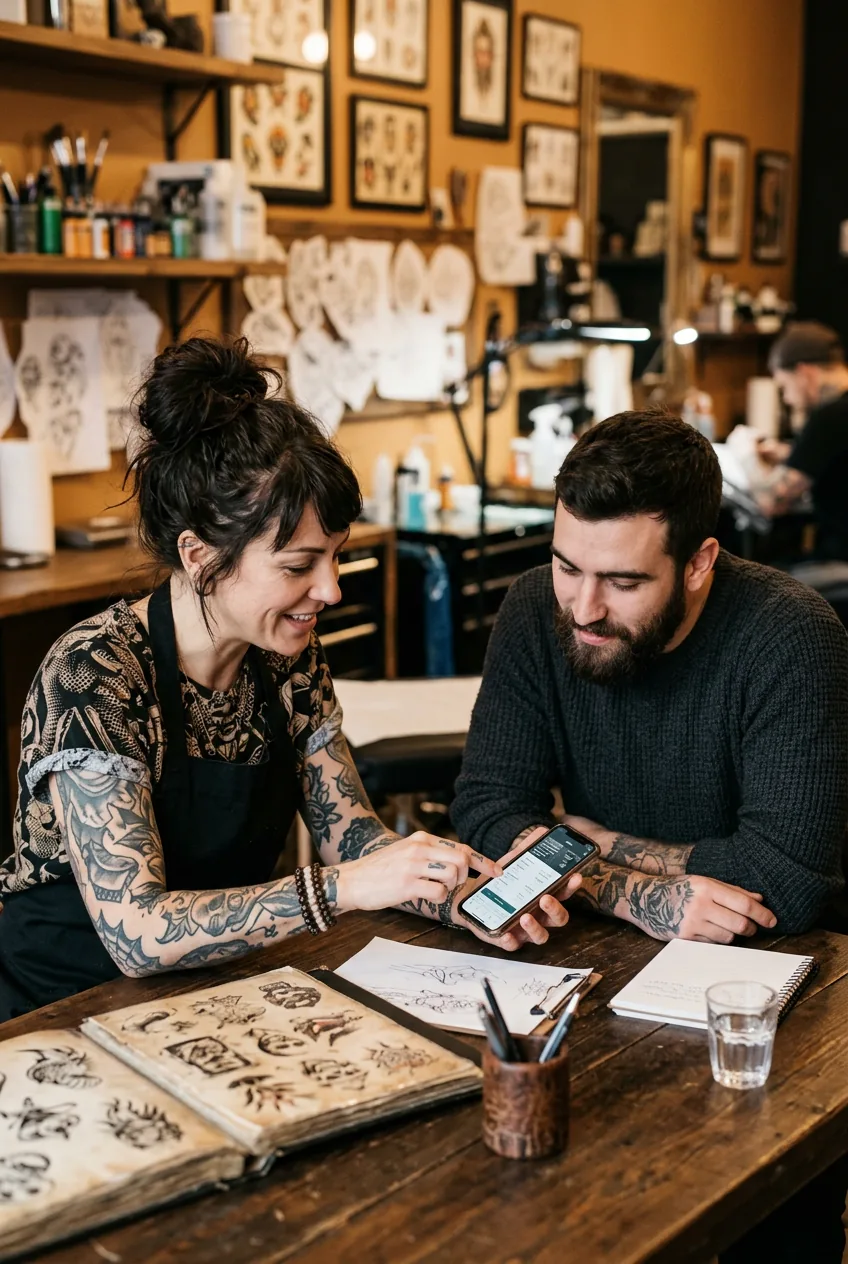
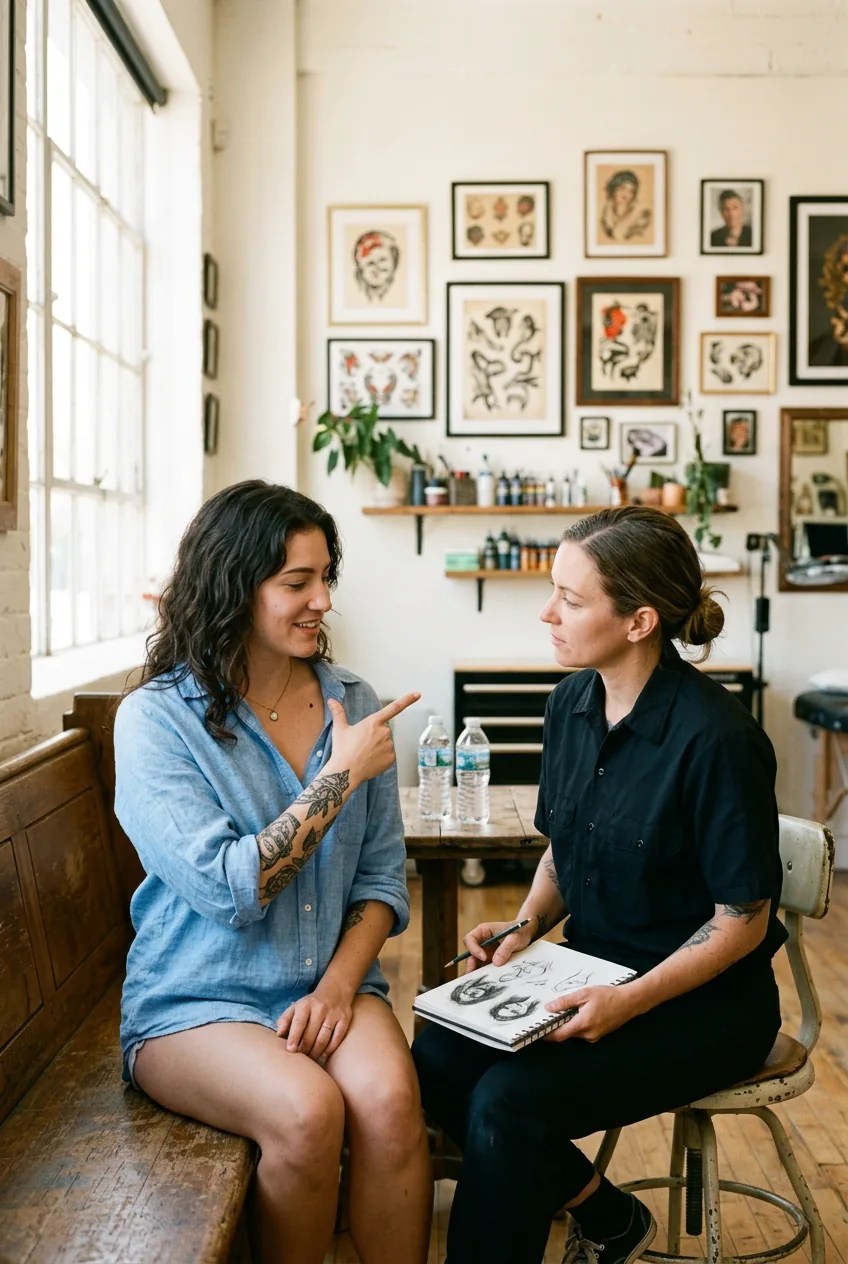
See how she’s leaning in to examine that sketch in the photo below? That kind of close attention at the consultation stage is exactly what I mean. You can ask questions, request adjustments, take your time — that’s what the consultation is for.

On What You’ll Feel Six Months Later
The fresh tattoo high is real and it is wonderful. And then your tattoo heals, the skin settles, the colors shift slightly, and you’ll have approximately two weeks where you stare at it and feel vaguely uncertain. This is normal. Almost everyone goes through it. It doesn’t mean you made a mistake.
A fully healed tattoo looks different from a fresh one — slightly softer, more settled into the skin. Proper aftercare makes a real difference in how the final result looks, so don’t skip the boring part of sunscreen and moisturizer once it’s healed.
Six months out, most people either love it or they’ve identified something small they’d change — a touch-up, a tiny addition. That’s valid. Tattoos can evolve. The ones on this small tattoo collection are a good reminder of just how much variety exists in the small-tattoo space, and how a piece can feel both complete and like a starting point at the same time.
What almost never happens, in my experience? Someone who went slowly, chose a good artist, thought about placement, and followed aftercare instructions ending up with something they hate. The regrets almost always trace back to rushing. So just… don’t rush. You have time. The right tattoo will still be a good idea next month.

Questions I Get About This
How small is too small for a tattoo to hold its detail?
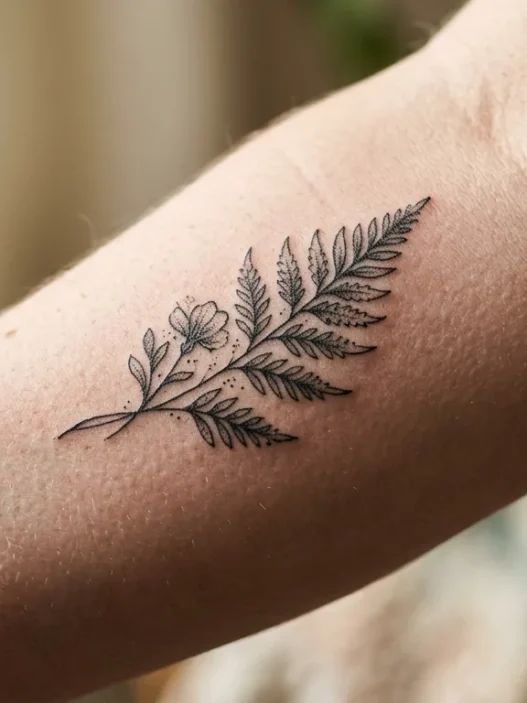
It genuinely depends on the design and the style. Fine line florals can go quite small — think thumbnail-sized — but intricate geometric patterns or detailed portraits need more real estate to stay legible over time. A good rule of thumb: if you’re squinting at the reference image to see the details, those details won’t survive the healing process at that scale. Ask your artist — they’ll give you an honest answer if they’re good at their job.
Do small tattoos hurt less than big ones?
Not necessarily — location matters far more than size. A tiny tattoo on your ribs or inner elbow will hurt more than a larger one on your outer forearm. What small tattoos do have going for them is that they’re usually over quickly, which helps. Most small pieces take under an hour, and knowing there’s a finish line soon makes the whole thing feel manageable.
Can I bring my own design to the artist, or should I let them create it?
Both approaches work — the key is being flexible. Bringing reference images gives the artist a clear sense of your taste and direction. But letting them interpret it rather than copy it exactly almost always results in something better. Artists work in their style for a reason; fighting that tends to produce work that feels a bit off. Bring the idea, give them some room to make it theirs, and you’ll usually end up with something you love more than what you originally imagined. Also check out 12 tiny small tattoo ideas with big impact if you want more design starting points to bring into that first conversation.
How long should I wait between getting small tattoos?
Your body needs about 2–3 weeks to heal a tattoo site before you add another nearby, and honestly I’d recommend waiting longer just to see how the first one heals before committing to the next. There’s no rush. Some of the most thoughtfully collected tattoo sets I’ve seen were built slowly, one or two a year, each one intentional. Give yourself time to live with each one a little.
Whatever you decide, you’ll be okay. Seriously. The whole tattoo process feels enormous before your first one and then, pretty quickly, completely normal. Trust your instincts, take your time, find an artist whose work you genuinely love, and enjoy the whole thing — including the part where you sit in the chair and feel like you’re doing something just for yourself. That part is nice.