




I spent three years waffling between a simple black outline and a delicate, ultra-refined elegant piece before I finally made a decision. And honestly? The back-and-forth tortured me in the best possible way because both styles kept winning different arguments in my head. Simple tattoos felt clean, brave, modern. Elegant tattoos felt like jewelry you’d never take off. So I did what any obsessive ink lover does — I compared them properly, side by side, across every criterion that actually matters. Here’s what I found.
Your Quick Map Through This Comparison
Round 1 — Visual Impact
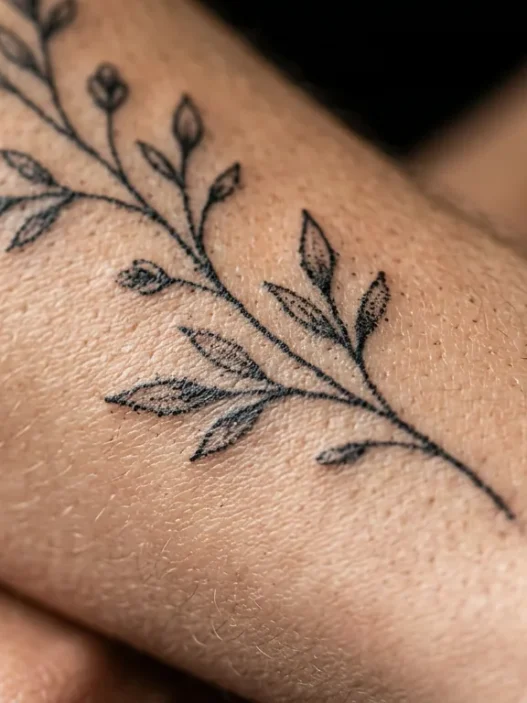
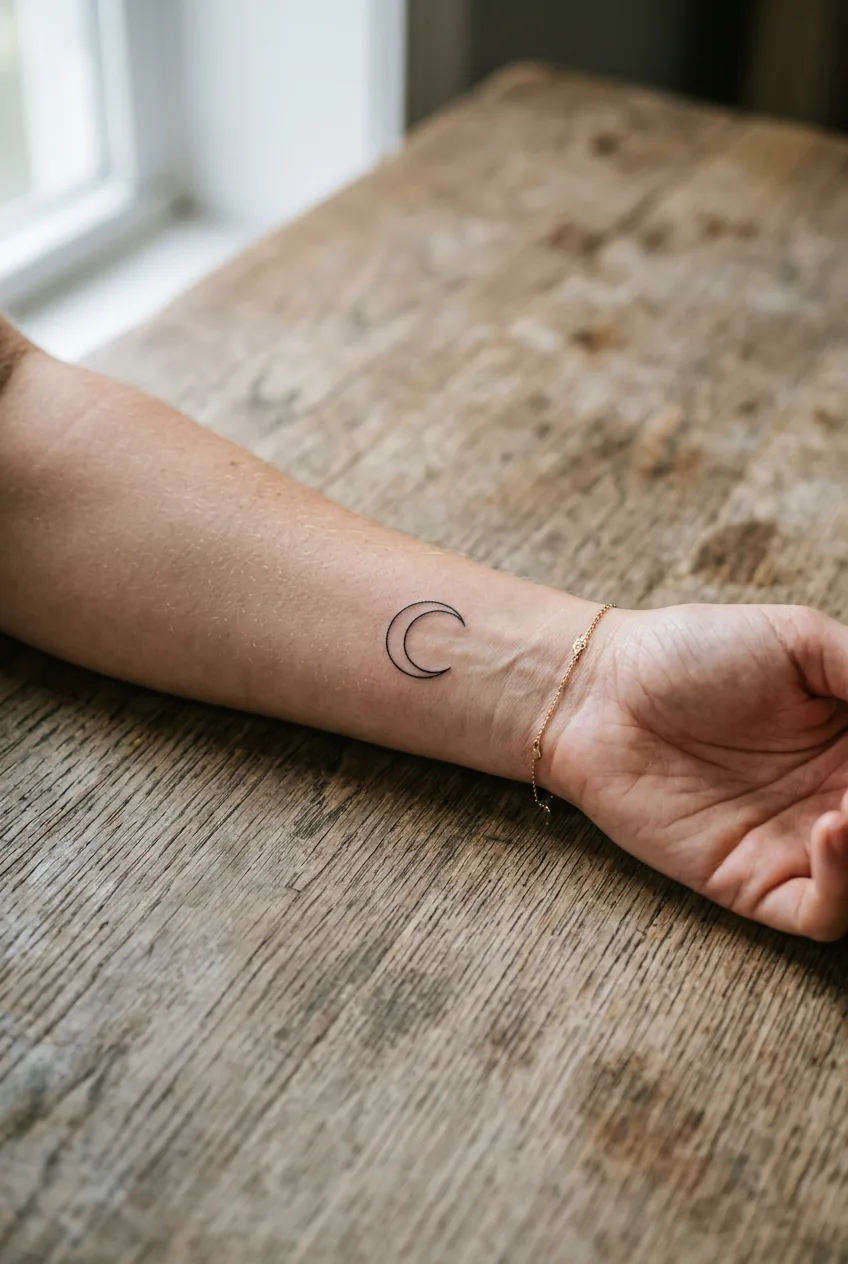
This is where the fight gets interesting fast. Simple tattoos — think single-needle outlines, bold minimal shapes, a lone botanial sprig with zero shading — hit you immediately. There’s no hunting for meaning. The eye lands, registers, moves on. And that directness? It’s genuinely powerful. A tiny crescent moon on an inner wrist communicates more restraint and confidence than a full sleeve sometimes can.
But elegant tattoos — the kind with gossamer fine lines, subtle floral detailing, soft gradients that blur into skin — those make people lean in. I’ve watched strangers literally grab someone’s forearm to get a closer look at an elegant piece. That pull-you-closer quality is almost unfair. It rewards attention in a way that bolder, simpler work just doesn’t.
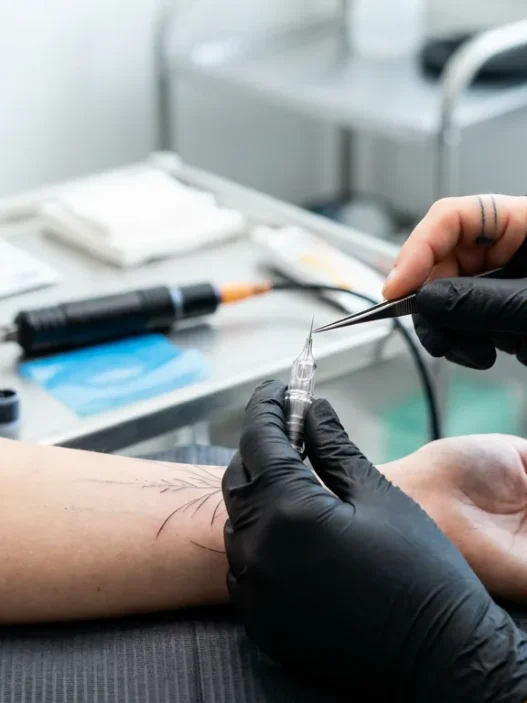
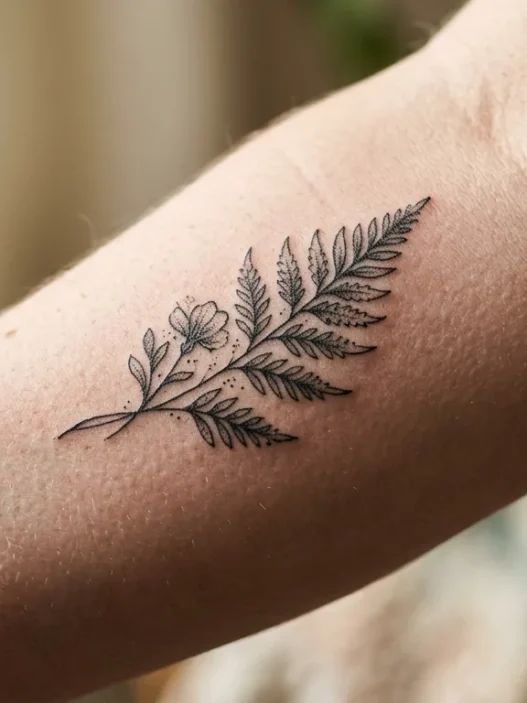
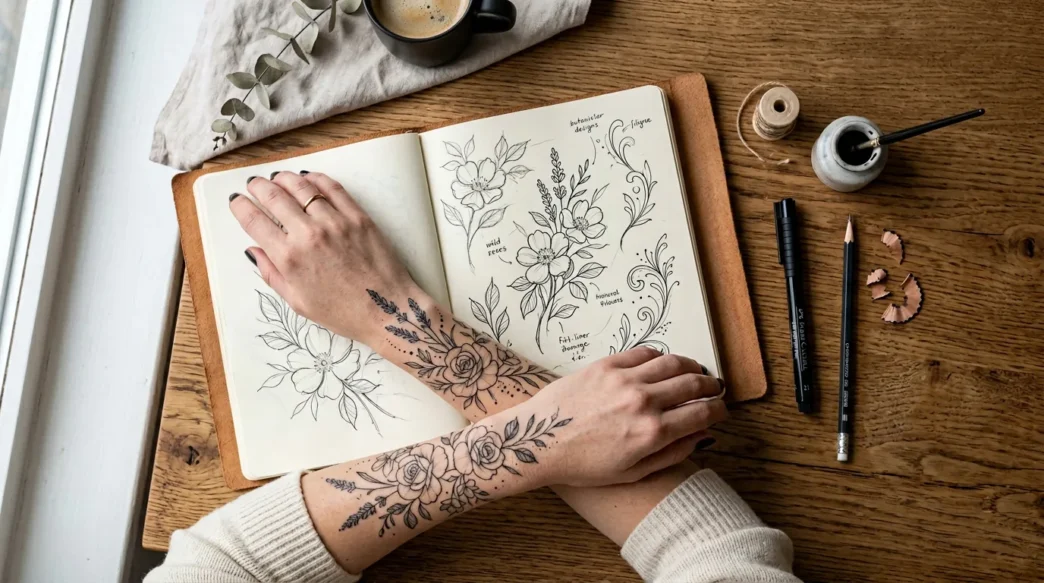
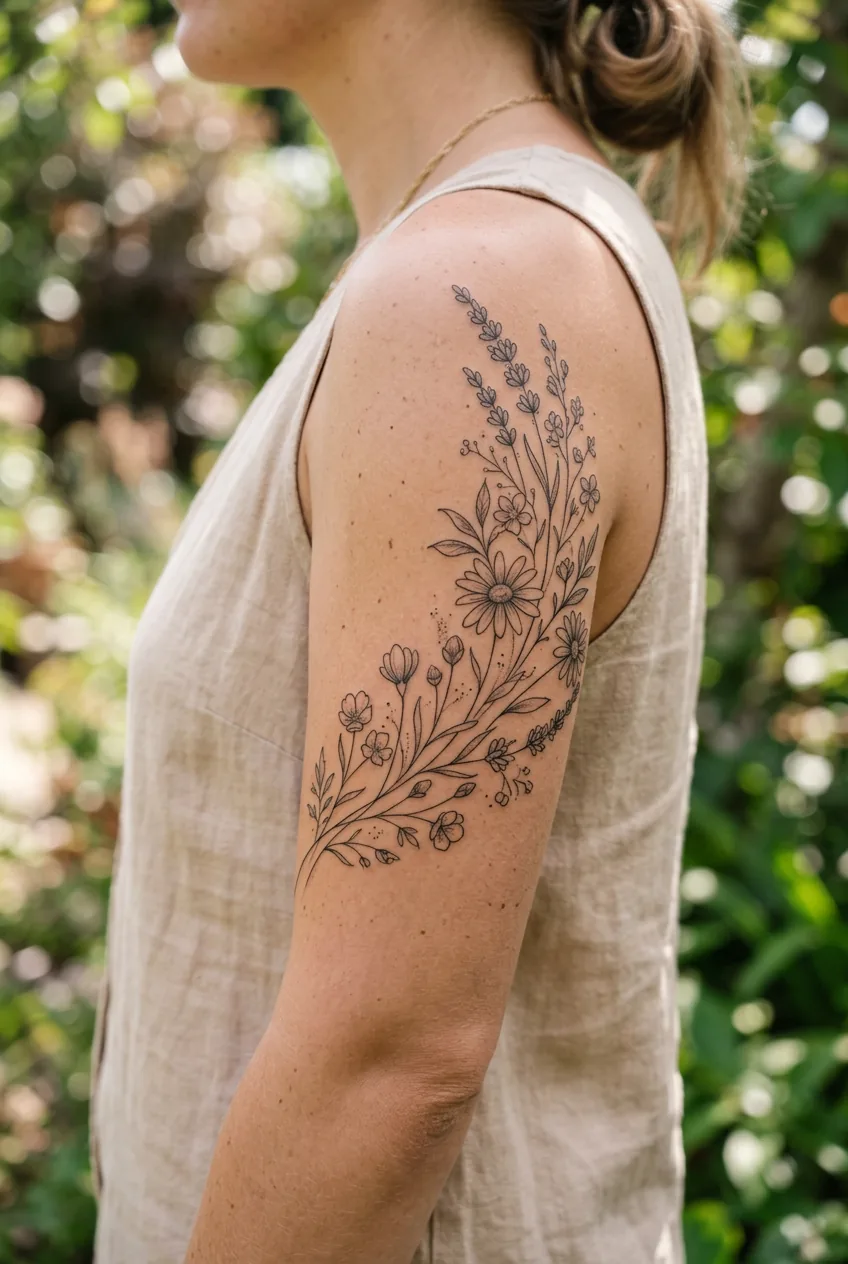
Look at the woman in the photo below — her forearm piece has maybe four elements total, but the way the lines taper and breathe creates this incredible sense of refinement. It doesn’t compete for attention. It earns it.

Round winner: Elegant. First glance, simple wins. But visual impact over time — when someone sees your tattoo repeatedly and keeps discovering new details — elegant takes it. A narrow win, but a real one.
Round 2 — How They Age
Okay, unpopular opinion incoming: fine-line elegant tattoos age worse than people admit online. I said it. The tattoo community on social media is obsessed with these gossamer-thin pieces right now in 2026, but nobody’s showing you what a hairline-fine floral looks like at year seven. Ink spreads. Skin changes. Those impossibly delicate lines blur into each other over time, and what was once crisp and refined can start to look faded and muddy.
Simple tattoos — especially those with slightly heavier linework, even if the design itself is minimal — hold their structure so much better. A bold single-line wave or a clean geometric shape keeps reading clearly for decades. The negative space stays negative. The line stays a line. If you want to know more about choosing the right weight for a minimal design, this guide on minimalist tattoo design styles breaks it down really well.
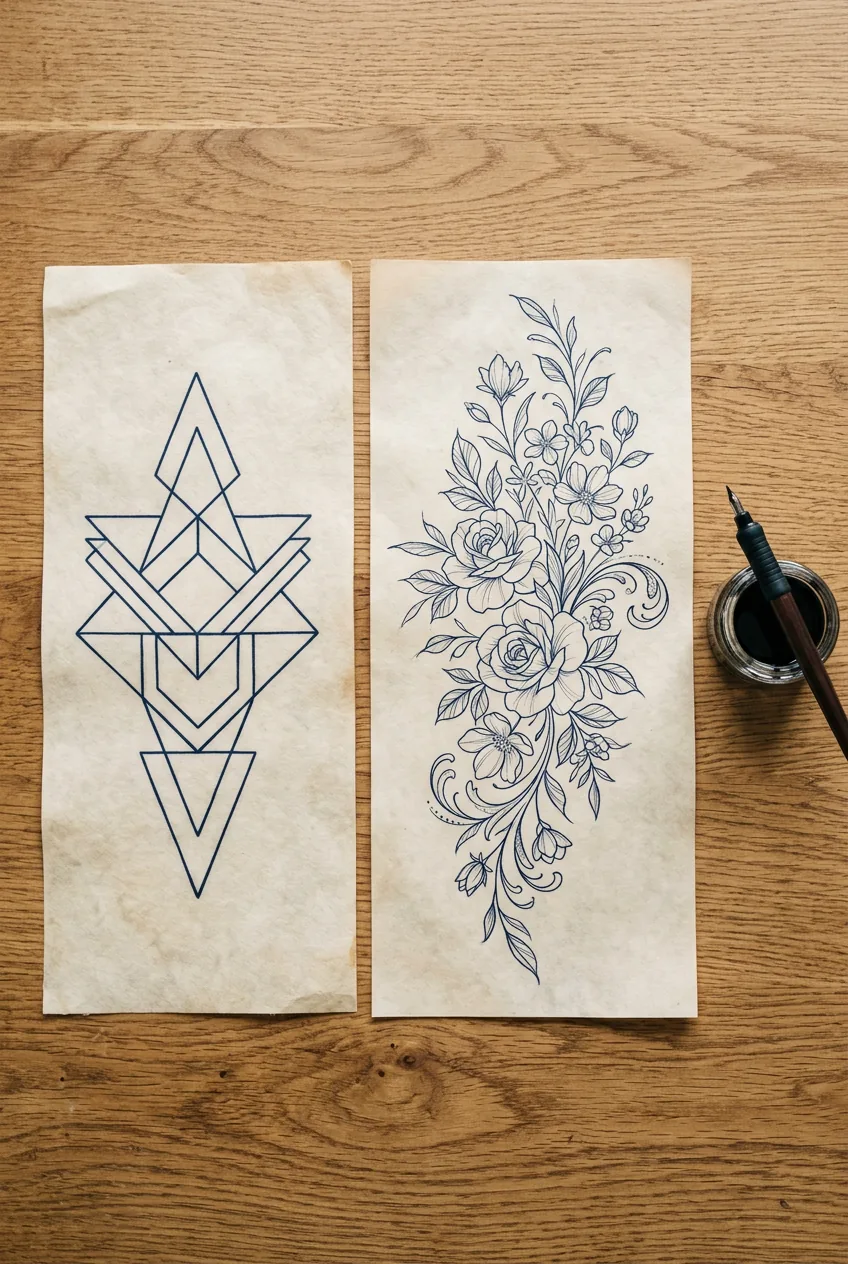
That said — a well-executed elegant tattoo by an artist who understands longevity (slightly heavier fine lines, strategic placement away from high-friction zones) absolutely can age gracefully. It just requires more research and a more expensive artist. More on that in Round 3.
Round winner: Simple. No contest here. Simpler work with clean, intentional linework outlasts delicate elegant tattoos by years. This round isn’t close.
Seeing the Aging Difference on Real Skin
Round 3 — Cost and Time
Simple tattoos are almost always faster and cheaper. A minimalist outline that takes forty-five minutes in the chair versus an elegant, layered botanical piece that needs three hours — the math is obvious. But here’s what people miss: with simple designs, you have almost zero room for error. A slightly wobbly line on a complex piece might hide in the detail. On a five-line minimal tattoo, that wobble is the entire tattoo.
So you still need a skilled artist for simple work — just for different reasons. And the artists who specialize in elegant, fine-line work tend to charge premium rates because the technique genuinely demands it. Finding a skilled fine-line artist is something I’d research thoroughly before booking either style, honestly.
“Cheap tattoos aren’t good, and good tattoos aren’t cheap” — every experienced collector I’ve ever met has said some version of this.
For elegant tattoos specifically, I’d also factor in potential touch-up costs. Those fine lines may need refreshing within five years. Simple tattoos, particularly bold or classic styles with slightly heavier linework, tend to need far fewer touch-ups over their lifetime.
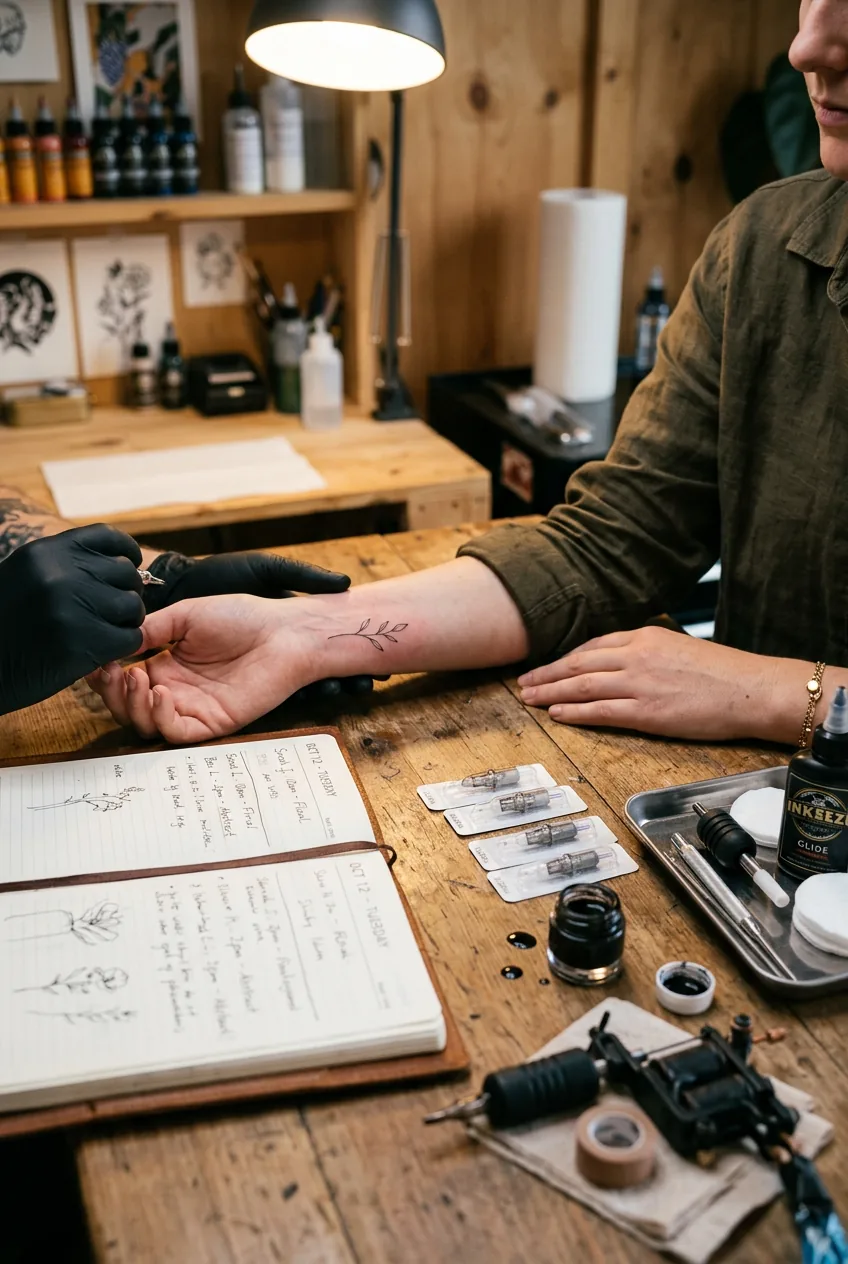
Round winner: Simple. Lower initial cost, faster sessions, and dramatically lower long-term maintenance expenses. If budget and time are real factors in your decision, simple isn’t just practical — it’s genuinely smart.
Round 4 — Versatility and Placement
This round is really a Q&A with myself based on every placement question I’ve fielded from friends.
Which works better on small placements like behind the ear or on a finger?
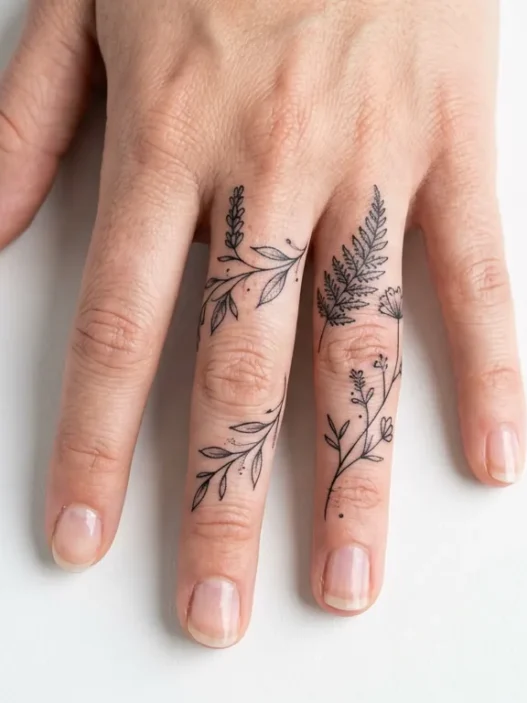
Simple, almost every time. Elegant designs with intricate detail get lost in tiny spaces. A delicate rose that looks stunning at forearm scale becomes an unreadable smudge behind the ear within a few years. Simple geometric or single-element designs were made for small placements.
What about larger placements — ribs, thigh, upper arm?
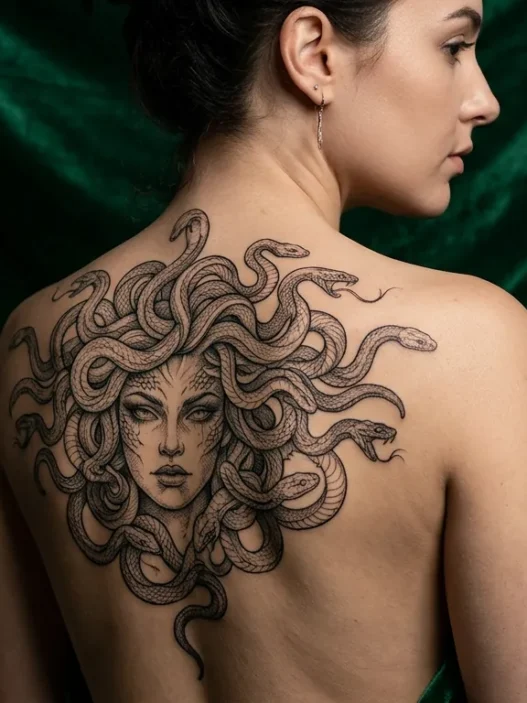
This is where elegant tattoos absolutely shine. A full thigh piece with flowing botanical linework and soft negative space is genuinely breathtaking. The scale lets the detail breathe. If you’re planning anything forearm-sized or larger, elegant designs reward the real estate. The deep dive on picking the right style for small elegant tattoos covers exactly this size-to-style relationship.
Does one style pair better with existing tattoos?
Elegant tattoos are harder to mix with existing work unless your collection already has a cohesive aesthetic. Simple tattoos are surprisingly flexible — they coexist well with bolder pieces, with fine-line work, with almost anything. There’s a reason so many collectors use minimal designs as accent pieces between larger tattoos.
Round winner: Tie — placement dependent. I genuinely can’t give this one to either side outright. Small placements go to simple. Large placements go to elegant. Know your canvas before you decide.
The Verdict
Simple tattoos win this comparison. Two rounds to one, with a tie. But I want to be really clear about what “winning” means here, because this isn’t about which style is more beautiful. Elegant tattoos are genuinely stunning — some of the most jaw-dropping ink I’ve seen in 2026 has been in that refined, gossamer-fine category. The case for elegant tattoos is a real and valid one.
But across the practical criteria that actually affect your long-term satisfaction with a tattoo — how it holds up, what it costs, how forgiving it is across different placements — simple tattoos are more reliable. They’re the smarter default choice, especially for a first or second tattoo when you’re still learning what works on your body.

Who should pick simple: First-time collectors. Anyone on a tighter budget. People who want small placements. Anyone who isn’t 100% certain which artist to book yet. Anyone who wants longevity above all else.
Who should pick elegant: Collectors who already have a cohesive aesthetic. People planning medium-to-large placements. Anyone willing to invest in a specialist artist and accept potential touch-ups. People who genuinely prioritize that up-close, jewel-like quality over everything else. If that’s you, explore the full world of minimalist tattoos as a complementary direction — there’s incredible overlap between the two.
My personal choice? I went elegant. I found an artist who works with slightly heavier fine lines — still refined, still delicate-looking, but with enough ink weight to actually last. It cost more and took longer. Zero regrets. But I also went in with open eyes about the maintenance, and I had three consultations before I committed. That research made all the difference. Proper aftercare for fine-line work is something I’d read before you sit in the chair regardless of which style you choose.
Questions I Get About This
Can a tattoo be both simple and elegant at the same time?
Yes, absolutely — and honestly some of my favorite tattoos live exactly in that crossover. Think: a single botanical stem with precise, slightly heavier linework. Simple in composition, elegant in execution. The distinction I’m drawing in this comparison is more about design density and line weight than about one being “better taste” than the other.
How do I explain the style I want to my tattoo artist?
Bring references — and bring a lot of them. Not just tattoo references, but images of jewelry, typography, illustrations, even architecture that has the feeling you’re after. Artists work in visual language. “I want something simple but refined” is vague; a Pinterest board of twenty images you love is a real brief. Also ask specifically about line weight, and what the artist recommends for your chosen placement and skin tone.
Are elegant fine-line tattoos really less durable?
In most cases, yes — hairline-thin lines blur faster than slightly heavier linework. But placement matters enormously. A fine-line piece on the upper arm (low friction, out of sun) will age far better than the same design on a hand or foot. Artist skill also plays a huge role — an experienced fine-line specialist knows how to pack ink in a way that gives the lines more staying power without sacrificing that delicate look.
Is one style more painful than the other?
Pain depends almost entirely on placement, not style. That said, elegant tattoos often take longer to complete due to the detail involved, which means more cumulative time in the chair — and session fatigue is very real. Simple tattoos are usually quicker, so even if the pain level per minute is identical, you’re done faster.