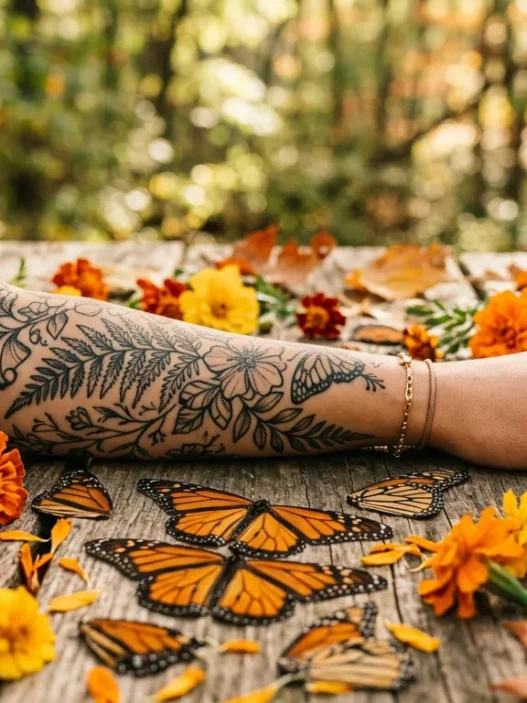




I used to walk into tattoo consultations with Pinterest boards containing forty-seven different butterfly designs, expecting my artist to somehow read my mind and create the perfect fusion. The results? Mediocre tattoos that looked like everyone else’s. After commissioning three custom butterfly pieces over the past few years, I’ve learned that great custom work starts with knowing exactly what to communicate — and what to keep to yourself.
What You’ll Need for This Process:
- A notebook or notes app for organizing thoughts
- 2-3 reference images maximum (not seventeen)
- Measurements of your intended placement area
- Your budget range clearly defined
- A consultation appointment (not a walk-in moment)
- Realistic timeline expectations
The Feeling, Before the Image
Start with the emotional core, not the visual details. When I commissioned my shoulder butterfly piece last year, I didn’t begin by describing wing patterns or color gradients. I told my artist: “I want something that feels like transformation after a really difficult period, but not fragile — more like resilient beauty.”
That single sentence gave her more direction than any mood board could. She understood I needed strength in the design, not delicacy. The symbolic elements she incorporated — the way the wings seemed to emerge from shadow into light — came directly from that emotional brief.
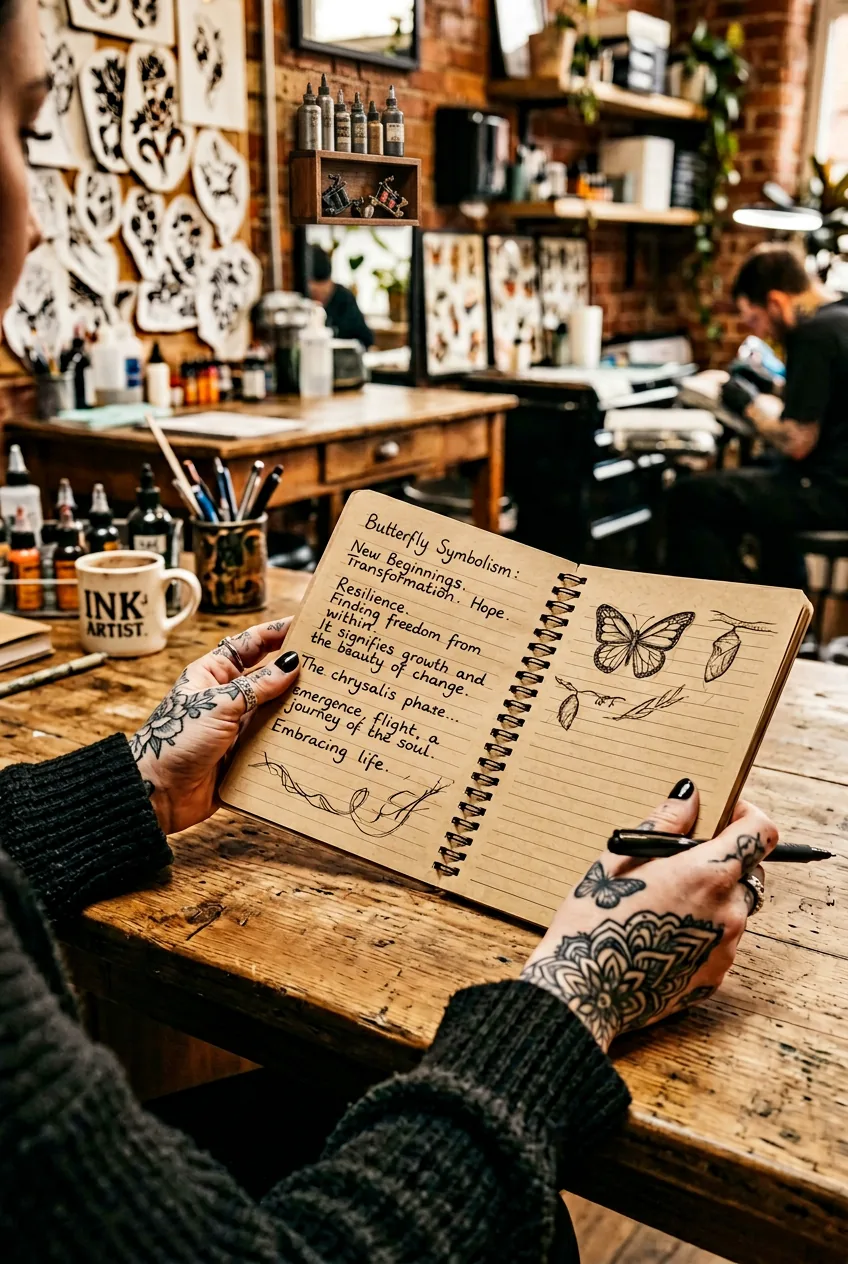
Think about what your butterfly represents in your life story. Metamorphosis? Freedom from something specific? A loved one’s memory? Write that feeling in one clear sentence before you think about wing shapes or color schemes.
Mistake I made: I once described wanting a “pretty butterfly” and got exactly that — generic and forgettable. Pretty isn’t a direction. It’s a cop-out that tells your artist nothing about what makes this tattoo uniquely yours.
Three References, Not Twelve
Reference overload kills creativity. I learned this the hard way when I brought fifteen butterfly images to my second consultation, thinking more options meant better results. My artist looked overwhelmed and created something that tried to incorporate elements from everything — it was visual chaos.
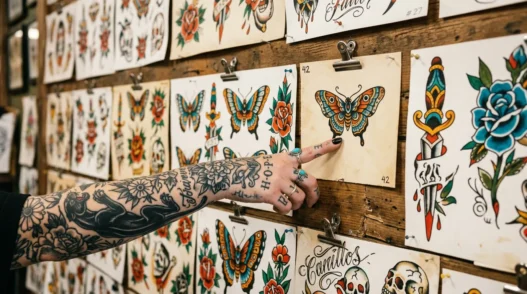
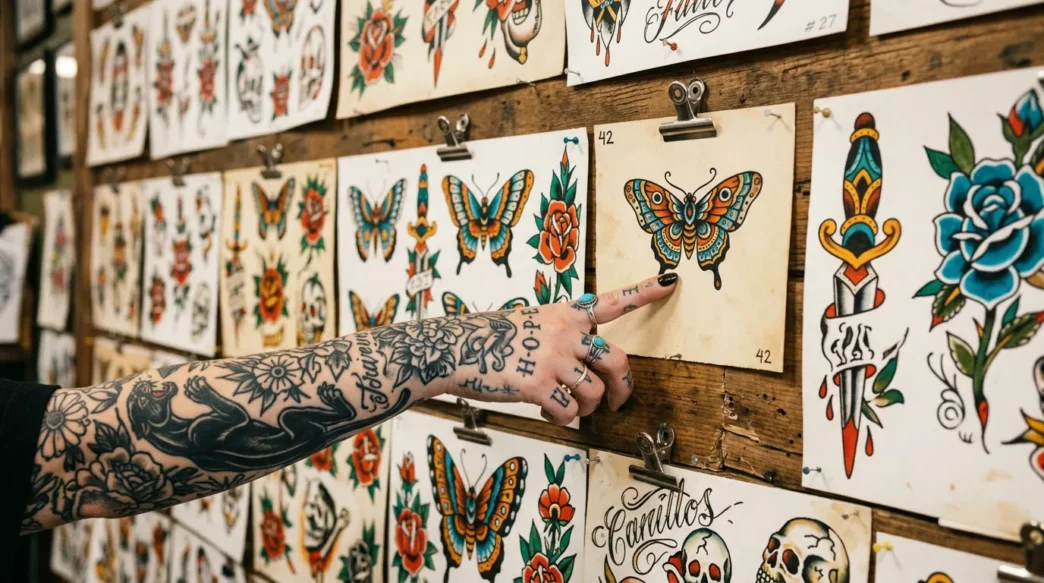
Now I use the rule of three: one reference for overall composition, one for style or technique, and one for a specific detail I love. That’s it. For my recent forearm piece, I brought a photo showing wing positioning, another demonstrating the line quality I wanted, and a third highlighting how I wanted the body detailed.
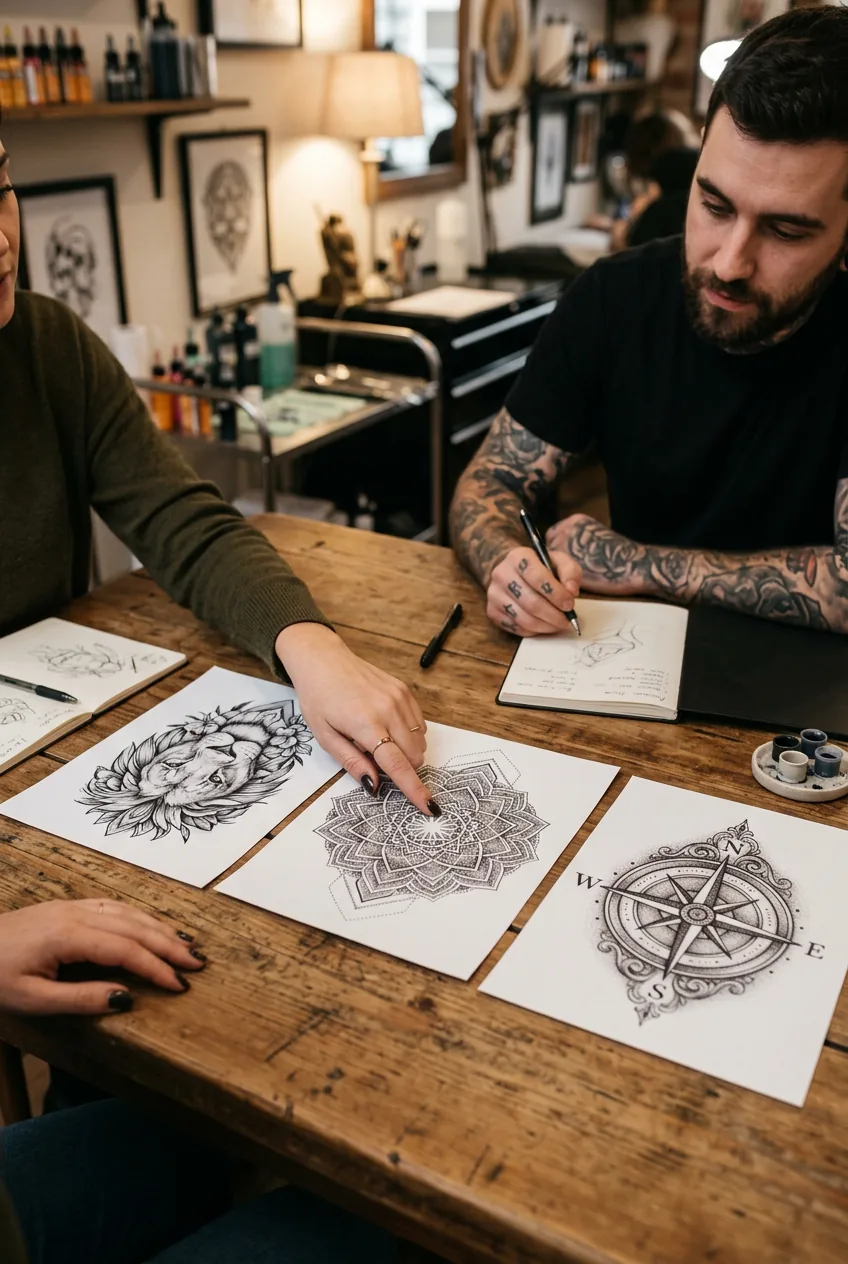
Each reference should serve a specific purpose. Don’t bring five similar butterflies hoping your artist picks the “best” elements. Instead, curate deliberately. Choose images that complement your emotional brief from step one.
And here’s what I wish someone had told me earlier: it’s perfectly fine to reference non-butterfly imagery. My most successful commission included references to Art Nouveau ironwork and vintage botanical illustrations. Those unexpected influences gave my artist creative fuel she couldn’t get from typical butterfly Pinterest boards.

What to Tell Your Artist About Yourself
This step separates amateur clients from collaborative partners. Share context about your lifestyle, pain tolerance, and tattoo goals. Not because your artist is nosy, but because it affects design decisions in ways you might not expect.
I always mention my profession (I’m in client-facing work), my activity level, and whether this tattoo needs to be easily concealable. This helped my artist suggest a design that would age well with my lifestyle and choose line weights that wouldn’t blur together over time.
Tell them about your other tattoos too, even if they’re not visible. Your artist needs to understand how this butterfly fits into your overall body art narrative. Will it complement existing pieces or stand alone? This context influences everything from scale to style choices.

Don’t overshare personal trauma or expect therapy-level emotional labor. But do share relevant life context. “This represents my recovery journey” gives useful direction. “This is for my grandmother who loved gardens” helps too. These details fuel creative choices that generic references never could.
Pain tolerance matters more than you think. If you’re needle-shy, mention it. Your artist can design around that limitation — maybe suggesting techniques that require fewer passes or choosing placement areas that are less sensitive.
This Communication Breakdown Changed Everything
Placement and Size Reality Check
Come prepared with realistic measurements and placement discussions. I measure the area I want tattooed before my consultation and bring those numbers. This prevents the awkward moment where you’re envisioning a six-inch butterfly and your artist is sketching something thumbnail-sized.
Understand how placement affects design possibilities. Butterfly wings need space to breathe — cramming intricate details into a two-inch space creates a muddy result. Micro tattoo considerations are completely different from larger pieces, and your brief should reflect that reality.
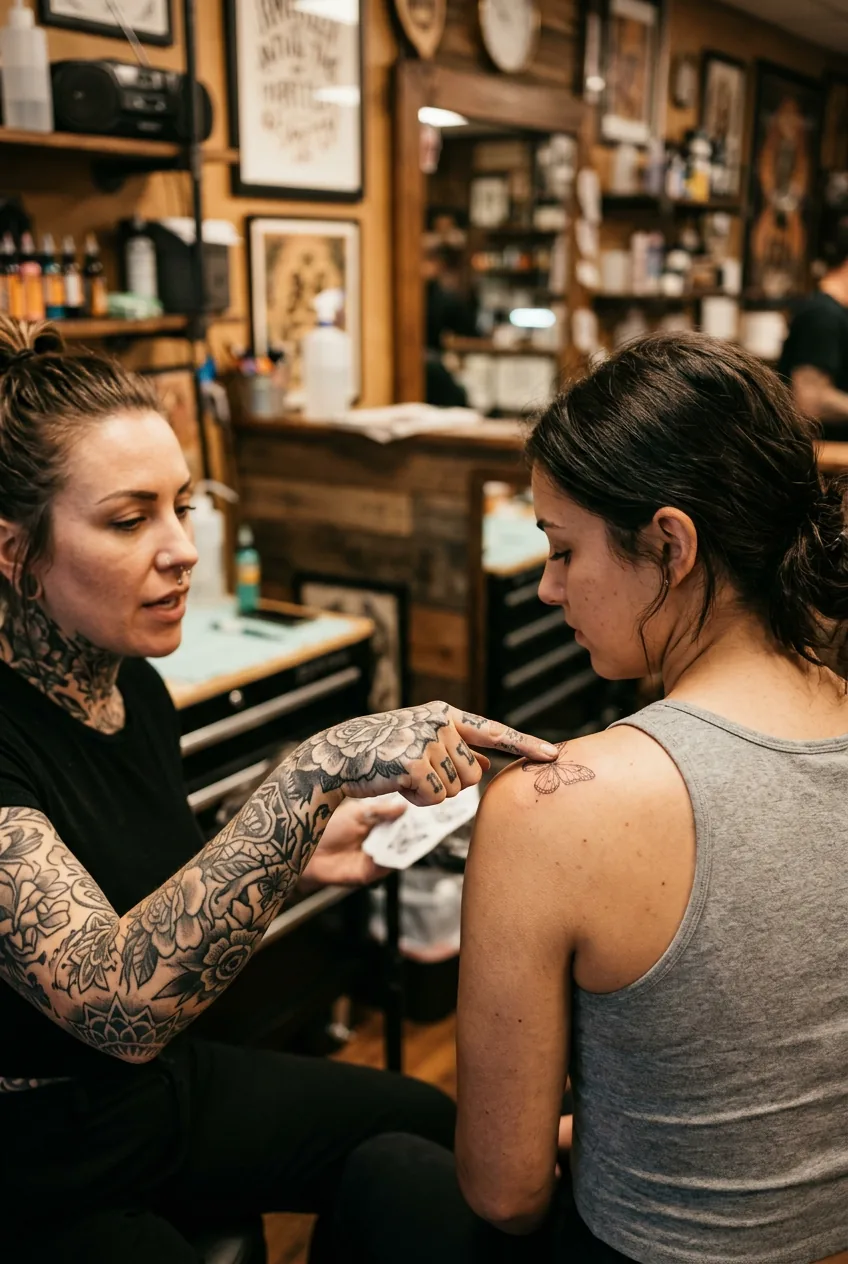
Discuss how your chosen placement moves and stretches. That gorgeous butterfly design might distort weirdly on your ribcage when you raise your arms. A good artist will explain these considerations, but coming prepared with questions shows you’re thinking practically about the long-term result.
Budget affects size and complexity directly. Be upfront about your price range so your artist can design accordingly. There’s no shame in budget constraints — there is shame in wasting everyone’s time pretending you can afford something you can’t.
Consider the relationship between butterfly species and size too. A monarch needs different proportions than a small blue butterfly. Your artist knows this, but your brief should acknowledge these natural constraints rather than fighting against them.
When to Stop Adjusting
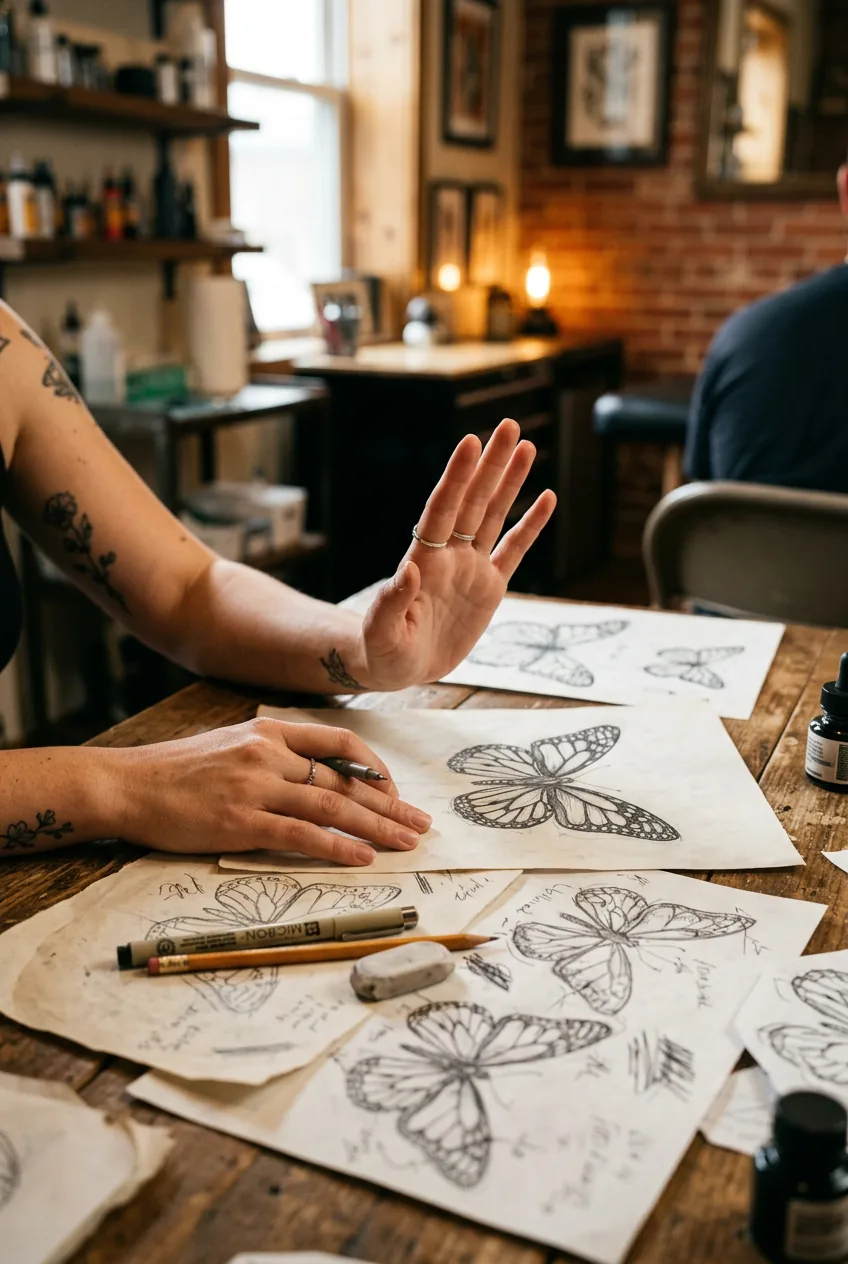
This might be the hardest part of commissioning custom work: knowing when to step back and let your artist work. I used to request revision after revision, thinking I was being thorough. Actually, I was micromanaging the creative process and diluting the final result.
After your initial brief and one round of major revisions, resist the urge to tweak individual wing scales or antenna angles. These minor adjustments rarely improve the overall design and can actually harm the artistic flow your artist has established.
Trust the expertise you’re paying for. If your artist suggests changes to your brief — different wing positioning, altered color placement, or size modifications — listen with an open mind. They understand how tattoos age, how different techniques work on skin, and what will look best in the long term.

Set clear boundaries upfront about revision rounds. Most artists include one or two rounds of changes in their consultation fee. Beyond that, you’re often paying for additional design time. Knowing this boundary helps you prioritize which changes actually matter.
The hardest lesson I learned: perfect is the enemy of great. My most beautiful butterfly tattoo came from letting my artist interpret my brief freely, without constant input from me. Sometimes the magic happens when you get out of the way.
Remember that small design elements often disappear when translated to skin anyway. Obsessing over tiny details usually wastes time and creative energy that could be better spent on overall composition and impact.
Quick Questions About Custom Butterfly Briefs
How far in advance should I book my consultation?
Good custom artists book consultations 2-4 weeks out minimum. Popular artists might be 8-12 weeks. Don’t wait until you want the tattoo next week — quality custom work requires patience and planning.
What if I don’t like the first sketch?
Be specific about what isn’t working rather than saying “I don’t like it.” Reference your original brief and explain which elements feel off. Most artists expect at least one revision round and build that into their process.
Should I bring color references even for black work?
Yes, especially for shading and contrast references. Even black and grey pieces benefit from understanding your vision for light, shadow, and tonal variation. Grayscale techniques require just as much planning as color work.
Can I commission a butterfly that incorporates other elements?
Absolutely, but mention this in your initial brief. Floral elements pair naturally with butterflies, as do mandala patterns or meaningful text. The key is planning these combinations from the start, not adding them as afterthoughts.
My current butterfly tattoo gets compliments regularly, not because it’s the most technically perfect piece I’ve ever seen, but because it tells my specific story in a way that feels authentically mine. That only happened when I learned to communicate my vision clearly while leaving room for artistic interpretation. The brief process isn’t about controlling every detail — it’s about setting up a creative partnership that produces something better than either of you could create alone.