





Last year, I watched my delicate minimalist finger tattoo fade into an unrecognizable blob within six months. The artist was talented, but I’d rushed the process and ignored crucial steps. After researching obsessively and getting three more finger tattoos done right, I’ve cracked the code on making aesthetic finger tattoos last. This method has saved me from countless regrets.
Estimated time commitment: 3-4 weeks from research to healed tattoo
What You’ll Need
Before we dive into the steps, gather these essentials:
- Reference images saved on your phone (at least 10 different angles)
- Artist portfolio screenshots
- Unscented moisturizer (Aquaphor or similar)
- Antibacterial soap
- Loose-fitting gloves for the first few days
- Your pain tolerance honesty — finger tattoos hurt more than you think
- Touch-up budget (plan for at least one)
Step 1: Choose Your Design Style
Aesthetic finger tattoos live or die by their design choice. I learned this the hard way when my overly detailed mandala turned into a gray smudge. The key is understanding what actually works on finger skin.
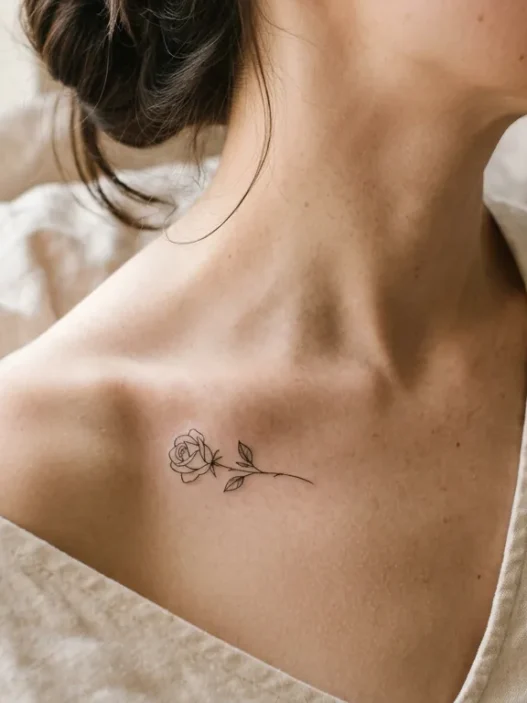
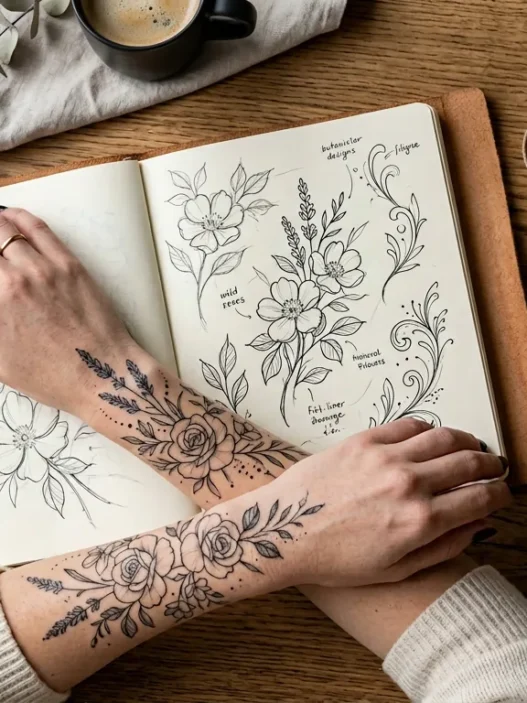
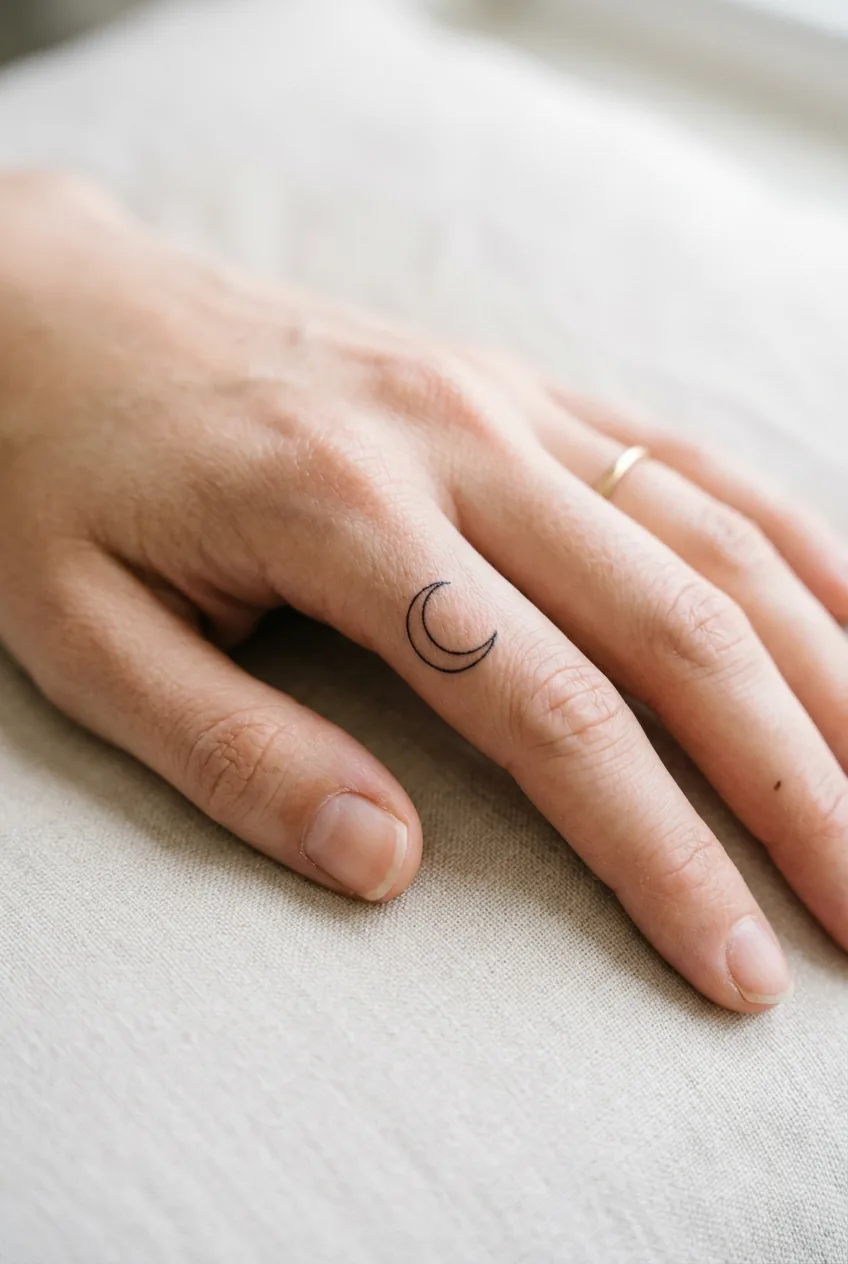
Fine line designs are your best friend here. Think single-needle work, minimalist symbols, or delicate script. My most successful finger tattoo is a simple crescent moon that’s held its crisp lines for over a year. Avoid anything with heavy shading, tiny details, or multiple thin lines close together — they’ll blur into each other as the tattoo settles.
Script tattoos need special consideration. Single words work better than phrases, and choose fonts with substantial letter thickness. I’ve seen too many quote tattoos become illegible on fingers because the letters were too delicate.
Step 2: Find the Right Artist
Not every talented tattoo artist can nail finger work. You need someone who specializes in fine line tattoos and has a portfolio full of healed finger pieces — not just fresh ones. I made this mistake with my first attempt, choosing an artist based on their overall skill rather than their finger-specific experience.
Look for artists who show healed photos of their finger work. Fresh finger tattoos always look perfect, but the real test is how they look six months later. Ask to see before and after shots, and don’t be shy about requesting client references.
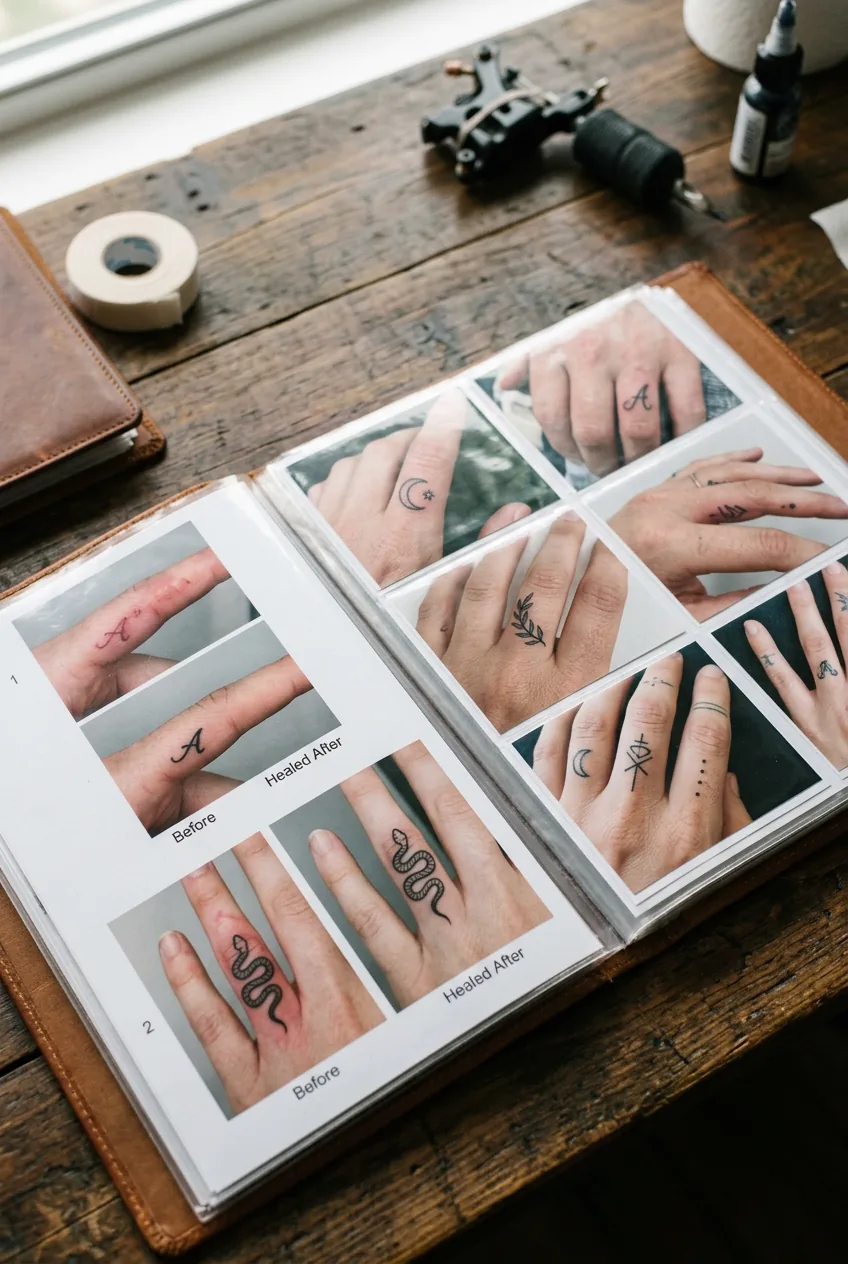
The consultation is crucial. A good finger tattoo artist will warn you about fading, suggest design modifications, and be honest about longevity. If they promise your finger tattoo will look exactly the same forever, walk away. Proper aftercare makes a difference, but realistic expectations matter more.
Step 3: Perfect the Placement
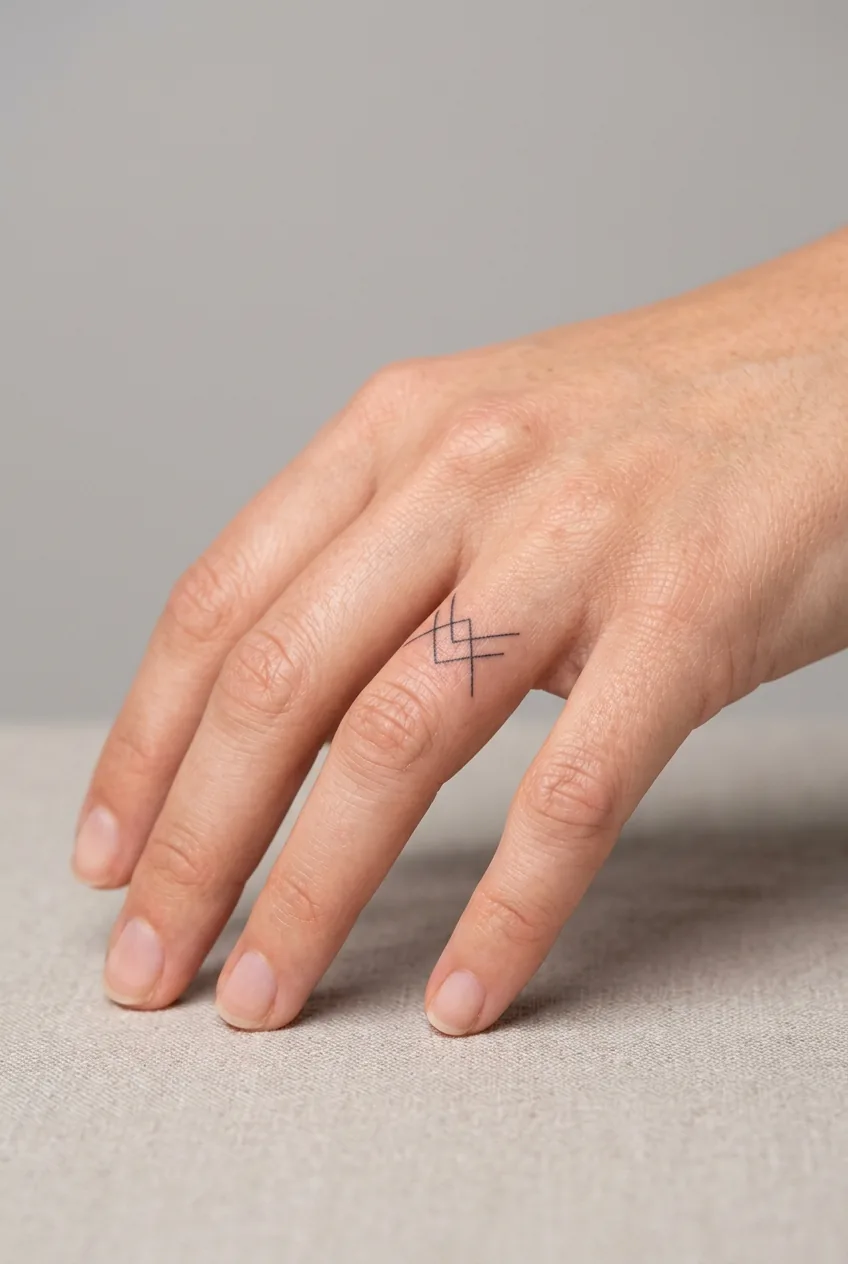
Finger placement determines everything about how your tattoo ages. The sides of fingers hold ink best because there’s less stretching and fewer nerve endings. The pad of your finger? Forget it — that ink will disappear faster than you can say “touch-up.”
I always recommend the side placement between the first and second knuckle. This spot gets less wear from daily activities and maintains its shape better over time. Ring finger placements look beautiful but fade faster due to constant jewelry contact.
Consider your dominant hand carefully. My right-hand finger tattoo faded faster than my left simply because I use that hand more. If you’re getting matching tattoos on both hands, expect the dominant side to need touch-ups sooner.
Step 4: Prep Your Hands
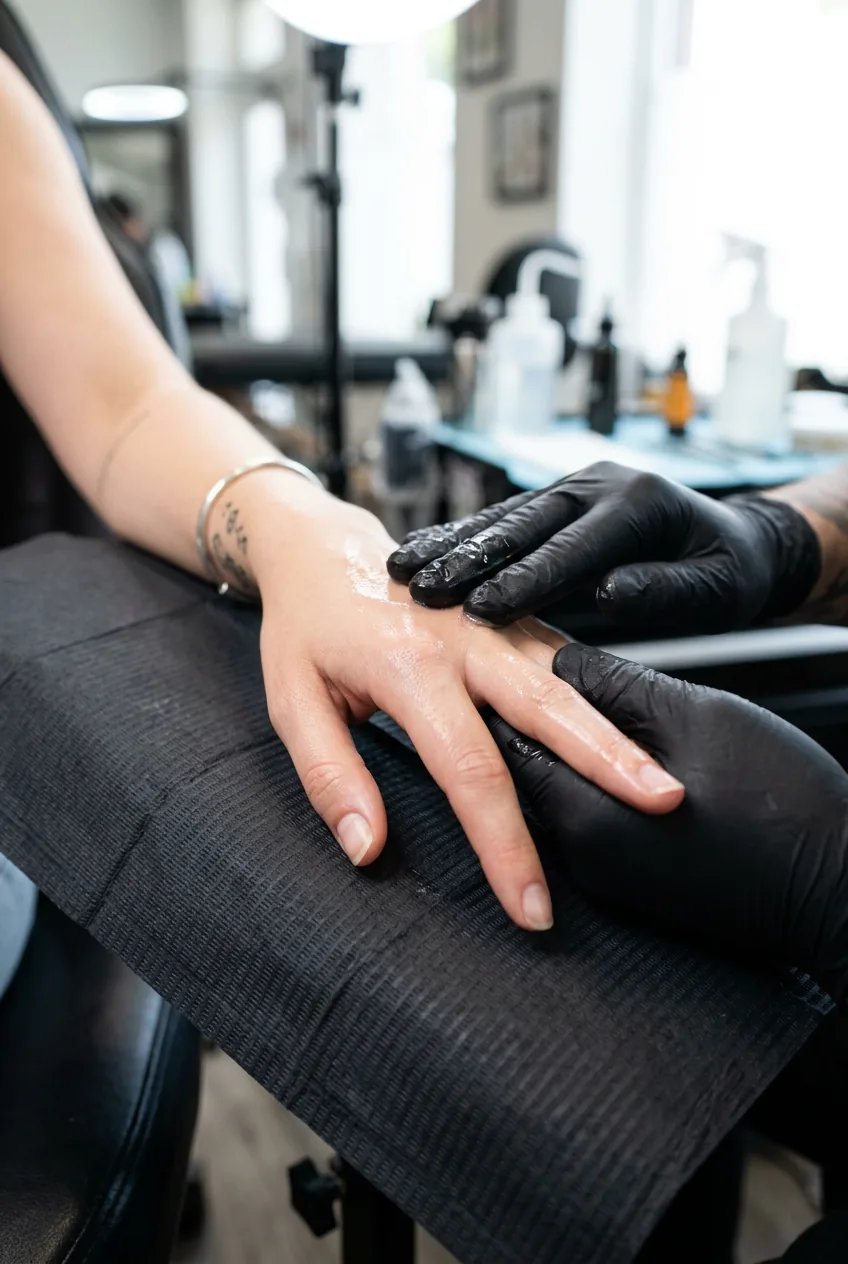
Your hands go through more trauma than any other body part, so preparation is everything. Two weeks before your appointment, start babying your hands like they’re made of glass.
Moisturize religiously with unscented lotion. Dry, cracked skin doesn’t hold ink well, and you want your canvas as smooth as possible. I use a thick hand cream twice daily and wear gloves while cleaning or doing dishes.
Avoid any hand injuries in the weeks leading up to your appointment. Cuts, burns, or even hangnails can interfere with the tattooing process. I postponed my second finger tattoo by three weeks because of a stupid paper cut right where the design was supposed to go.
I made the mistake of getting a manicure the day before my finger tattoo appointment. The cuticle pushing and buffing left my skin irritated, and the artist had to work around red, swollen areas. Schedule nail appointments at least a week before or after your tattoo session.
Step 5: Navigate the Session
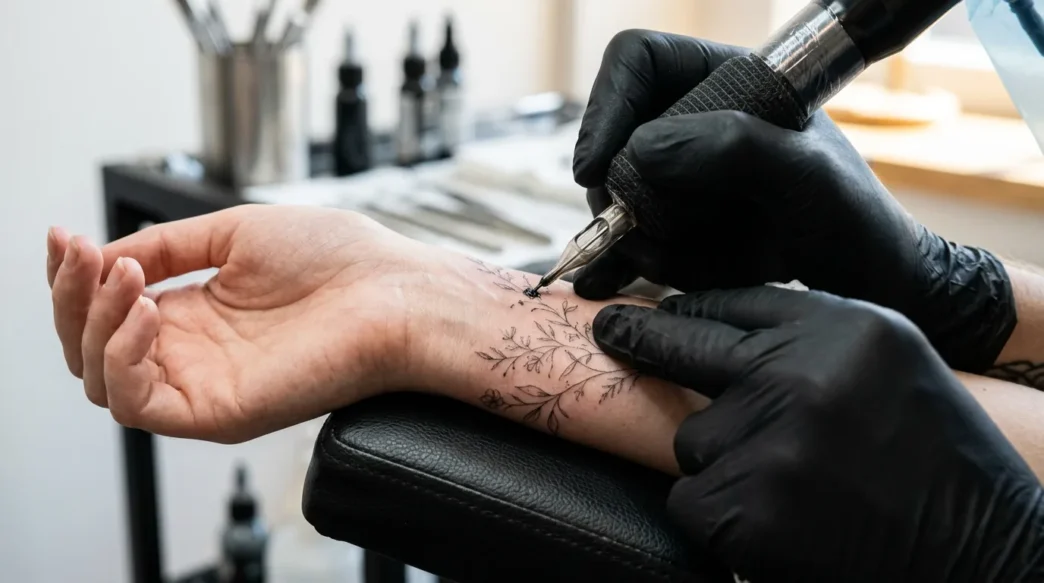
Finger tattoos hurt. I won’t sugarcoat it — the pain is sharp and immediate because of all the nerve endings. But it’s also over quickly since most aesthetic finger tattoos take 15-30 minutes max.
The key is staying absolutely still during the process. Any movement can cause line wobbles that are impossible to fix later. I focus on breathing deeply and keeping my non-tattooed hand relaxed. Some artists use a finger splint to help with stability — don’t be embarrassed if they suggest it.
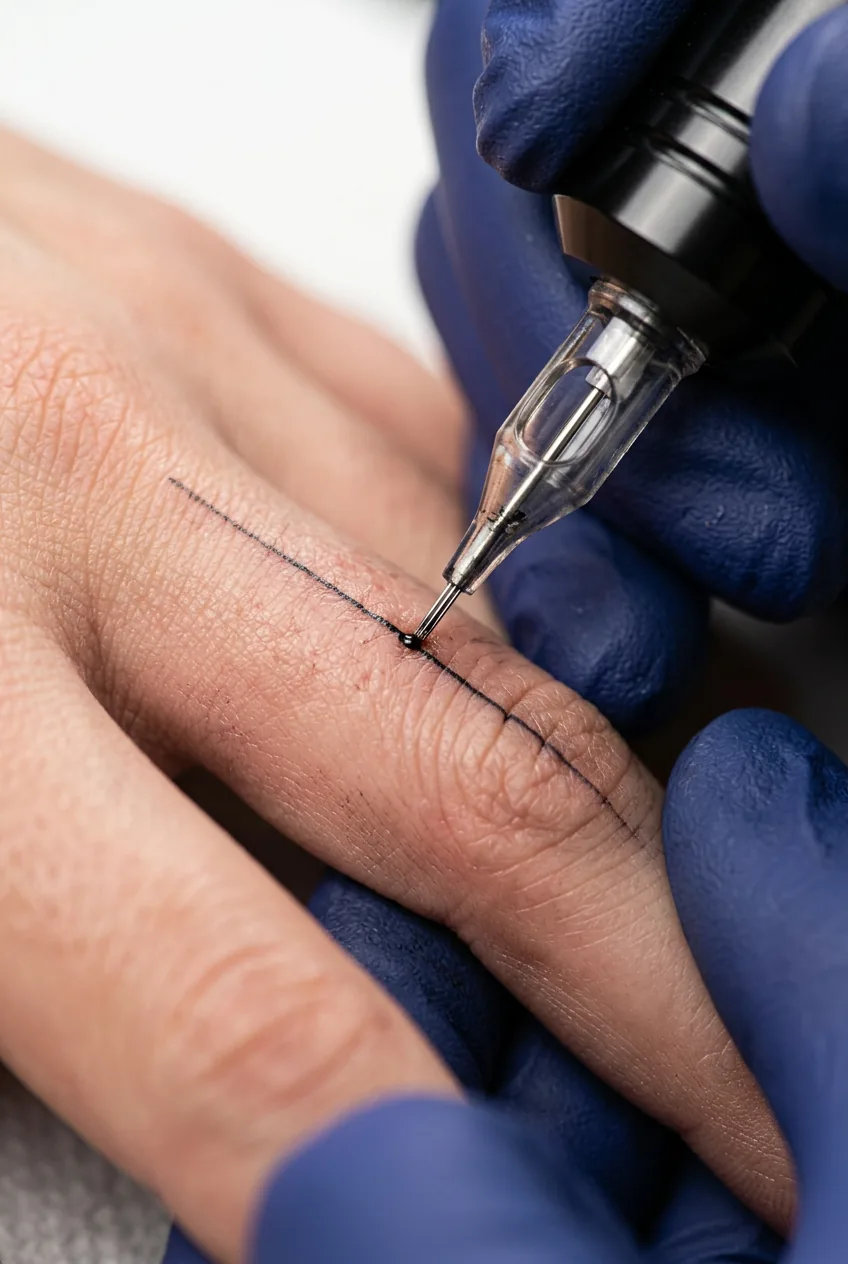
Watch how your artist approaches the work. Good finger tattoo artists work quickly but methodically, often going over lines multiple times to ensure saturation. The skin on fingers is tough and doesn’t always accept ink on the first pass.
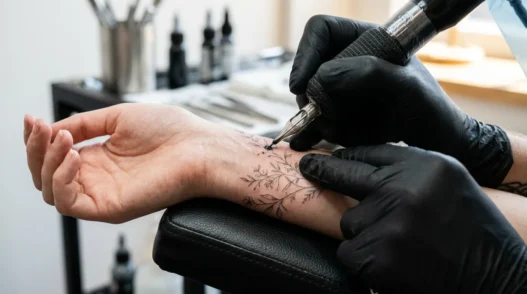
See the Technique in Real Time
Step 6: Master the Healing Process
Finger tattoo healing is unlike anywhere else on your body. Your hands are constantly moving, washing, and touching things, which makes the process more complicated. The first 48 hours are absolutely critical.
Keep the tattoo covered with loose-fitting gloves for the first two days, especially when sleeping. I learned this after my first finger tattoo got caught on bedsheets and pulled off some of the fresh ink. Vinyl or nitrile gloves work better than fabric ones.
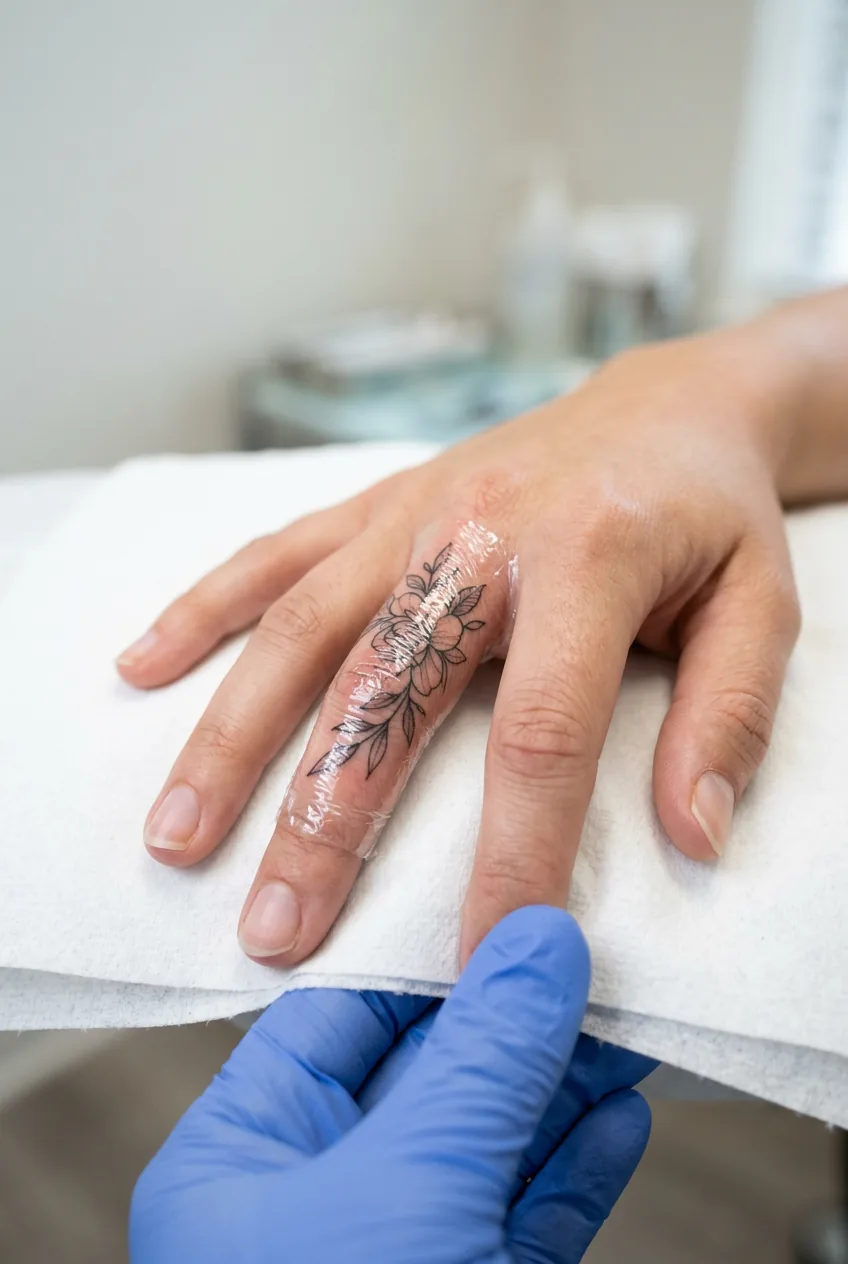
Washing is the tricky part. Use lukewarm water and unscented antibacterial soap, but avoid scrubbing. Pat dry gently with a clean paper towel — never a regular towel that might have bacteria. Apply a thin layer of unscented moisturizer three times daily, but don’t overdo it. Too much moisture can actually pull ink out.
The peeling phase happens faster on fingers, usually starting day three or four. Resist the urge to pick at loose skin. I know it’s tempting, especially when pieces are hanging off, but pulling them can take fresh ink with them.
Step 7: Plan for Touch-ups
Accept this truth: most aesthetic finger tattoos need at least one touch-up. It’s not a sign of poor work or bad aftercare — it’s just the reality of tattooing such a high-movement area. Plan financially and mentally for this from the beginning.
Wait at least six weeks before assessing whether you need a touch-up. The ink needs time to fully settle, and what looks patchy at three weeks might be perfectly fine at two months. I almost got an unnecessary touch-up because I panicked too early.
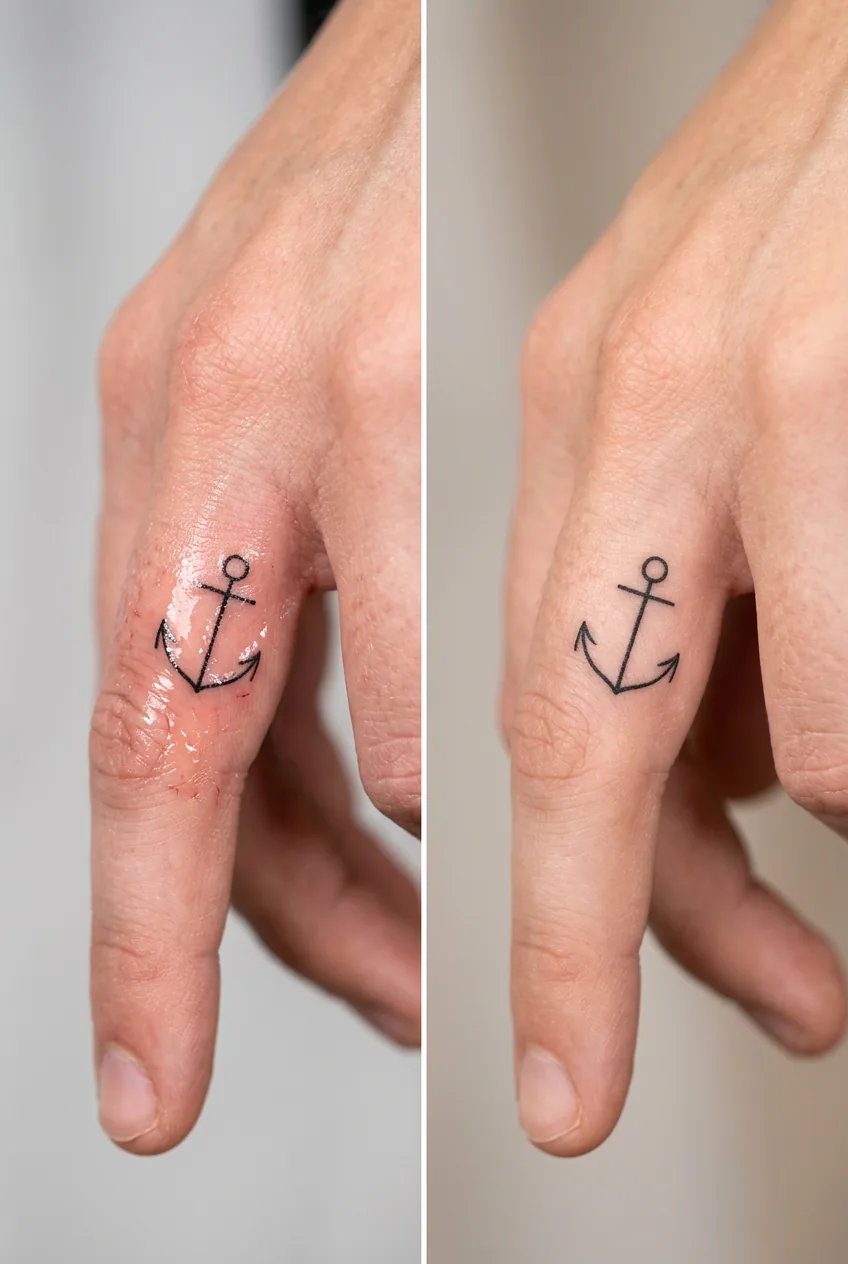
Good artists will offer free touch-ups within the first few months — ask about this policy during your consultation. Most reputable shops stand behind their finger work because they understand the unique challenges. Document your healing process with photos so you can track how the tattoo evolves.
After the touch-up (if needed), follow the same healing protocol as the original tattoo. Sometimes the touch-up process is more uncomfortable than the initial session because you’re working over slightly scarred tissue.
Questions I Get About This Process
How long do aesthetic finger tattoos actually last?
With proper care and touch-ups, expect 2-5 years before significant fading. Fine line work typically needs refreshing sooner than bold designs. Your lifestyle and hand use patterns make a huge difference in longevity.
Can I get a finger tattoo if I work with my hands?
Yes, but be realistic about maintenance. Jobs involving frequent hand washing, chemicals, or rough surfaces will require more frequent touch-ups. Consider placement carefully — side finger tattoos hold up better for manual workers.
What’s the pain level compared to other tattoo locations?
Finger tattoos rank 7-8 out of 10 for pain intensity. The sensation is sharp and immediate, but sessions are typically short. The sides of fingers hurt less than the inner surfaces or fingertips.
Should I get multiple finger tattoos at once?
I recommend starting with one to understand your healing process first. Multiple finger tattoos mean more complicated aftercare and higher risk of complications. Space them out by at least a month for better results.
Following this method religiously gave me three beautiful finger tattoos that still look crisp after 18 months. The key is patience, realistic expectations, and finding an artist who truly understands finger work. Yes, it’s more involved than getting tattooed elsewhere on your body, but the aesthetic payoff is worth every extra step when done right.