







Two years ago I sat in my artist’s chair for four hours getting a sprawling botanical piece that wrapped from my left hip down across my outer thigh. I’d done my research — or so I thought. I’d scrolled thousands of reference photos, read a handful of artist blogs, and convinced myself I was prepared. I was not. Not for all of it, anyway. Here’s everything I actually learned about hip and thigh tattoos that nobody in those glossy Instagram carousels bothered to mention.
What You’re Actually Getting Into — A Real Review
What Genuinely Impressed Me
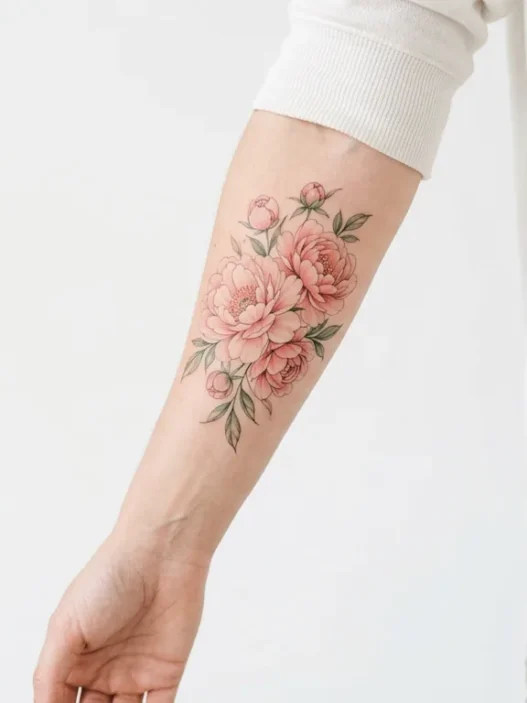
Let me start with the good stuff, because there is genuinely a lot of it. The thigh is one of the best canvases on the human body. Full stop. It’s wide, it’s long, and it has this natural gentle curve that makes compositions look almost three-dimensional. My botanical wrap — eucalyptus branches, a peony, a couple of trailing vine elements — moves with my body in a way that a flat arm tattoo never would. When I walk, the piece shifts. It’s alive in a way I didn’t fully anticipate.
The size potential is massive without looking overwhelming. I went roughly palm-sized on the hip and extended down to mid-thigh — about 14 inches of total design — and it still reads as elegant rather than chaotic. If you’ve been eyeing leg tattoos for a while and worried they’d look too heavy, the hip-to-thigh transition actually softens that dramatically. It creates flow instead of weight.
Healing on the outer thigh was also, genuinely, the easiest I’ve experienced compared to my ribs or my inner arm. Less friction, easier to keep moisturized, not constantly being bumped. My artist told me this, and I half-believed her. Two years later, I fully believe her.

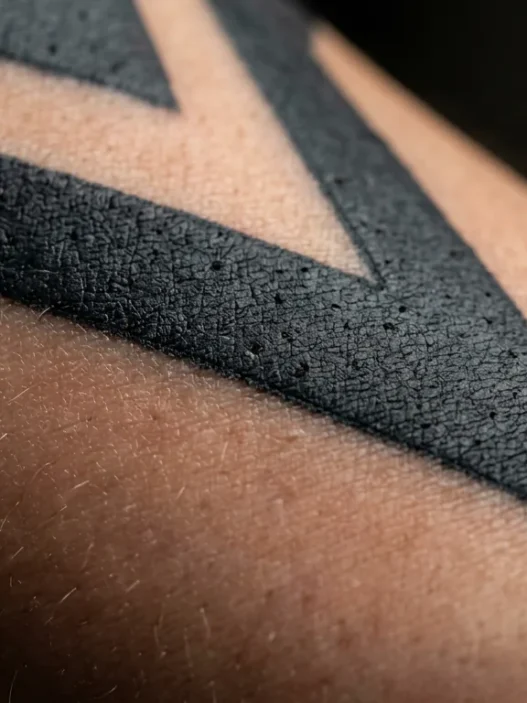
A Closer Look at the Healing Journey
The Annoying Parts Nobody Warns You About
Okay. Here’s where I stop being a hype machine.
The hip portion — specifically the bony crest of the hip — is a different universe of pain compared to the fleshy outer thigh. I genuinely thought people were being dramatic when they warned me. I was the dramatic one by session’s end. It’s not a burning ache like the ribs. It’s a sharp, vibrating, teeth-clenching sensation that my body just never fully adjusted to. My artist actually had to pause twice because my involuntary flinching was affecting line precision. Not my finest moment.
Then there’s the waistband problem. Nobody talks about this enough. For the first three weeks of healing, literally every pair of jeans, leggings, and underwear I owned became the enemy. I lived in loose linen trousers and one specific brand of seamless underwear that sat low enough not to touch the hip section. If you’re getting this placement in winter, plan your wardrobe around it. Genuinely.
And fading. The inner thigh fades faster than almost anywhere else on the body — friction, moisture, skin-on-skin contact all accelerate it. My piece sits on the outer thigh so it’s held up beautifully, but I’ve seen friends’ inner thigh tattoos look rough at the 18-month mark. It also pays to ask your artist how fine lines age before committing to a delicate style in this area, because fine hairlines on the hip especially need a top-up sooner than you’d expect.

One more thing that surprised me in the wrong direction: sitting during the session. Four hours with my body contorted slightly sideways to give the artist access to the hip-to-thigh curve meant my lower back was screaming independently of the tattoo pain. Bring a pillow. Ask if there’s a position adjustment available. I didn’t, and I regretted it.
What I Didn’t Expect to Love
This is my favorite section to write because it surprised even me.
I didn’t expect how personal a hip and thigh tattoo would feel. Not emotionally, just… physically private. It’s covered by almost every item of clothing I own. Which means I get to choose when to share it. There’s something I genuinely love about walking around all day with this enormous, detailed piece that nobody can see unless I want them to. It’s mine in a way that my wrist tattoo — which everyone notices immediately — never quite is.

I also didn’t expect how much I’d love the way it looks in motion rather than static. Look at the woman in this photo — you can see exactly what I mean. The way the design follows the curve of her hip and continues down creates this visual line that draws the eye down and then across. It’s a compositional trick that only works at this scale on this part of the body. A back tattoo is stunning, but it’s meant to be seen standing still. A hip-thigh piece performs differently depending on movement, angle, and what you’re wearing.
And the confidence thing is real, even if it sounds cliché. The first summer in a swimsuit after getting this piece, I felt genuinely good. Not in a dependent-on-a-tattoo way, but in a I-made-a-deliberate-choice-about-my-own-body way. That distinction matters to me. There’s also something worth reading about when it comes to the full tattoo healing process because once you get through that awkward peeling phase, the reveal is just incredibly satisfying.
Who This Is Actually For (And Who Should Skip It)
I have opinions here and I’m not going to soften them.
This placement is genuinely great for you if:
- You want something large-scale without it being visible at work every day
- You’ve already got a piece elsewhere and want to build toward a cohesive body collection — hip to thigh connects beautifully with calf tattoos if you’re thinking long-term
- You’re comfortable with a more involved healing process and can actually rest the area (i.e. not training for a marathon in month one)
- You want something that feels intimate and personal rather than constantly on display
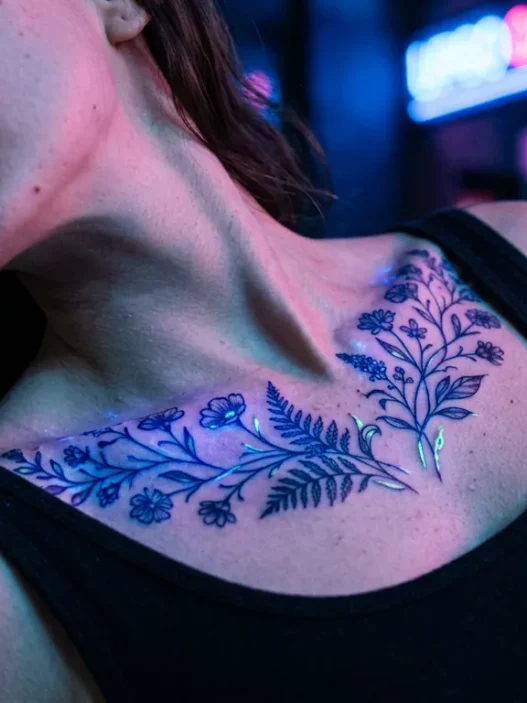
- You’re drawn to flowing, organic designs — botanicals, serpents, abstract shapes — that genuinely benefit from a curved, generous canvas
Honestly, consider skipping it if:
- Your pain tolerance is genuinely low and you haven’t tried a bony placement before — test with something smaller near the hip bone first
- You’re drawn to ultra-fine single-needle lines and want them to last without touch-ups — this placement will humble that expectation
- You’re currently in a phase of significant weight fluctuation — not because your body isn’t worthy of beautiful ink right now, but because dramatic size changes can distort detailed compositions in ways that are hard to correct
- You want something immediately, constantly visible — this placement hides. If you want people to see your tattoo every single day, get something on your forearm instead

There’s a broader conversation about the honest truth about leg tattoos women actually want that’s worth reading before you book — because a lot of the same realities apply here, and going in eyes-open just makes the whole experience better. You might also want to look into some examples of floral thigh tattoo ideas to get a feel for what actually translates well to this canvas versus what looks better on a flat surface like the upper arm.
Questions I Get About This
Does a hip and thigh tattoo hurt more than other placements?
The outer thigh is actually one of the more manageable placements — there’s a decent amount of muscle and fat cushioning the area. The hip bone is a completely different story. If your design extends over the actual hip crest, budget some mental energy for that part of the session. I’d rate outer thigh a 4/10 and the hip bone itself an 8/10 on my personal pain scale.
How long does a hip and thigh tattoo take to heal?
Surface healing — the peeling and flaking phase — is typically done in two to three weeks. But the deeper dermal healing, where the ink fully settles and colors look their truest, takes closer to three months. The hip area can take a little longer if clothing keeps rubbing it during those first weeks, so really commit to the loose-waistband lifestyle.
Will a thigh tattoo stretch or distort if I gain weight?
Moderate weight changes — the kind most bodies go through over a lifetime — tend to have minimal impact on outer thigh tattoos because the skin there has decent elasticity. Significant, rapid changes can stretch fine linework. If you’re worried, go bolder with line weight and avoid hyper-detailed micro designs that rely on very precise, thin lines staying perfectly spaced.
Can I get a quote tattoo on my thigh or does the text not age well?
Script on the thigh can absolutely work, but placement matters a lot. Horizontal text along the outer thigh reads clearly; diagonal text wrapping around the curve can distort as the skin moves. I’ve seen some gorgeous quote tattoos in this area where the artist was thoughtful about font weight and letter spacing. Just avoid anything too fine or too condensed — it tends to blur within a few years.
How do I find a tattoo artist who specializes in this placement?
Look specifically at artists’ portfolios for wrap-around pieces — designs that contour the body rather than sitting flat on it. Ask to see healed photos, not just fresh work. Any artist can make a fresh tattoo look incredible; the quality shows in how it looks two years later. Also check that they have experience tattooing the hip-bone area specifically, because the technique differs from flat-skin work.

The Bottom Line
Two years in, I’d do it again. But I’d bring a proper pillow, wear the right underwear for three weeks, and I’d prepare myself for the hip bone portion instead of pretending it wouldn’t be a thing.
My overall rating for the hip and thigh tattoo experience: 8.5 out of 10. The canvas is exceptional. The design potential is hard to match anywhere else on the body. The healing is manageable on the outer thigh. The intimacy of the placement is something I didn’t know I’d value so much. But the hip bone pain is real, the waistband situation is a genuine lifestyle adjustment for three weeks, and if you go too fine with the linework, you’re booking a touch-up appointment sooner than you’d like.
What drops it slightly below a perfect score is honestly just how underwarned most people are going in. Not by their artists necessarily — but by the general conversation online which tends to show only the beautiful fresh-healed photos rather than the awkward week-two peeling or the chair-contortion session position. Now you know. Go book that consultation.