


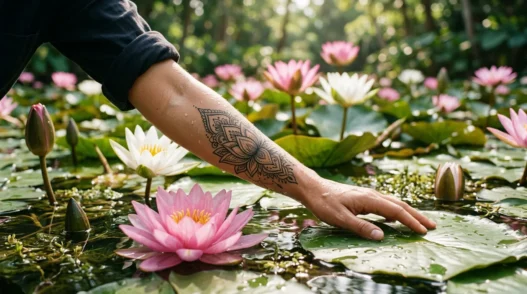
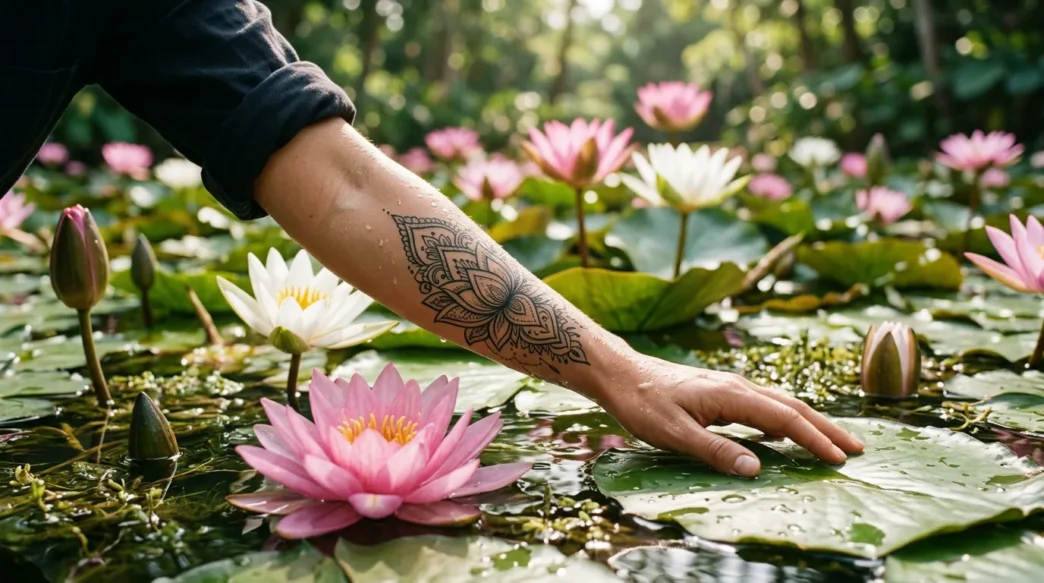
I fell in love with henna style tattoos the moment I saw my friend’s intricate ankle piece dancing around her foot like delicate lace. But what captivated me even more was learning that each swirl, dot, and curve carries centuries of meaning. These aren’t just beautiful designs—they’re symbols that speak to something deeper in women who choose them. After researching the cultural significance behind these mesmerizing patterns, I’ve discovered that the stories they tell are just as stunning as the ink itself.
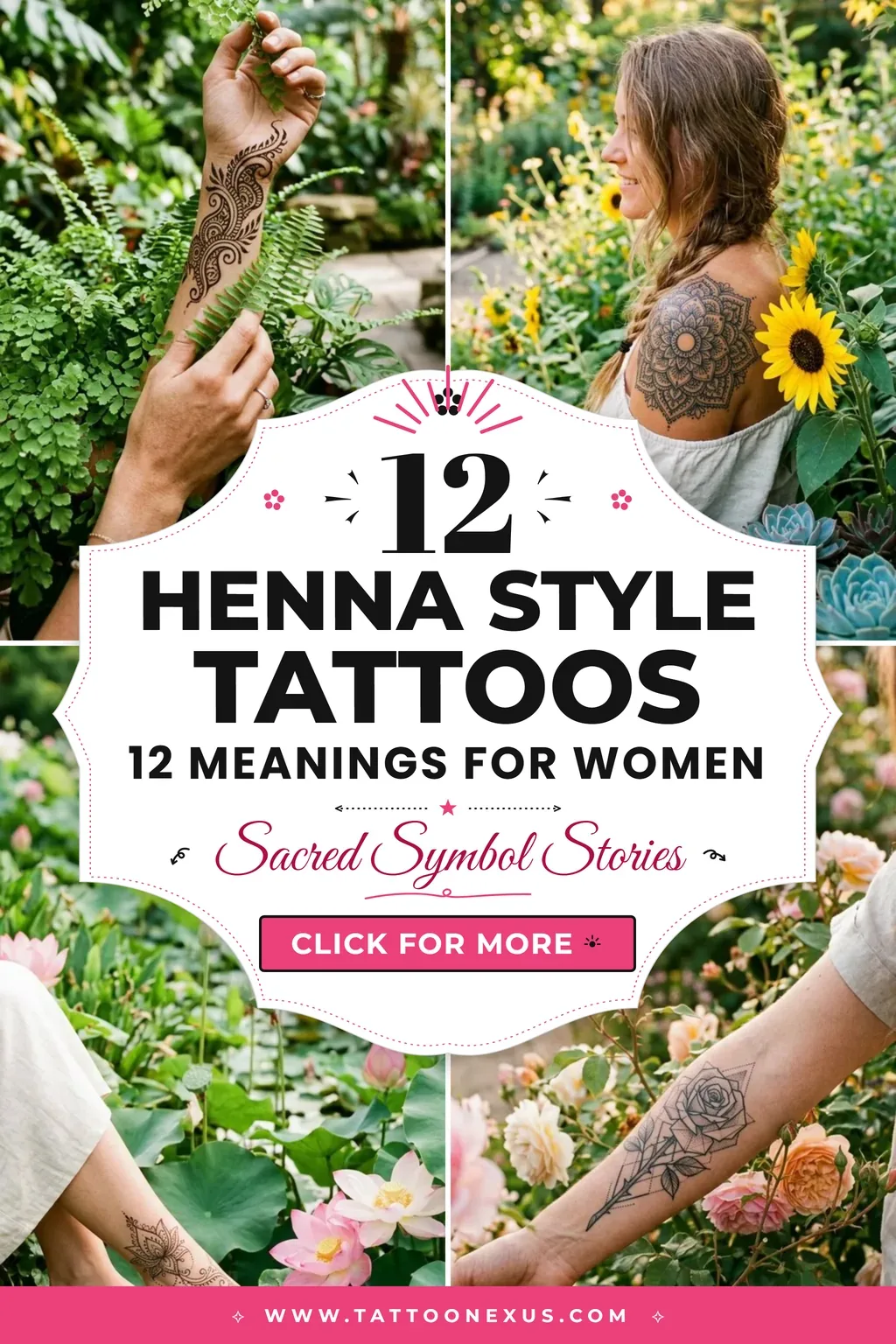
What Each Sacred Symbol Means
- The Lotus: Spiritual Rebirth and Purity
- The Mandala: Wholeness and Sacred Geometry
- The Paisley: Fertility and Life Energy
- The Rose: Love with Hidden Thorns
- The Moon Phases: Feminine Cycles and Intuition
- The Hamsa Hand: Protection from Evil
- The Vine and Leaves: Growth and Connection
- The Peacock Feather: Beauty and Divine Vision
- The Elephant: Wisdom and Good Fortune
- The Sun: Life Force and Vitality
- The Butterfly: Transformation and Freedom
- The Tree of Life: Roots and Eternal Connection
1. The Lotus: Spiritual Rebirth and Purity
The lotus holds a special place in henna tattoo tradition, and honestly, it’s the one that speaks to me most deeply. This flower grows from muddy water yet emerges pristine and beautiful—a perfect metaphor for rising above life’s challenges.
In Hindu and Buddhist cultures, the lotus represents spiritual awakening and rebirth. Women often choose this design when they’re going through major life transitions—divorce, career changes, or personal growth journeys. The petals can be rendered in delicate fine lines or bold geometric patterns, depending on whether you want something subtle or statement-making.
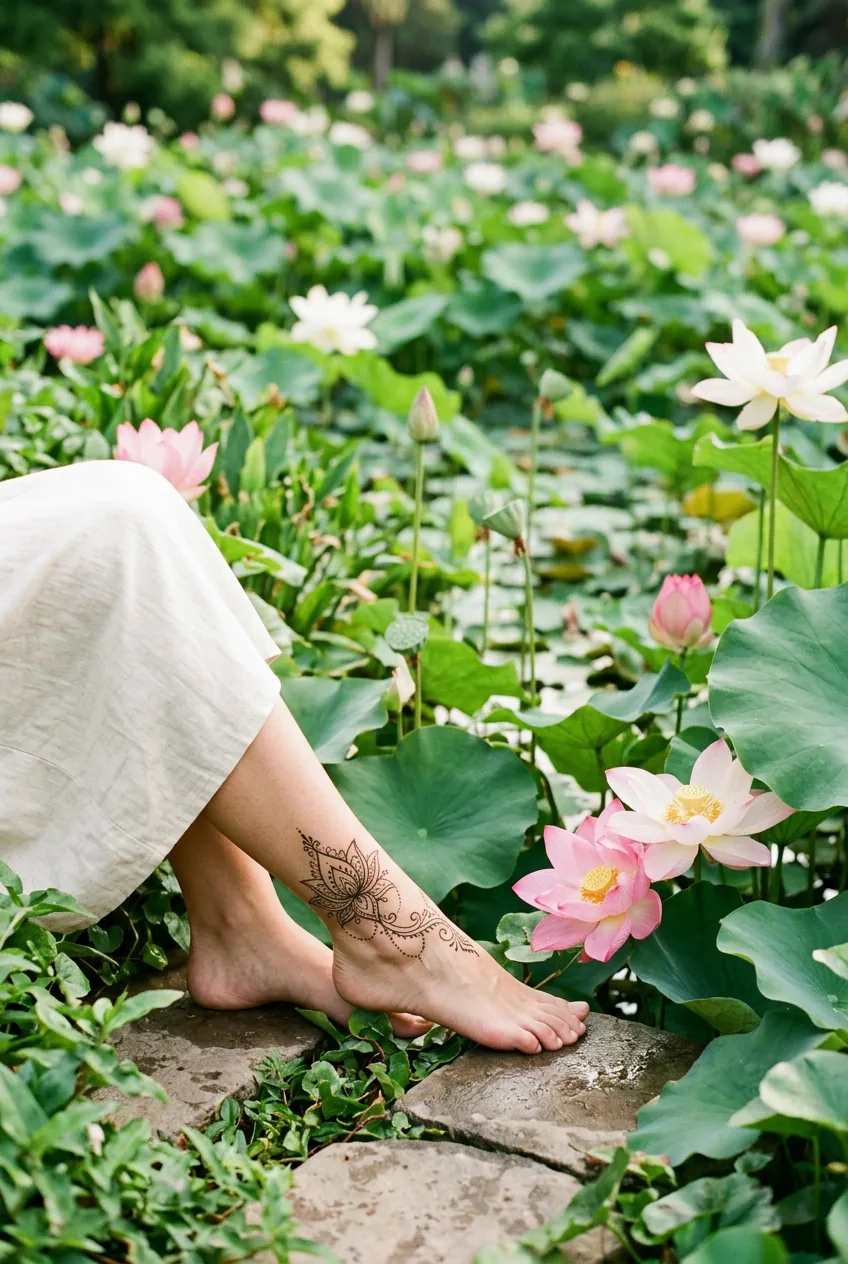
I love how versatile the lotus is artistically. You can incorporate it into a larger mandala design, pair it with flowing water elements, or keep it minimalist with just the flower head. The key is finding an artist who understands the sacred geometry—those petals need to feel intentional, not random.
2. The Mandala: Wholeness and Sacred Geometry
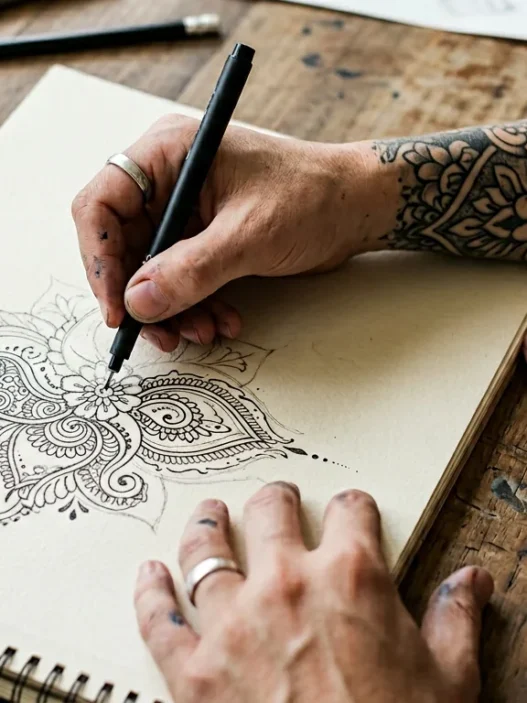
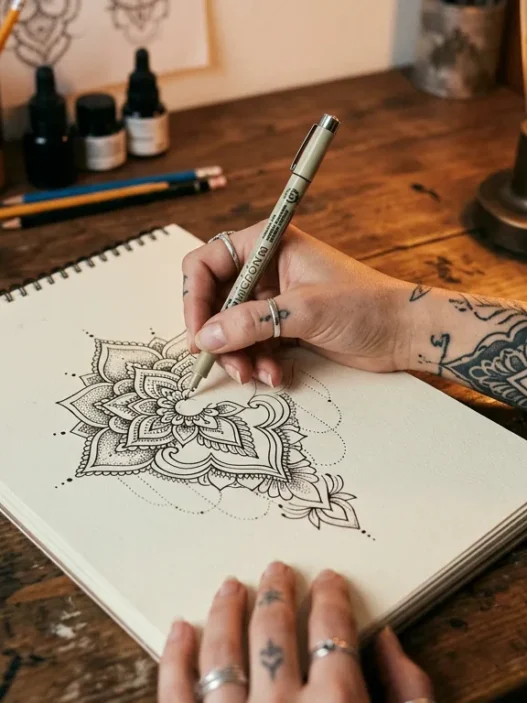
Mandalas are probably the most recognizable henna style designs, and for good reason. These circular patterns represent wholeness, unity, and the cosmos in Sanskrit tradition. But what I find fascinating is how personal they can become.
Every mandala tells a story from the center outward. Traditional meanings include balance, meditation, and the journey toward enlightenment. Modern interpretations often incorporate personal symbols—a woman might include elements representing her children, her heritage, or meaningful life events within the geometric framework.
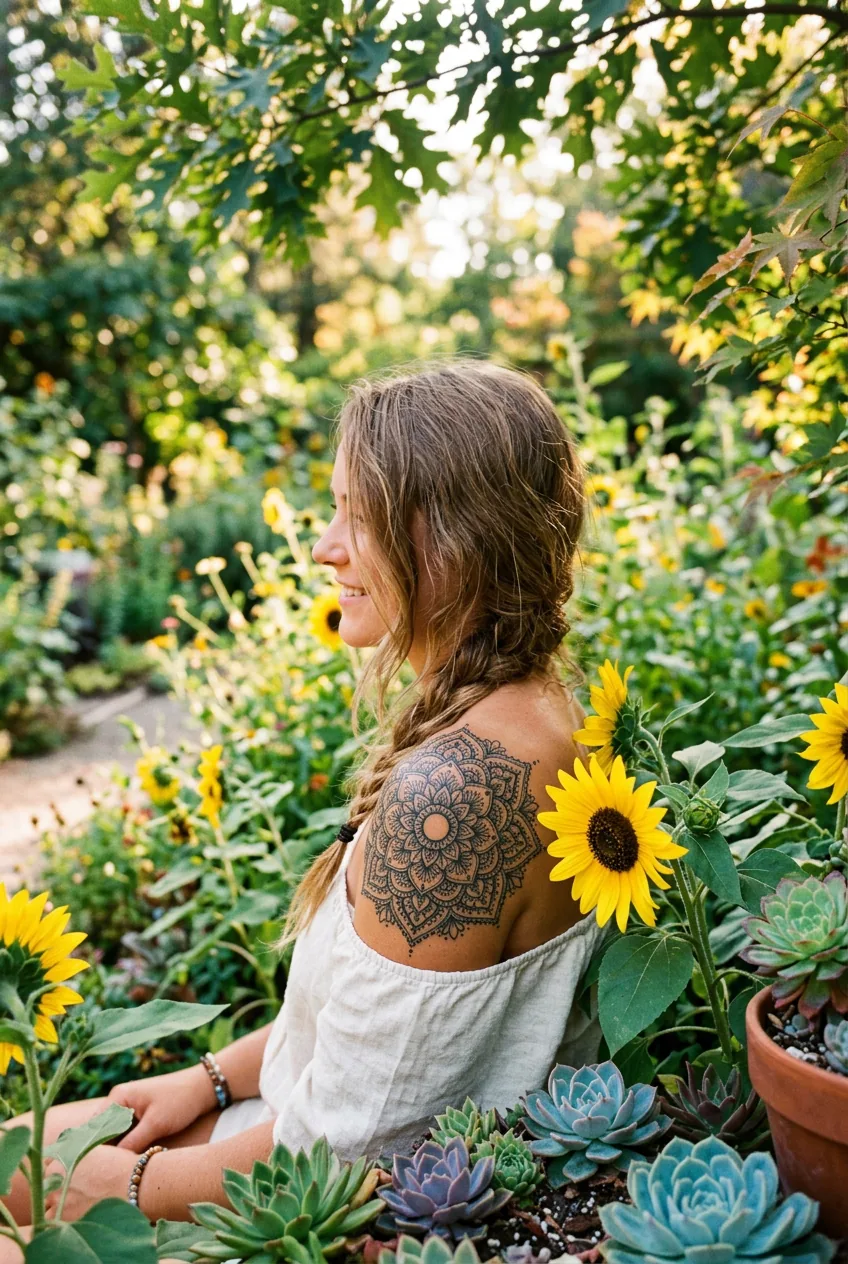
The best mandala tattoos work with your body’s natural curves. I’ve seen stunning pieces that wrap around shoulders, flow down the spine, or create perfect circles on the back. Traditional vs modern henna styles both work beautifully here—it’s really about whether you want authentic cultural elements or a contemporary interpretation.
Watch This Sacred Geometry Come Alive
3. The Paisley: Fertility and Life Energy
Paisley patterns might look like simple teardrop shapes, but they carry profound meaning in Persian and Indian traditions. Originally representing the cypress tree (a symbol of life and eternity), paisley has evolved to symbolize fertility, abundance, and the flow of life energy.
I’m drawn to how fluid paisley designs can be. They naturally follow the contours of arms, legs, and torsos in ways that feel organic rather than imposed. Many women choose paisley during significant life phases—pregnancy, marriage, or when hoping to conceive.
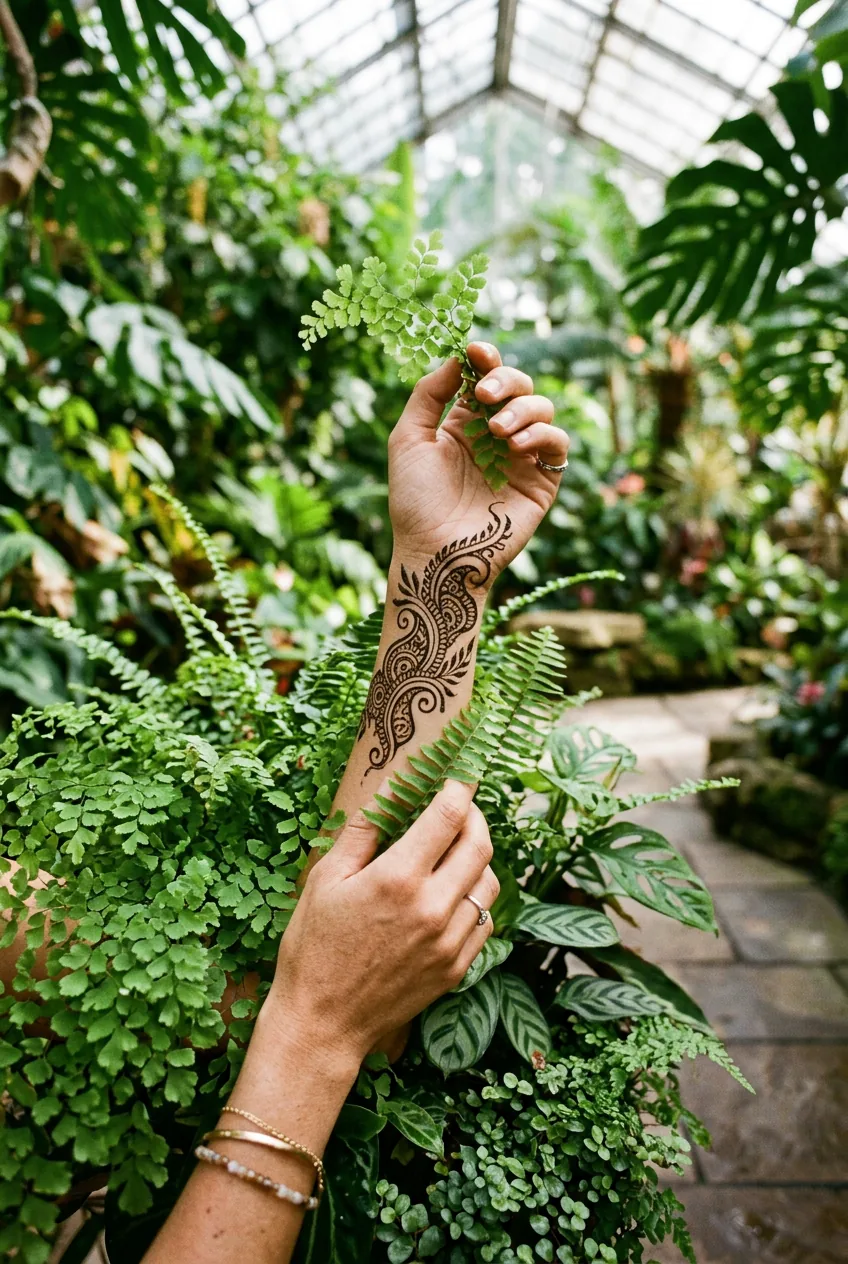
My personal favorite is when paisley patterns are layered with delicate dots and small flowers. There’s something about that combination that feels both ancient and completely modern—like wearing a piece of textile art on your skin.
4. The Rose: Love with Hidden Thorns
Roses in henna style tattoos carry layered meanings that go far deeper than simple romance. Yes, they represent love and passion, but they also acknowledge that beauty often comes with pain—those thorns aren’t decorative accidents.
What sets henna style roses apart from traditional Western rose tattoos is the intricate geometric detailing. Instead of photorealistic shading, these roses are built from patterns—dots, lines, and mandala-inspired elements that transform the familiar flower into something more symbolic and less literal.
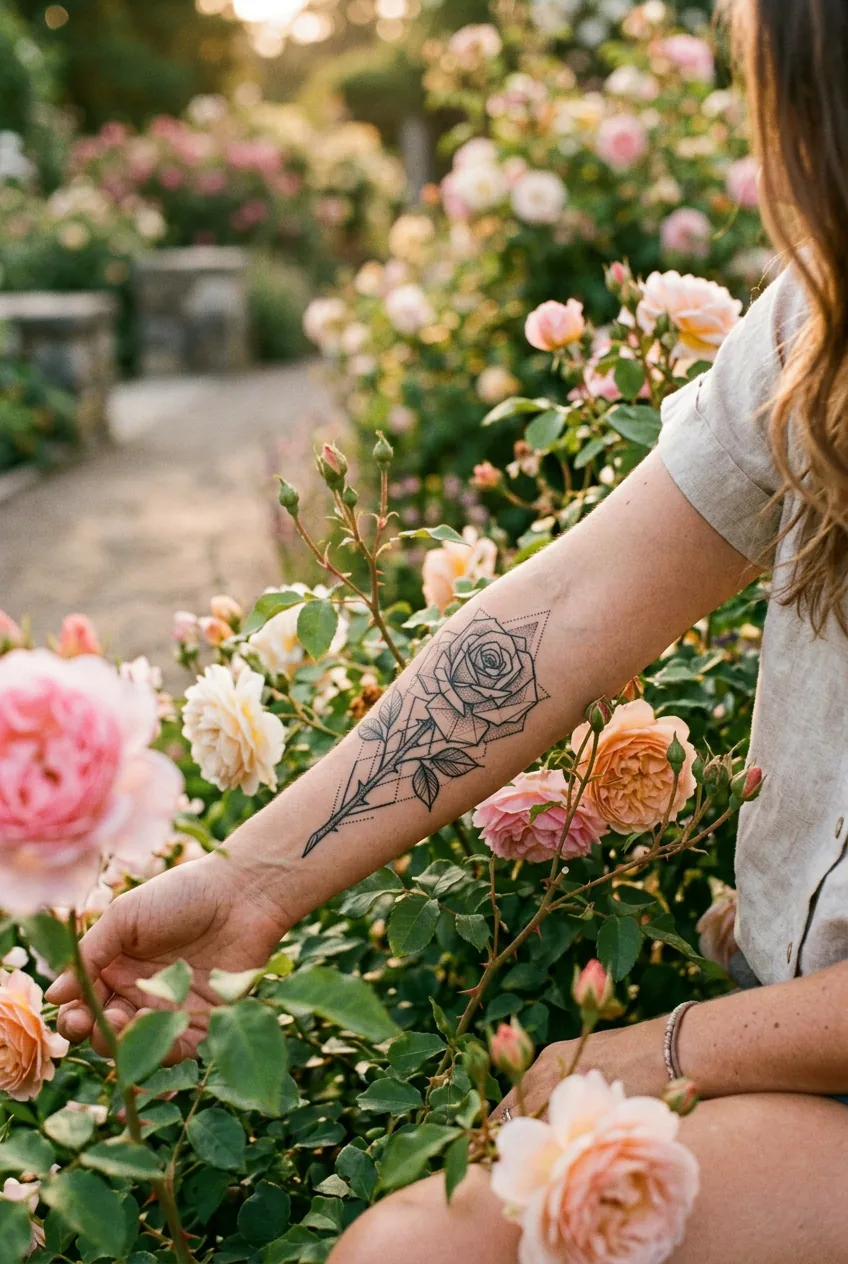
I’ve noticed women often choose rose designs to represent complex relationships—not just romantic love, but the thorny beauty of motherhood, friendship, or even self-love. The symbolic meanings can shift depending on color choices and accompanying elements.
5. The Moon Phases: Feminine Cycles and Intuition
Moon phase tattoos have exploded in popularity, and I completely understand why. They speak to something essentially feminine—the cyclical nature of our bodies, emotions, and spiritual energy. In henna tradition, the moon represents intuition, mystery, and the divine feminine.
The beauty of moon phase designs lies in their versatility. You can create a linear progression along a forearm, arrange them in a circle, or incorporate them into larger celestial scenes. Some women add stars, constellations, or floral elements to create more elaborate compositions.
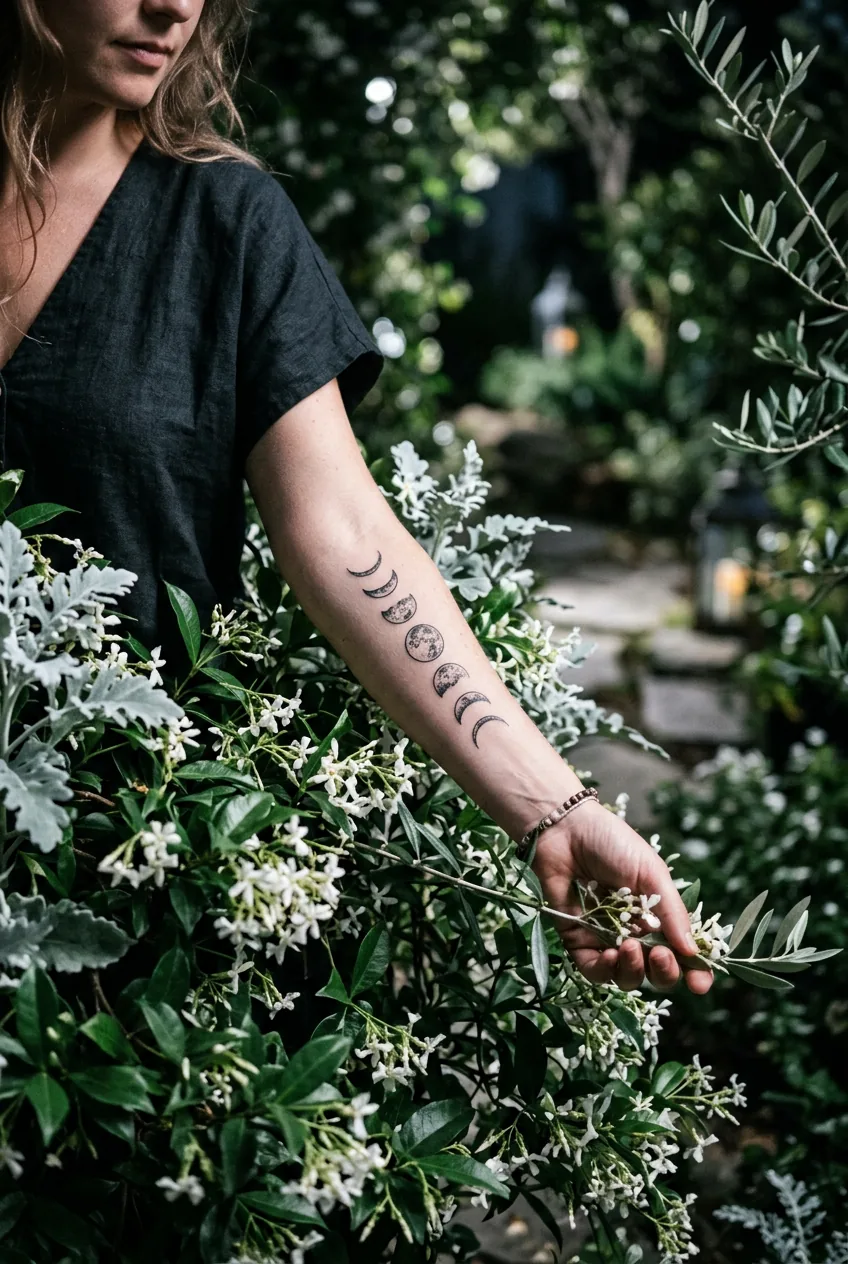
What I love most about moon phase tattoos is how they celebrate change rather than permanence. Each phase has its own energy and meaning—new moons for new beginnings, full moons for manifestation, waning moons for release. It’s like wearing a reminder that transformation is natural and beautiful.
6. The Hamsa Hand: Protection from Evil
The hamsa hand is one of the most ancient protective symbols, recognized across Jewish, Islamic, and Christian traditions. In henna art, it’s often elaborately decorated with internal patterns that transform a simple hand shape into intricate artwork.
Traditionally, the hamsa wards off the “evil eye” and brings good fortune. Modern interpretations often focus on the broader concept of protection—from negative energy, harmful relationships, or self-doubt. I’ve seen beautiful versions where the palm contains mandalas, eyes, lotus flowers, or personal symbols.
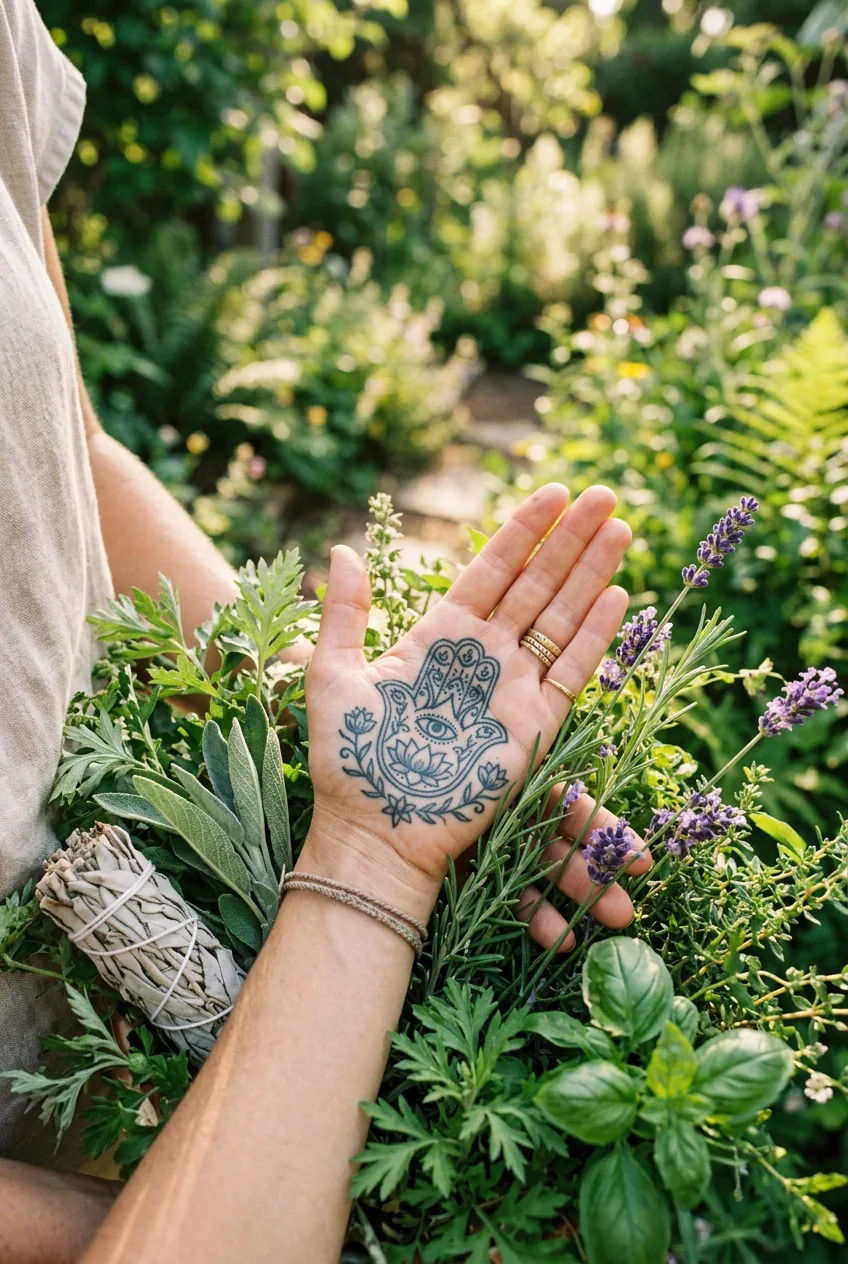
The placement of hamsa tattoos matters symbolically. Many women choose visible locations—hands, wrists, or forearms—so the protective symbol faces outward toward the world. Others prefer more private placements where the protection feels personal rather than performative.
7. The Vine and Leaves: Growth and Connection
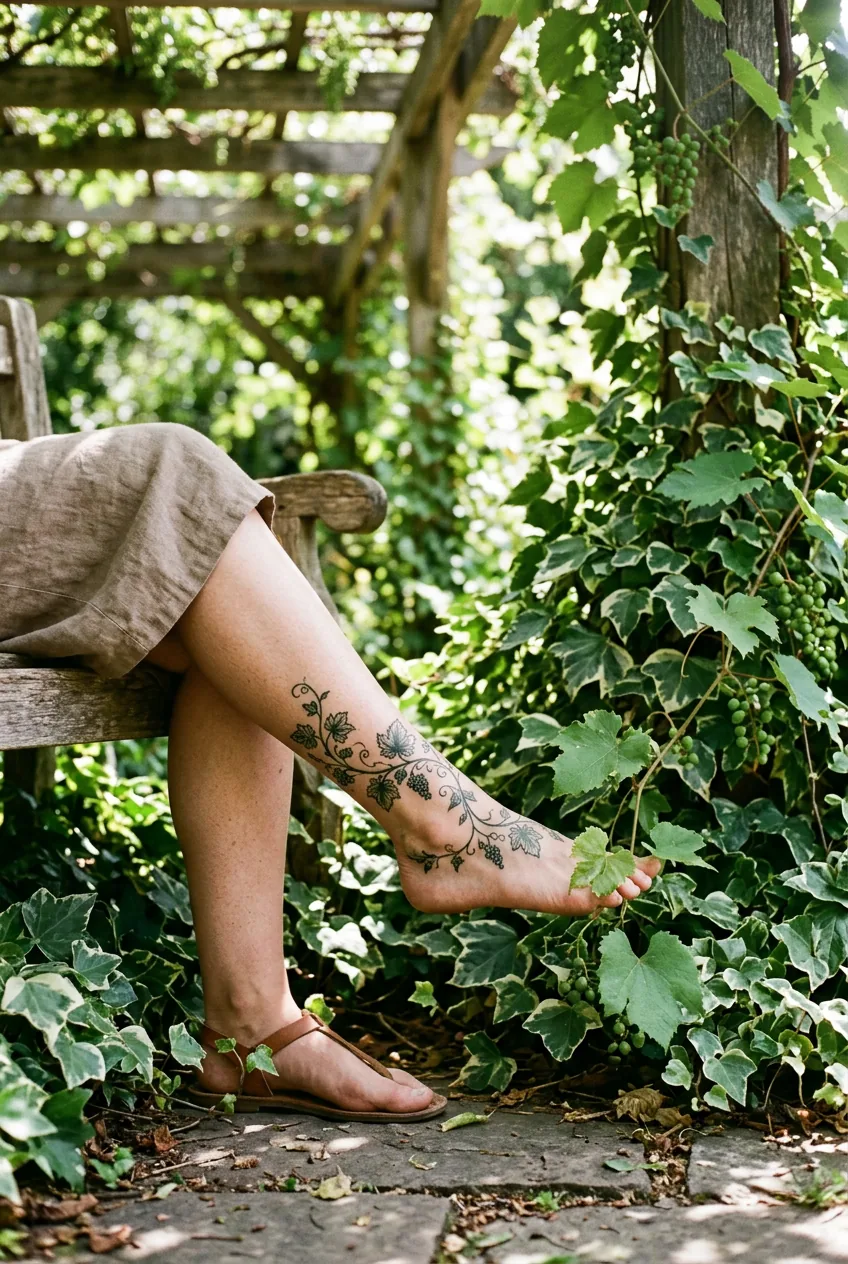
Vine patterns in henna art represent growth, connection, and the interconnectedness of life. They’re perfect for women who want something that flows naturally with their body’s movements and curves.
What makes vine designs special is how they can be personalized with different leaf shapes, flowers, or fruit. Grape vines might represent abundance and celebration. Ivy suggests permanence and fidelity. Rose vines combine the protective thorns with beauty and love.
I’m particularly fond of how vine tattoos can start small and grow over time. You might begin with a simple wrist piece and add extensions up your arm as life unfolds. It’s like growing a garden on your skin—organic, meaningful, and always evolving.
8. The Peacock Feather: Beauty and Divine Vision
In Hindu tradition, peacock feathers are sacred to Lord Krishna and represent divine beauty, grace, and spiritual vision. The “eye” of the feather—that gorgeous circular pattern—symbolizes the all-seeing divine eye and wisdom.
Henna style peacock feathers are stunning because they allow for incredible detail work. Those delicate barbs can be rendered in fine lines, dots, and geometric patterns that create texture and movement. The eye portion often becomes a mandala-like focal point.
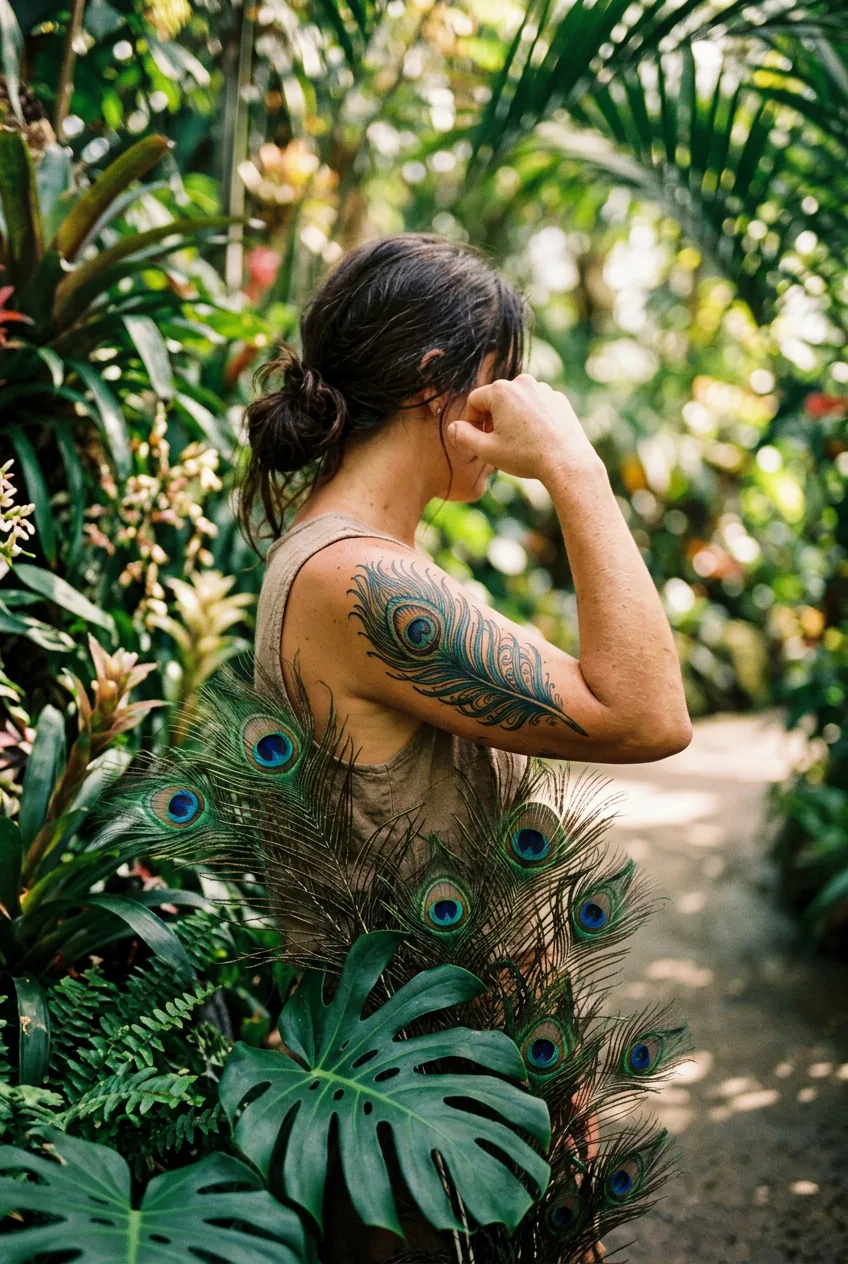
Women drawn to peacock feather tattoos often resonate with themes of confidence, beauty, and spiritual awakening. There’s something about this symbol that celebrates feminine power without apology—it’s gorgeous, it knows it, and it’s not hiding.
9. The Elephant: Wisdom and Good Fortune
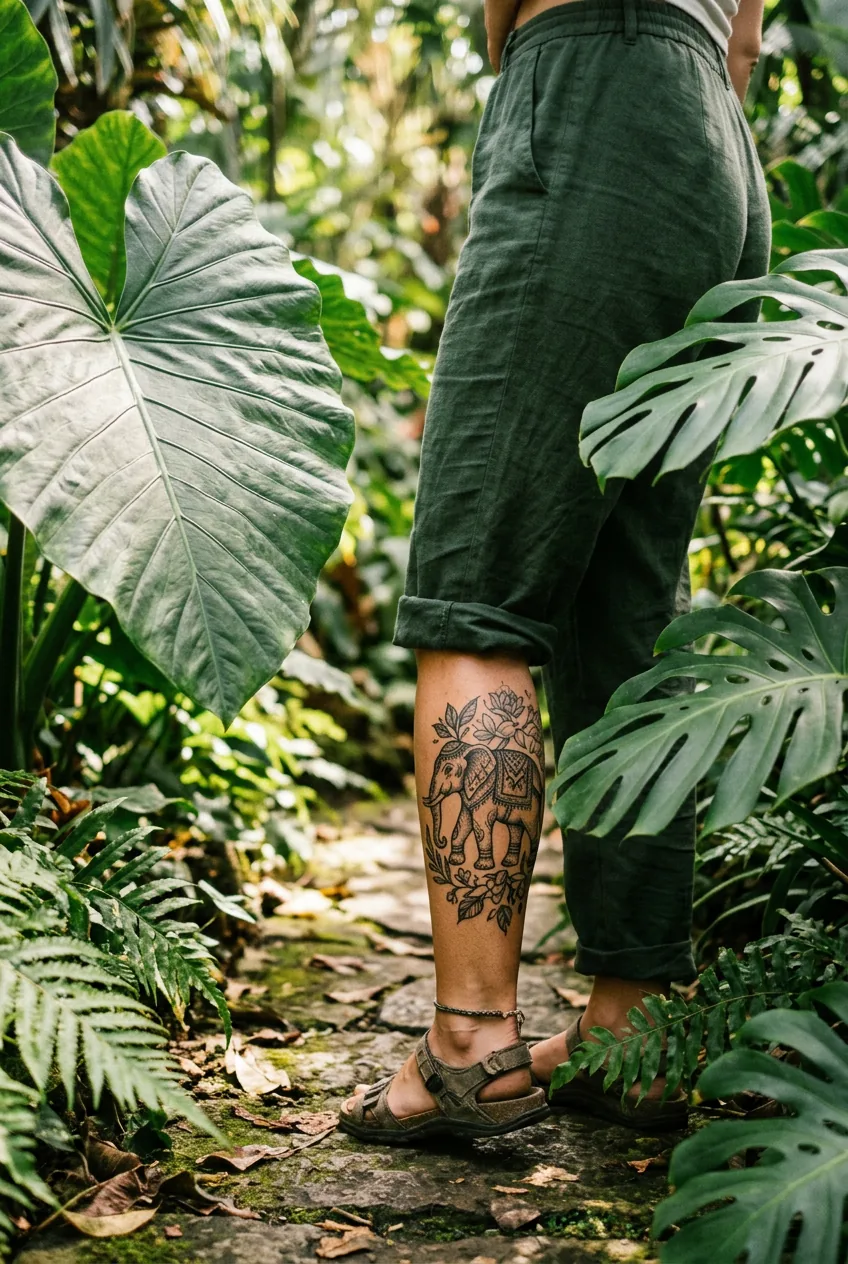
Elephants hold special significance in Indian culture as symbols of wisdom, strength, and good fortune. In Hindu tradition, the elephant-headed deity Ganesha is the remover of obstacles and the patron of new beginnings.
Henna style elephant tattoos often feature intricate patterns covering the elephant’s body—mandalas, paisleys, flowers, and geometric designs that transform the animal into a work of art. Some focus on just the head and trunk, while others show the full body in profile.
What I love about elephant designs is how they can be both powerful and gentle. The symbolism speaks to maternal strength, memory, and community—elephants are matriarchal animals that live in close family groups. Perfect for women who value wisdom, loyalty, and protecting their loved ones.
10. The Sun: Life Force and Vitality
Sun symbols in henna art represent life force, vitality, and masculine energy that balances the moon’s feminine power. But don’t think this makes them less appealing to women—many of us are drawn to solar energy for its associations with confidence, creativity, and personal power.
Henna style suns often feature elaborate ray patterns, internal mandalas, or facial features that give them personality. They can be realistic or highly stylized, depending on your preference. I’ve seen gorgeous versions where the sun’s rays blend into flame patterns or transform into peacock feathers.
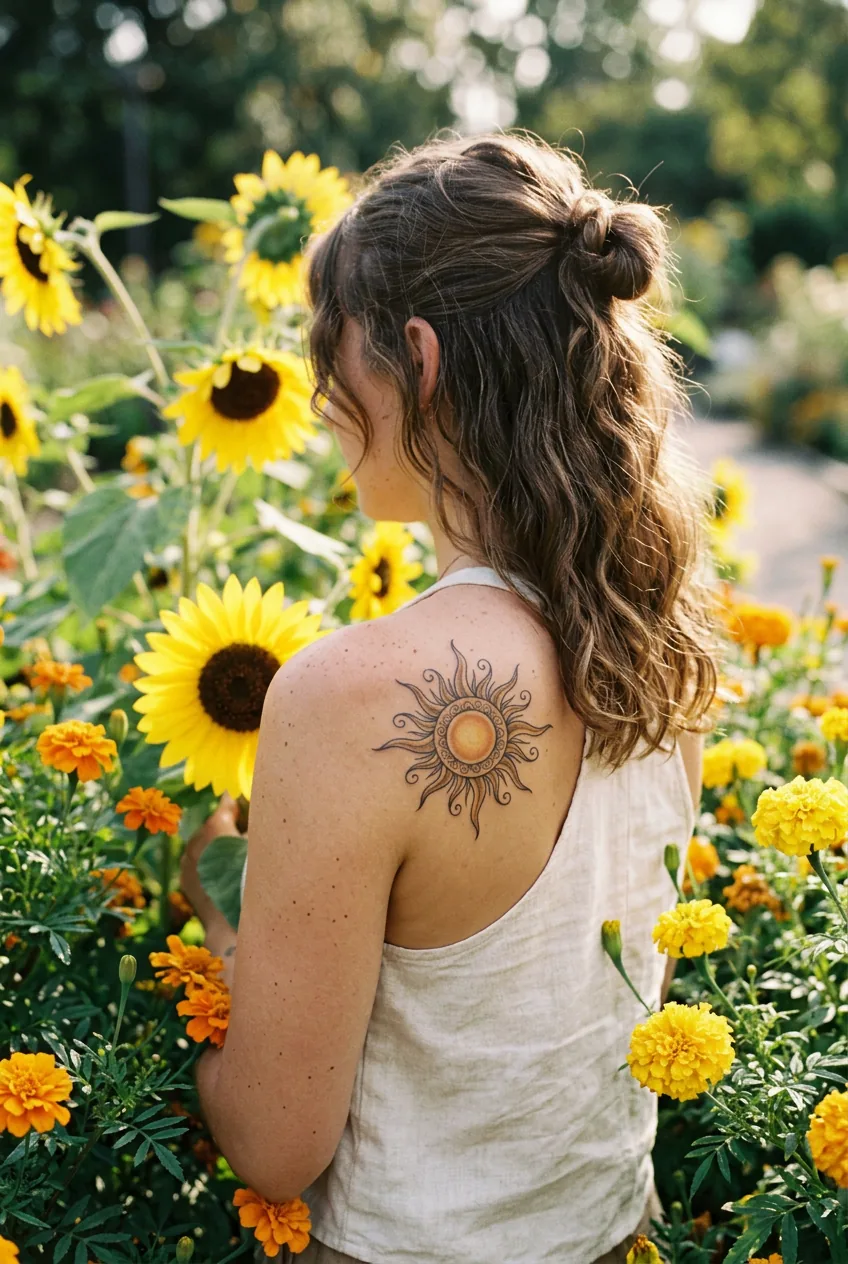
Sun tattoos work beautifully as centerpieces for larger compositions or as standalone statements. They’re perfect for women going through periods of personal growth, career changes, or anyone who wants to celebrate their inner fire and ambition.
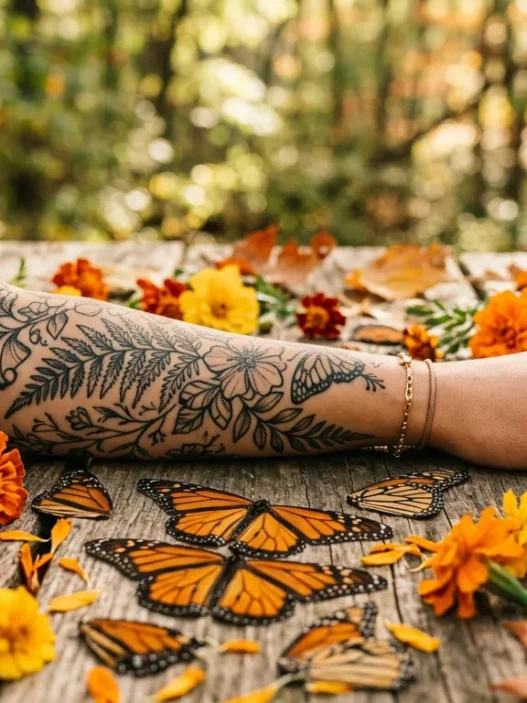
11. The Butterfly: Transformation and Freedom
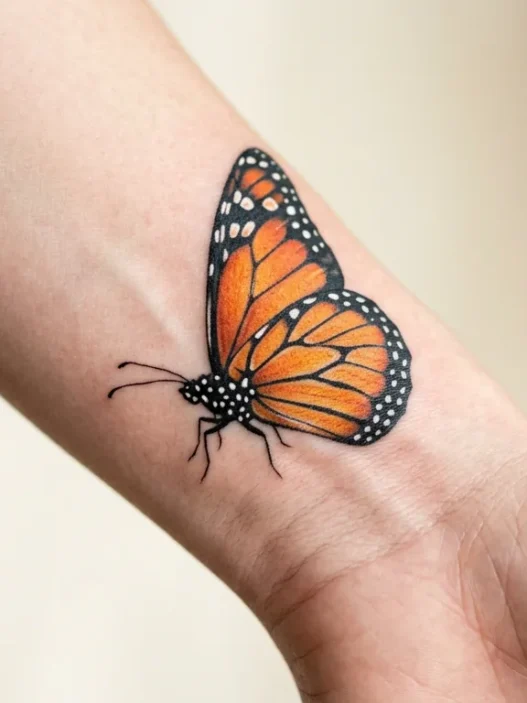
Butterflies represent one of nature’s most dramatic transformations—from earthbound caterpillar to winged beauty. In henna art, they symbolize metamorphosis, freedom, and the soul’s journey toward enlightenment.
What sets henna style butterflies apart is the intricate wing patterns. Instead of realistic butterfly wing designs, these incorporate traditional henna elements—mandalas, paisleys, geometric patterns, and delicate line work that creates stunning visual texture.
I find butterfly tattoos particularly meaningful for women who’ve overcome significant challenges. There’s something powerful about wearing a symbol of transformation on your skin—a permanent reminder that you’ve survived your cocoon phase and emerged stronger.
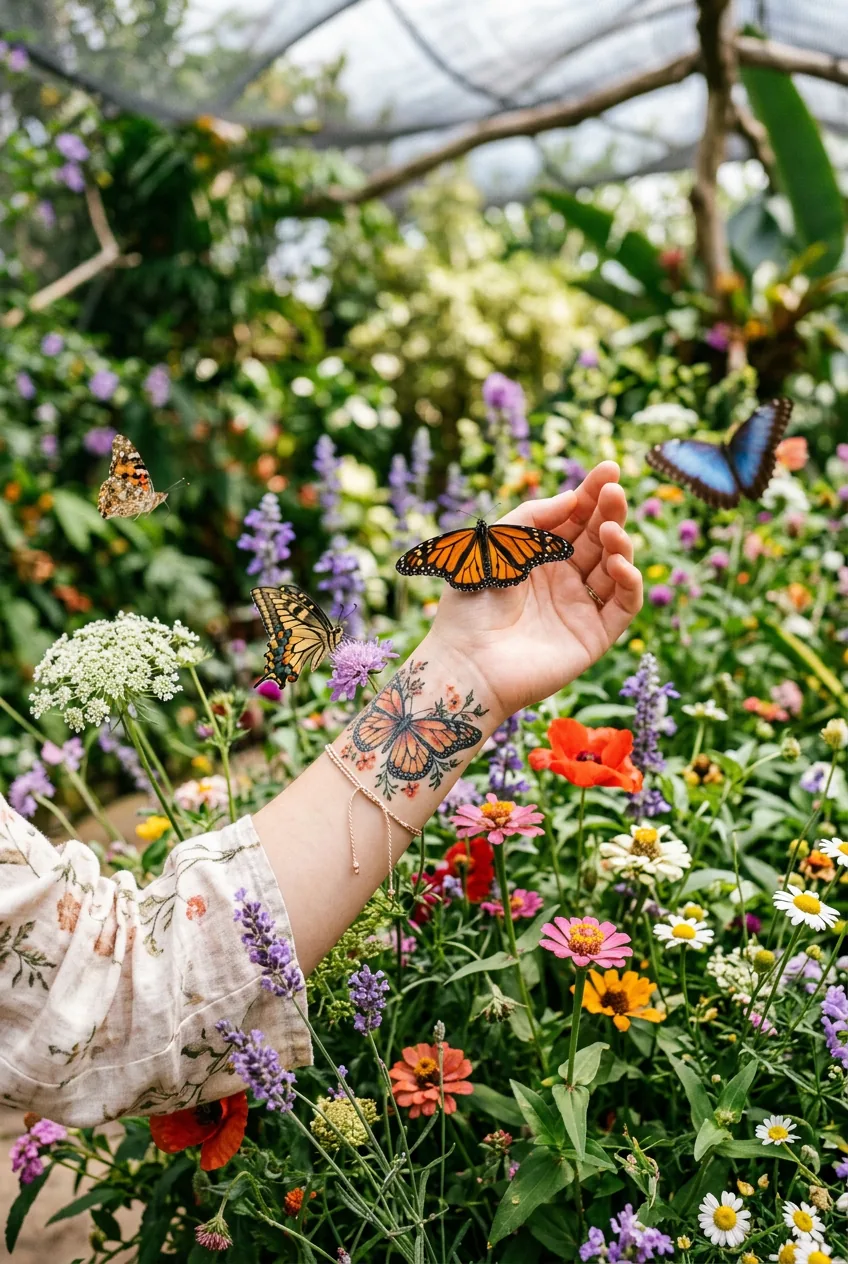
The placement options for butterfly designs are endless. They look gorgeous on shoulders (like they just landed), behind ears, on wrists, or anywhere you want to celebrate your personal metamorphosis. Elegant tattoo styles work particularly well with butterfly motifs.
12. The Tree of Life: Roots and Eternal Connection
The Tree of Life appears in countless cultures and traditions, representing the connection between heaven and earth, the cycle of life and death, and the interconnectedness of all living things. In henna art, it’s often rendered with elaborate root systems and intricate branch patterns.
What makes Tree of Life tattoos so meaningful is their personal adaptability. The roots can represent your family heritage or foundational beliefs. The trunk might symbolize your core strength and values. The branches and leaves can represent your goals, dreams, or the people you nurture.
I’ve seen stunning versions where the tree incorporates other symbolic elements—birds in the branches (representing freedom or messages), flowers or fruit (abundance and fertility), or geometric patterns in the trunk and roots that echo traditional henna designs.
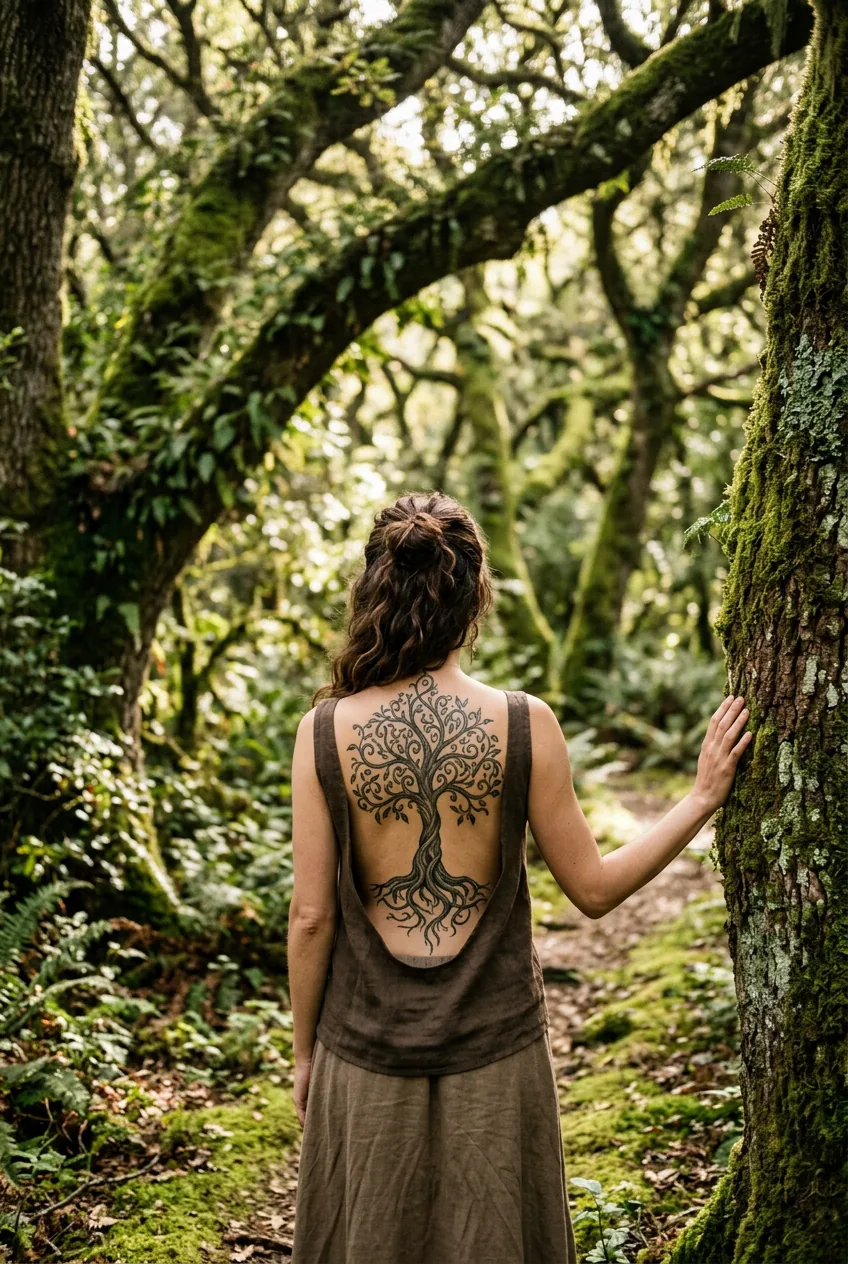
Tree of Life tattoos work beautifully as back pieces, along the spine, or wrapped around limbs. They’re perfect for women who want to honor their roots while celebrating their growth and potential.
Quick Answers About Henna Style Tattoos
Do henna style tattoos have to be culturally accurate?
While respecting cultural origins is important, modern henna style tattoos can blend traditional elements with personal meaning. The key is understanding the symbolism and choosing an artist who appreciates both the cultural significance and your individual story.
How detailed can henna style tattoos get?
Incredibly detailed! The fine line work, dots, and geometric patterns can create stunning complexity. However, very fine details may blur over time, so work with an experienced artist who understands how these designs age.
What’s the best placement for symbolic henna tattoos?
It depends on whether the symbol is for protection (often placed facing outward) or personal reflection (can be more private). Consider how the design will flow with your body’s curves and whether you want it visible or hidden.
Can I combine multiple henna symbols in one tattoo?
Absolutely! Many beautiful designs incorporate multiple elements—lotus flowers in mandala patterns, moon phases with vines, or elephants decorated with paisley patterns. Just ensure the combination feels harmonious rather than cluttered.
These twelve symbols barely scratch the surface of henna’s rich symbolic language. What draws me to these designs isn’t just their beauty—though they’re undeniably gorgeous—but the way they connect us to centuries of meaning and tradition. Whether you choose a protective hamsa or a transformative butterfly, you’re not just getting a tattoo. You’re carrying a story, a belief, a piece of cultural wisdom that speaks to something deeper than skin. And honestly? That’s the kind of ink that never goes out of style.