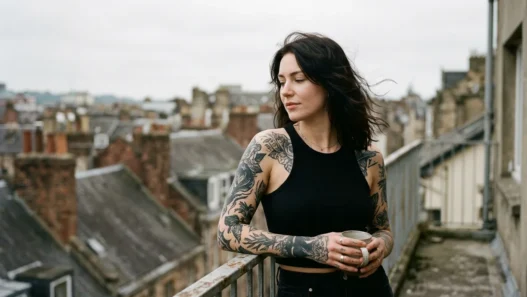




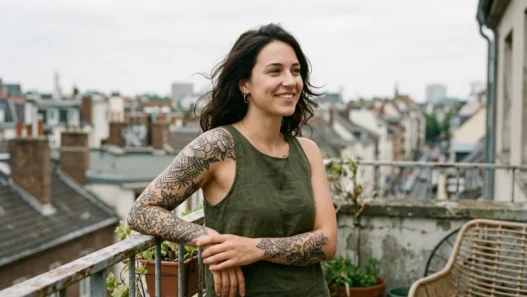
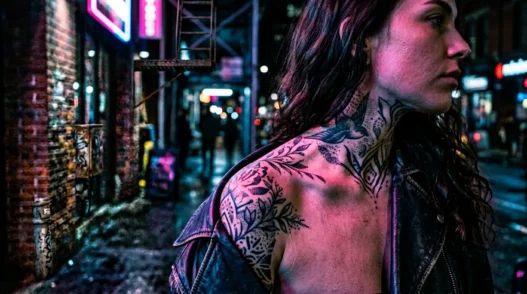
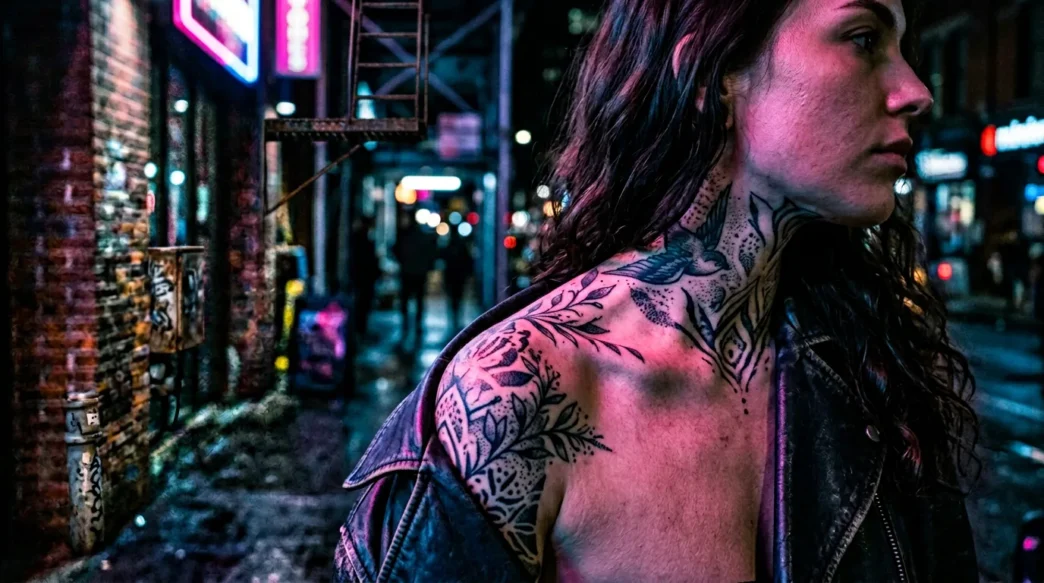
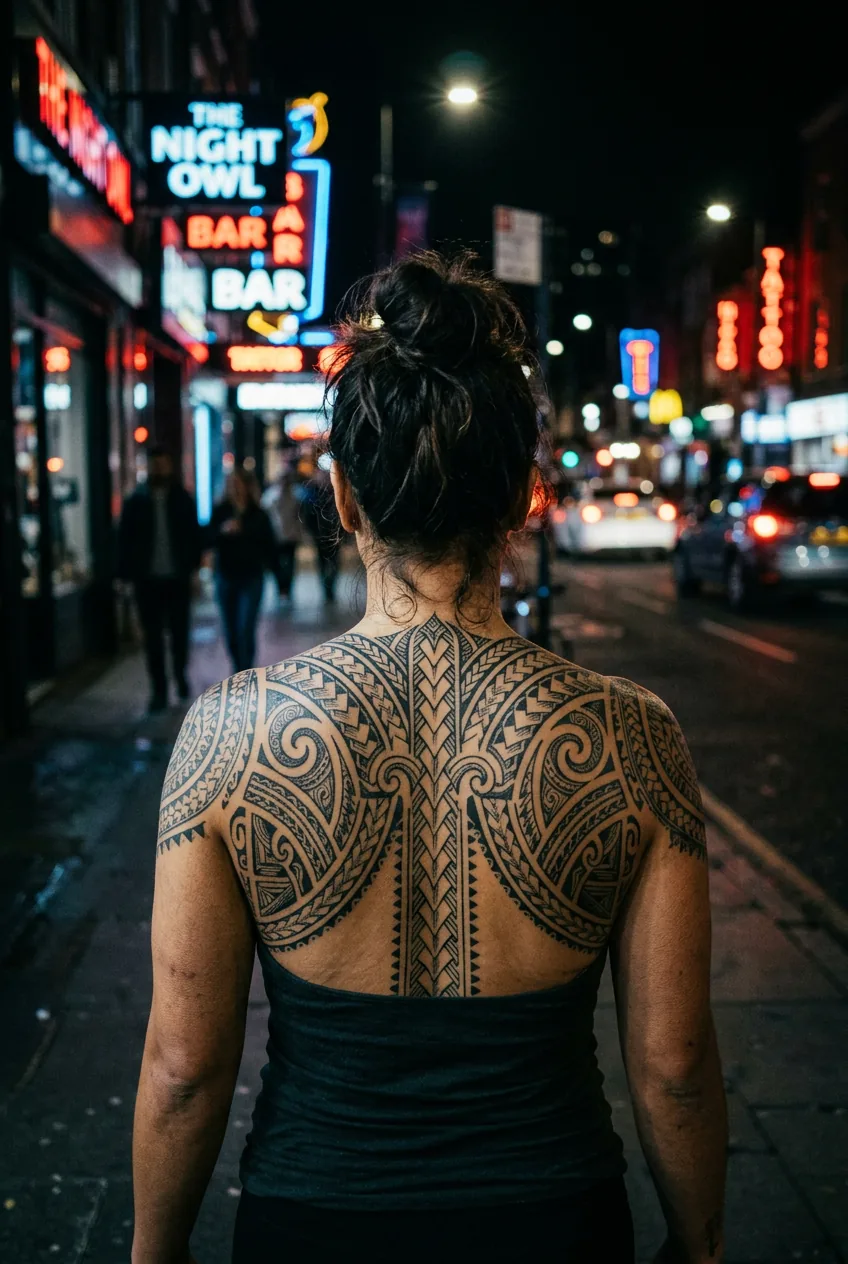
I still remember the first time I saw a traditional Polynesian back piece in person. The woman ahead of me at the coffee shop had intricate patterns flowing down her spine, each line deliberate and meaningful. I had no idea then that I was looking at a tradition thousands of years old — one that’s been both honored and appropriated in ways most people getting back tattoos today never consider.
The Origins Most People Don’t Know
Most back tattoos today trace their visual DNA to Polynesian tatau, even when people don’t realize it. The idea of using your back as a canvas for storytelling? That’s ancient Pacific Islander wisdom. In traditional Samoan culture, the pe’a — a complex back and thigh tattoo — wasn’t decoration. It was a rite of passage that could take weeks to complete and told your entire life story.
But here’s what makes me uncomfortable: somewhere between those sacred origins and today’s Instagram-friendly spine tattoos, we lost the reverence. I’m not saying every geometric back piece is cultural appropriation — that’s too simplistic. What bothers me is how the spiritual significance got stripped away while the aesthetic appeal remained.
Japanese irezumi traditions also shaped modern back tattoos in ways most people don’t recognize. Those full-back dragon and koi pieces that dominated tattoo parlors in the 80s and 90s? They’re simplified versions of complex Japanese body suits that took years to complete and followed strict artistic rules. The back was considered the most honorable placement — your largest canvas deserved your most important story.
What’s fascinating is how spine tattoo placement evolved from these traditions. The spine wasn’t just convenient — it was symbolic. In many cultures, your backbone was literally the center of your strength and character.
How the 1990s Changed It
The 90s basically broke back tattoos wide open for mainstream culture. Suddenly, everyone from Angelina Jolie to your cousin’s girlfriend had something inked between their shoulder blades. This decade turned back tattoos from sacred art into rebellion fashion — and honestly, I’m still not sure how I feel about that shift.
Lower back tattoos became the poster child for this era. You know the ones I mean — often called “tramp stamps” by people who clearly missed the point. What started as women reclaiming body autonomy got twisted into mockery. Lower back tattoos carried deep meaning in many traditions, but pop culture reduced them to punchlines.
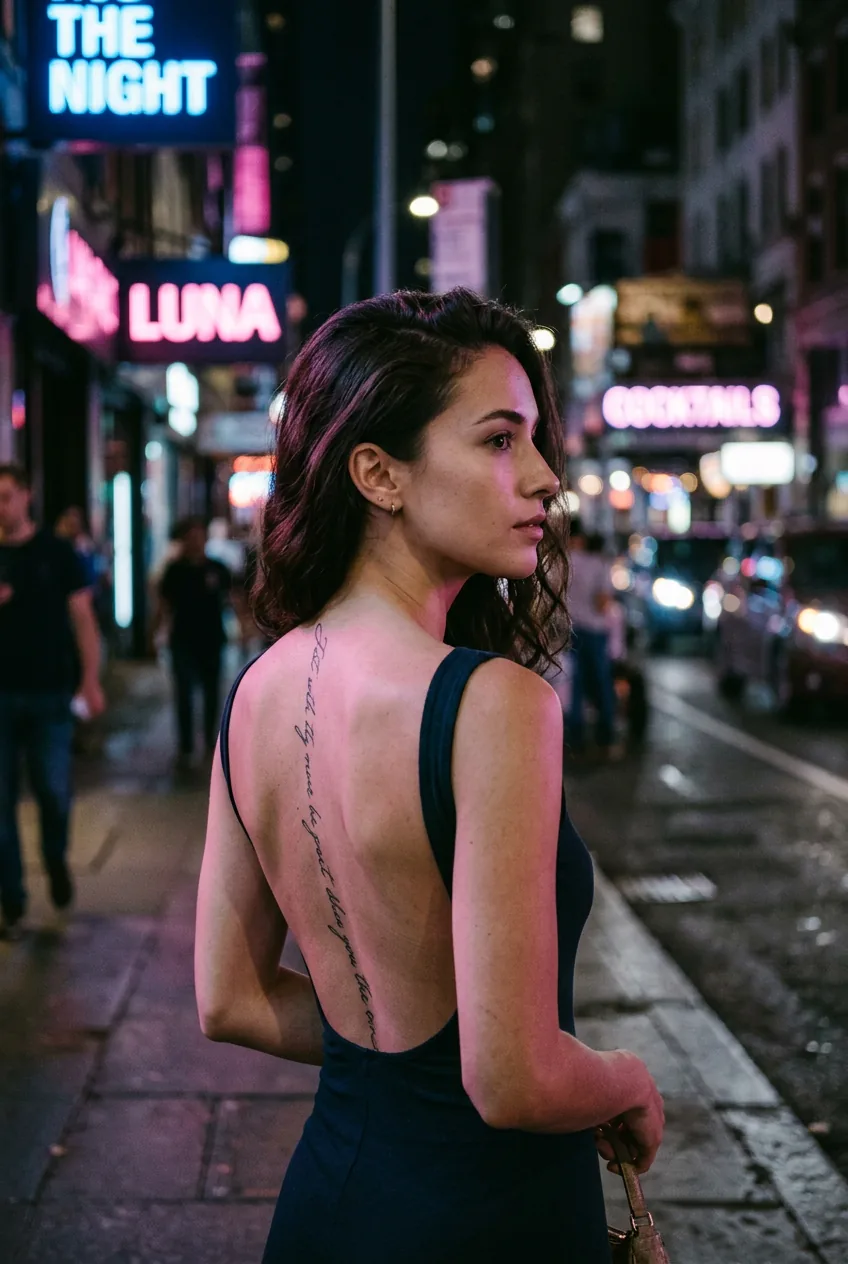
This was also when tattoo TV shows started appearing, making the process look easier and faster than it actually was. Spine tattoo sessions got glamorized while the reality — hours of pain, careful planning, multiple appointments — got glossed over. The cultural weight of choosing your back as a canvas started disappearing.
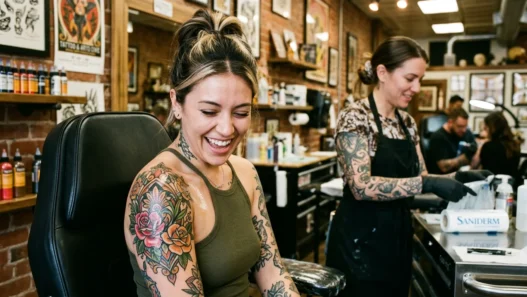
But something interesting happened alongside the commercialization: female tattoo artists started claiming space in shops that had been male-dominated for decades. Women getting back tattoos weren’t just following trends — they were making statements about ownership of their bodies and stories.
The Internet Era Shift
Pinterest changed everything. Suddenly, back tattoos weren’t about cultural tradition or personal rebellion — they were about getting the perfect photo. I’ve watched this transformation happen in real time, and it’s both fascinating and frustrating.
Instagram created a new category: the “back tattoo reveal.” You know the poses — hair swept to one side, strategic lighting, carefully chosen backgrounds. The focus shifted from meaning to aesthetics, from permanence to temporary trends. Photography techniques became almost as important as the actual tattoo design.
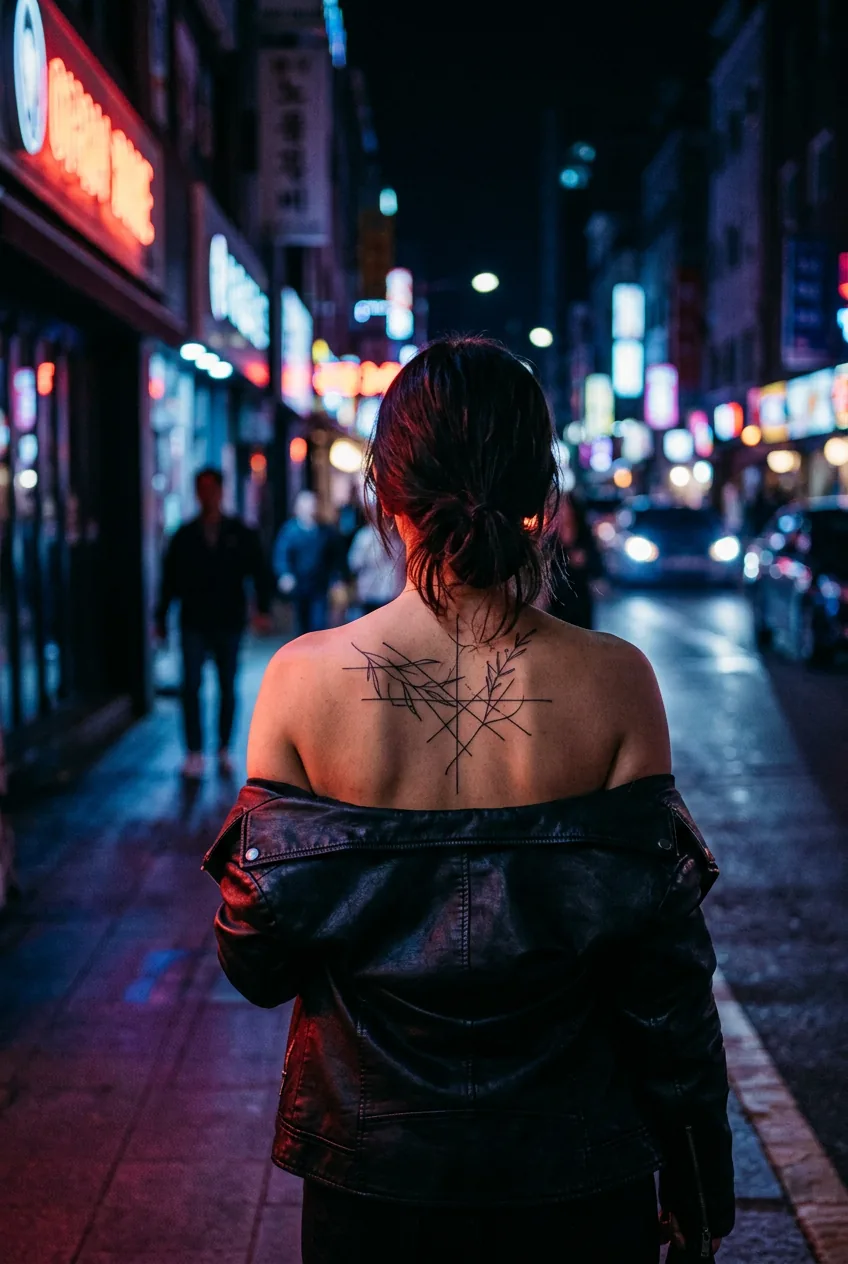
Social media also democratized tattoo knowledge in ways that were both good and problematic. Good: people could research artists, see portfolios, connect with communities. Problematic: complex cultural symbols got reduced to Pinterest boards with zero context about their origins or significance.
The rise of fine-line and minimalist back tattoos happened during this era too. Delicate spine scripts, tiny symbols scattered across shoulder blades — designs that looked incredible on Instagram but sometimes didn’t age well on actual skin. Spine tattoos carry specific challenges that social media rarely mentions.
Dating apps added another layer. Back tattoos became conversation starters, personality signals, ways to stand out in a swipe-heavy world. The intimate placement that once held spiritual significance now served as social currency.
What It Means Now
Here’s my controversial take: I think we’re entering a more thoughtful era of back tattoos. Maybe it’s generational fatigue with surface-level Instagram culture, or maybe people are craving deeper meaning again. But I’m seeing more clients who want to understand the weight of what they’re choosing.
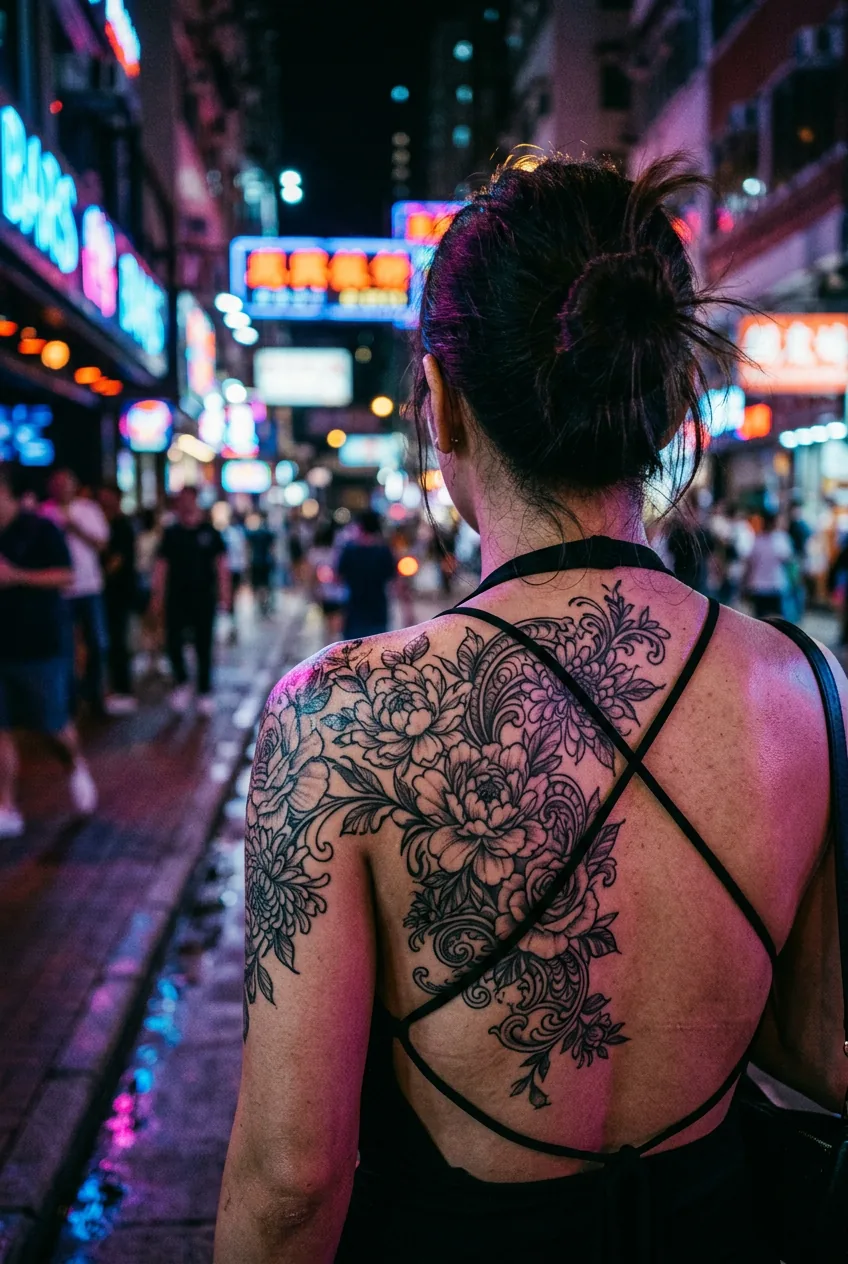
Modern back tattoos can honor tradition without appropriating it. I love seeing designs that nod to Polynesian patterns while staying clearly contemporary, or Japanese-inspired pieces that respect the form without copying sacred imagery. It requires research, respect, and honest conversations with artists who understand these distinctions.
Getting a spine tattoo today means navigating all these layers of history and meaning. Your back isn’t just skin — it’s a canvas that connects you to thousands of years of human storytelling, whether you realize it or not.
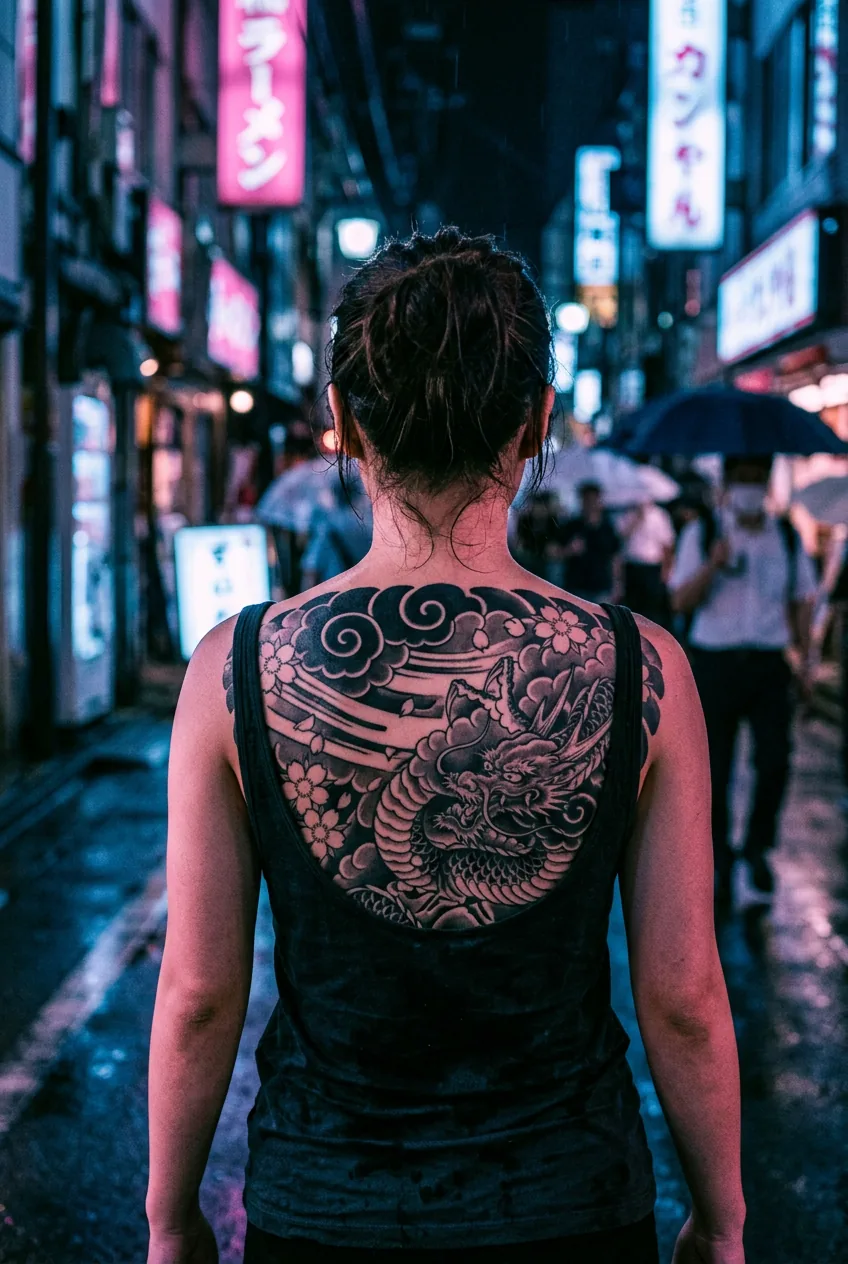
The placement choices available now are more diverse than ever. Full back pieces inspired by Japanese traditions. Delicate spine scripts that echo Celtic manuscripts. Abstract designs that reference Indigenous dot work without copying it directly. Cultural fusion designs show how modern artists are building bridges between traditions.
What excites me most is seeing younger tattoo enthusiasts who do their homework. They research cultural origins, choose artists who understand context, and think carefully about what stories they want their backs to tell. Placement decisions are becoming more intentional again, less driven by trends and more by personal meaning.
Your back will carry whatever you choose to put there for the rest of your life. Understanding the quiet history behind these traditions — the sacred, the rebellious, the commercialized, and the reclaimed — helps you make a choice that honors both the past and your own story. That connection to something larger than yourself? That’s where the real power of back tattoos has always lived.