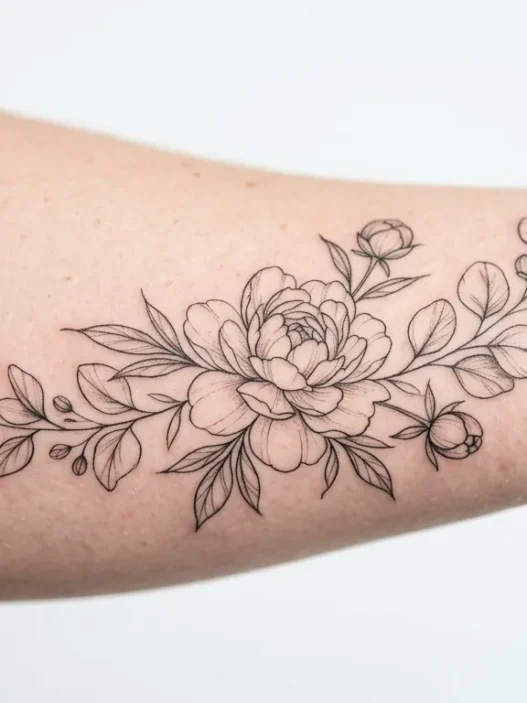



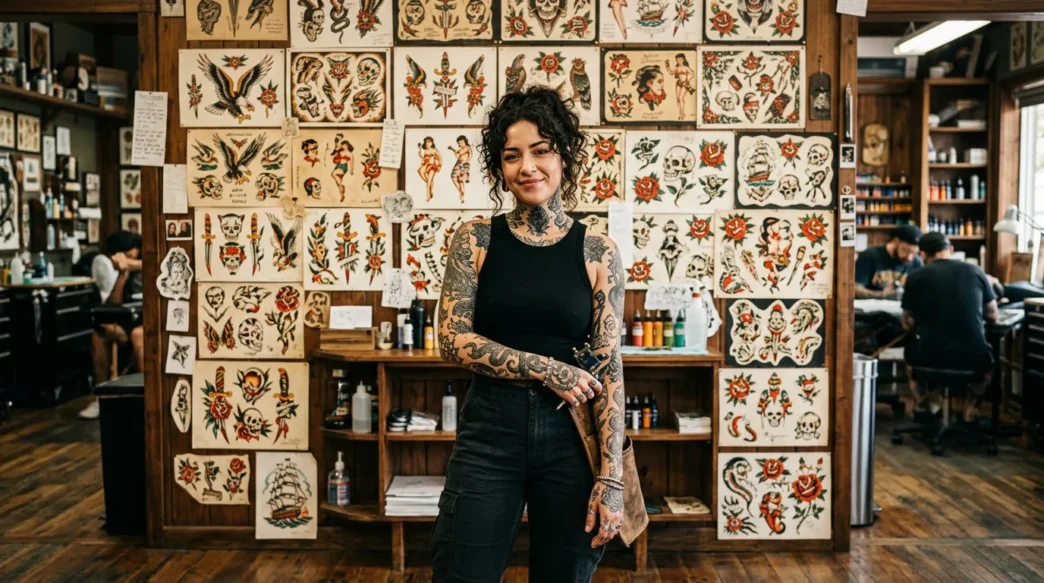
I got my first mythology tattoo four years ago — Freyja’s ravens wrapped around my forearm. The artist was talented, but when I asked about the symbolism, she just shrugged. “Norse stuff is really popular right now.” That moment taught me everything I needed to know about getting inked with ancient stories.
These aren’t just pretty pictures we’re talking about. When you choose to wear the gods and monsters of old civilizations on your skin, you’re carrying their weight. And honestly? Most people don’t realize what they’re signing up for.
Norse Mythology Keeps Taking Over
Walk into any tattoo shop in 2026 and you’ll see it. Mjolnir hammers, Yggdrasil trees, runic alphabets, and endless variations of Odin’s ravens. Norse mythology tattoos have completely dominated the scene, and while part of me loves seeing these ancient stories getting attention, another part of me worries about the trend factor.
The thing is, Norse mythology resonates with so many women right now because it’s full of powerful female figures. Freyja wasn’t just beautiful — she was a warrior who chose half the battle-slain. The Valkyries decided who lived and died. These stories give us goddesses who weren’t just pretty faces or maternal figures.
But here’s where it gets complicated. The imagery has been co-opted by some pretty problematic groups over the years. When I was researching my Freyja piece, I had to dig deep to make sure the specific symbols I wanted weren’t tied to hate movements. It’s exhausting, but it’s necessary homework.
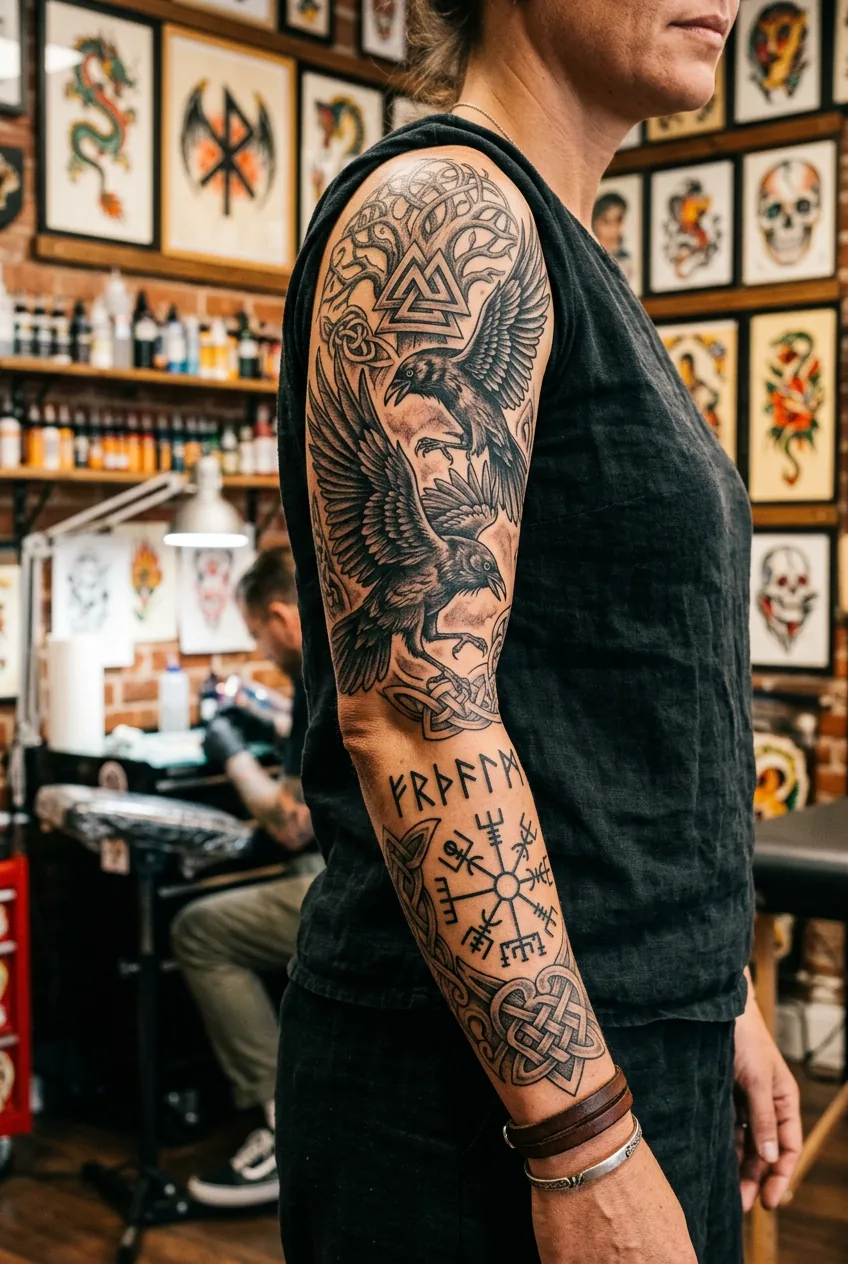
I’ve noticed that most people gravitate toward the “safe” Norse symbols — Thor’s hammer, ravens, wolves. The deeper mythology gets ignored. Where are the tattoos of Hel, half-dead and half-alive? Where’s Jormungandr, the world serpent? The popular imagery barely scratches the surface of these incredibly complex belief systems.
My advice? If you’re drawn to Norse mythology, spend time with the actual stories. Read the Prose Edda. Understand that Loki isn’t Marvel’s mischievous antihero — he’s a complex figure who embodies chaos and change. These aren’t superhero origins. They’re spiritual frameworks that guided entire civilizations.
The Greek Pantheon Problem
Greek mythology tattoos feel safer somehow. Maybe it’s because we learned about them in school, or because they seem more “classical” and less controversial. But that familiarity can be deceptive. The Greek gods were petty, vengeful, and complex in ways that don’t always translate well to Instagram-worthy ink.
Take Aphrodite tattoos. She’s everywhere right now — gorgeous goddess of love rendered in soft pastels and flowing lines. But Aphrodite was also responsible for the Trojan War. She was married to Hephaestus but had affairs with Ares. The stories are messy and human and brutal.
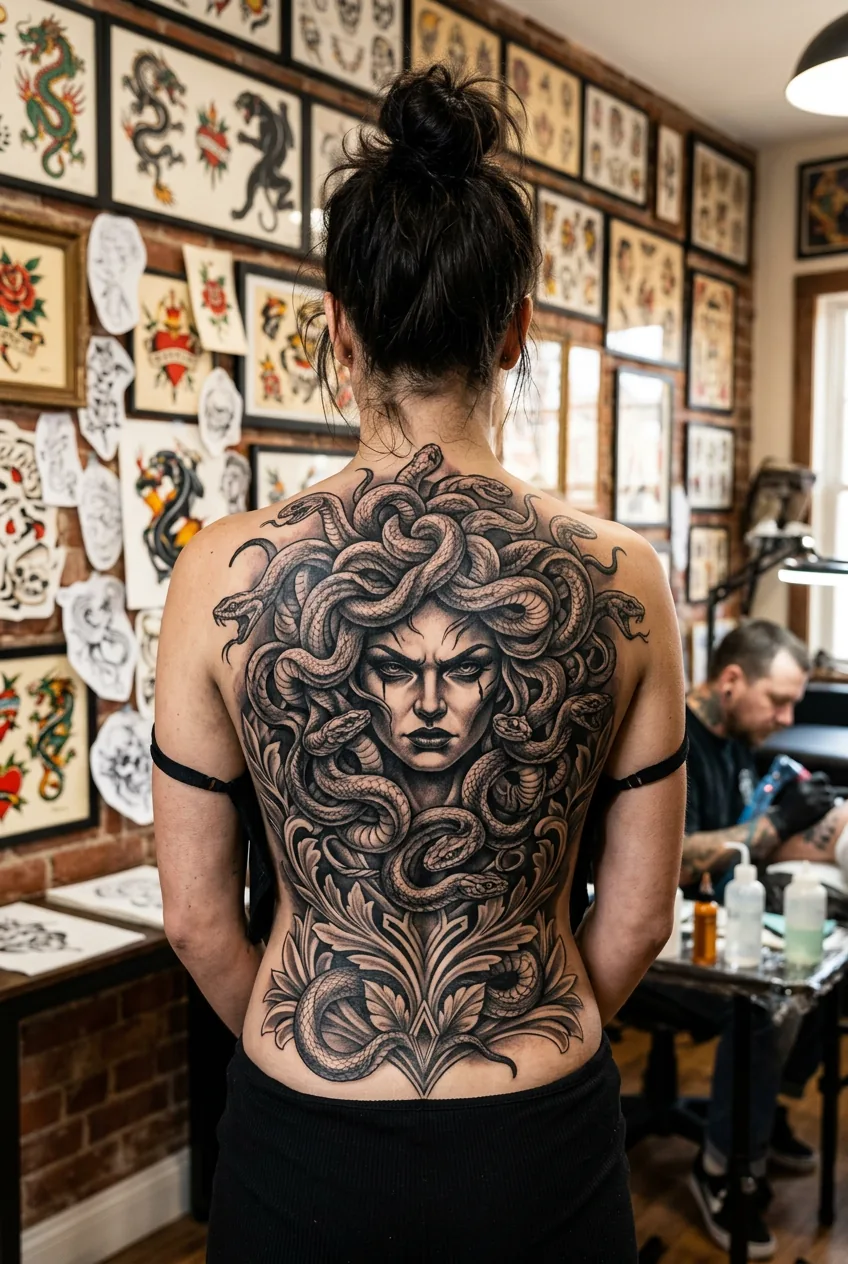
I’ve seen so many beautiful Medusa pieces recently, and I love that women are reclaiming her as a symbol of protection and feminine rage. But I’ve also seen artists who clearly don’t understand that Medusa was a victim first, monster second. The details matter.
What bothers me most about Greek mythology tattoos is how sanitized they’ve become. Athena gets portrayed as this wise, peaceful goddess, but she was also a war deity who could be incredibly cruel. Artemis wasn’t just a nature lover — she turned Actaeon into a stag and watched her hounds tear him apart for accidentally seeing her naked.
The Greek pantheon reflects humanity at its most extreme — both beautiful and terrible. If you’re going to wear these stories, own their complexity. Don’t just pick the pretty parts.
Celtic Knots and Cultural Boundaries
This is where things get really tricky, and honestly, it’s a conversation I wish more people were having. Celtic mythology tattoos occupy this weird space where everyone assumes they’re “safe” because Celtic culture feels distant and romantic. Trinity knots, Celtic crosses, spirals, tree of life designs — they’re everywhere.
But Celtic culture isn’t extinct. There are living Celtic communities with ongoing traditions, and some of them have complicated feelings about their sacred symbols being turned into trendy tattoos. I spent months researching this before getting my small triple spiral, and even then, I questioned whether I had the right.
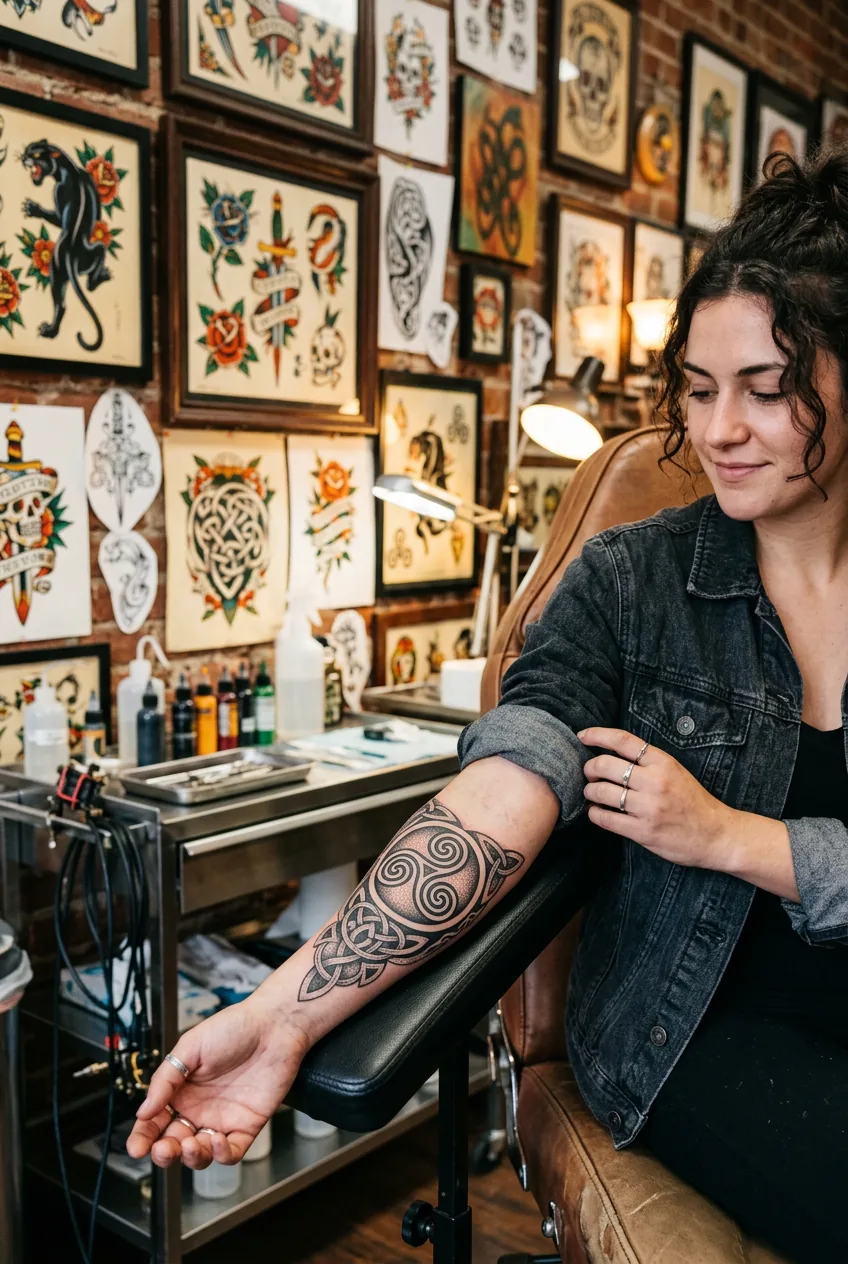
The commercialization bothers me most. Walk into any tourist shop in Ireland and you’ll find mass-produced “Celtic” designs that have no historical basis. Real Celtic art was incredibly sophisticated — the spirals and interlacing had specific meanings tied to seasons, elements, and spiritual beliefs. Most of what gets tattooed is Victorian romanticism of Celtic culture, not the actual thing.
And can we talk about the “Irish pride” Celtic tattoos worn by Americans who haven’t been to Ireland in three generations? There’s something uncomfortable about claiming cultural symbols based on distant ancestry, especially when those symbols still have living meaning for people who never left.
My rule: if you’re drawn to Celtic mythology, learn about it from Celtic sources. Not Wikipedia, not Pinterest, not your tattoo artist’s flash sheets. Find scholars, visit museums, understand the context. Academic Celtic studies can give you the foundation that trendy designs can’t.
Finding Artists Who Actually Know Their Stuff
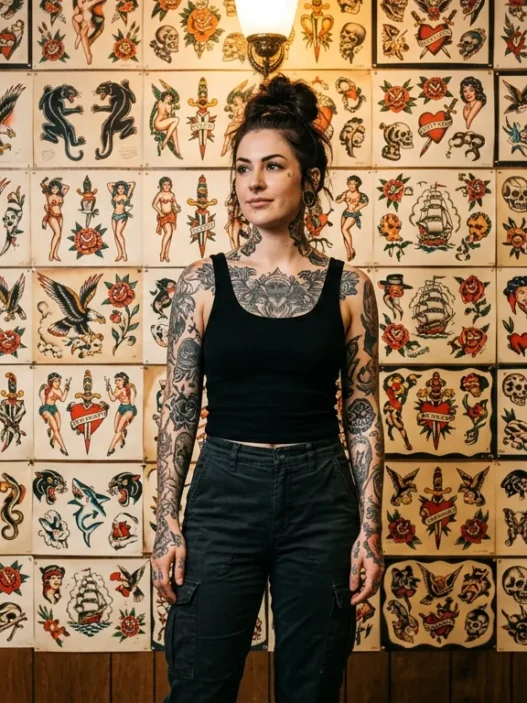
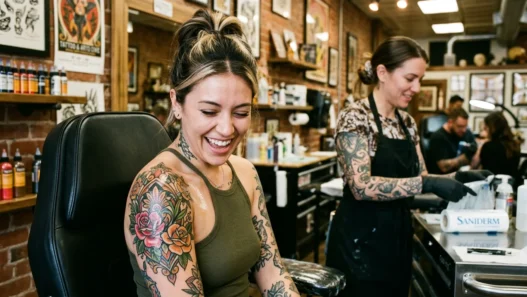
Here’s the real challenge with mythology tattoos: finding an artist who understands the source material. I’ve been to consultations where artists confidently mixed Norse and Celtic symbols, or portrayed Greek gods with completely wrong attributes. The skill level might be there, but the knowledge often isn’t.
The best mythology tattoo artists I’ve worked with do their homework. They ask questions about why you’re drawn to specific symbols. They research the historical context. They push back when you want something that doesn’t make mythological sense.
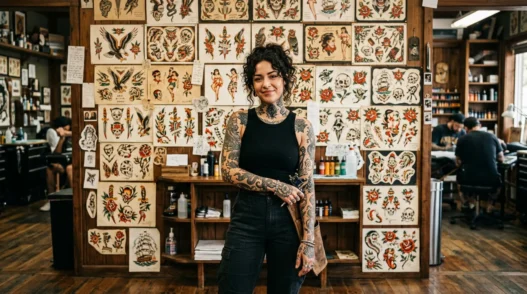
My Norse artist spent two hours talking with me about the different Eddas before we even discussed design. She had books in her studio, not just reference photos from Google. When I wanted to add certain runic letters, she explained why some combinations would be historically inaccurate.
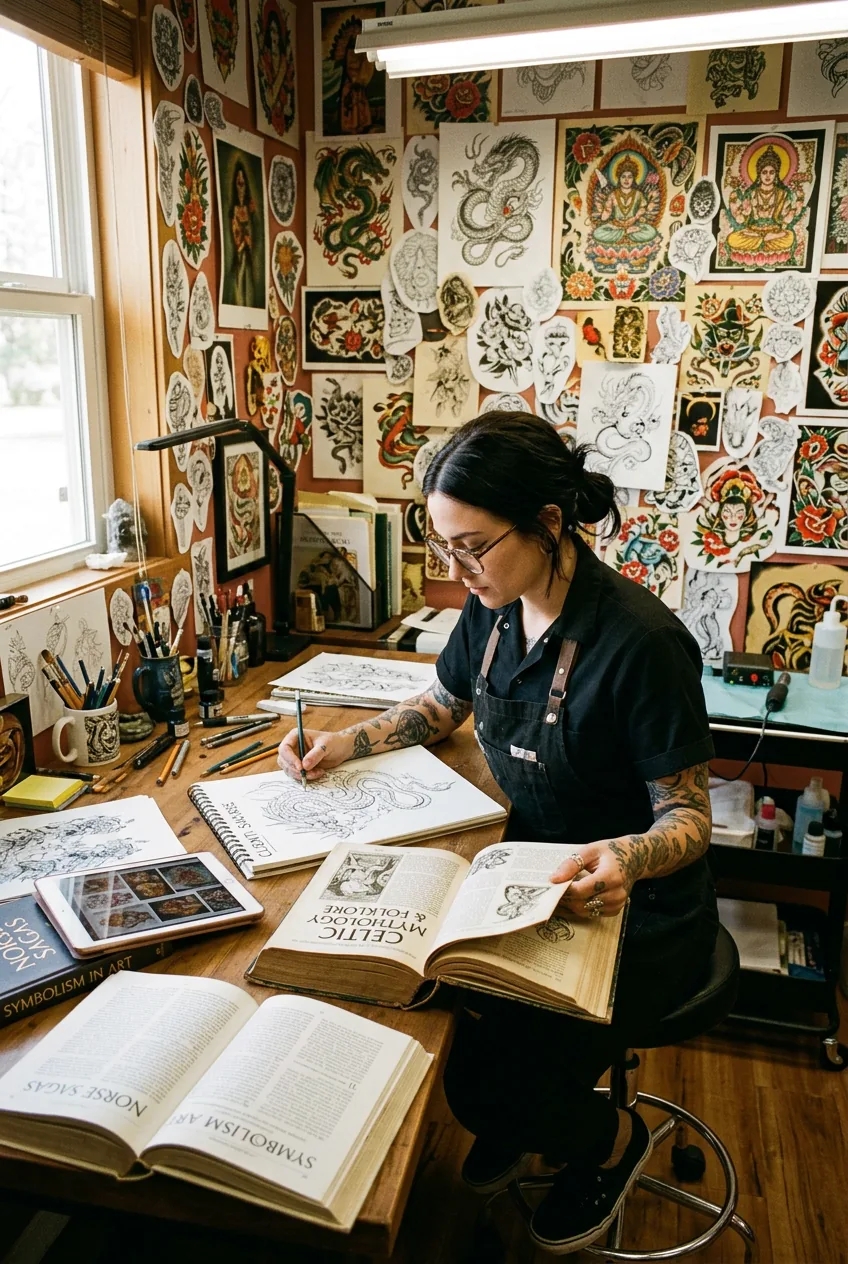
Red flags to watch for: artists who mix mythologies without explanation, who can’t tell you anything about the symbols they’re drawing, or who dismiss your questions about cultural appropriation. Good artists want to get it right.
Look for artists who specialize in the specific mythology you want. Follow their research process on social media. Ask them about their sources. The consultation should feel like a college lecture, not a fast-food order.
And please, budget for this properly. Detailed mythology pieces take time, and knowledgeable artists charge accordingly. Professional tattoo pricing varies by region, but expect to pay for expertise.
Watch How Real Artists Research
What These Stories Really Mean on Your Skin
Nobody warns you about this part: ancient mythology tattoos change you. Not in some mystical way — though some people believe that too — but in how you move through the world. You become a walking conversation starter about gods and monsters and cultural history.
My Freyja ravens have sparked more discussions than I ever expected. People want to know about the stories. They share their own connections to Norse culture. Sometimes they tell me about their grandmother’s Swedish heritage or their trip to Iceland. The tattoo becomes a bridge.
But it also becomes a responsibility. When someone asks about your Athena owl or your Celtic knot, you’re representing that tradition. You’re either spreading knowledge or spreading misconceptions. That weight sits differently than other tattoo styles.
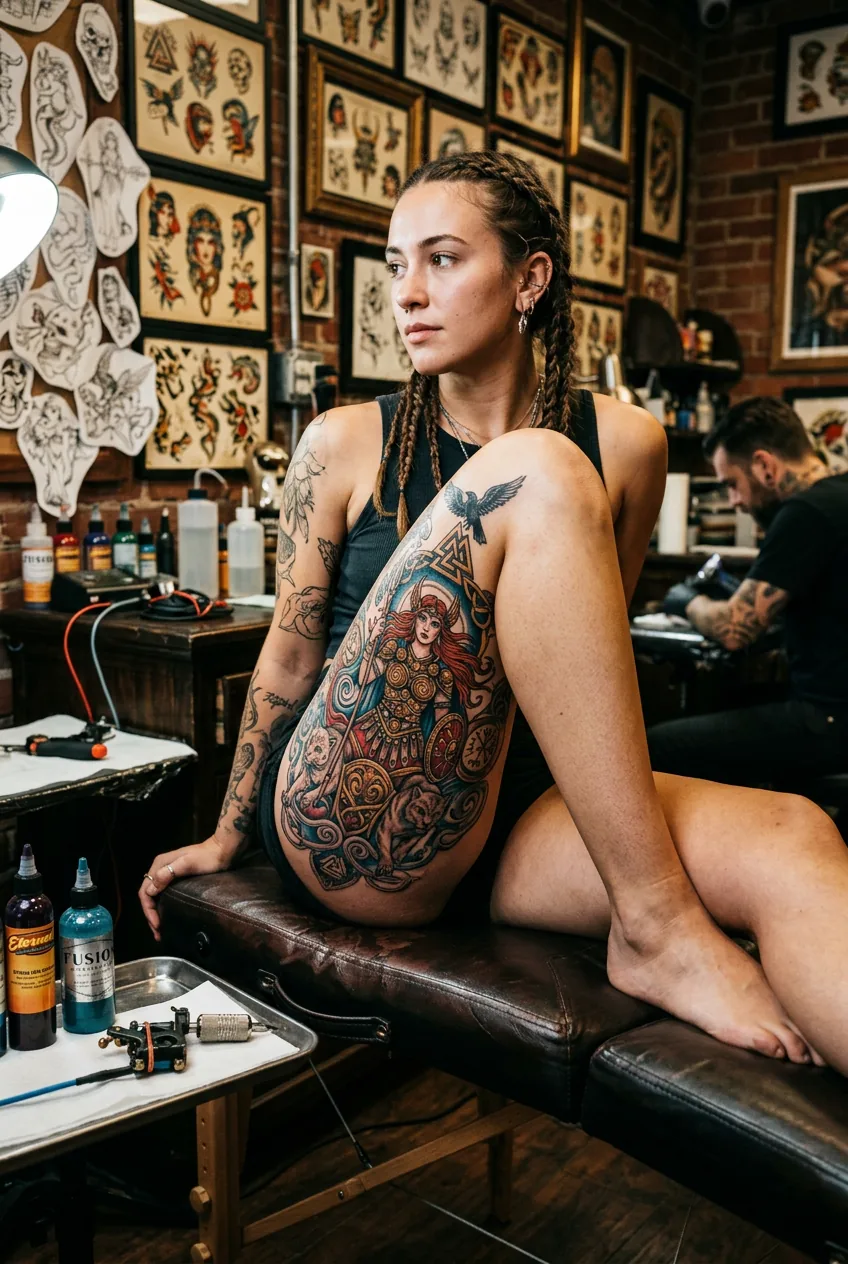
The personal meaning evolves too. What started as admiration for Freyja’s warrior spirit has become a daily reminder about embracing both beauty and strength. The ravens, Huginn and Muninn (Thought and Memory), make me more conscious of how I process experiences.
Some days I feel the weight of carrying ancient symbols on modern skin. These stories survived Vikings and Romans and centuries of cultural suppression. They’re not decoration — they’re living mythology that people died to preserve.
Consider this before you commit: are you ready to be an ambassador for these stories? Because that’s what you’re signing up for. You might find yourself reading more about ancient cultures than you ever planned. I’ve got a whole bookshelf now that didn’t exist before my first mythology tattoo. Check out timeless ink that carries similar weight — these aren’t trendy choices.
The Weight of Ancient Symbols
Let me be controversial for a minute: I think most people aren’t ready for mythology tattoos. Not because they can’t handle the pain or the commitment, but because they haven’t done the emotional and intellectual work these symbols demand.
Ancient symbols weren’t created for aesthetic purposes. They were functional — they told stories, marked identity, provided protection, connected communities to their beliefs. When we strip away that context and use them as decoration, we’re missing the entire point.
I’ve watched friends get mythology tattoos on impulse, then struggle with what they mean when people ask. One friend got a beautiful Mjolnir but couldn’t explain Thor’s relationship to ordinary people versus the gods. The symbol became hollow because the knowledge wasn’t there to support it.
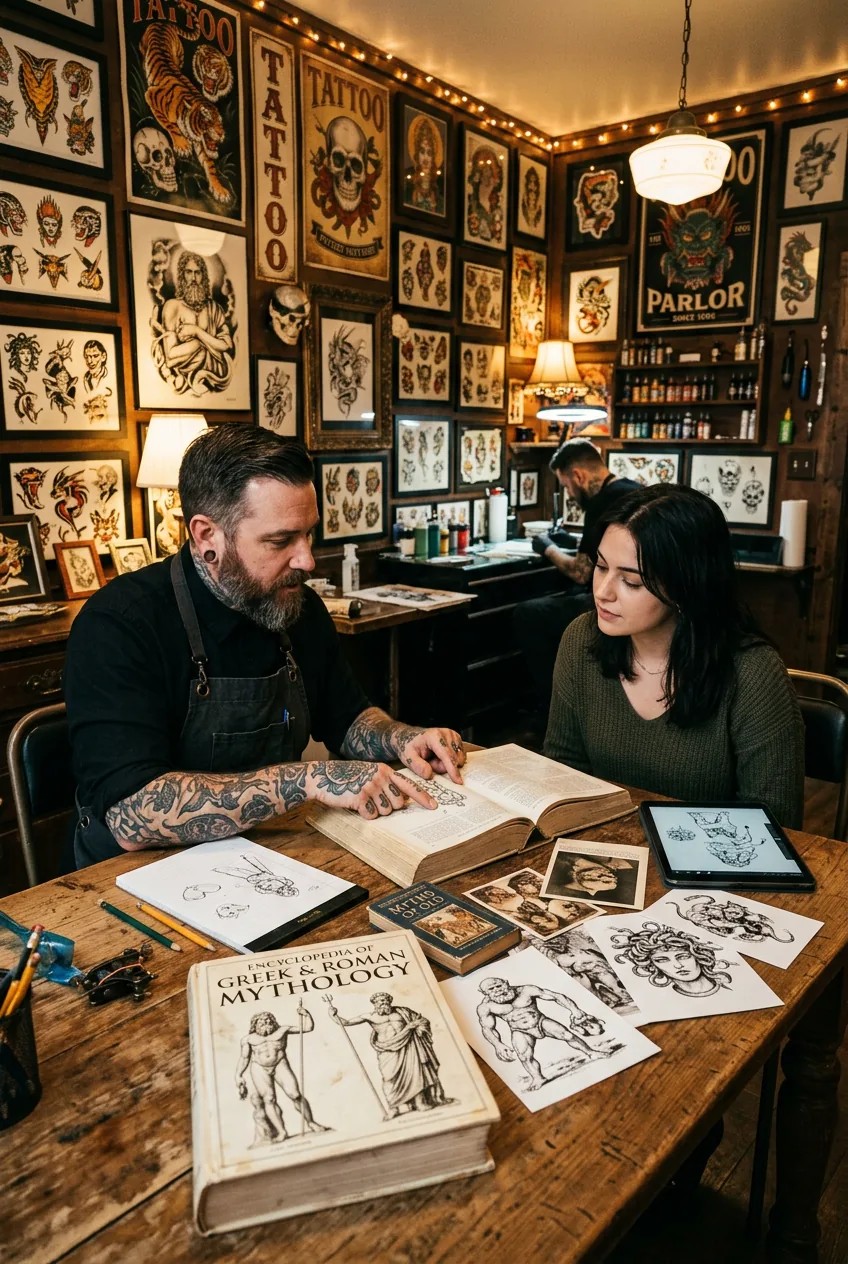
The solution isn’t to avoid these tattoos — it’s to earn them. Spend time with the stories. Understand the culture they came from. Recognize the difference between appreciation and appropriation. Make sure your artist shares this respect.
My unpopular opinion? Wait at least a year between deciding you want a mythology tattoo and actually getting it. Use that time to dive deep. Read primary sources. Visit museums. Travel to relevant places if you can. Let the stories marinate.
Because here’s the thing about ancient symbols: they remember. They carry the weight of everyone who believed in them, fought for them, died protecting them. That’s not something to take lightly.
When you’re ready — really ready — mythology tattoos can be transformative. They connect you to something larger than trend cycles and Instagram likes. They make you a keeper of stories that deserve to survive another generation.
Just make sure you’re worthy of that responsibility.