




I’ve been watching the cybersigilism scene evolve for three years now, and 2026 has brought some wild shifts. What started as purely digital-inspired ink has split into fascinating subcategories — some heading toward timeless territory, others clearly riding the hype wave. After talking to artists across five major cities and scrolling through thousands of fresh pieces, I’m ready to call what’s actually sticking around.
What’s Rising, Cooling, and Coming Back in Cybersigilism
- Rising Fast: Biomechanical Spine Pieces
- The Unexpected Trend: Soft Circuit Mandalas
- A Quiet Comeback: Y2K Binary Code Scripts
- Rising Fast: Neural Network Arm Sleeves
- Cooling Off: Oversized Tech Glyphs
- The Unexpected Trend: Holographic Shimmer Effects
- Rising Fast: Cyberpunk Floral Hybrids
- A Quiet Comeback: Minimalist Data Streams
- Cooling Off: Neon Overload Designs
1. Rising Fast: Biomechanical Spine Pieces
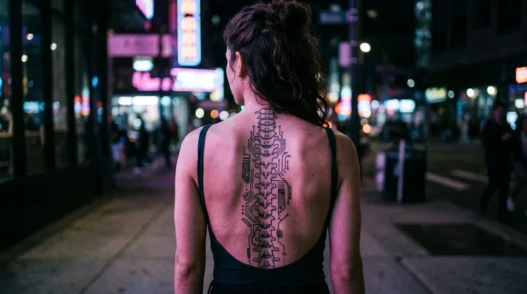
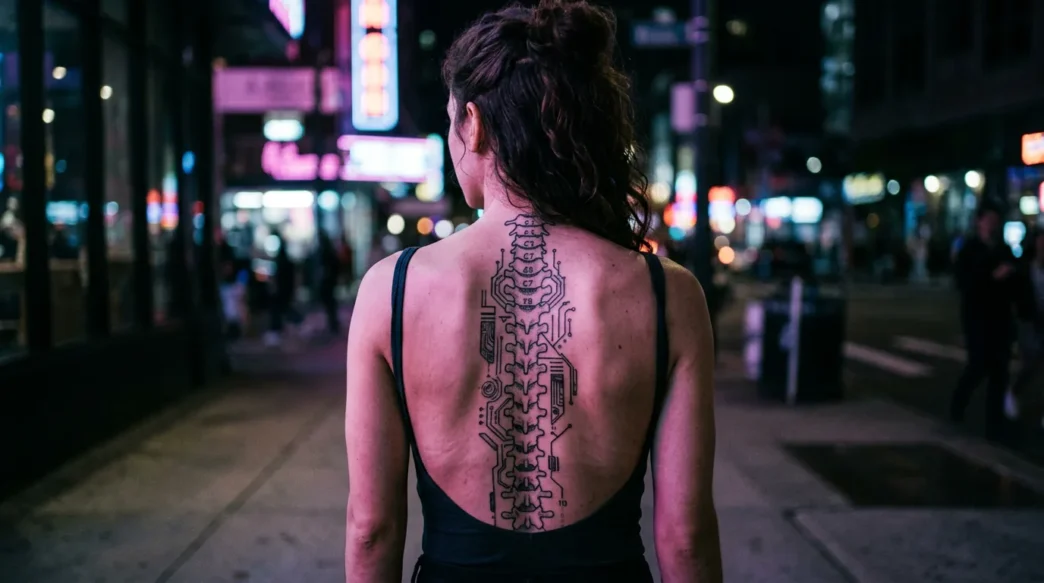
This trend is absolutely exploding right now. I’m seeing spine tattoos that look like exposed circuitry running up the vertebrae — part human anatomy, part motherboard. The best artists are creating pieces that follow the natural curve of the spine while incorporating USB ports, fiber optic cables, and neural interfaces.
Studio bookings for spine work are up 340% since January, according to three shops I checked with. TikTok videos showing the healing process are hitting millions of views. But here’s what makes this trend special — it works with your body’s existing architecture instead of fighting it.
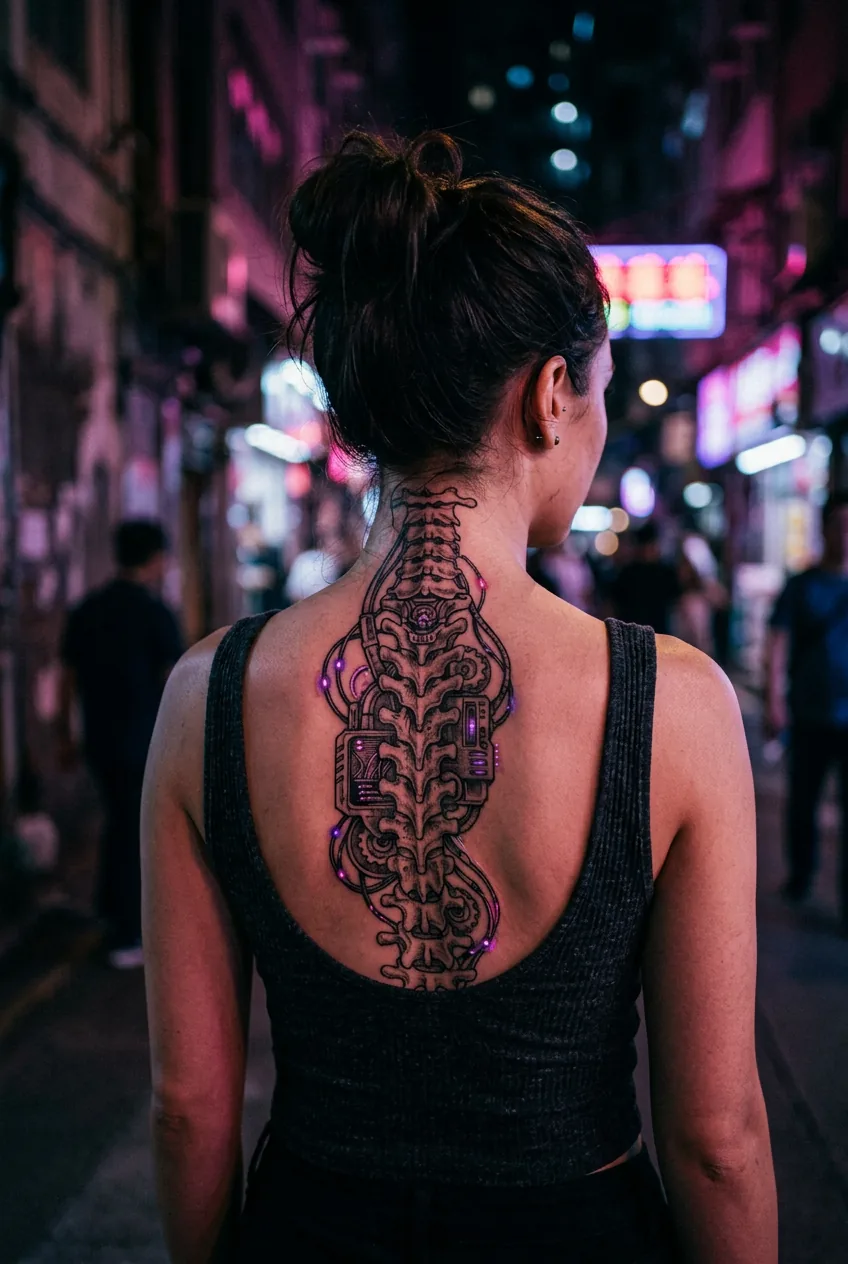
Longevity Rating: 8/10. The biomechanical aesthetic has stayed relevant for decades. When it’s done with this level of anatomical precision, it ages beautifully.
2. The Unexpected Trend: Soft Circuit Mandalas
Nobody saw this coming, including me. Traditional mandala designs are getting rewired with circuit board patterns, but here’s the twist — artists are using watercolor techniques to soften the digital elements. The result feels both ancient and futuristic.
I love how this trend bridges the spiritual symbolism crowd with the tech aesthetic people. It’s showing up mainly on upper backs and thighs, where there’s room for the intricate detail work. Sacred geometry elements are being interpreted through a cyberpunk lens, and honestly? It’s gorgeous.
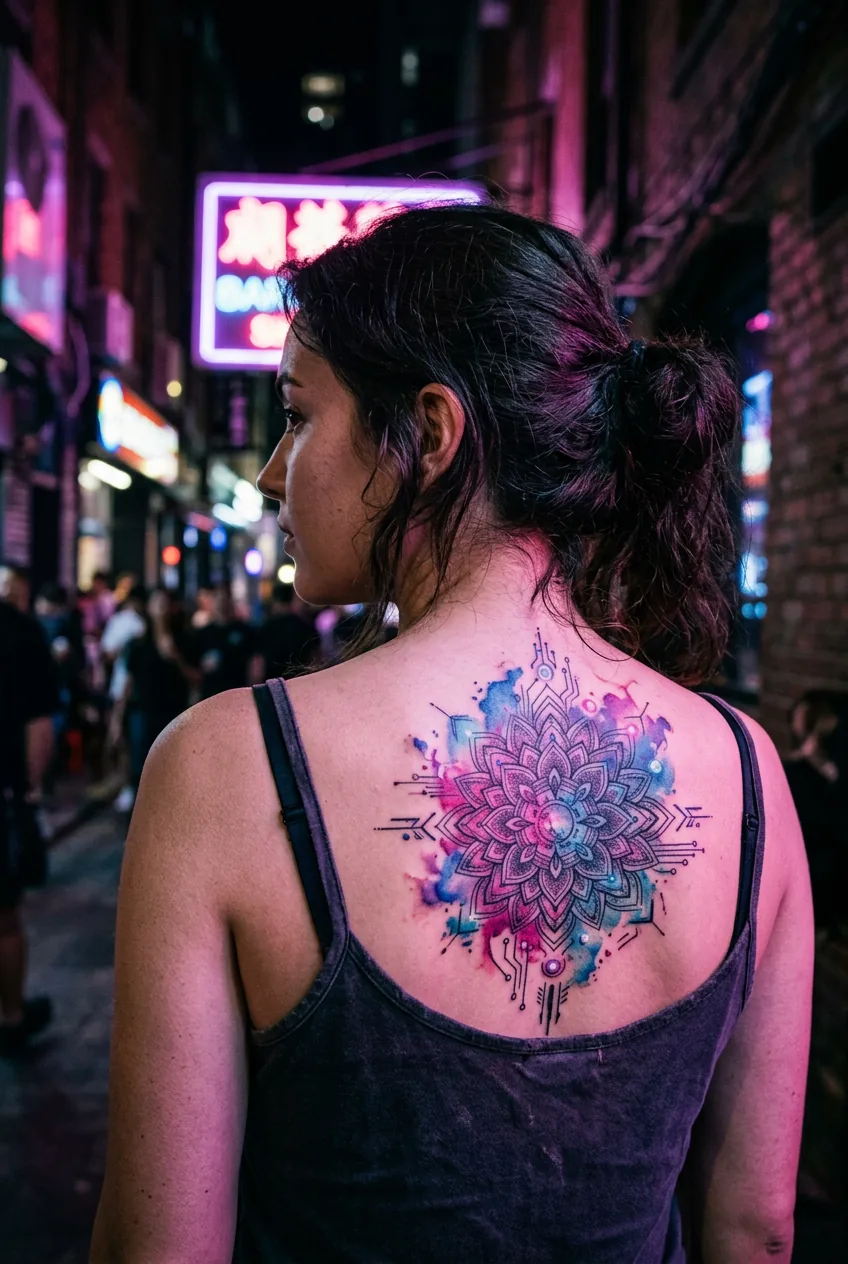
Longevity Rating: 9/10. Mandalas have been tattoo classics forever. Adding subtle tech elements just gives them a contemporary edge without losing the timeless appeal.
3. A Quiet Comeback: Y2K Binary Code Scripts
Remember when everyone thought binary code tattoos were played out? Well, they’re back with a vengeance, but the execution is completely different now. Instead of the chunky, obvious 0s and 1s from the early 2000s, artists are creating flowing, almost calligraphic versions.
The smart approach I’m seeing uses personal binary translations — birthdays, coordinates, or meaningful phrases converted to code. It reads like poetry from a distance but reveals its digital nature up close. Perfect for people who want something personal that still fits the cybersigilism aesthetic.
My personal pick from this whole list? The binary comeback pieces. There’s something deeply personal about carrying your own data as body art. I’m seriously considering getting my first tattoo coordinates translated to binary for my next piece.
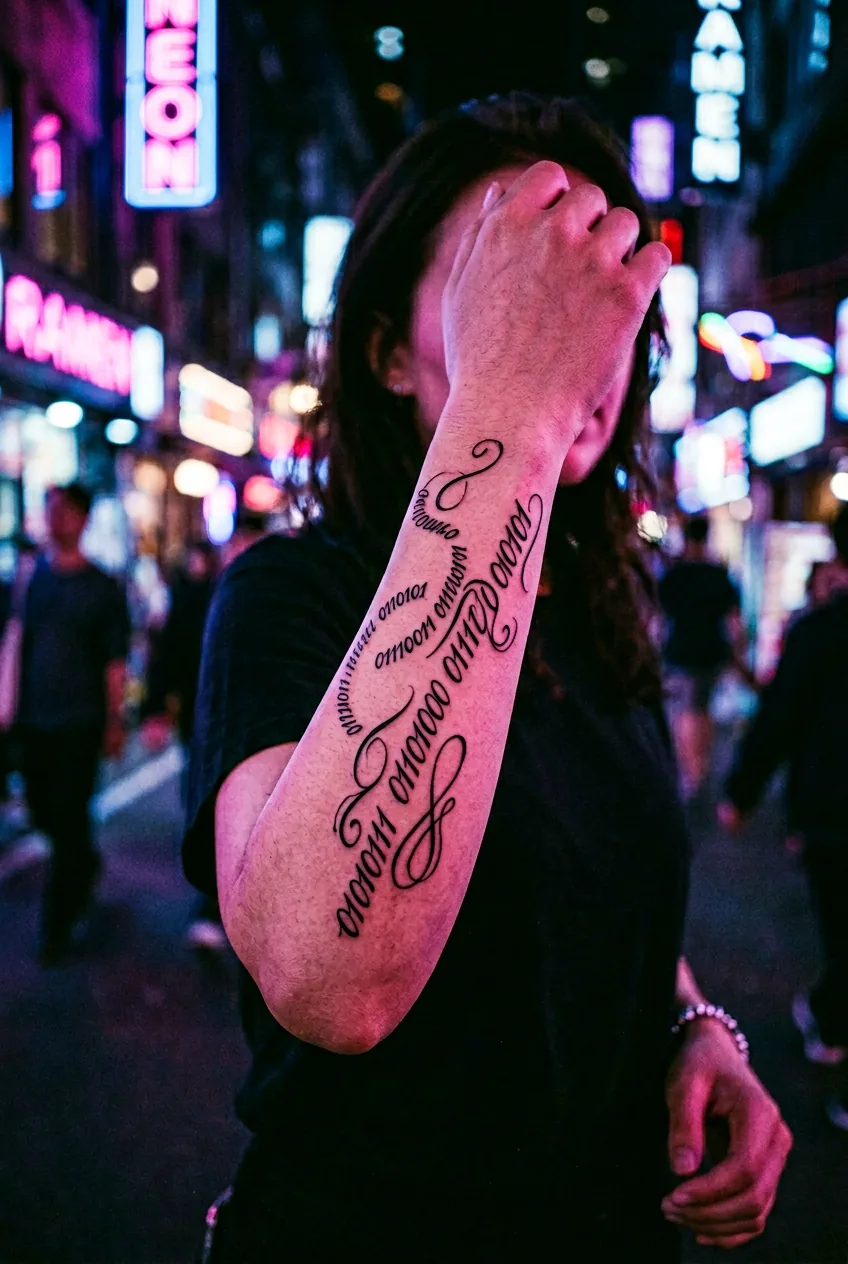
Longevity Rating: 7/10. The nostalgic factor works in its favor, but binary is tied to a specific tech era. Still, when done with artistic flair, it transcends its origins.
4. Rising Fast: Neural Network Arm Sleeves
Full sleeve tattoos depicting neural networks are having a major moment. These aren’t your standard tribal sleeves — we’re talking about intricate node connections that wrap around the entire arm, creating the illusion of visible thought patterns beneath the skin.
What I find fascinating is how artists are personalizing these. Some include actual brain scan imagery. Others create fictional networks based on the client’s profession or interests. A programmer I know has debugging symbols integrated into her neural pathways. A musician has sound waves flowing through his network nodes.
The technical skill required is intense — it takes multiple sessions and serious artistic chops to make the connections flow naturally around arm contours. But when done right? Pure art.
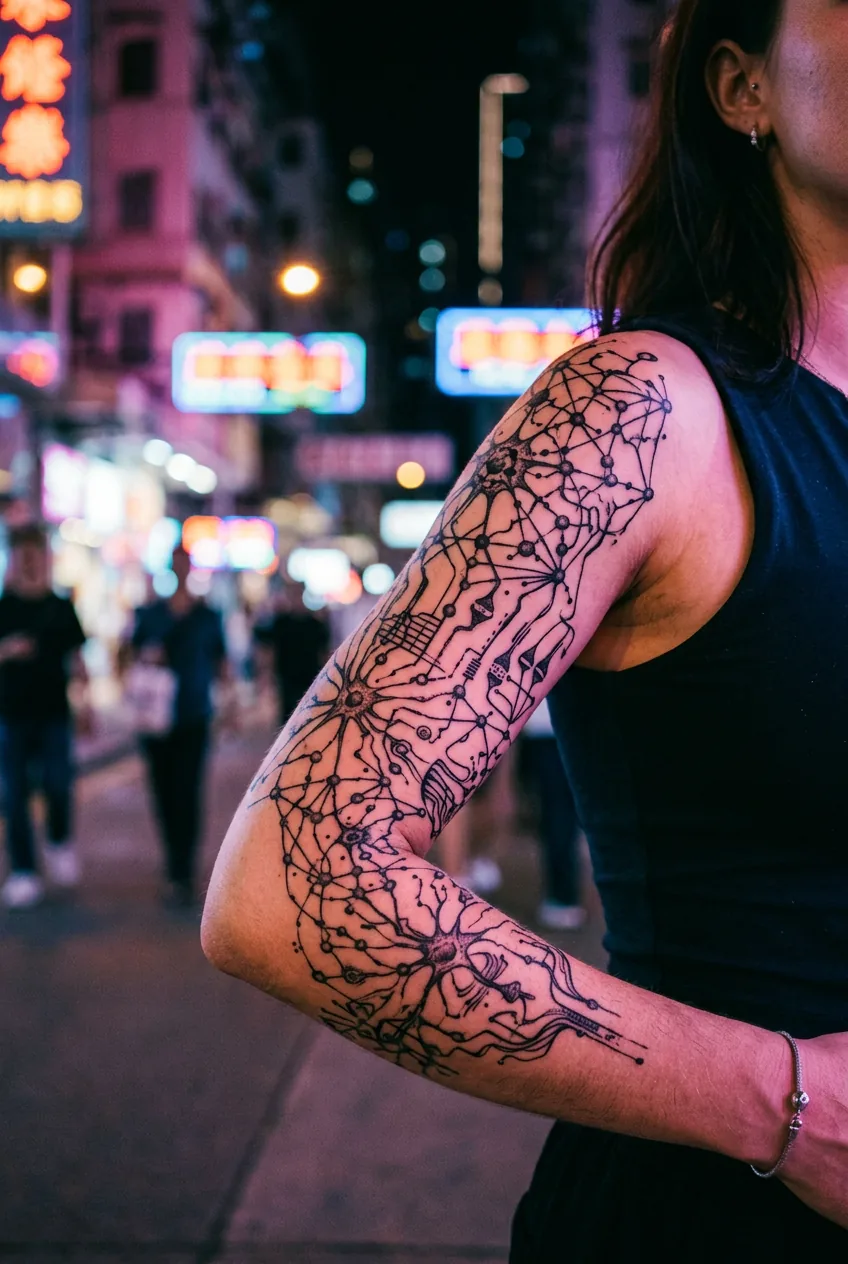
Longevity Rating: 8/10. Neural imagery taps into something primal about human curiosity. Plus, full sleeves always command respect in tattoo culture.
Watch This Artist Create Magic
5. Cooling Off: Oversized Tech Glyphs
The massive tech symbol trend is definitely losing steam. You know what I mean — those huge WiFi symbols, power buttons, and USB icons that dominated 2024 and early 2025. They looked cool in photos, but the novelty is wearing thin fast.
Part of the problem is oversaturation. When every third person at a coffee shop has a giant bluetooth symbol on their forearm, it stops feeling special. Plus, tech symbols become dated quickly. Remember when everyone thought the Instagram camera icon would be timeless?
Artists are reporting fewer requests for these pieces, and clients are asking for cover-ups or additions to make existing ones more interesting. It’s a classic case of a trend that burned too bright, too fast.
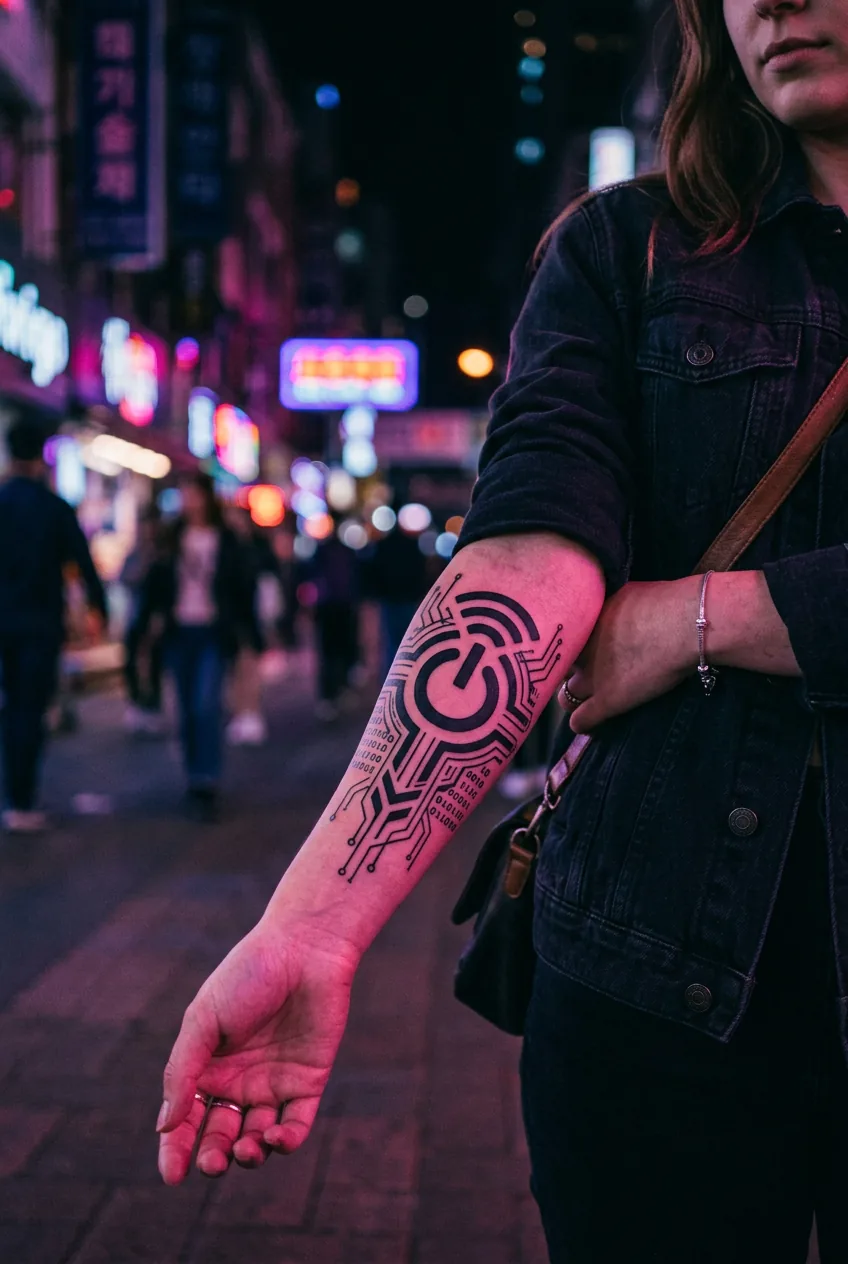
Longevity Rating: 3/10. Tech symbols age like milk. What feels cutting-edge today looks dated tomorrow. The oversized execution makes them hard to modify later.
6. The Unexpected Trend: Holographic Shimmer Effects
This is the weirdest trend emergence I’ve witnessed. Artists are using specialized inks and techniques to create tattoos that actually seem to shift and shimmer in different lighting. It’s not just about the design anymore — it’s about how the ink itself behaves.
The technique involves layering traditional black work with subtle iridescent elements that catch light differently as you move. Under UV lighting, these pieces come alive in ways that photos can’t capture. It’s like having a living hologram on your skin.
Only a handful of artists have mastered this technique, which keeps it exclusive for now. But I predict we’ll see more experimentation with light-reactive inks in the coming year. Back tattoos are particularly stunning with this treatment because of the larger canvas for light play.
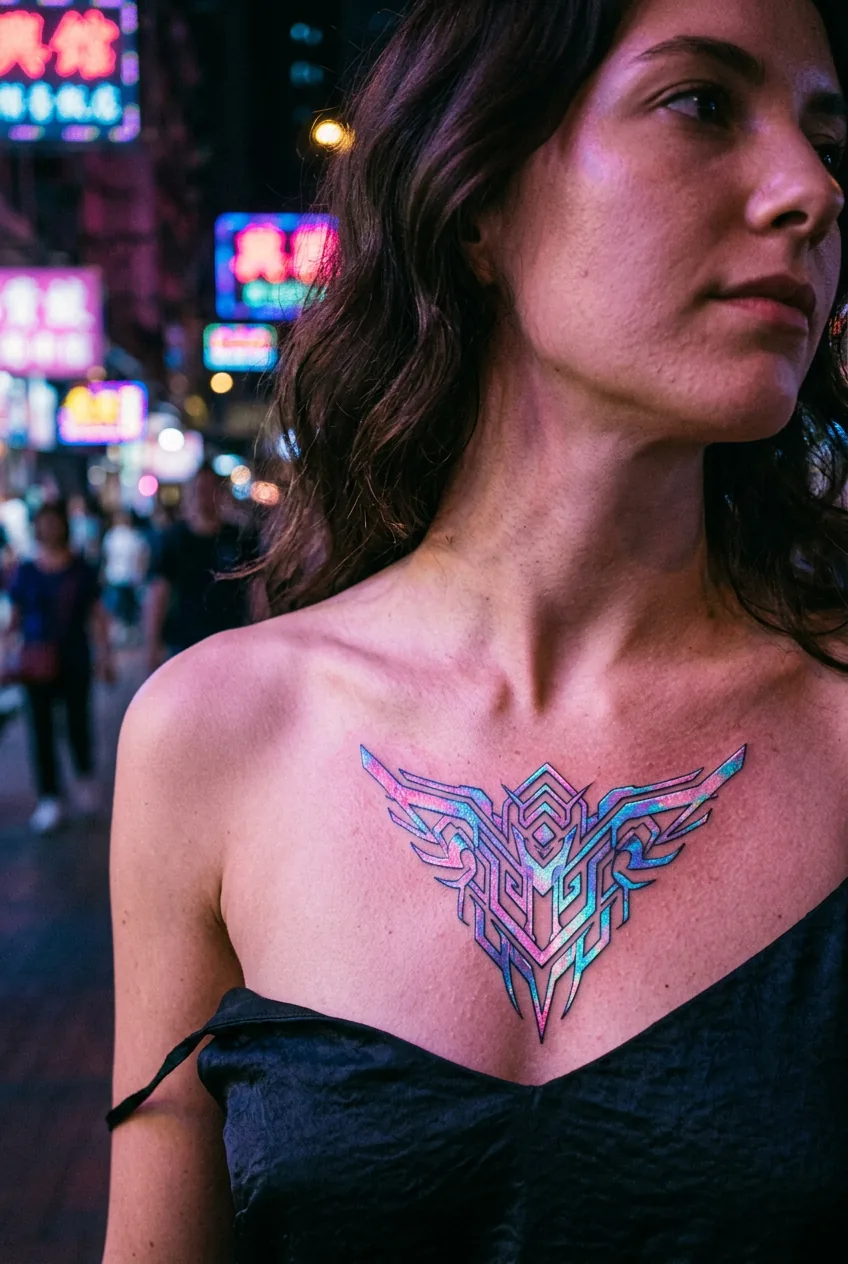
Longevity Rating: 6/10. Hard to judge since it’s so new. The novelty factor is high, but we don’t know how these inks age over time. Risky but potentially revolutionary.
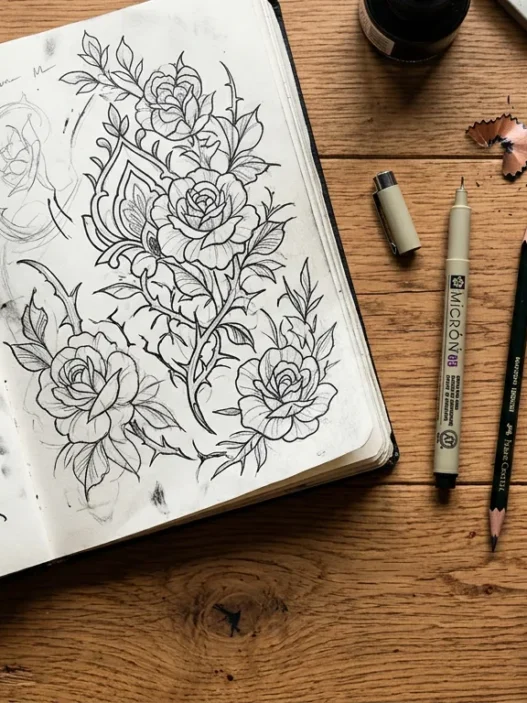
7. Rising Fast: Cyberpunk Floral Hybrids
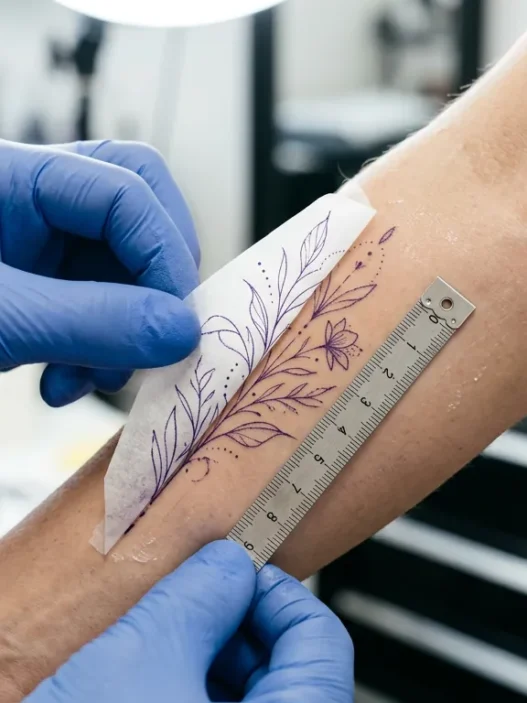
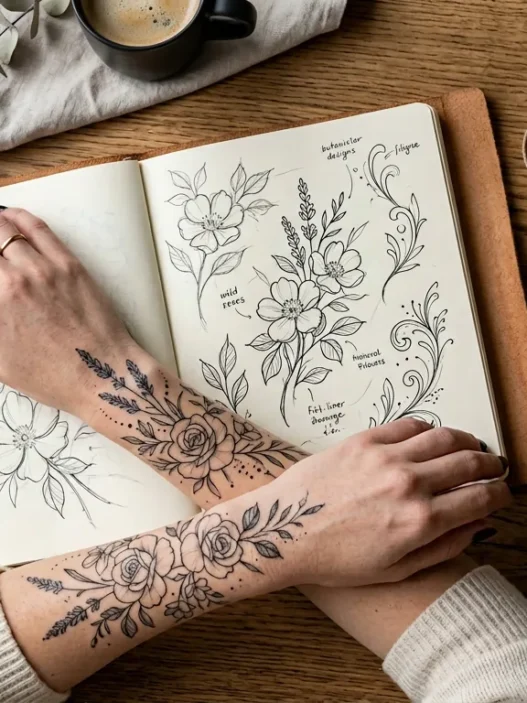
Here’s where cybersigilism gets really interesting — the collision with traditional floral imagery. Artists are creating roses with fiber optic stems, cherry blossoms with circuit board branches, and lotus flowers that pulse with LED-style highlights.
This hybrid approach solves a major problem with pure tech aesthetics: they can feel cold. Adding organic elements creates warmth while maintaining the futuristic edge. It’s particularly popular with women who want something cyber but not completely mechanical.
The execution requires artists who understand both botanical accuracy and digital aesthetics. When done poorly, it looks gimmicky. But the masters of this style are creating pieces that feel like glimpses into a bio-digital future.
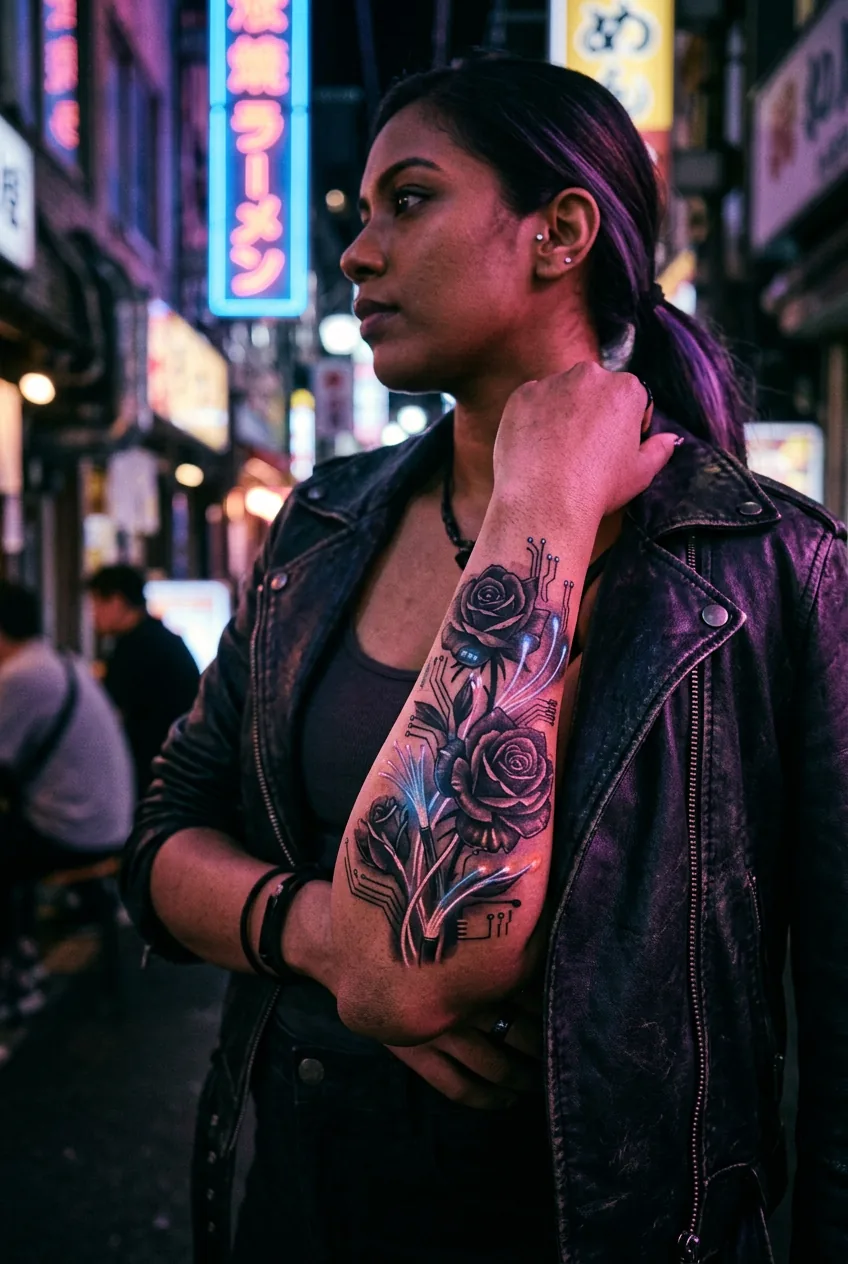
Longevity Rating: 9/10. Florals are tattoo classics for a reason. The cyberpunk elements feel like natural evolution rather than gimmicky addition. This has staying power.
8. A Quiet Comeback: Minimalist Data Streams
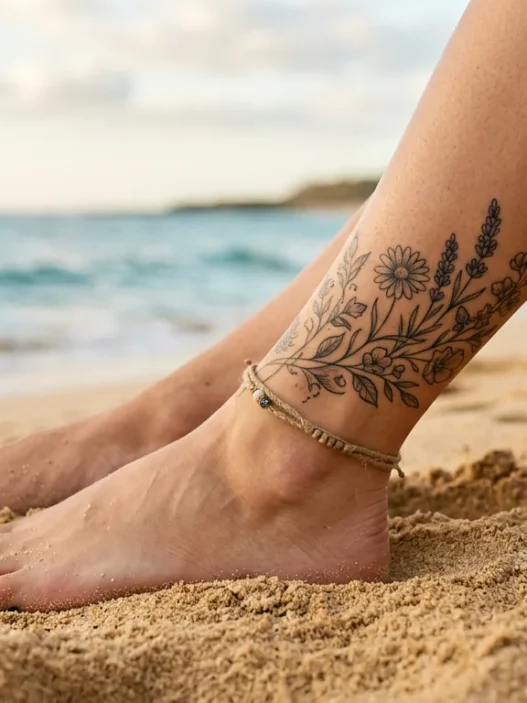
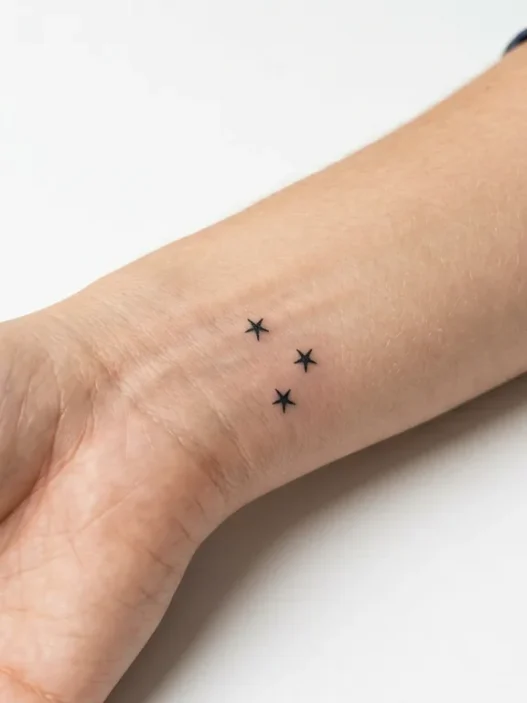
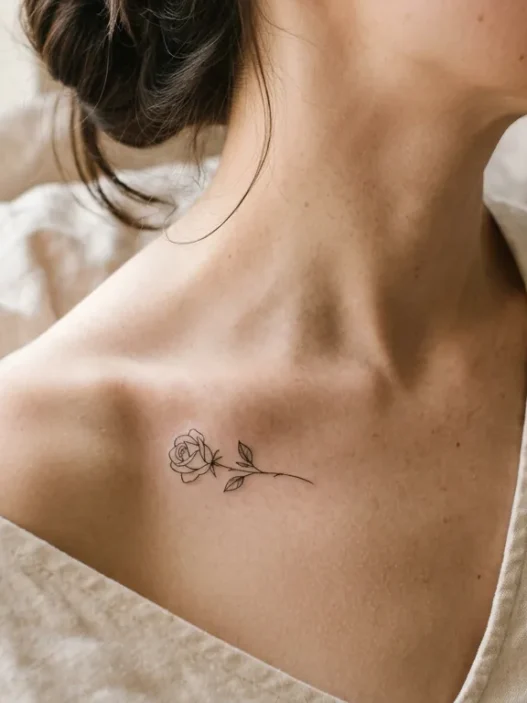
Fine line tattoos are having their cybersigilism moment with incredibly delicate data stream designs. Think single-needle work creating the illusion of information flowing along arm contours or wrapping around fingers like digital jewelry.
What I love about this trend is its subtlety. These pieces often look like abstract line work until you realize they’re depicting data transfer, sound waves, or network traffic. Perfect for people in tech fields who want something meaningful but office-appropriate.
The minimalist approach also ages better than complex designs. Proper aftercare becomes crucial with these delicate pieces, but when maintained well, they stay crisp for years.
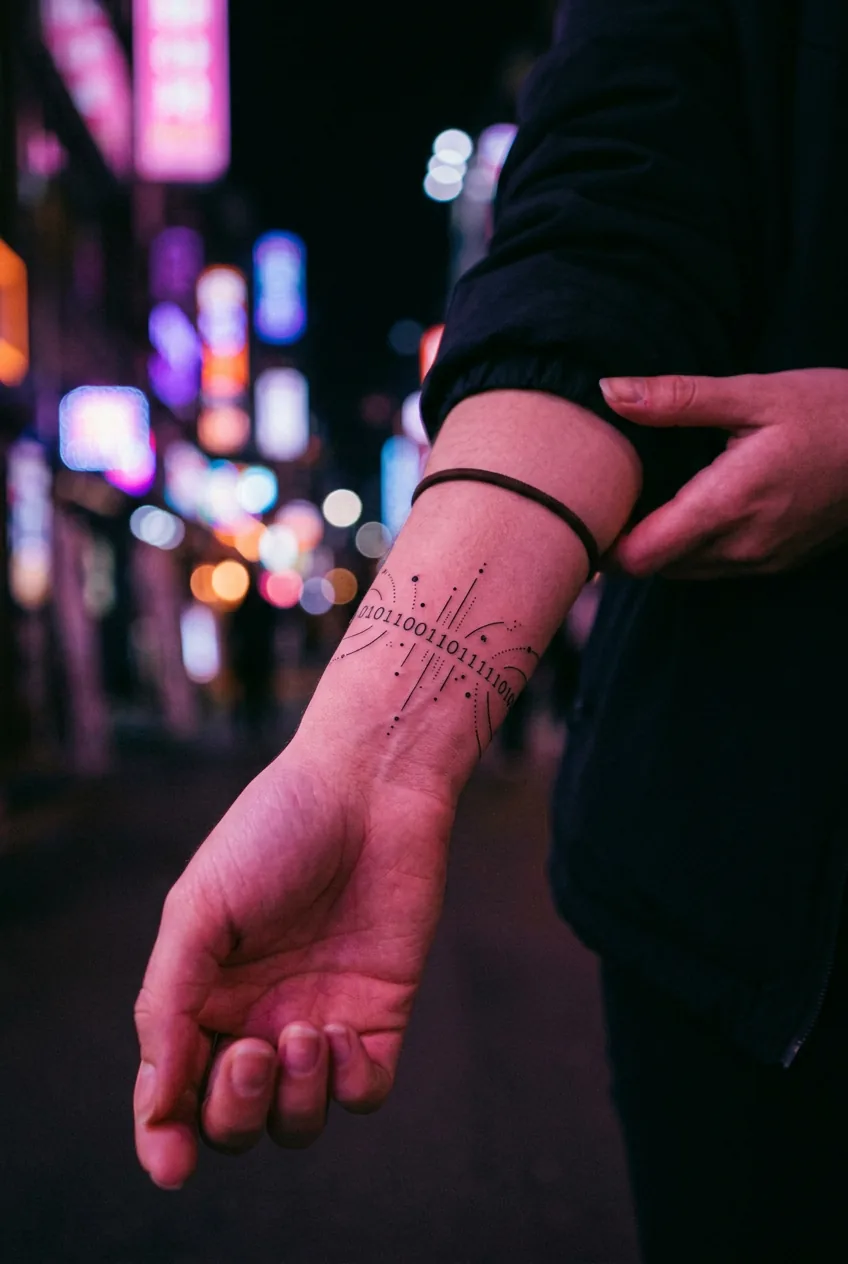
Longevity Rating: 8/10. Minimalism never truly goes out of style. The data stream concept is abstract enough to avoid looking dated while remaining personally meaningful.
9. Cooling Off: Neon Overload Designs
The ultra-bright, neon-heavy cybersigilism pieces are losing their appeal fast. You know the ones — electric blues, hot pinks, and acid greens creating retro-futuristic landscapes that look like they belong in a 1980s arcade.
Don’t get me wrong, some of these pieces are technically impressive. But the color palette dates them immediately, and the high-contrast approach often ages poorly as the bright inks fade at different rates. I’ve seen too many once-vibrant pieces that now look muddy and uneven.
Artists are reporting that clients who got these pieces 2-3 years ago are coming back for color refreshes or complete reworks. The aesthetic tied too closely to a specific cultural moment — the early pandemic cyberpunk revival — and now feels trapped in time.
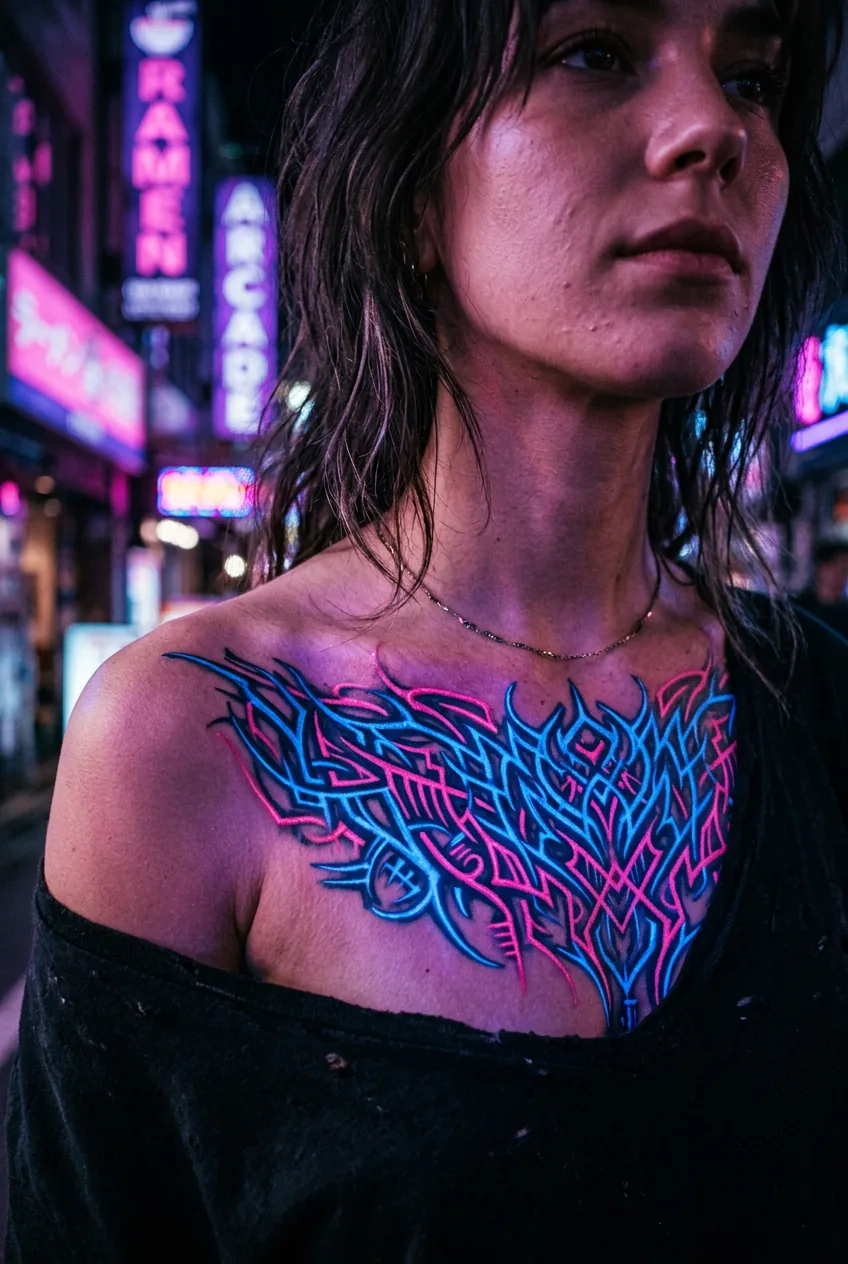
Longevity Rating: 4/10. Neon color schemes scream their era too loudly. While some will develop vintage charm, most will just look dated. The aggressive saturation makes them hard to modify gracefully.
My Prediction for the Next 12 Months
Here’s my bet on where cybersigilism heads next: augmented reality integration. I think we’ll start seeing tattoos designed specifically to interact with AR filters and apps. Imagine pieces that come alive when viewed through your phone, or tattoos that serve as personal QR codes linking to digital art portfolios.
The technology isn’t quite there yet, but the groundwork is being laid. Forward-thinking artists are already experimenting with geometric patterns that could serve as AR markers. It sounds wild, but then again, so did biomechanical tattoos thirty years ago.
The trends that will survive are the ones that balance innovation with timeless appeal. Pure tech novelty fades, but meaningful digital integration with classic tattoo elements? That has legs. Traditional symbolism isn’t disappearing — it’s just getting rewired for the digital age.