


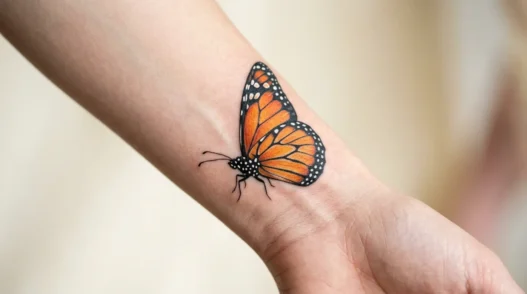
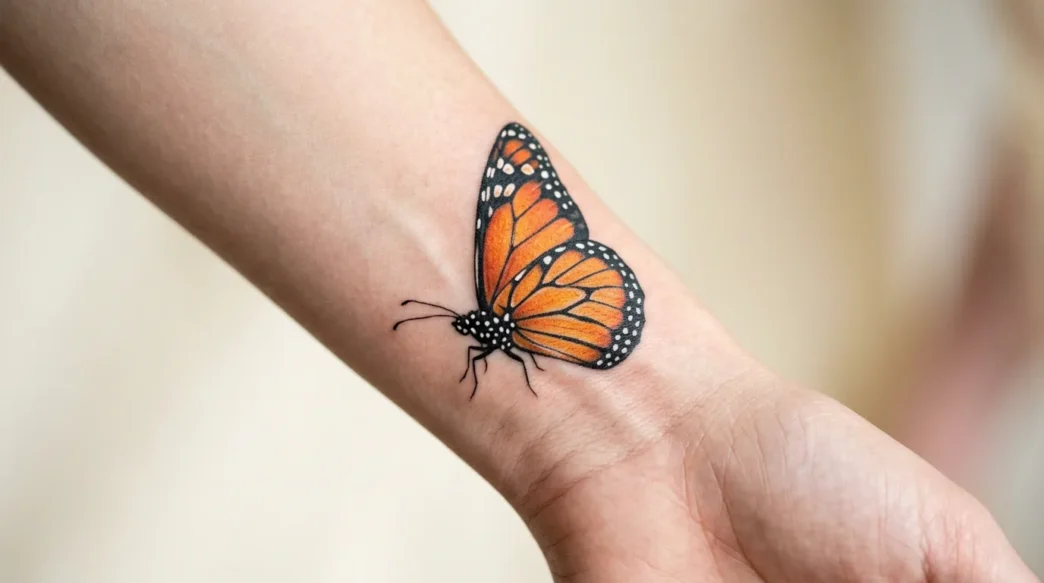
I was twelve when I first saw a butterfly tattoo that made me stop breathing. My aunt rolled up her sleeve at a family barbecue, revealing this impossibly delicate monarch perched on her inner wrist—wings so realistic I expected them to flutter. That moment changed everything for me. Twenty years later, I have three butterfly tattoos of my own, and I’m still not done collecting wings.
The First Time I Saw Wings on Skin
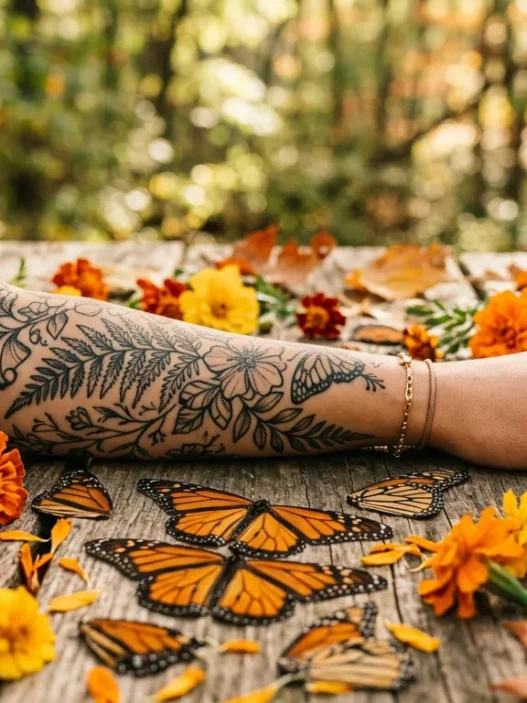
That monarch on my aunt’s wrist wasn’t just ink. It was poetry in orange and black, with shading so subtle it seemed to glow from within. When she moved her hand, the wings caught the light differently—almost like they were breathing.
“Got it after Mom died,” she told me quietly, stroking the delicate antennae. “She always said butterflies were souls saying hello.” I was too young to fully understand grief then, but I understood beauty. And I understood that some tattoos weren’t just decoration—they were love made visible.
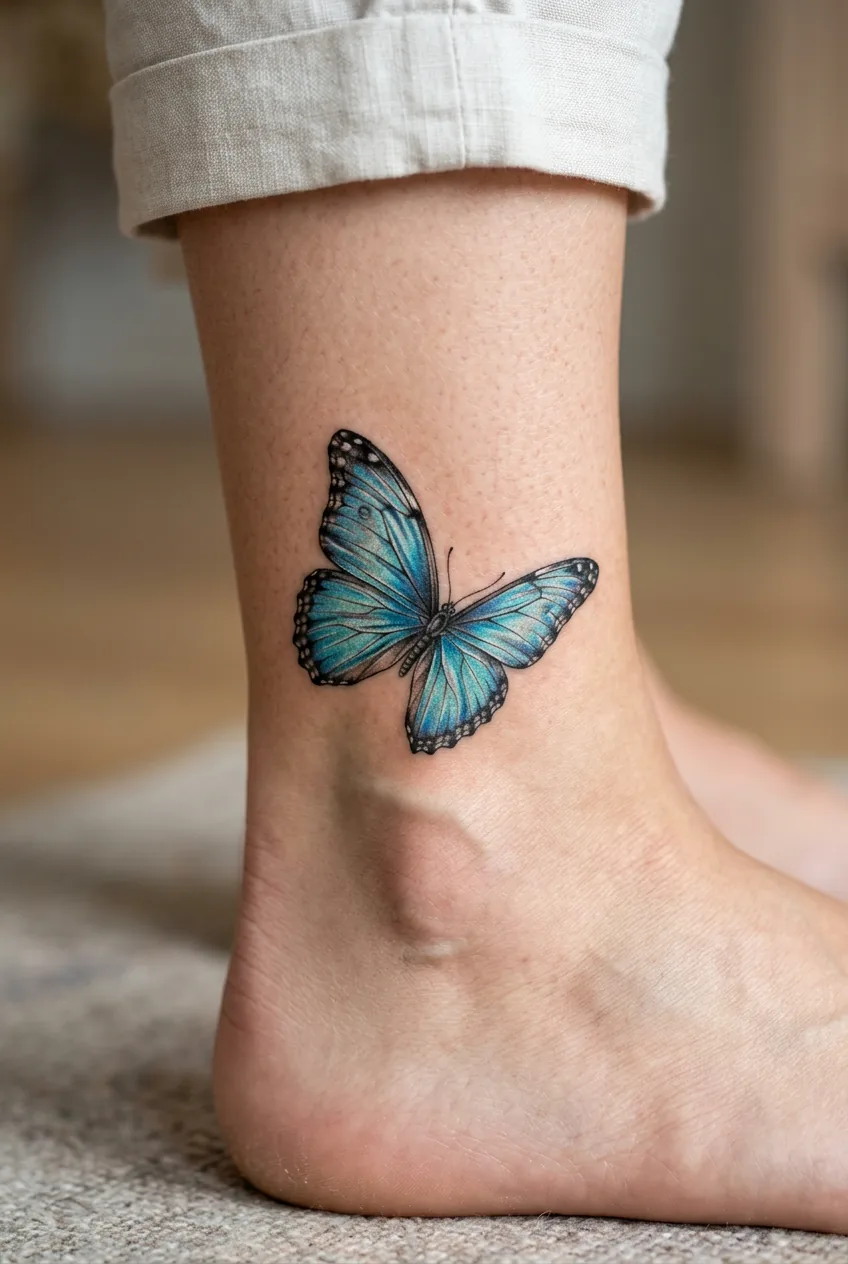
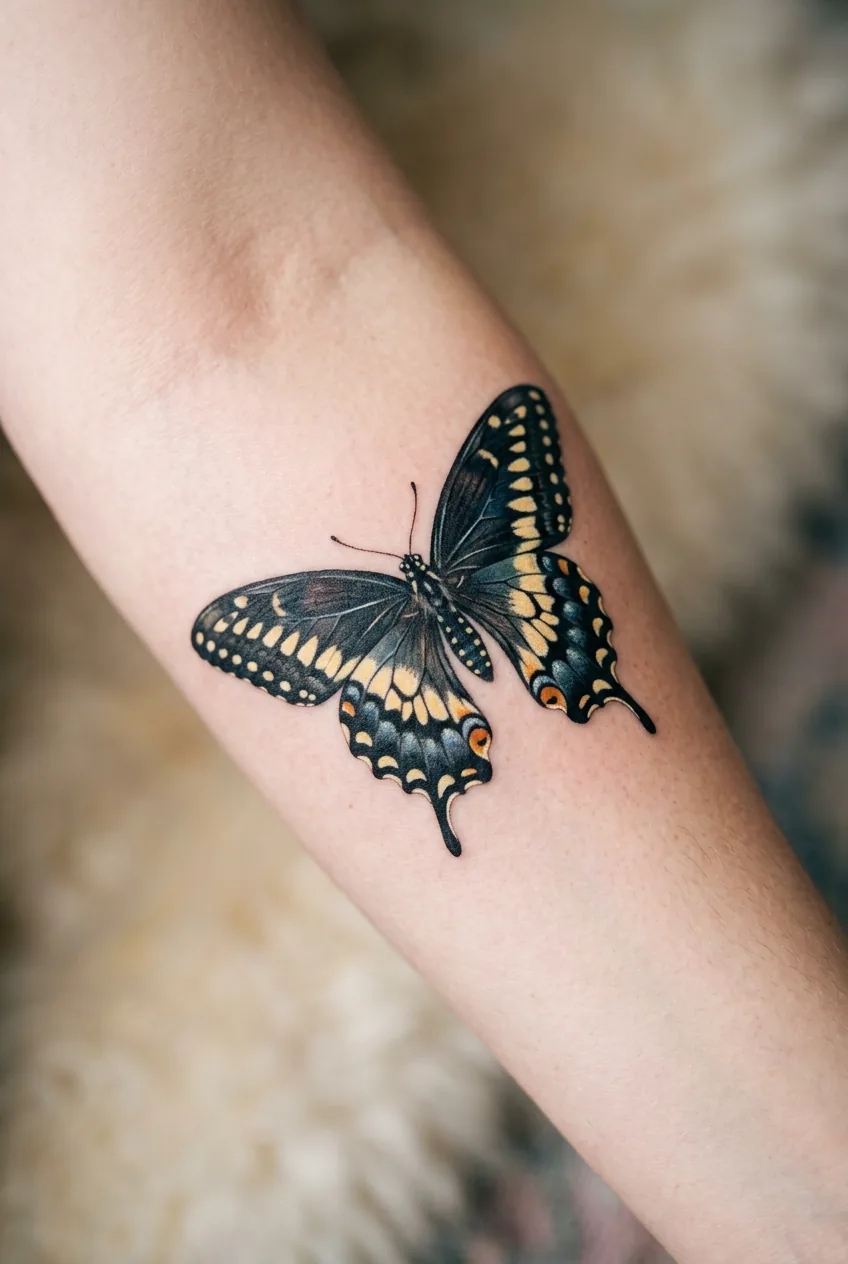
That summer, I started noticing butterfly tattoos everywhere. The barista with tiny blues dancing up her ankle. The mom at the grocery store with a swallowtail spreading across her shoulder blade. Each one told a different story, but they all shared that same ethereal quality that made you want to stare a little longer.
Why Nothing Else Compares to Butterfly Magic
Here’s what other tattoo designs don’t understand about femininity: butterflies aren’t delicate because they’re weak. They’re delicate because they’re impossibly complex. Every wing pattern is different. Every color transition tells a story. Every antenna curve has purpose.
I’ve watched friends collect roses and mandala tattoos, and I love those too. But butterflies? They move even when they’re sitting still. The way light hits those translucent wing details—especially in fine line work—creates this optical illusion that your skin is actually hosting a living creature.
And can we talk about versatility? A butterfly tattoo works tiny behind your ear or sprawling across your entire back. Realistic or geometric. Color-saturated or delicate linework. I’ve never seen another design that adapts so perfectly to every placement and personal style while maintaining its essential magic.
Plus, they age beautifully. While tribal bands look dated and text tattoos fade into blurry messes, a well-done butterfly just becomes more ethereal over time. That slight softening of lines? It makes the wings look even more natural.
The Artists Who Breathe Life Into Wings
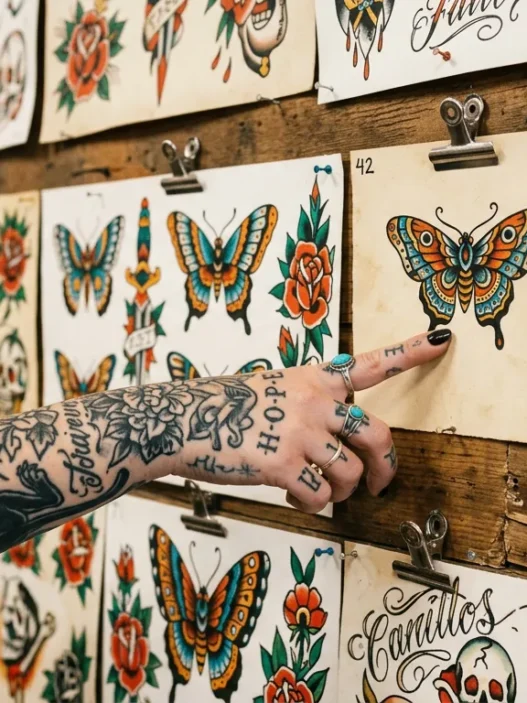
Not every tattoo artist can do butterflies justice. It takes someone who understands that wings are about negative space as much as positive space. The artists I trust most for butterfly work are obsessed with botanical accuracy—they study actual wing patterns instead of relying on generic flash designs.
- They know that monarch wings have those tiny white spots that catch light
- They understand how swallowtail “tails” create movement even in static ink
- They can make luna moth wings look genuinely translucent
- They grasp that butterfly bodies need to feel substantial enough to support those wings
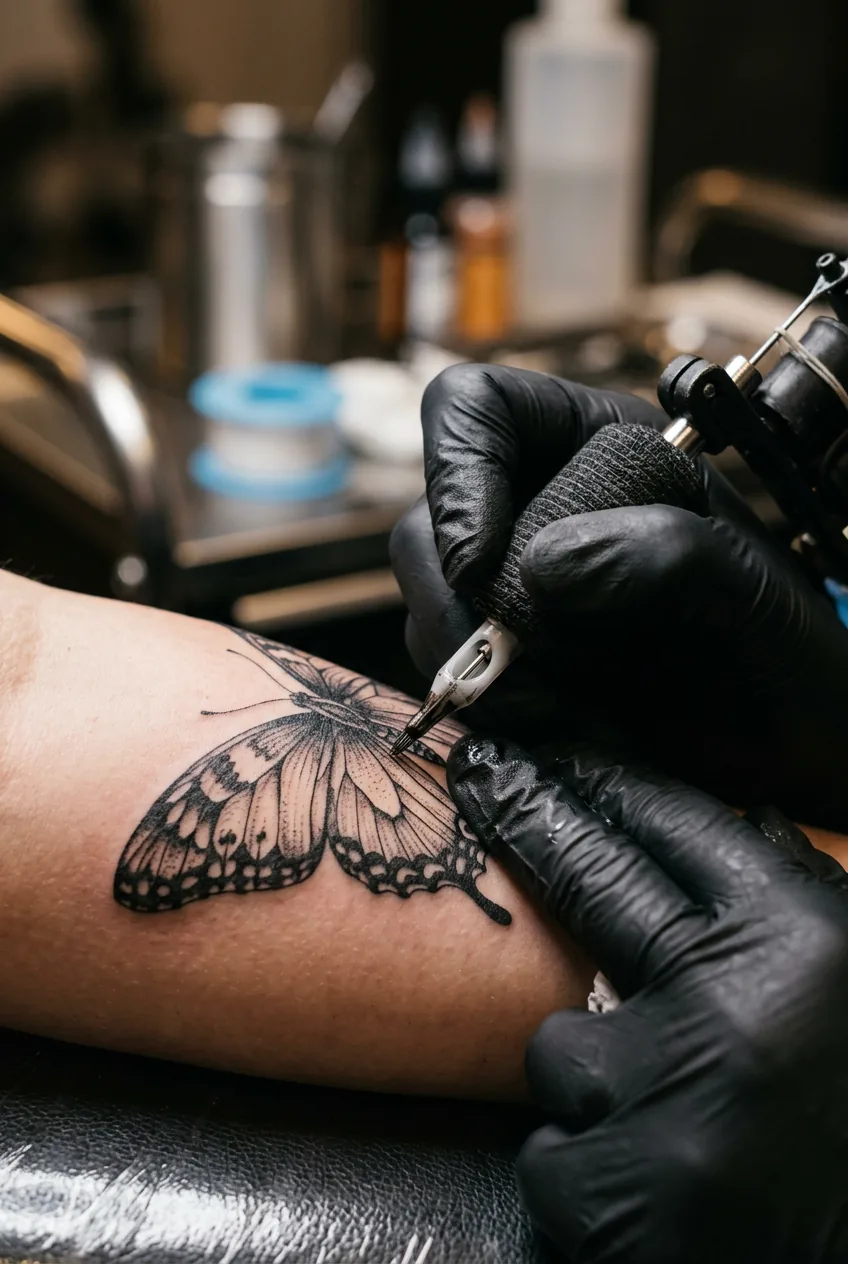
The best butterfly artists I’ve worked with are often women, and I don’t think that’s coincidence. There’s something about female artists understanding the weight of transformation symbolism. They get that we’re not just collecting pretty pictures—we’re marking moments when we shed old skin and grew new wings.
My go-to artist, Sarah, keeps a collection of real butterfly wing photos on her phone. Before she starts any butterfly piece, she studies the actual species. Reference photos help her nail those microscopic details that make ink look alive.
When I Finally Got My Own Flutter
I waited until I turned twenty-five for my first butterfly tattoo. Not because I wasn’t sure—I’d been sure since I was twelve. But because I wanted to earn it. Butterflies represent transformation, and I needed to have something worth transforming from.
I chose a mourning cloak butterfly for my ribcage. Dark wings with electric blue spots and golden edges. Most people go for monarchs or swallowtails, but mourning cloaks hibernate through winter and emerge in spring—which felt perfect for someone who’d just survived a brutal few years of early adulthood.
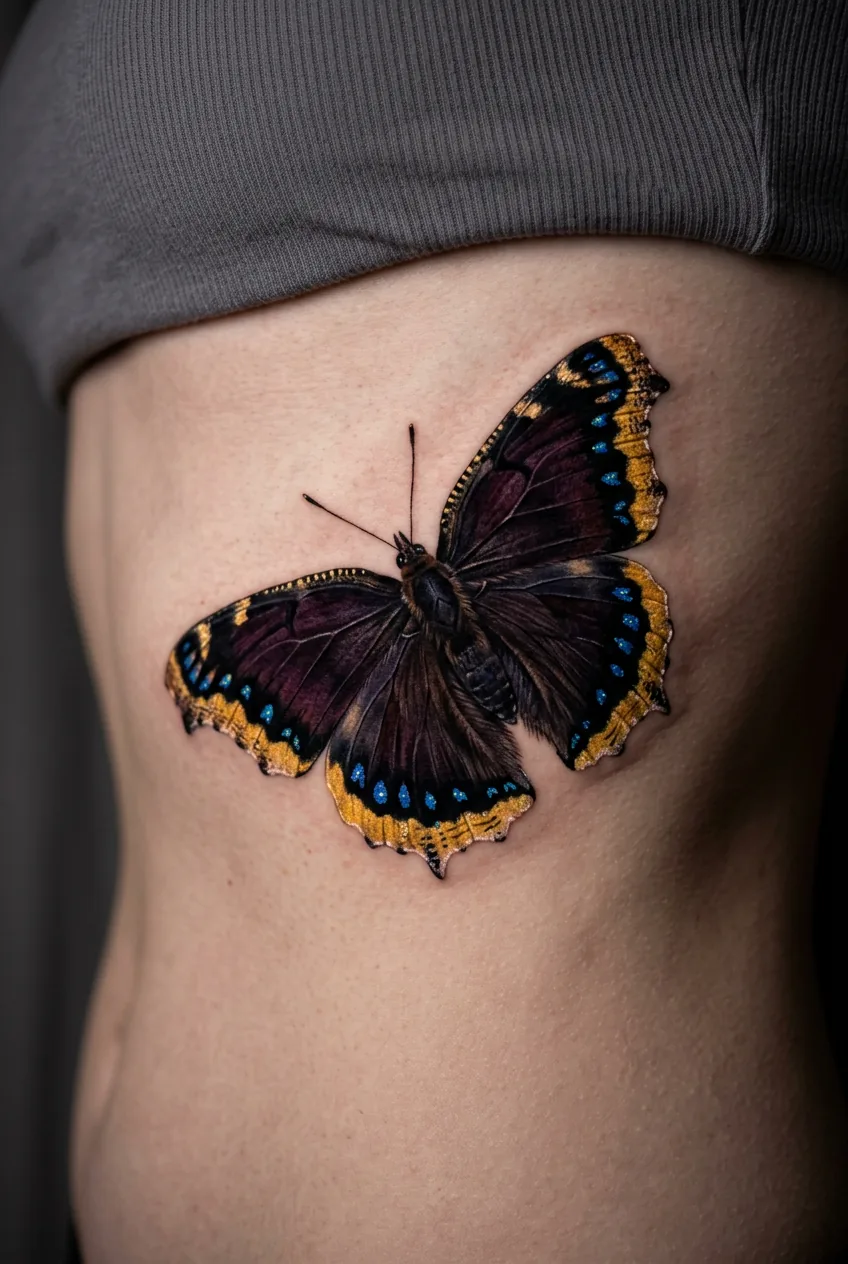
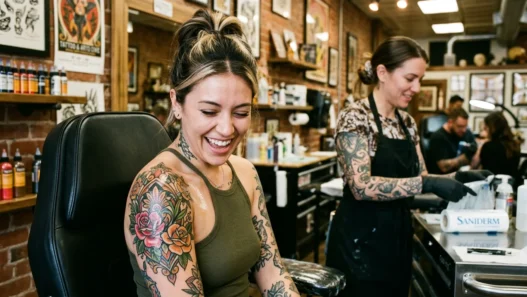
The session took four hours. When Sarah was working on the wing details, creating those impossibly fine lines that would catch light, I felt like we were doing actual magic. Not just putting ink in skin—creating something that would move and breathe and tell my story for the rest of my life.
When she finished and handed me the mirror, I cried. Not from pain (though ribs are rough), but from recognition. This was my butterfly. My transformation. My aunt’s monarch had been her goodbye to her mother. This mourning cloak was my hello to myself.
Now I understand why people collect butterfly tattoos. Each one marks a different metamorphosis. My second is a tiny blue on my wrist—got it after my first promotion. My third, a geometric swallowtail behind my ear, celebrates the divorce that set me free.
The Meaning That Grows With You
This is what I love most about butterfly tattoos—they’re not static symbols. The meaning evolves as you do. What starts as “I like pretty things” becomes “I survived my cocoon stage” becomes “I help others find their wings.”
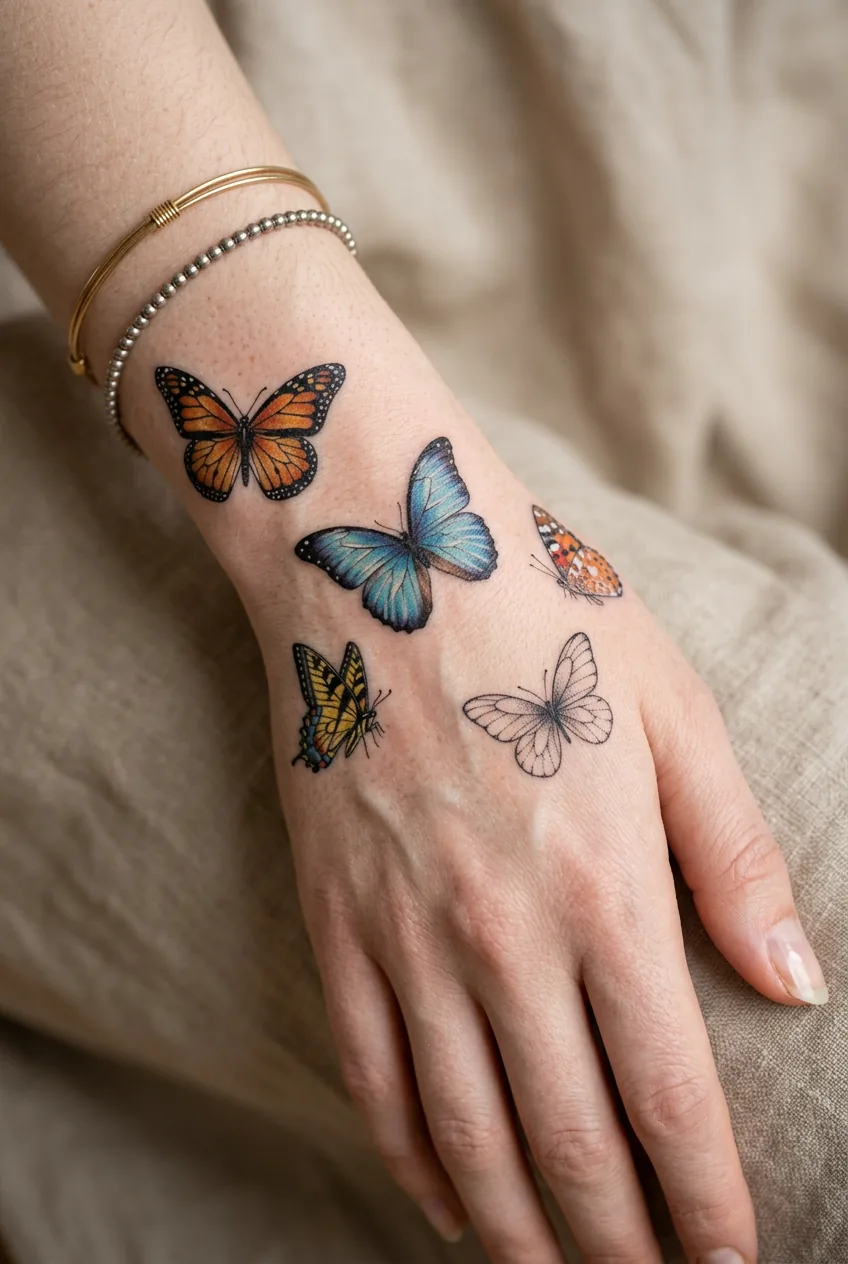
I meet women all the time who got butterfly tattoos during major life transitions. Divorce. Recovery. Career changes. Loss of a parent. Coming out. Each time they look at their wings, they’re reminded that transformation is possible. That sometimes you have to dissolve completely before you can become who you’re meant to be.
“Your butterfly doesn’t just represent change—it represents your capacity to change. And that capacity never goes away.”
Unlike tribal tattoos that feel locked in the ’90s or Chinese characters that age awkwardly, butterflies are timeless because transformation is timeless. Every generation of women needs to shed old expectations and grow into their authentic selves. Butterfly tattoos will never go out of style because becoming yourself never goes out of style.
I love meeting older women with butterfly tattoos. Their ink has softened and their wings look even more ethereal against aged skin. But the symbolism has deepened too. They’ve lived through multiple metamorphoses—maiden, mother, crone—and their butterflies have witnessed it all.
Why I’ll Always Choose Butterflies
People sometimes ask if I ever regret “limiting” myself to butterfly tattoos. But that’s like asking if I regret limiting myself to breathing. Butterflies aren’t a limitation—they’re an entire universe of possibility.
Every species tells a different story. Every placement creates different energy. Every artist brings different interpretation. I could collect butterflies for the rest of my life and never run out of ways to explore themes of growth, beauty, fragility, strength, and rebirth.
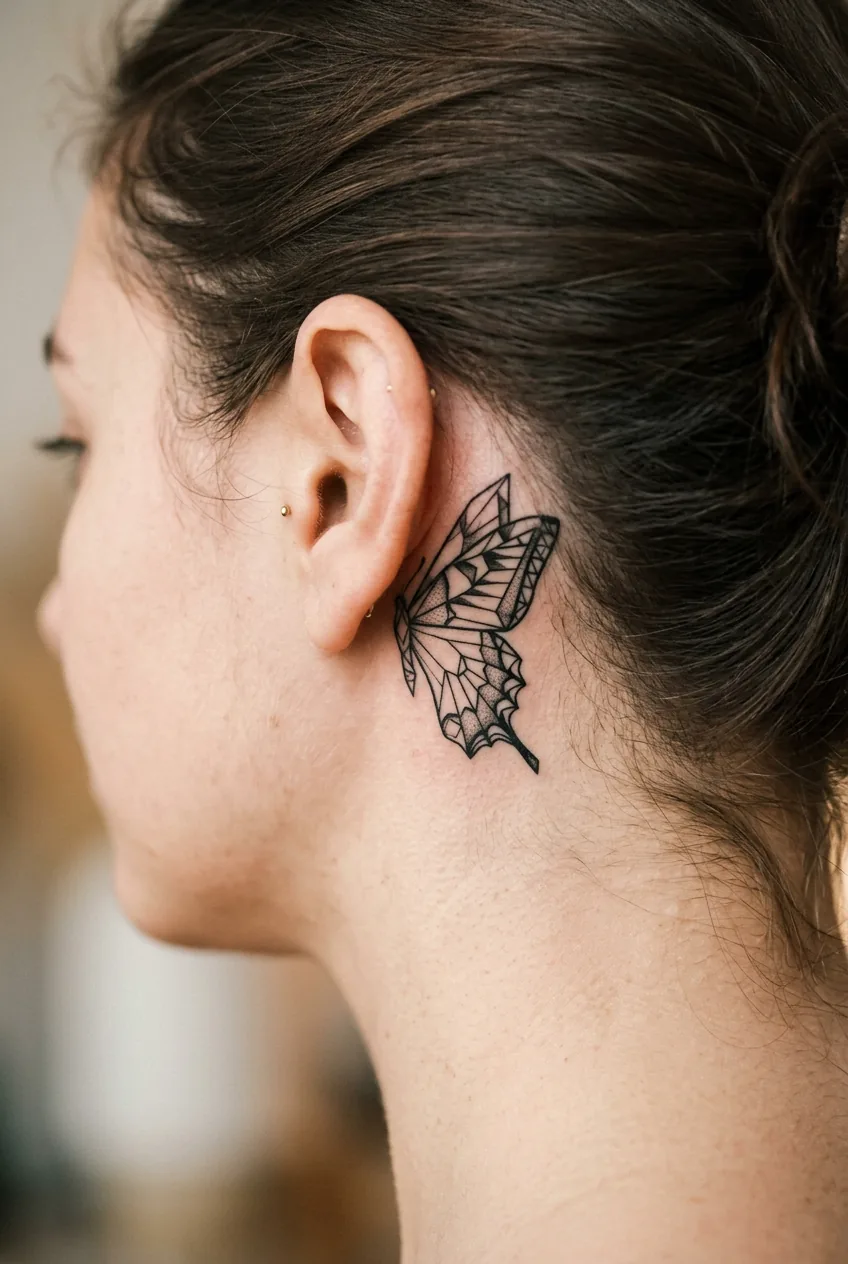
Besides, butterfly tattoos connect me to a sisterhood of women who understand that sometimes the most radical thing you can do is allow yourself to completely transform. When I see another woman with butterfly ink, we share a knowing look. She gets it. She’s been in the chrysalis too.
My next butterfly tattoo is already planned—a death’s head hawkmoth for my thigh. Technically it’s a moth, not a butterfly, but it’s part of the same family of transformation. Plus, the skull marking on its back represents that sometimes you have to let parts of yourself die before new parts can be born.
Will I still love butterfly tattoos when I’m sixty? Absolutely. By then, I’ll have wings covering half my body, each one marking a different season of becoming. The fastest way to prepare for a small tattoo session is to already know in your bones what design speaks to your soul.
Proper aftercare keeps those delicate wing details sharp and vibrant for decades. Trust me—you want your transformation tattoos to age as gracefully as you do.
Questions I Get About This
Don’t butterfly tattoos hurt more because of all the detail work?
The fine line work does require more precision, which means the artist moves slower and you’re under the needle longer. But the actual pain isn’t worse than any other detailed tattoo. If anything, watching those delicate wing patterns emerge makes you forget about discomfort.
Are butterfly tattoos considered too feminine or basic?
Anyone who thinks transformation symbolism is “basic” hasn’t lived through enough life changes to understand the power. Butterflies are ancient symbols found in cultures worldwide because metamorphosis is a universal human experience.
How do I choose which butterfly species for my tattoo?
Research the natural behaviors and habitats of different species. Monarchs migrate thousands of miles—perfect for someone who loves travel. Luna moths are nocturnal—great for night owls. Swallowtails have dramatic “tails” that create beautiful movement in tattoo form.
Do butterfly tattoos work on darker skin tones?
Absolutely! The key is working with an artist experienced in darker skin tones who can adjust color choices and shading techniques. Bold colors like deep purples, rich oranges, and vibrant blues show up beautifully and create stunning contrast.
My love affair with butterfly tattoos started with my aunt’s monarch and will probably end with my skin covered in wings of every species and style imaginable. Because that’s what love does—it grows, transforms, and becomes more beautiful with time. Just like butterflies. Just like us.