





I spent weeks agonizing over where to place my first hand tattoo. Everyone kept saying “just pick a spot,” but I knew this wasn’t something I could easily hide or change later. After getting three hand tattoos over the past two years and watching how they’ve aged and settled, I finally understand the placement decisions that matter most.

Your Complete Hand Tattoo Placement Guide
What You’ll Need for This Decision Process
Before we dive into placement considerations, gather these items to help visualize your options:
- Transfer paper or temporary tattoo of your design
- A good camera or phone with timer
- Different clothing items you wear regularly (especially work clothes)
- A trusted friend for honest feedback
- Paper and pen for notes
- Access to good natural lighting
Step 1: Understanding Hand Anatomy for Tattoo Placement
Your hands aren’t flat canvases. They’re complex structures with bones, tendons, and constantly moving skin. I learned this the hard way with my first tattoo — I chose a spot without considering how the skin stretches when I make a fist.
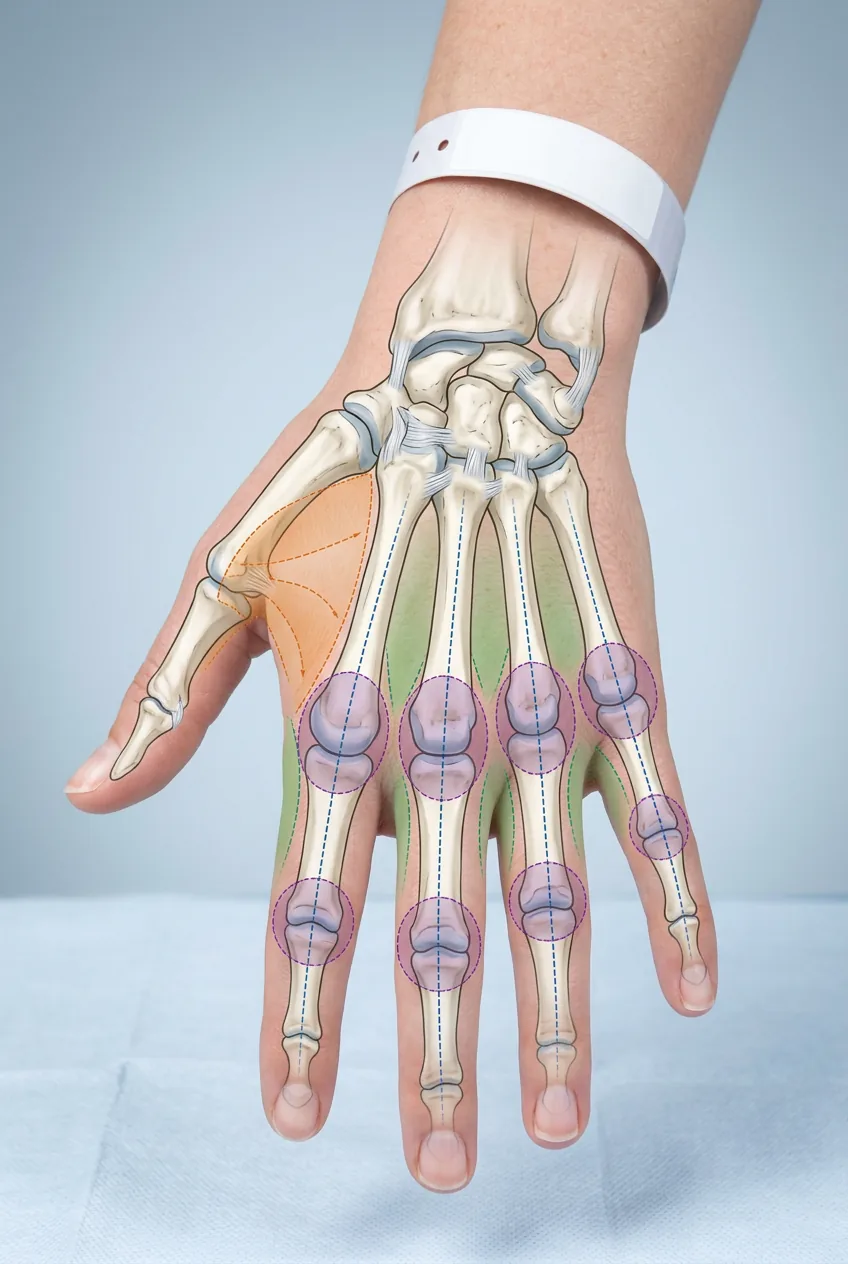
The back of your hand has several distinct zones. The knuckle area stretches dramatically when you bend your fingers. The space between your thumb and index finger (the web) is incredibly painful but heals beautifully. The outer edge of your hand barely moves but gets the most wear from daily activities.
I always tell people to make different hand positions while looking at their bare hands. Clench your fist. Spread your fingers wide. Cup your hands like you’re holding water. Watch how the skin moves and stretches. Any design you place needs to work with this natural movement, not fight against it.
Step 2: How Design Size Dictates Your Options
The size of your pretty hand tattoo will eliminate certain placement options immediately. I see so many people fall in love with a design before considering whether it actually fits their preferred location.
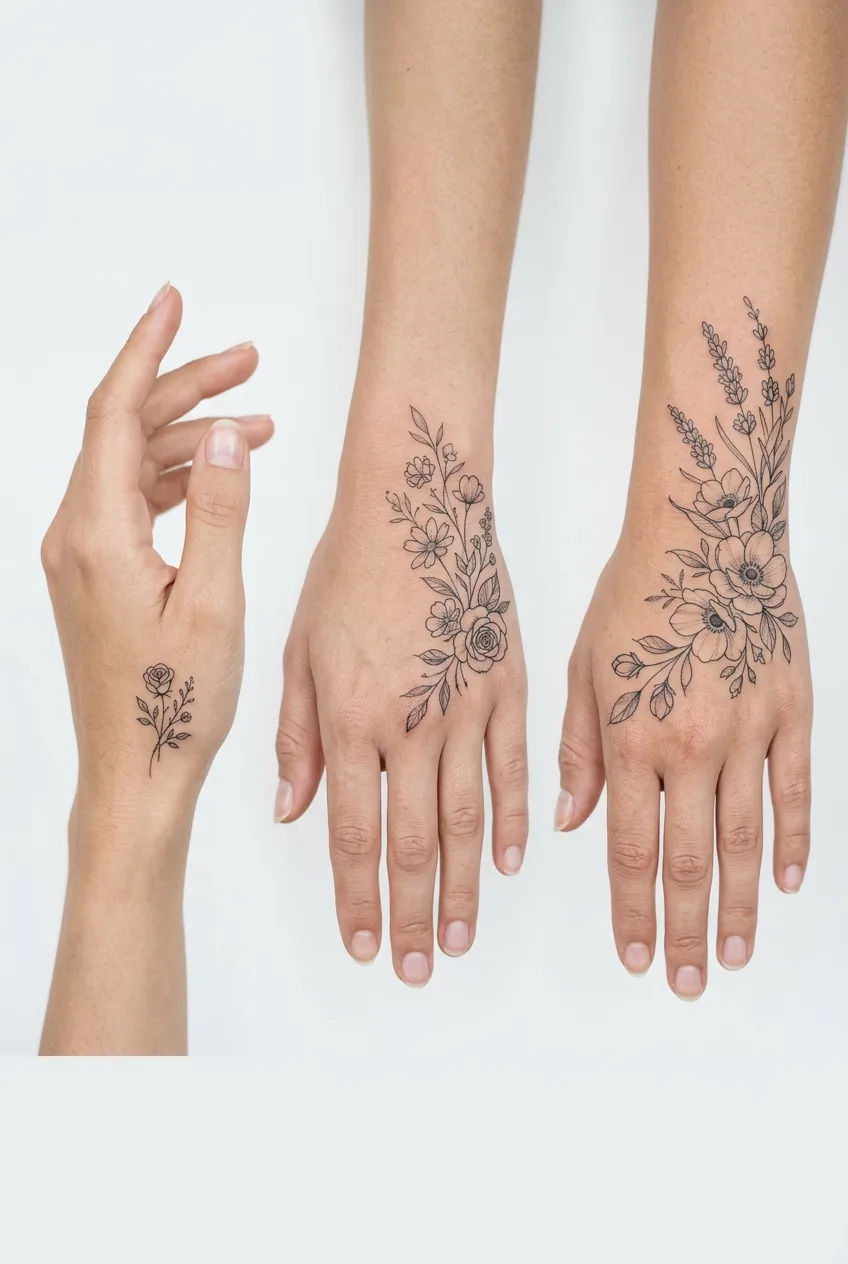
Small, delicate designs (under 2 inches) have the most flexibility. They can work on fingers, the side of the hand, or tucked into the space near your wrist. Medium designs (2-4 inches) typically need the back of the hand or the space between your thumb and wrist. Large designs over 4 inches require the full back of your hand and might extend onto your fingers or wrist.
Here’s what I wish someone had told me: always go slightly smaller than you think you want. Hand tattoos look more elegant when they have breathing room around them. A cramped design looks busy and can age poorly as the lines soften.
Step 3: The Pain vs Visibility Tradeoff
Every hand placement involves a trade-off between pain level and how visible the tattoo will be. The spots that hurt the most often create the most striking tattoos.
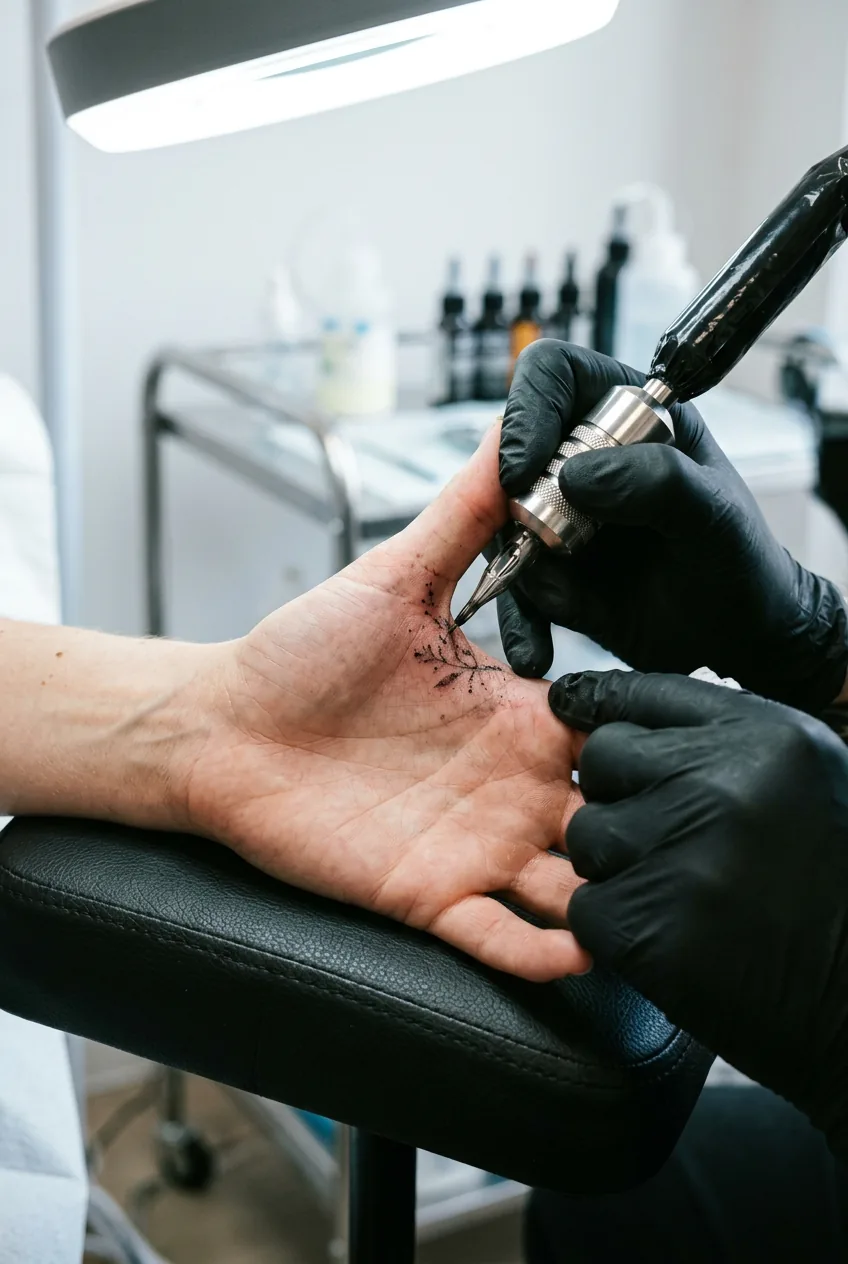
I made the mistake of choosing the most visible spot for my second hand tattoo without considering the pain level. Three hours of tattooing the web between my thumb and index finger nearly broke me. But honestly? It’s my favorite tattoo now because the placement is so bold.
The back of your hand is moderate pain with maximum visibility. Your fingers are high pain but create dramatic impact. The side of your hand is lower pain but only visible when you turn your hand a certain way. Palm tattoos hurt intensely and fade quickly — I don’t recommend them for pretty, detailed designs.
Consider your pain tolerance honestly. If you’re someone who needs breaks during longer tattoo sessions, choose a spot that can be completed in under two hours. The web space and fingers require steady, uninterrupted work for the best results.
Step 4: Career Considerations Nobody Talks About
This is the step that saved me from serious regret. Even if your current workplace is tattoo-friendly, think about where you might work in the future. Hand tattoos are impossible to hide with clothing.

I work in a creative field now, but I’m considering going back to school for law. Hand tattoos can be a barrier in conservative professions, even in 2026. It’s not fair, but it’s reality. I chose placement on the outer edge of my hand because it’s less visible during handshakes and presentations.
Some placement strategies for career flexibility: designs that start behind your knuckles and don’t extend to your fingertips, tattoos on your non-dominant hand only, or placement that can be partially covered by rings. Professional tattoo policies vary widely by industry, so research your field specifically.
Think about client interactions, public speaking, or video calls. Your hands are often visible in professional settings even when the rest of your body isn’t. The honest truth about hand tattoos includes acknowledging these practical considerations upfront.
Step 5: How Different Spots Age Over Time
Hand tattoos age differently than tattoos on other parts of your body. Your hands are exposed to sun, soap, and constant use. Some placements hold up much better than others over the years.
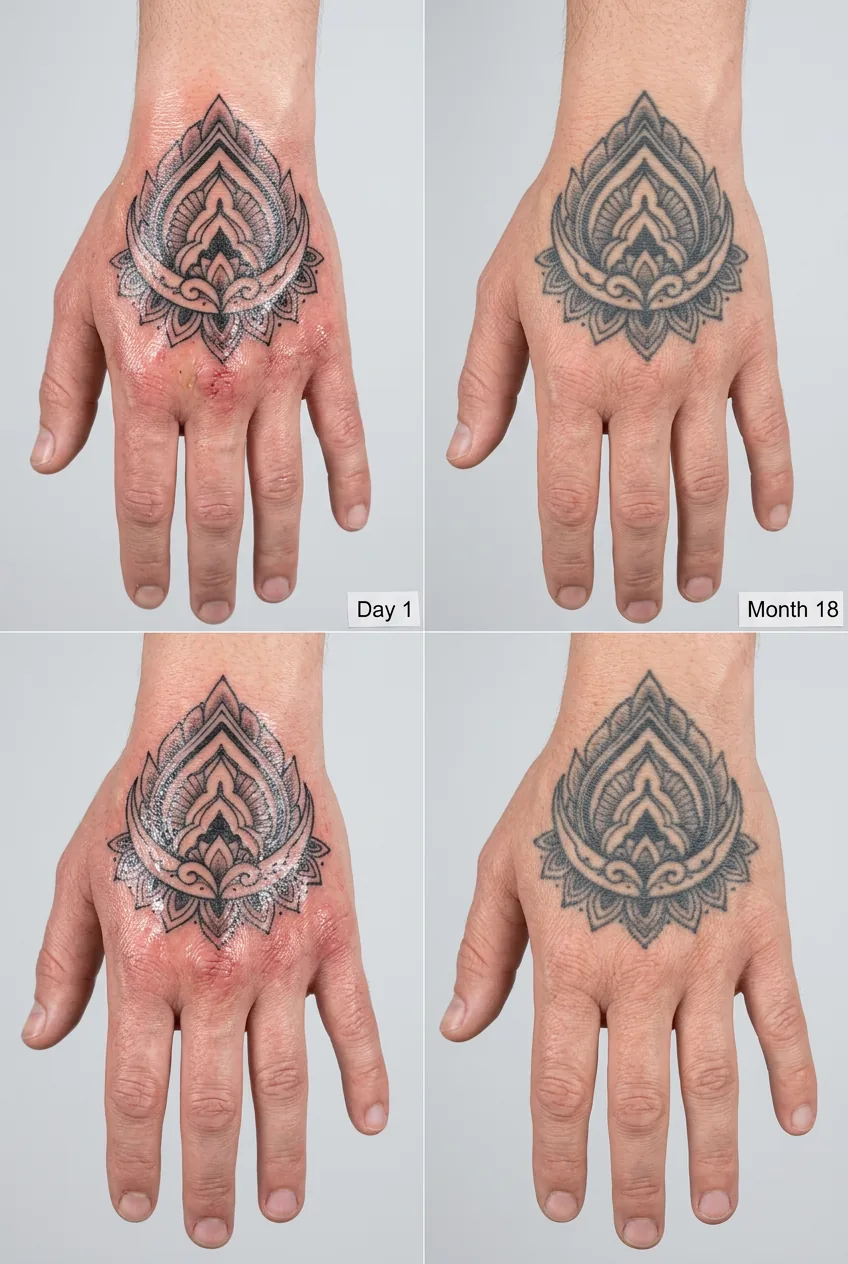
The back of your hand ages the most gracefully because the skin is relatively thick and doesn’t stretch as dramatically. Side placements can blur if you use your hands heavily for work. Finger tattoos often need touch-ups within the first year because the skin sheds so frequently.
I’ve noticed my web space tattoo has stayed incredibly crisp after 18 months, while friends with finger tattoos have needed touch-ups. The constant washing and hand sanitizer use definitely affects longevity. Areas that fold or crease regularly will show wear sooner.
Fine line work requires extra consideration for aging. Fine line tattoo maintenance becomes crucial for hand placements because any blurring is immediately visible. If your design relies on precise details, choose a spot with thicker, more stable skin.
Step 6: Working With Your Hand’s Natural Movement
Your hands are constantly in motion, which creates opportunities and challenges for tattoo placement. The key is working with your natural gestures instead of against them.

I love how my outer hand tattoo becomes visible when I gesture while talking. It feels like a natural extension of how I communicate. But I’ve seen tattoos that look awkward because they’re placed against the hand’s natural flow.
Consider how you use your hands most often. If you type all day, avoid placement that will be constantly rubbing against your desk or keyboard. If you’re a musician, think about how you hold your instrument. Artists should consider how paint or materials might affect healing and long-term appearance.
Watch yourself for a day and note when your hands are most visible to others. During handshakes? When you’re pointing or explaining something? When you’re holding your phone? Choose placement that enhances these natural moments rather than creating awkward reveals.
Step 7: The Final Placement Decision Process
Now comes the moment of truth — combining all these factors to make your final placement decision. I use a simple elimination process that’s never steered me wrong.
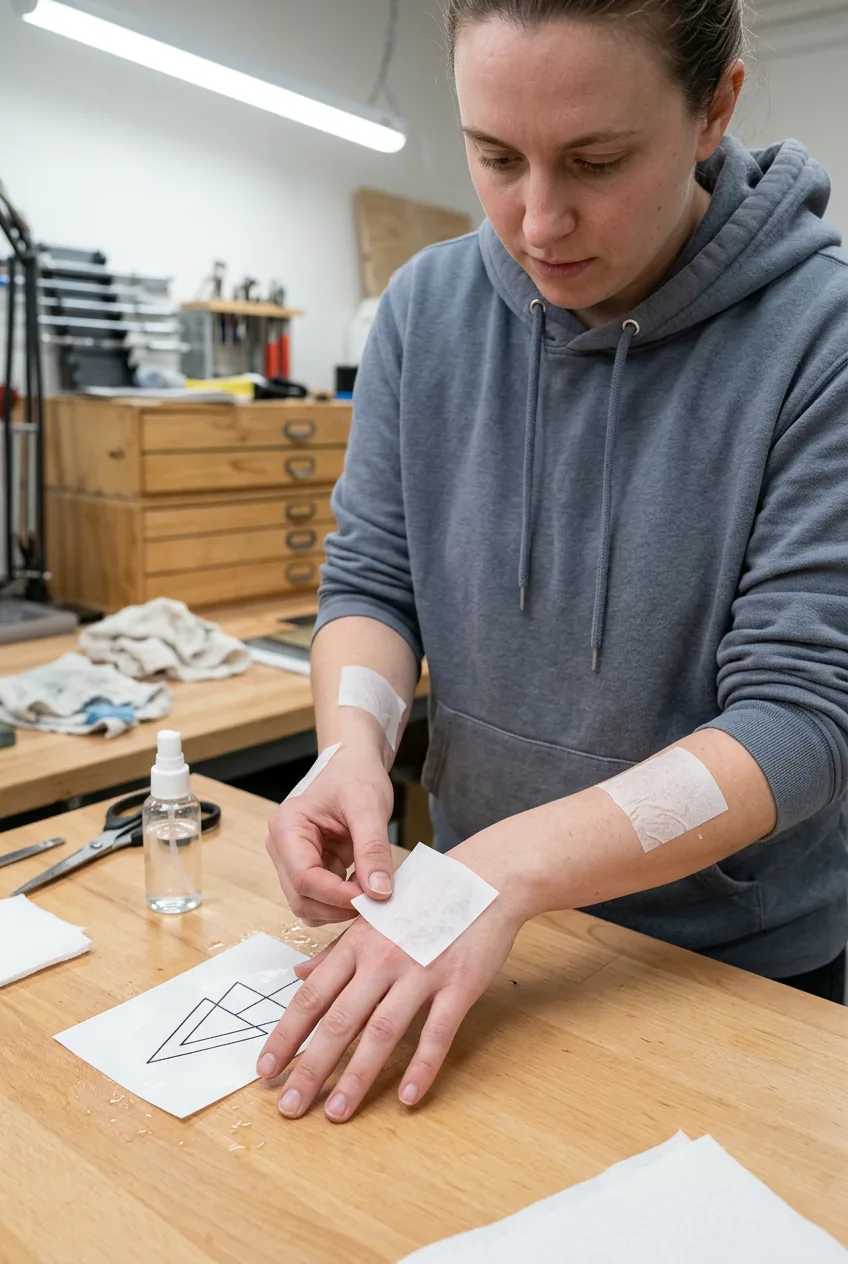
Start by ruling out placements that don’t work for your design size. Then eliminate spots that don’t align with your career needs. Next, consider your pain tolerance and rule out areas that exceed your comfort level. Finally, look at the remaining options and choose based on aging potential and how the placement works with your natural hand movements.
Use your temporary tattoo or transfer paper to test your top two choices. Live with each placement for a full day. Sleep on it. Notice how often it’s visible, how it feels when you’re going about your normal activities, and whether it still feels right after the initial excitement wears off.
For comprehensive guidance on hand tattoos beyond just placement, check out everything you need to know about getting hand tattoos before you book your appointment. The placement decision is just one piece of the puzzle, but it’s the foundation that everything else builds on.
See the Decision Process in Real Time
Quick Answers to Common Placement Questions
Do hand tattoos hurt more than other locations?
Yes, generally speaking. The skin on your hands is thinner and there’s less fat padding over the bones. The web space and fingers are particularly intense, while the back of the hand is more manageable.
Can I get a hand tattoo as my first tattoo?
While it’s not impossible, I’d recommend starting somewhere less visible and painful. Hand tattoos require specific aftercare and lifestyle considerations that are easier to handle when you already understand tattoo healing.
How long do hand tattoos take to heal?
Initial healing takes 2-3 weeks, but full healing is 6-8 weeks. Hands heal slower because they’re constantly in use and exposed to water and bacteria.
Will my hand tattoo fade faster than tattoos elsewhere?
Hand tattoos do tend to fade more quickly due to constant sun exposure, frequent washing, and skin turnover. Good placement and proper aftercare help significantly with longevity.
After going through this placement process three times now, I can say each of my hand tattoos feels perfectly suited to its location. The time spent considering these factors upfront has saved me from placement regrets that would be expensive and difficult to fix. Take your time with this decision — your future self will thank you.