



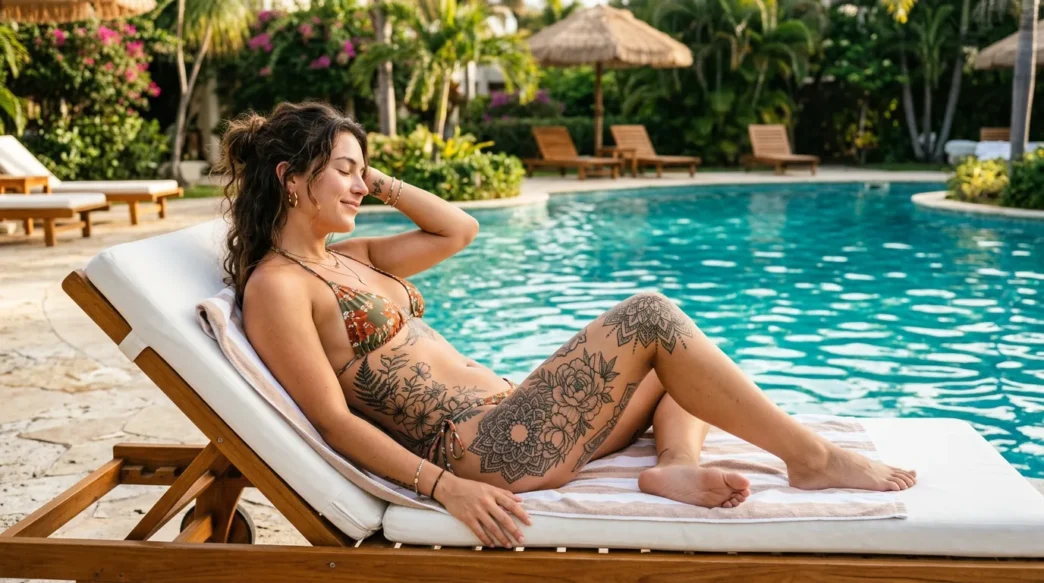
I spent two years staring at my bare back in the mirror, imagining ink flowing across my shoulder blades. The decision felt massive — bigger than any other tattoo I’d gotten. There’s something about a back piece that feels so permanent, so visible when you want it to be, so hidden when you don’t.

How I Finally Decided on My Back
The moment that sealed it for me wasn’t romantic or Instagram-worthy. I was getting dressed for work, pulling on a backless top, when I caught myself in the bedroom mirror. My back looked so… empty. Not in a bad way, just waiting.
I’d always been drawn to back tattoos on other women. There’s something incredibly feminine about the way ink flows along those curves. But I kept talking myself out of it — too big a commitment, too expensive, what if I regret it?

Then my friend got her upper back done, and watching her confidence shift was everything. She carried herself differently. Not arrogantly, just… more aware of her own power. I wanted that feeling.
The practical concerns were real though. Back tattoos hurt more than my tiny simple tattoo ideas I’d gotten before. They take longer. And honestly? They’re harder to hide if you work in a conservative environment.
The Design Process Nobody Warns You About
Finding the right design for your back is nothing like picking a small wrist tattoo. Your back is this huge canvas with natural curves and muscle definition that changes how everything looks.
I went through probably fifteen different concepts. Florals that looked too busy. Geometric patterns that felt too masculine on my frame. A mandala that just didn’t speak to me once we scaled it up.
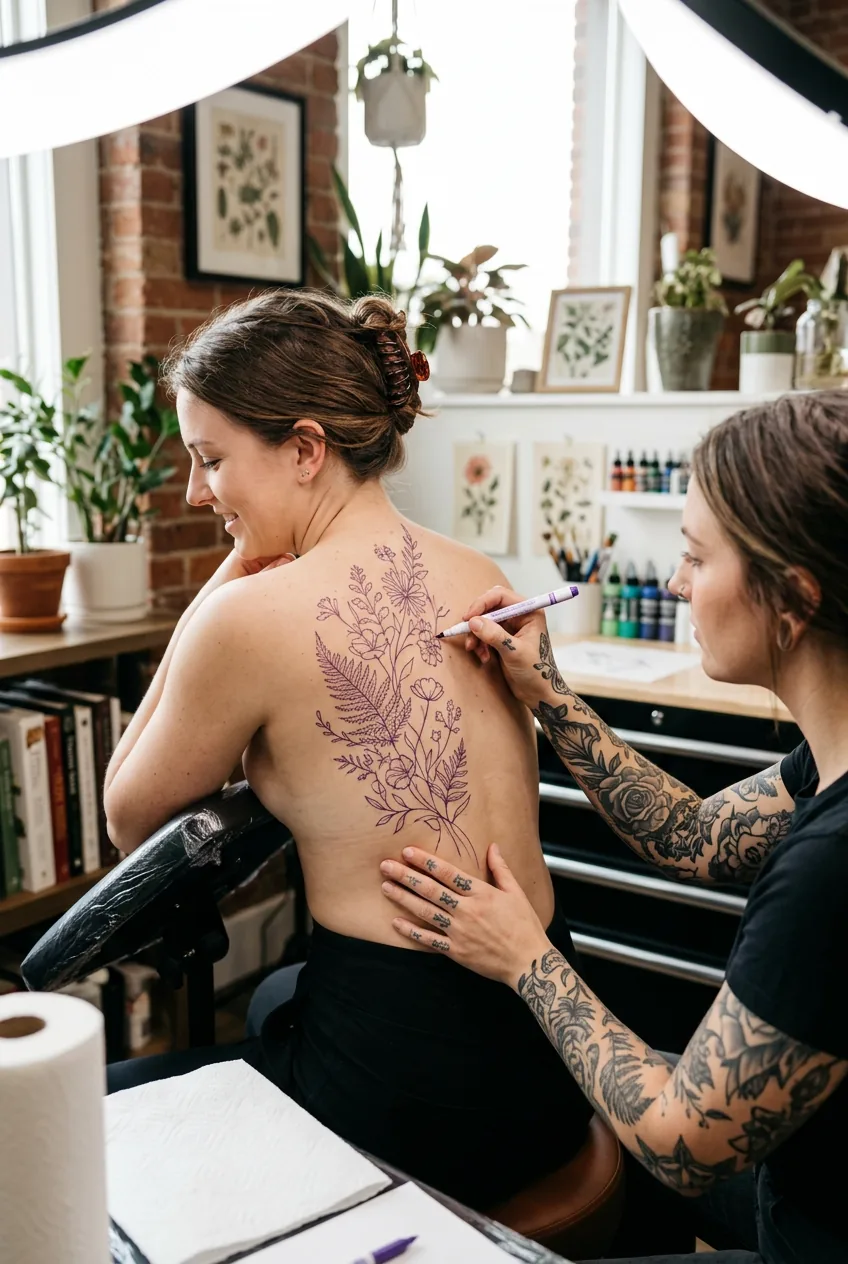
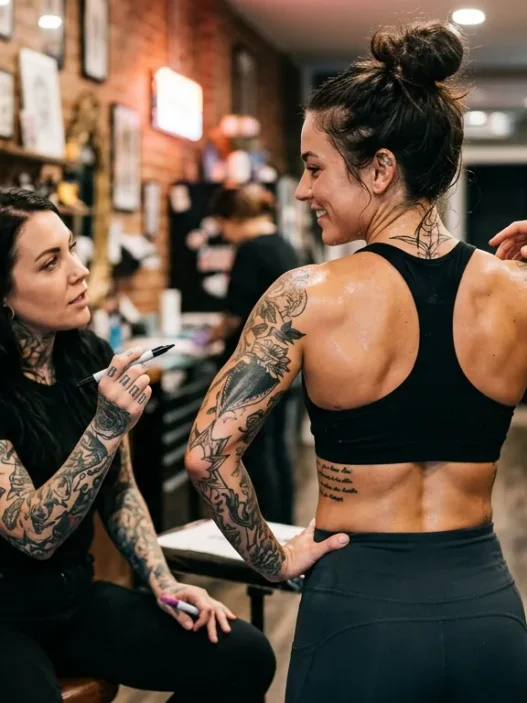
What finally worked was starting with my body, not an image I loved online. My artist had me stand in different poses while she sketched directly onto my back with a washable marker. We spent three sessions just figuring out how the design would move with my shoulders, how it would look when I twisted or reached up.
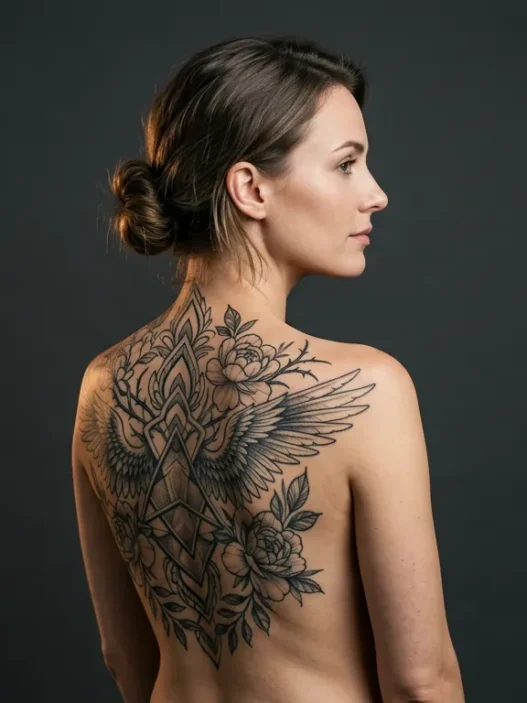
The breakthrough came when she suggested following my natural shoulder blade lines instead of fighting them. We ended up with flowing botanical elements that literally grew from my spine outward. It felt like the design was meant to be there.
Design placement tips become crucial when you’re working with such a large area. Every curve matters.
What Actually Happens During a Back Session
The day of my first session, I was nervous in a way I hadn’t expected. Not about the pain — I’d mentally prepared for that. About being topless for hours with someone I barely knew.
But my artist made it completely professional. She explained everything she was doing, let me take breaks when I needed them, and somehow made lying face-down for four hours feel manageable.
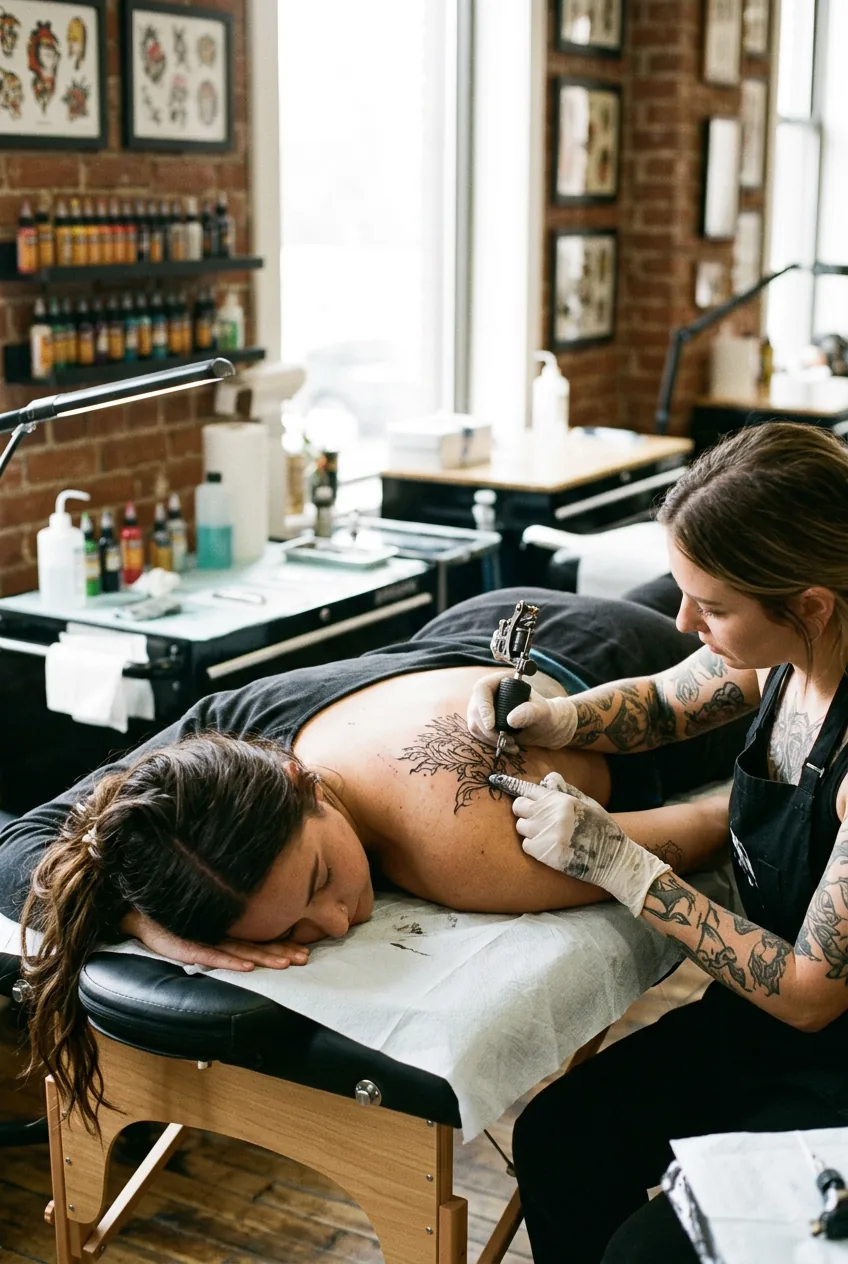
The pain was… interesting. Different from any other tattoo location. Along the spine felt like deep scratching. Near the shoulder blades was more like burning. But there were also spots that barely registered.
What surprised me most was how meditative it became. After the first hour, I fell into this weird zen state. Maybe it was endorphins, maybe just accepting the situation, but I actually started enjoying the process.
The hardest part wasn’t the needle — it was not being able to see the progress. With arm or leg tattoos, you can watch it come together. With your back, you’re just trusting and hoping.
Watch the Process in Real Time
The Healing Reality Check
Nobody adequately prepared me for healing a back tattoo. It’s not just the discomfort — it’s the logistics of caring for skin you can’t really reach or see properly.
Sleeping was brutal for the first week. I’m a back sleeper normally, so adjusting to stomach sleeping felt impossible. I ended up propped up on my side with pillow barriers, waking up sore and cranky.
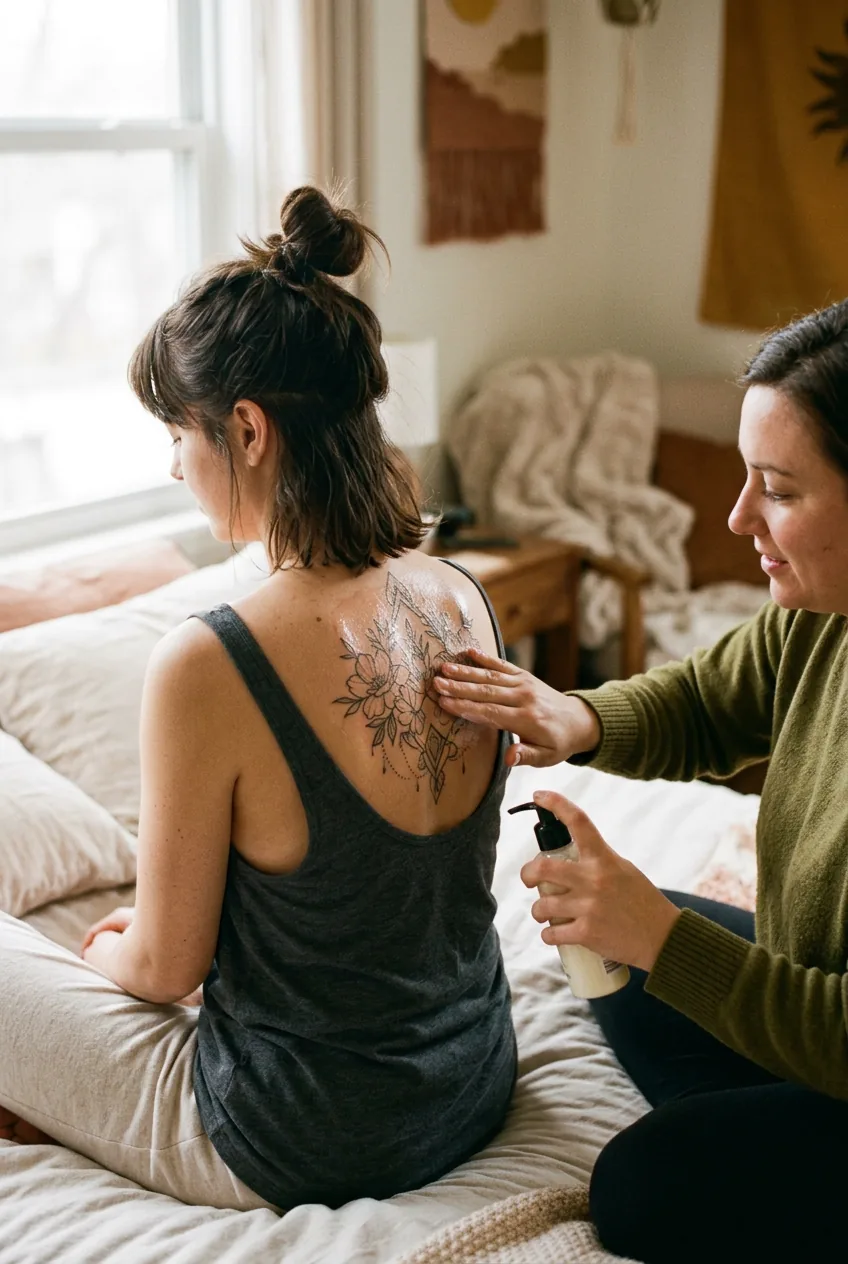
The itching phase was worse than any other tattoo I’d healed. When your shoulder blade itches and you can’t scratch it, you realize how much you take normal body autonomy for granted. I invested in a back scratcher specifically for gentle patting.
Moisturizing required help. My partner became very familiar with tattoo aftercare routines. If you’re single and considering a back piece, line up a trusted friend who’s willing to help with the boring parts of healing.
The proper aftercare techniques make all the difference in how your final result looks. Don’t skip steps just because they’re inconvenient.
How It Changed How I See Myself
Six months later, I still catch myself differently in mirrors. There’s something about having art on your back that changes your relationship with your own body.
I stand straighter. Not consciously, but friends have mentioned it. I think it’s because I’m more aware of that part of my body now. The tattoo makes me conscious of my posture, my shoulders, how I carry tension.
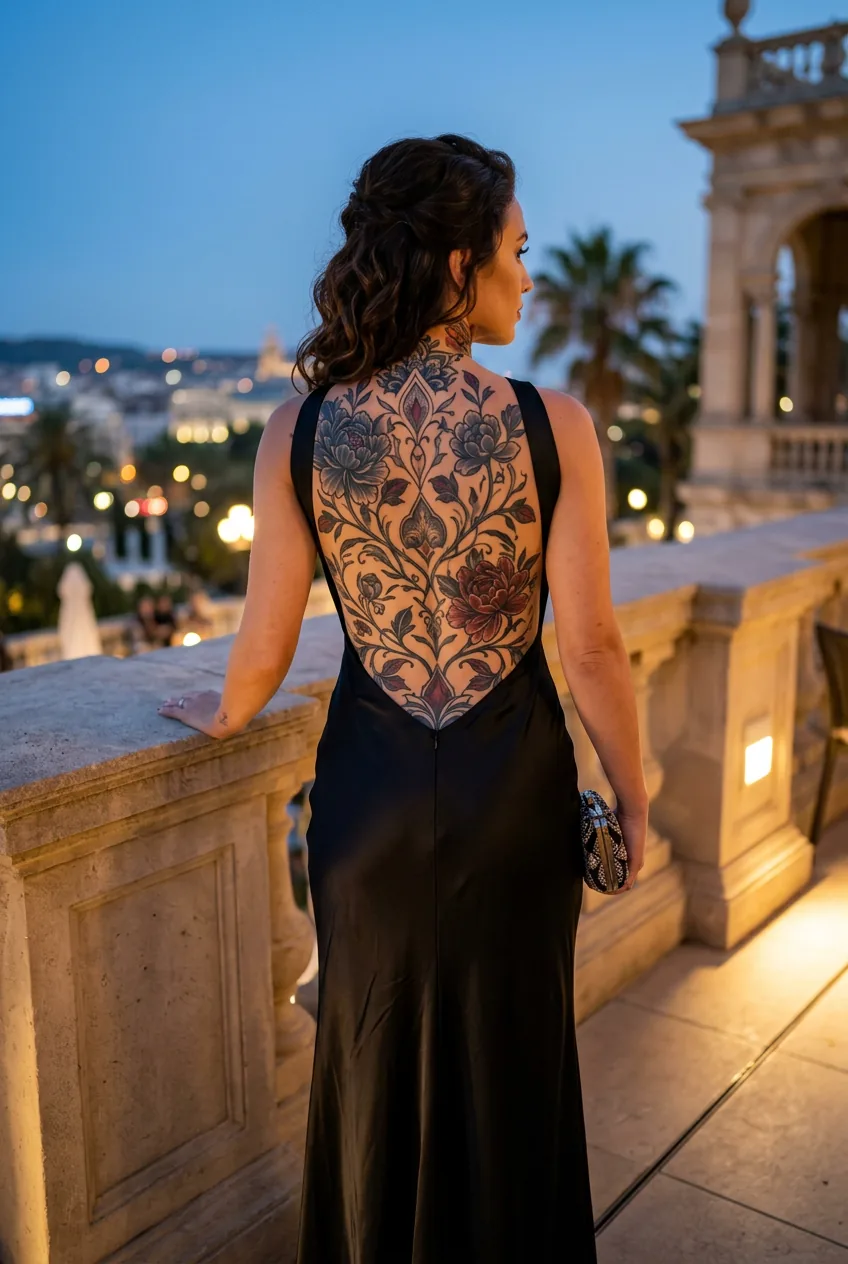
But the bigger shift was about ownership. For most of my life, my back felt like this forgotten part of my body. Now it feels intentional. Chosen. Like I actually live in my whole body instead of just the parts I see every day.
The confidence thing my friend experienced? Totally real. Not because the tattoo itself is confidence-inducing, but because choosing to permanently mark your body in such a deliberate way requires you to own your decisions in a new way.
I love how it peeks out of certain tops, how it’s completely hidden in work clothes, how it’s fully revealed in summer dresses. It feels like having a beautiful secret that I can share or keep private depending on my mood.
What I’d Tell Other Women Considering This
First — take your time with the design. More than you think you need. Your back deserves something that works with your specific body, not just something that looks cool on Pinterest.
Budget more than you expect, both financially and time-wise. Good back pieces usually require multiple sessions. Mine took three four-hour sessions spread over five months. Rush jobs on large pieces rarely age well.
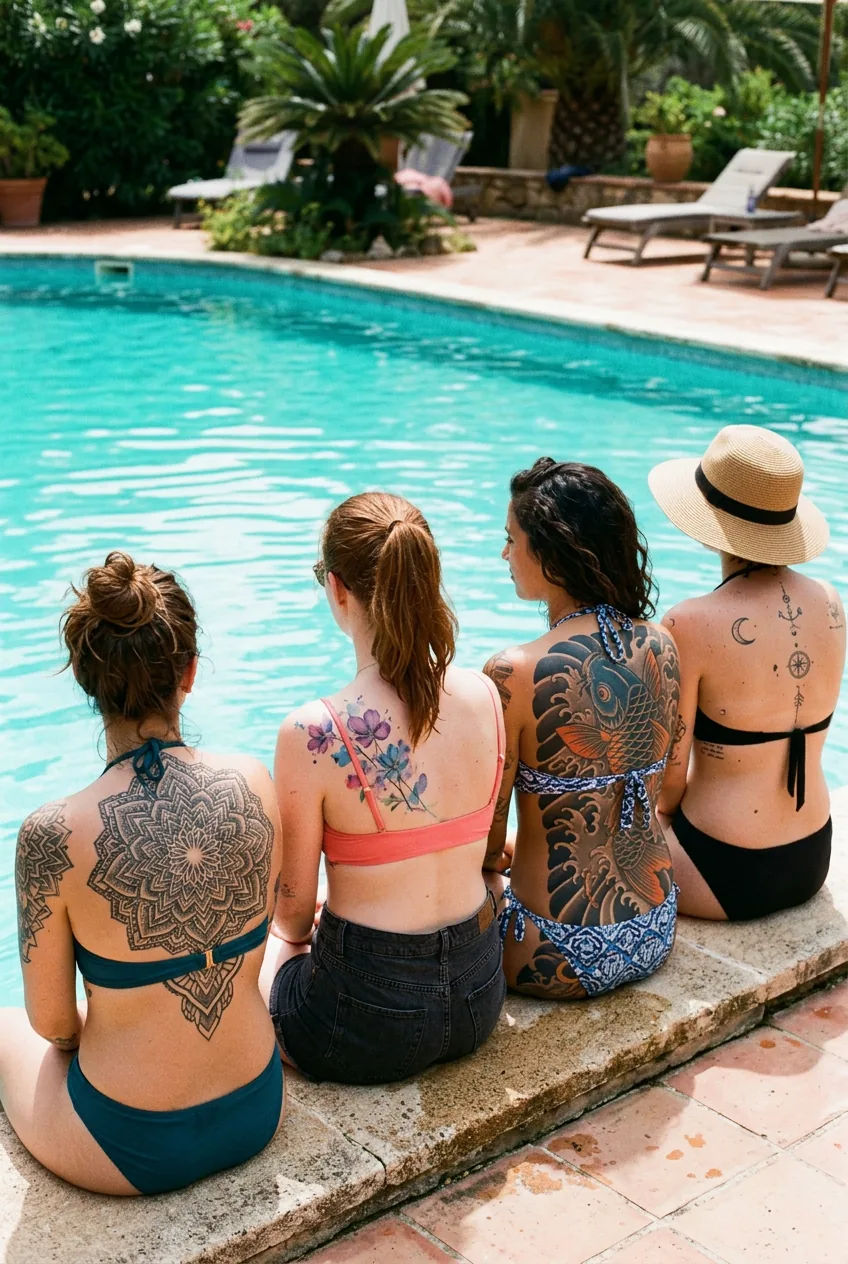
Think practically about healing. Do you have help? Can you take time off if needed? Are you prepared for weeks of modified sleeping and movement? These aren’t deal-breakers, but they’re real considerations.
Choose your artist based on their back piece portfolio specifically. The skills for micro tattoos don’t necessarily translate to large-scale back work. Look for artists who understand how to work with the natural lines of the female back.
And honestly? If you’re on the fence, sit with it longer. Back tattoos are incredibly beautiful and empowering, but they’re also a serious commitment. The right design will still be right in six months. The wrong one won’t.
But if you’re ready — if you’ve found the right design and the right artist and you feel that pull in your gut — do it. The experience taught me things about my own strength and body autonomy that I couldn’t have learned any other way.
Questions I Get About This
Does a back tattoo hurt more than other placements?
It varies by person, but yes — the spine area and shoulder blades tend to be more sensitive. The sides of the back near the ribs were actually worse for me than the center. Pain is manageable with breaks and the right mindset.
How long does a back tattoo take to heal completely?
Surface healing takes about 2-3 weeks, but full healing is 2-3 months. The location makes it slower because clothing constantly rubs against it. I was careful about tight bras and backpacks for about six weeks.
Can you sleep normally with a healing back tattoo?
Not for the first week or two. I had to sleep on my stomach or side with extra pillows for positioning. It’s uncomfortable but temporary. Having a partner who doesn’t mind your weird sleeping arrangements helps.
How much does a full back piece typically cost?
Mine cost around $2,800 for a medium-coverage design over three sessions. Full back pieces can range from $2,000-$8,000+ depending on complexity, artist, and location. Budget for touch-ups too.
Do you regret getting such a large tattoo?
Not for a second. It’s actually made me want to plan more stunning tattoo ideas for other areas. The experience was so empowering that it changed how I think about body art entirely.