



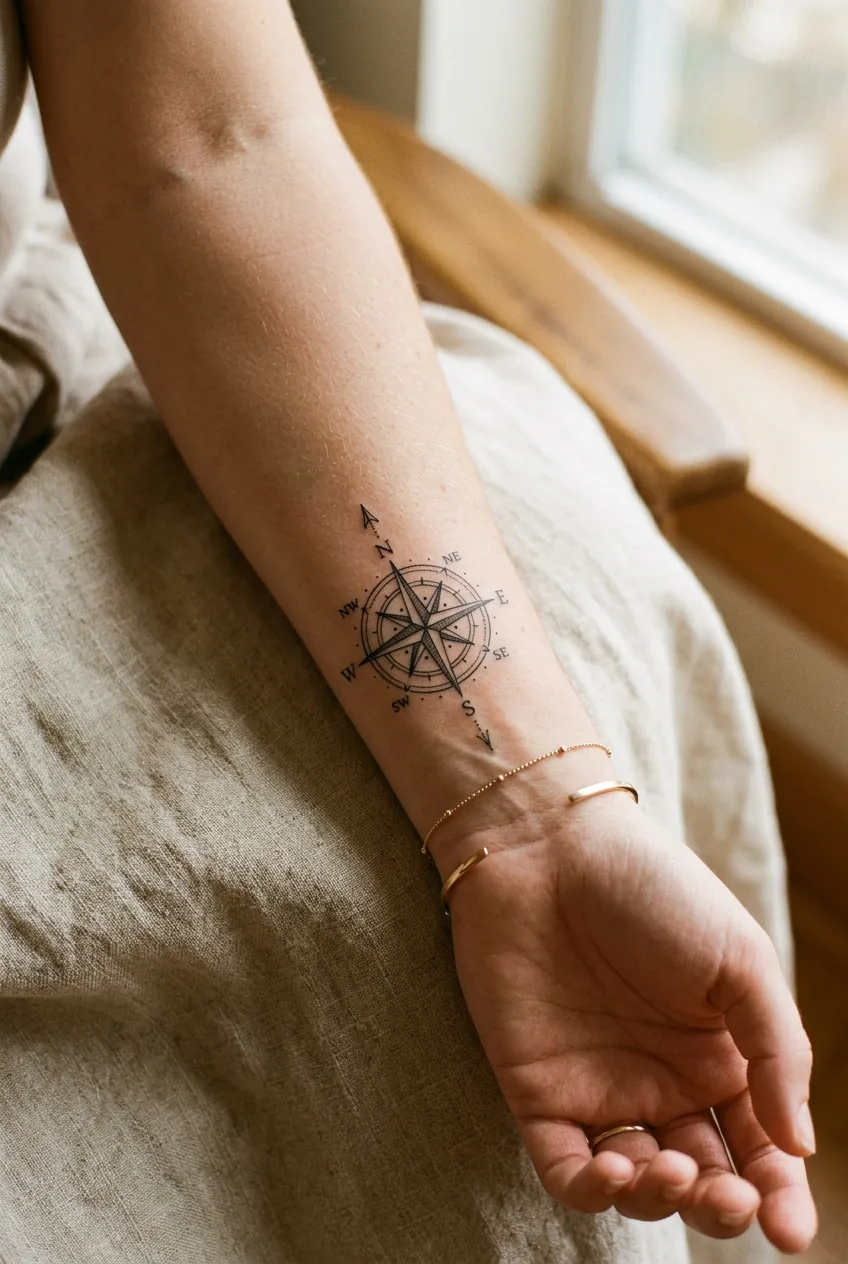
I got my first meaningful tattoo at 22 — a delicate compass rose on my left wrist that I thought would guide me through life’s uncertainties. What I didn’t expect was how it would become the first chapter in a visual autobiography written across my skin. Five years and six tattoos later, I realize each piece of ink has become a form of communication I never fully understood until now.
What I Was Trying to Communicate
That first compass wasn’t really about navigation — it was about declaring independence. I was fresh out of college, terrified about my future, but desperate to show the world (and myself) that I was someone who took risks. The fine lines and geometric points felt sophisticated, purposeful. I wanted people to see me as adventurous.
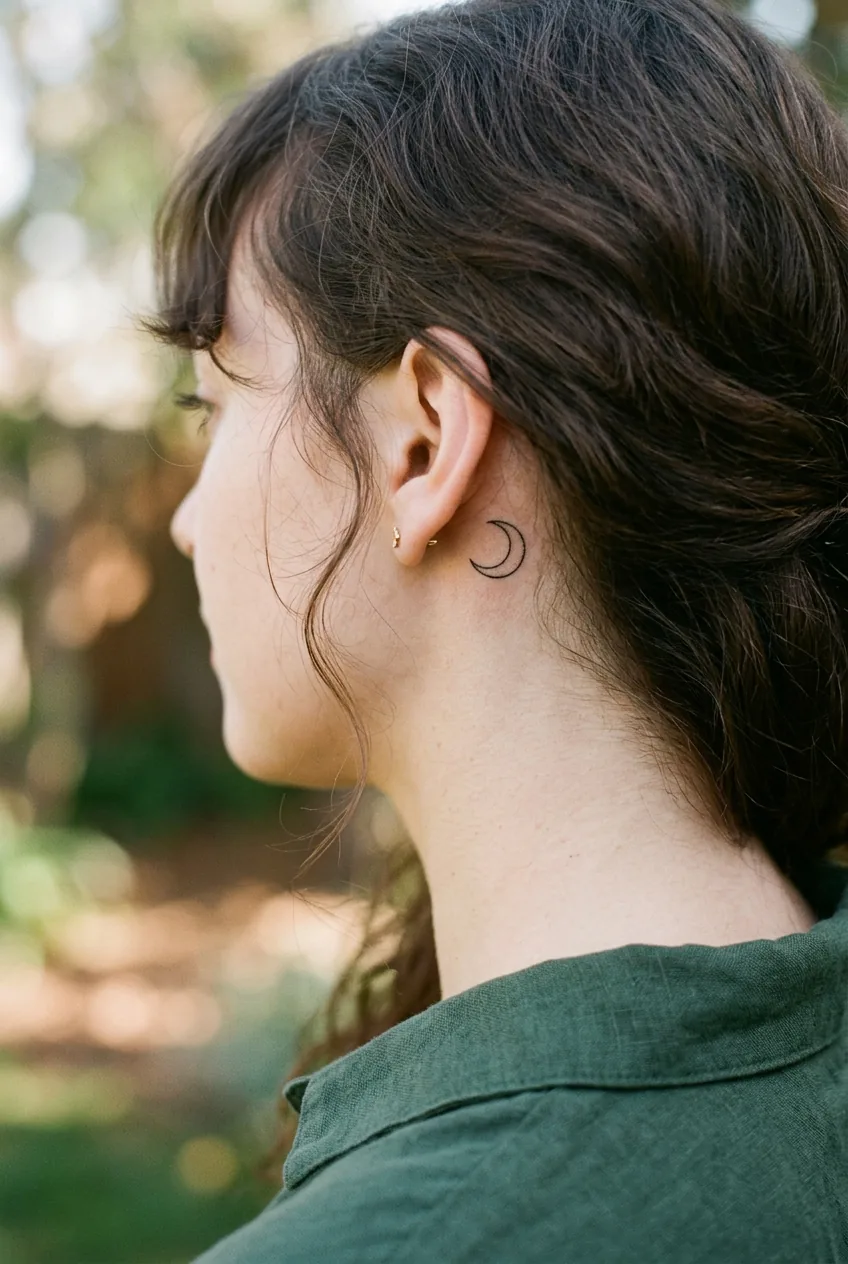
My second tattoo came six months later: a small crescent moon behind my right ear. Hidden unless I wore my hair up, it felt like a secret I carried. This one was about my fascination with cycles, with the idea that everything comes and goes. I was going through my first major breakup, and the moon represented resilience — the certainty that dark phases don’t last forever.
But here’s what I realize now: I was trying so hard to communicate strength and wisdom that I forgot tattoos also communicate vulnerability. Every piece of symbolic tattoos I chose was a way of saying “I’m deep, I’m thoughtful, I’m someone worth knowing.” The irony? The more meaningful I tried to make each design, the more performative it became.
How Others Read My Story Differently
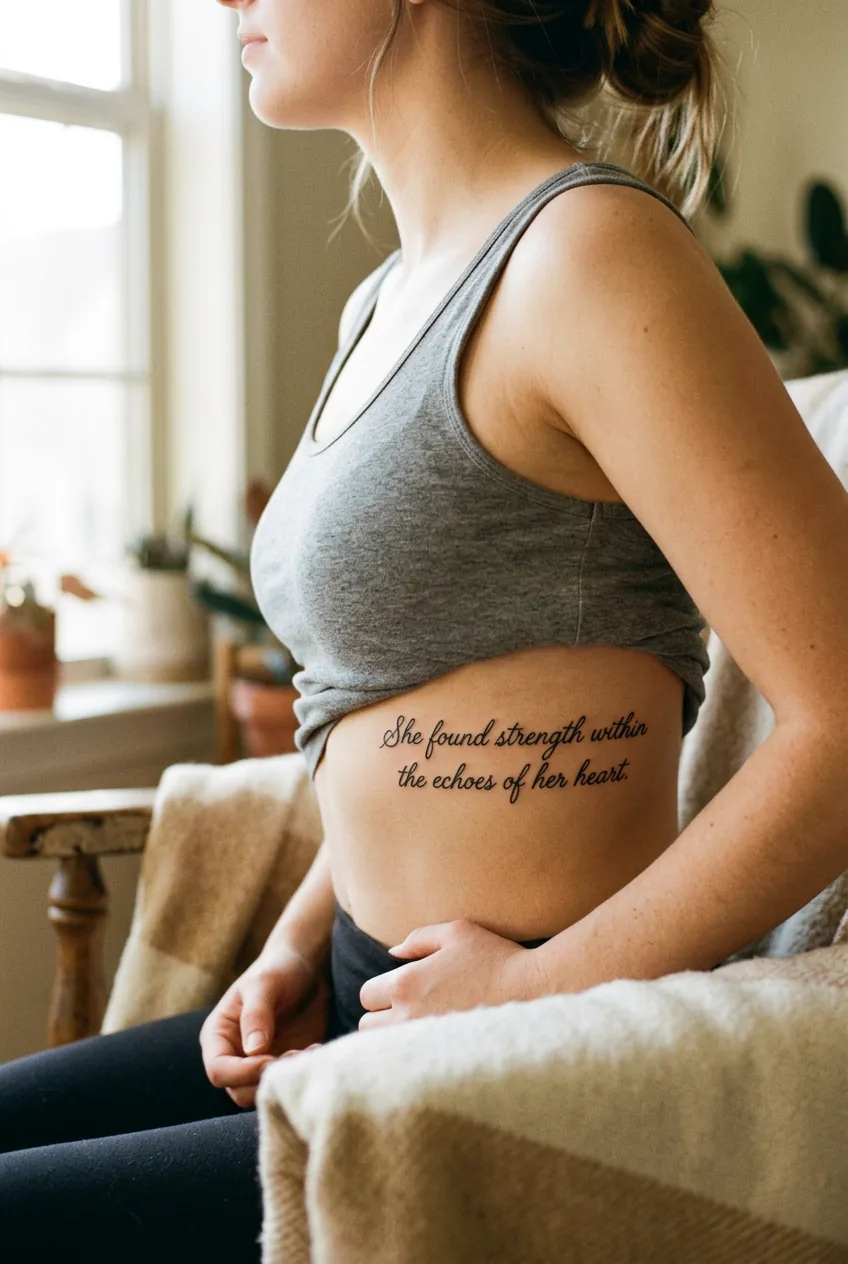
People see my tattoos and immediately start creating narratives I never intended. The compass makes strangers assume I’m well-traveled (I’ve barely left my home state). The small script on my ribcage — “she believed she could” — gets read as feminist empowerment when it’s actually about surviving anxiety attacks.
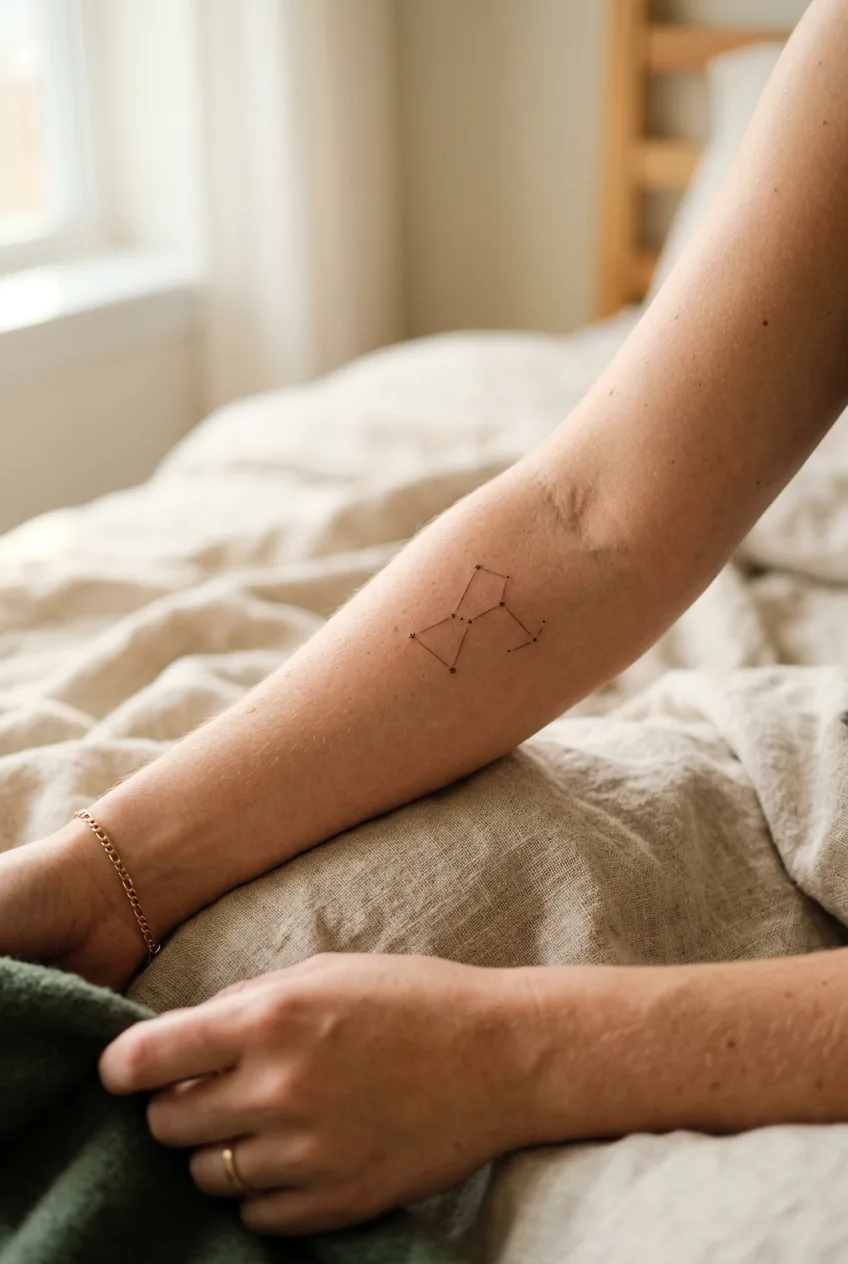
My favorite misreading happened at a coffee shop last year. A woman complimented the small constellation on my forearm and said, “You must be really into astronomy.” I didn’t have the heart to tell her it’s the star pattern from the night my grandmother died — not scientific interest, but grief made visible. She saw curiosity about the universe; I see love that outlasts a person.
And that’s the fascinating thing about meaningful tattoos as communication: we’re all bilingual in a language we’re still learning. The symbols I chose to represent specific emotions get filtered through other people’s experiences, their associations, their own relationship with ink. Sometimes their interpretation is more generous than my intention. Sometimes it misses the mark entirely.
But the misreadings taught me something crucial — meaningful tattoo symbols work differently for everyone. My ink doesn’t exist in a vacuum. It’s part of a conversation I started but can’t control.
The Ink That Changed Everything
The tattoo that shifted everything was the most impulsive one — and the least “meaningful” by my original standards. After a particularly brutal work week, I walked into my artist’s shop and asked for something that just felt good. No deep symbolism, no careful planning.
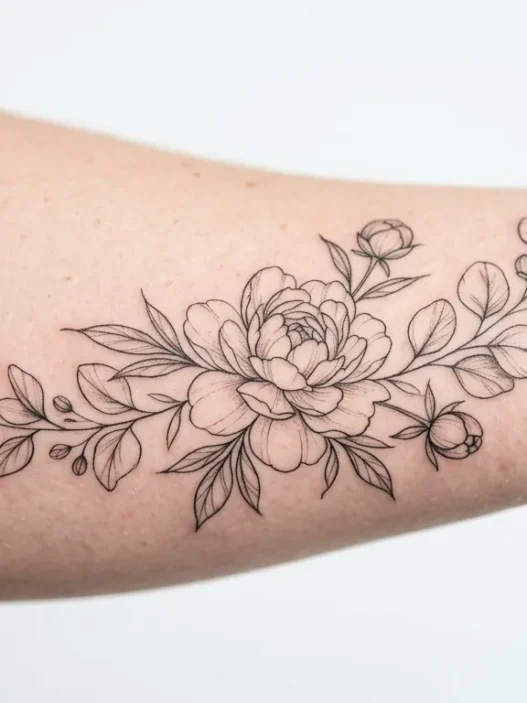
She drew a simple wildflower stem up my left forearm. No hidden meaning, no connection to dead relatives or life philosophies. Just something beautiful that made me smile. And you know what? That spontaneous piece gets more compliments than my carefully curated meaningful collection.
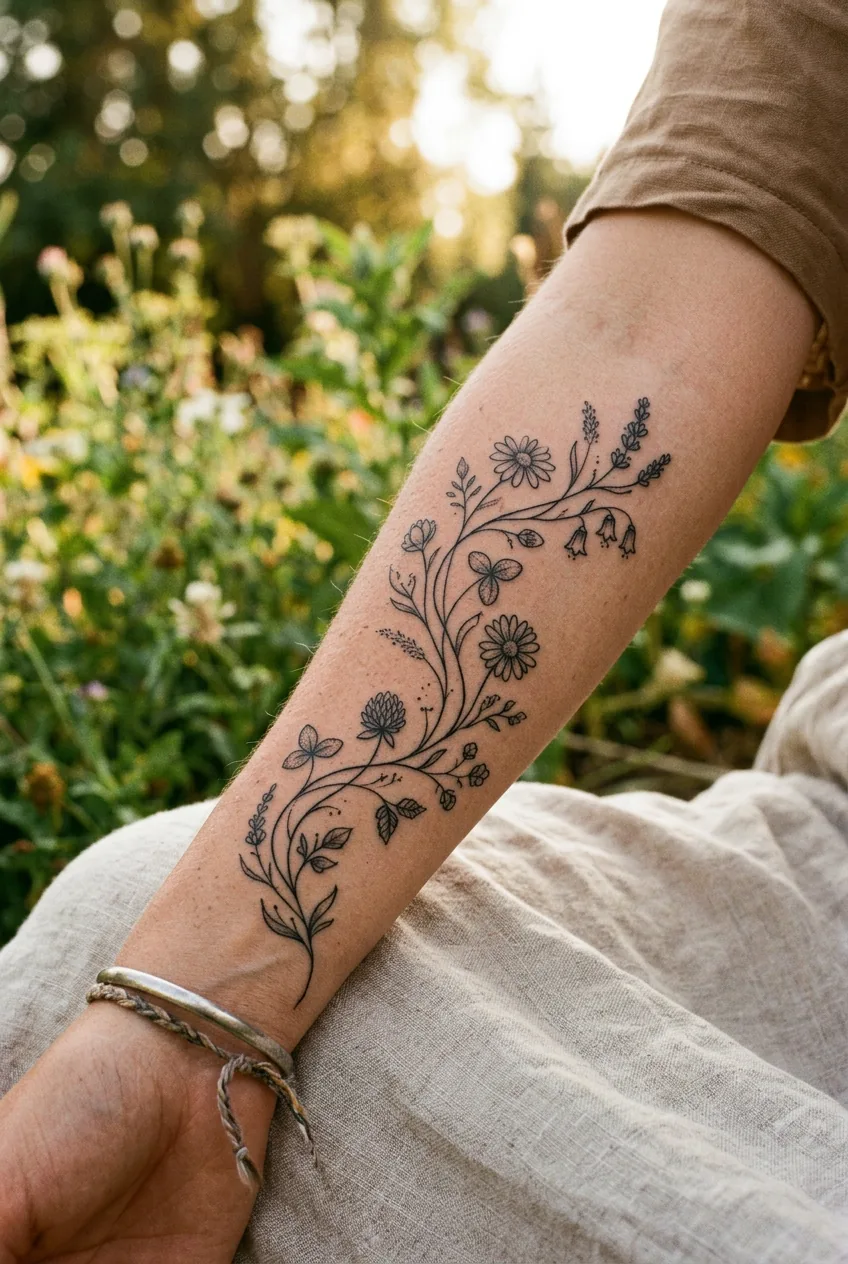
It taught me that meaning isn’t always intentional. Sometimes it develops over time. That wildflower now reminds me of the day I learned to trust my instincts, to choose joy over significance. It represents the person who could make decisions without needing them to be profound.
The piece also changed how I think about powerful symbols for women in tattooing. We’re often told our ink needs to mean something important, needs to tell a story worthy of permanent placement. But what if the meaning is simply “this brings me joy”? What if that’s profound enough?
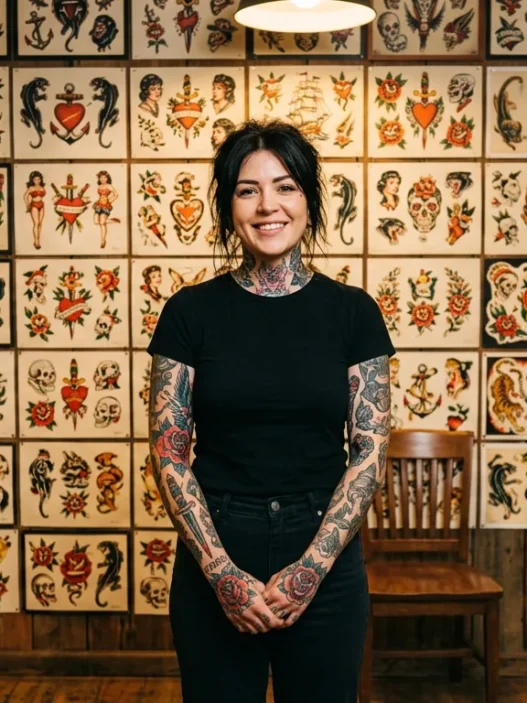
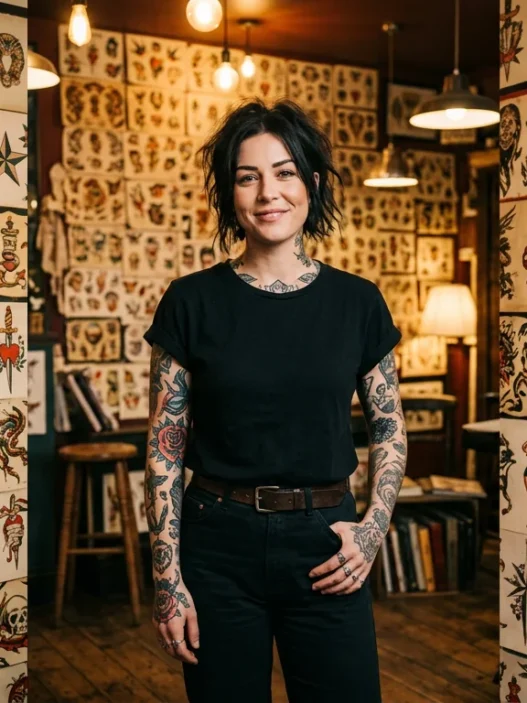
This Artist Explains It Perfectly
What These Symbols Mean to Me Now
Here’s the thing about meaningful tattoos — they age differently than you expect. Not the ink itself (though that softens too), but the meaning layers like sediment.
My compass rose, originally about independence, now makes me think about how I’ve learned to ask for directions. The crescent moon reminds me less of resilience and more of the night I got it, sitting in my car crying after that breakup, feeling completely lost. The memory of being that sad is somehow comforting now — look how far I’ve come.
The constellation has gained meaning I never anticipated. What started as grief memorial has become a conversation starter about astronomy (thanks to that coffee shop encounter). I’ve actually learned about the stars now, partly to live up to what people assume about me. My tattoo educated me backwards.
But the wildflower — that’s the one that surprises me most. It’s developed the deepest meaning of all, precisely because it started with none. It’s become my reminder that not everything needs to be heavy, that beauty can be its own justification. In a collection of symbols chosen for their significance, it’s the most significant of all.
The Pieces I Haven’t Got Yet
I’m planning my next tattoo completely differently. Instead of searching for the perfect symbol to represent who I am, I’m thinking about who I want to become. What kind of conversation do I want to have with my future self?
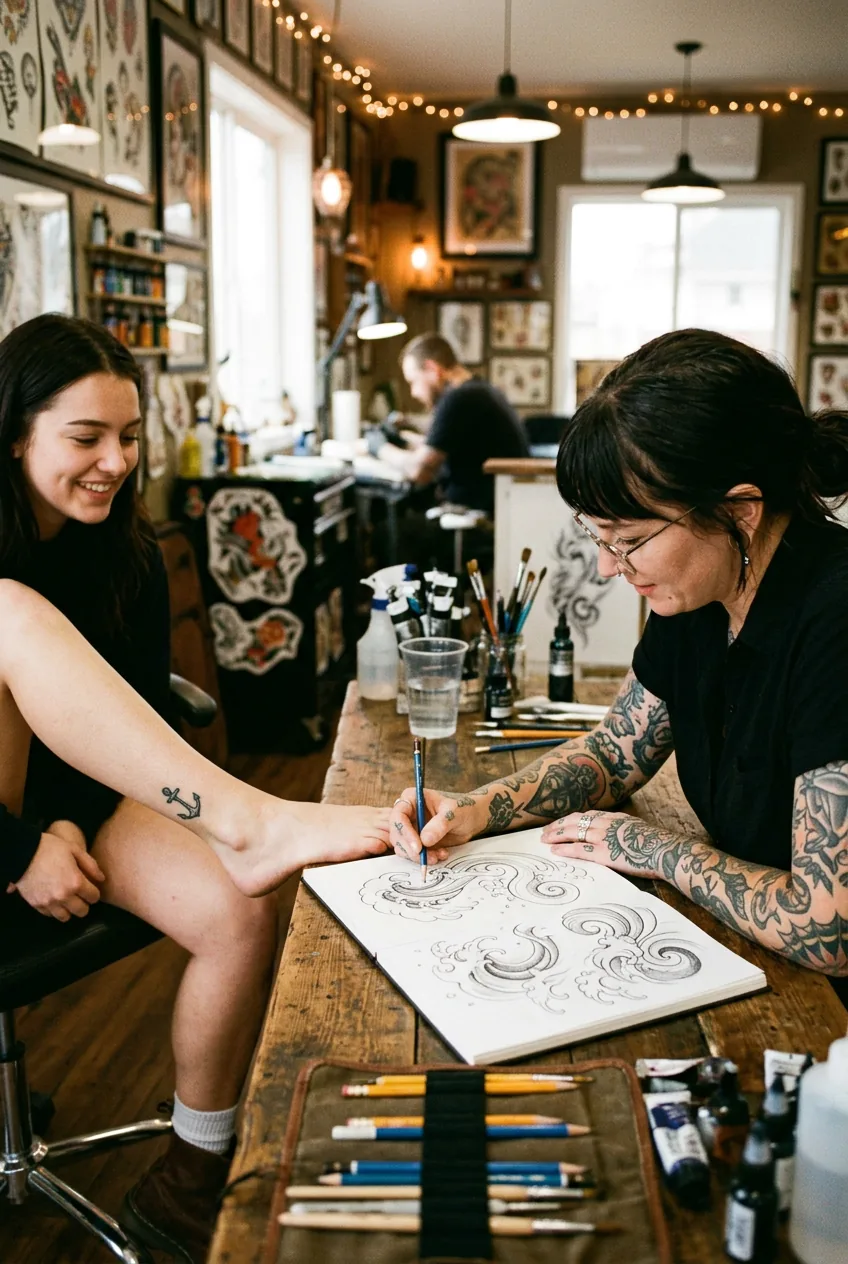
There’s a design I keep coming back to — waves that would wrap around my ankle. Not because I’m particularly connected to the ocean (I live in Kansas), but because I want to carry a reminder that movement and stillness can coexist. I want to remember that sometimes the most profound thing you can do is flow around obstacles instead of fighting them.
I’m also considering something completely abstract — colors and shapes that don’t represent anything except the way they make me feel. After years of choosing ink for its symbolic weight, there’s something rebellious about choosing it purely for joy.
The truth is, I’ve learned that placement decisions matter as much as the design itself. Where we put our meaningful tattoos changes how we interact with them daily, how often we’re reminded of their significance, how they become part of our physical vocabulary.
My next piece won’t be about proving anything to anyone. It’ll be about continuing a conversation I’m having with myself, in a language that’s becoming more fluent every year. Because meaningful tattoos aren’t really about meaning at all — they’re about the relationship between who we were when we got them and who we become while wearing them.
Questions I Get About This
Do you ever regret getting tattoos for the “wrong” reasons?
Not really. Even the ones I got for performative reasons taught me something about who I was at that moment. They’re like diary entries I can’t erase — and honestly, I wouldn’t want to.
How do you handle it when people misinterpret your tattoos?
I’ve learned to see it as part of the tattoo’s evolution. Sometimes their interpretation adds a layer I hadn’t considered. Other times I just smile and let them have their version of my story.
Should meaningful tattoos always have deep symbolism?
Absolutely not. My most “meaningful” tattoo now is the one I got purely because it made me happy. Sometimes joy is the deepest meaning of all.
How has your relationship with your tattoos changed over time?
They’ve become less about making statements and more about having conversations — with myself, with my past, with the person I’m becoming. The meaning deepens but also gets lighter, if that makes sense.
Your tattoos are writing your story whether you plan it or not. The question isn’t whether they’re meaningful enough — it’s whether you’re ready for the conversation they’re going to start.