





I used to collect dozens of snake tattoo references. Pinterest boards overflowing with coiled serpents, realistic pythons, geometric vipers. But when I sat down with my tattoo artist, we’d spend half the consultation trying to merge conflicting styles. Then I discovered something counterintuitive: one perfect reference image creates better detailed snake tattoos than ten mediocre ones.
Why One Reference Works Better
Multiple references create decision paralysis. I learned this the hard way when I walked into my first consultation with fifteen snake images saved on my phone. My artist kept asking which elements I wanted from each photo — the scales from image three, the pose from image seven, the shading style from image twelve.
The session felt more like negotiating a business deal than creating art. We never got past the planning phase because there were too many variables to reconcile.
One reference eliminates this chaos. Your artist immediately understands your aesthetic preference, your comfort level with detail, and your size expectations. More importantly, they can spot potential problems before the needle touches skin.
When you love one image completely — not just pieces of it — you’re communicating a clear vision. That clarity translates directly into better tattoo execution.
What Makes a Snake Image Actually Referenceable
Not every snake image makes good tattoo reference. I’ve seen people fall in love with photos that are essentially untranslatable to skin. The key is understanding what elements actually work in tattoo form.
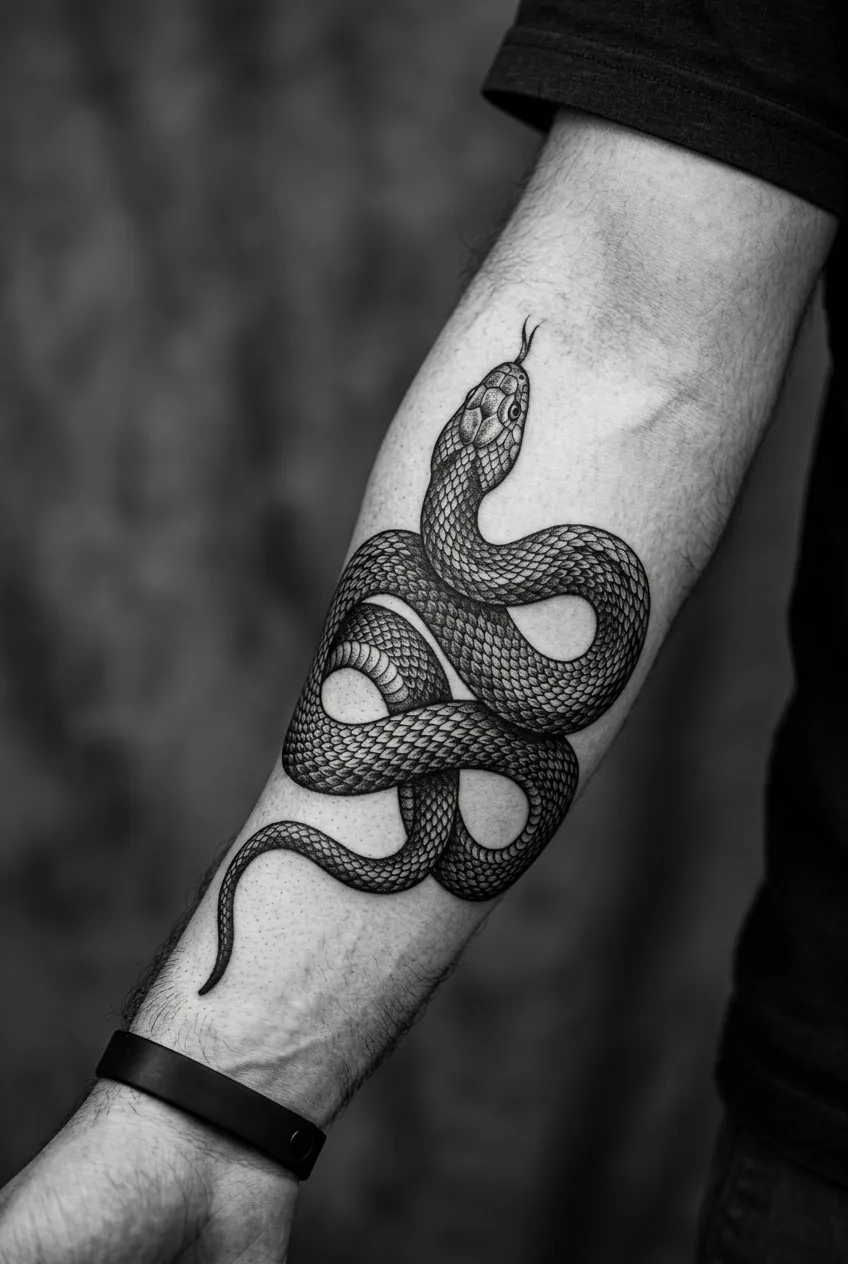
Line clarity matters most. If you can’t distinguish individual scales or identify where the snake’s body begins and ends, your tattoo artist can’t either. Look for images where shadows don’t obscure crucial details.
Contrast is your friend. High contrast between the snake and its background translates beautifully to skin. Soft, blended edges that look gorgeous in photography often become muddy in tattoo form, especially as the tattoo ages.
Consider the lighting angle in your reference. Dramatic side lighting that creates deep shadows won’t work the same way on a curved body part. Shading techniques that rely heavily on environmental lighting rarely translate well to skin.
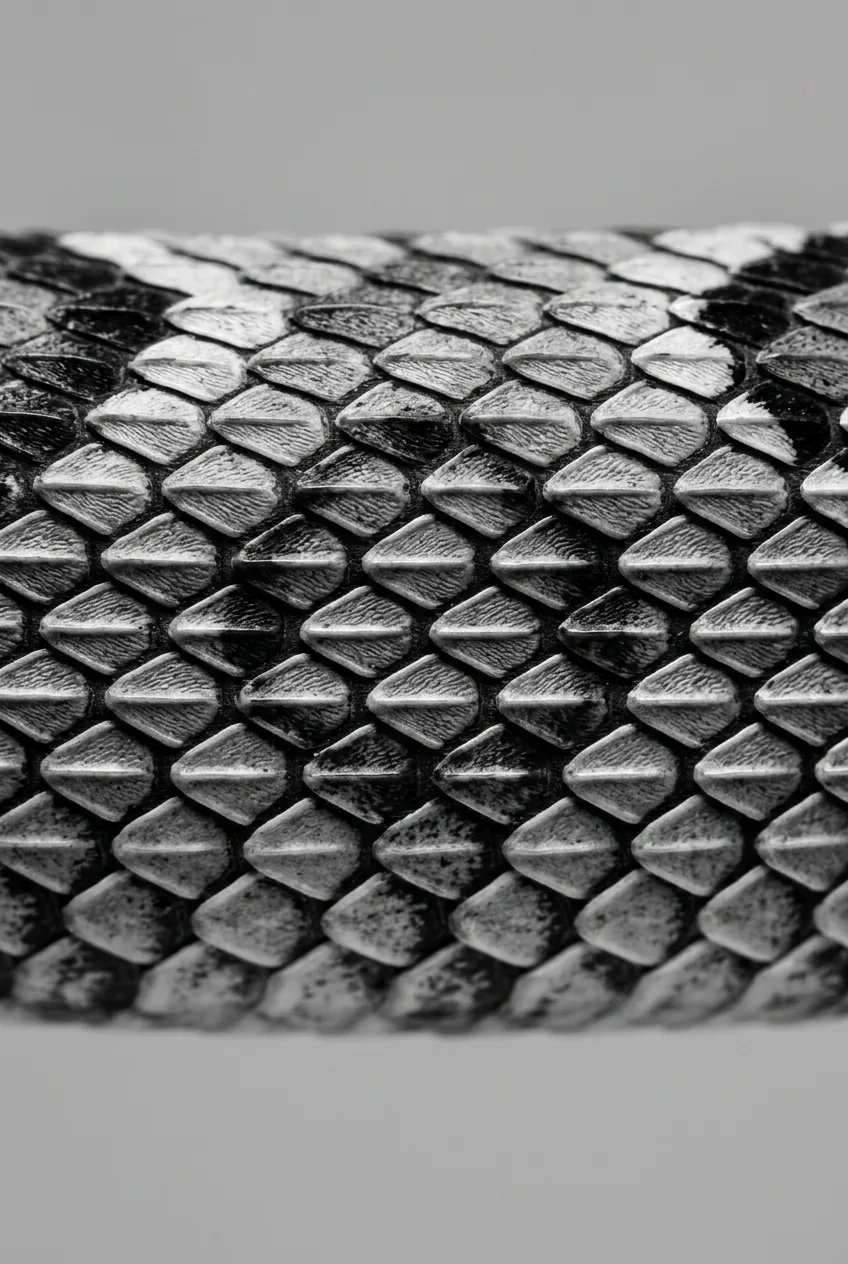
Scale detail should be visible but not overwhelming. You want enough texture to create interest without requiring a microscope to appreciate the finished tattoo. If your reference shows every individual scale, consider how that level of detail will look from three feet away.
Reading Your Body Canvas First
Your body isn’t flat paper. Before falling in love with any reference image, you need to understand how your chosen placement will affect the final design.
I made this mistake early on. Found the perfect coiled rattlesnake reference — gorgeous composition, clear details, dramatic pose. But I wanted it on my forearm, and the image showed the snake from directly above. That perspective makes no sense when wrapped around a cylindrical arm.
The biggest mistake I made was choosing a reference based purely on aesthetics, ignoring how my body curves would distort the image. My artist had to completely redesign the snake’s positioning to work with my ribs instead of fighting against them.
Consider how your muscles move. A detailed snake wrapping around your upper arm will stretch and compress differently depending on whether your arm is flexed or relaxed. Static reference images can’t show this, so discuss movement with your artist.
Think about hair growth patterns if you’re getting tattooed somewhere hair typically grows. A snake design with incredibly fine line work might get lost once your hair grows back.
Building the Brief Around Your One Image
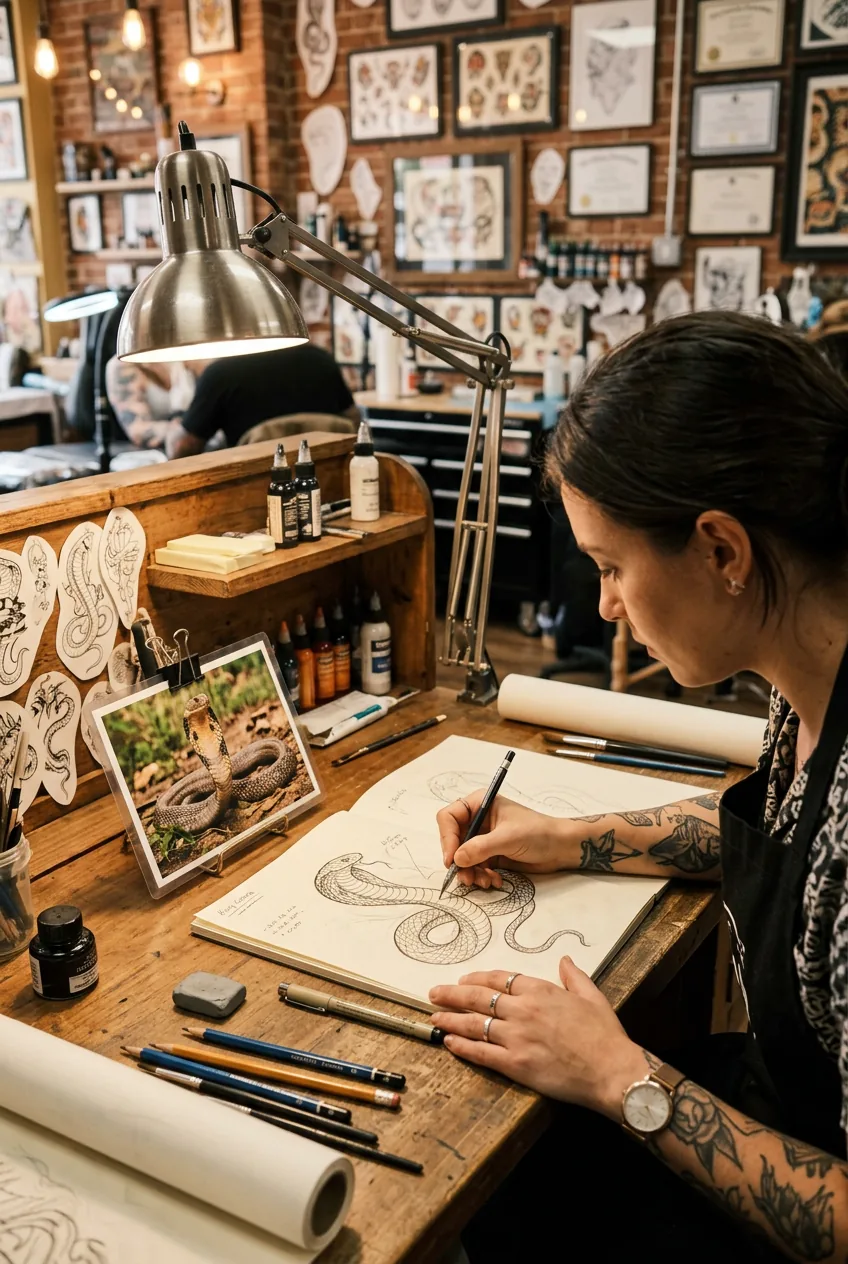
Once you’ve selected your perfect reference, the brief-building process becomes much simpler. Start with what you love most about the image — is it the snake’s pose, the scale texture, the overall mood?
Write down three specific elements that drew you to this particular image. Not vague concepts like “looks cool” but concrete details like “the way the head curves create an S-shape” or “how the scales catch light along the spine.”
Identify any elements that might need adjustment. Maybe you love everything about the snake except its open mouth — that’s valuable information for your artist. Or perhaps the pose is perfect but you want different scale detailing.
Consider color early, even if your reference is black and white. Some tattoo themes work better in certain color palettes. Your artist can suggest how your chosen design would translate to color, but having a preference helps guide the conversation.
Document what you DON’T want just as clearly as what you do want. If your reference shows a realistic snake but you prefer stylized approaches, say so. These negative preferences prevent scope creep during the design process.
Scale and Placement Reality Check
This is where most people’s tattoo dreams crash into reality. Your reference image might show a six-foot python, but your forearm is only about ten inches long. The math has to work.
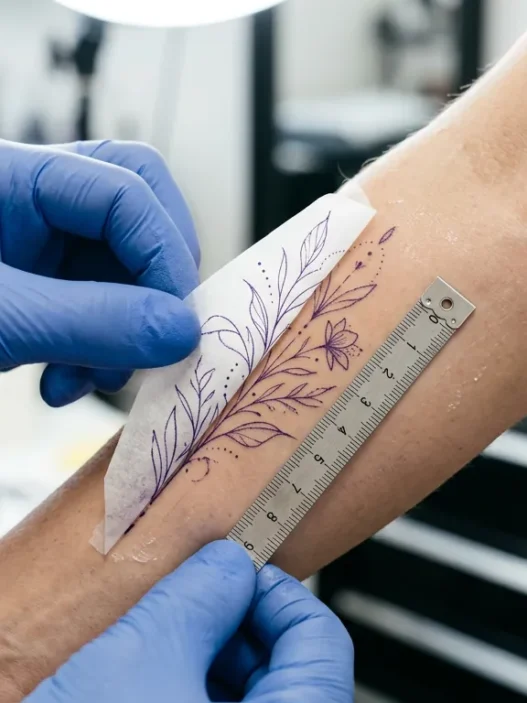
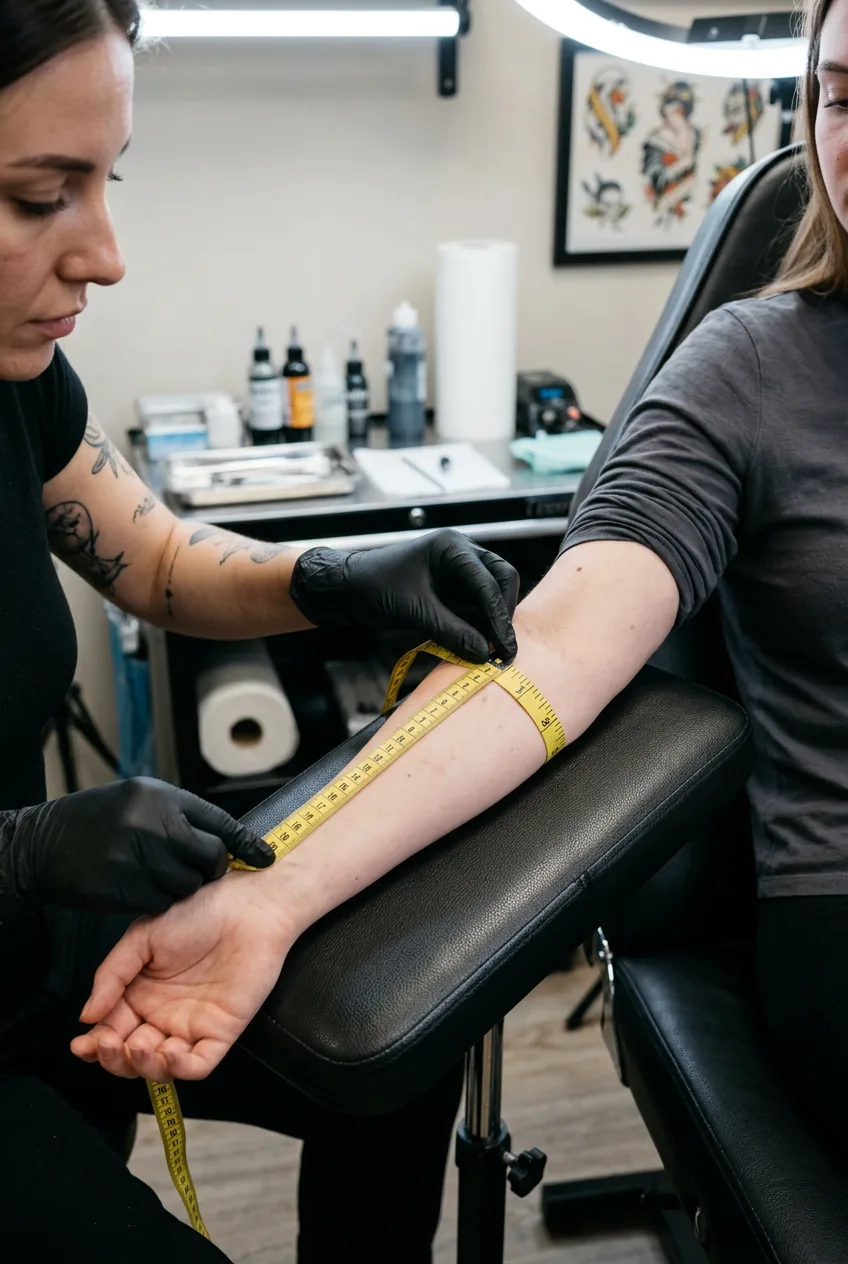
Measure your intended placement area before your consultation. Bring those measurements. Your artist can then show you exactly how your reference will need to be modified to fit your body.
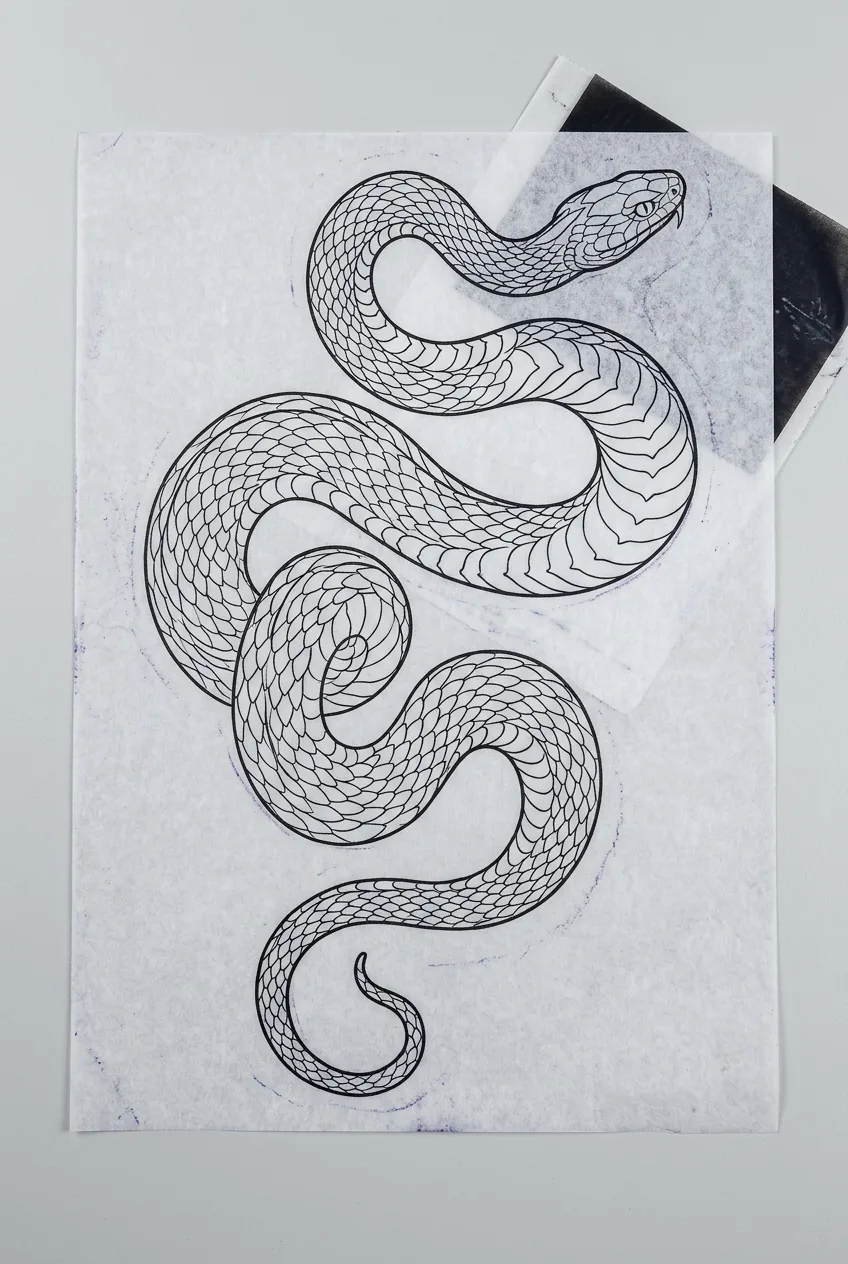
Detailed snake tattoos require certain minimum sizes to remain legible over time. If your reference shows intricate scale work, that level of detail needs space to breathe. Cramming too much detail into too small a space creates tattoos that blur together as they age.
Consider the viewing angle. A snake coiled around your calf will be seen from many different angles throughout the day. Your reference might look perfect from one specific viewpoint, but how will it read when someone sees it from the side or from behind?
Think about future additions. Even if you’re planning just one snake tattoo now, leaving space for potential additions later keeps your options open. A cramped placement might limit your choices down the road.
Communicating Your Vision to Your Artist
The consultation becomes exponentially easier when you bring one clear reference instead of a scattered collection. Your artist can immediately assess feasibility, suggest improvements, and spot potential issues.
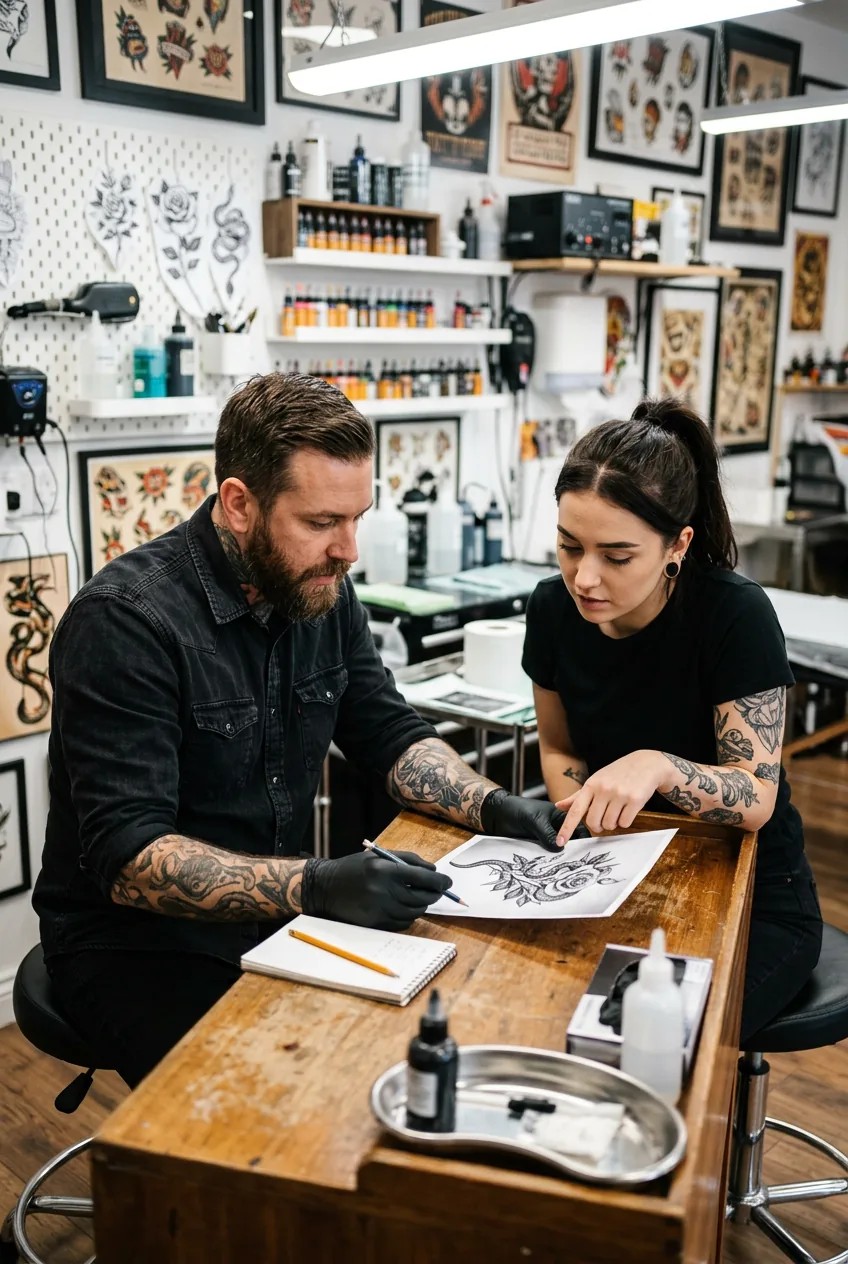
Explain why you chose this specific image. “I love how the snake’s body creates natural flow lines” gives your artist insight into your aesthetic preferences. This context helps them make design decisions that align with your vision.
Be honest about your pain tolerance and time commitment. Detailed snake tattoos often require multiple sessions. If your reference shows incredibly fine detail work but you’re hoping to complete everything in two hours, that’s a conversation worth having upfront.
Ask about aging. How detailed tattoos age is something many people don’t consider until it’s too late. Your artist can explain which elements of your reference will hold up best over decades.
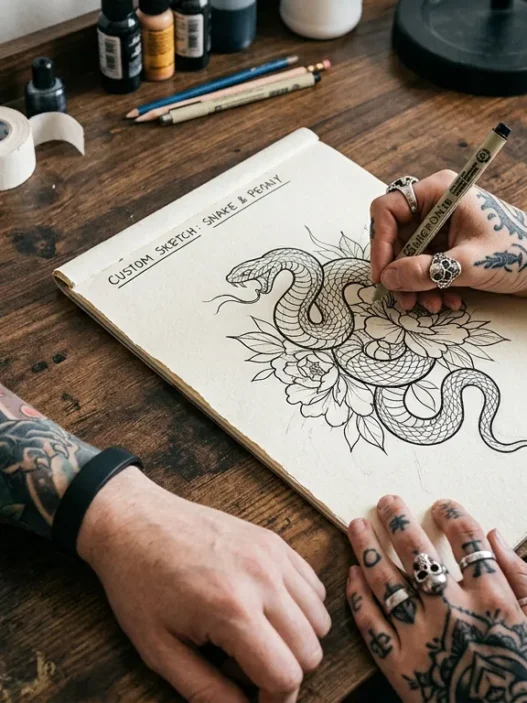
Request a rough sketch before committing to the full design process. Many artists will do a quick preliminary drawing based on your reference to ensure you’re both envisioning the same final result.
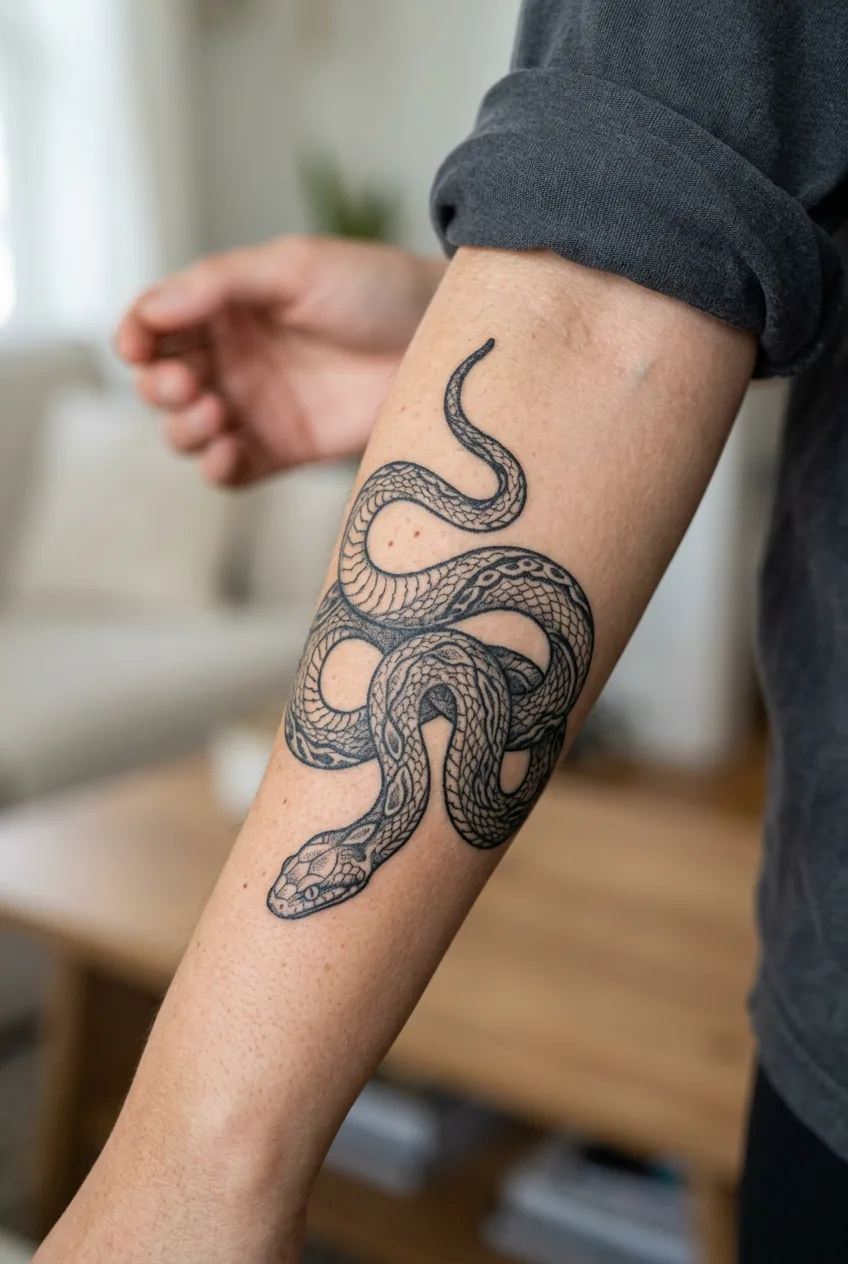
The single-reference approach might feel limiting at first, but it’s actually liberating. Instead of managing competing visual elements, you and your artist can focus on perfecting one cohesive vision. When I finally embraced this method, I got exactly the detailed snake tattoo I’d been trying to articulate for months. Sometimes less really is more.