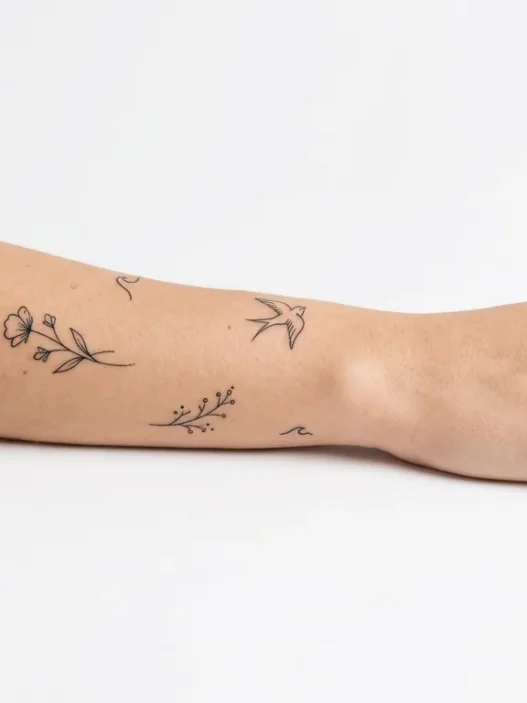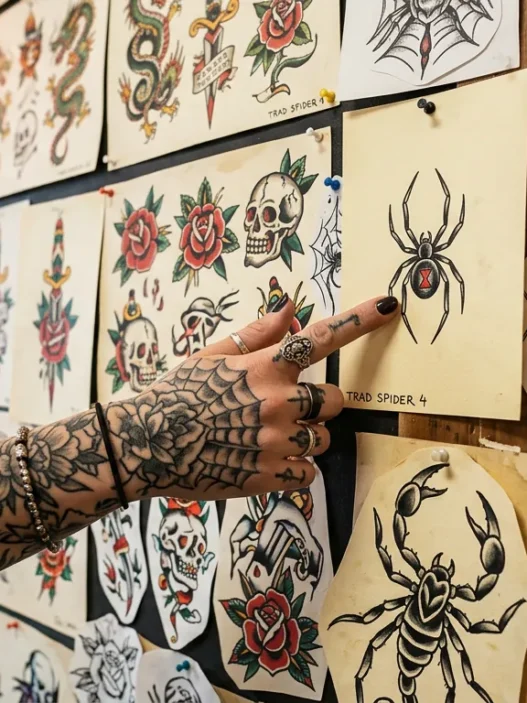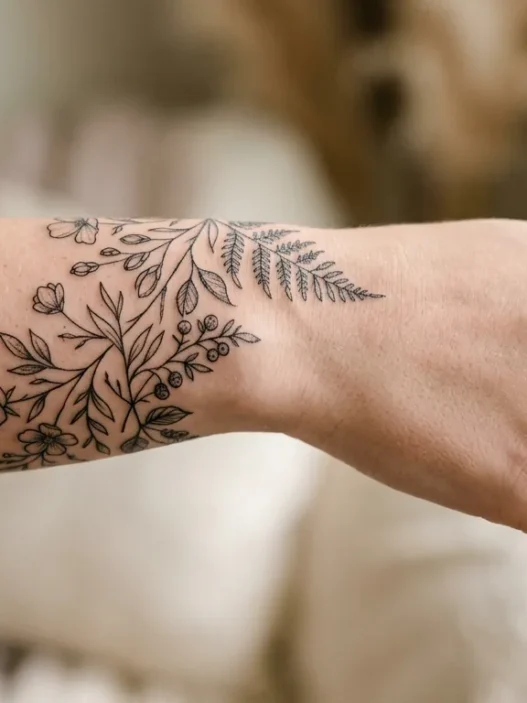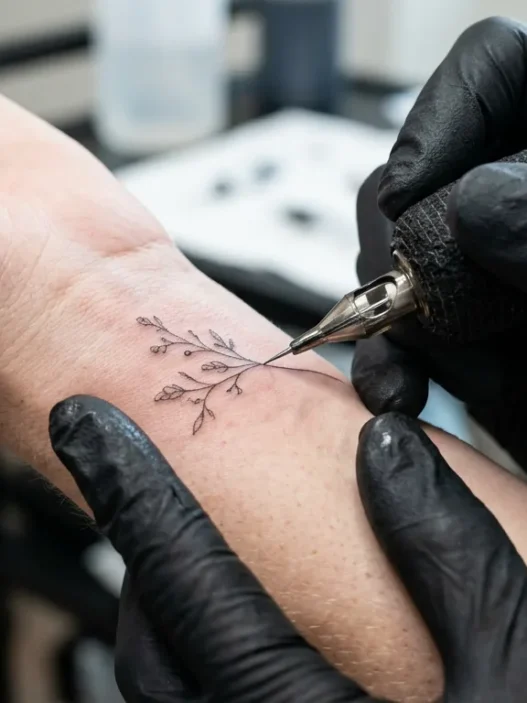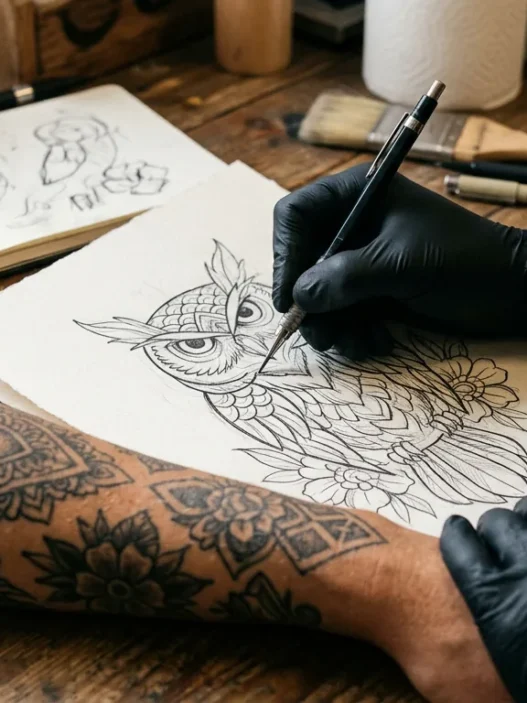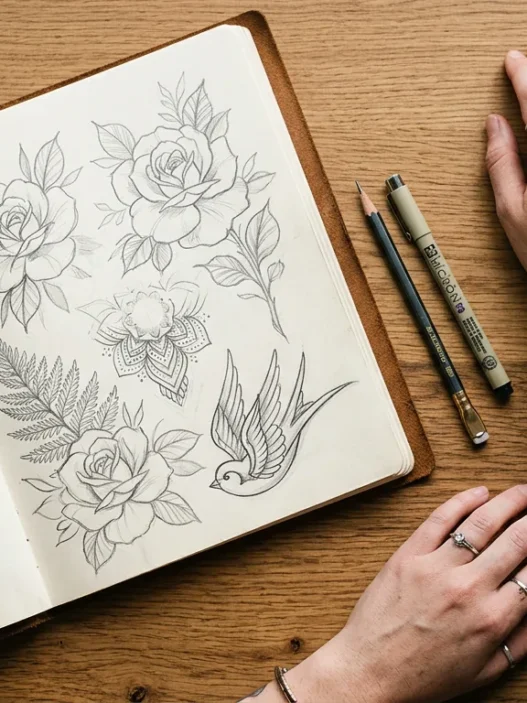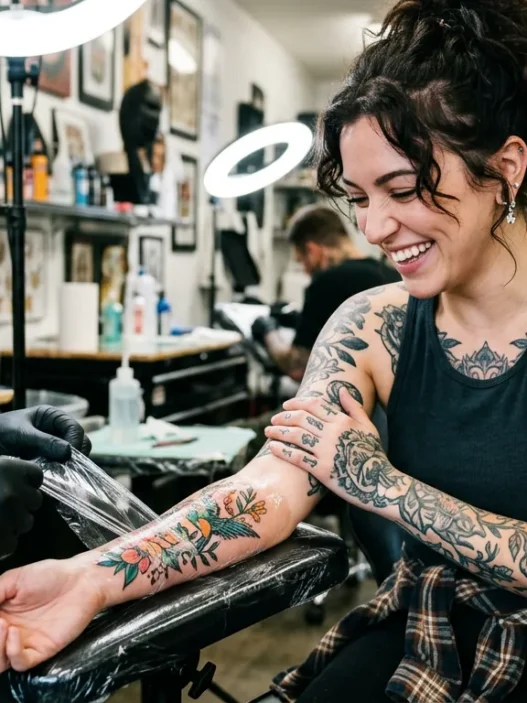






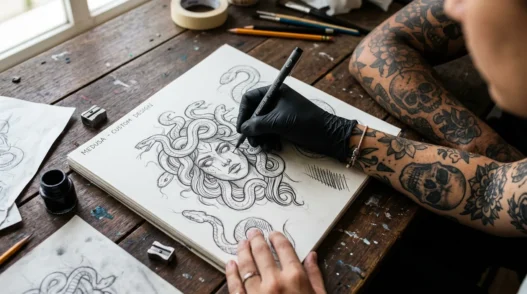
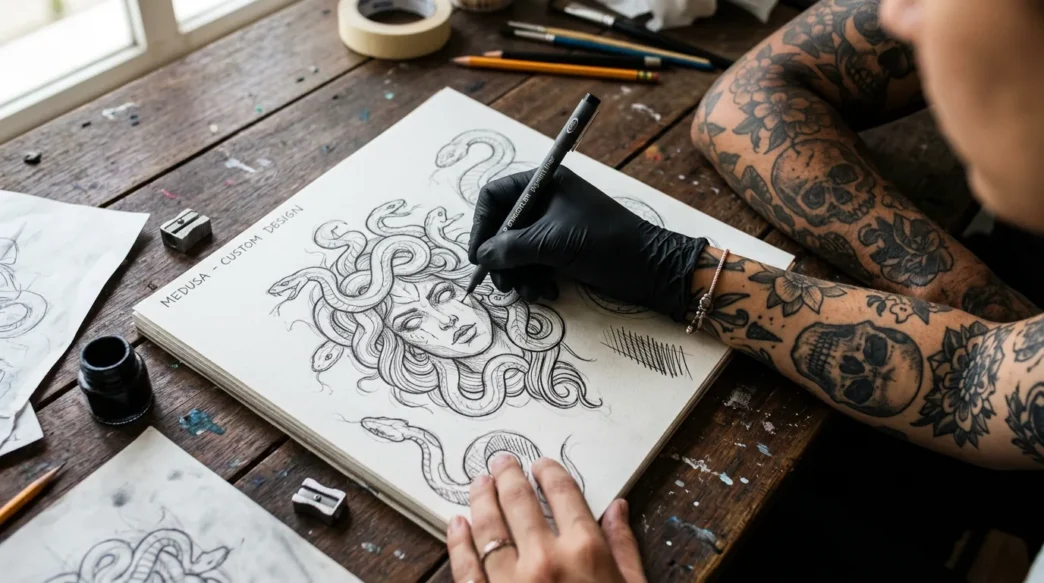
I spent three months going back and forth between fine line and bold traditional for my Medusa tattoo. One day I’d be completely sold on delicate linework, the next I’d see a bold piece that made me question everything. My artist finally sat me down and walked me through the practical differences — and it changed my entire approach to the decision.

Which Style Ages Better on Your Skin Type
Here’s what most people don’t realize — your skin type determines which Medusa style will still look crisp in ten years.
Fine line Medusa tattoos are gorgeous fresh, but they’re unforgiving on certain skin types. If you have oily skin or larger pores, those delicate snake details will blur faster than you’d expect. I learned this the hard way when my friend’s intricate fine line piece started losing definition after just two years.
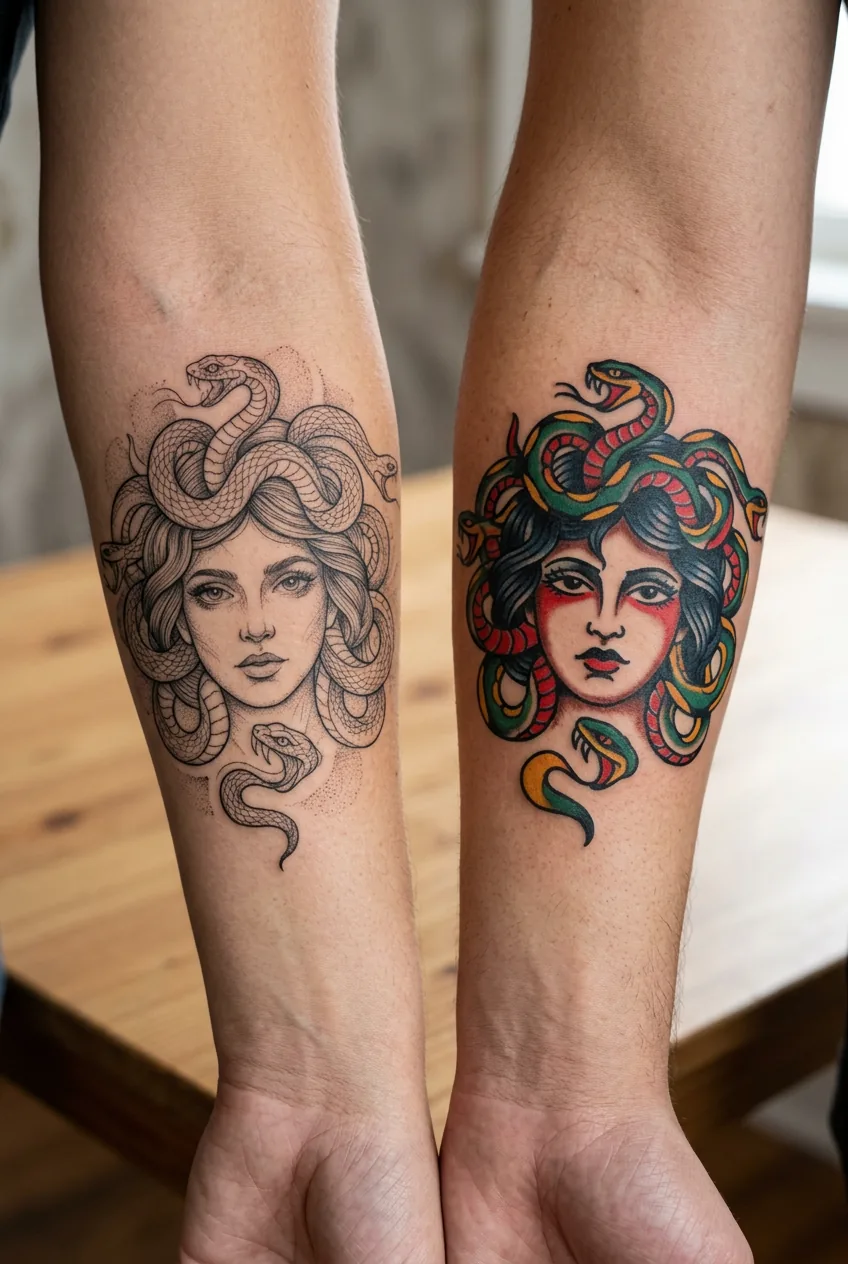
Bold traditional style, on the other hand, actually improves with age on most skin types. The thicker lines and solid color blocks hold their shape even as your skin changes. My artist showed me photos of bold Medusa tattoos that were 15+ years old — they looked almost as sharp as the day they were done.
Dry or mature skin? Fine line can work beautifully because you don’t have excess oil breaking down the ink. But if you’re in your early twenties with combination skin, seriously consider going bold.
Which Works for Your Pain Threshold
This might surprise you — fine line doesn’t automatically mean less pain. In fact, it can be the opposite.
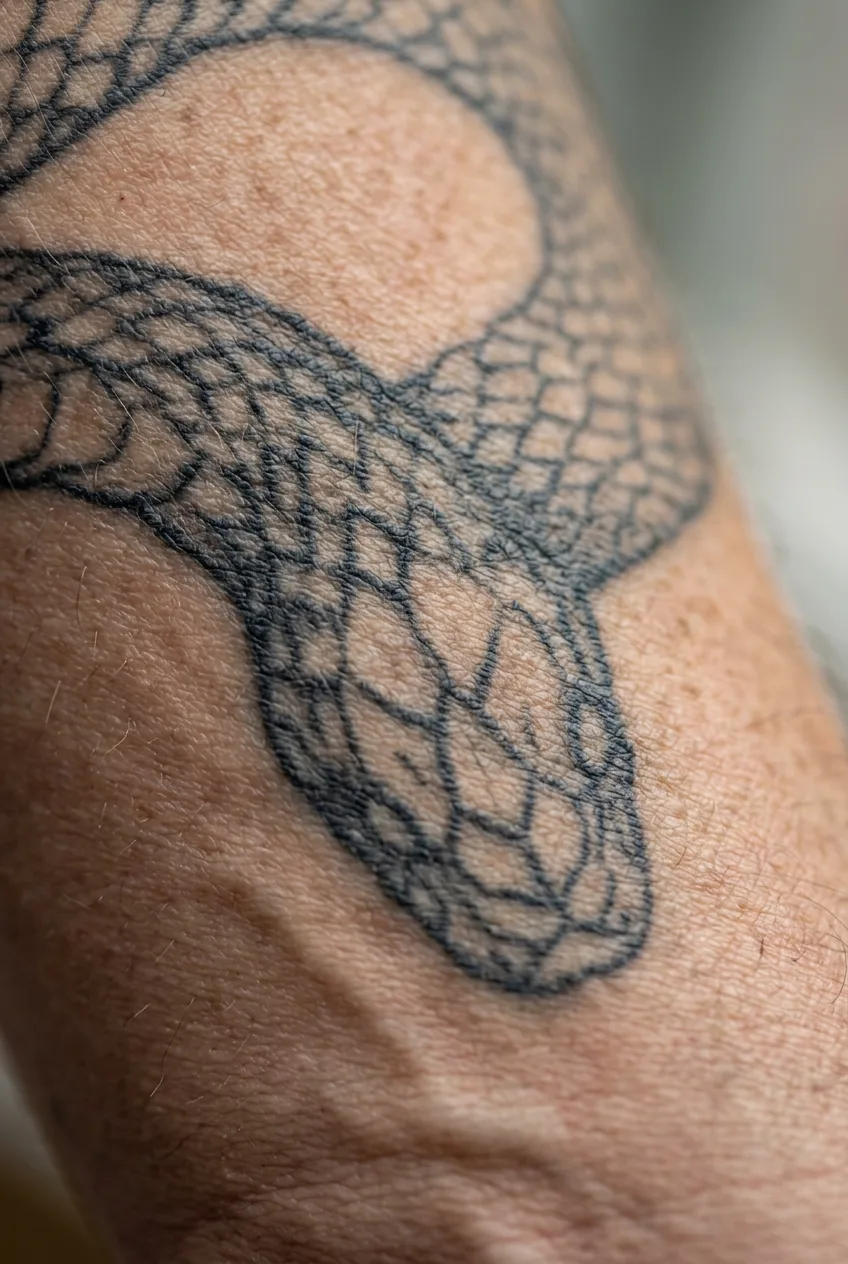
Fine line work requires multiple passes with single needles to build up the ink saturation. Your artist has to go over the same area repeatedly, which can actually be more uncomfortable than the quick, decisive strokes of bold work. When I got my fine line snake detail added, those tiny scales took forever.
Bold traditional Medusa tattoos use larger needle groupings and cover more ground quickly. Yes, the initial impact is more intense, but the session is typically shorter. The shading gets done in broad, efficient passes rather than meticulous detail work.
I made the mistake of booking a six-hour session for fine line detail work thinking it would be “easier.” By hour four, I was ready to tap out. Those repetitive single-needle passes became torture.
Consider your sitting tolerance too. Fine line Medusa pieces often require 2-3 sessions to build proper ink saturation, while bold pieces can often be completed in one marathon session.
Which Requires a Specialist Artist
Not all tattoo artists can pull off fine line Medusa work. It’s a specialized skill that requires steady hands, perfect line confidence, and an understanding of how thin lines heal.
I spent weeks researching artists for my piece, and the fine line specialists were booked 8-12 months out. Their hourly rates were also significantly higher — we’re talking $200-300 per hour versus $150-180 for traditional work.
Bold traditional Medusa tattoos? Most experienced artists can handle them beautifully. The techniques are foundational — solid lines, clean shading, proper color saturation. You have way more artist options, which means shorter wait times and more competitive pricing.
There’s also the revision factor. If something goes wrong with a bold piece, it’s easier to fix or transform into another theme. Fine line mistakes are much harder to correct without compromising the entire design.
Size and Placement Considerations
Size dramatically changes which style works better for Medusa tattoos. And I’m not just talking aesthetics — I’m talking long-term visibility and impact.
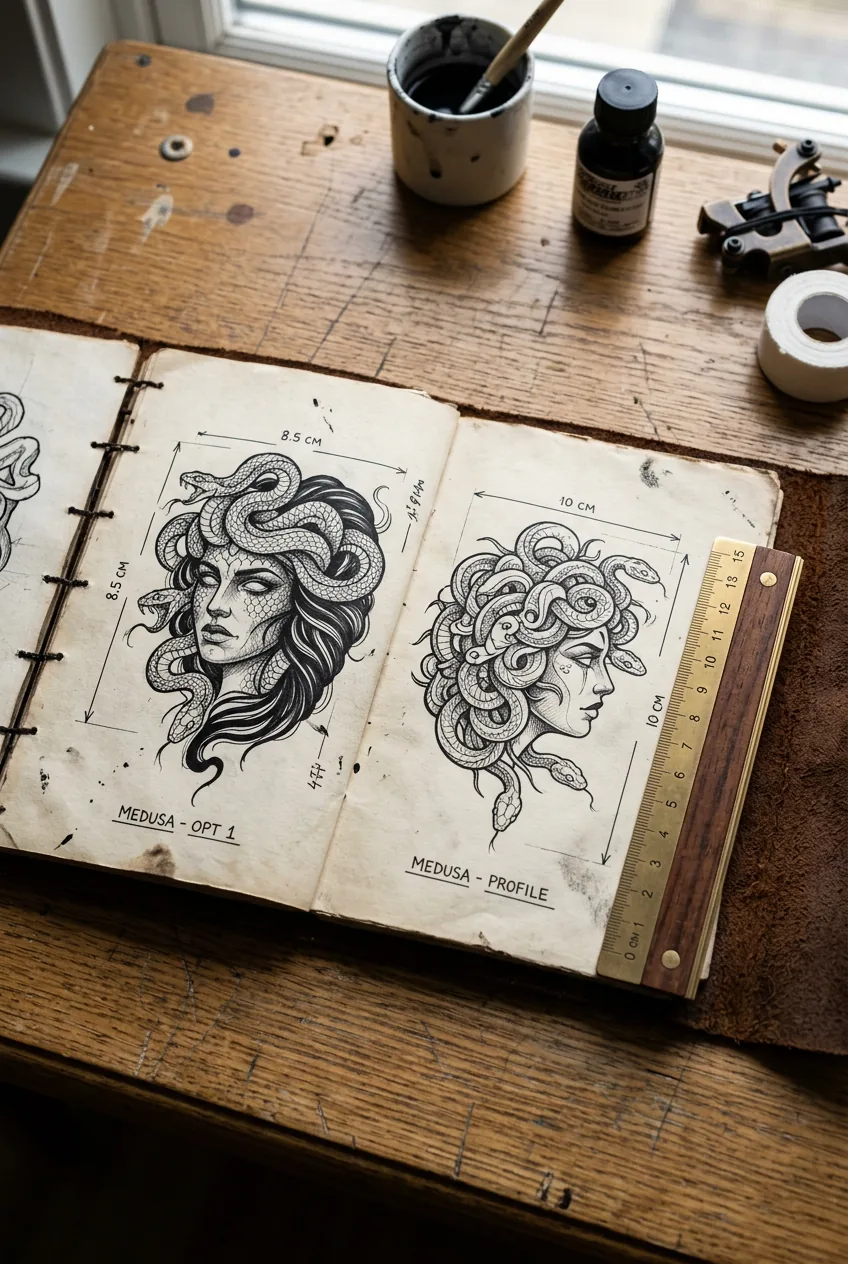
Fine line Medusa pieces need space to breathe. All those intricate snake details, facial features, and delicate linework get muddy when compressed into small areas. I’ve seen gorgeous fine line designs lose all their impact when shrunk down to fit a wrist or ankle.
The sweet spot for fine line? Think forearm-sized or larger. Anything smaller than 4-5 inches wide and you’re asking for a blurry mess in a few years. Those tiny snake scales that look amazing in the artist’s portfolio? They’ll be unrecognizable dots on your arm.
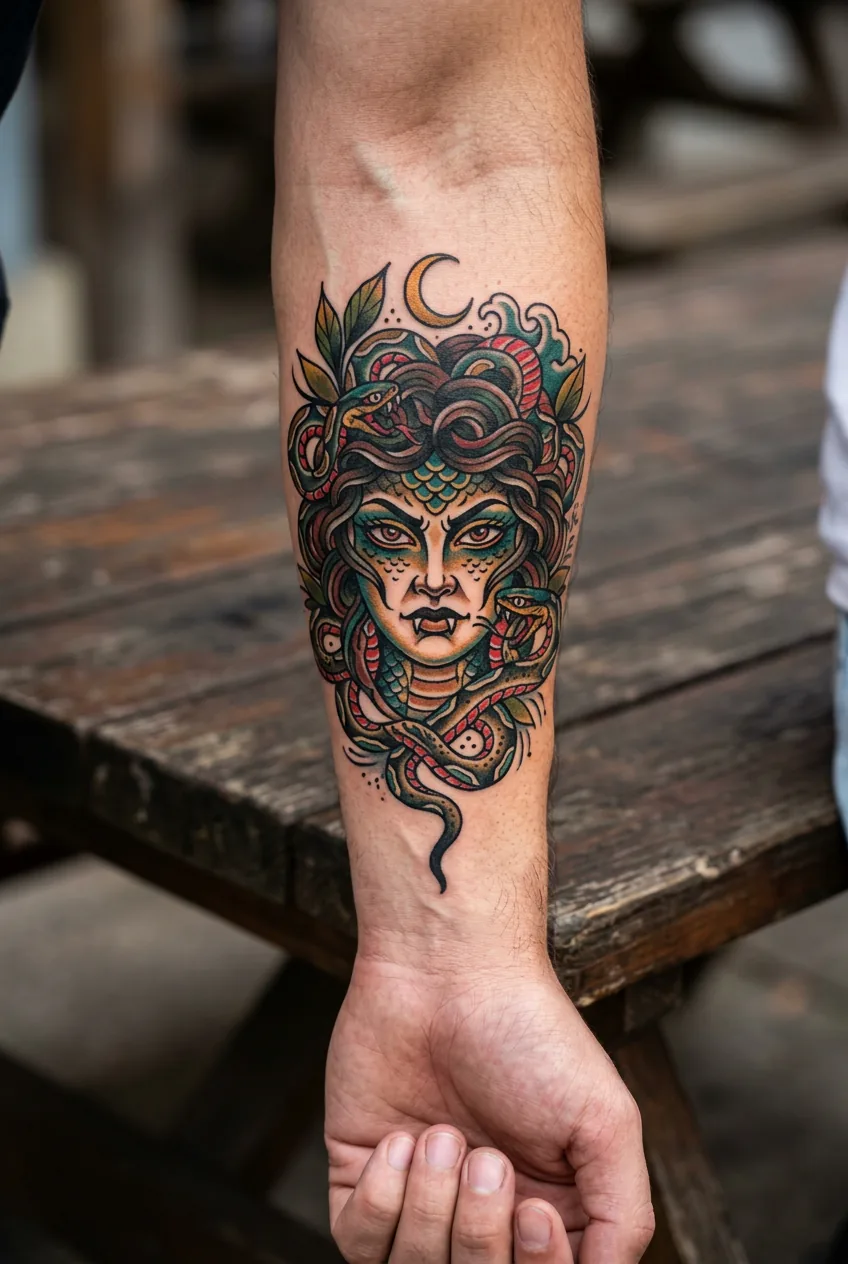
Bold traditional Medusa designs actually scale down beautifully. The simplified forms and thicker lines maintain their impact even at smaller sizes. I’ve seen stunning 3-inch bold Medusa pieces that pack more visual punch than 6-inch fine line versions.
Placement matters too. Fine line work shows every tiny imperfection, so it needs relatively flat, stable skin. Areas that stretch frequently — like shoulders or hips — will distort those delicate details over time.
Which One Will You Still Love in 20 Years
This is the question that really matters. Trends come and go, but your Medusa tattoo is permanent.
Fine line tattoos are having a major moment right now. Instagram is flooded with delicate, minimalist Medusa designs. But here’s my concern — they’re SO trendy that they might feel dated in a decade. Remember when tribal tattoos were everywhere?
Bold traditional style has staying power because it’s rooted in classic tattoo fundamentals. These techniques have been around for 70+ years and still look timeless. A well-executed traditional Medusa will never look “so 2026.”
Consider your personal style evolution too. The person who loves delicate, barely-there tattoos at 25 might crave something with more presence at 35. I’ve had friends regret going too subtle with pieces they wanted to make a statement.
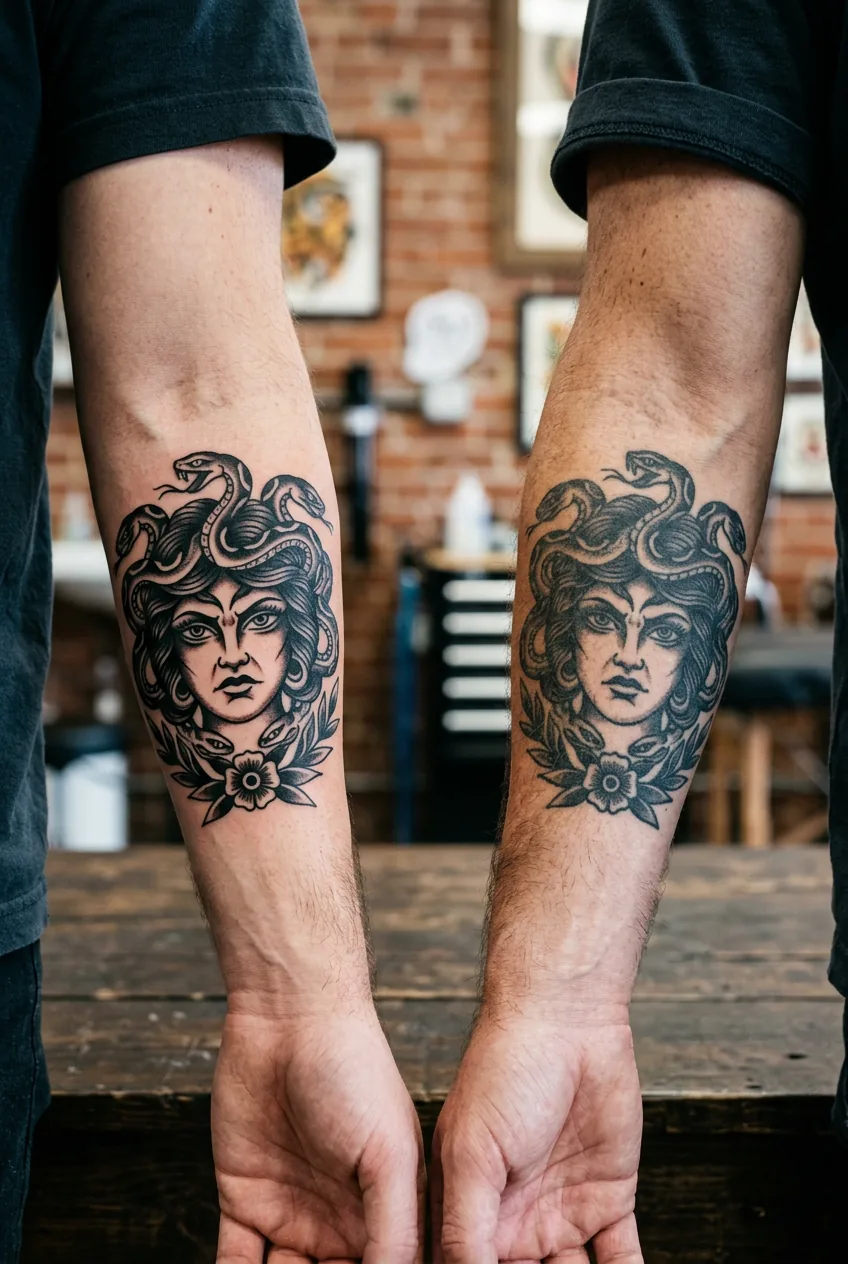
Long-term tattoo care plays a huge role here. Bold pieces require less maintenance and touch-up work over the decades. Fine line often needs refreshing every 5-7 years to maintain crisp details.
Think about your lifestyle too. If you’re in a conservative career, fine line might feel more acceptable long-term. But if you’re building a collection, bold pieces integrate better with other traditional style tattoos.
Real Artists Break Down the Differences
What Each Style Actually Costs
Let’s talk real numbers, because the price difference is more significant than most people realize.
Fine line Medusa tattoos typically run $800-1500 for a medium-sized piece, but that’s just the initial cost. Factor in the 2-3 sessions needed, the premium artist rates, and the inevitable touch-ups, and you’re looking at $1200-2000 total investment.
Bold traditional pieces often cost less upfront — $600-1200 for comparable sizing — and rarely need extensive touch-up work. The techniques are more straightforward, so sessions move faster.
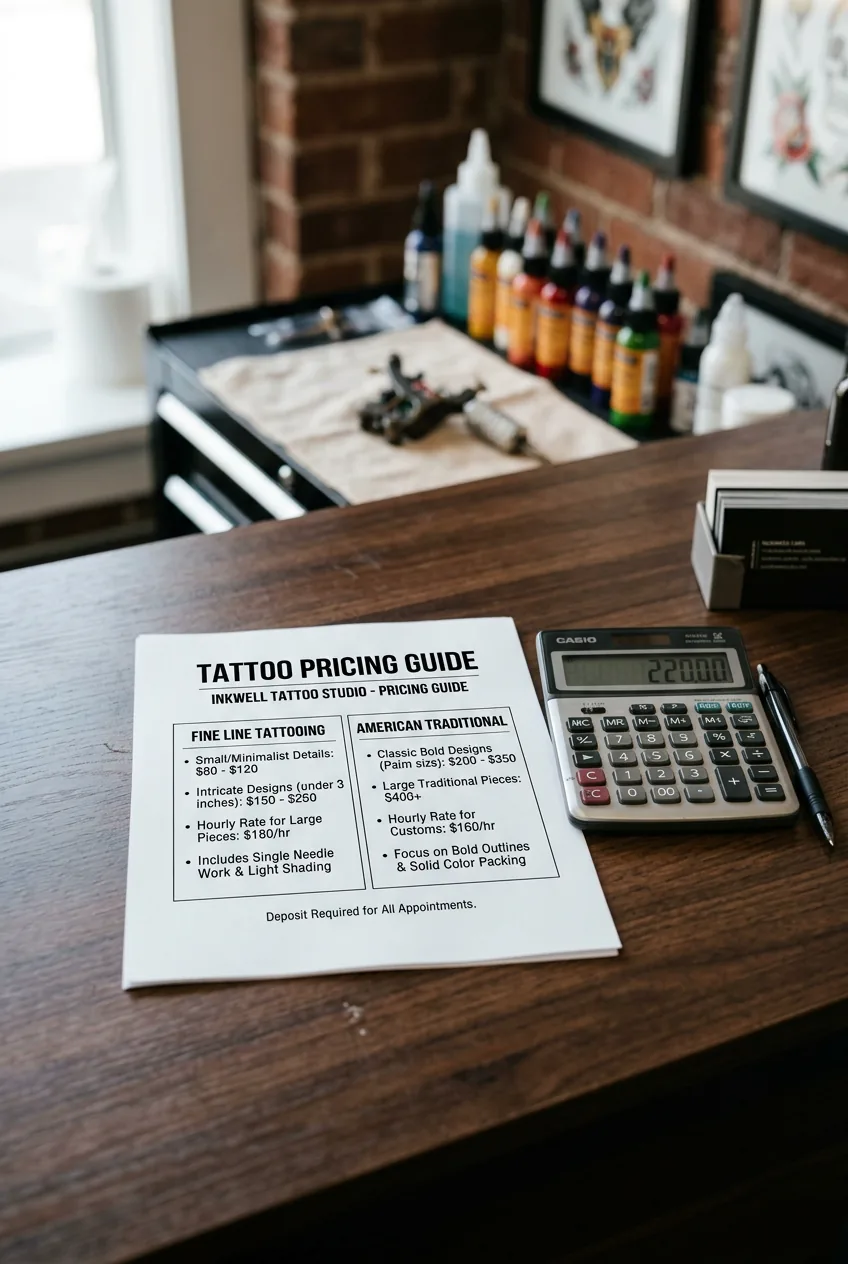
But here’s the hidden cost: fine line work often needs refreshing every 5-7 years to stay crisp. That’s another $300-500 per touch-up session. Over 20 years, you might spend double on maintenance compared to a bold piece.
Travel costs matter too if you’re going to a specialist. I drove four hours each way for my fine line work because there weren’t qualified artists locally. Hotels, gas, time off work — it adds up quickly.
Professional tattoo pricing varies by region, but these ratios stay fairly consistent across markets.
I budgeted $1000 for my fine line Medusa but ended up spending $1600 between the extra session, tip, and travel costs. Should have factored in the full picture from the start.
So here’s my framework: if you have stable skin, love delicate aesthetics, have the budget for a specialist, and want something subtle, fine line could be perfect. If you want maximum impact, longevity, and value, bold traditional is probably your answer. Both can be absolutely stunning — it’s about matching the style to your specific situation and preferences.