


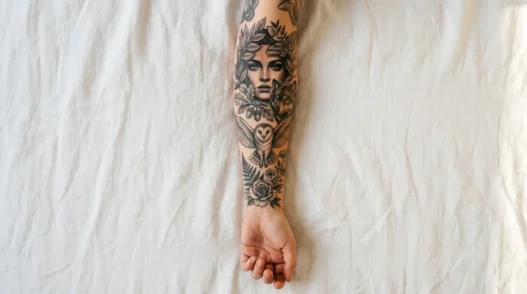
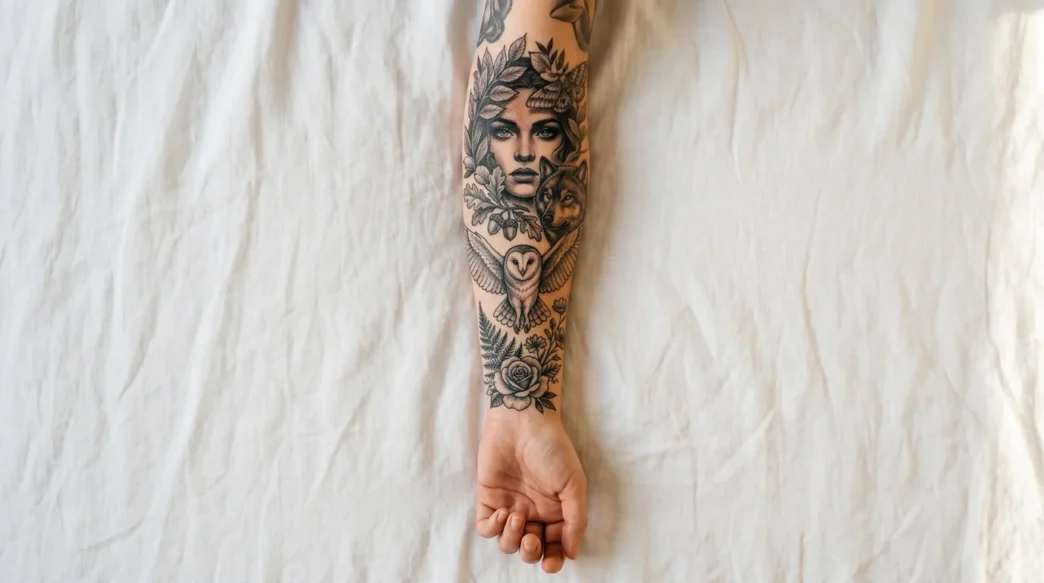
I remember the first time I saw a truly exceptional realism tattoo up close — a peony so detailed I actually reached out to touch it before realising it was ink. That was the moment I fell completely down the rabbit hole. Realism tattoos are genuinely the most technically demanding style out there, which means choosing the right design for your artist’s skill level (and your own pain threshold and budget) matters enormously. I’ve spent years obsessing over this style, talking to artists, and watching people make expensive mistakes by jumping straight to portrait work when a beautiful botanical would have served them so much better. So here’s my honest, no-nonsense breakdown — sorted by complexity, not by how impressive it looks on the internet.
Your Complexity Roadmap — Pick Your Tier
- 1. Beginner-Friendly: Single Botanicals
- 2. Beginner-Friendly: One Object Still Life
- 3. Beginner-Friendly: Animal Close-Up (Macro Portrait)
- 4. A Step Up: Soft Portrait Fragment
- 5. A Step Up: Black & Grey Wildlife
- 6. A Step Up: Water & Liquid Effects
- 7. Ambitious But Worth It: Full Floral Bouquet
- 8. Ambitious But Worth It: Human Portrait
- 9. Ambitious But Worth It: Dramatic Feather Study
- 10. The Real Showpiece: Hyper-Realistic Eye
- 11. The Real Showpiece: Full Sleeve Realism Scene
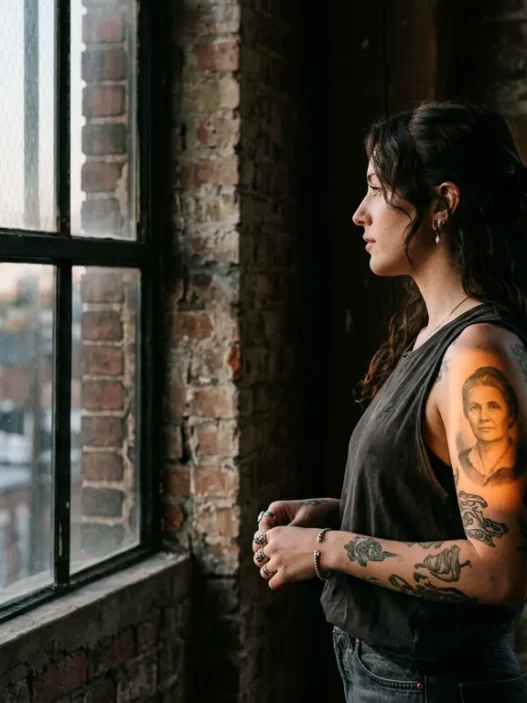
- 12. The Real Showpiece: Photorealistic Memorial Portrait
1. Beginner-Friendly: Single Botanicals — 2–4 hrs, $200–$450
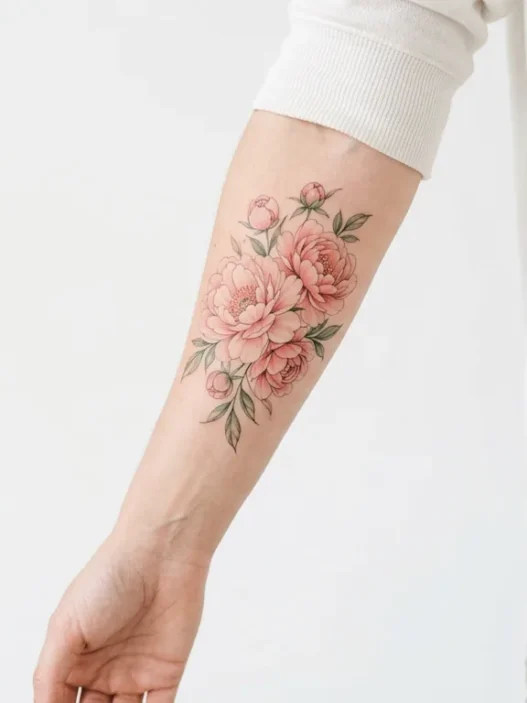
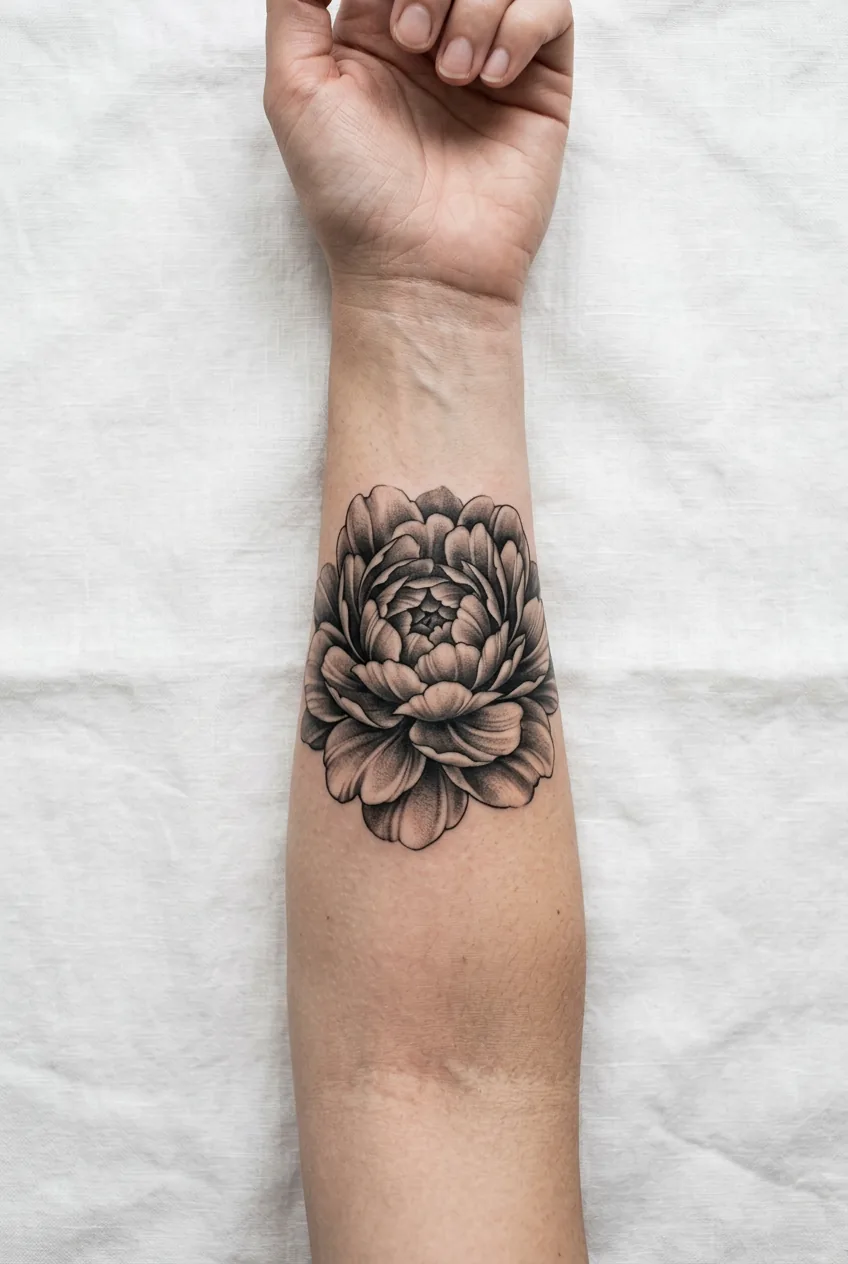
A single botanical — one rose, one peony, one magnolia bloom — is genuinely the best entry point into realistic tattooing. And “starter doesn’t mean small” is the truest thing I can say here. A well-sized single flower, maybe the length of your forearm, gives an artist enough real estate to practice the graduated shading that makes realism work without requiring years of portrait experience. The complexity lives in the petals: how light falls across a curved surface, how edges soften into shadow. It’s demanding, but it’s a contained challenge with a very forgiving margin for error compared to, say, a face.
What to ask your artist: “Can I see examples of your botanical shading specifically?” Linework isn’t the hard part here — smooth tonal gradients are. Look at their grey-wash transitions. You can also browse a curated gallery of tattoo styles to get a feel for what separates a truly rendered floral from a decorative one.
2. Beginner-Friendly: One Object Still Life — 2–5 hrs, $250–$500
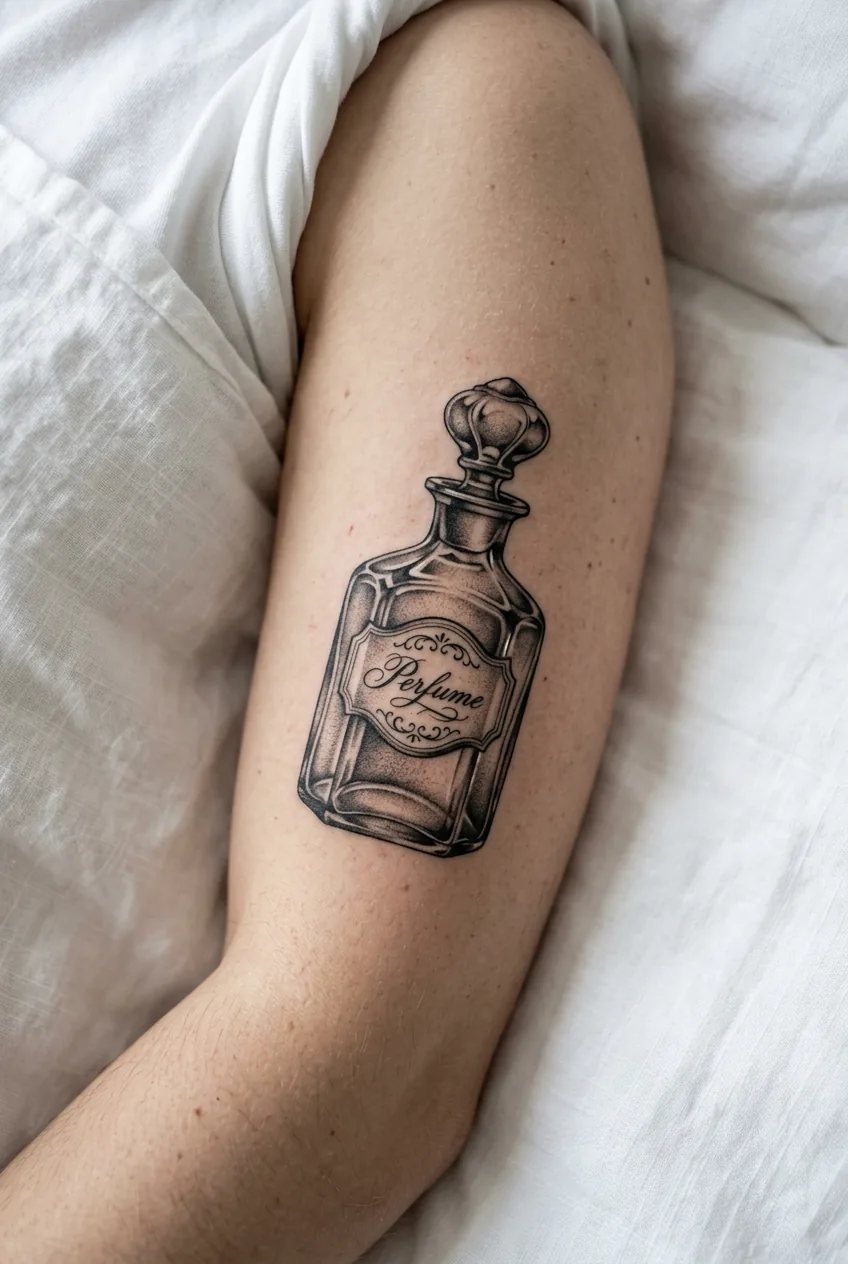
A pocket watch. A perfume bottle. A lit candle. A single piece of fruit. These feel humble but they’re actually brilliant training grounds for realistic shading because they involve clear, defined surfaces with predictable light sources. The complexity is manageable — one object means one lighting scenario — and the subject matter gives an artist a clear reference to work from.
I’ve seen stunning still-life tattoos done by artists who were maybe two years into realism work, and they hold up beautifully. The key is choosing a subject with interesting texture — glass, metal, and fabric all behave differently under light, and each forces the artist to demonstrate real technical range. Pick something personally meaningful and you’ve got a tattoo with a story too.
What to ask: “What reference material do you prefer to work from?” A great realism artist will either want a photo shoot’s worth of reference or will do their own study sketches. That’s a good sign.
3. Beginner-Friendly: Animal Close-Up (Macro Portrait) — 3–5 hrs, $300–$600
A close-cropped animal face — just the eyes and muzzle of a cat, a wolf’s gaze, the feathers around an owl’s eye — sits right at the edge of beginner-friendly. Why? Because animal anatomy is more forgiving than human anatomy. If the proportions drift slightly on a wolf’s nose, most people won’t clock it. If they drift on a human nose, everyone does.
The texture work here is where it gets genuinely exciting though. Fur, feathers, and scales are some of the most satisfying things to watch rendered in black and grey. Look at how she’s had the fur direction mapped out in the photo below — every stroke follows the natural growth pattern and it creates this incredible depth. That’s the detail that separates a beautiful animal tattoo from a truly jaw-dropping one.
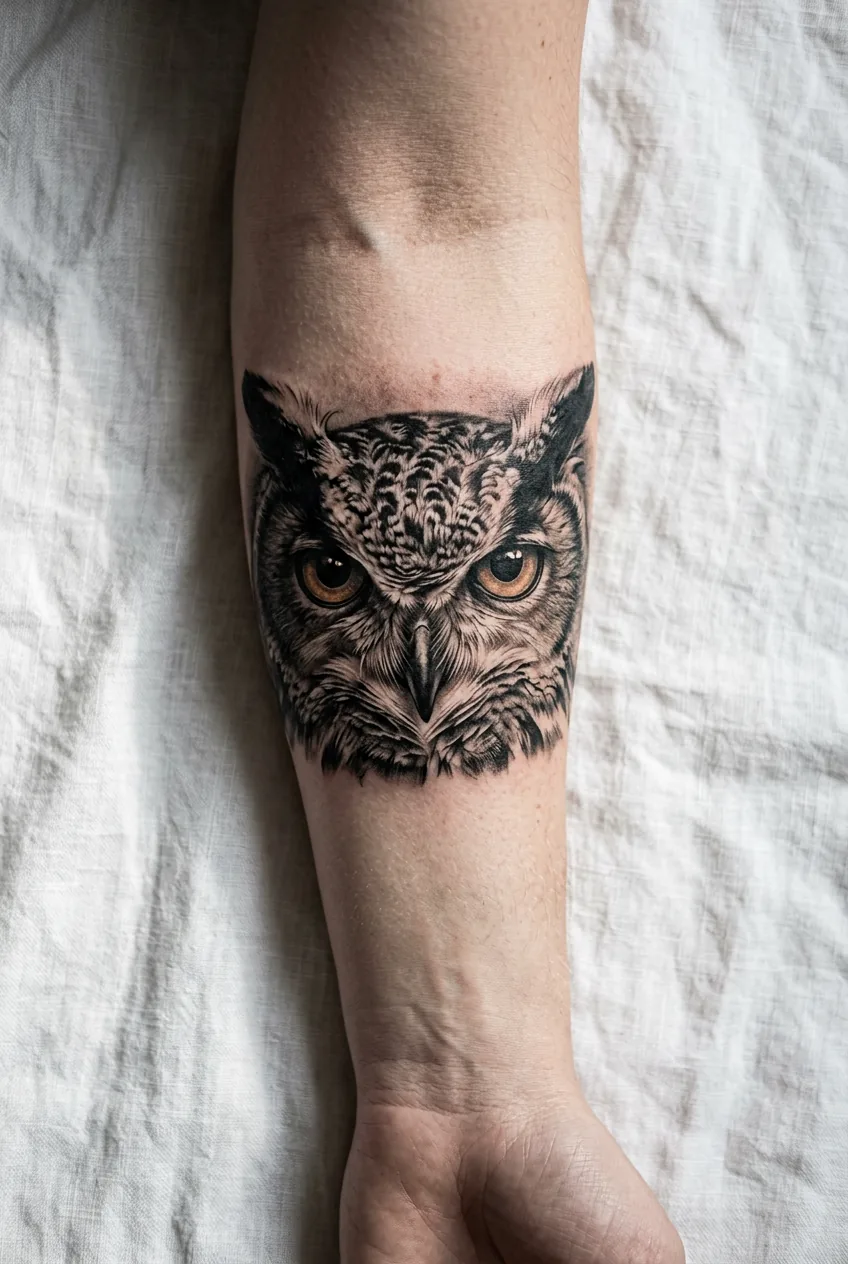
What to ask: “Do you use a reference grid or freehand your proportions?” Either can work, but you want to know they have a system.
4. A Step Up: Soft Portrait Fragment — 4–6 hrs, $400–$750
Here’s where we climb a tier. A portrait fragment — just eyes and nose, or a mouth slightly parted, or a single eye with dramatic light — is technically a portrait but it sidesteps the hardest part: full face proportion mapping. And somehow, cropped portraits are often more emotionally arresting than full faces.
The skill jump from the beginner tier is real though. Human skin has this specific quality — subsurface translucency — that’s genuinely difficult to replicate in ink. Good realism artists understand how to layer grey washes to mimic it. Ask specifically about their skin texture work. Scroll their portfolio for close-up shots, not just full-piece shots.
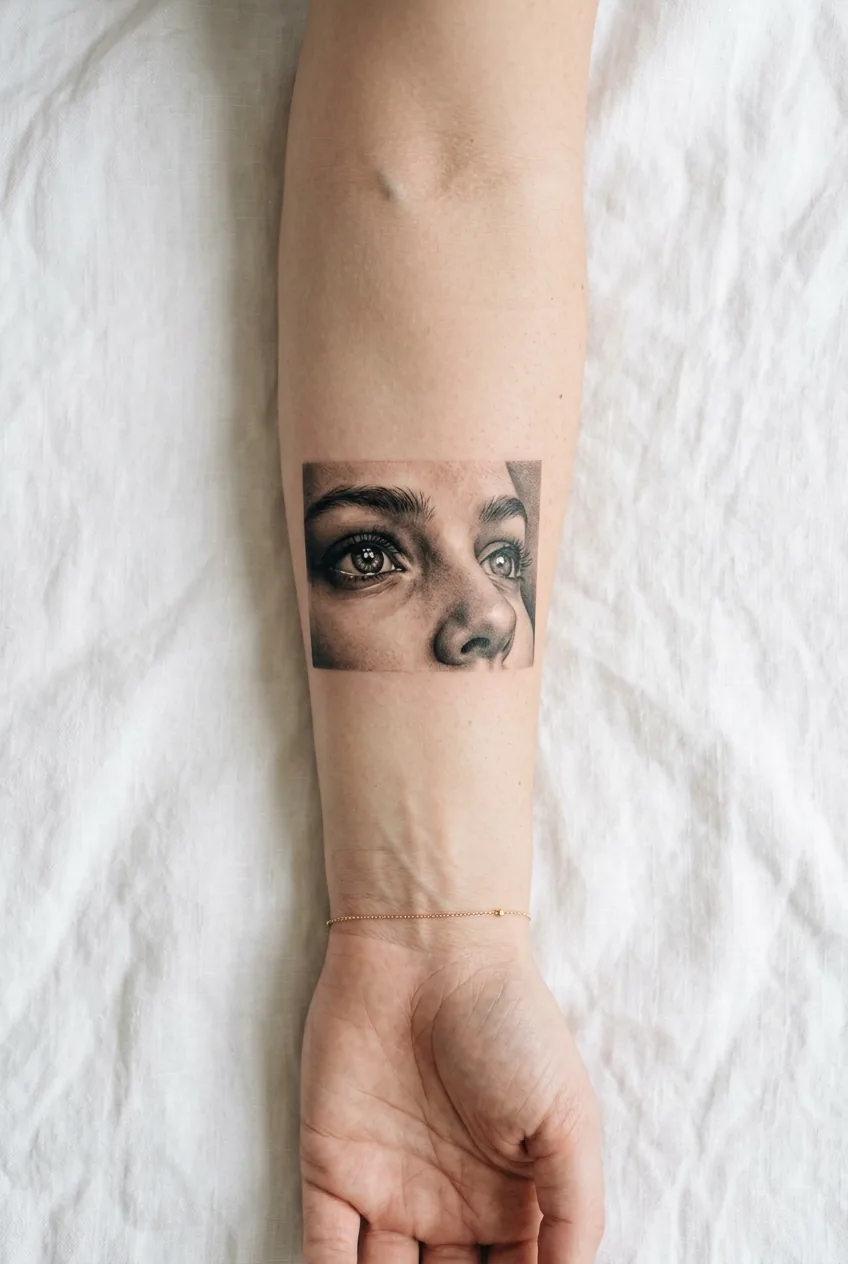
My personal pick for anyone nervous about committing to a full portrait: go for a cropped eye with dramatic side lighting. It’s intimate, technically impressive, and if your artist nails the catchlight — that tiny white dot in the iris that makes eyes look alive — you’ll have one of the most commented-on tattoos in any room. I’ve seen this design stop people mid-conversation.
Seeing a Realism Portrait Come to Life
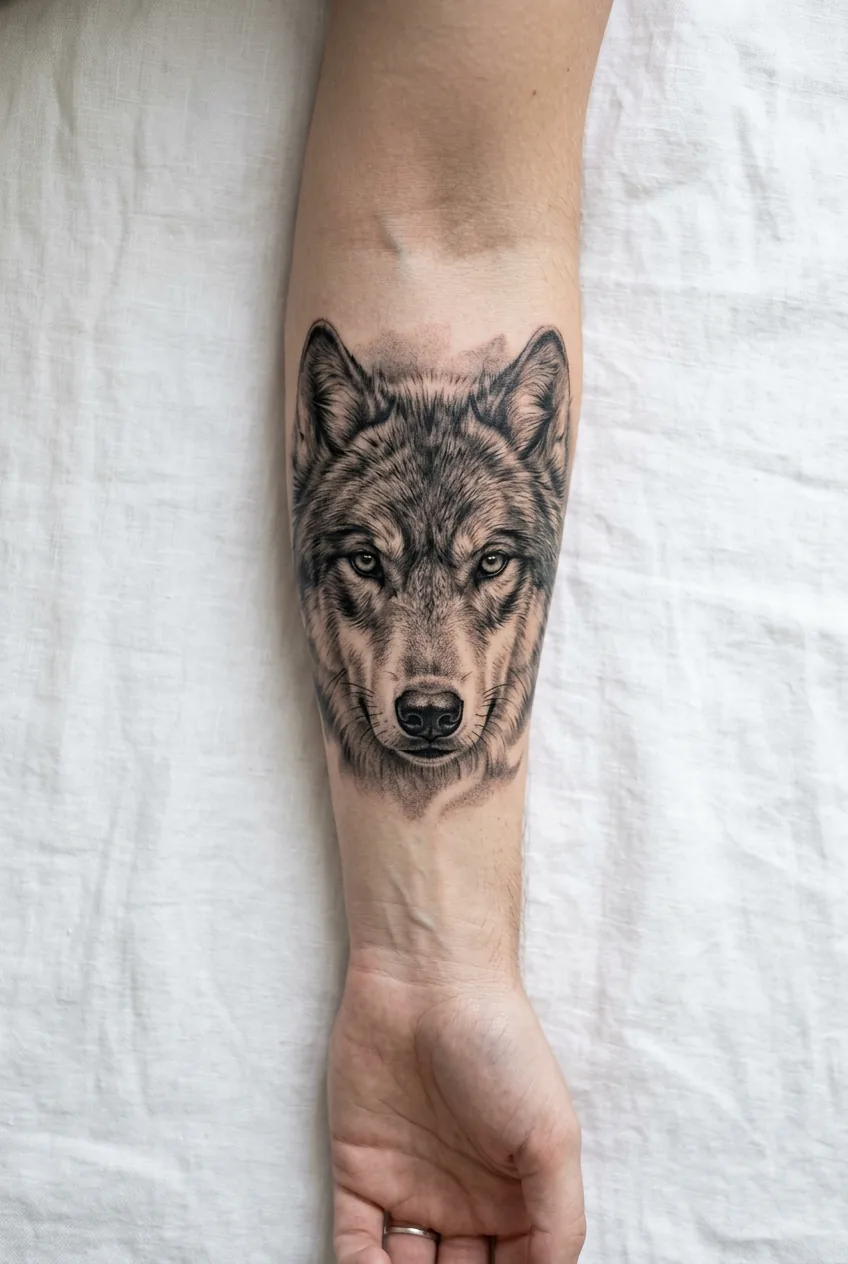
5. A Step Up: Black & Grey Wildlife — 4–7 hrs, $500–$900
Full-body wildlife in black and grey — a resting deer, a heron mid-flight, a curled fox — requires the artist to handle background integration for the first time. That negative space has to mean something. How does the subject dissolve into the skin? Where do edges get lost intentionally versus where they stay crisp?
This is also where placement starts to matter enormously. Wildlife pieces love to follow muscle contours — a heron’s wing extending along a forearm, a deer’s body curving with the calf. Your artist should be talking to you about body mapping, not just design. If they’re not, bring it up yourself. You can also look at how experienced tattoo artists handle environmental backgrounds in their published work — it’s a real differentiator.
6. A Step Up: Water & Liquid Effects — 5–7 hrs, $550–$950
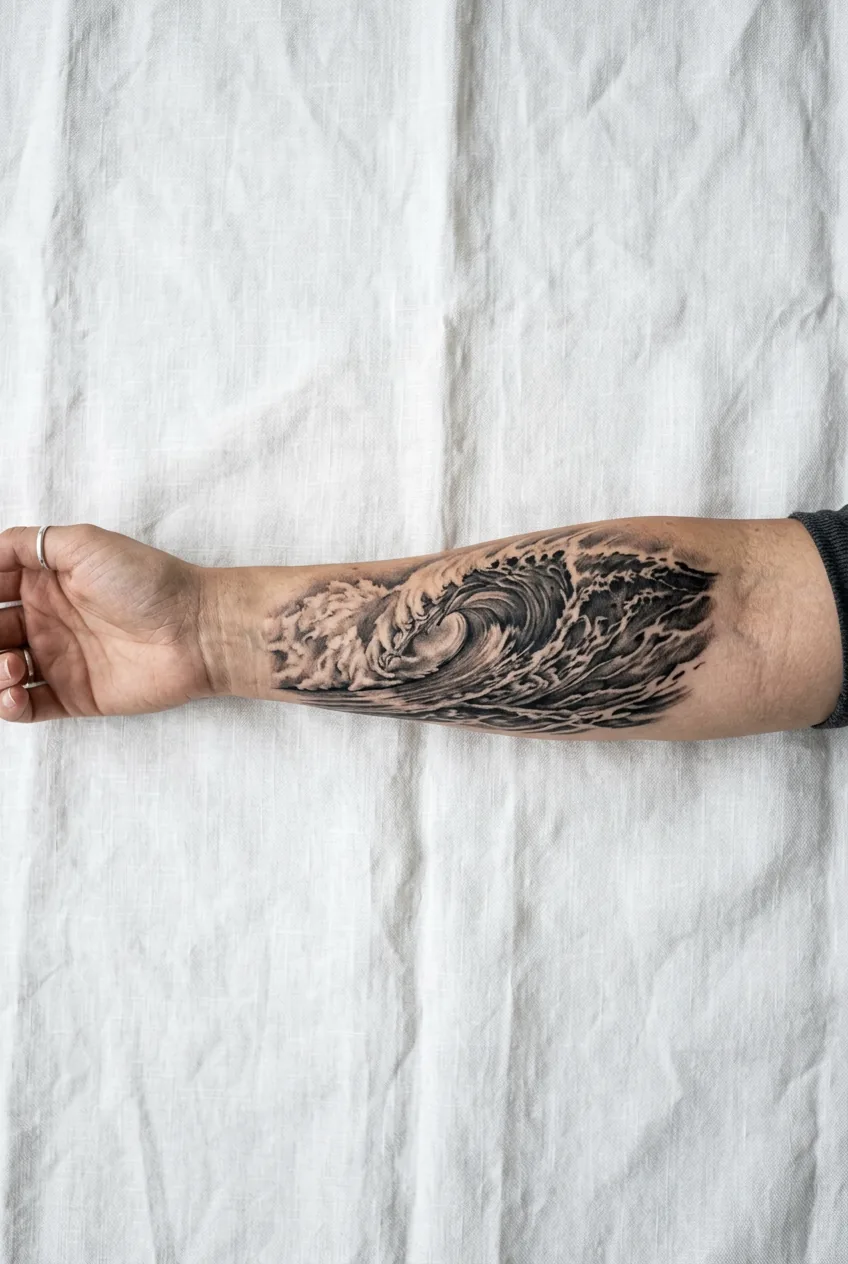
Water is one of those subjects that looks simple in concept and is absolutely brutal in execution. The way light refracts through a wave crest, the foam texture of a breaking wave, the mirror-still surface of a reflection — all of this requires an artist who genuinely understands how to use white ink, how to pull highlights, and how to create depth with negative space.
Liquid effects also include things like ink drops, mercury-style spheres, and condensation on glass surfaces. These are incredibly popular right now in 2026 and they photograph beautifully — but they age in a very specific way. The whites can spread over time. Ask your artist how white ink ages before finalising a design that relies heavily on bright highlights. It’s worth knowing what you’re signing up for.
7. Ambitious But Worth It: Full Floral Bouquet — 6–10 hrs, $700–$1,400
Jump from a single flower to a full bouquet and suddenly you’re dealing with overlapping depth planes, multiple light sources, layered shadows, and the way petals from one flower cast shadow onto another. It is a completely different technical challenge. And it’s worth every penny when it’s done right.
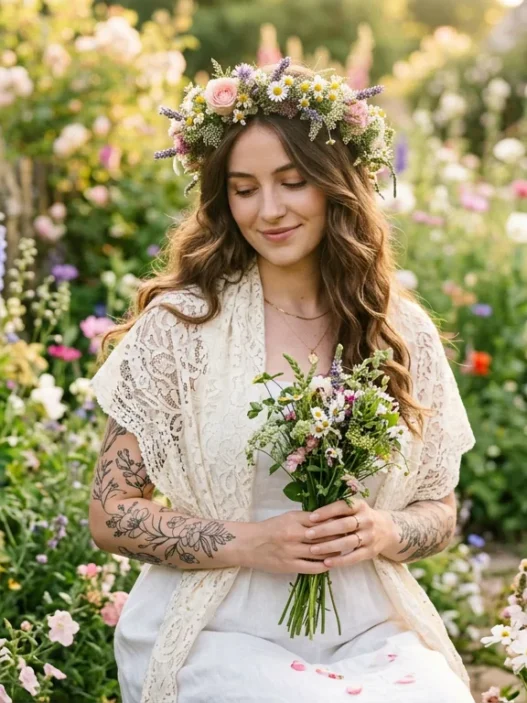
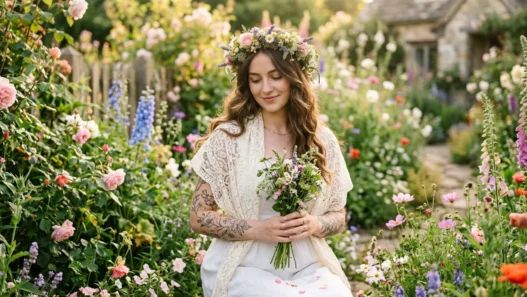
Full bouquets work incredibly well on thighs, upper arms, and backs. The scale lets the artist really breathe. See how the piece in the image below uses loose, unbound stems spilling naturally — there’s no rigid circular arrangement. That looseness is harder to execute because every element has to feel intentionally placed while reading as organic. It’s a genuinely ambitious design, but the payoff is one of the most lush, feminine tattoos possible.
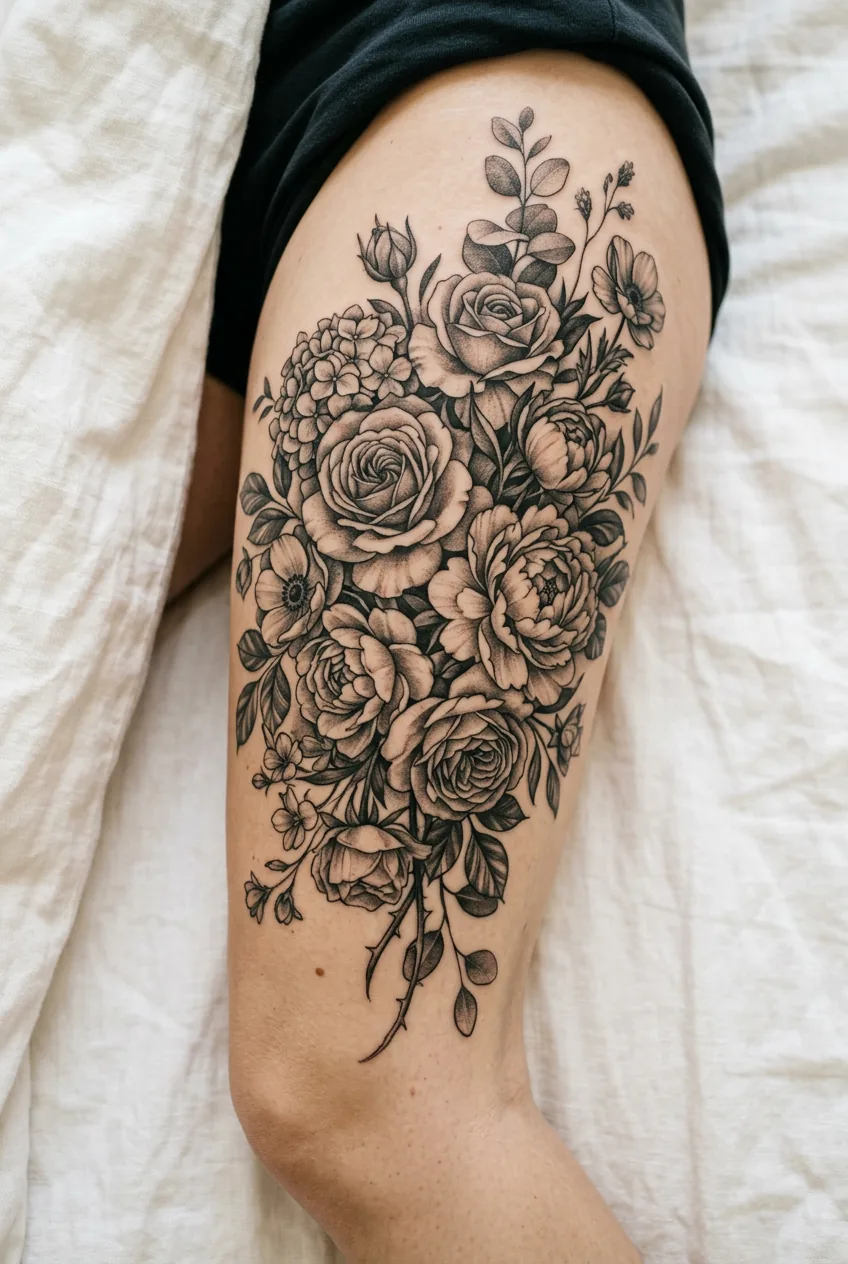
Worth knowing: colour-packed realism bouquets cost more and take longer to heal than black and grey. Both are stunning. Choose based on your skin tone and your artist’s strongest portfolio category, not just what you found on Pinterest.
8. Ambitious But Worth It: Human Portrait — 6–12 hrs, $800–$2,000+
Full face. This is the one. Human portraits are the benchmark of realism tattooing — they’re what every artist in this style eventually gets judged by. And they go wrong with frightening regularity when the wrong artist takes them on.
The complexity is brutal: skull structure, skin tones, hair texture, eye whites, lip moisture, the specific way light hits a cheekbone. A millimetre off on the pupil spacing and the likeness is gone. I genuinely believe portrait work should only go to artists who do it as a specialism — not as one of many styles they’re comfortable with. This is one design where I’d say: look at a minimum of 20 healed portrait examples from the specific artist before booking.
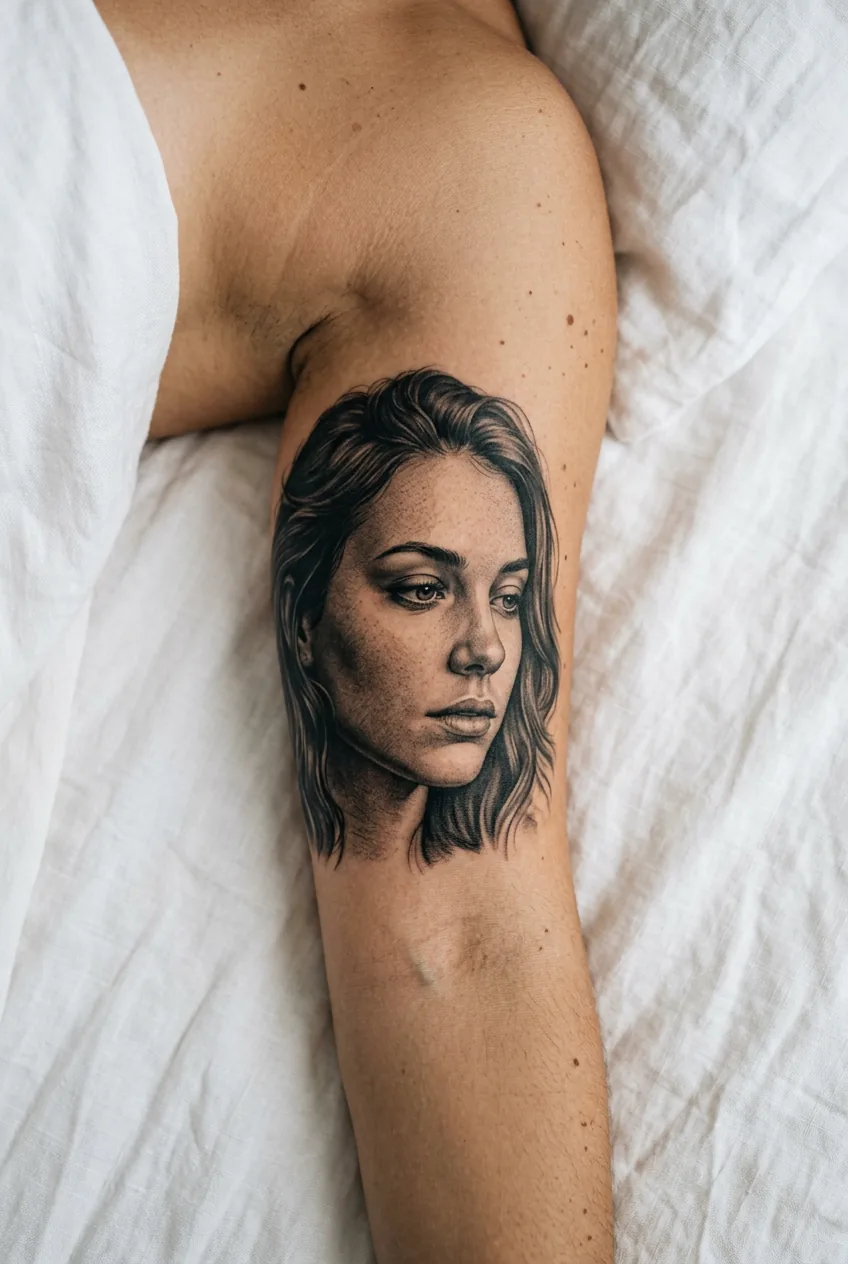
What to ask: “What photo resolution do you need from me and how do you handle the reference preparation?” A portrait specialist will have a very clear answer to this. Vagueness here is a red flag.
9. Ambitious But Worth It: Dramatic Feather Study — 5–9 hrs, $600–$1,200
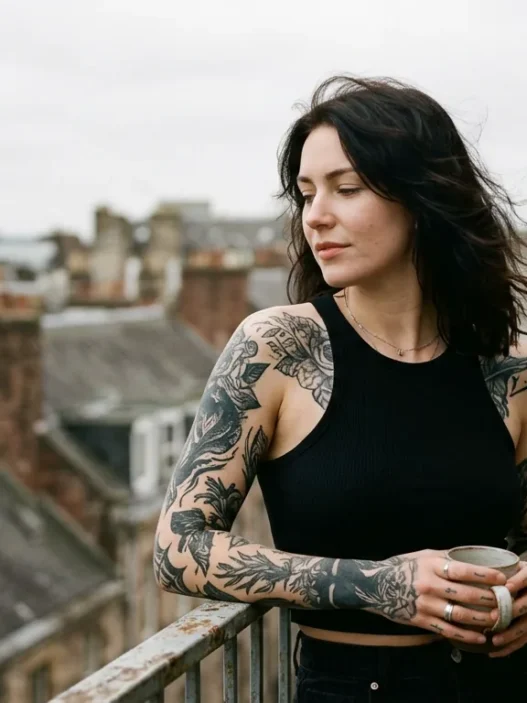
A single large feather rendered in hyper-detail sounds simpler than a bouquet or portrait. It isn’t. A truly photorealistic feather — think a peacock tail feather, an eagle primary, or an iridescent raven feather — demands precise control of linework, stippling, directional shading, and highlight placement all in one contained piece.
What makes feathers so ambitious is their structure: the central rachis, the branching barbs, the interlocking barbules. Get any of that wrong and the feather reads as decorative illustration rather than a photograph printed in skin. The difference between the two is entirely down to the shading technique — this is where you’ll see artists who truly understand black and grey shading separate themselves from those who just think they do.
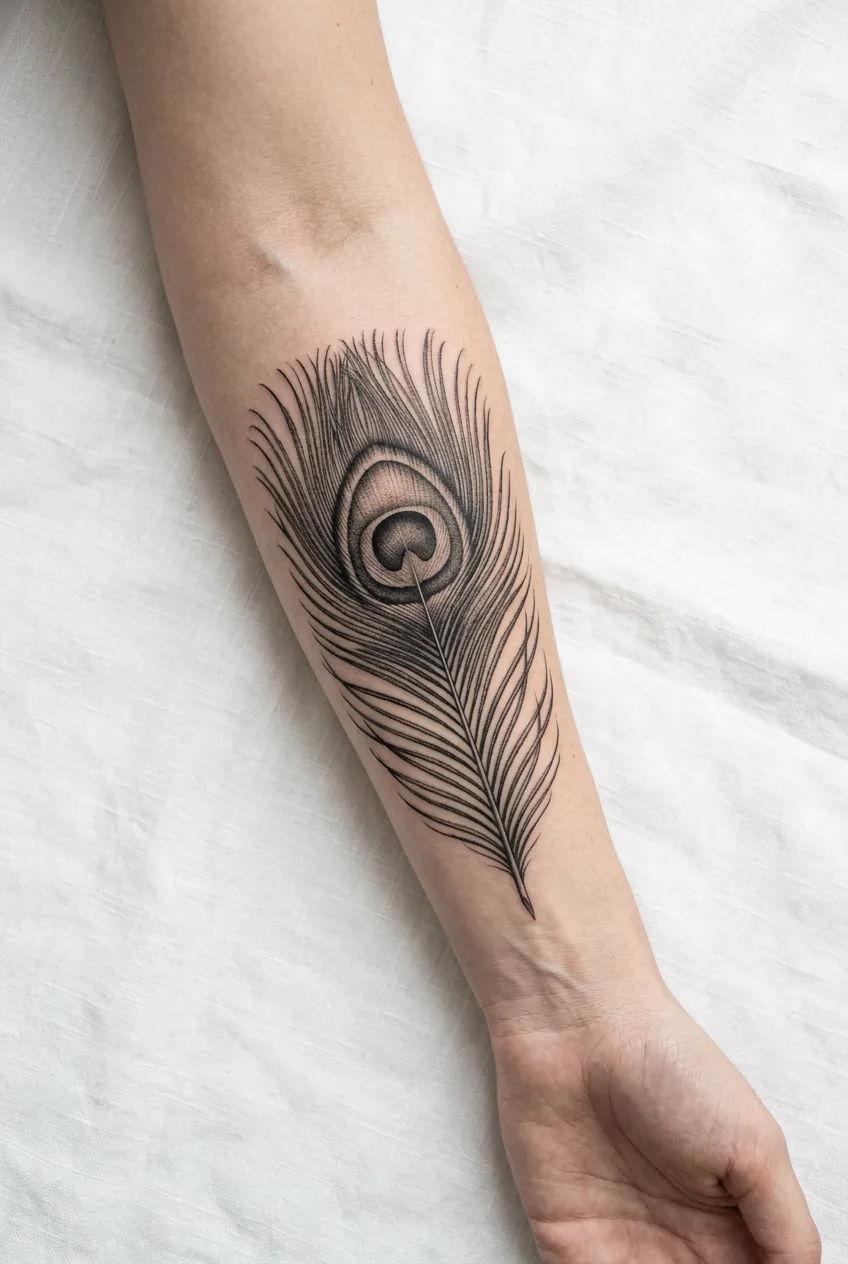
10. The Real Showpiece: Hyper-Realistic Eye — 4–8 hrs, $600–$1,100
Don’t let the size fool you. A single hyper-realistic eye — I mean genuinely trompe l’oeil, looks like a photograph — is one of the most technically demanding pieces a realism artist can produce. The iris alone contains dozens of radiating filaments in multiple tones. The sclera has to carry that subtle blue-white quality. The catchlight has to be positioned with surgical precision.
And then there’s skin context. Does the eye sit in a face? A palm? Does it open from a tear in the skin? The surrealism possibilities here are genuinely exciting — and if that kind of layered concept appeals to you, it’s worth looking at how minimalist tattoos handle negative space as a contrast reference, because a great showpiece eye often uses the surrounding bare skin just as deliberately.
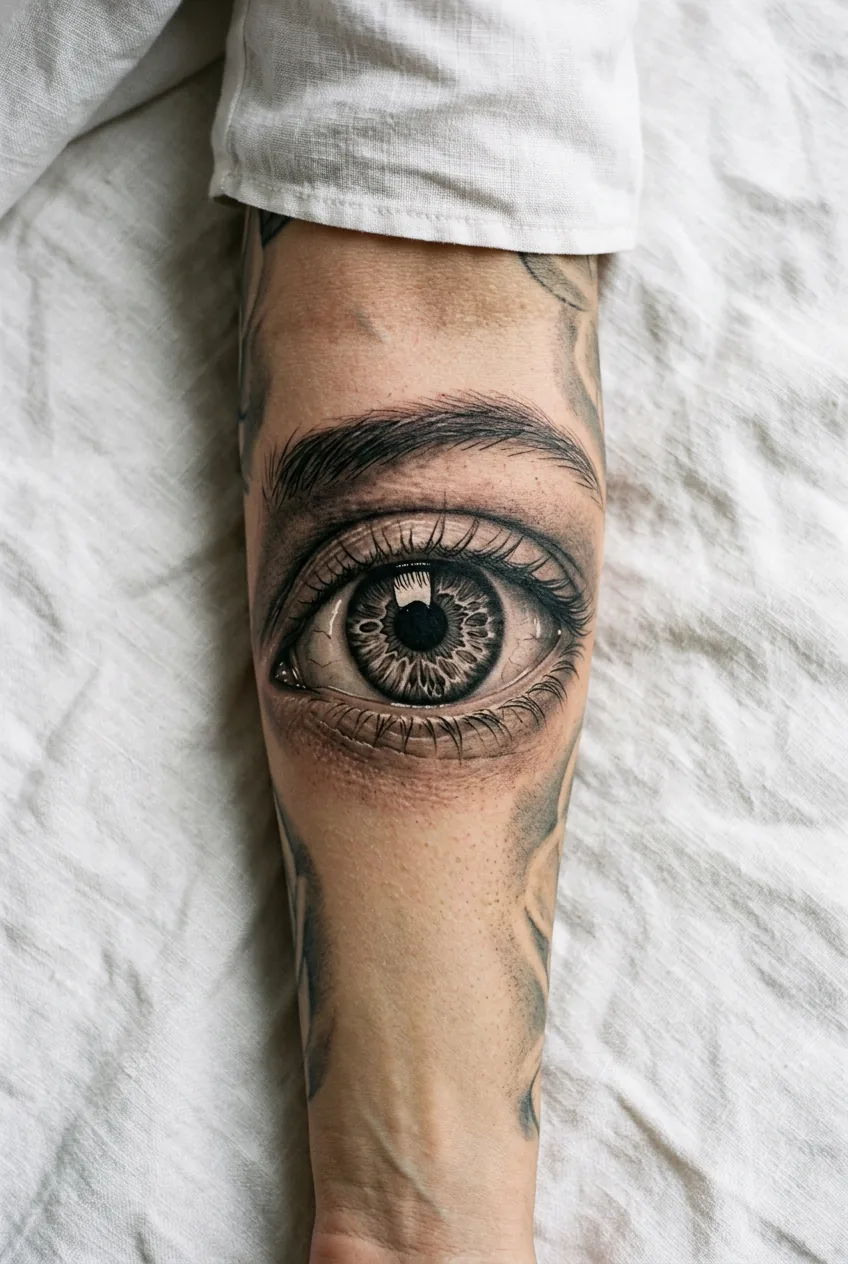
11. The Real Showpiece: Full Sleeve Realism Scene — Multiple sessions, 30–60+ hrs, $3,000–$8,000+
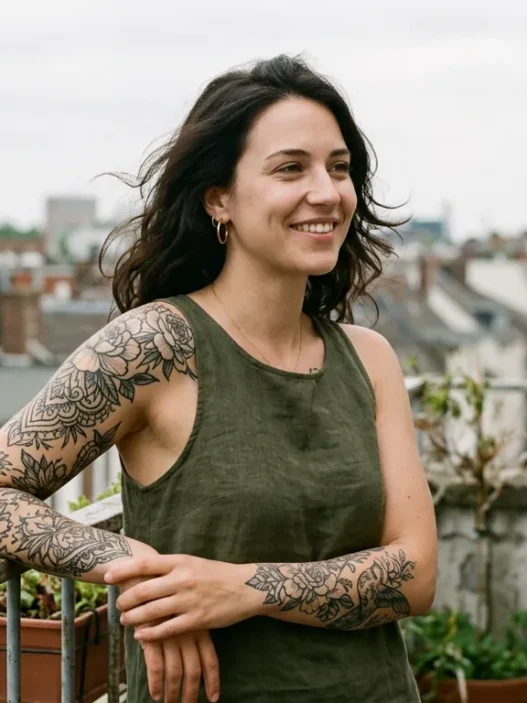
A full sleeve isn’t just a collection of realism tattoos arranged on an arm. The best full sleeves are cohesive scenes — a single narrative or environment that flows from wrist to shoulder. Consistent lighting direction across the whole piece. Foreground and background elements that create genuine spatial depth. Transitions that don’t look like separate tattoos sewn together.
This is a multi-year project. Most sleeves involve four to ten separate sessions depending on detail density and how your skin heals. You’ll need to find an artist you genuinely trust and want to build a relationship with — because you will be seeing them a lot. Budget-wise, quality realism sleeves rarely come in under $3,000 and frequently exceed $6,000 for the best artists. This is not the place to look for a deal.
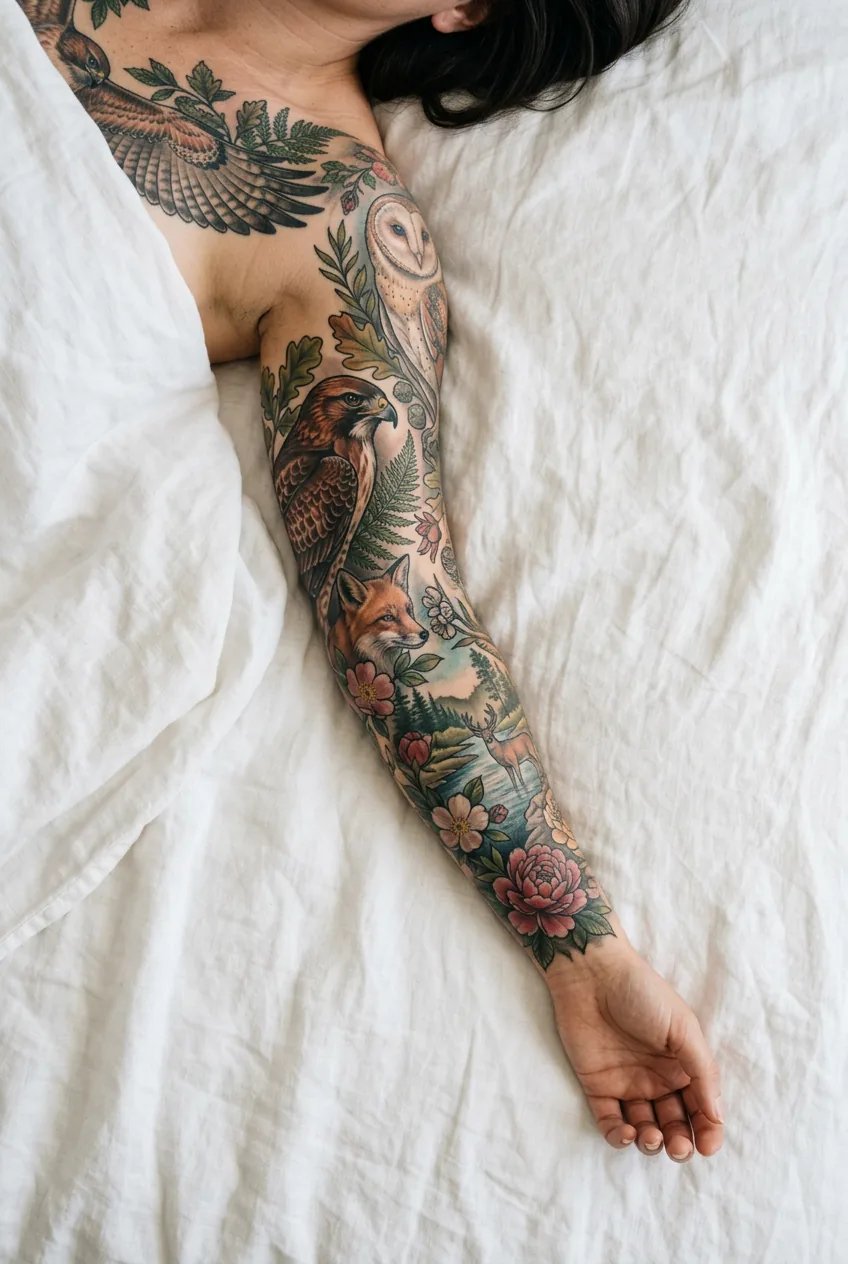
What to ask: “How do you approach lighting consistency across a multi-piece sleeve?” If they have a clear answer about establishing a light source direction before the first session, you’re in good hands. If they wing it session by session, your sleeve will show it.
12. The Real Showpiece: Photorealistic Memorial Portrait — 8–15 hrs, $1,200–$3,500
A memorial portrait — someone you’ve lost, rendered in photorealistic detail — is the most emotionally loaded tattoo you will ever get. And the stakes are correspondingly high. A great one is one of the most profound tributes imaginable. A poor one is a wound that never heals right.
I don’t say this to frighten anyone off. I say it because these tattoos deserve the very best artist you can access, the very best reference photograph you can provide, and a consultation process that takes as long as it needs to. Some artists won’t take memorial commissions without a ninety-minute consultation first. That’s a good sign, not an inconvenience.
Placement matters enormously too. Many people choose placement where they can see it easily — inner forearm, upper arm — rather than somewhere photogenic. That’s completely valid. This tattoo is for you, not for Instagram. If mythology and storytelling are part of what draws you to memorial work, you might also find inspiration in mythology tattoos that incorporate portrait elements into larger symbolic narratives.
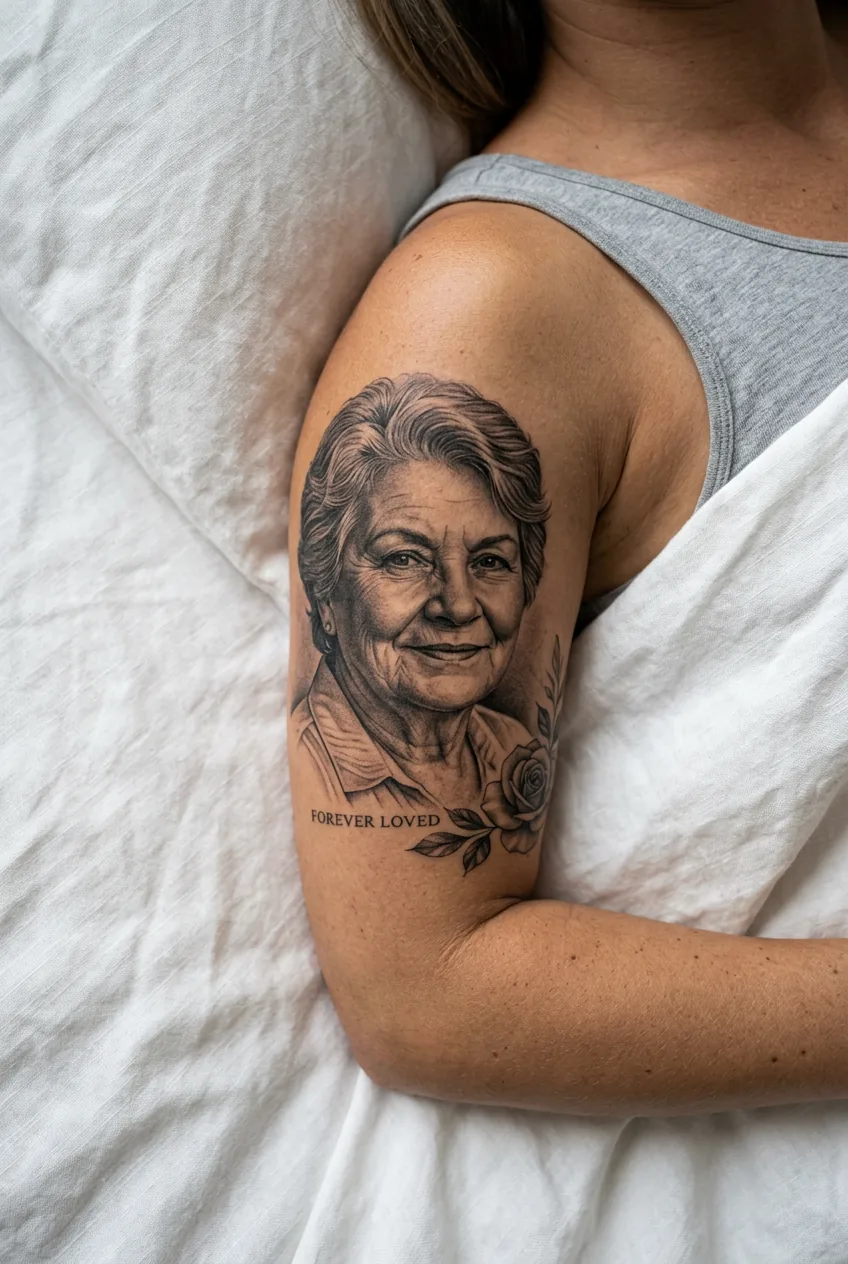
What to ask: “Have you done memorial portraits before, and can I speak to clients whose work has healed?” The best artists in this specialism will often connect you with past clients. It’s an extraordinary level of care — and it’s what this category deserves. You can also check resources on choosing a portrait tattoo artist before you book your consultation.
Questions I Get About This
Do realism tattoos age badly compared to other styles?
They age differently, not necessarily badly. Fine details can soften over time and very tight linework can spread slightly. Black and grey realism tends to hold better long-term than colour-packed realism. Sun protection on healed tattoos makes a significant difference — SPF 50 on exposed pieces should be non-negotiable.
Is realism more painful than other tattoo styles?
Realism sessions often run longer and involve a lot of shading passes over the same area, which can get intense. The pain isn’t usually sharper than other styles — it’s the duration that gets you. Plan your sitting length honestly, especially for ambitious or showpiece tier work. Breaking large pieces into multiple sessions is standard practice, not weakness.
How do I find a realism specialist versus a generalist?
Look at their portfolio ratio. If 80% of their work is realism and they talk about it in their bio, you’ve found a specialist. If realism is one of eight styles listed equally, they’re a generalist — which isn’t bad for simpler designs, but I’d be cautious about booking portrait or showpiece work with anyone who doesn’t live and breathe this style.
Can I get a realism tattoo if I have darker skin?
Absolutely — but it requires an artist with specific experience working on deeper skin tones, because contrast and saturation behave differently. Ask directly for examples of healed realism work on skin similar to yours. Any artist worth booking will have them readily available and will be confident discussing it. Don’t settle for “it’ll be fine” without seeing the evidence.
If you’ve made it through all twelve tiers, you now know more than most people who walk into a realism consultation. Pick your tier honestly — not aspirationally, not based on what looked coolest on someone else’s arm. The right design at the right complexity level, done by an artist who genuinely specialises in that work, will always beat an overambitious piece that misses the mark. Start where you are. The showpieces will come.