



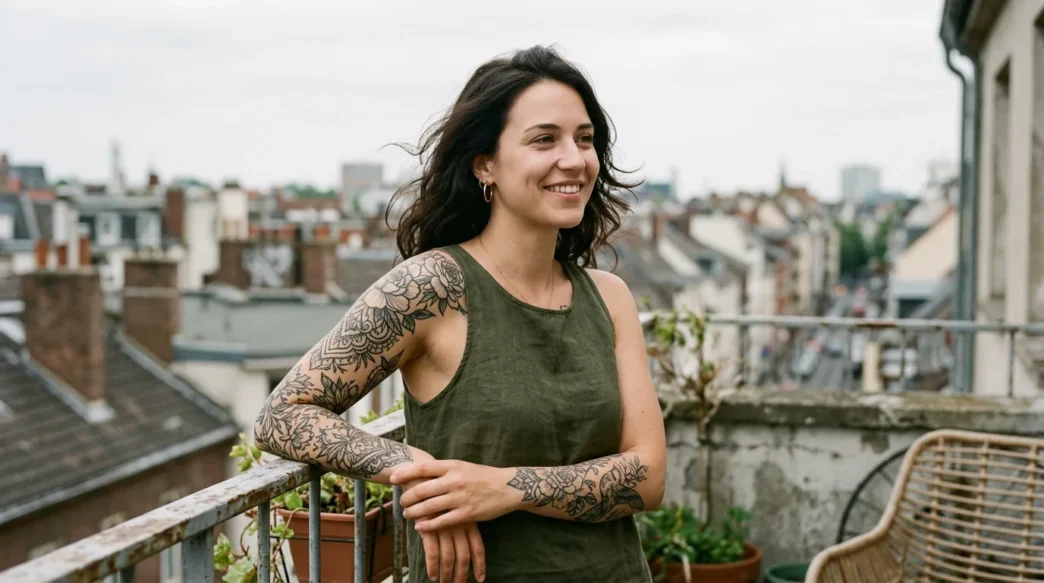
I used to think medium tattoos were the Goldilocks zone — not too bold, not too delicate, just endlessly versatile. And then I spent three years watching people (including, painfully, myself) make decisions based on advice that sounded logical but was quietly, consistently wrong. A lot of the myths floating around this size category come from half-truths, outdated thinking, or people confusing “medium” with “moderate.” None of those are the same thing. So here are the six beliefs I hear constantly — and why I think each one deserves to be retired permanently.
1. “Medium Tattoos Are the ‘Safe’ Size”
This one is probably the most common thing I hear from women sitting on the fence about a design. The logic goes: big tattoos are a commitment, small tattoos are risky because they might blur, so medium is the sensible middle ground that avoids all those problems. I understand where it comes from. But “safe” is doing a lot of suspicious heavy lifting in that sentence.
Medium tattoos — roughly forearm-sized, palm-to-elbow in coverage — are actually harder to design well than most people expect. They’re large enough that compositional mistakes are obvious. They’re small enough that overcrowding a design creates visual noise instead of detail. And they sit at the exact scale where bad shading or uneven linework is fully visible from a conversational distance. There is nothing inherently low-risk about this size.
The real issue is that people confuse “medium” with “moderate commitment,” as if choosing this size means the decisions matter less. They don’t. The placement still needs thought. The artist still needs to be chosen carefully. The design still needs to fit the body part. A poorly executed medium tattoo is just as permanent as any other kind. Check out a good tattoo size guide and you’ll see quickly that every scale has its own specific demands — none of them is a free pass.
2. “Forearm Placement Always Works for Medium Designs”
The forearm is the default suggestion for medium tattoos and I have complicated feelings about this. Yes, it heals well. Yes, it’s visible if you want it to be and coverable if you don’t. Yes, it’s got a relatively flat surface that makes tattooing straightforward. But “always works” is a wild overclaim.
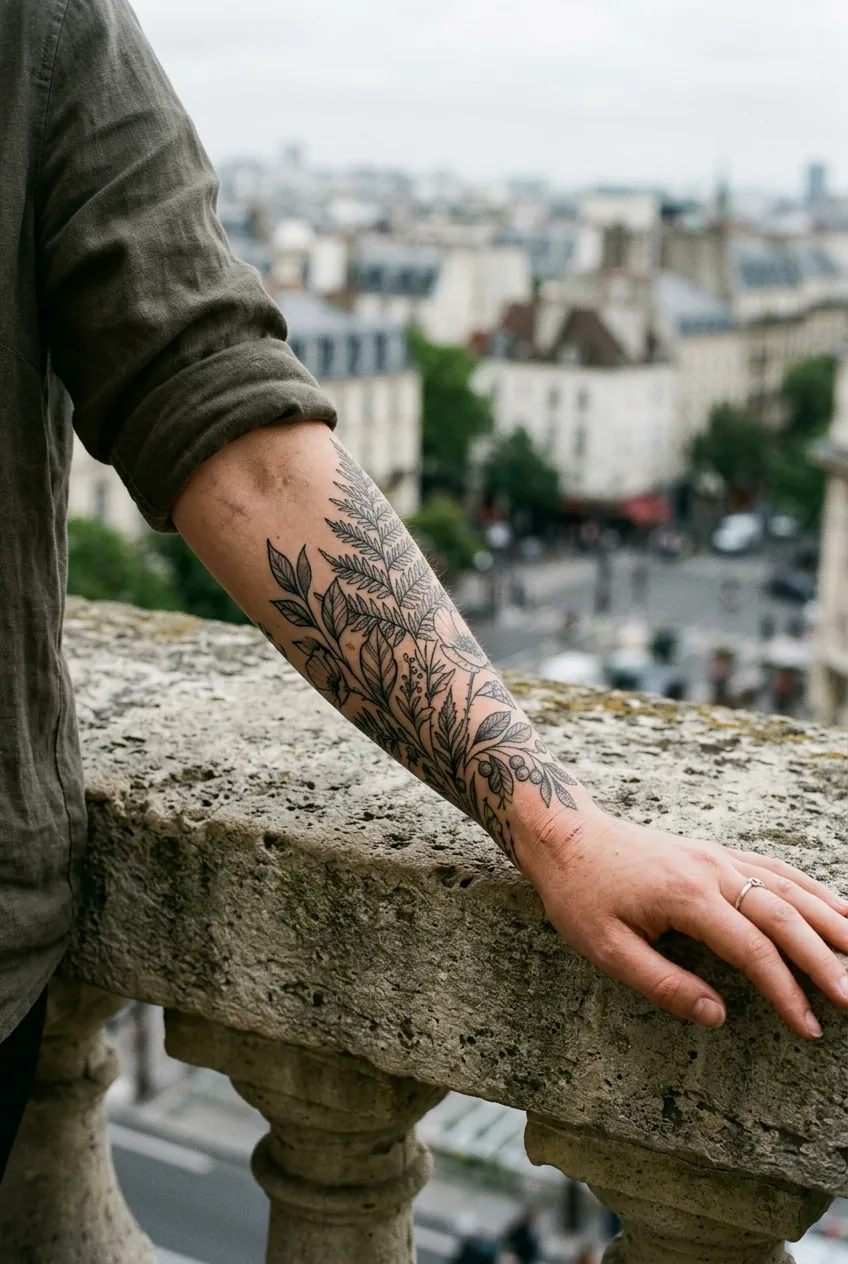
Here’s what actually happens. The forearm is long and slightly cylindrical. Designs that look balanced in a flat reference image often wrap awkwardly around the arm, stretching in ways the client didn’t expect. Vertical designs almost always fare better here than horizontal ones — but nobody mentions that in the broad “forearm is perfect for medium tattoos” advice. Circular or symmetrical compositions frequently lose their geometry because the skin curves. And if the design has fine lettering or intricate botanical elements, those can get distorted depending on exactly where on the forearm the artist places them.
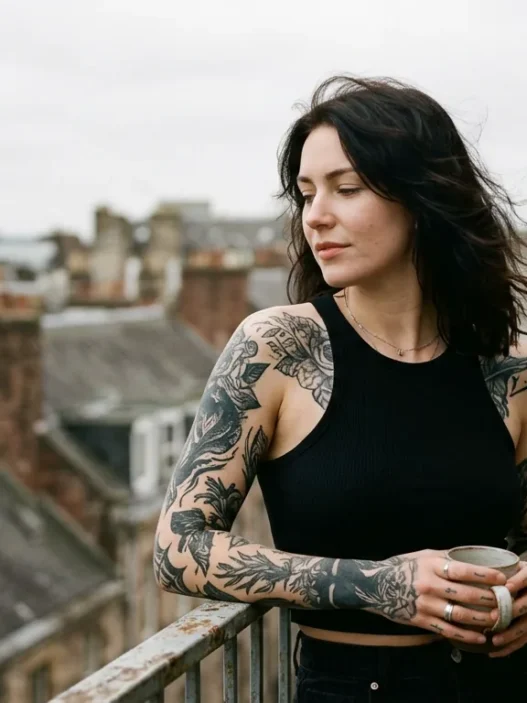
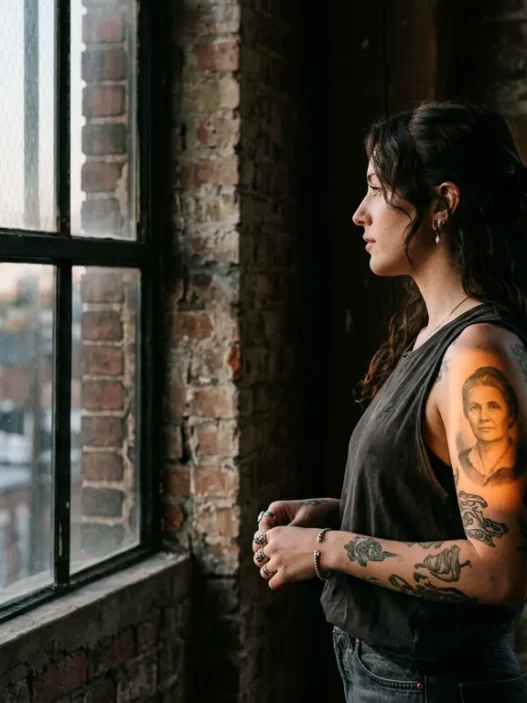
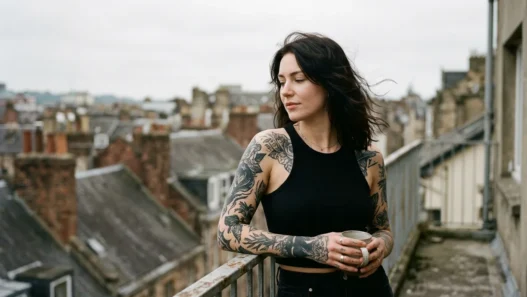
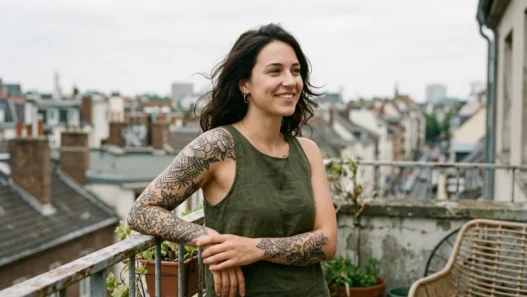
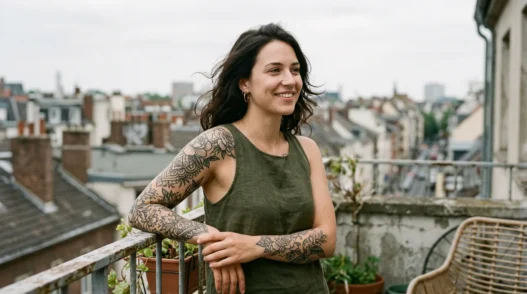
The forearm works beautifully for medium tattoos when the design is chosen for the forearm. That’s the real rule. She’s got a gorgeous piece in this photo — look at how the vertical flow of the design follows the natural length of her forearm without fighting the shape. That’s intentional. That’s the conversation she had with her artist before the needle touched skin. The placement itself isn’t magic; the matching of design to placement is.

3. “Medium Means Low Pain”
I will admit this myth annoyed me the most when I first encountered it because it’s so vague as to be essentially meaningless — and yet people repeat it with total confidence. The assumption is that a medium tattoo sits somewhere in the middle of a pain scale, neatly between the agony of a rib piece and the breezy ease of a shoulder cap. This is not how pain works.
Pain is determined by placement, not size. A medium tattoo on the inner elbow ditch? That’s going to test you. A medium tattoo on the outer calf? Genuinely quite manageable for most people. A medium tattoo spanning from the outer forearm toward the inner wrist — which involves both lower-sensitivity and higher-sensitivity zones — gives you both experiences in one session. Size tells you how long you’ll be in the chair. Placement tells you how that time will feel.
Session length does matter, of course. A medium piece typically takes two to five hours depending on the style, and fatigue sets in differently for everyone. But framing a medium tattoo as “lower pain” before someone’s first session does them a real disservice. Go in honest with yourself about the specific spot you’ve chosen, what the experience actually involves for your placement, and then decide if you’re ready. Duration plus location is the real equation.
4. “Fine Line Art Looks Best at Medium Scale”
This one is well-intentioned and I see where the logic comes from. Fine line tattoos at a very small scale can lose detail over time. So bumping them up to a medium size feels like a smart preservation strategy — give those delicate lines more real estate and they’ll hold up better. Right?
Not exactly. Fine line work scaled to medium size doesn’t automatically become more durable. It becomes more spread out, which is different. If the design is a simple botanical stem with three leaves, scaling it to forearm size just means three large leaves connected by a large stem — and the linework is still exactly as fine, exactly as subject to spreading and softening over the years. The scale change doesn’t reinforce the lines. What determines longevity in fine line work is the quality of the ink deposit, the artist’s technique, and how well you care for your skin over time.
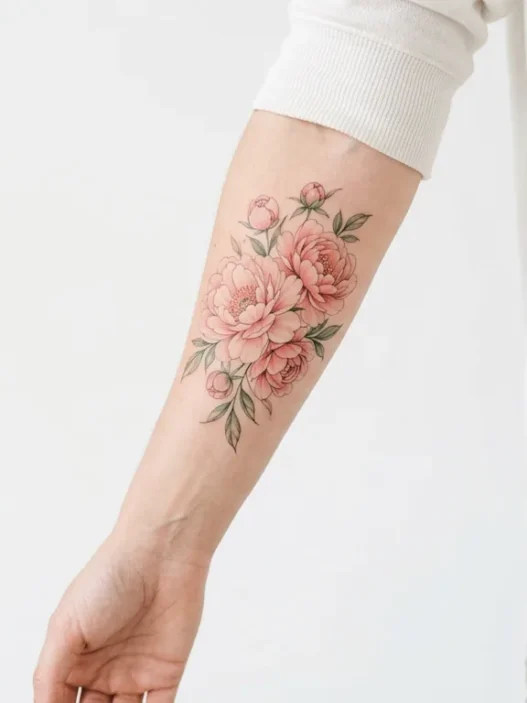
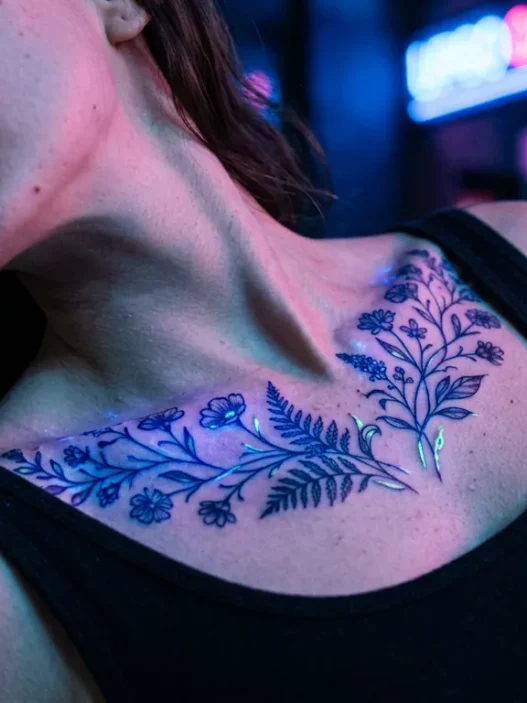
That said — and this is me being genuinely enthusiastic rather than just contrary — fine line tattoos at medium scale can look absolutely stunning when the design is built for that size. Think something with enough visual weight to fill the space intentionally: a detailed floral composition, an intricate architectural element, a face with real shading. The size works when the complexity justifies it. And if you love the minimal, clean look of minimalist tattoos, a smaller format often serves those better anyway. Scale up the design concept, not just the dimensions.
5. “Medium Tattoos Age Better Than Big or Small Ones”
Okay, this is my most controversial take and I’m committing to it fully: the idea that medium tattoos sit in some blessed aging sweet spot is a myth that flatters people making a medium-sized choice. It’s comforting but it’s not grounded in how skin actually works.
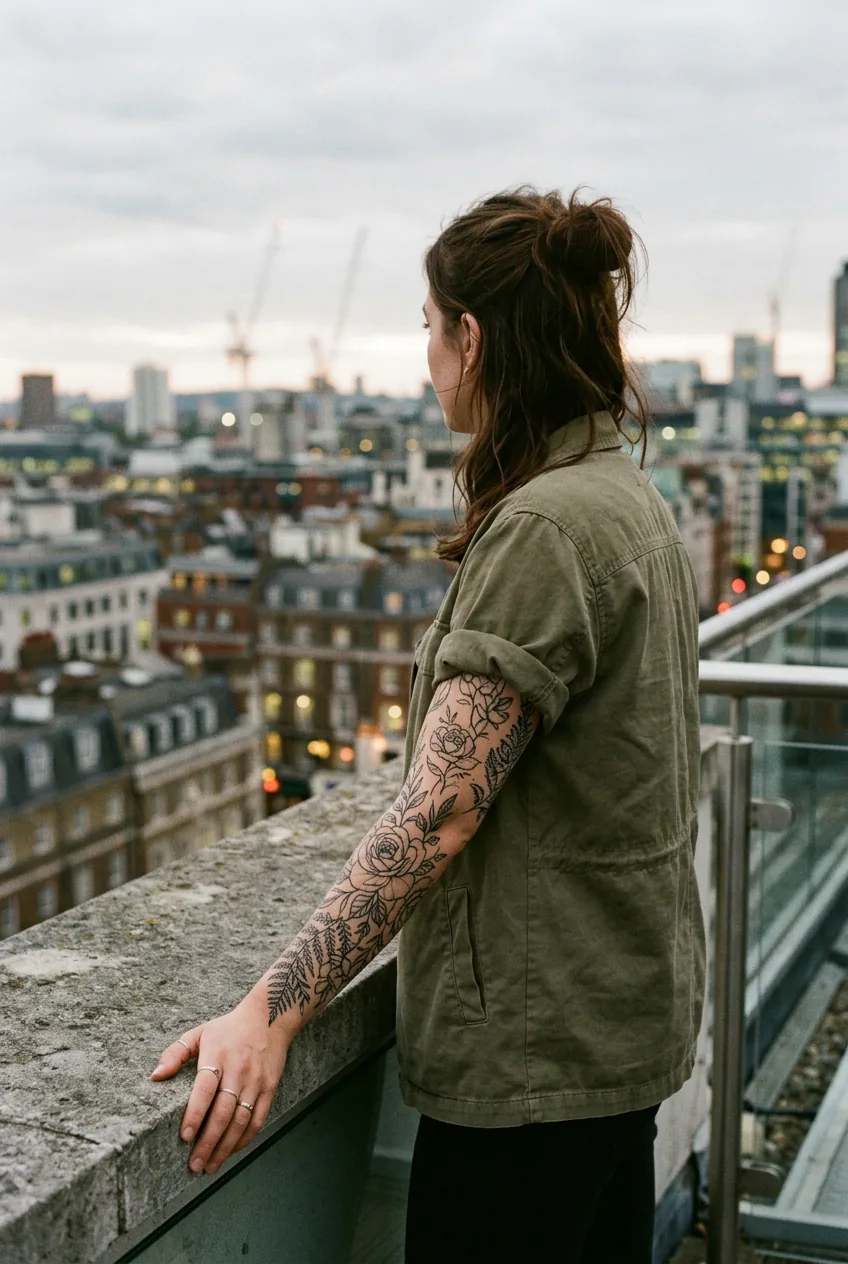
Here’s what actually drives aging in tattoos. Sun exposure. Skin type and elasticity. Placement on the body (high-movement areas age faster). Ink quality and depth. Artist technique. Style — black and grey tends to hold longer than saturated color regardless of size. Whether you moisturize regularly. None of these variables care what size the tattoo is. A medium tattoo on the inner wrist of someone who doesn’t use SPF will age faster than a large tattoo on someone’s upper back that rarely sees direct sun.
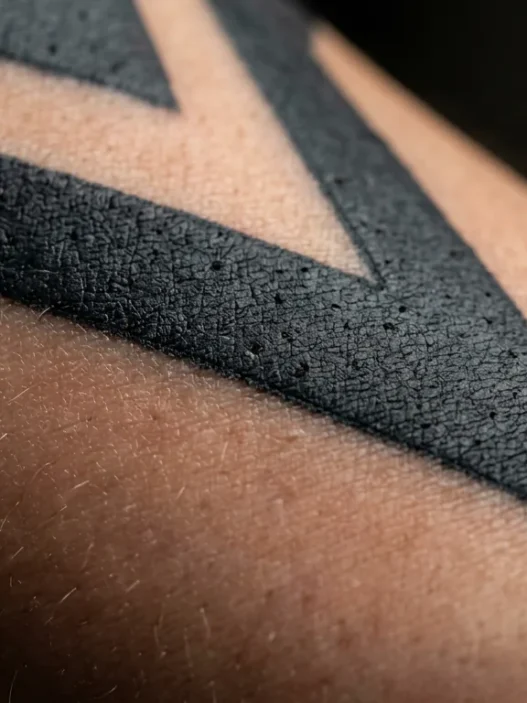
The only size-adjacent truth here is that very densely packed small tattoos with thin linework can lose crispness faster because there’s less margin for the ink to spread before it starts to look muddy. And micro tattoos with extreme detail are genuinely at higher risk of blurring over time. But that’s a style and density conversation, not a size hierarchy. A medium tattoo isn’t inherently more age-resistant. It just has more room to absorb some softening before it looks significantly different — which is a real advantage, just not quite the same thing as “aging better.”
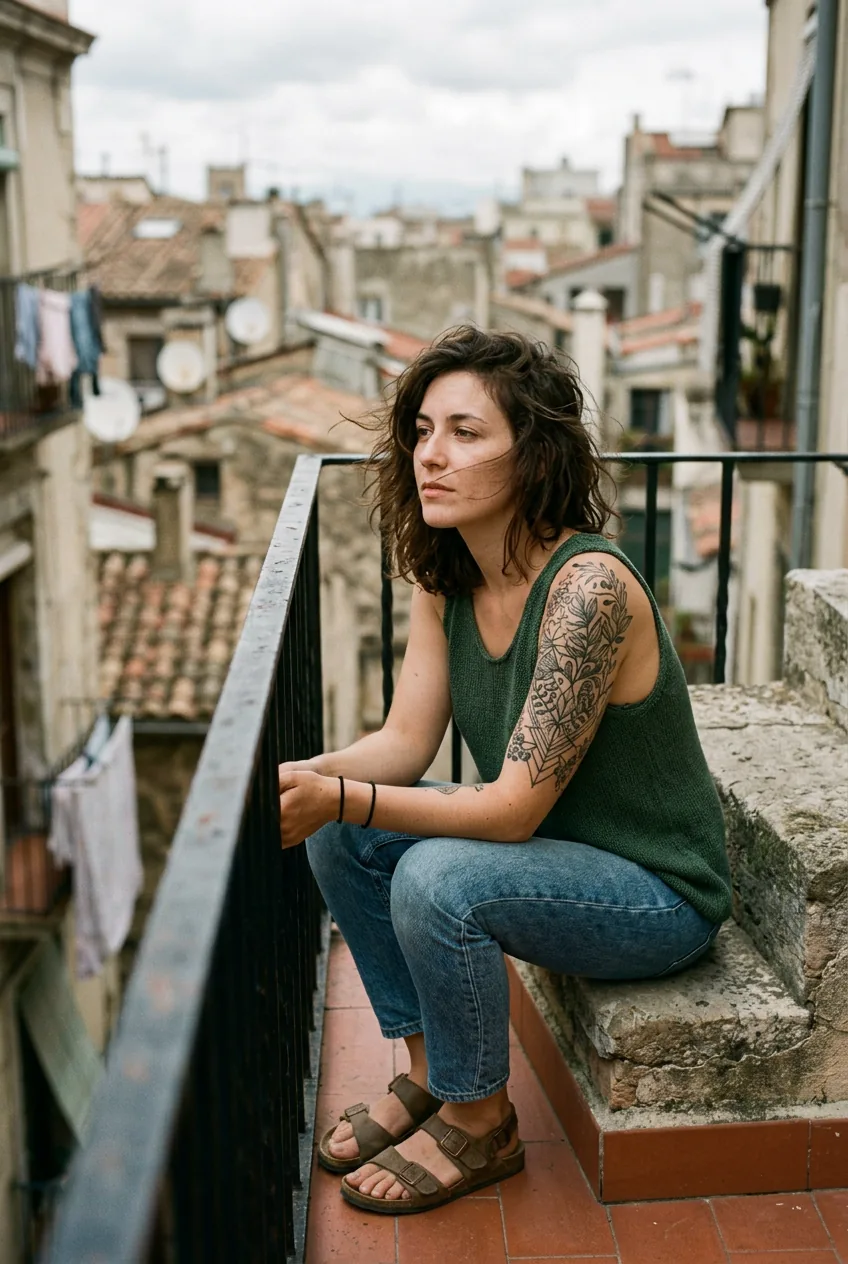
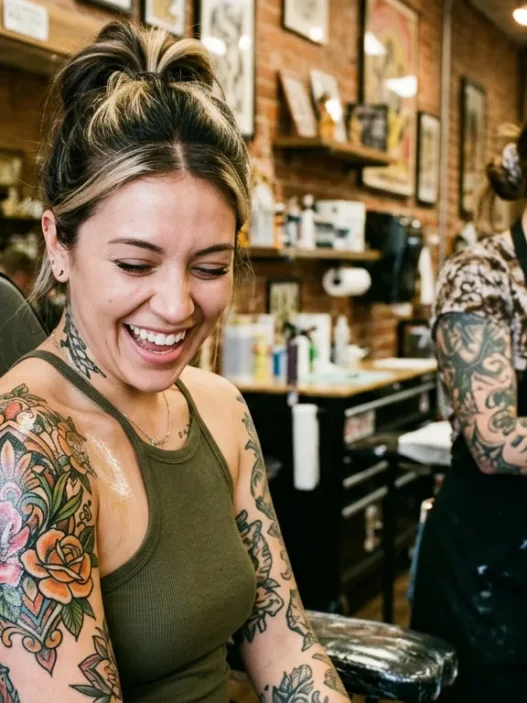
Look at the work on her shoulder in this shot — the way the design has kept its clarity says everything about aftercare and smart placement, not about hitting some perfect size target. That’s the part that actually matters. Ask your artist how tattoos age by skin type so you go in with realistic expectations about your specific situation.
6. “You Can Just Scale Up a Small Design to Fill the Space”
And finally, the one that causes the most actual regret. Someone has a small flash design they love — a little moth, a botanical sprig, a simple geometric shape — and they want it medium-sized. So they tell the artist to just make it bigger. Problem solved, right?
No. Scaling a design isn’t the same as designing for a scale. A small design is composed with the understanding that it will be read as a compact, contained shape. Every element is sized relative to that constraint. When you blow it up proportionally, the elements get larger but the design logic doesn’t change — and often what worked as a tight little composition at palm size becomes visually sparse or oddly weightless at forearm size. The negative space that looked intentional when small can start to look like the design isn’t finished.
What should happen instead: bring the design you love as a reference point and tell your artist you want something inspired by it at a medium scale. A good artist will rebuild it from scratch for the new size — adjusting proportions, adding or removing elements, rethinking the composition entirely. That’s not more work for you; that’s just the right process. The reference image is a starting point, not a blueprint to be photocopied larger. This is honestly one of the biggest reasons I’d encourage anyone to choose an artist who does custom work rather than booking someone who just executes whatever the client hands over without input.
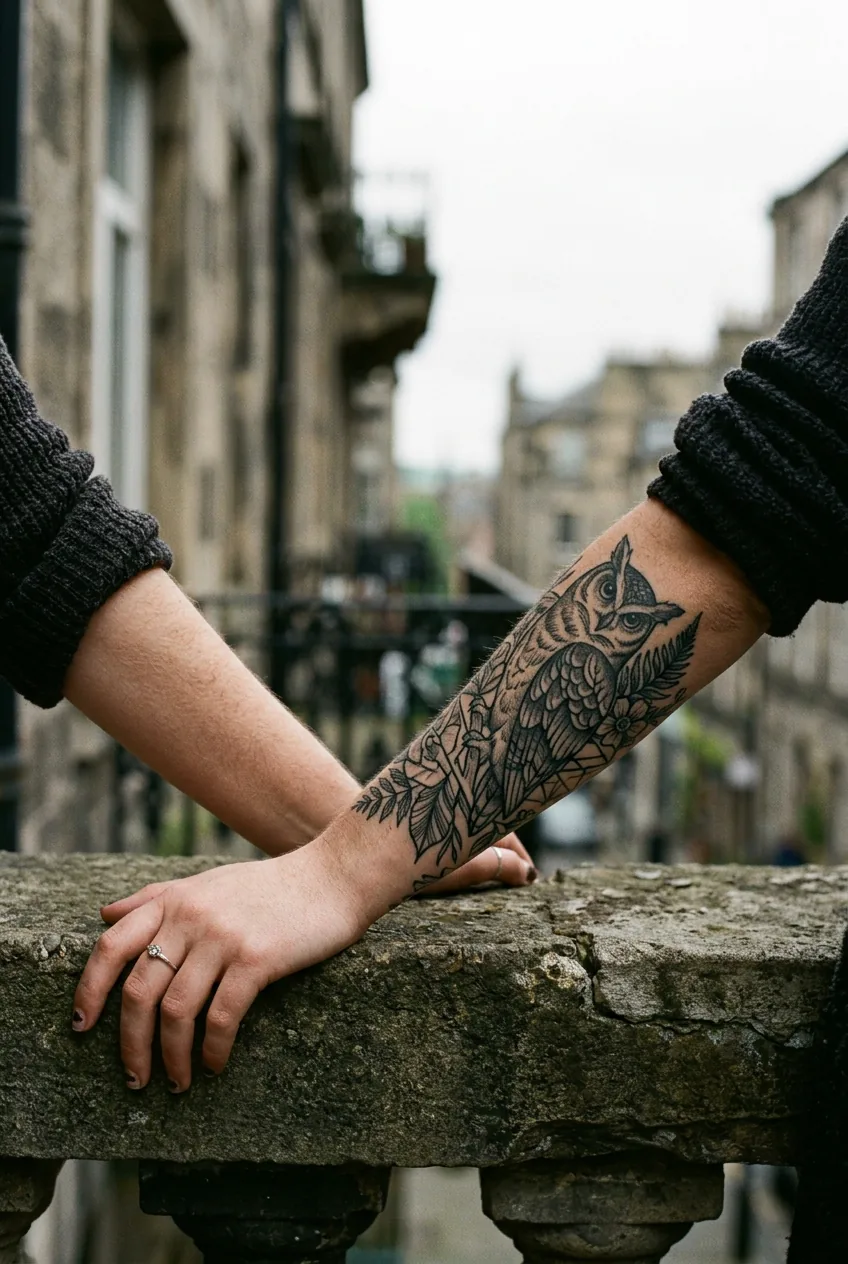
Seeing a Custom Resize Done Right
Questions I Get About This
How do I know if a design is truly “medium” sized?
Generally, medium tattoos run roughly between the size of your palm and your full forearm — think 4 to 7 inches in their longest dimension. But size really depends on placement, too. A 5-inch design on a larger upper arm reads differently than the same design on a smaller wrist area. Always talk to your artist about how the dimensions translate to your specific body.
Is one session usually enough for a medium tattoo?
For most medium designs — especially linework or simpler compositions — yes, one session of three to five hours is typical. Dense shading, heavy color fills, or complex realism might push it into two sessions. Your artist should give you an honest time estimate at your consultation, and it’s worth asking specifically rather than assuming.
Can I get a medium tattoo if it’s my first?
Absolutely — there’s no rule that says first tattoos have to be small. The main thing to consider is that you’ll be sitting for several hours without knowing how your body responds to the process. If you’re uncertain, choose a placement that’s lower on the pain scale and discuss session pacing with your artist beforehand. Many people do medium pieces as their first and have a completely fine time.
What styles work best at medium scale?
Honestly, most styles can work beautifully at medium scale when the design is built for it. Illustrative, neo-traditional, blackwork, and botanical fine line all thrive here. What matters more than the style label is that the design has enough visual content to fill the space intentionally — not too sparse, not so densely packed that it loses readability. Talk to your artist about what they think will hold up best in your specific style preference over time.
Six myths, and honestly I could keep going — but these are the ones that come up most in conversations I have with women planning their next piece. None of them are malicious; they mostly come from people trying to be helpful with incomplete information. But going into a medium tattoo with accurate expectations rather than comfortable assumptions makes the whole experience better. You make a more considered choice, you communicate better with your artist, and you end up with something that actually reflects what you wanted. That feels worth the myth-busting.