





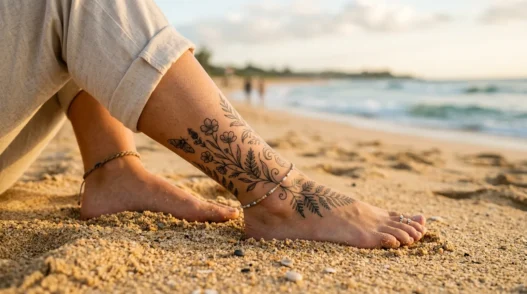
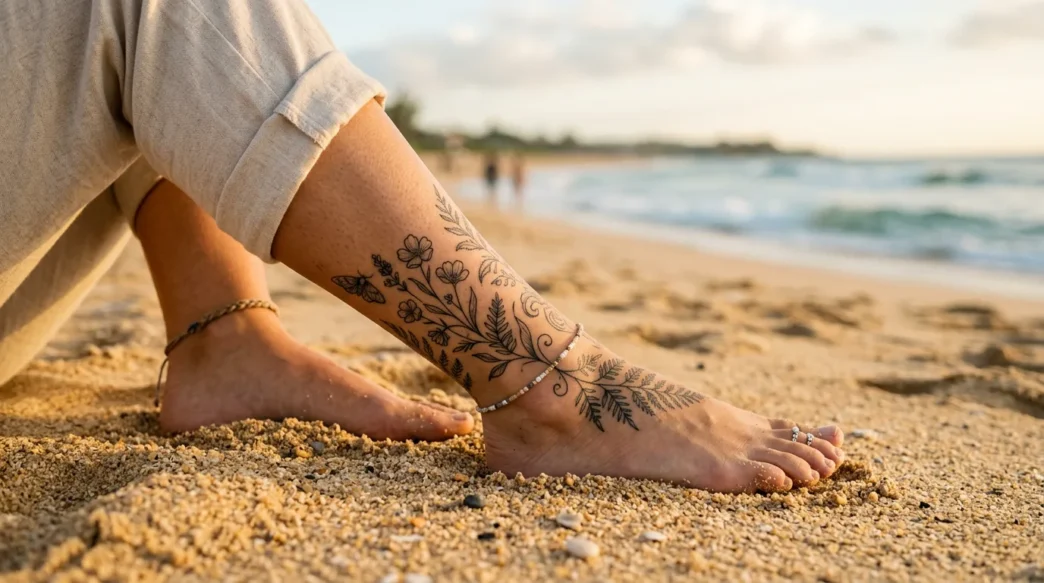
I’ve sat for tattoos on my ribs, my sternum, and even the back of my knee — and nothing made me clench my jaw quite like the moment the needle hit my actual ankle bone. But here’s the thing: not every ankle tattoo placement feels the same. Not even close. The ankle area covers way more real estate than most people realize, and where exactly your artist places the ink makes a huge difference in how much you feel it. Pain is also deeply personal — my “barely noticed it” might be your “needed a juice break”, and that’s completely valid. So I put together this honest ranked list of nine ankle placements, from the ones that feel like a buzzy compliment to the ones that will test your resolve. No judgment either way. The tattoo is the goal, not the suffering.
Your Ankle Tattoo Pain Map — Jump to Any Spot
- Barely a Whisper: Outer Ankle Padding
- Gentle Hum: Upper Ankle Cuff Zone
- Soft Buzz: Lower Calf Transition
- Noticeable Sting: Inner Ankle Muscle
- Medium Heat: Achilles Tendon Side
- Warming Up: Direct Ankle Cuff Line
- Earning It: Inner Ankle Bone
- You’ll Remember This: Ankle Bone Itself
- The Full Commitment: Ankle Ditch / Front Crease
Barely a Whisper: Outer Ankle Padding
If you’re new to tattooing and the ankle area is calling you, start here. The outer side of the ankle — not the bone itself, but the slightly fleshy zone just below it — sits over a small cushion of subcutaneous fat and soft tissue. There’s a little buffer between your skin and the hard stuff underneath. Most people describe this as a consistent vibrating buzz, the kind that’s almost meditative once you settle in. The nerve density here is comparatively low, which is your best friend. Pain verdict: 2/10 on most days. My getting-through-it tip? Just breathe normally and don’t tense your foot — tension makes everything feel sharper.
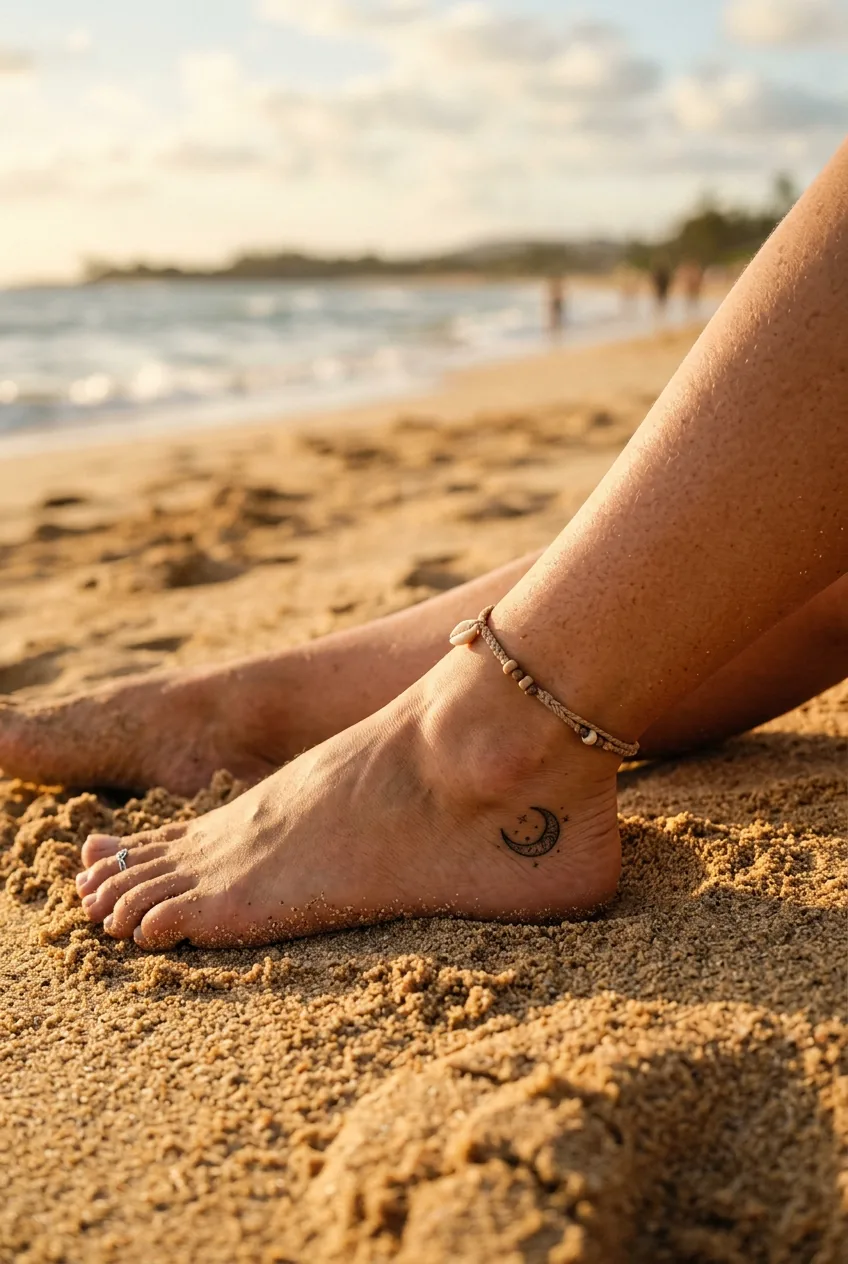
Gentle Hum: Upper Ankle Cuff Zone
This is the spot I’d describe as the “ankle bracelet zone” — just above where the ankle joint starts, where the leg still has some muscle and soft tissue coverage. It’s genuinely one of the nicest places to sit for, and a lot of the delicate wrap-around designs I’ve admired live right here. The skin is a little thinner than the outer padding spot, but the bone proximity is still minimal enough that you’re mostly feeling surface sensation rather than that deep, rattling vibration. Pain verdict: 3/10. Works wonderfully for fine-line floral wraps and script — and you can read more about the broader family of leg tattoos to get a feel for how placement changes everything. Getting through it: ask your artist to go at a steady pace rather than stopping and starting — the rhythm actually helps.
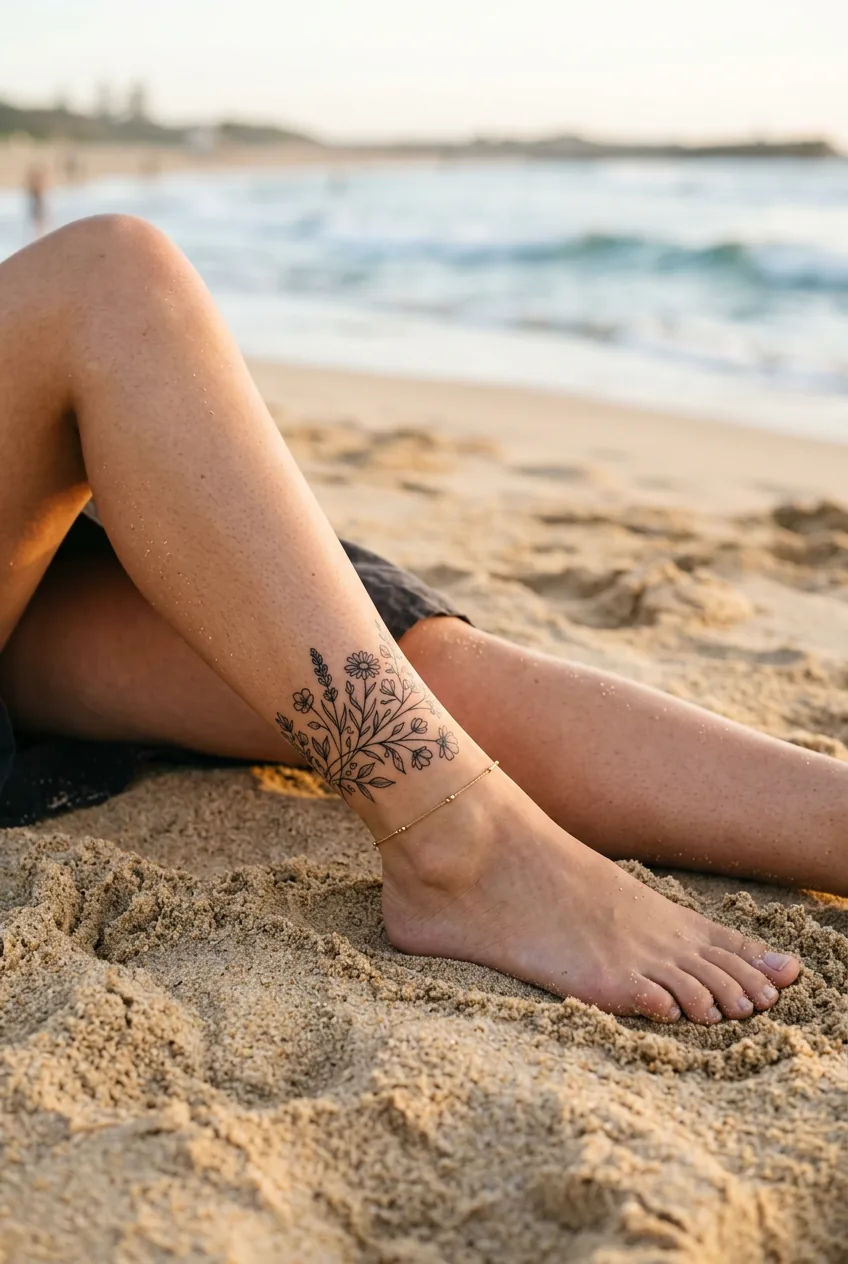
Soft Buzz: Lower Calf Transition
Technically this bleeds into calf territory, but when people ask about ankle tattoos that wrap or extend upward, this zone comes into play. And honestly? It’s forgiving. The gastrocnemius muscle sits just beneath the surface, giving the needle something to work against other than bone. The sensation is more of a firm, warm buzz — present but not unpleasant. Pain verdict: 3/10. This is actually my personal favorite zone for larger ankle pieces that need a little room to breathe. If you’re curious how this area compares to higher placements, the full breakdown of calf tattoos is worth a read. Getting through it: bring a small snack for right after. Your blood sugar will thank you.

Noticeable Sting: Inner Ankle Muscle
Now we’re stepping into territory where you’ll actually feel it — not in a frightening way, but enough that you’ll be aware of every pass. The inner ankle has thinner skin than the outer side, and the underlying tissue transitions faster toward bone and tendon structures. There’s also a higher concentration of nerve endings on the medial (inner) side of the lower leg in general. You’ll feel a sharper, more pointed sting rather than the dull buzz of the outer spots. Pain verdict: 5/10. Still very doable. Getting through it: focus on a fixed point on the ceiling or have a playlist ready that genuinely absorbs your attention — music works better than podcasts for me when I’m in the chair.
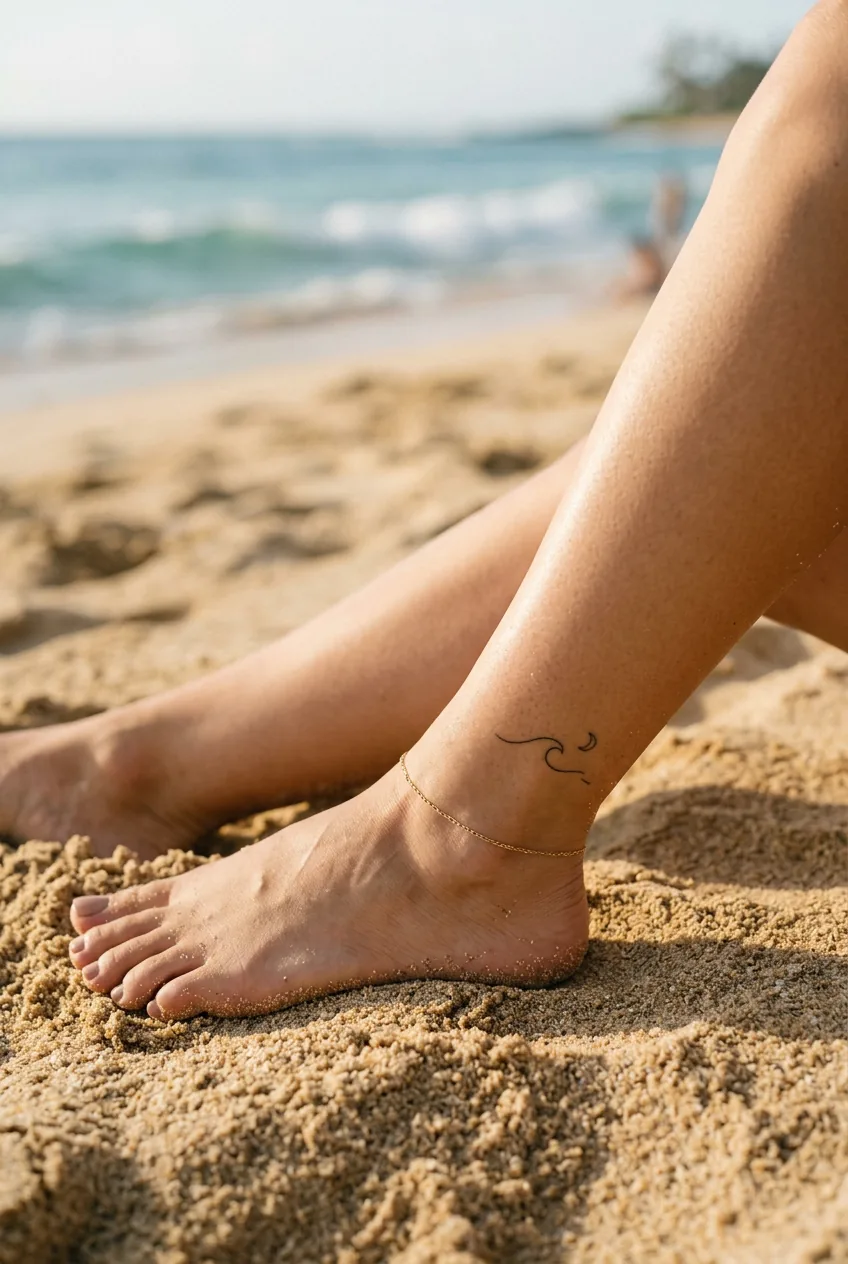
Medium Heat: Achilles Tendon Side
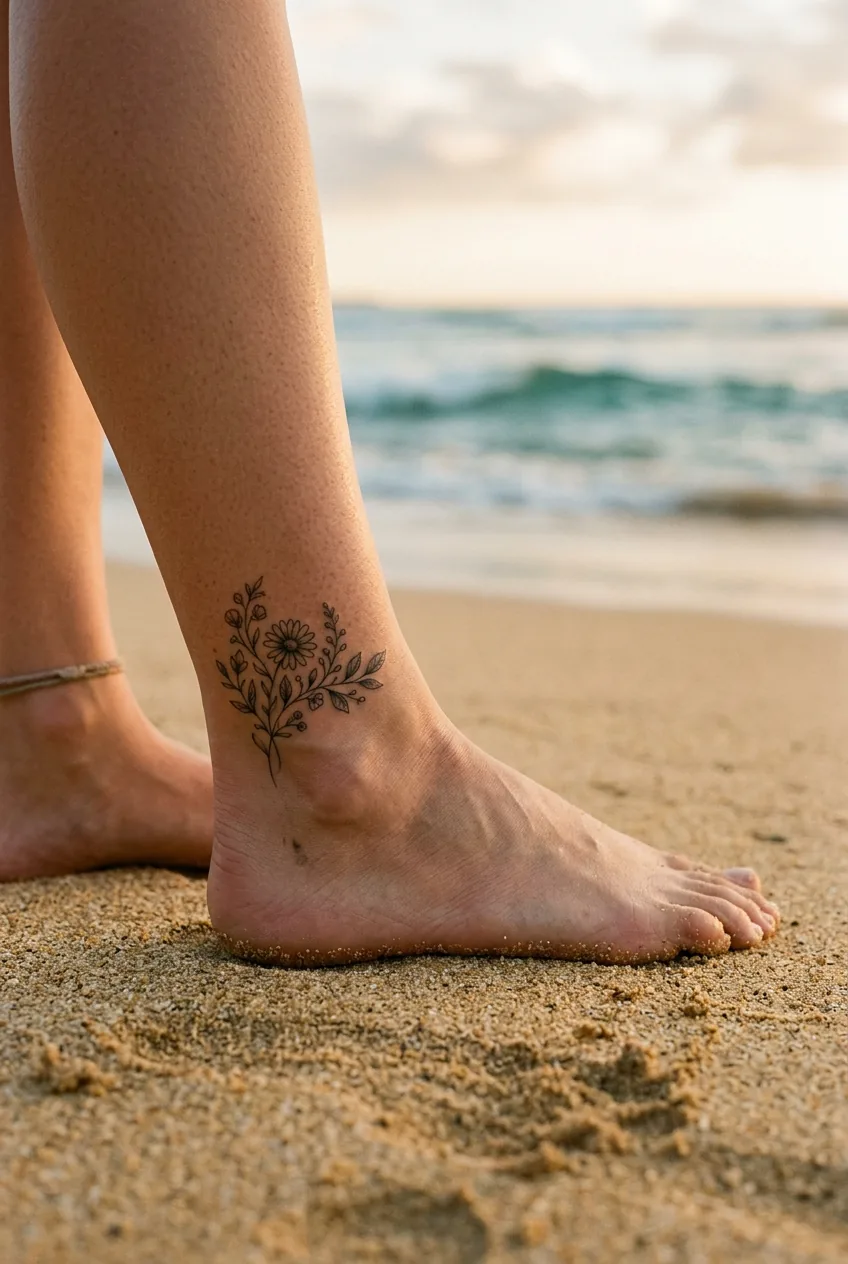
This is my personal pick for the “worth every second” spot. The Achilles side has that perfect sweet spot — just painful enough to feel earned, but totally manageable with a good artist who keeps their passes short. Plus the visual payoff when you’re barefoot at the beach? Unmatched. Ask your artist how fine lines age before committing to a delicate design here, because the skin does move a lot with walking.
The skin along the Achilles tendon side is thin — noticeably so — and beneath it runs the actual tendon, which doesn’t absorb vibration the way muscle does. Instead, the sensation travels. It’s not bone-level rattling, but you’ll definitely feel something that moves up the leg a little. Still, it remains one of the most beautifully positioned spots for a tattoo: visible from behind, elegant with sandals, and relatively small in surface area so sessions are short. Pain verdict: 5.5/10. Getting through it: keep the piece small and the session under an hour if possible. Short exposure to a medium-pain zone is always smarter than pushing through fatigue.
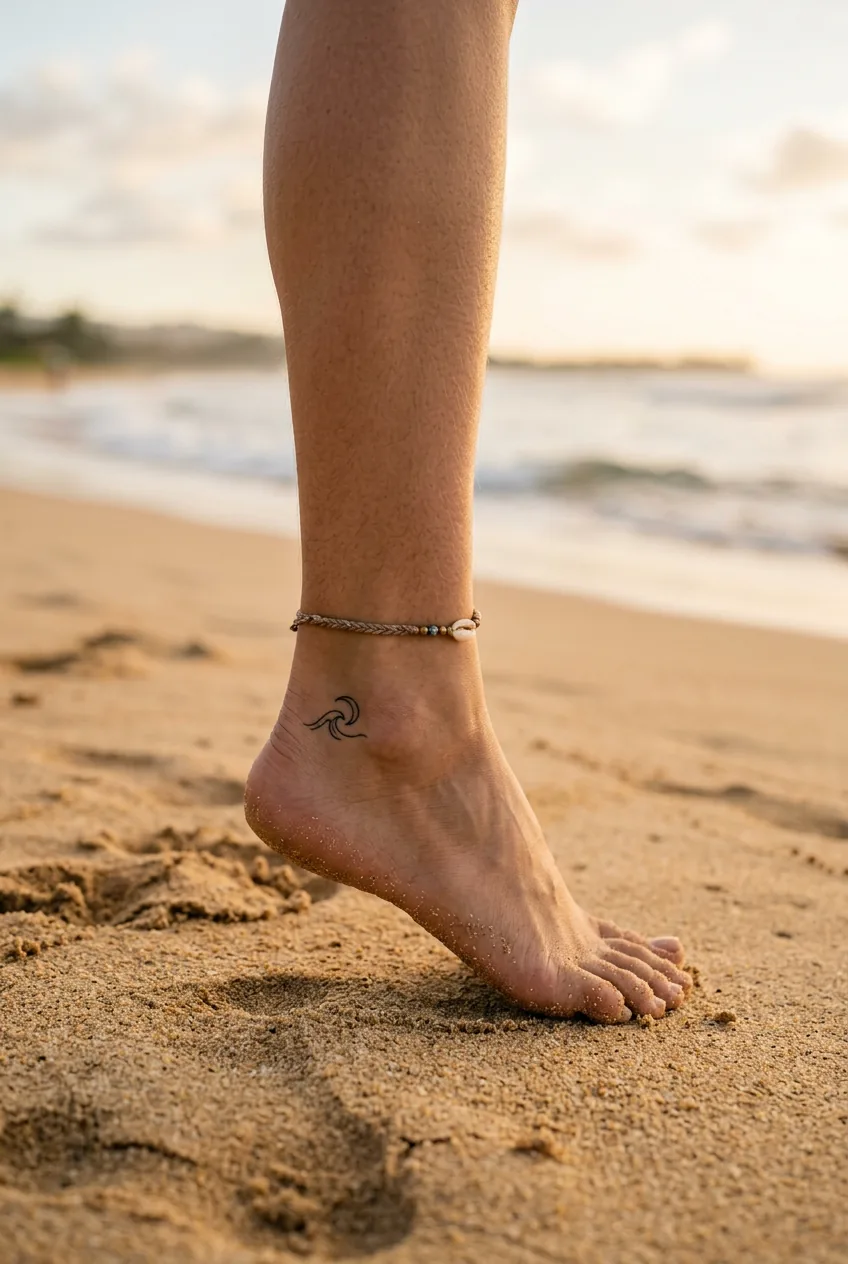
Warming Up: Direct Ankle Cuff Line
A full wrap-around ankle cuff is one of the most requested designs I see — and for good reason, they’re stunning. But because the design circles the entire ankle, it passes through multiple zones of varying sensitivity in a single sitting. The back and outer portions are manageable. The inner ankle and any area that dips close to bone is where you’ll grip the table. Think of it as a tour of every sensation from this list in one tattoo. Pain verdict: 6/10 averaged across the full wrap, with spikes to 7.5 at the inner spots. Getting through it: be honest with your artist about when you need a break. A five-minute pause resets everything. There’s no prize for sitting stoically through the hard patches — just a less enjoyable experience.
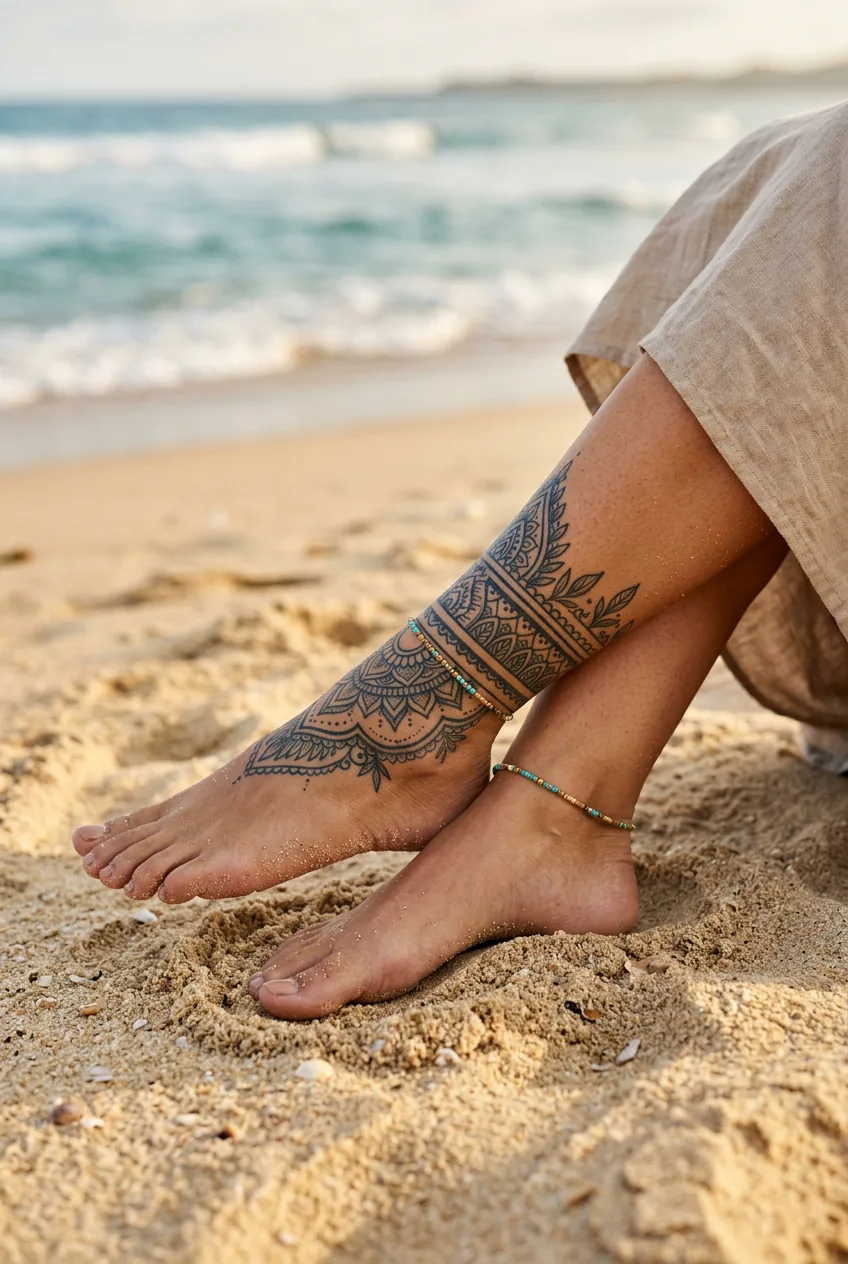
Earning It: Inner Ankle Bone
Here’s where we cross into genuinely challenging territory. The medial malleolus — the inner ankle bone, that round knob you can feel on the inside of your ankle — is prominent, close to the surface, and surrounded by thin skin with very little padding. When the needle works this area, you feel the vibration transmitting through the bone itself. It’s a specific, rattling sensation that some people find deeply uncomfortable and others find oddly tolerable. Bodies are weird. Pain verdict: 7/10. Anatomically, there’s simply nowhere for the sensation to go except straight to bone. Getting through it: numbing cream (applied properly, at least 45 minutes in advance under cling film) makes a meaningful difference here. It’s worth asking your artist if they’re comfortable working on pre-numbed skin — most are, as long as it’s not over-applied.
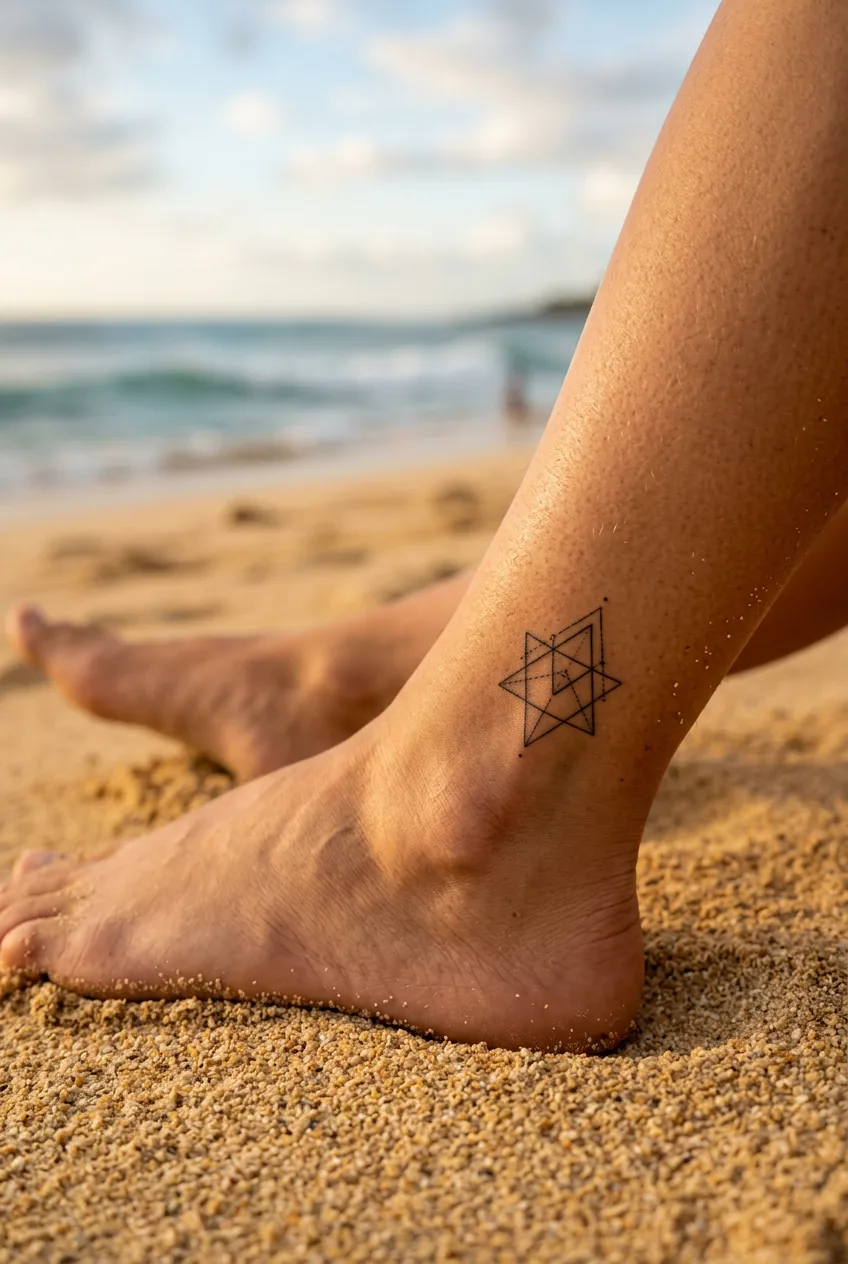
You’ll Remember This: Ankle Bone Itself
Direct work on or immediately over the lateral malleolus — the outer ankle bone, the one that protrudes when you look at your foot from the side — is a genuinely intense experience. I had a small floral detail placed right on mine and I won’t pretend it was breezy. The bone is right there, the skin is paper-thin, and every pass of the needle sends vibration directly into hard tissue. What makes it worth it? The visual impact. A design centered on the ankle bone is unmistakable. Pain verdict: 8/10. I’d also check out the honest perspective in this piece about leg tattoos women actually want — it touches on exactly this kind of decision-making. Getting through it: eat a full meal beforehand, bring sugar, and commit to short sessions rather than trying to be a hero.
The Full Commitment: Ankle Ditch / Front Crease
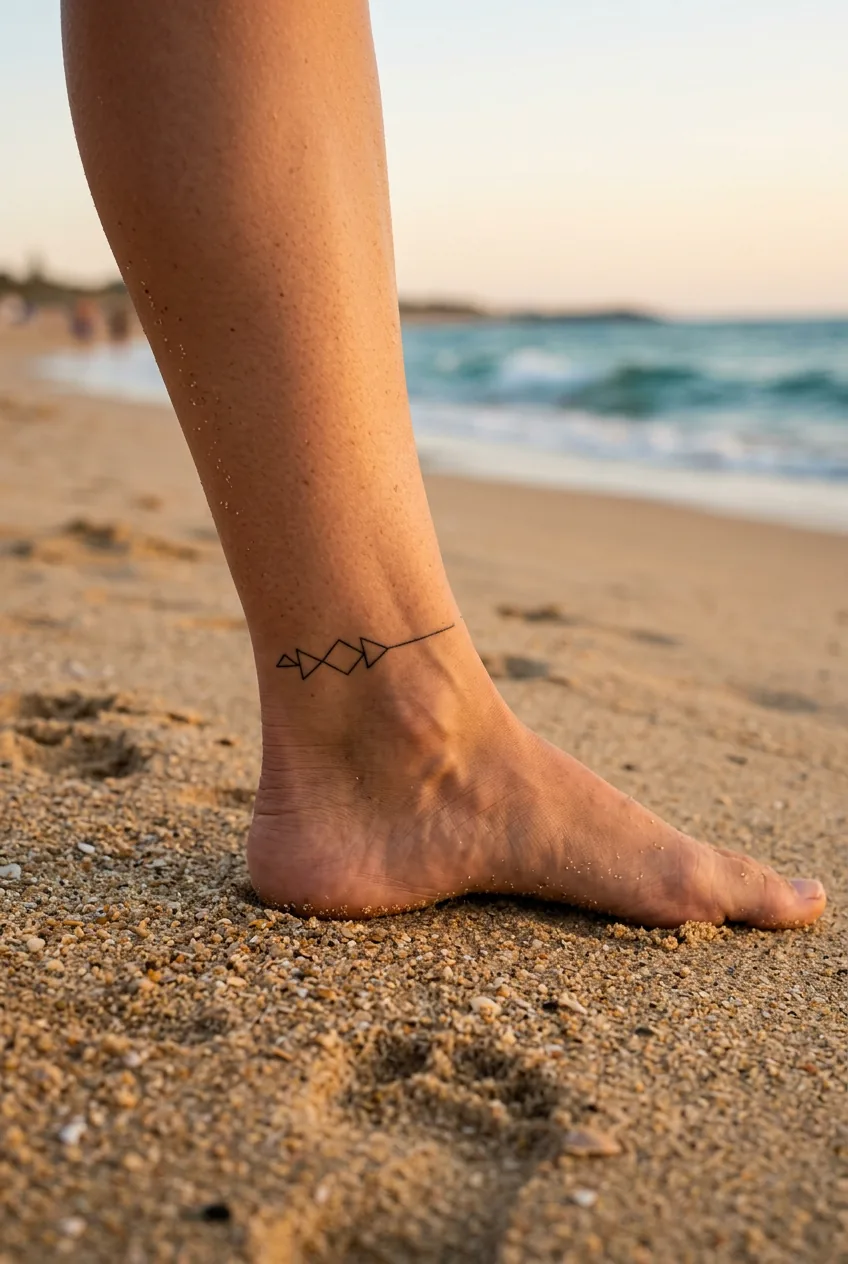
The ankle ditch — the front crease of the ankle, where the foot meets the leg — is widely considered one of the most painful spots on the lower body for tattooing. The skin here is extremely thin and constantly flexing, which means it’s packed with nerve endings that are already primed for sensitivity. Beneath that thin skin? Tendons, the anterior ankle joint, and essentially no cushioning at all. The sensation is sharp, scratchy, and relentless. Pain verdict: 9/10. That said, some of the most incredible minimalist and geometric designs I’ve seen live right here — bold choice, bold placement, bold result. Getting through it: numbing cream is almost non-negotiable for this one. Keep the design small and the session short. And remind yourself: the healing is harder than most spots too, because of constant skin movement. Make sure you know what you’re signing up for regarding proper aftercare for joint tattoos before booking this one.
Questions I Get About Ankle Tattoos
Does the ankle hurt more than other common tattoo spots?
It depends so much on exactly where on the ankle. The outer padding area is genuinely mild — less painful than the ribs or sternum, in my experience. But the ankle bone itself and the ankle ditch are a different story entirely. If someone tells you “ankle tattoos don’t hurt,” they probably got theirs on the fleshier outer zone and not directly on bone.
How long does an ankle tattoo take to heal?
Surface healing typically takes 2–3 weeks, but the ankle is a high-movement area, so the deeper layers can take up to 3 months to fully settle. Wear loose socks or sandals during the first week whenever possible, and avoid submerging the tattoo in pools or the ocean until it’s fully sealed. I learned that second part the hard way on a beach trip.
Do ankle tattoos fade faster than other placements?
They can, yes — especially on the front crease where constant flexing stresses the ink. The outer ankle and calf-transition zone tend to hold up much better over time. Sun exposure is the other big factor; ankles in sandals get a lot of UV without the protection of clothing. Sunscreen on healed ink is a habit worth building, and it’s smart to read up on protecting tattoo color in sunlight so you know what you’re working with long-term.
Can I use numbing cream for an ankle tattoo?
Absolutely, and for bony spots like the ankle bone or ankle ditch, I’d genuinely recommend it. Apply a thick layer to clean, dry skin at least 45–60 minutes before your appointment, cover it with cling wrap, and wipe it off just before your artist begins. Always check with your artist first — most are fine with it, but some prefer to work without it on certain skin types.
What ankle tattoo styles work best for this placement?
Fine line and minimalist designs are hugely popular for ankle tattoos because they suit the delicate scale of the area. Wrap-around designs look incredible here too. If you’re going for something with text, the upper ankle cuff zone holds quote tattoos really beautifully — the curve of the ankle gives script a natural flow that flat placements can’t replicate. And if you ever want to explore how arm placements compare, checking out arm tattoos is a great way to see the full spectrum of what’s possible at similar pain levels.
At the end of all of this, I want to say something I mean genuinely: there is absolutely no version of this where choosing a lower-pain placement makes you less of a tattoo person. The goal was never to suffer. The goal was to get a piece of art on your body that you love looking at every single day — whether you see it peeking out from your sandal at the beach or wrapped around your ankle when you pull on your boots. Start where you’re comfortable. Work your way up if you want to. Or don’t. Either way, you’re going to love it.