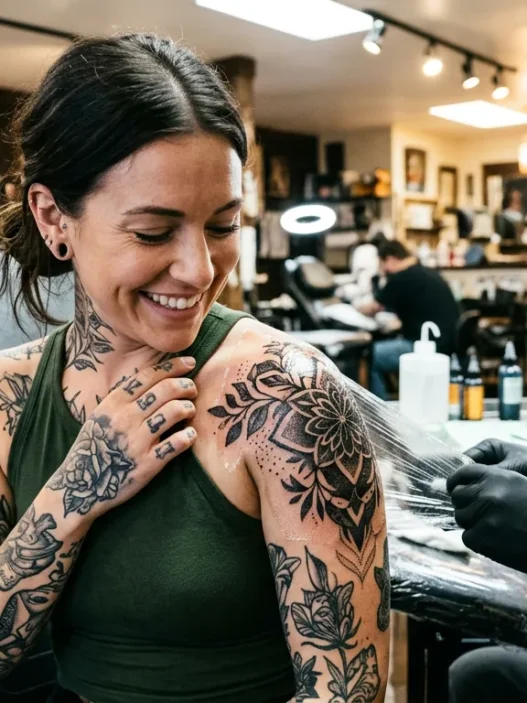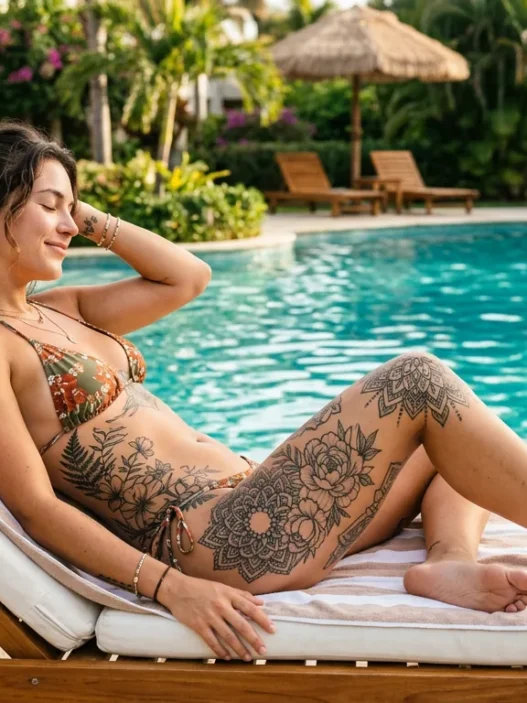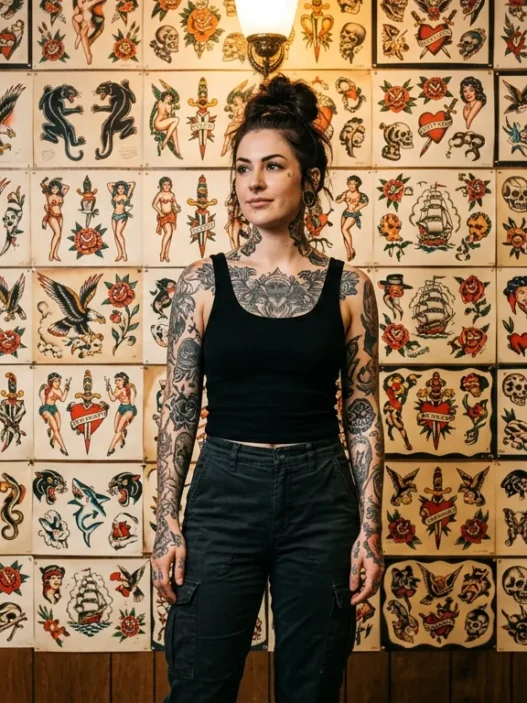



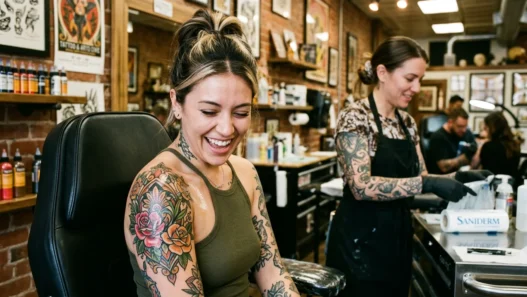


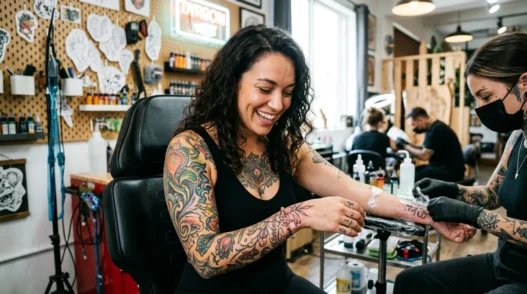
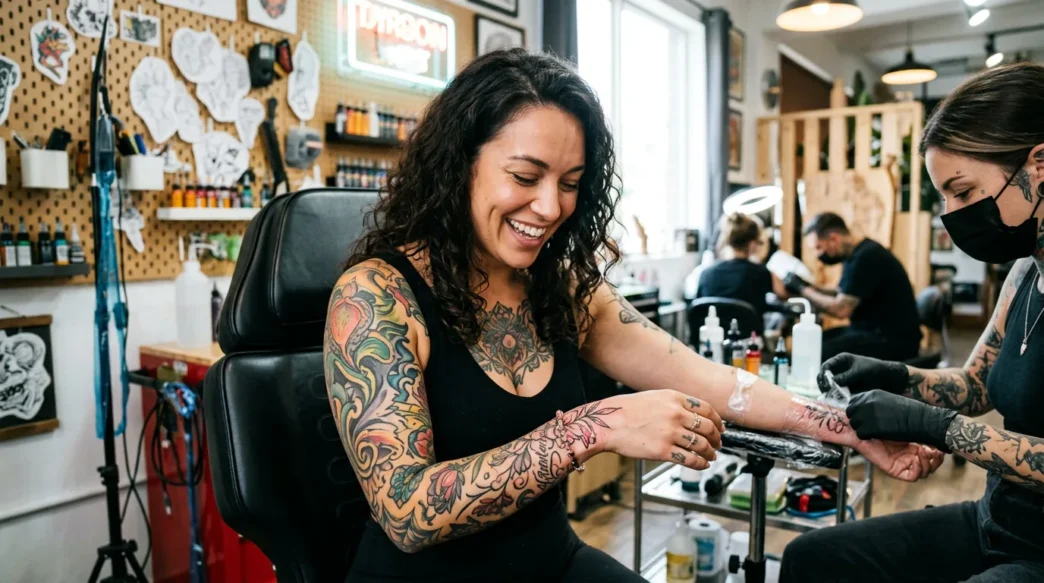
I almost made the biggest tattoo mistake of my life. Picture this: I walked into my consultation with Pinterest screenshots and zero understanding of how placement would affect my half-sleeve over the next twenty years. My artist stopped me mid-sentence and said something that changed everything: “Your design is gorgeous, but where you want it? That’s going to be a problem.”
That conversation taught me that sleeve tattoos aren’t just about finding a pretty design. They’re about understanding your body, your lifestyle, and how ink behaves on skin that moves, ages, and changes. I spent months researching placement before booking my session, and honestly? Best decision I ever made.
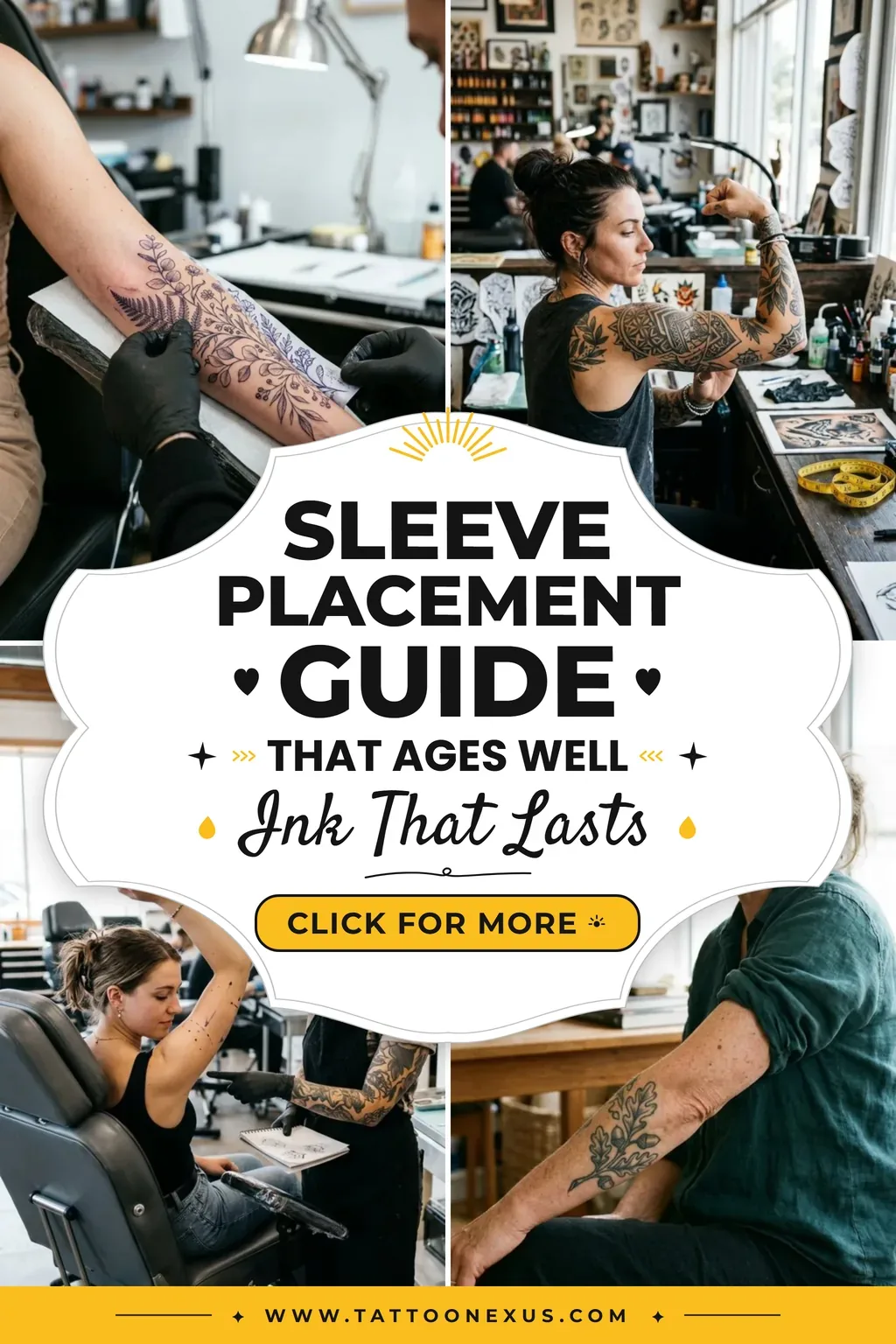
What You’ll Need for This Process
Before we dive into placement strategy, gather these essentials:
- Reference photos of your design from multiple angles
- A flexible measuring tape
- Your typical work wardrobe laid out
- Photos of your arm in different positions (raised, bent, relaxed)
- A trusted friend for honest feedback
- Time to really think through each decision
Step 1: Understanding Your Canvas
Your arm isn’t a flat piece of paper. It’s a three-dimensional canvas that flexes, rotates, and changes throughout the day. I learned this the hard way when I realized my botanical design would wrap around curves I hadn’t considered.
Stand in front of a mirror and really study your arm. Notice how the muscle definition changes from shoulder to wrist. See where your skin pulls tight when you flex, and where it creates softer areas when relaxed. These subtle variations will dramatically affect how your tattoo sits and flows.
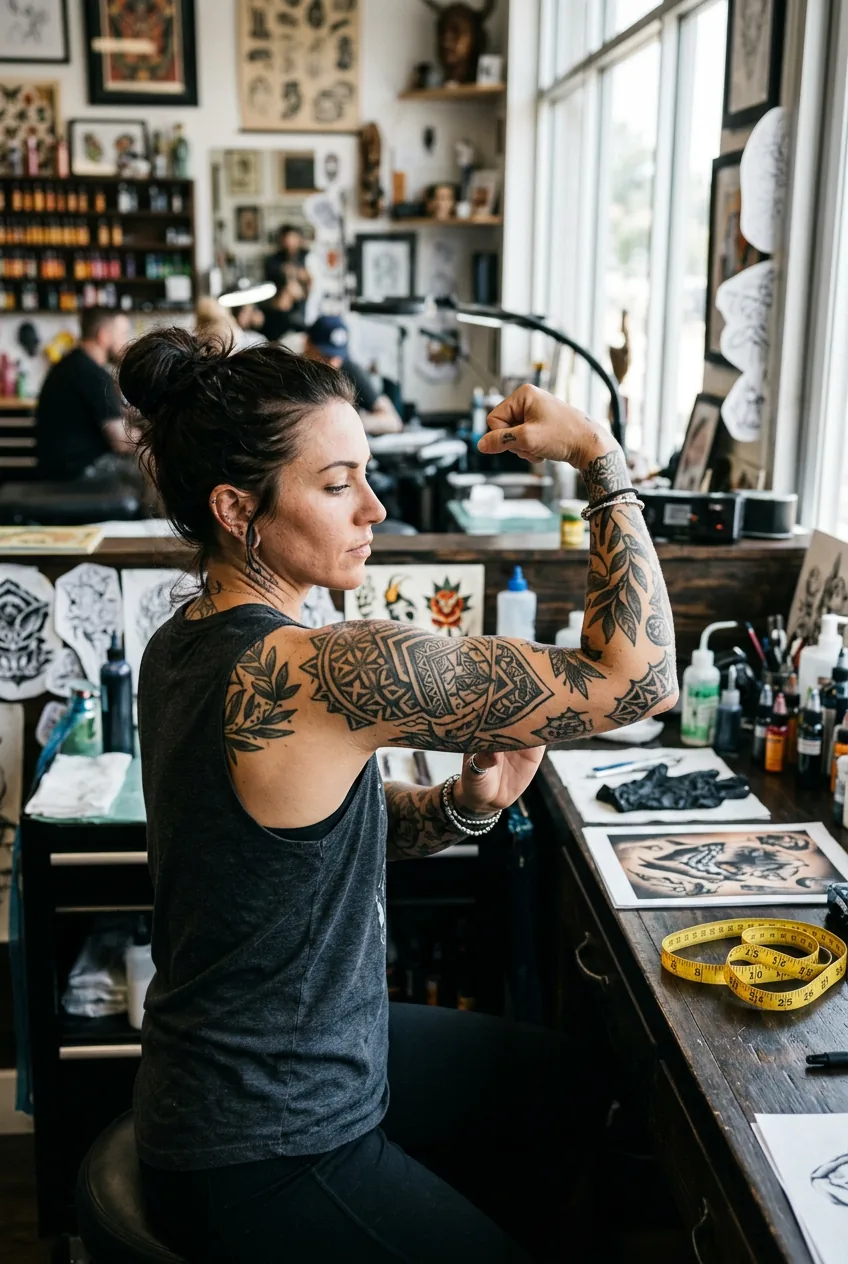
The inner bicep has completely different skin properties than the outer shoulder. The forearm narrows as it approaches your wrist, creating natural focal points. Understanding these anatomical realities helps you choose placement that works with your body instead of against it.
Step 2: How the Design Dictates Placement
This is where most people get it backwards. They fall in love with a spot on their arm, then try to make any design fit there. But smart placement starts with understanding what your specific design needs to look its best.
Vertical designs like flowing florals or script work beautifully on the outer forearm where they can stretch naturally. Circular mandala patterns need the broader canvas of your upper arm or shoulder. Intricate geometric work requires areas with minimal skin movement to maintain those crisp lines.
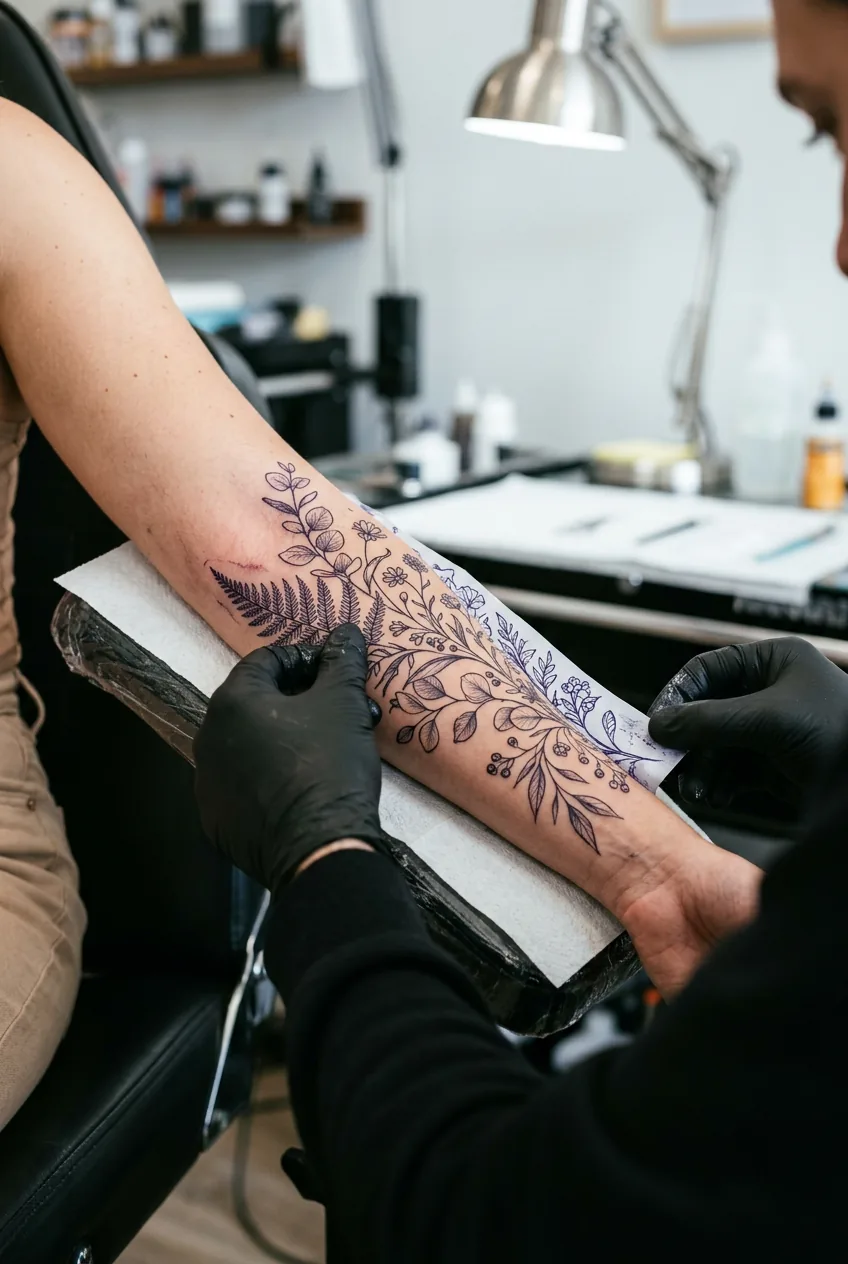
I wanted a design with fine details and delicate linework. My artist explained that placing it on my inner bicep — where skin stretches significantly — would blur those details over time. We moved it to my outer forearm instead, and five years later, every line still looks sharp.
My biggest mistake was ignoring my artist when she suggested adjusting the placement by two inches. I insisted on my original spot because it “looked cooler” in my head. Six months later, I could see exactly what she meant about how the design fought against my natural arm shape.
Step 3: The Pain vs Visibility Tradeoff
Let’s talk honestly about pain. Some spots hurt significantly more than others, and this directly impacts your placement options. But here’s what nobody tells you: the most painful spots are often the most visible ones.
The inner bicep and elbow ditch are notorious for being incredibly painful, but they’re also prime real estate for stunning tattoo placement. The outer forearm is more comfortable but offers different visual opportunities. Your pain tolerance absolutely should influence your decision.
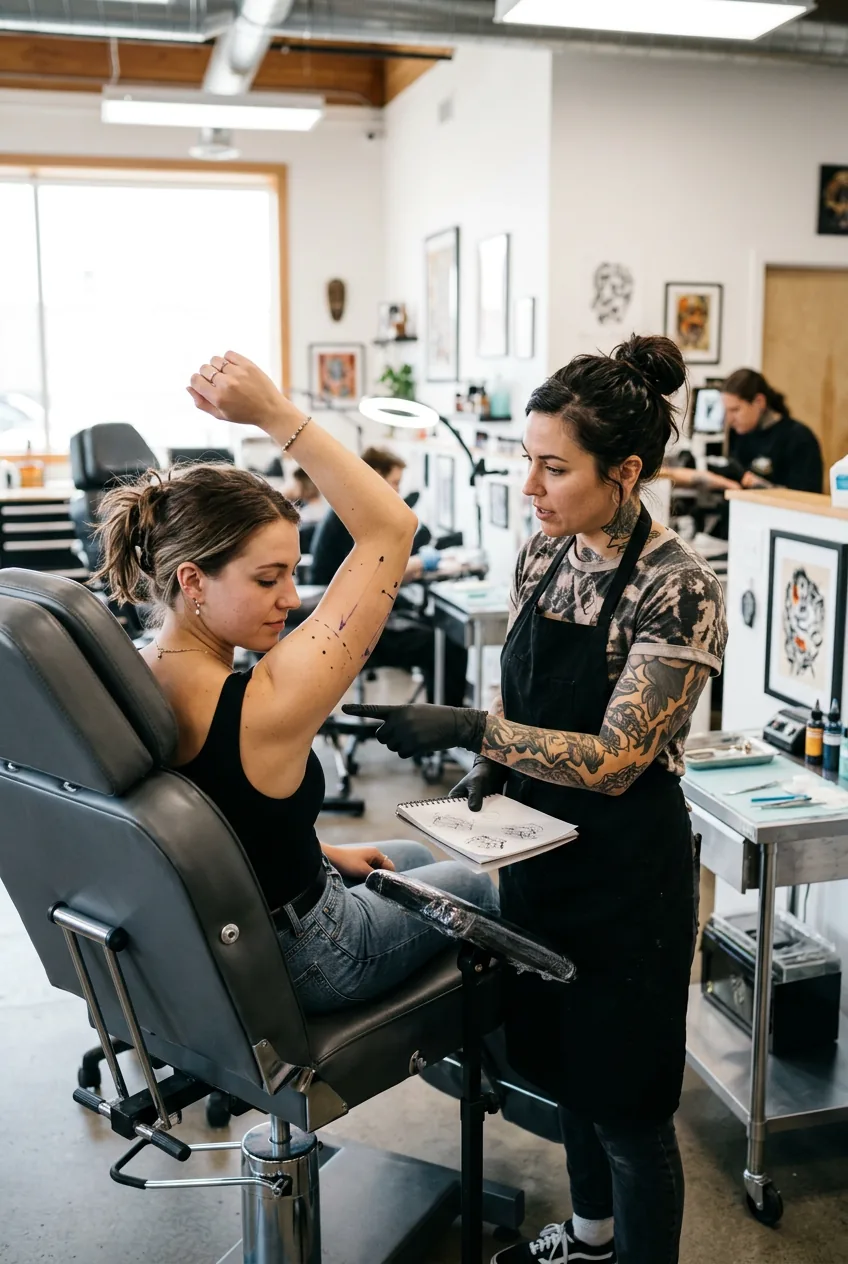
Consider starting with less painful areas if this is your first major piece. You can always expand later. I started with my outer upper arm, loved the experience, and felt confident tackling the more sensitive inner areas during my second session.
Visibility matters too. Think about your daily life. Do you want your tattoo to be a conversation starter, or something more private? The outer forearm offers maximum visibility with moderate pain, while inner placements give you control over when people see your ink.
Step 4: How Placement Affects Aging
This is the conversation that saved my tattoo. Skin ages differently on different parts of your arm, and some placements hold up dramatically better over decades than others.
The outer forearm and shoulder maintain their shape and skin quality longest. These areas experience less stretching, less sun damage (if you’re mindful about sleeves), and fewer dramatic changes as you age. The inner bicep and areas near joints see more distortion over time.
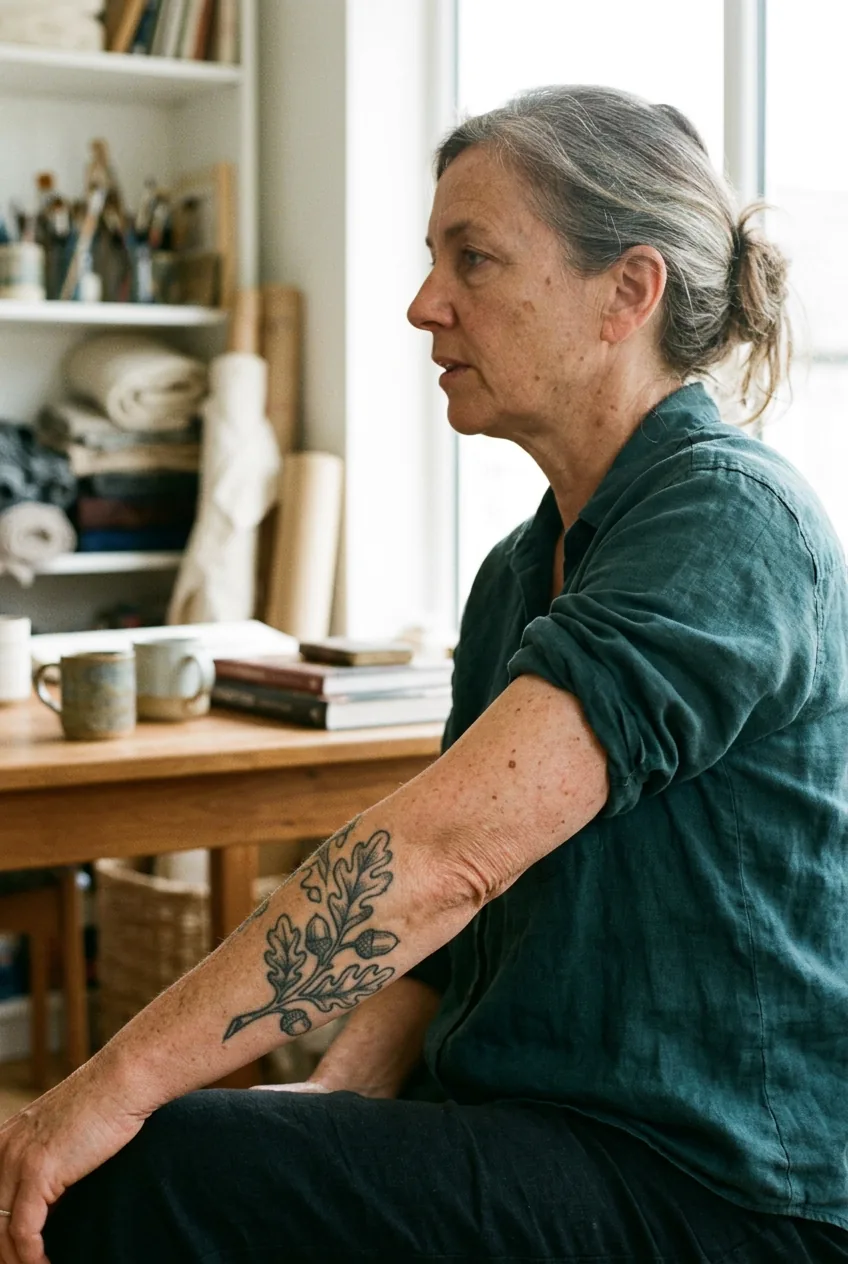
I’m not saying avoid certain areas entirely. But understanding how aging affects different placements helps you make informed decisions. Designs with bold, simple elements handle aging better than intricate details regardless of placement.
Consider also how your lifestyle might change. Will you be doing physical work that puts stress on certain areas? Planning to have children? These factors affect how your skin and muscle structure might change, which directly impacts your tattoo’s appearance.
Step 5: What Clothing and Career Require
I hate that we still have to consider this, but career requirements absolutely affect placement decisions. Even in 2026, some professions maintain strict appearance policies. Better to plan ahead than deal with coverage stress later.
Try on your typical work clothes and see what’s visible. Long sleeves cover most arm tattoos, but consider rolled sleeves, seasonal changes, and industry networking events. Some careers are becoming more tattoo-friendly, but others remain conservative.

Don’t just think about your current job either. Consider your five-year career plan. That startup environment might be tattoo-friendly now, but what if you move to a more traditional company later? I placed mine strategically so I could cover it completely with professional attire if needed.
Your clothing style also matters for everyday life. If you live in tank tops, placement higher on your arm ensures maximum visibility. If you prefer long sleeves, you might want placement that peeks out just enough to hint at the larger piece underneath.
Step 6: Skin Movement and Distortion Points
This step requires some awkward mirror work, but it’s crucial. Move your arm through its full range of motion and watch how your skin behaves. Flex your bicep. Rotate your forearm. Reach overhead. Notice where skin bunches, stretches, or creates unexpected folds.
The elbow area is notorious for distortion. Designs that look perfect on a straight arm can become strange and warped when you bend your elbow. Similarly, shoulder placement needs to account for how raising your arm affects the tattoo’s appearance.
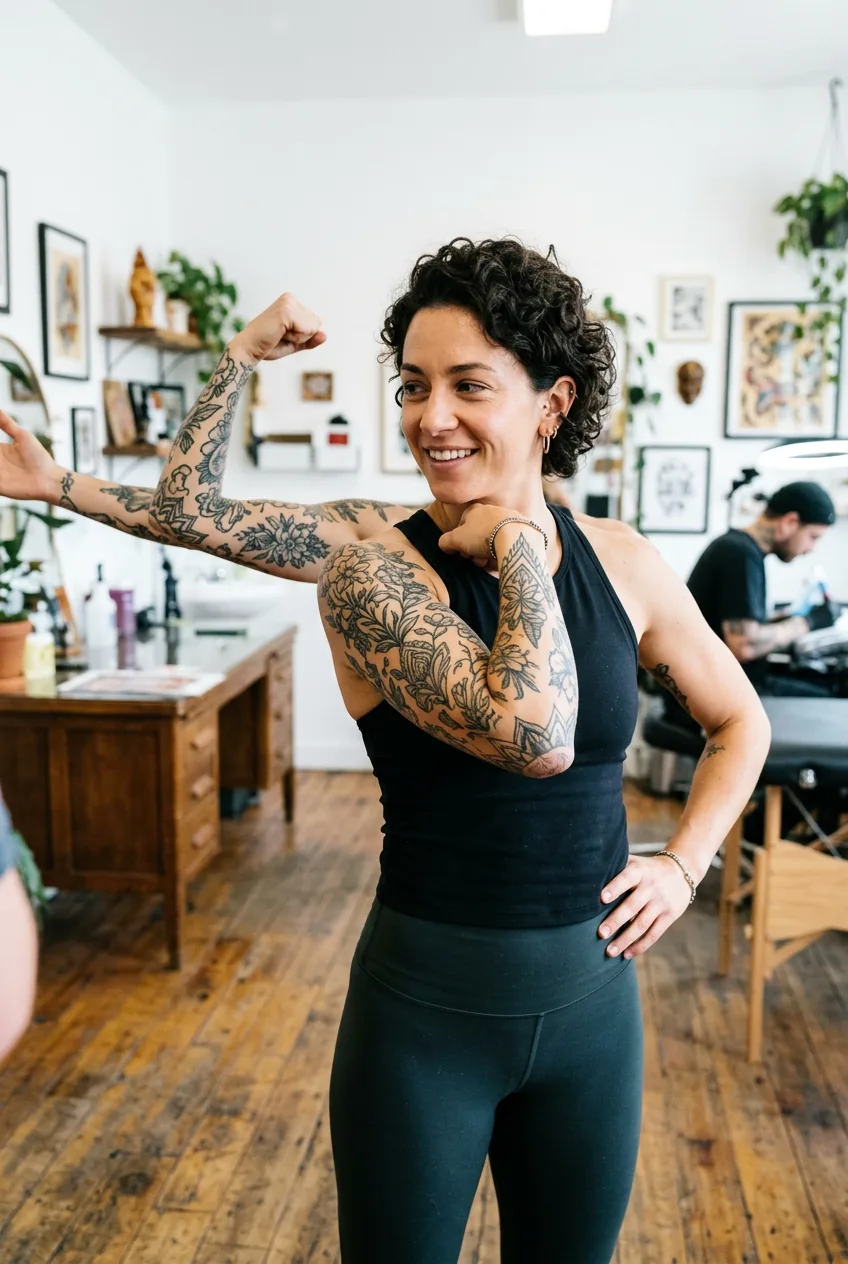
Some distortion is unavoidable and actually adds character to the tattoo. But extreme distortion can ruin intricate designs. Understanding skin movement helps you predict how different designs will behave in various arm positions.
If you’re considering covering small existing tattoos with your sleeve, movement becomes even more critical. The cover-up needs to work in all arm positions, not just the static pose you see in the mirror.
Step 7: Working with Your Artist’s Vision
Here’s where everything comes together. Your artist isn’t just executing your vision — they’re bringing professional expertise about how designs work on bodies. This collaboration determines whether your sleeve becomes a masterpiece or a regret.
Come to your consultation with all your placement research, but stay open to adjustments. My artist suggested modifications that improved both the aesthetic and longevity of my piece. Sometimes moving a design two inches or rotating it slightly makes all the difference.
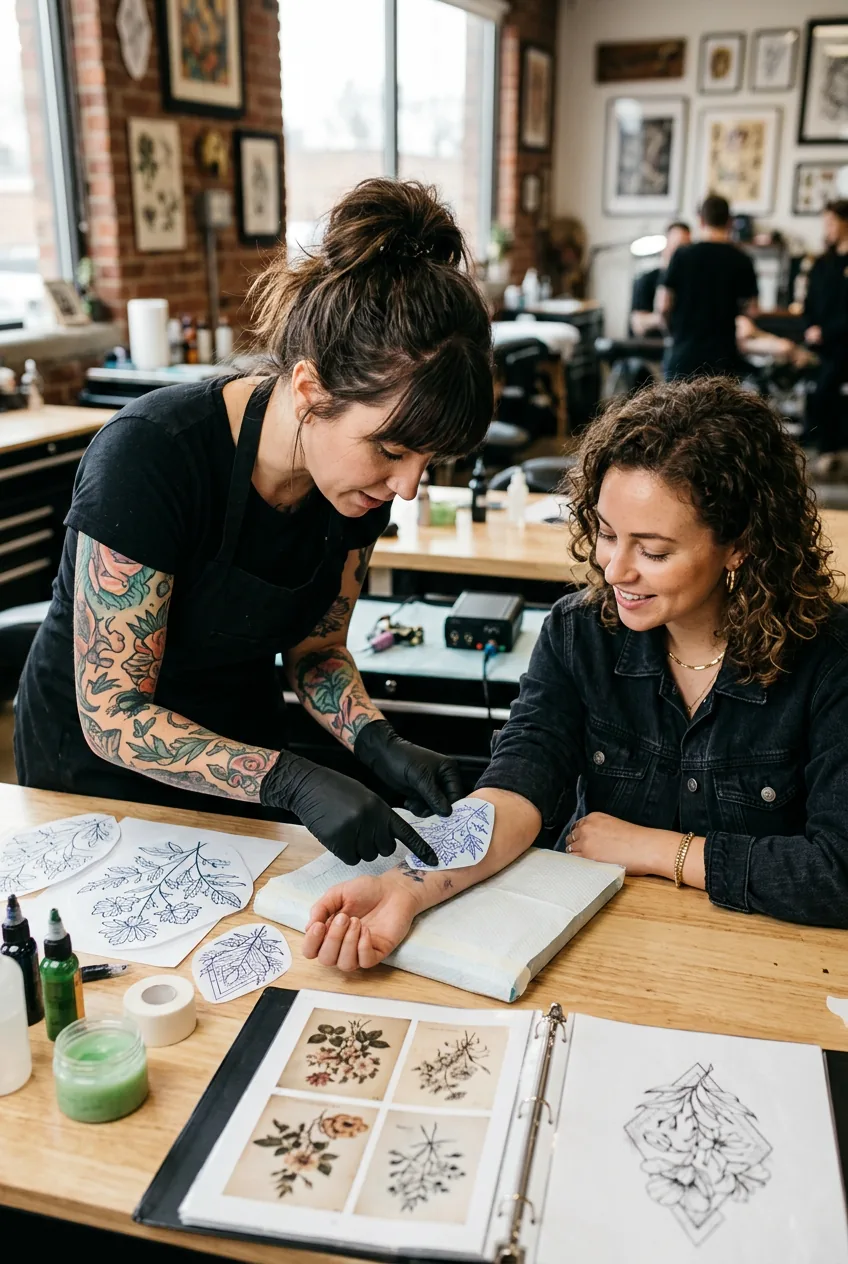
Ask to see examples of their work in similar placements. How do their tattoos look after healing? How do they handle the transition areas between different parts of the arm? A skilled artist will show you why certain placements work better for your specific design.
Don’t rush this process. I’ve seen too many people book immediately after their first consultation because they were excited. Take time to consider the artist’s suggestions. Think about how their proposed placement addresses all the factors we’ve covered. The right artist will encourage this thoughtfulness.
Consider how your sleeve might connect to future tattoos too. Even if you’re planning just one piece now, think about whether you might want additional ink later. Strategic placement now can set you up for seamless expansion if your tattoo love grows like mine did.
See This Placement Process in Action
Questions I Always Get About Sleeve Placement
Should I start with a half-sleeve or go straight to a full sleeve?
Start with a half-sleeve, especially if this is your first major piece. It’s easier to expand a half-sleeve than to modify a full sleeve that isn’t working. Plus, you’ll learn so much about your preferences during the process.
How do I know if my design will look good wrapped around my arm?
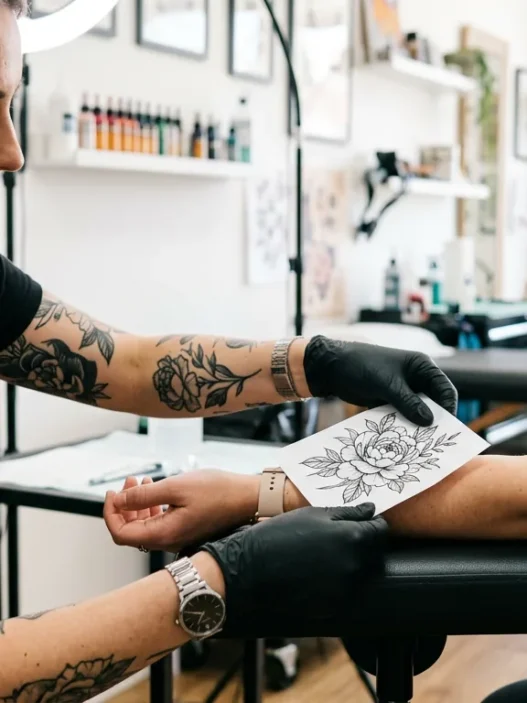
Ask your artist to create a mock-up or temporary transfer. Many designs that look great flat don’t translate well to the curved surface of an arm. A good artist will adjust proportions and layout to work with your arm’s shape.
Can I place a sleeve over existing tattoos?
Yes, but it requires careful planning. The existing tattoos will influence your design options and placement choices. Work with an artist experienced in cover-ups — they’ll know how to incorporate or modify existing ink into your new sleeve.
How much does placement affect the total cost?
Placement itself doesn’t usually change the base cost, but it affects complexity. Difficult-to-reach areas might take longer, and some placements require more detailed work to look right. Factor this into your budget planning.
Two years later, I still get compliments on my sleeve placement. Not just the design, but how perfectly it works with my arm, my lifestyle, and my personal style. That’s what happens when you take placement as seriously as the design itself. Your sleeve tattoo should feel like it was always meant to be exactly where it is — and with the right placement strategy, it will.