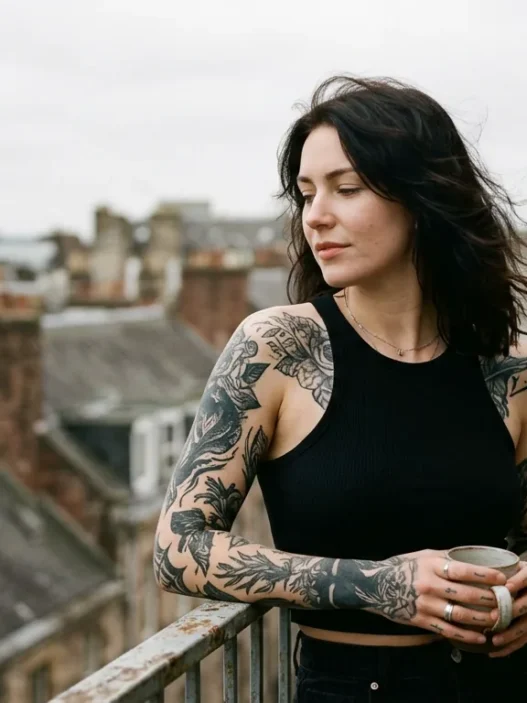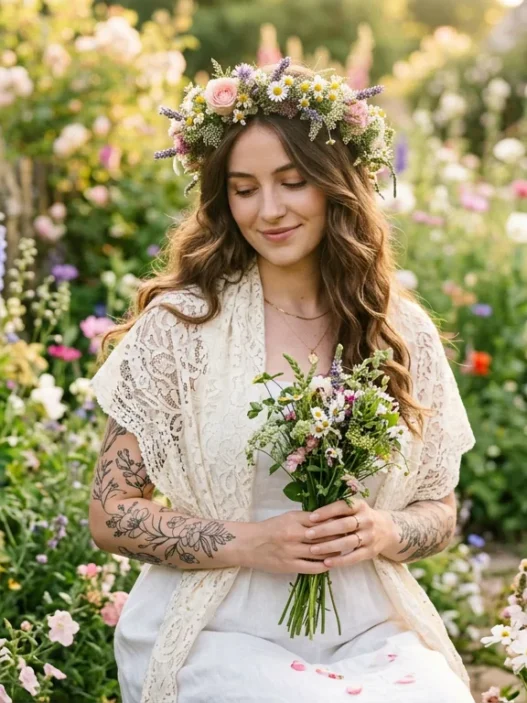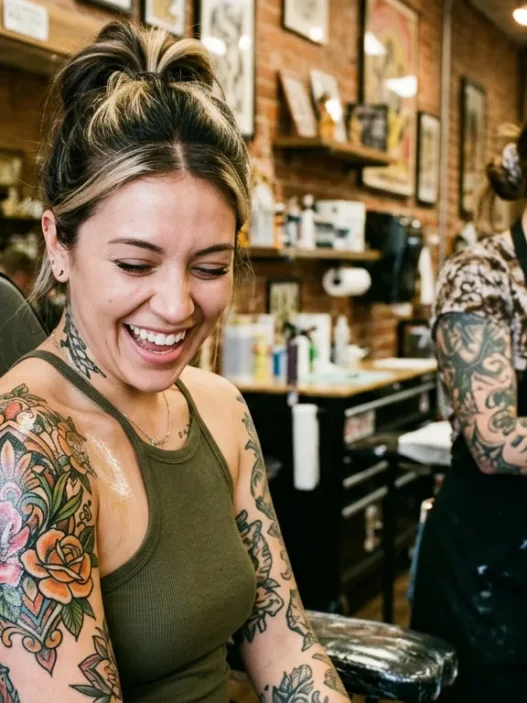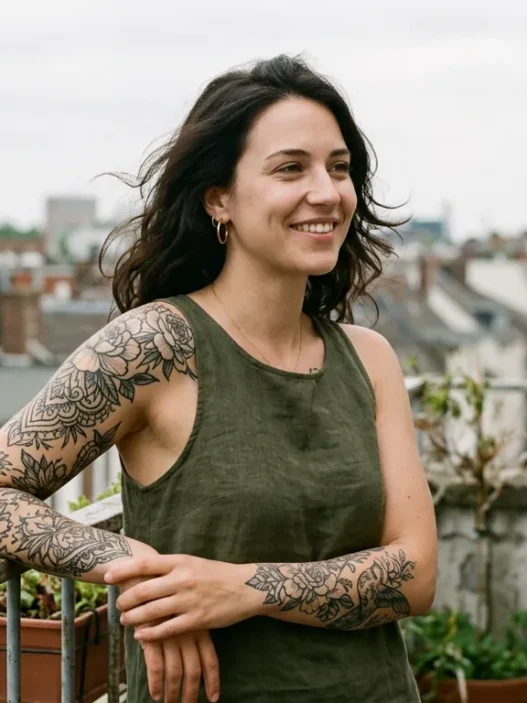




I spent almost four months researching before I booked my illustrative piece — and I still almost made the wrong call. The artist’s feed looked dreamy, the fresh photos were gorgeous, and then I found the healed shots buried three years back in their highlights. Completely different story. Illustrative tattooing is one of the most varied and technically demanding styles out there, and the difference between a specialist and a generalist becomes brutally obvious six months after your appointment. So I put together this guide for anyone who’s currently deep in the rabbit hole of artist research: ten illustrative tattoo styles, paired with exactly the kind of artist you should be hunting for — and the red flags that should make you close the tab immediately.
What’s Inside: Your Booking Cheat Sheet
- Fine-Line Botanical → Single-Needle Specialist
- Storybook Illustrative → Look for Editorial Line Artists
- Dark Ink Narrative → Find a Texture-Heavy Portfolio
- Watercolor-Wash Illustrative → Specialist in Blended Pigment
- Neo-Traditional Illustrative → Bold-Line Portfolio Required
- Architectural / Structural Illustrative → Geometric Crossover Artist
- Portrait-Meets-Illustration → Hybrid Realism Specialist
- Botanical Blackwork → Dotwork and Etching Expert
- Whimsical / Folklore Illustrative → Character Artist with Narrative Experience
- Abstract Illustrative → Find a Conceptual Fine-Art Tattooist
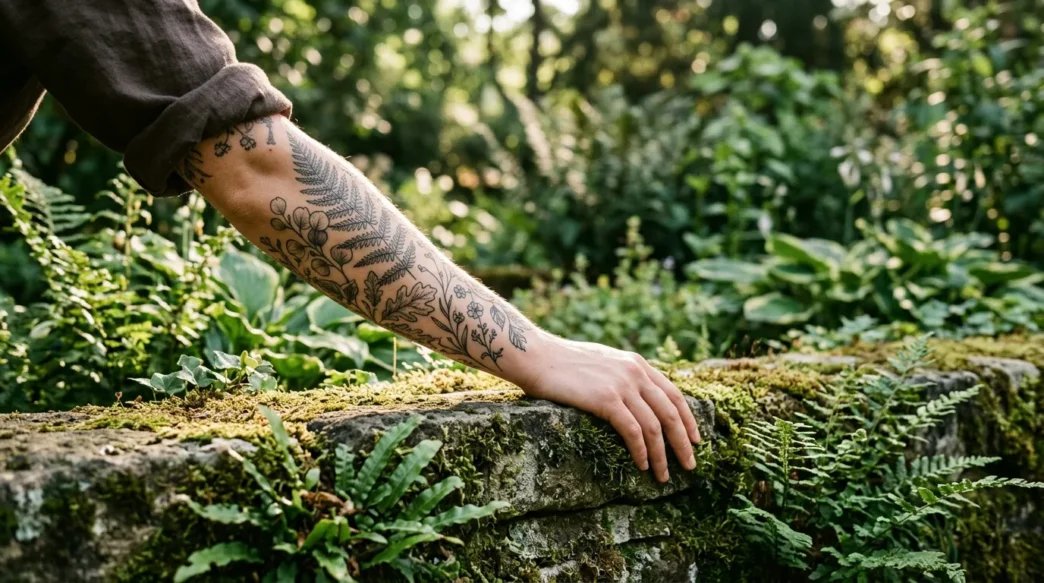
1. Fine-Line Botanical → Single-Needle Specialist
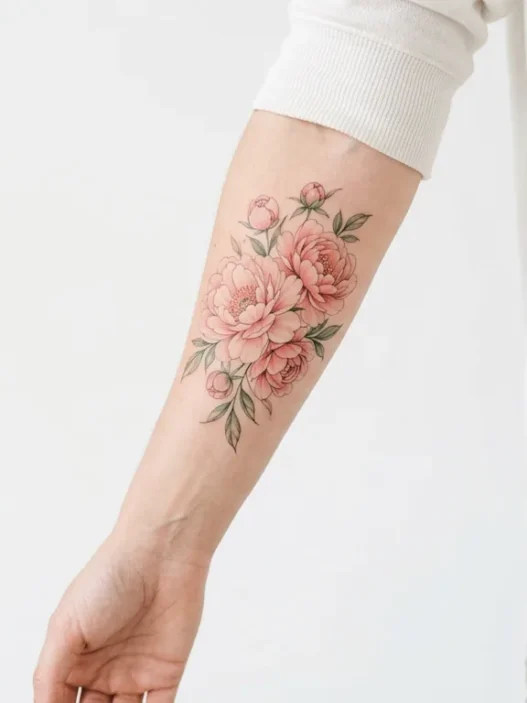
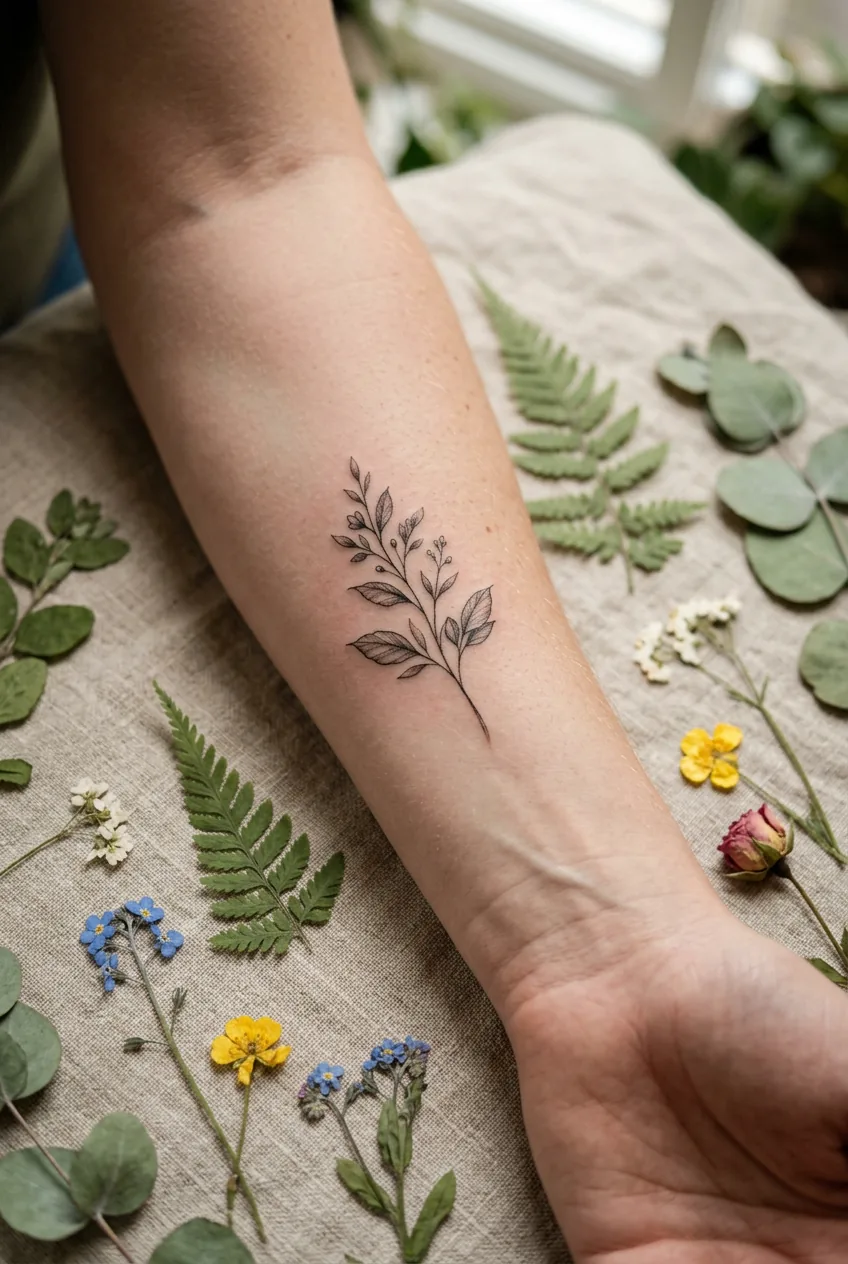
This is probably the most requested illustrative style I see in 2026, and also the most frequently butchered. Fine-line botanical work — think sprig-thin stems, delicate leaf veining, micro petals — looks effortless but is technically unforgiving. You can explore more floral tattoos for reference, but the key thing to understand is that not every floral artist works at single-needle scale.
What to look for: a portfolio that shows consistent hairline-thin linework across multiple body placements. Ask them specifically about how fine lines age before you commit — because lines this thin can expand and blur on certain skin types and certain spots. You want an artist who talks about that honestly upfront, not one who waves it away.
Red flag: Fresh-only photos. If their entire Instagram is glowing pink skin from a session that ended an hour ago, run. Healed photos = trust. Fresh photos only = run.
2. Storybook Illustrative → Look for Editorial Line Artists
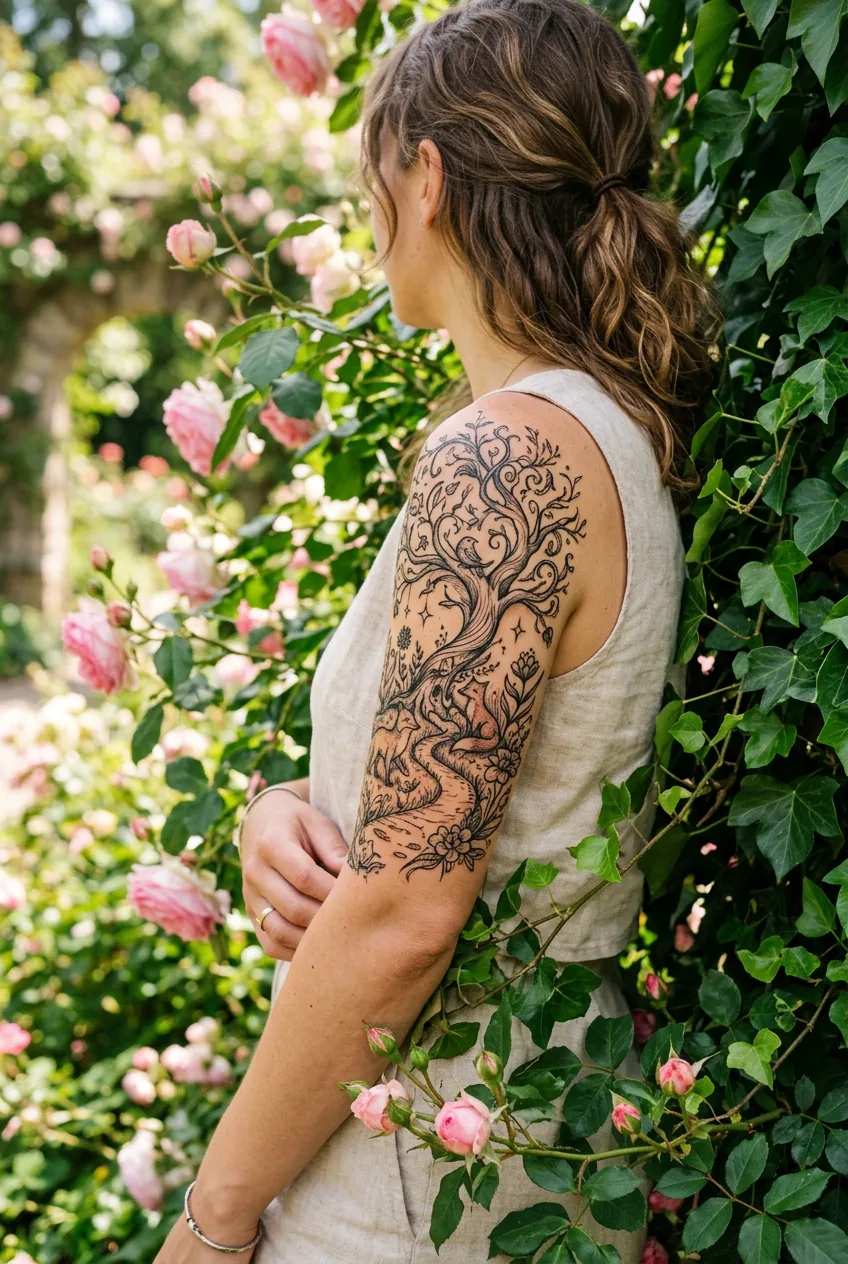
There’s a specific sub-style of illustrative tattooing that looks like it was pulled from the pages of a beautifully illustrated children’s book or a vintage fairy tale. Loose ink lines, intentional imperfection, expressive hatching. I am completely obsessed with it.
The artist you need here has a background — or at least a clear love — for editorial illustration. Check whether their non-tattoo work exists: many of the best storybook tattooists also post sketchbooks or zine illustrations. That crossover is a very good sign. Look for confident line variation in their tattoo work: thick anchoring lines, thin detail lines, actual weight contrast. If everything looks the same thickness, that’s a problem.
Travelling for this style is worth it. This is a niche within a niche and the artists doing it well are scattered — some are in Berlin, some in Seoul, some in Melbourne. Don’t settle for the closest person who says they “can do something like that.”
3. Dark Ink Narrative → Find a Texture-Heavy Portfolio
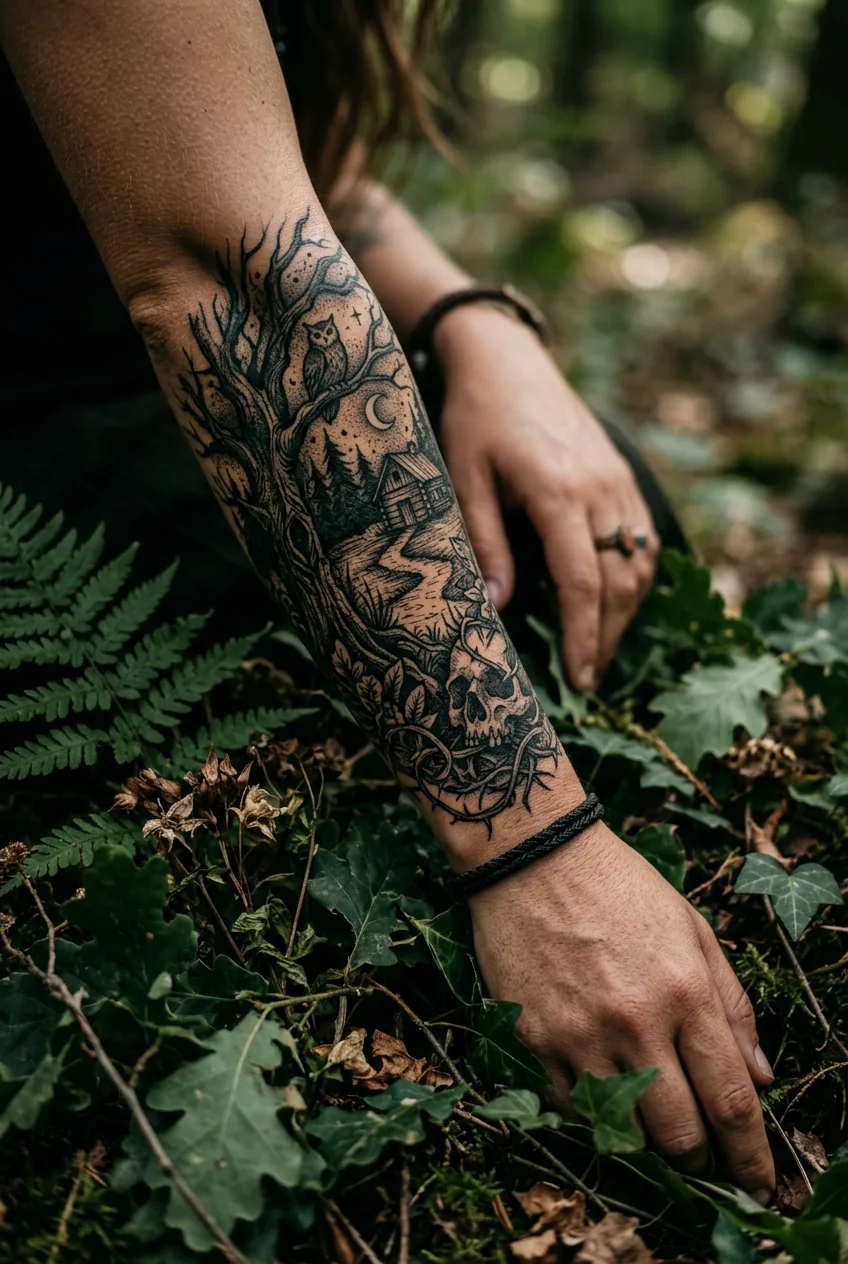
This is where illustrative tattooing gets dark and dramatic — figures emerging from shadow, dense cross-hatching, heavy contrast. Think Gustave Doré woodcut energy translated into skin.
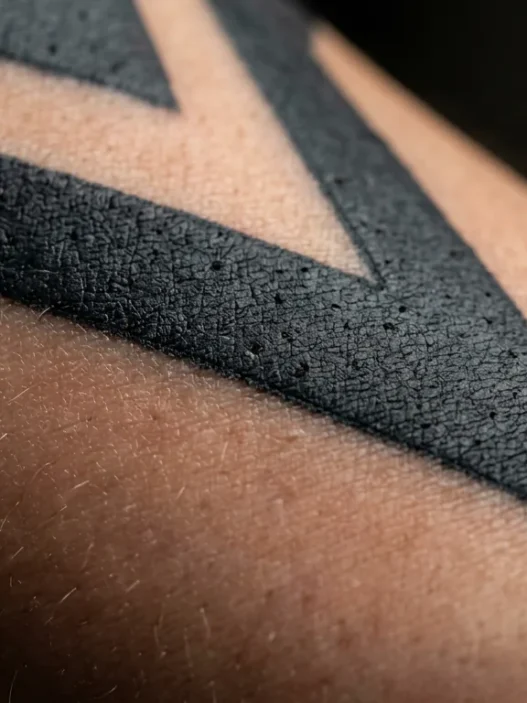
The artist you want has a portfolio full of healed pieces where the black still reads as rich and dense, not grey and blown-out. Solid black areas are a technical test. Ask to see work that is at least one year old. Pay attention to whether the darkest areas have held their depth or gone patchy — patchiness in healed black is a red flag for either inconsistent needle pressure or poor aftercare guidance.
Also check their texture work. Real cross-hatching in tattoos is rare and difficult. If their “texture” is just stippling, that’s fine — but know it’s a different style and a different skill set.
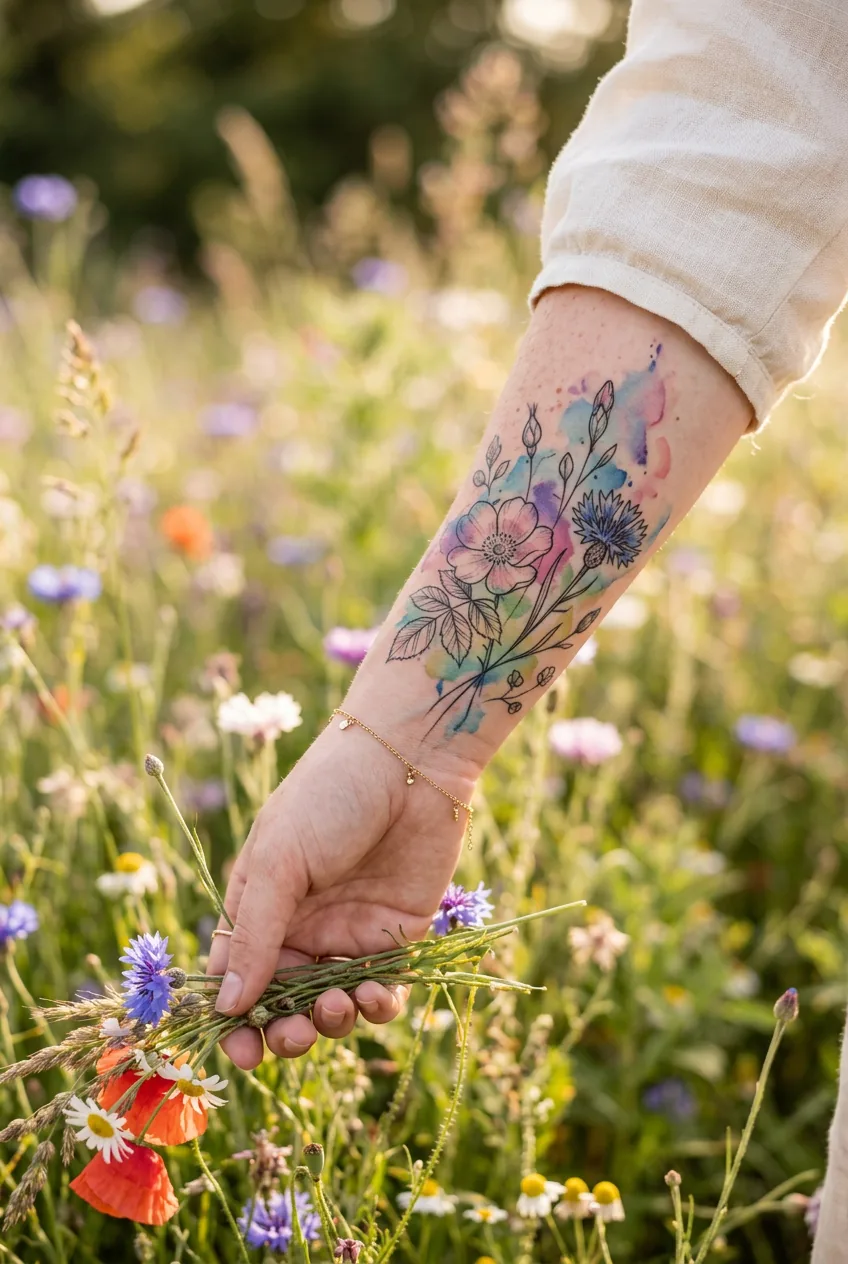
4. Watercolor-Wash Illustrative → Specialist in Blended Pigment
Okay, I have complicated feelings about watercolor illustrative tattoos. When they’re done well, they are breathtaking — loose, painterly color that bleeds out from a drawn subject like actual watercolor on paper. When they’re done badly, they look like a bruise in six months.
My personal pick for the most underrated illustrative style in 2026 is watercolor-wash with a strong ink anchor. The color fades; the linework keeps the whole thing readable. Artists who skip the anchor line to look “softer” are setting you up for a cover-up in three years.
Look for an artist who uses a confident illustrative line underneath the color washes — the best ones understand that watercolor tattoos without structural linework age poorly. You can read more about how different tattoo styles age differently, because this one in particular deserves research before you commit to a large placement. Healed photos here are absolutely non-negotiable. Color looks stunning fresh. It tells a completely different story at the eighteen-month mark.
5. Neo-Traditional Illustrative → Bold-Line Portfolio Required
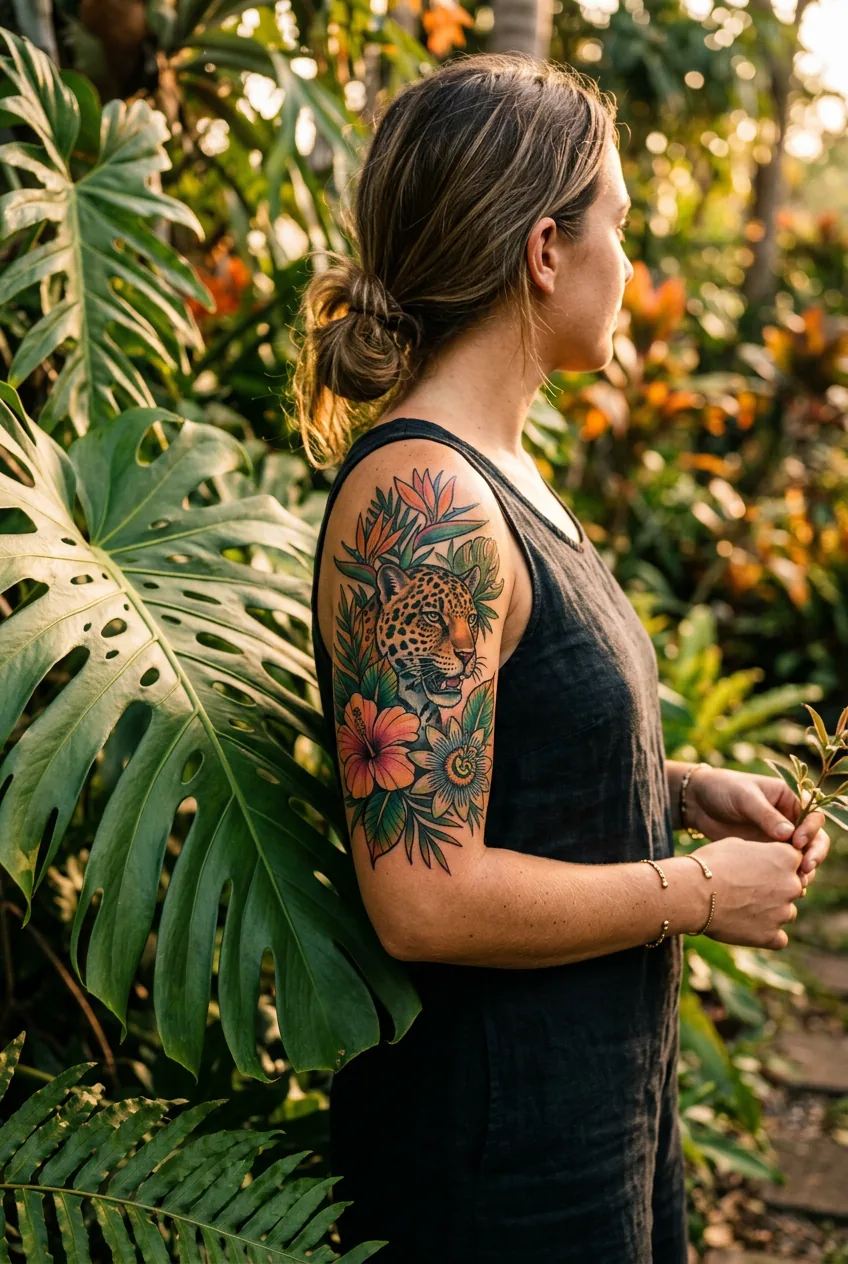
Neo-traditional sits at the intersection of traditional tattooing’s bold outlines and illustrative art’s decorative flourishes and expressive detail. It’s lush, graphic, and when done right, incredibly timeless.
What you’re specifically hunting for: an artist whose bold lines are clean and consistent — no wobble, no variation in width where there shouldn’t be any. Neo-trad artists with less than three years focused on this style often have uneven linework that becomes very obvious on a larger piece. Look at their outlines on the curves especially: where a line rounds a forearm or wraps a shoulder, that’s where skill shows.
The color saturation in healed neo-trad work should still look punchy, not washed out. If their healed photos (and I cannot stress this enough — look for healed photos) show flat, chalky color, that artist isn’t packing pigment correctly.
6. Architectural / Structural Illustrative → Geometric Crossover Artist
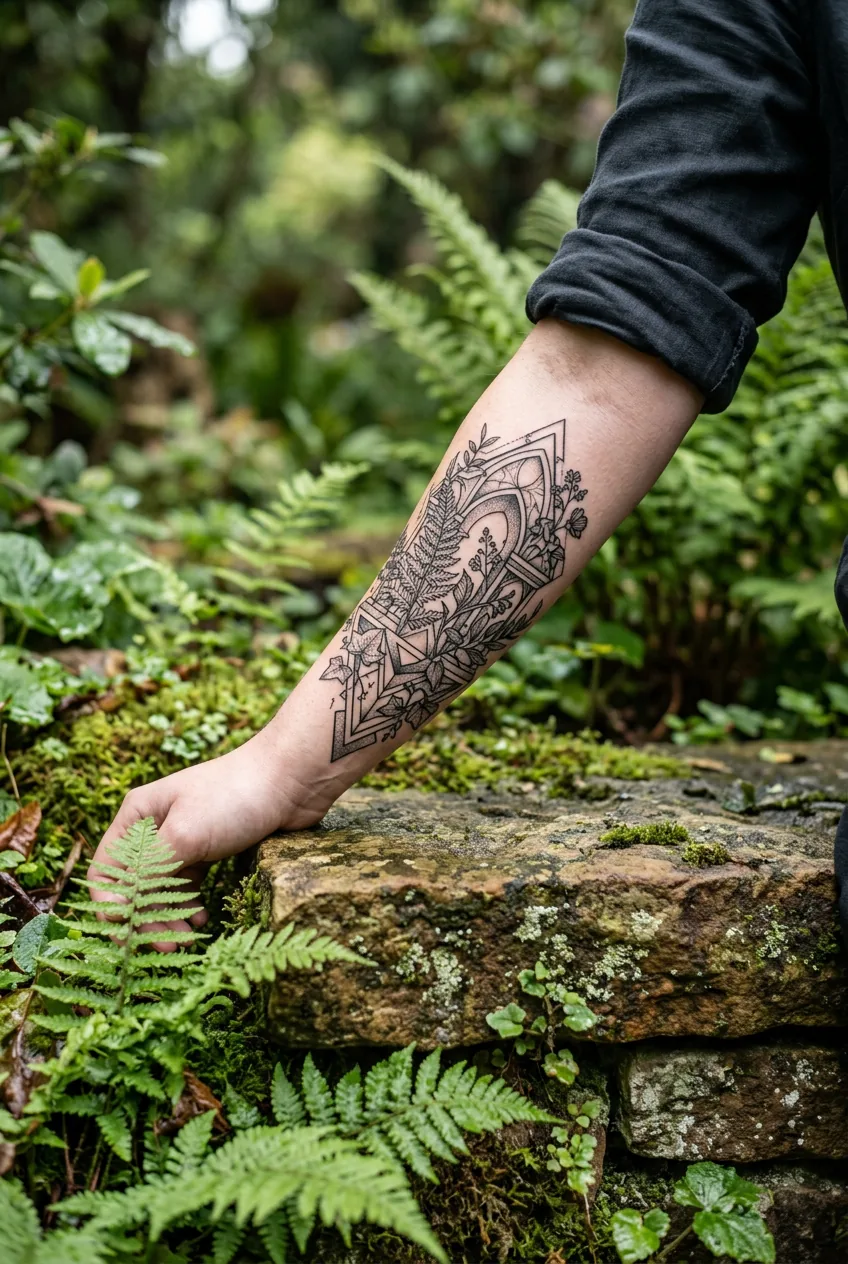
This is a fascinating niche: illustrative tattoos that incorporate architectural elements, structural line drawings, or geometric framing around organic subjects. A cathedral doorway framing a moth. A blueprint grid dissolving into botanicals.
The artist needs to be genuinely comfortable in both worlds. Look for a portfolio that shows actual geometric precision — measured-looking lines, intentional symmetry — alongside freehand illustrative elements. If they only do geometric, your organic subject will feel stiff. If they only do freehand, the structural elements will look wonky. You want the crossover specialist. They exist. It just takes more Instagram digging to find them.
7. Portrait-Meets-Illustration → Hybrid Realism Specialist
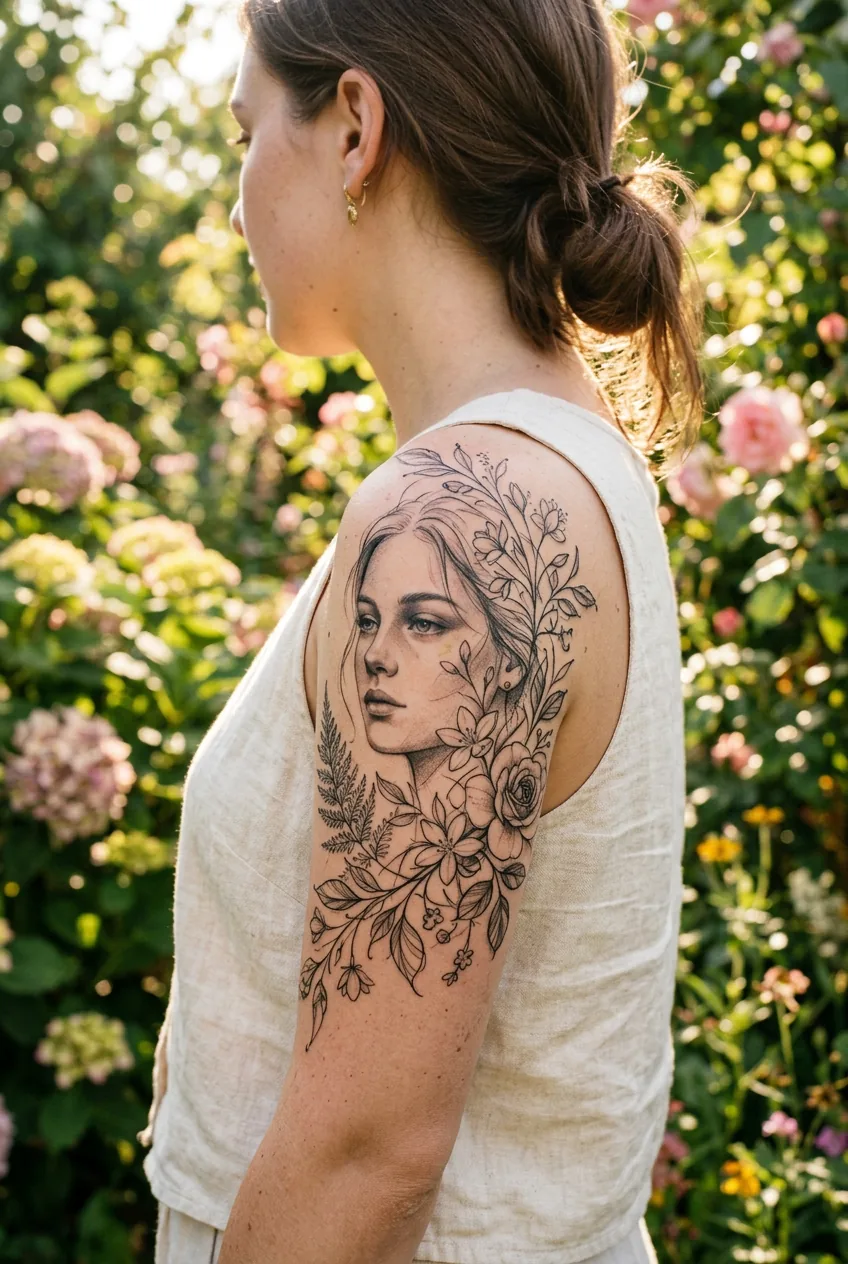
This is one of the most technically demanding styles in all of tattooing. A realistic face rendered in a loose, illustrative style — not photorealistic, but not purely graphic either. It’s a tonal rendering challenge that requires the artist to know exactly where to simplify and where to commit to detail.
Look for an artist whose portraits actually look like the subject — not a vague impression of a face. The eyes are always the tell. Can they do eyes that read as human without going full hyperrealism? That skill is rare. Ask about what a portrait tattoo consultation involves before your first meeting, because the reference photo conversation alone will tell you a lot about whether this artist truly understands the style.
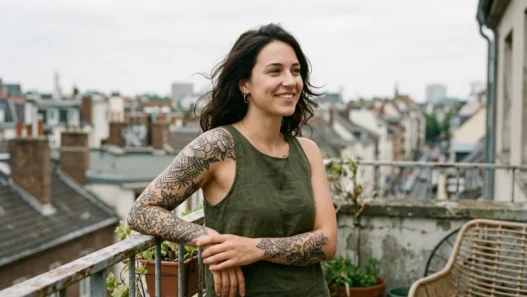
Look at the woman in the photo below — that arm piece shows exactly the kind of tonal graduation between illustrative sketch lines and soft shading that I mean. The line doesn’t disappear into the skin. It stays intentional. That’s what separates a hybrid realism artist from someone just attempting it.
8. Botanical Blackwork → Dotwork and Etching Expert
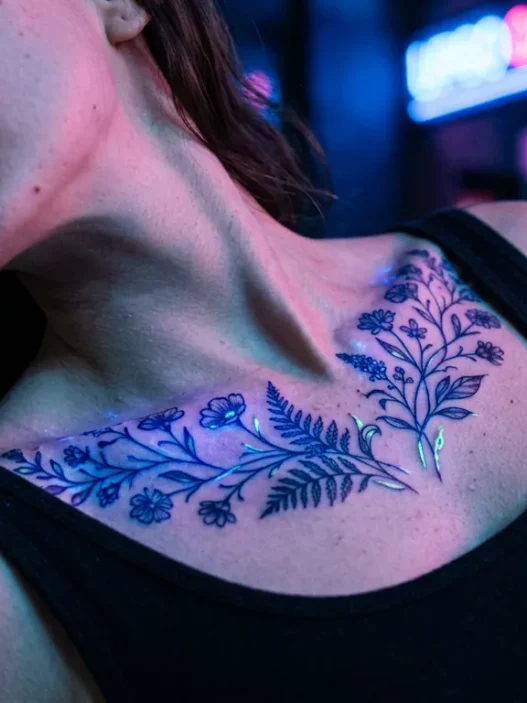
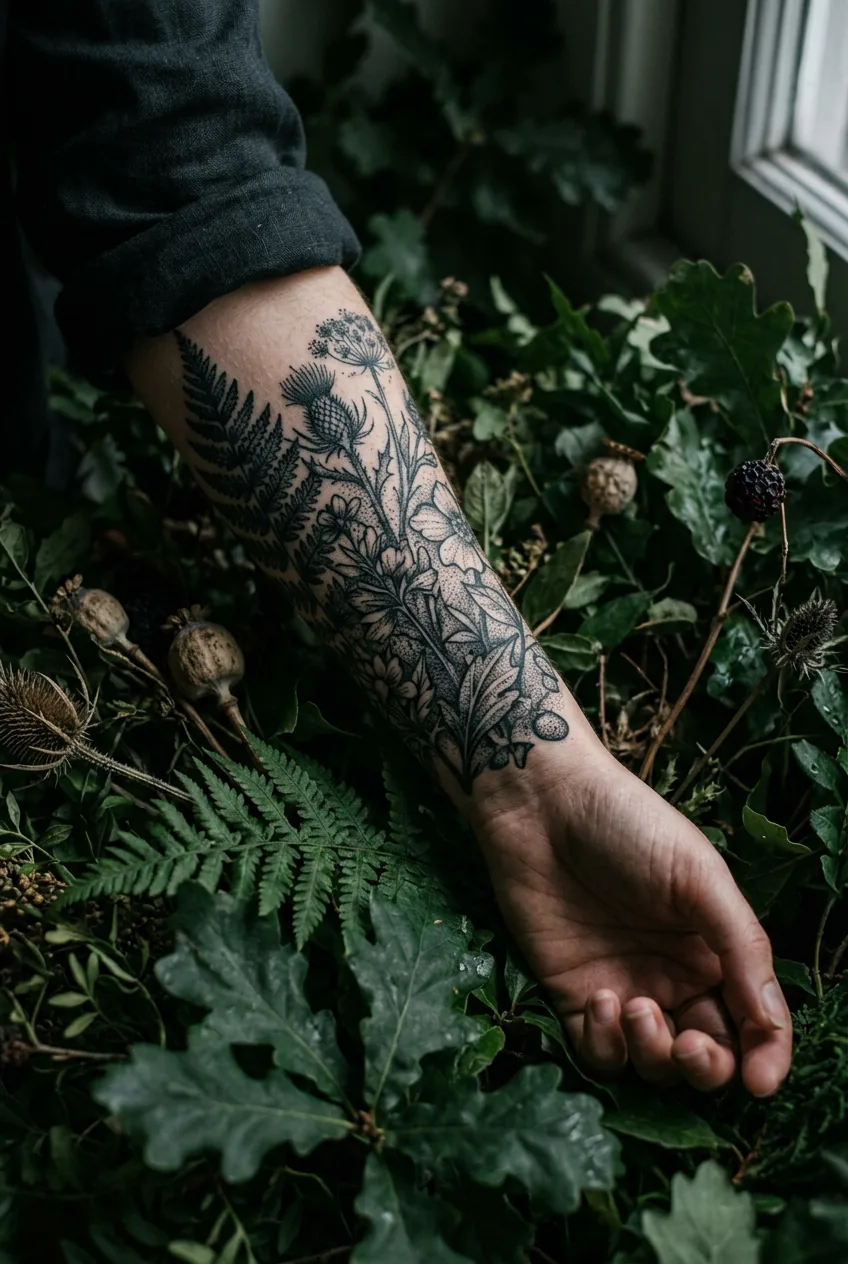
Blackwork botanical illustrative work is one of my absolute favourite intersections in tattooing right now. Bold, graphic plant forms built from dense dotwork or etching lines — no colour, maximum impact. If you love floral tattoos but want something more architectural and less decorative, this is it.
The artist you need here should show clear dotwork control: consistent dot sizing, gradients that feel smooth rather than blotchy, and solid fill that heals evenly. Etching-style artists need to show clean parallel hatching — not scratchy, not uneven. These are slow, methodical techniques and the artists who do them well often have longer session times. Budget accordingly and don’t try to rush a botanical blackwork sleeve into a four-hour window.
Red flag specific to this style: Dot gradients that look uneven in fresh photos will only get worse healed. If it’s blotchy at day one, walk away.
9. Whimsical / Folklore Illustrative → Character Artist with Narrative Experience
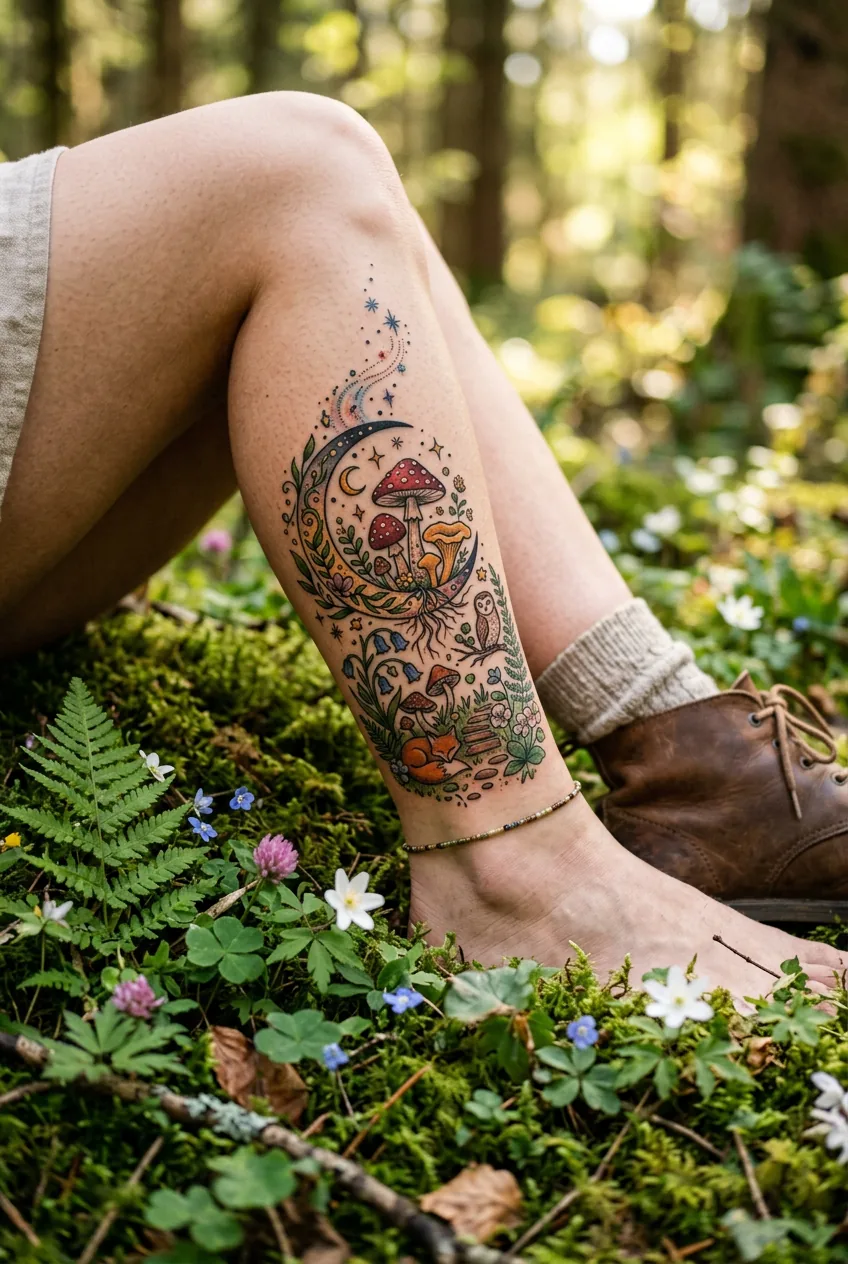
Mushrooms with faces. Moon goddesses made of roots. Little foxes carrying lanterns. I love this entire genre of tattoo and I will not apologize. It lives right at the intersection of symbolic tattoos and pure storytelling — pieces that feel like they came from a mythology you half-remember.
The artist who does this best usually has a strong character design background. Check whether they post any illustration work outside tattooing — sketchbooks, prints, anything. Artists who think narratively make folklore pieces that actually feel like they tell a story, not just decorate a body part. Look for cohesion in their portfolio: do their individual pieces feel like they belong to the same world? That’s the sign of a genuine character artist vs. someone copying a reference image.
Travelling for this style is genuinely worth it. I’ve seen women fly internationally for a single folklore piece from the right artist and come back absolutely thrilled. The community of tattoo artists doing this style well is small but incredibly passionate — and they’ll often do consultations remotely.
10. Abstract Illustrative → Find a Conceptual Fine-Art Tattooist
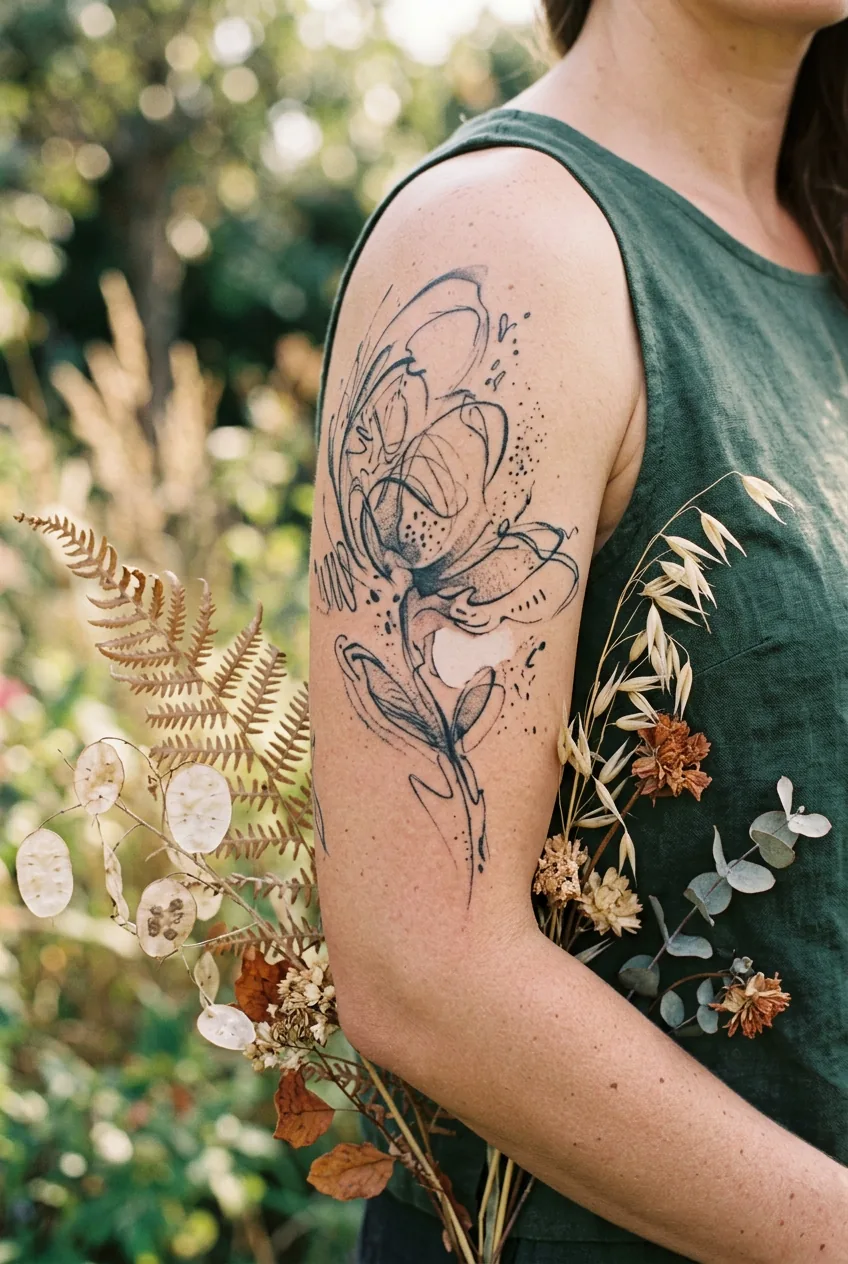
This is the hardest style to vet and the easiest style to get wrong. Abstract illustrative work — loose gestural marks, intentional negative space, forms that suggest rather than depict — looks deceptively simple. It isn’t. Without technical control, “abstract” just means “messy.”
The artist you want here is the one who can clearly articulate why their abstract pieces look the way they do. In a consultation, they should talk about composition, negative space, and how the piece will work with body movement. If they can’t explain their conceptual decisions, the piece is probably accidental rather than intentional. Look for artists who cite fine-art influences — painters, printmakers, sculptors. That artistic literacy shows up directly in the quality of abstract tattoo work.
Also consider whether this style suits the placement you have in mind. Abstract illustrative work often works best where the skin’s natural contours contribute to the composition — a hip, a shoulder blade, a forearm. You can browse some excellent minimalist tattoos for placement inspiration too, since abstract and minimalist often share the same spatial sensibility. Ask the artist explicitly how they’ve designed past pieces to work with the body, not just sit on it.
Before You Book — Common Questions
How far should I travel to find the right illustrative tattoo artist?
As far as it takes, honestly. A tattoo is permanent and a flight is temporary. I’ve heard from so many people who compromised on artist quality because of distance and then spent years covering it up. If you’ve found an artist whose healed work genuinely moves you, factor travel into the budget. Most good artists are also used to doing remote consultations first.
What’s the best way to research an illustrative tattoo artist on Instagram?
Go straight to their saved highlights or tagged posts and hunt for healed work specifically. Fresh tattoos always look cleaner than they’ll eventually settle. Also check who tags them — clients posting their healed results are gold. A few saved searches for the artist’s name plus “healed” can also turn up honest reviews you won’t find on their curated feed.
Should I bring reference images to an illustrative tattoo consultation?
Yes — but treat them as mood references, not blueprints. The best illustrative tattoo artists want to understand the feeling and subject matter you’re drawn to, then translate that through their own style. If you arrive demanding a pixel-perfect copy of someone else’s tattoo, you’re flagging that you’ve found the wrong artist. A good consultation feels like a creative conversation, not an order form.
How long should I wait before judging how an illustrative tattoo has aged?
Give it a full year before making any decisions about touch-ups or regrets. The first few weeks involve peeling and temporary dullness, months three through six can show some settling and slight softening of lines, and by the one-year mark you’ll see the genuine healed result. Any artist worth booking will tell you exactly this — and will offer a touch-up consultation around that twelve-month point.
The short version of everything above: do your research like it matters, because it genuinely does. Ask for healed photos every single time. Don’t let excitement or impatience push you toward the nearest available appointment with an artist whose portfolio doesn’t completely convince you. The right illustrative tattoo artist exists for every one of these styles — they just might not be around the corner. And that’s fine. Your skin will be there a lot longer than the inconvenience of traveling to get it right.