




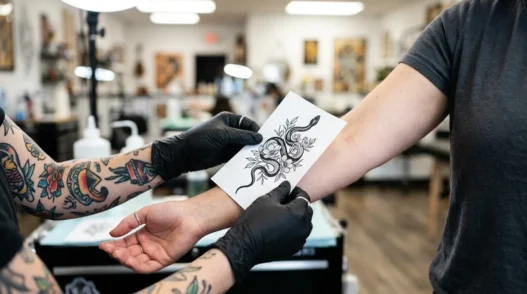
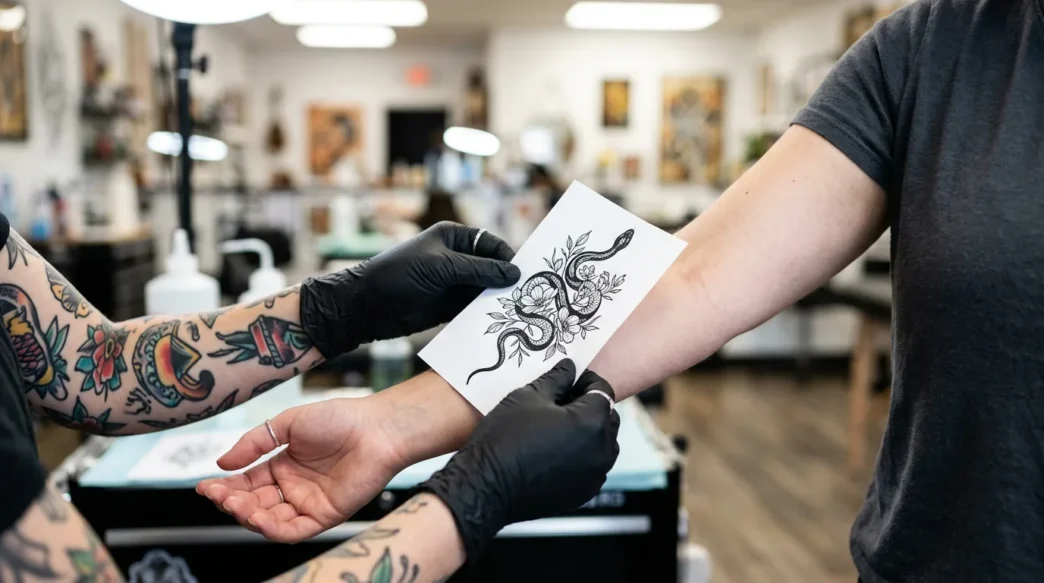
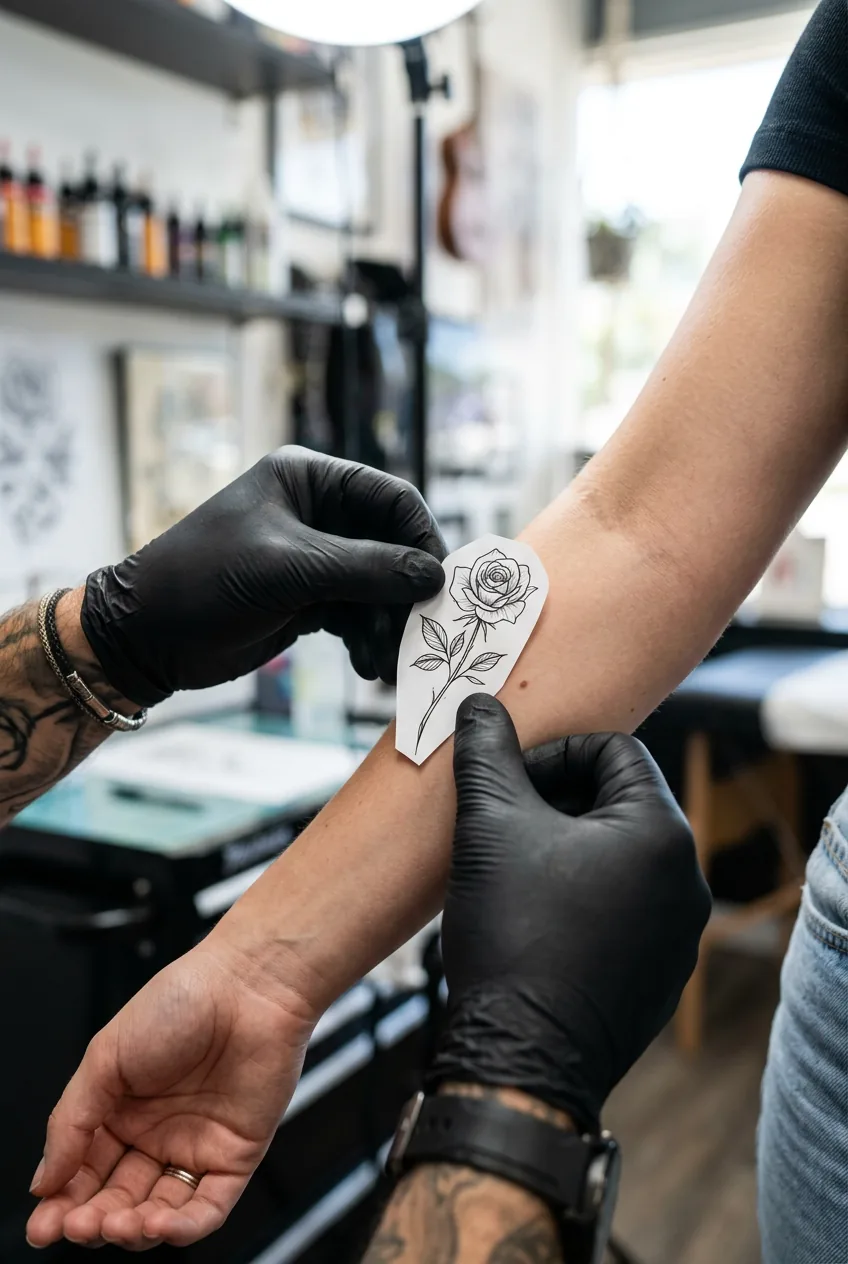
I was sitting in my tattoo artist’s chair last year, staring at a delicate rose design I’d been planning for months. “Fine line or traditional bold?” she asked. I had no clue. The design looked gorgeous in both styles, but I needed to pick one—and I had zero framework for making that choice. That consultation taught me that style isn’t just aesthetic preference. It’s about how your tattoo will age, where it goes on your body, and what the design actually needs to shine.
Before we dive into the decision process, let me show you what you’re choosing between. Both styles can create stunning small tattoos, but they achieve elegance in completely different ways.
What Each Style Will Do to Your Design
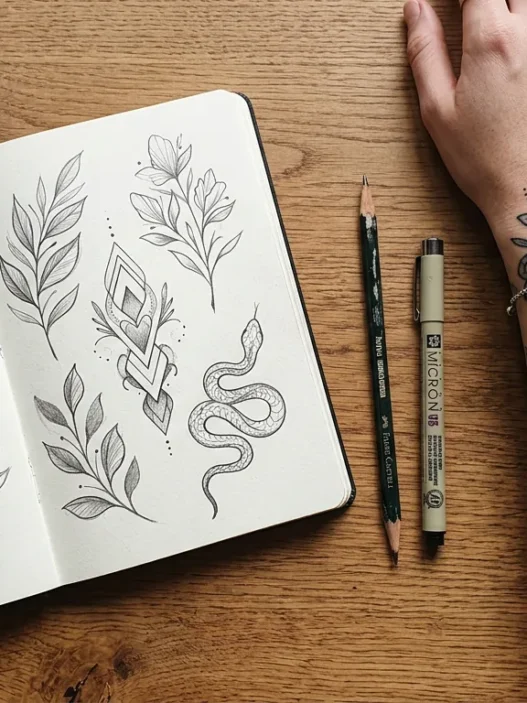
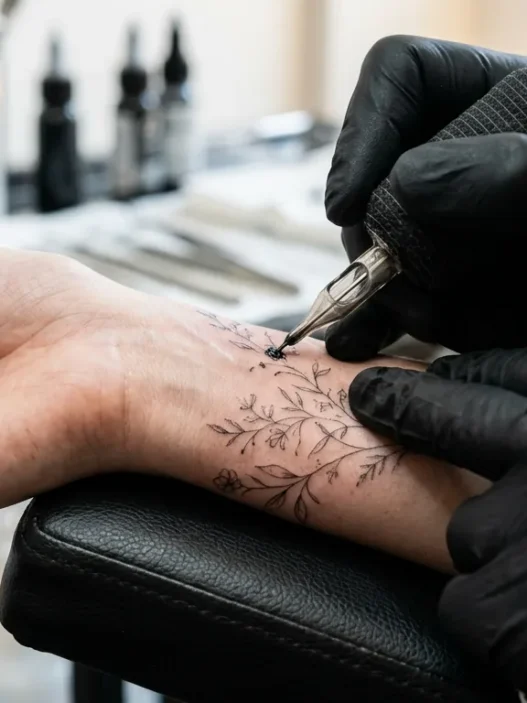
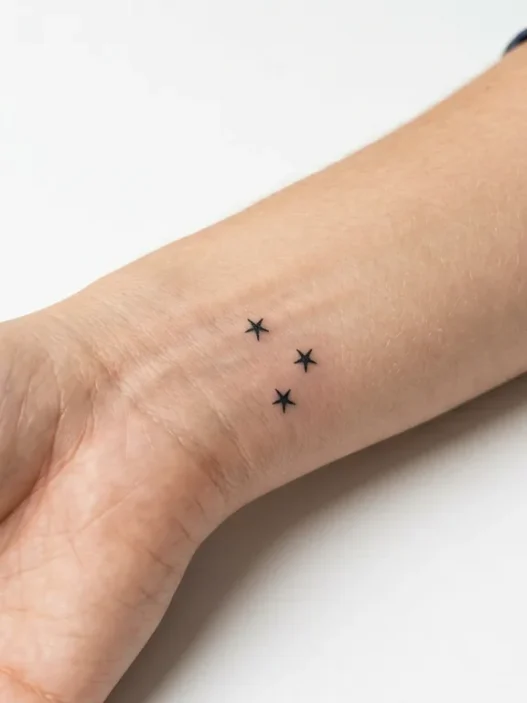
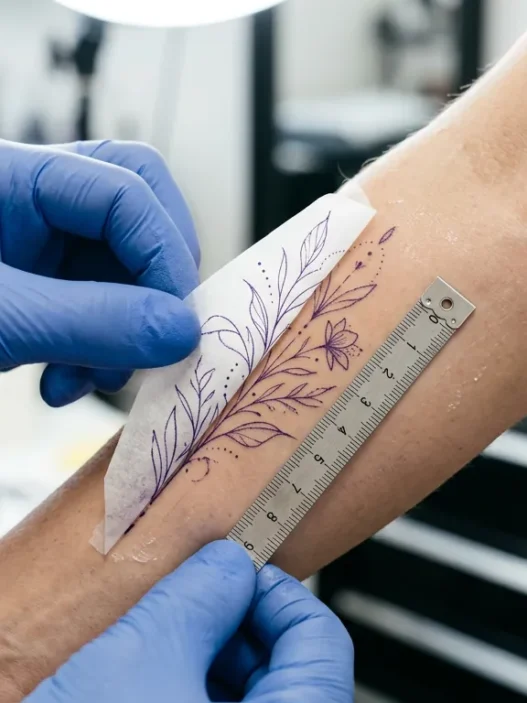
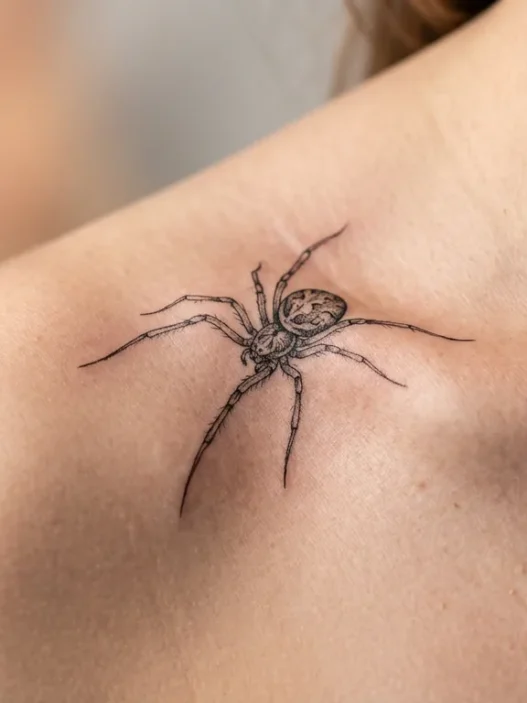
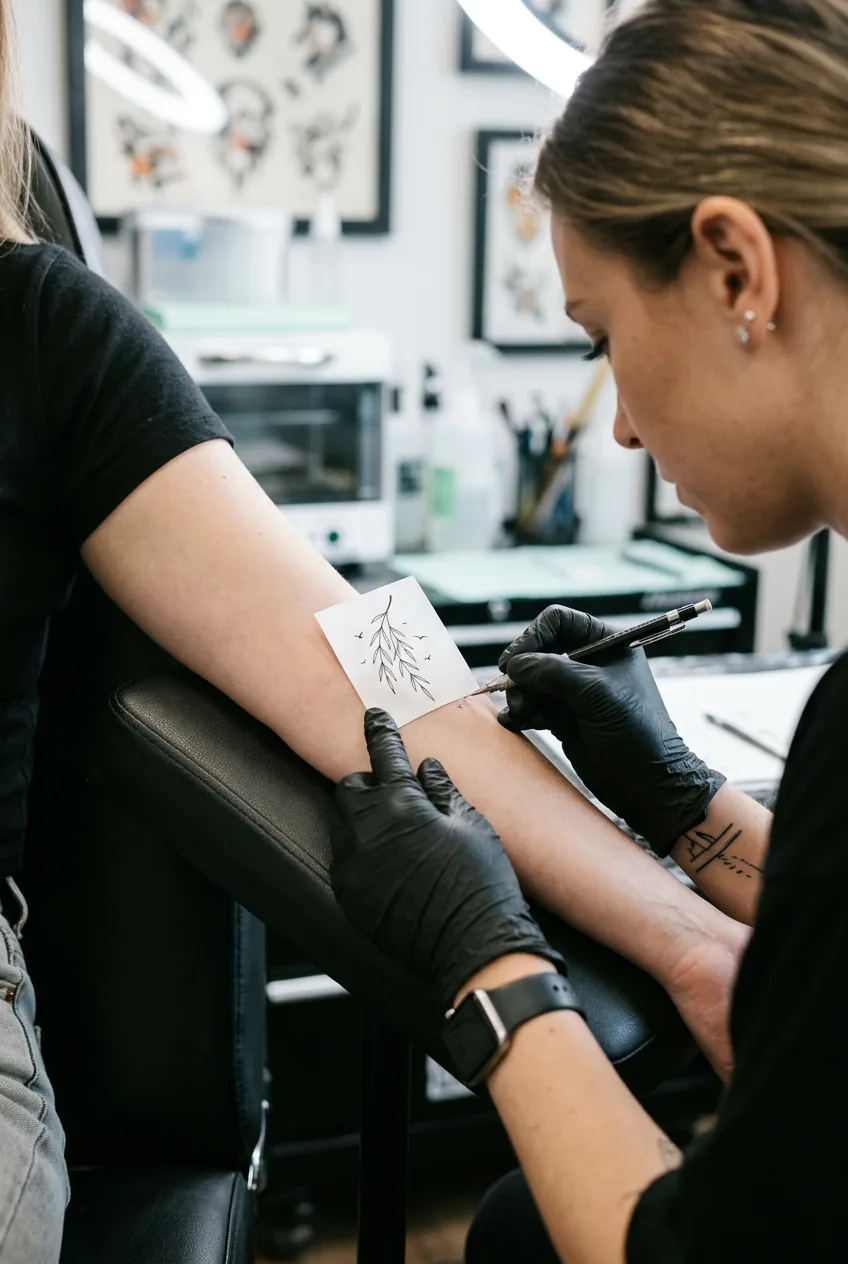
Fine line work transforms your design into something delicate and whisper-soft. Think single-needle precision, barely-there shadows, and details so intricate they almost look like pen drawings on skin. When I see a fine line rose, the petals seem to float. There’s an ethereal quality that screams sophistication.
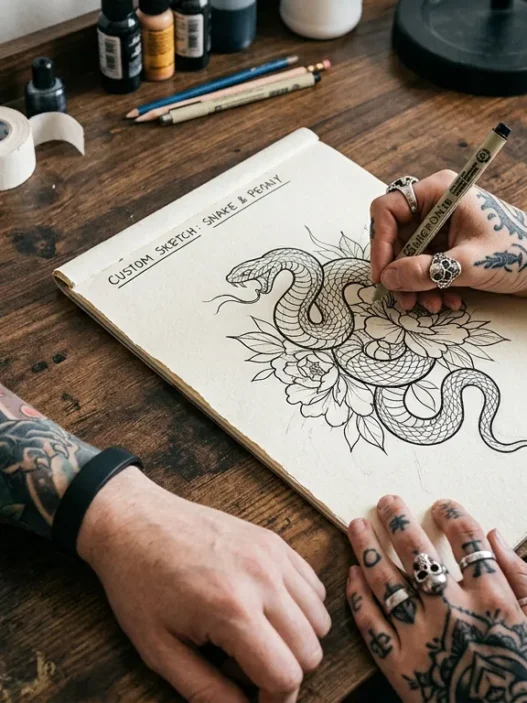
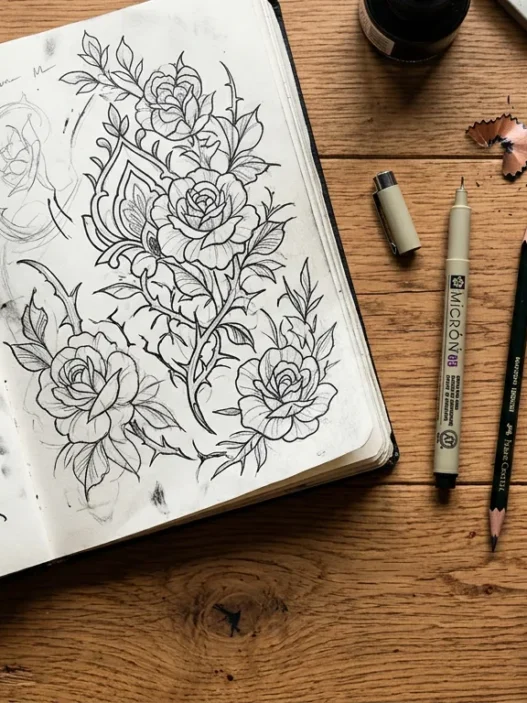
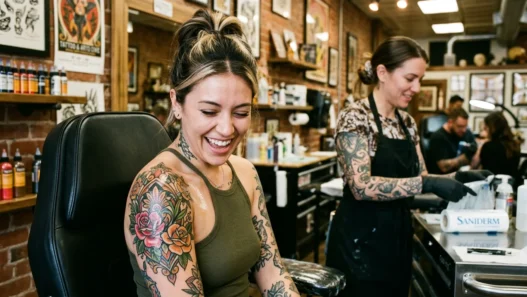
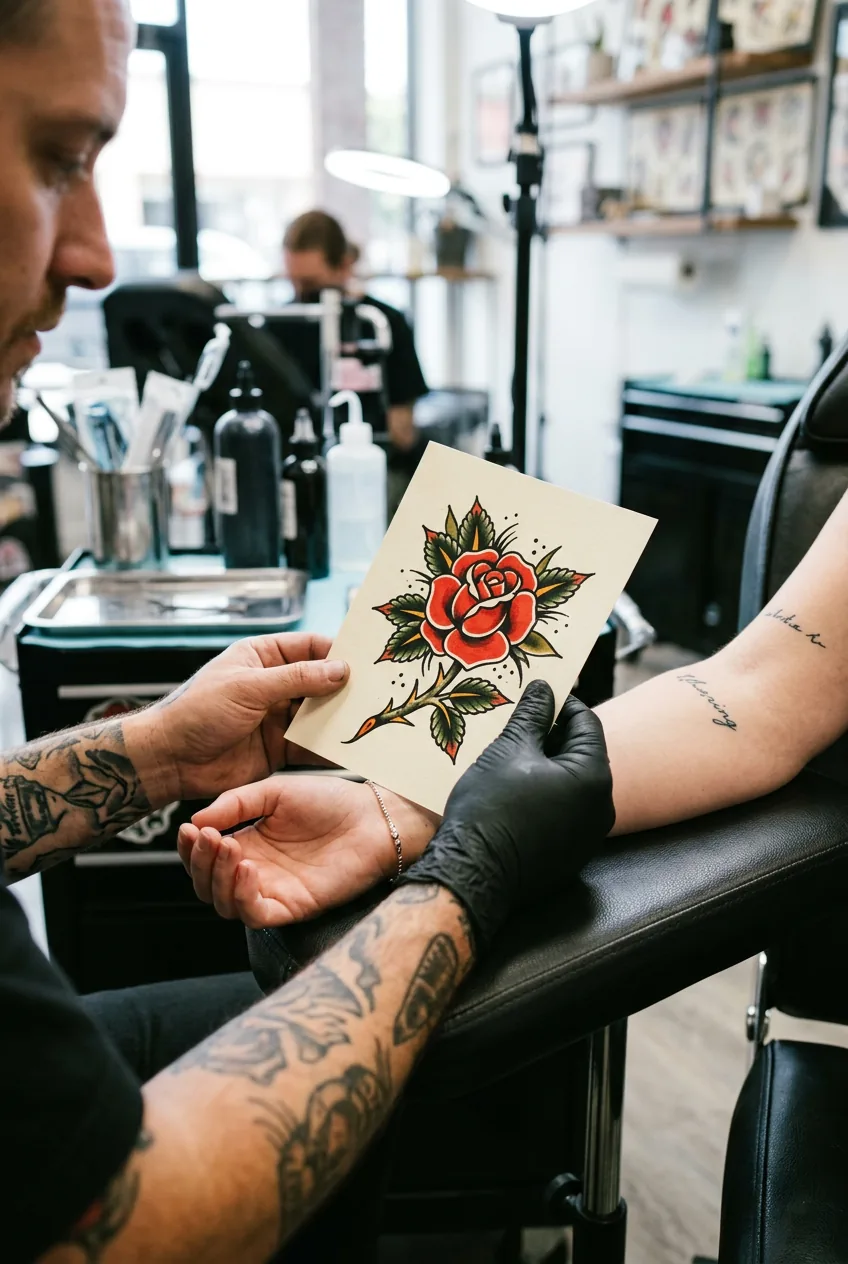
Bold traditional style does the opposite—it anchors your design with confidence. Thick outlines, solid color blocks, and strong contrast make every element pop. That same rose becomes a statement piece rather than a whisper. The elegance comes from clean, timeless execution rather than delicacy.
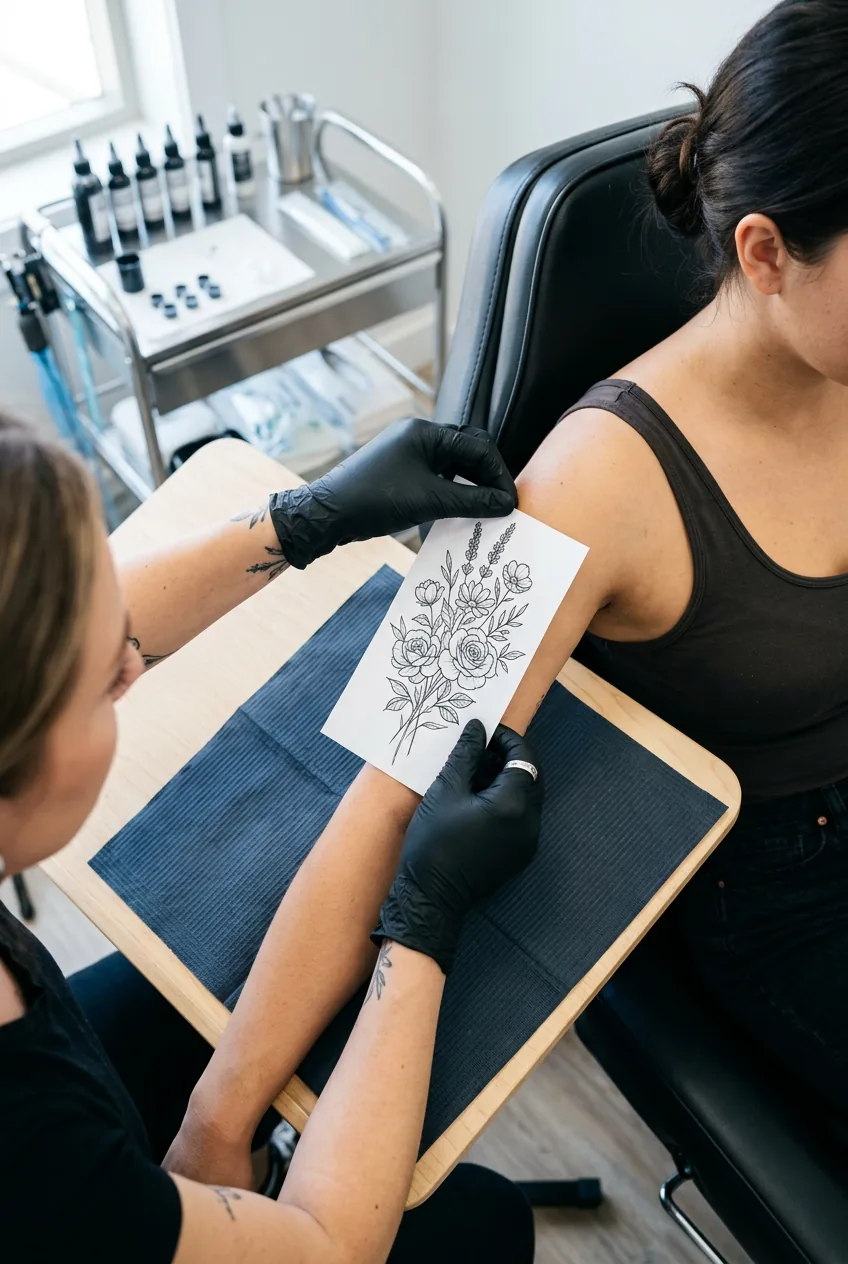
Here’s what most people don’t realize: your design’s complexity determines which style will actually work. Fine line excels with intricate details—botanical illustrations, mandala patterns, or script with flourishes. Bold traditional needs simpler shapes to maintain its impact. Try to cram too much detail into a bold piece, and it becomes muddy.
I learned this the hard way when I almost chose fine line for a geometric design. My artist stopped me. “Those sharp angles need bold lines to stay crisp,” she said. She was absolutely right—fine line would have made my geometric pattern look hesitant instead of architectural.
How Aging Differs by Style
This is where things get real. Fine line tattoos age differently than bold ones, and you need to know what you’re signing up for.
Fine line work is gorgeous when fresh, but those delicate lines will soften and blur over time. Not immediately—we’re talking 5-10 years depending on placement and aftercare. Some of that softening actually adds to the elegance. A fine line rose that’s slightly blurred looks dreamy rather than crisp.
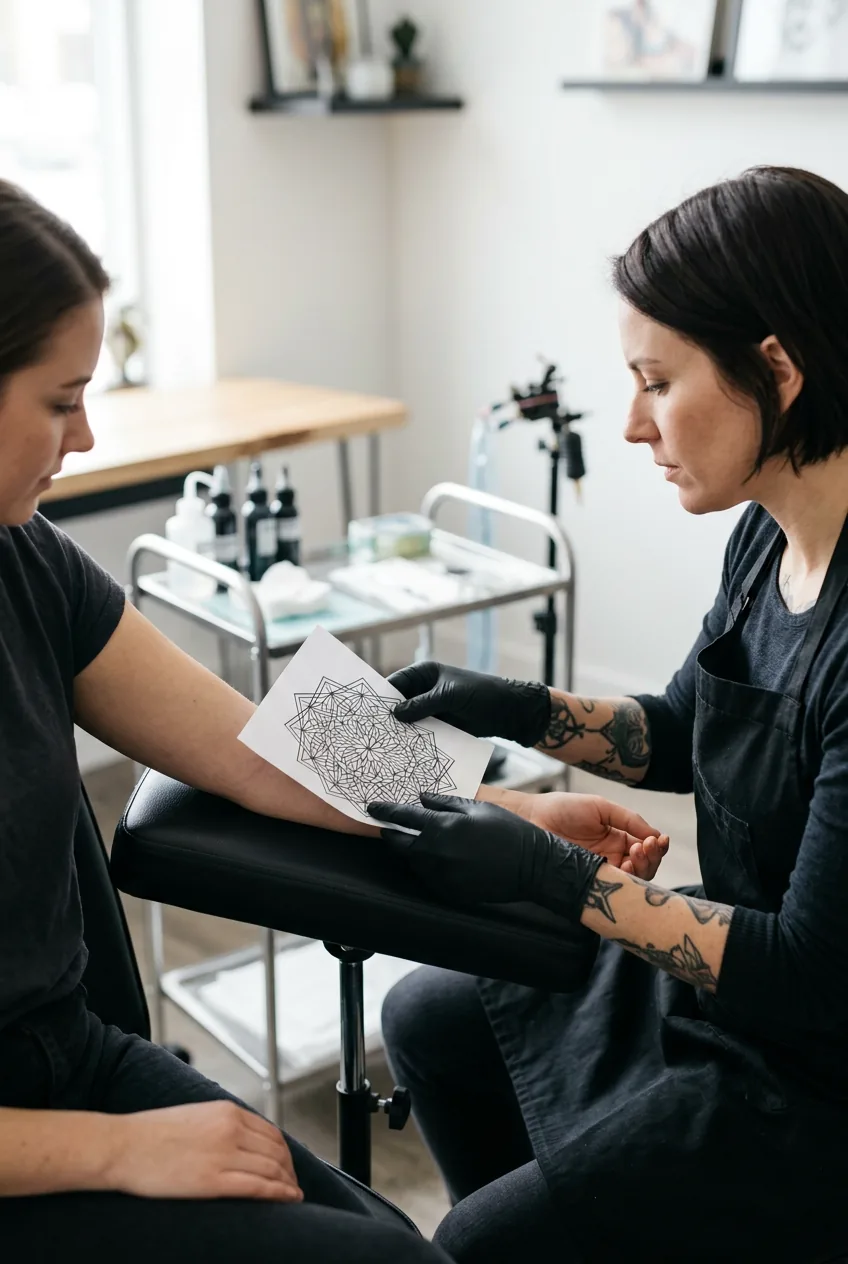
Bold traditional tattoos age like vintage wine. The thick lines hold their shape for decades. Color stays vibrant longer because there’s more ink density. What you see fresh is essentially what you’ll have in 20 years, just slightly softer around the edges.
I made the mistake of choosing fine line for a wrist tattoo because I wanted it delicate. Three years later, some of the finest details have blurred together. It’s still beautiful, but not as crisp as I expected. Wrists get a lot of friction—bold would have been smarter.
The aging question becomes: do you want something that stays exactly as designed, or are you okay with natural evolution? Both have their charm, but you need to decide upfront which appeals to you.
Your Placement Will Push You One Way
Where you’re putting this tattoo will heavily influence which style works better. Some placements are hostile to fine line work, while others make bold tattoos look overwhelming.
High-friction areas—hands, feet, fingers, wrists—eat fine line tattoos alive. The constant movement and contact blur those delicate lines faster than you’d expect. Placement guides always recommend bold lines for these spots, and they’re right.
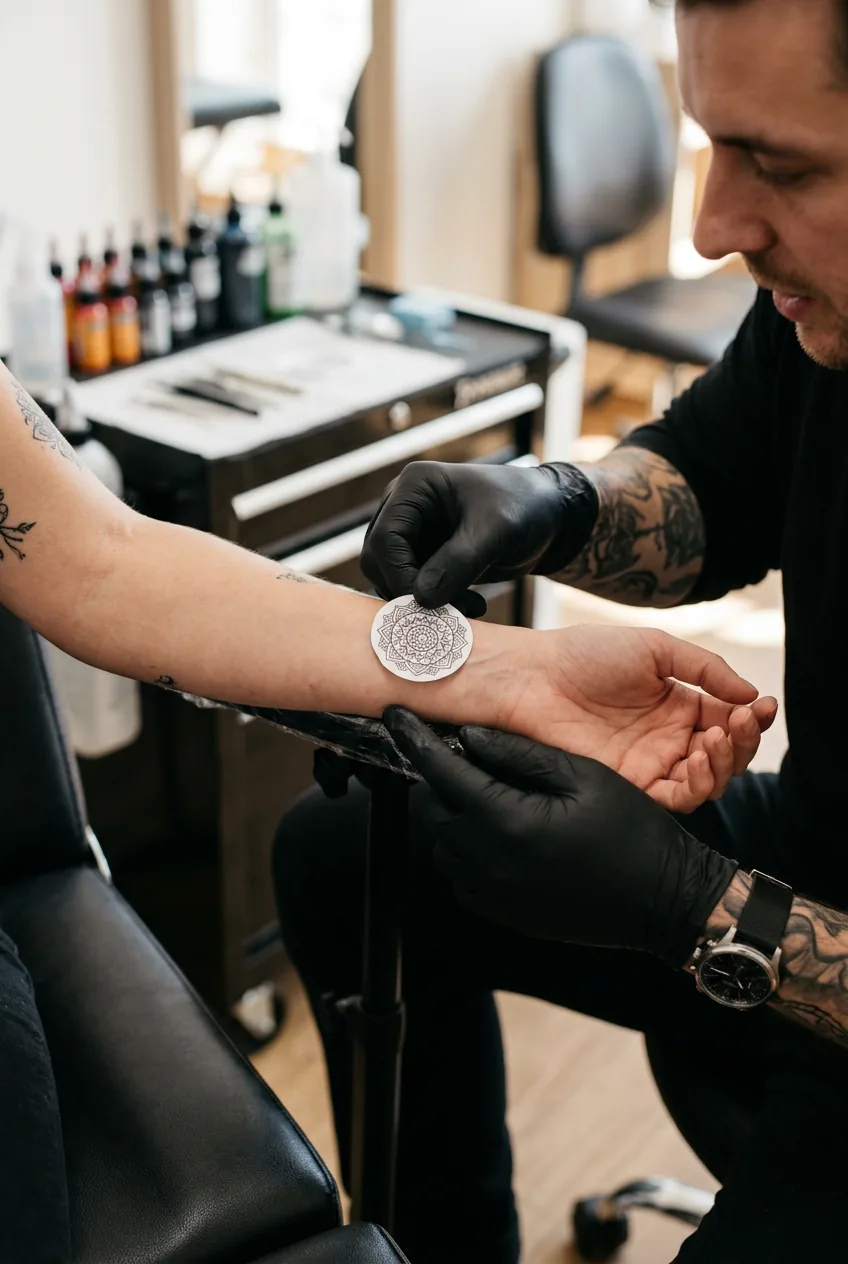
Protected areas with minimal movement are fine line paradise. Behind the ear, inner forearm, shoulder blade, ribcage—these spots let delicate work age gracefully. The skin stretches less, gets rubbed less, and maintains detail longer.
For bold work, consider visual balance. A thick-lined tattoo on a small area like behind the ear might look disproportionate. But that same bold piece on your upper arm or thigh has room to breathe and command attention.
I see so many people choose style first, placement second. That’s backwards. Your body’s architecture should guide the decision. A delicate fine line piece gets lost on a large, muscular area. A bold statement piece overwhelms a petite wrist.
Size Limitations Matter More Than You Think
Small elegant tattoos have size constraints that completely change what’s possible in each style. This is where the rubber meets the road.
Fine line work can pack incredible detail into tiny spaces. A 2-inch fine line mandala can have dozens of intricate elements because each line is so precise. The technique thrives in small formats—it’s designed for it.
Bold traditional has a minimum effective size. Try to shrink a bold rose below 3 inches, and the thick lines start competing for space. Details get lost. The style needs room for its elements to read clearly.
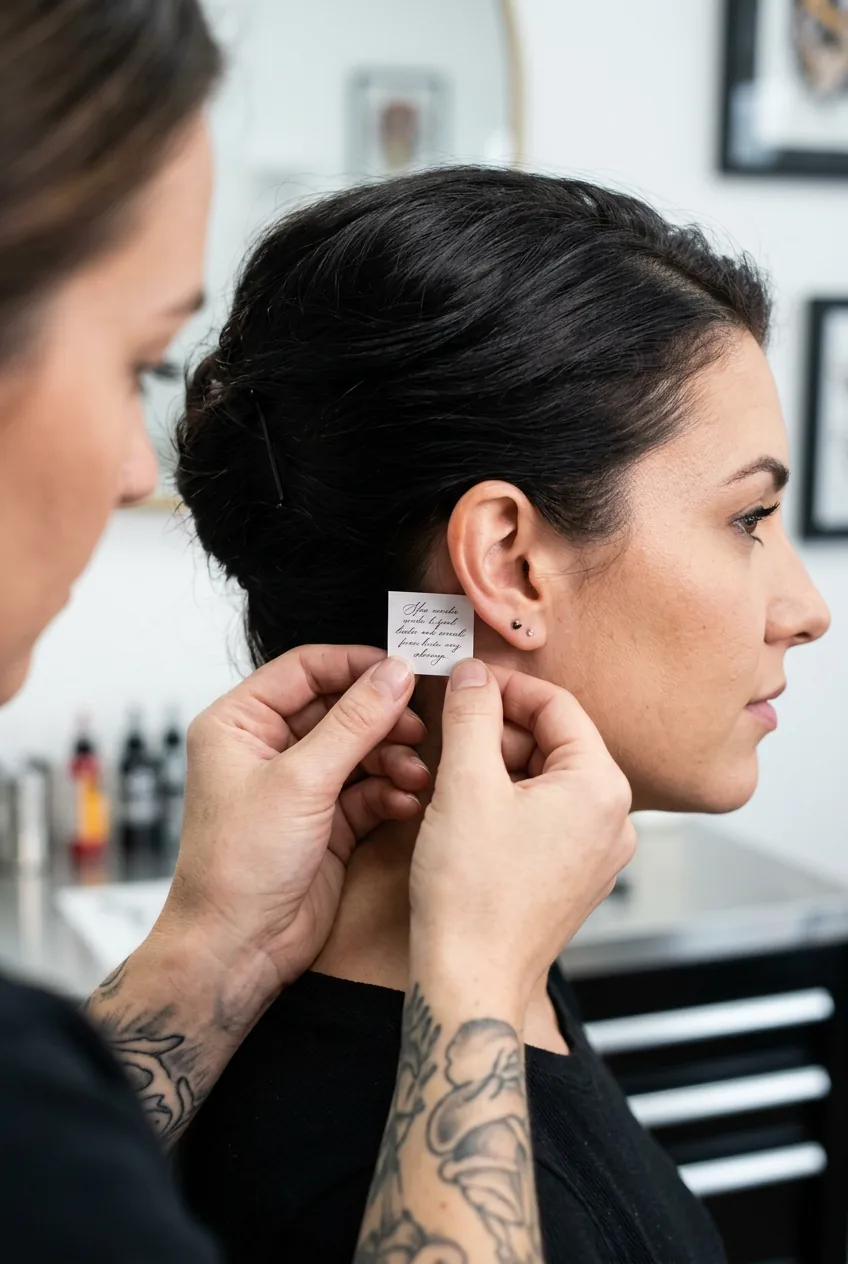
But here’s the flip side: fine line work becomes nearly invisible at a distance. Your gorgeous detailed piece might look like a smudge from across the room. Bold work maintains its impact even when small because of that high contrast.
Think about how you want people to experience your tattoo. Close-up intimacy suits fine line perfectly. If you want something that reads clearly from conversation distance, bold wins every time.
The Question That Actually Decides It
After helping dozens of friends through this decision and making several of my own, I’ve discovered the one question that cuts through all the noise:
Do you want people to notice the tattoo or the craftsmanship first?
If your answer is “the craftsmanship”—you want people to lean in and marvel at the intricate detail work—fine line is your style. You’re choosing elegance through precision and delicacy. These tattoos reward close inspection.
If your answer is “the tattoo”—you want immediate visual impact and timeless appeal—bold traditional wins. You’re choosing elegance through strong, confident execution. These tattoos command attention first, then reveal their craftsmanship.
Neither choice is better than the other. They’re different philosophies of what makes a tattoo elegant. Fine line whispers sophistication. Bold declares it.
When I finally made my decision for that rose tattoo, I went with fine line. Not because it was trendier or more delicate, but because I wanted something intimate. Something that revealed itself slowly to people who got close enough to really look.
The tattoo still looks exactly like I hoped—soft, detailed, and quietly elegant. More importantly, the decision process gave me confidence that I’d chosen the right style for my specific vision and lifestyle.
Your small elegant tattoo deserves the same thoughtful consideration. Take the time to work through each factor, and you’ll end up with something that feels perfectly right for you.
Watch This Decision Process Live
Questions I Get About Style Choices
Can I combine fine line and bold elements in one small tattoo?
Technically yes, but it’s risky in small formats. The contrast between styles can look intentional and striking, or it can look like you couldn’t decide. If you want to try it, use bold for the main outline and fine line for interior details—but expect to go slightly larger than you originally planned.
Which style is more expensive?
Fine line work often costs more per square inch because it requires more precision and time. The artist needs specialized equipment and steady hands for those delicate lines. Bold traditional can be faster to execute, but experienced artists charge similar rates regardless of style.
Do fine line tattoos hurt more than bold ones?
Actually, fine line work often hurts less because the needles are smaller and the artist applies less pressure. Bold lines require deeper ink saturation and more aggressive needle work. However, fine line takes longer, so you’re in the chair for more time overall.
Can I touch up a fine line tattoo later?
Yes, but it’s more complex than touching up bold work. Fine line touch-ups require the same precision as the original, and finding an artist who matches the original style exactly can be challenging. This is another point in favor of choosing an experienced fine line artist from the start.