



I got my first small tattoo in 2018 — a delicate moon phase behind my ear that looked absolutely perfect on Instagram. Seven years later, it’s basically a blurry smudge that I have to explain to people. That moment taught me everything I needed to know about the gap between small tattoo inspo and reality.

What’s Really Inside This Deep Dive
The History Behind Our Small Tattoo Obsession
The small tattoo trend didn’t happen overnight. When I started researching this phenomenon, I discovered it’s deeply tied to social media’s rise and a specific cultural shift that began around 2015. Instagram created this perfect storm where delicate, minimalist tattoos photographed beautifully under ring lights.
But here’s what most people don’t realize: traditional tattoo culture actually looked down on tiny tattoos for decades. Old school artists called them “scratchers” — not because they were poorly done, but because they knew these designs wouldn’t stand the test of time. The skin simply can’t hold that level of detail forever.
The shift happened when celebrity tattoo artists started embracing fine line work. Dr. Woo became the poster child for this movement, inking celebrities with intricate, detailed pieces that looked stunning fresh. Suddenly, everyone wanted their own delicate masterpiece.
What changed wasn’t the technique — fine line tattooing has existed for centuries in various forms. What changed was our expectation that these tiny details would remain crisp forever. Social media created an unrealistic standard where every small tattoo looked like it was done yesterday.
The irony is that traditional Japanese and American traditional styles developed their bold, simple designs specifically because they age well. Those thick lines and solid colors aren’t just aesthetic choices — they’re practical ones based on centuries of understanding how skin behaves over time.
What the Industry Gets Wrong About Micro Tattoos
The biggest misconception I see everywhere is that smaller automatically means easier to tattoo. This is completely backwards. Micro tattoos are actually some of the most technically challenging work an artist can do.
Think about it logically. You’re asking someone to create precise, detailed imagery in a space smaller than a quarter. Every line has to be perfect because there’s no room for error or cover-up work later. One shaky hand movement ruins the entire piece.
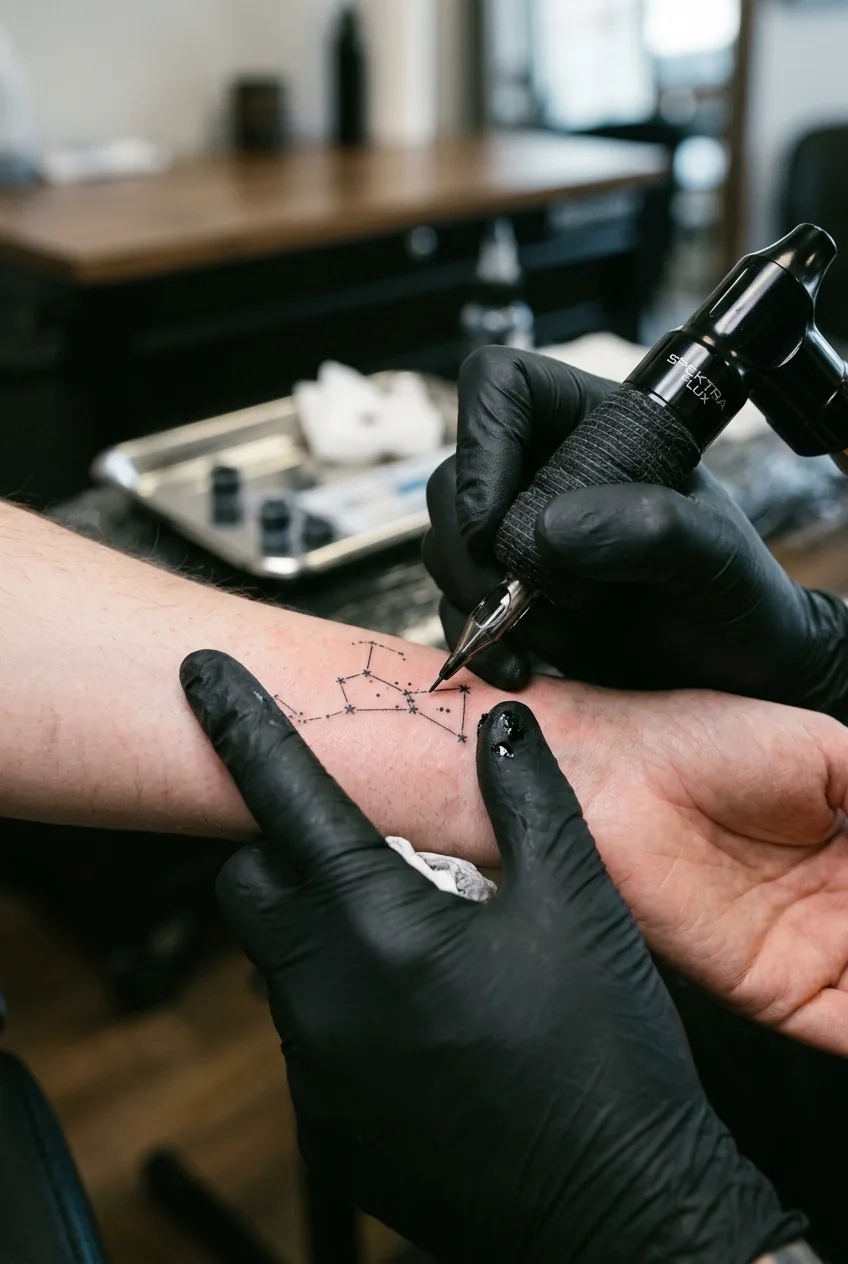
I learned this the hard way when I commissioned a tiny constellation on my wrist. The artist was incredibly skilled with larger pieces, but struggled with the precision required for something so small. Two of the “stars” ended up connecting into a blob, completely changing the constellation pattern.
Here’s another industry secret: many shops actually lose money on small tattoos. The setup time, sterilization process, and artist preparation is identical whether you’re getting a small symbol or a full sleeve. But they can only charge so much for a tiny piece, even if it requires the same overhead costs.
This creates a perverse incentive where some artists rush through small work to maximize their hourly rate. They’ll book several tiny tattoos back-to-back, treating them like quick cash grabs rather than serious artistic endeavors. The result? Subpar work that doesn’t live up to your Instagram expectations.
The shops that truly excel at small tattoo inspo are usually the ones who charge appropriately for the skill level required. Don’t be surprised if a 2-inch tattoo costs $200-300 from a top-tier fine line artist. You’re paying for precision, not just ink coverage.
The Placement Reality Check Nobody Discusses
Every placement guide I’ve seen online treats the human body like it’s static. They show perfect small tattoos on smooth, young skin with ideal lighting. But our bodies are dynamic, constantly moving and changing.
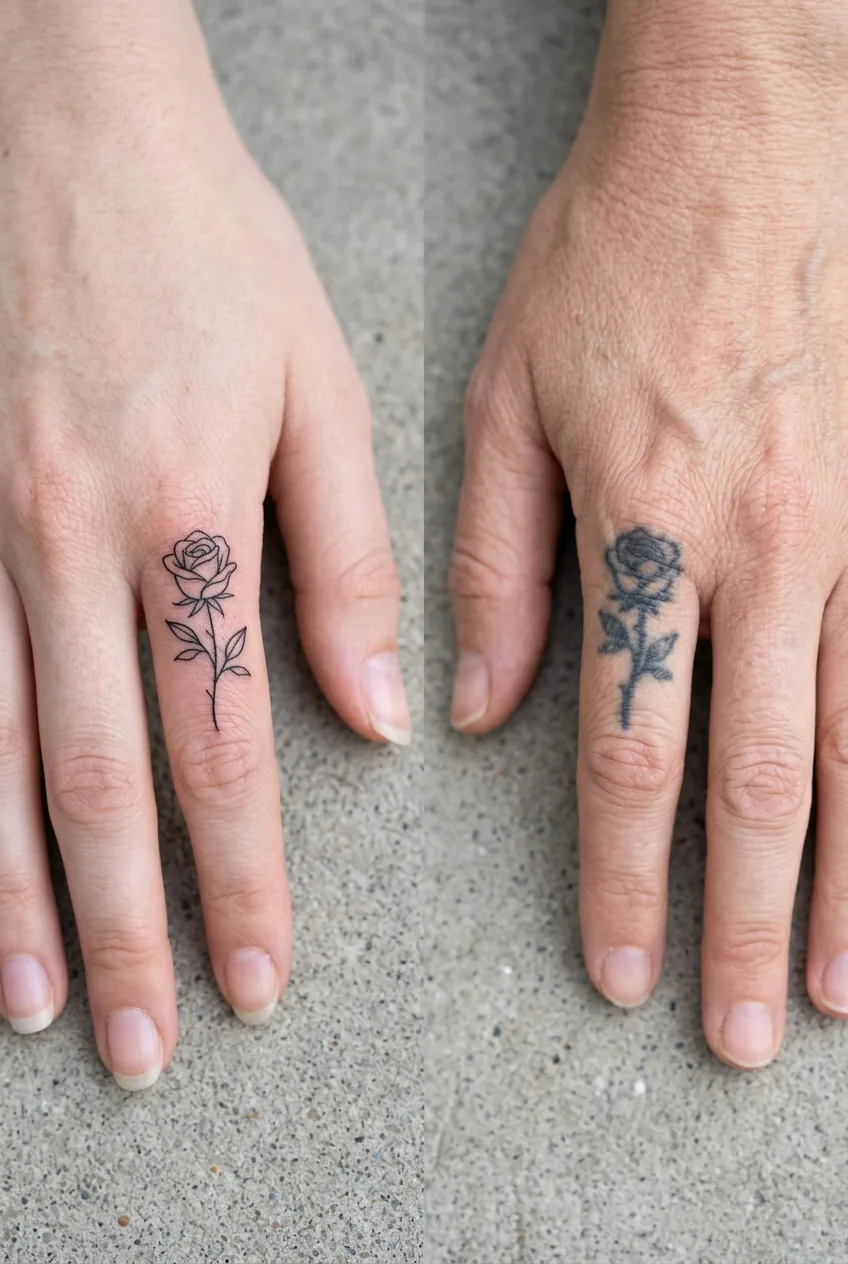
Take fingers, for example. They’re everywhere in small tattoo inspo galleries. But finger tattoos fade faster than any other placement because of constant friction, hand washing, and the way skin regenerates on our hands. I’ve seen gorgeous finger tattoos become completely illegible within two years.
Then there’s the behind-the-ear placement that looks so elegant in photos. What the pictures don’t show is how glasses frames constantly rub against that area, or how hair products and styling tools can affect the ink. My moon phase tattoo wasn’t just a victim of aging — it was also subjected to daily hair straightening heat and product buildup.
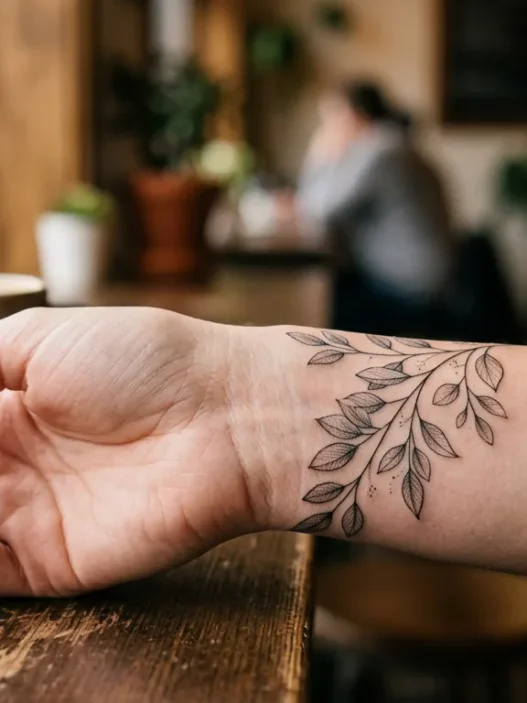
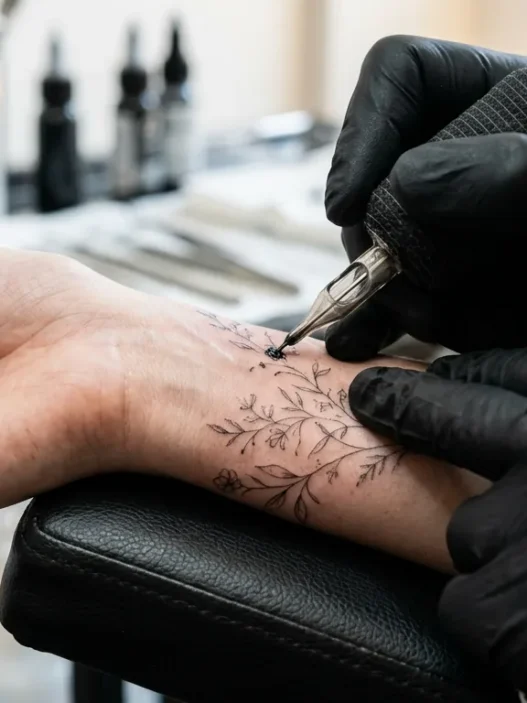
Wrist tattoos present their own challenges. The skin stretches and contracts constantly as you move your hands. Those delicate script fonts that look perfect in small tattoo inspo photos? They often become wavy or distorted as the skin moves throughout the day.
But here’s what I wish someone had told me earlier: some placements actually enhance small tattoos over time. The inner forearm, for instance, has relatively stable skin that doesn’t stretch much. Tattoo size guide resources often overlook how placement affects long-term appearance, but it’s crucial for small pieces.
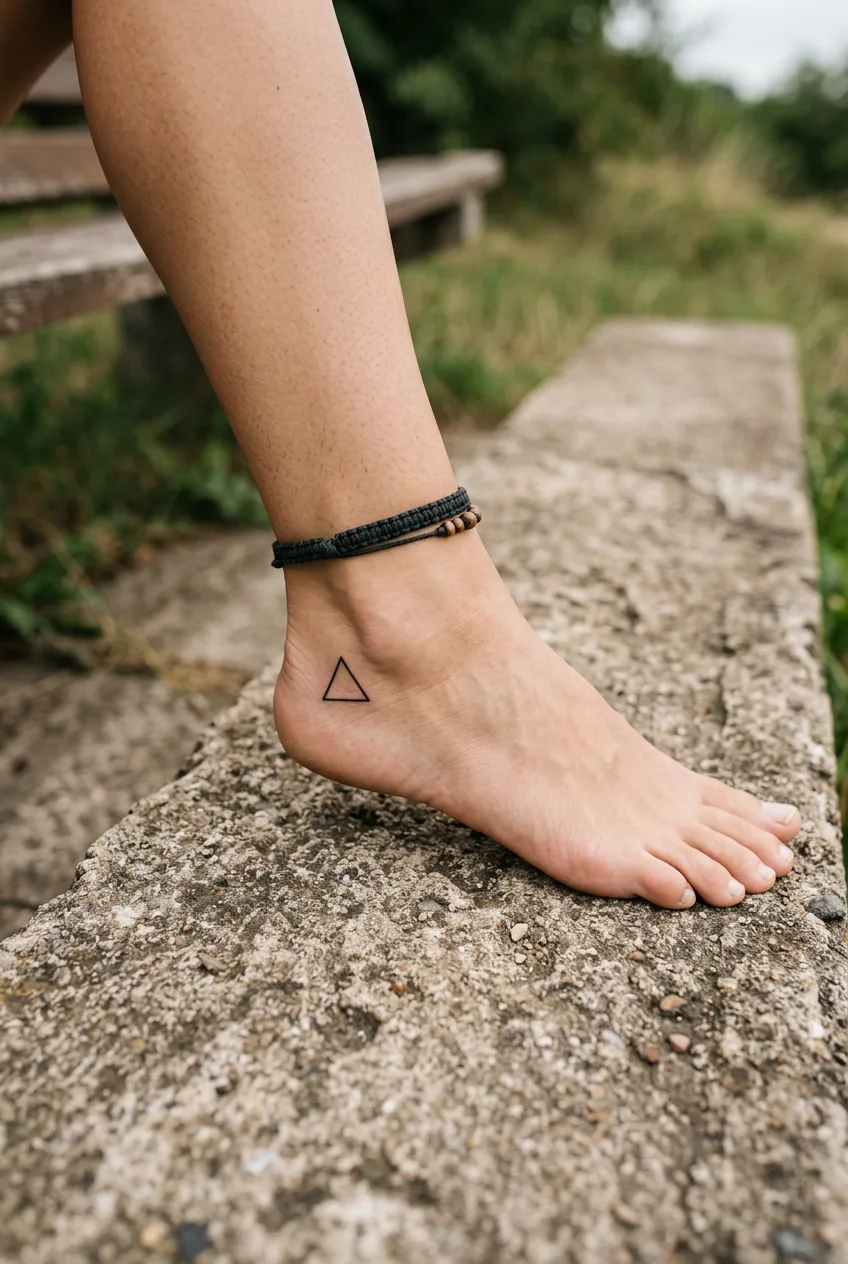
The ankle is another surprisingly good placement for small tattoos. The skin there tends to be thicker and more stable than areas like the wrist or behind the ear. Plus, it’s usually protected by socks and shoes, which helps preserve the ink.
Artist Selection Matters More Than You Think
This might be the most controversial thing I’ll say in this post: not every tattoo artist should be doing small, detailed work. I know that sounds elitist, but hear me out.
I’ve seen incredibly talented artists who create stunning traditional pieces completely butcher fine line work. And I’ve seen fine line specialists struggle with anything larger than a few inches. It’s not about one style being superior — it’s about recognizing that different techniques require different skill sets.
When I’m looking through small tattoo inspo now, I pay more attention to the artist’s overall portfolio than individual pieces. Do they consistently produce clean fine line work? How do their pieces look after healing (if they post healed photos)? Do they specialize in small tattoos, or are they primarily large-scale artists taking on small work for quick money?
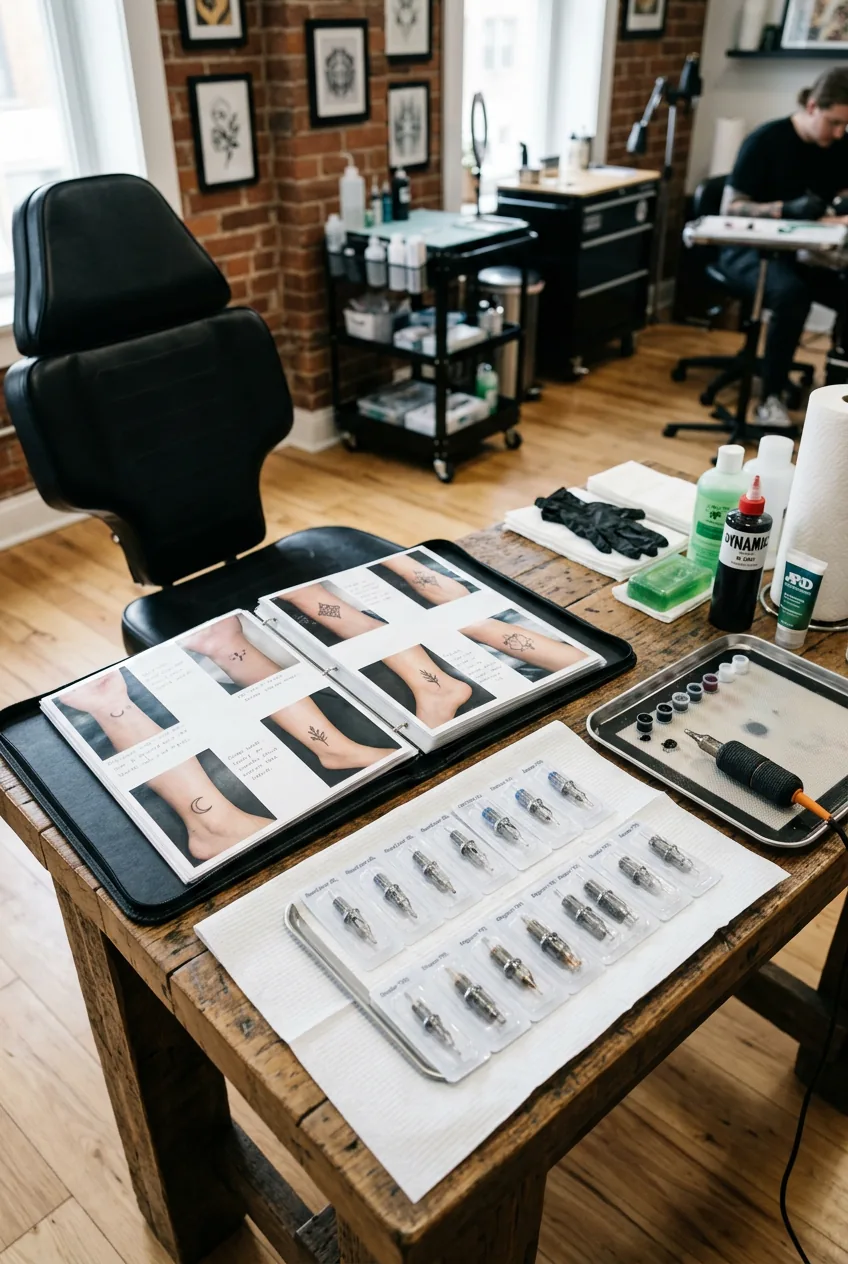
Here’s a red flag I’ve learned to watch for: artists who only post fresh tattoo photos. Every legitimate fine line artist should have healed photos in their portfolio. If they don’t, it usually means their work doesn’t age well, and they know it.
Another thing to consider is needle choice. Fine line tattoo techniques require specific needle configurations that not all artists understand. A traditional artist using the wrong needle setup for small work will create lines that are too thick or inconsistent.
I started asking potential artists direct questions during consultations: How long have you been specializing in fine line work? Can you show me healed examples of similar tattoos? What’s your touch-up policy for small pieces? The best artists are transparent about the challenges and realistic about outcomes.
Price is often an indicator too. If someone is offering small tattoos significantly cheaper than other fine line artists in your area, they’re probably cutting corners somewhere. Either in time spent, quality of equipment, or attention to detail.
This Artist Explains the Technical Reality
The Aging Process They Don’t Show You
Let me be brutally honest about what happens to small tattoos over time. The Instagram-perfect small tattoo inspo you see everywhere? Those are almost always fresh tattoos, maybe a few months old at most.
I’ve now lived with small tattoos for almost eight years, and I’ve watched them change dramatically. That’s not necessarily a bad thing — but it’s something you need to understand going in. Fine lines naturally thicken slightly as they heal. Tiny details can merge together. Delicate shading often fades unevenly.
The worst part? Most touch-up work on small tattoos isn’t really feasible. You can’t just go over existing lines without making them thicker. You can’t add detail to something that’s already at the minimum size limit. Sometimes the only option is a cover-up, which defeats the entire purpose of getting something small.
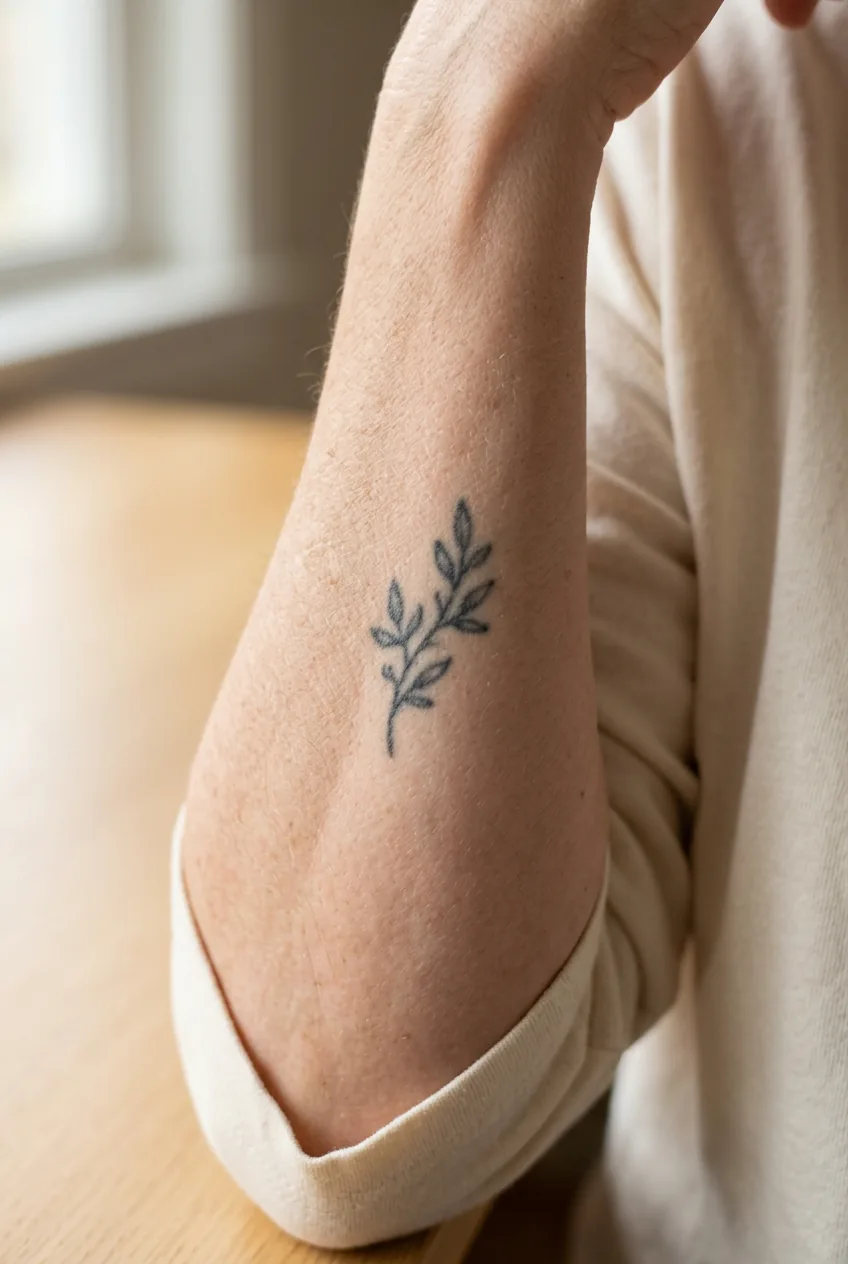
But I’ve also seen small tattoos that have aged beautifully. The key seems to be starting with slightly thicker lines and simpler designs than you might initially want. What looks “too bold” when fresh often looks perfect after a few years of settling.
Sun exposure is the biggest enemy of small tattoos. Those delicate lines and subtle shading fade much faster than bold, solid colors. I religiously use SPF 50 on all my tattoos now, but the damage from my careless early years is already done.
Skin type makes a huge difference too. People with very fair or very dark skin often see small tattoos age differently than those with medium skin tones. Your artist should discuss this with you during consultation, but many don’t think to bring it up.
Weight fluctuations affect small tattoos more than you’d expect. Even a 10-15 pound change can alter how a small design sits on your skin. That perfect placement might shift or distort slightly, especially on areas like the torso or upper arms.
Finding Authentic Small Tattoo Inspo That Works
After years of trial and error, I’ve developed a completely different approach to small tattoo inspo. Instead of scrolling through endless Pinterest boards of perfect fresh tattoos, I seek out healed examples and realistic expectations.
The best inspiration comes from artists who are honest about their process and show long-term results. Follow artists who post “then and now” comparisons, showing how their small work has aged. These are the people who understand the medium and aren’t just chasing Instagram likes.
I also pay attention to design elements that translate well to small scale. Simple geometric shapes age better than intricate mandalas. Bold script fonts hold up better than delicate cursive. Solid black designs maintain their impact longer than complex shading work.
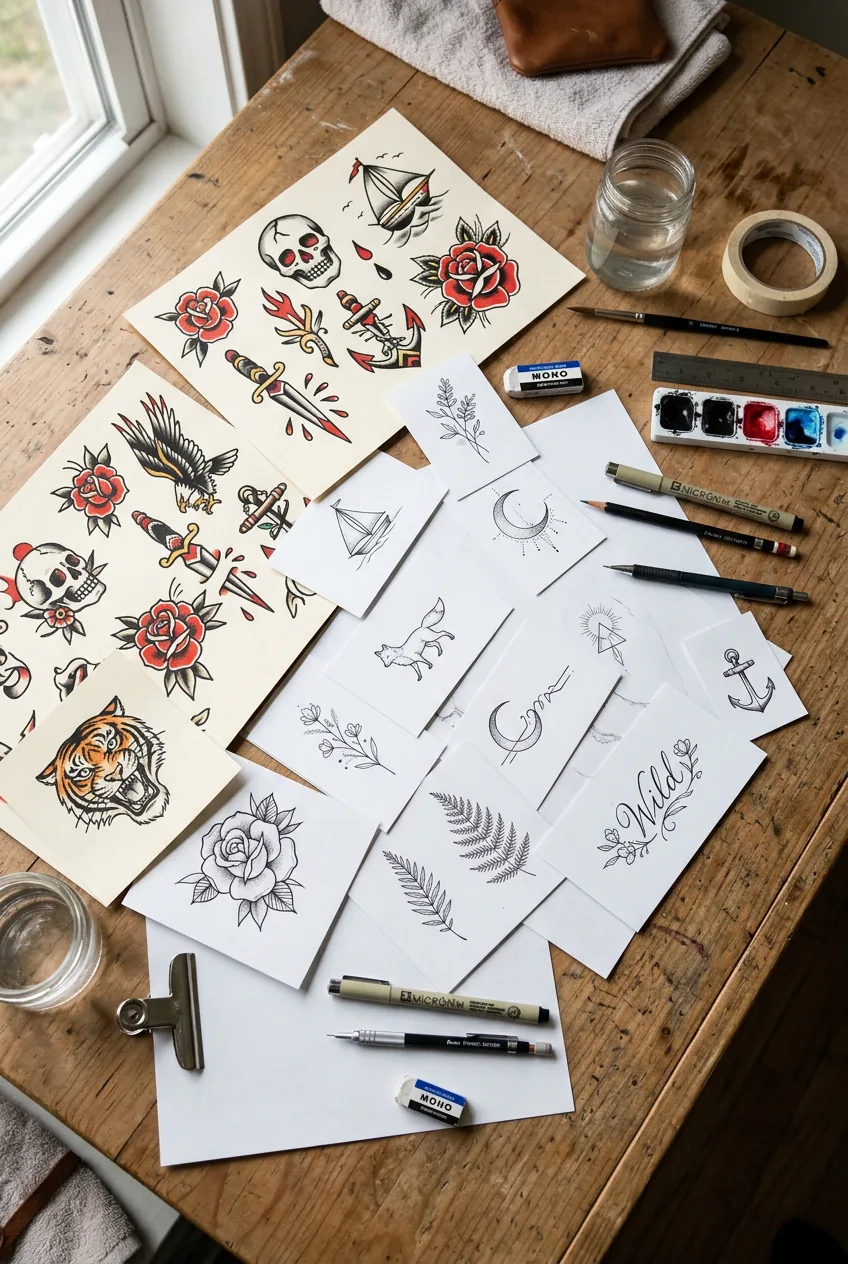
When browsing small tattoo inspo now, I ask myself specific questions: Would this design still be recognizable if the lines were slightly thicker? Does this rely on tiny details that might merge together over time? Am I drawn to this because it’s objectively beautiful, or just because it photographs well?
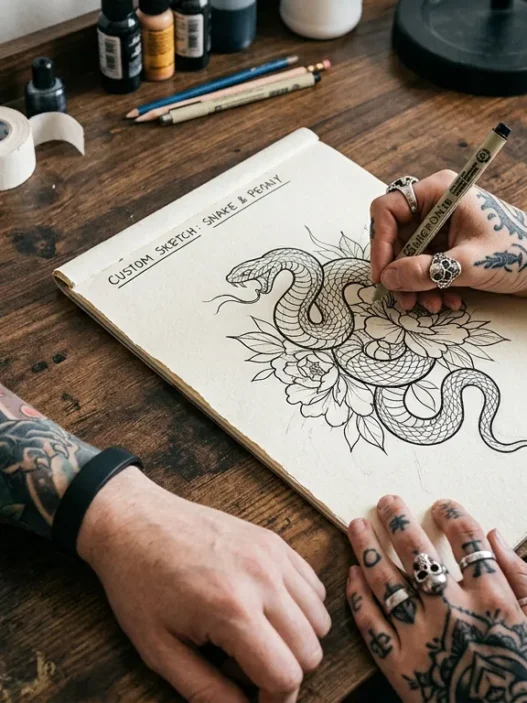
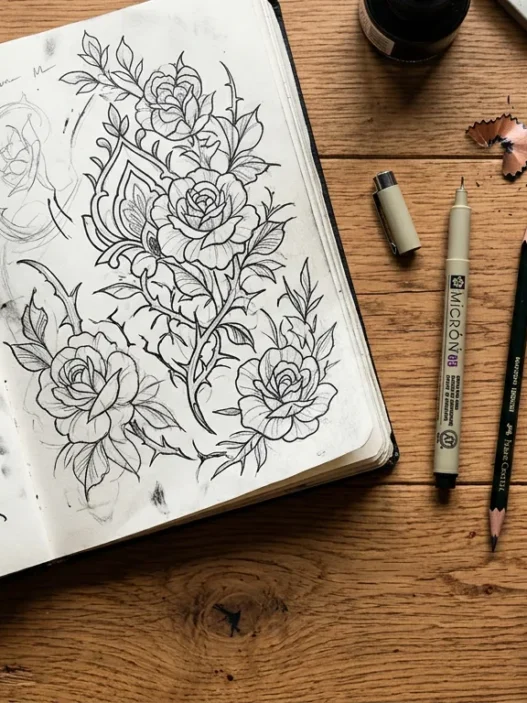
Consider the draw tattoo process guide approach — working with an artist to create something custom rather than picking from existing flash. Small tattoos benefit enormously from custom work that’s specifically designed for your chosen placement and skin type.
I’ve started looking for inspiration in unexpected places too. Traditional tattoo flash often contains small elements that could work beautifully as standalone pieces. Japanese mon (family crests) are designed to be impactful at small sizes. Even simple symbols from various cultures can provide rich, meaningful inspiration that ages gracefully.
The best small tattoo inspo tells a story or holds personal meaning beyond just looking pretty. When the visual appeal inevitably changes over time, you’ll still have that emotional connection to carry you through.
Questions I Get About Small Tattoo Reality
Do small tattoos always fade faster than large ones?
Not necessarily, but they’re more vulnerable to noticeable changes. Large tattoos have more “room” for natural aging without losing their overall impact. Small tattoos depend on precise details that can shift dramatically with minor fading or line spreading.
Can you touch up a small tattoo that’s aged poorly?
Touch-ups are tricky with small tattoos because you can’t make existing lines thinner, only thicker. Sometimes a skilled artist can rework the design, but often it means accepting a slightly larger or bolder version than you originally wanted.
Are there specific small tattoo designs that age better than others?
Absolutely. Simple geometric shapes, basic symbols, and designs with clear contrast tend to age most gracefully. Avoid tiny script fonts, intricate linework, and designs that depend on fine detail to be recognizable.
How much should I expect to pay for a quality small tattoo?
Quality fine line artists typically charge $150-400 for small tattoos, depending on complexity and location. If someone is offering small tattoos for under $100, be cautious about the quality and experience level.
Should I avoid small tattoos completely based on aging concerns?
Not at all! Just go in with realistic expectations and choose your design and artist carefully. Some of my small tattoos have aged beautifully, and I don’t regret getting them. The key is understanding what you’re signing up for long-term.
Looking back at my journey with small tattoos, I don’t regret the choices I made — even the ones that didn’t age perfectly. Each piece taught me something valuable about the art form and helped me make better decisions for future work. The key is approaching small tattoo inspo with both excitement and realism, understanding that the most beautiful tattoo is one you’ll still love years from now, even if it doesn’t look exactly like it did on day one.