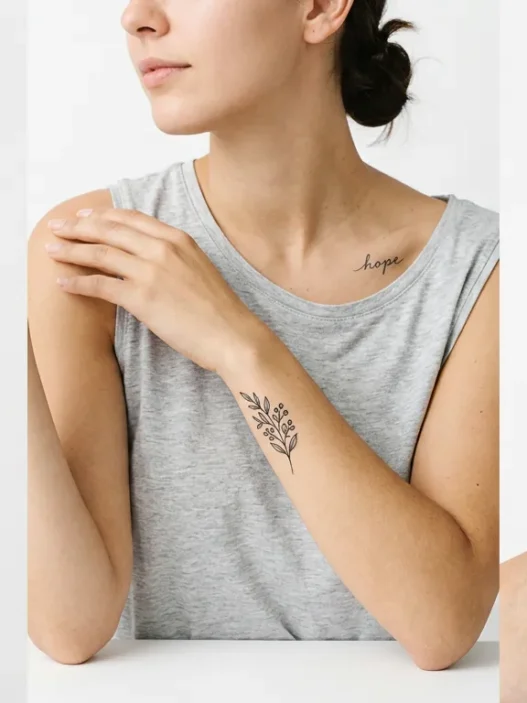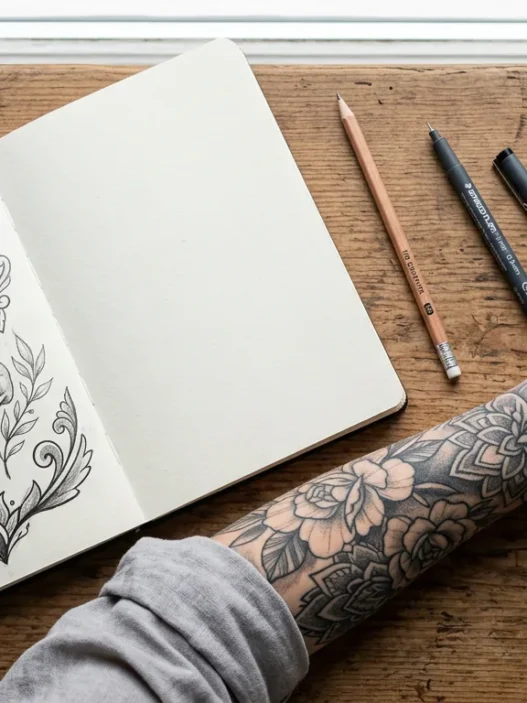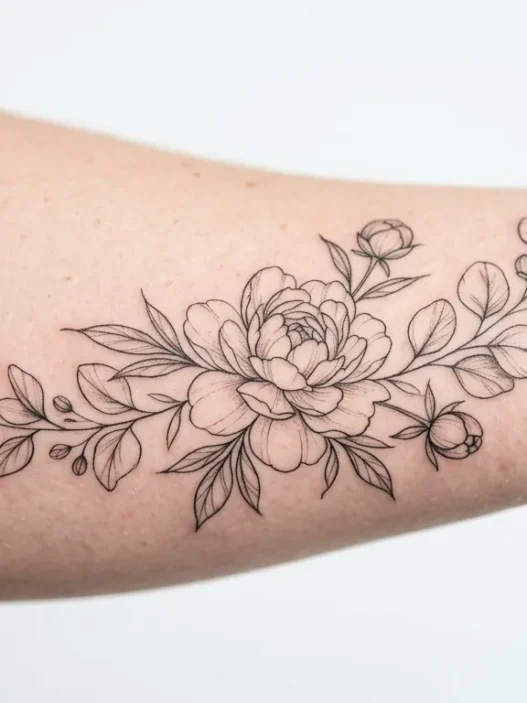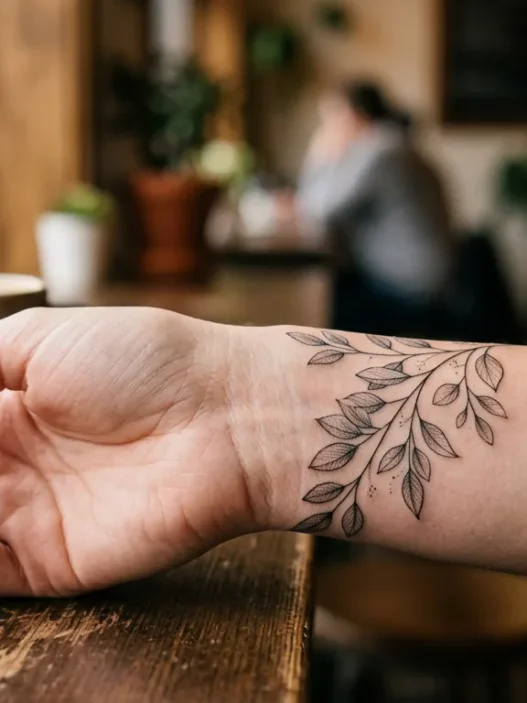





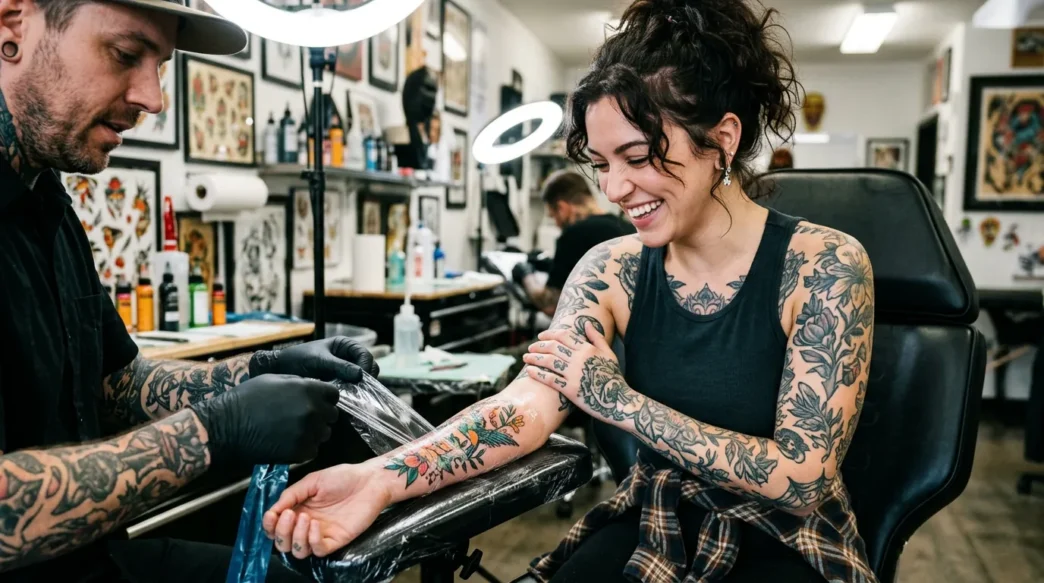
I spent three months going back and forth between fine line and bold styles for my shoulder piece. Every consultation left me more confused — one artist swore by delicate lines, another insisted bold was the only way to go for longevity. I needed a real framework to decide, not just artistic opinions.
What you’ll need for this decision process:
- Photos of your intended placement area in natural lighting
- Reference images of both fine line and bold versions of your design concept
- Honest assessment of your pain tolerance
- Portfolio research of 3-5 artists in each style
- A trusted friend who’ll give you straight feedback
- Time to sit with your decision for at least a week
Which Style Ages Better on Your Skin Type
This is where I had to get brutally honest with myself. I’m 32, fair-skinned, and my mom’s tattoos from the 80s have… not aged gracefully.
Fine line tattoos are gorgeous when fresh, but they’re essentially banking on your skin staying exactly the same. If you have thin skin, stretch easily, or are planning kids in the future, those delicate lines will blur and fade faster than you’d expect. I learned this the hard way watching my friend’s wrist tattoo become nearly illegible after just three years.
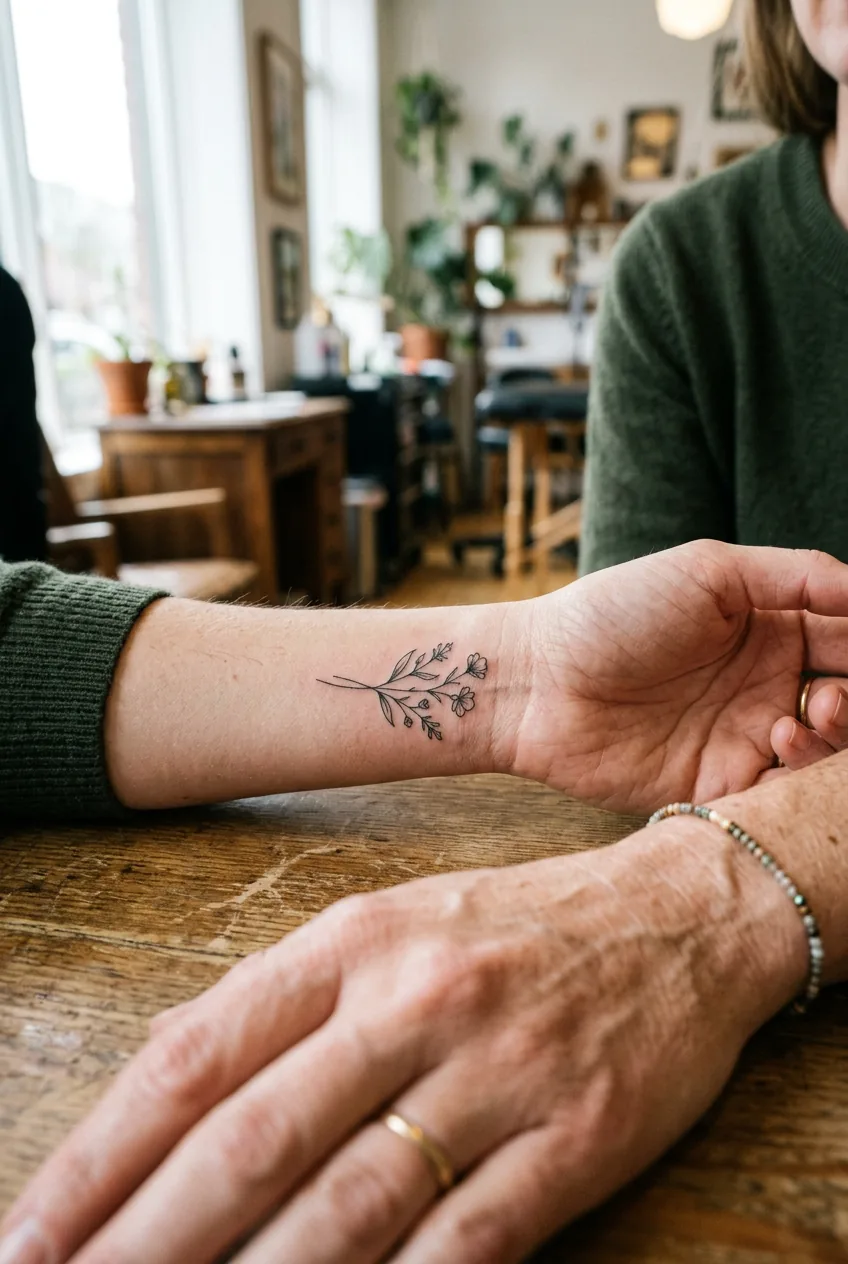
Bold lines, on the other hand, give you built-in insurance. When they soften with age, they still read clearly. The trade-off? They look more dramatic from day one — which might not fit your vision of “classy.”
Here’s my personal test: Look at the skin where you want your tattoo. Pinch it gently. If it’s already showing fine lines or feels less elastic than it did five years ago, go bold. Your future self will thank you.
Which Works for Your Pain Threshold
Nobody talks about this honestly, but the needle technique is completely different between styles.
Fine line tattoos use single needles or tiny groupings. It feels like being scratched with a very sharp pencil — precise, but it goes on forever because the artist has to build up the ink slowly. My fine line ankle piece took four hours for something that would’ve been done in two with bold lines.
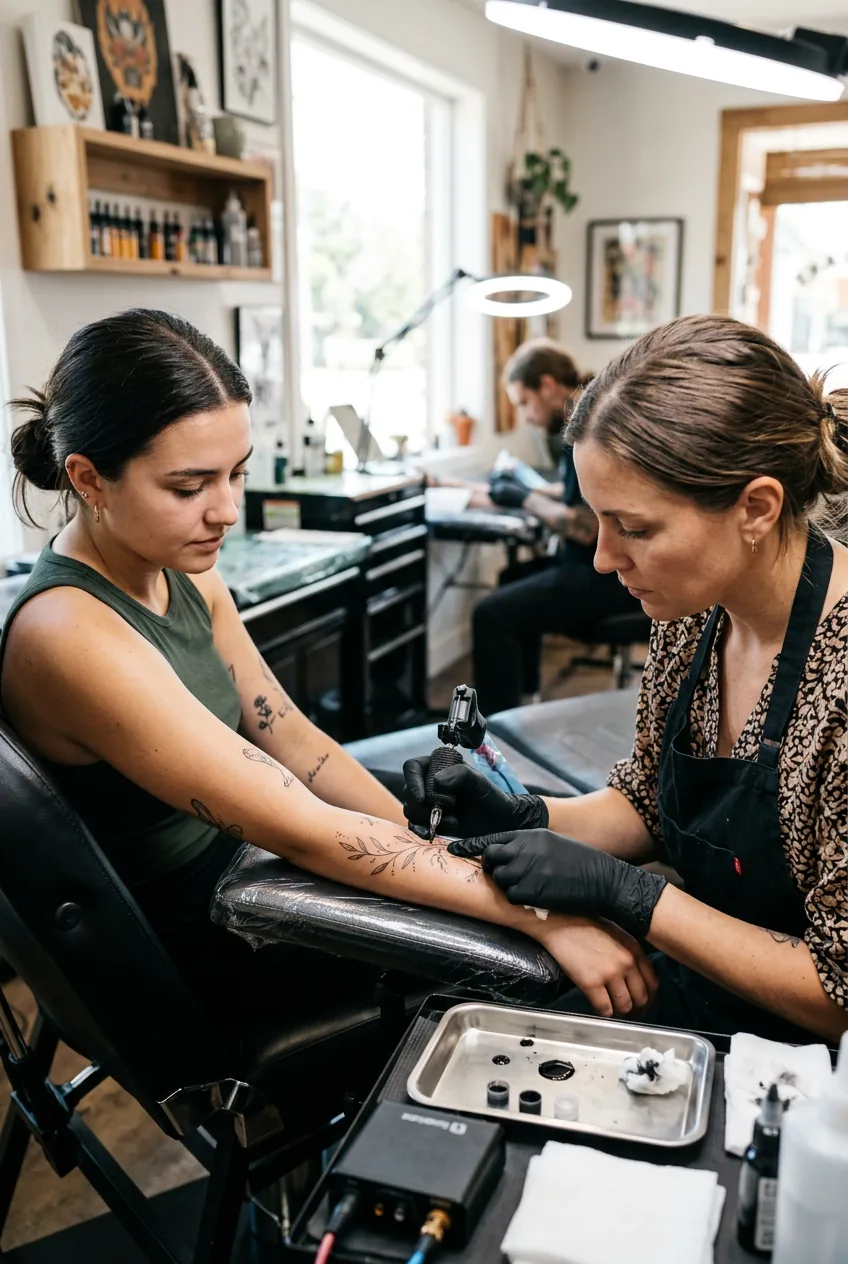
I made the mistake of booking a fine line session right after a stressful work week. My pain tolerance was shot, and what should’ve been meditative became torture. The artist had to stop three times because I kept tensing up. If you’re someone who gets fidgety with repetitive sensations, bold might be your friend.
Bold lines use larger needle groupings and typically require fewer passes. It’s more intense in the moment but over faster. Think quick band-aid removal versus slow peeling.
Consider your schedule too. Fine line work often needs touch-ups after healing, meaning multiple appointments. Bold work is more likely to be one-and-done.
Which Requires a Specialist Artist
This is where things get expensive and complicated.
Any decent artist can do bold work well — it’s the foundation of tattooing. But fine line? That’s a specialty skill that maybe 30% of artists have mastered. And the good ones are booked out for months.
I spent weeks stalking Instagram trying to find a fine line specialist in my area. The closest one with availability was a three-hour drive away. Meanwhile, I had five excellent bold-style artists within 20 minutes of my house.
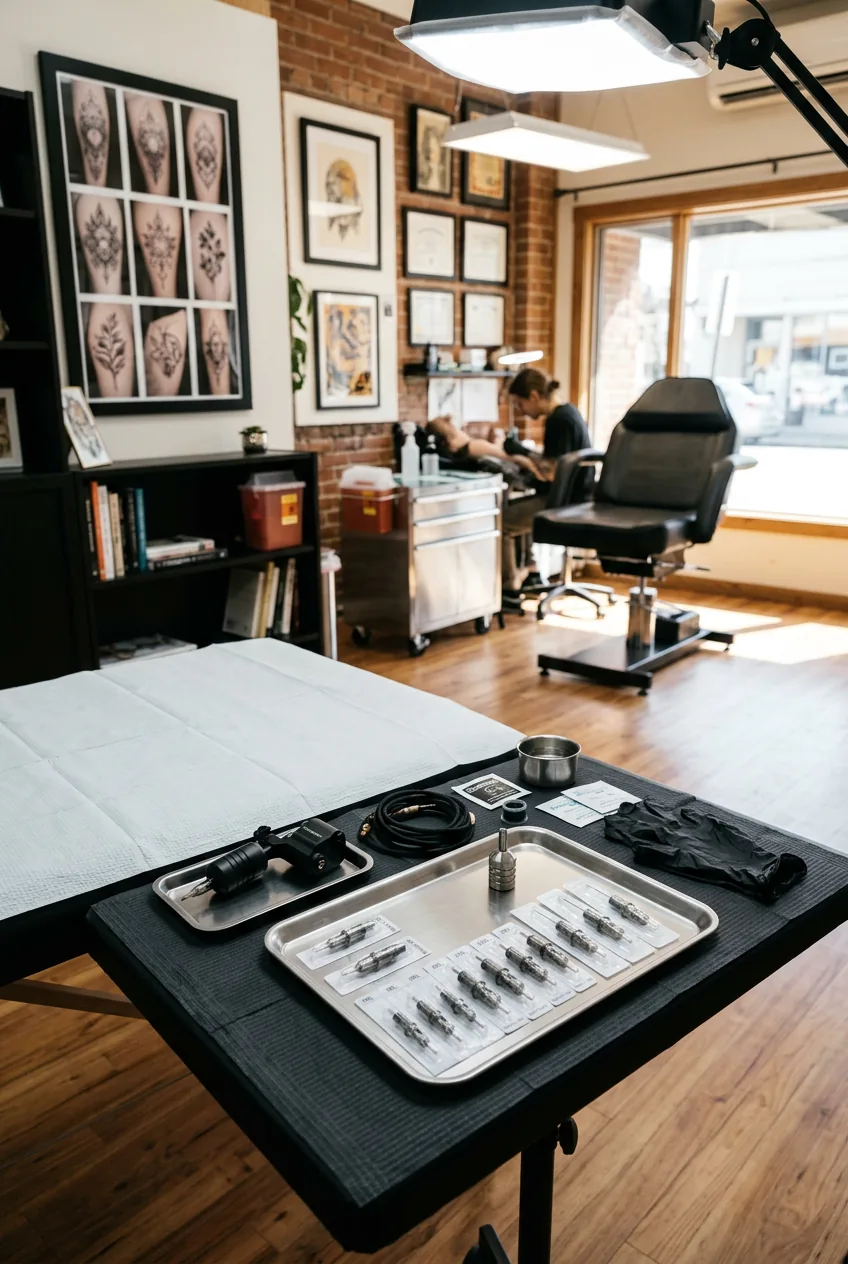
Price difference is real too. Fine line specialists often charge 20-40% more because they can. And honestly? They should. The skill level required is incredible.
But here’s what nobody tells you: a mediocre fine line tattoo looks worse than a mediocre bold tattoo. With bold work, even slight imperfections add character. With fine line, shaky hands or inconsistent pressure show immediately.
If you’re not willing to travel or pay premium prices, bold might be your practical choice. There’s nothing wrong with choosing the style that gives you access to better artists in your budget.
Watch This Artist Technique Comparison
Which Placement Works Best
Placement changes everything about how your tattoo will look and age.
Fine line tattoos work beautifully on areas that don’t stretch much — inner forearms, behind the ear, the top of the foot. These spots maintain their shape over time and show fine detail clearly.
But put fine line work on your ribs, shoulder blade, or anywhere that moves with muscle? Those delicate lines will distort every time you breathe deeply or reach overhead.
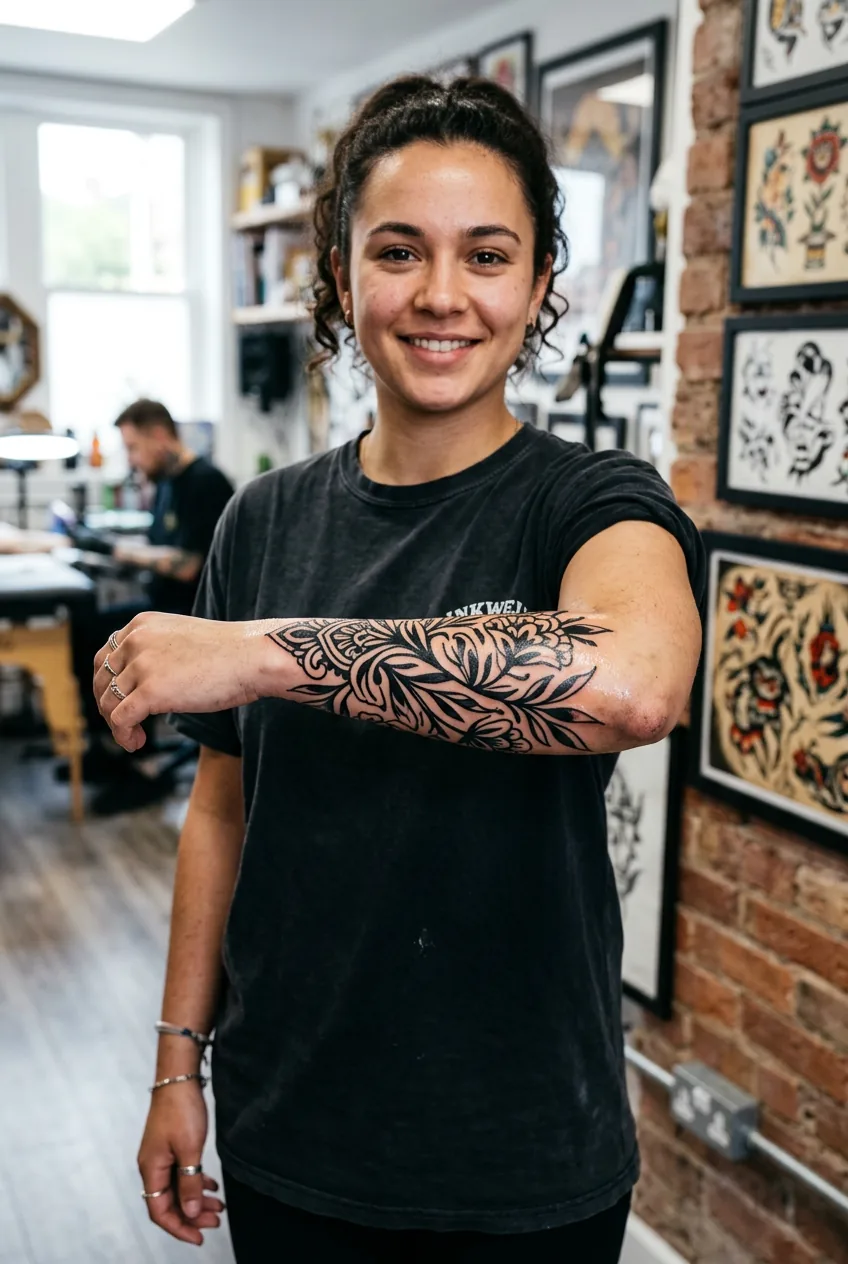
Bold tattoos handle movement better. The thicker lines can stretch and still maintain their integrity. This is why traditional tattoos have been placed on sailors’ arms for over a century — they were designed to move with the body.
I originally wanted my design on my shoulder blade, but after really thinking about how that area moves when I sleep, exercise, or even hug someone, I realized bold lines made more sense. The tattoo needed to live with my body, not fight against it.
Also consider visibility. Fine line tattoos can be nearly invisible from a distance. If you want something that reads as “classy tattoo” rather than “is that a smudge?”, placement size matters more than you think.
Which One Will You Still Love in 20 Years
This question kept me up at night. Tattoo trends change fast, but your skin is permanent.
Fine line tattoos are having a major moment right now. Instagram is flooded with delicate florals and minimalist designs. But trends that explode this quickly also tend to date themselves. In 2026, fine line feels fresh and modern. Will it still feel that way in 2046?
Bold tattoos have staying power because they’re rooted in traditional techniques that have been beautiful for decades. A well-executed bold design from the 1960s still looks intentional today.
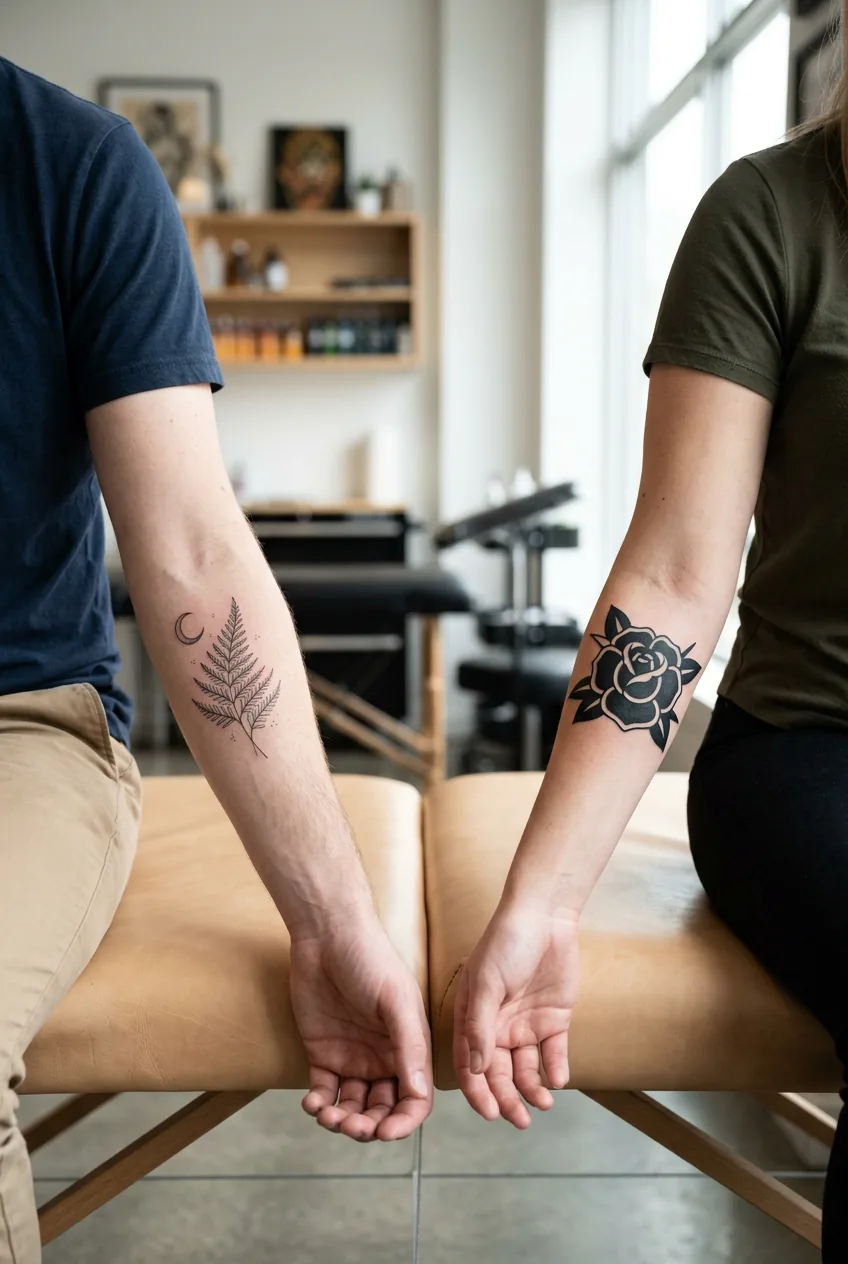
But here’s my real test: I printed out both versions of my design and lived with them on my bathroom mirror for a month. The fine line version stopped catching my eye after two weeks. The bold version still made me smile every morning.
Think about your personal style evolution too. Are you someone who completely reinvents their look every few years, or do you tend to stick with classics? Your tattoo choice should align with how you approach other permanent decisions.
Consider what “classy” means to you long-term. Is it understated elegance that whispers? Or confident beauty that commands attention? Both can be classy — they’re just different approaches.
Making Your Final Decision
After working through all these factors, I chose bold lines for my shoulder piece. The deciding factor? I realized I was choosing fine line because I thought it was more “acceptable,” not because I loved it more.
My bold floral design has incredible depth and will age beautifully. More importantly, it feels like me — someone who values quality and longevity over following trends.
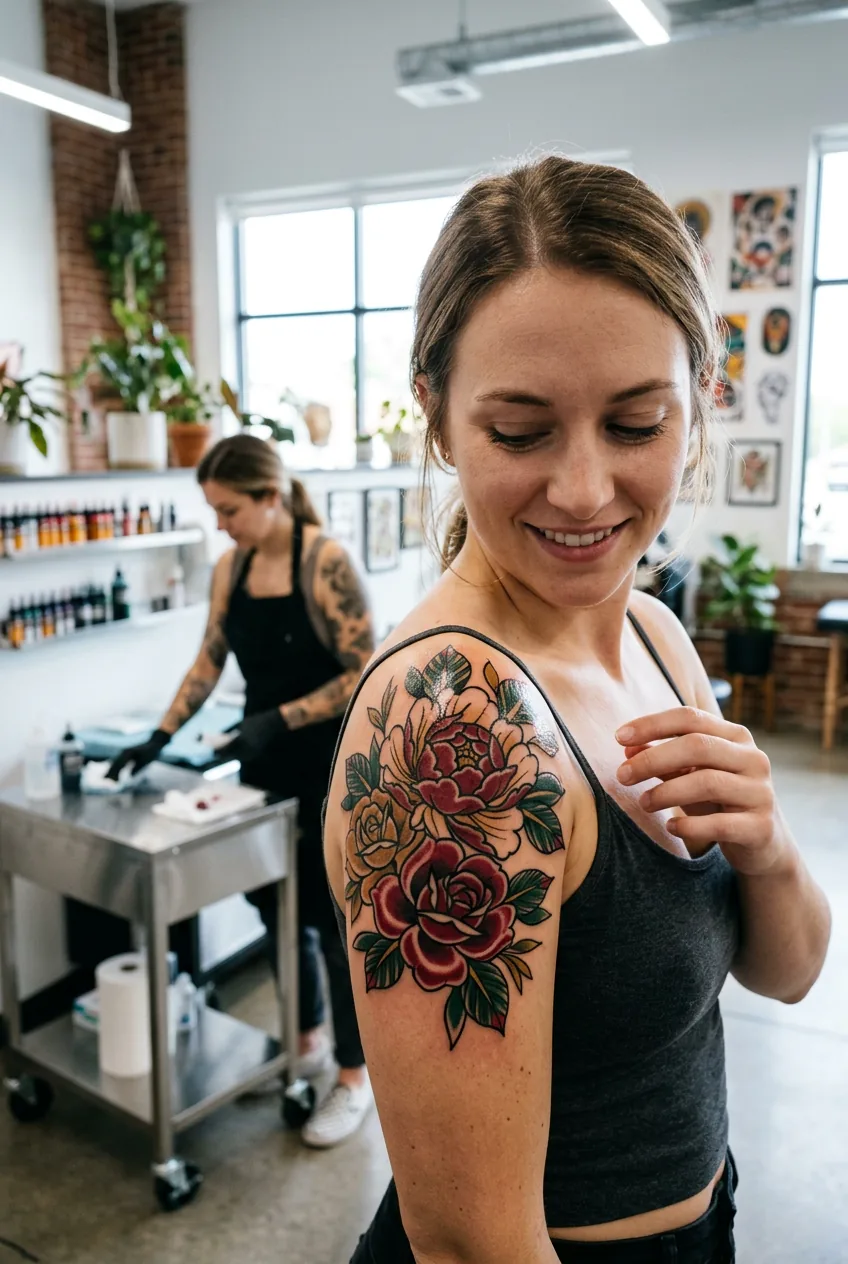
Here’s my simple decision framework: If three or more of these apply to you, go bold:
- Your skin shows signs of aging or stretching
- You have limited pain tolerance or time for multiple sessions
- You don’t have access to top-tier fine line specialists
- Your chosen placement involves a lot of movement
- You prefer timeless over trendy
- You want your tattoo to be clearly visible as a tattoo
If you’re leaning fine line after honestly evaluating these points, that’s your answer. Just make sure you’re choosing it for the right reasons — because you genuinely love the aesthetic, not because you think it’s the “safer” choice.
Both styles can be incredibly classy when executed well. The key is choosing the one that aligns with your skin, lifestyle, and long-term vision. Trust me, when you find the right fit, you’ll know.
The decision process took me three months, but I’ve never second-guessed my choice. My bold botanical design has been the perfect conversation starter and feels completely me. Sometimes the “practical” choice turns out to be the most beautiful one too.