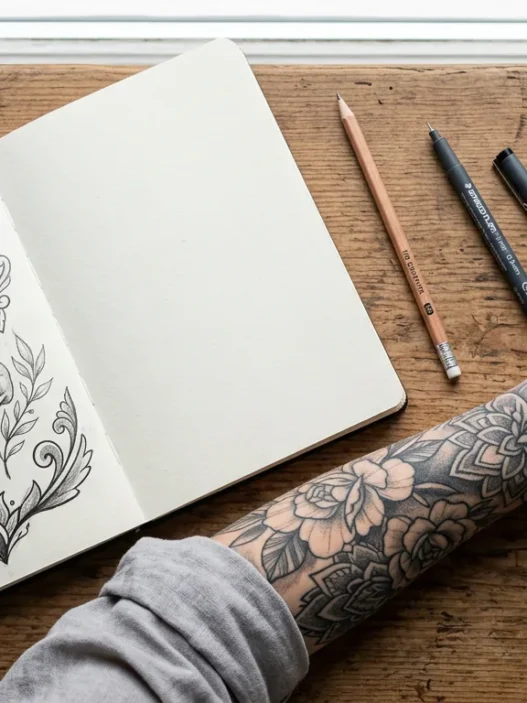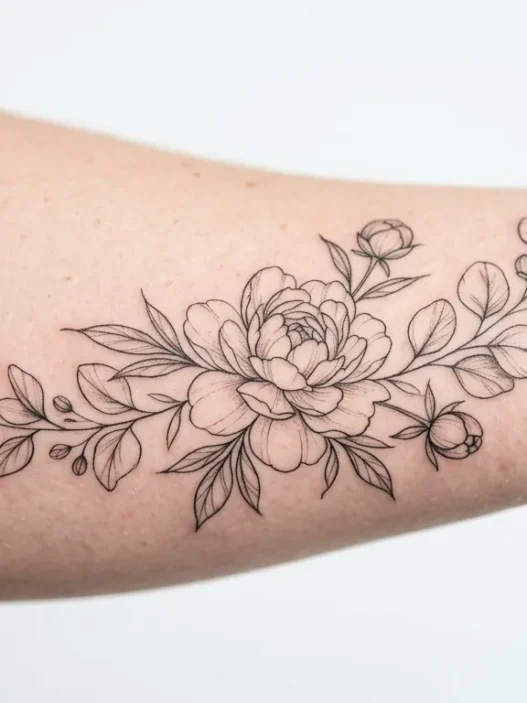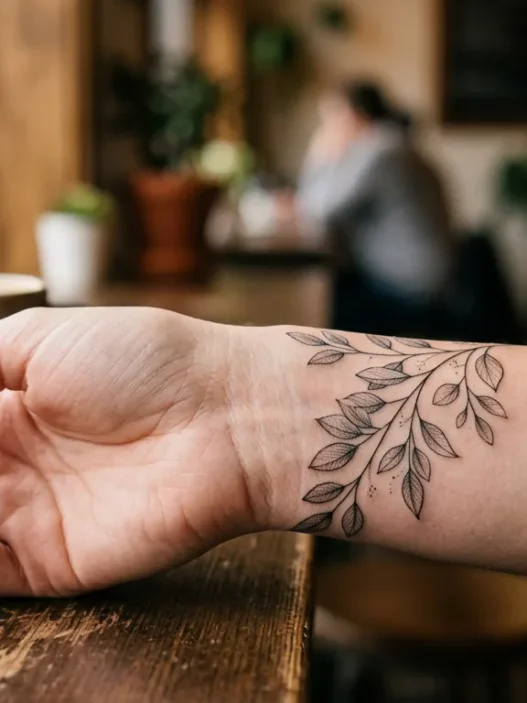



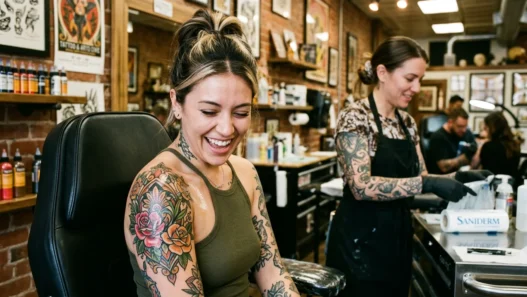


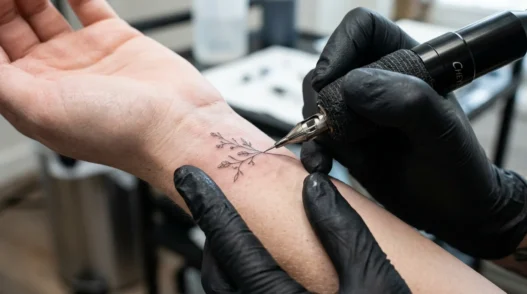
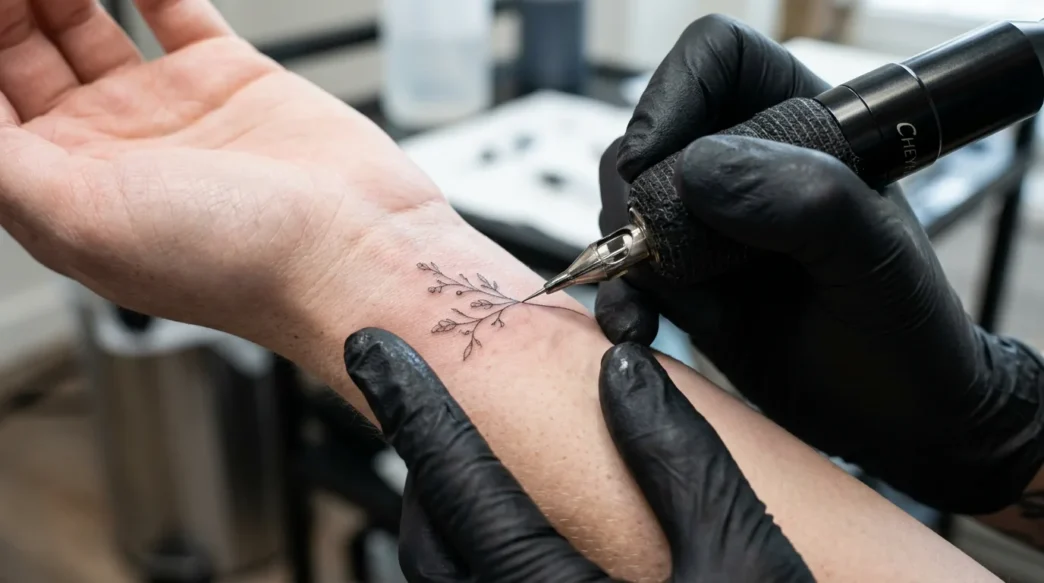
I spent three months going back and forth between ultra-fine line work and bold minimalist designs for my wrist tattoo. Every artist I consulted had a different opinion, and honestly, I was drowning in conflicting advice. Finally, I developed my own decision framework that cuts through the noise and focuses on what actually matters for your specific situation.
What you’ll need for this decision process:
- Photos of your intended tattoo placement in natural lighting
- A magnifying glass or phone camera with macro mode
- Examples of both fine line and bold minimalist designs you’re considering
- Honest assessment of your pain threshold (think previous tattoos, piercings, or medical procedures)
- Your work dress code policy or employee handbook
- 15 minutes of uninterrupted thinking time
Which Style Complements Your Skin Tone and Texture
Your skin is the canvas, and different minimalist approaches work better with different skin types. I learned this the hard way when I saw my friend’s ultra-fine line tattoo completely disappear against her very fair, freckled skin.
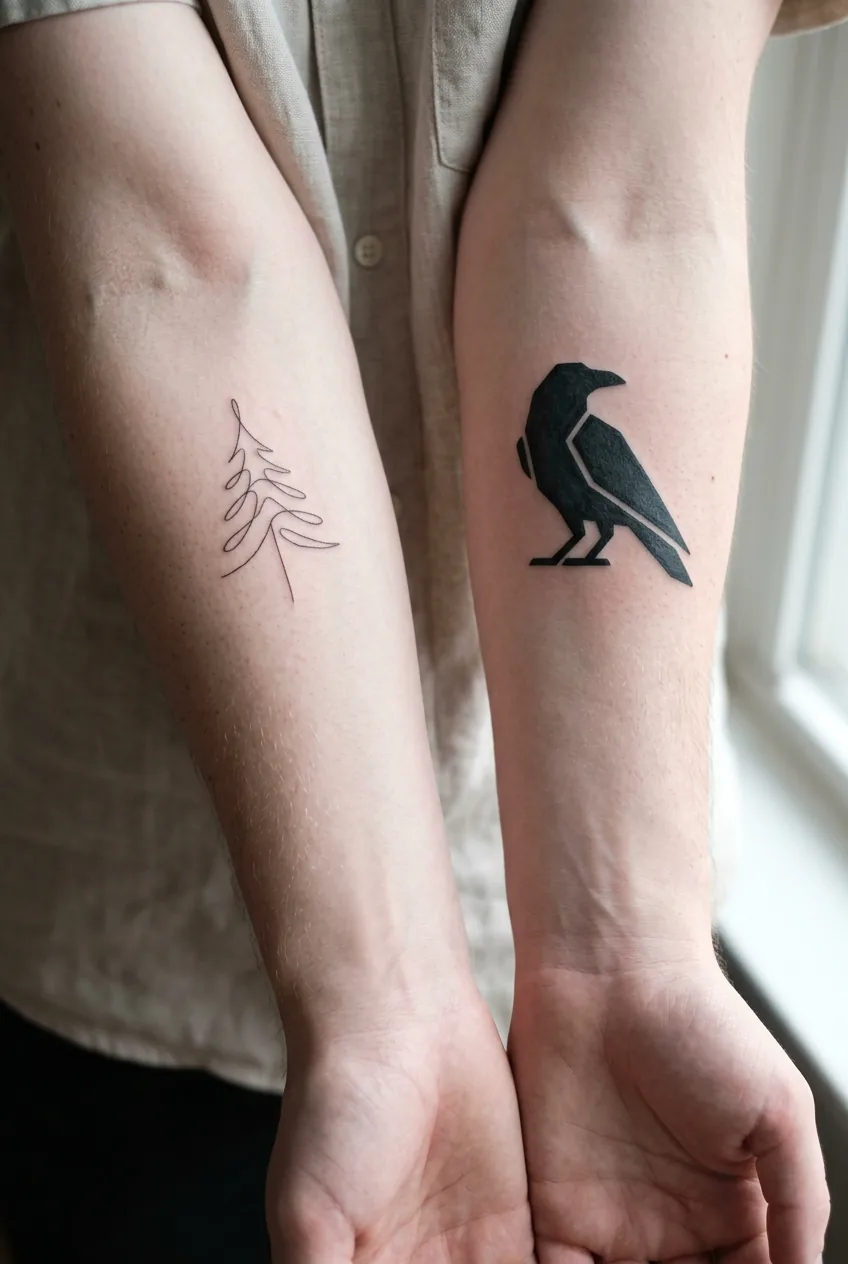
For pale or very fair skin tones, fine line work can blend too seamlessly and lose impact. The hairline strokes might not provide enough contrast to pop against lighter skin. Bold minimalist designs with slightly thicker lines (think 3-5mm instead of 1mm) create that essential contrast without sacrificing the clean aesthetic.
Medium to darker skin tones have more flexibility. Fine line work shows beautifully because there’s natural contrast between the black ink and your skin. But here’s what most people don’t consider — skin texture matters just as much as color.
Take a close look at your intended placement area. Is your skin naturally smooth, or do you have visible pores, stretch marks, or texture? Fine line tattoos require relatively smooth skin to maintain their crisp appearance. If you’ve got textured skin, those ultra-thin lines can look wavy or broken up.
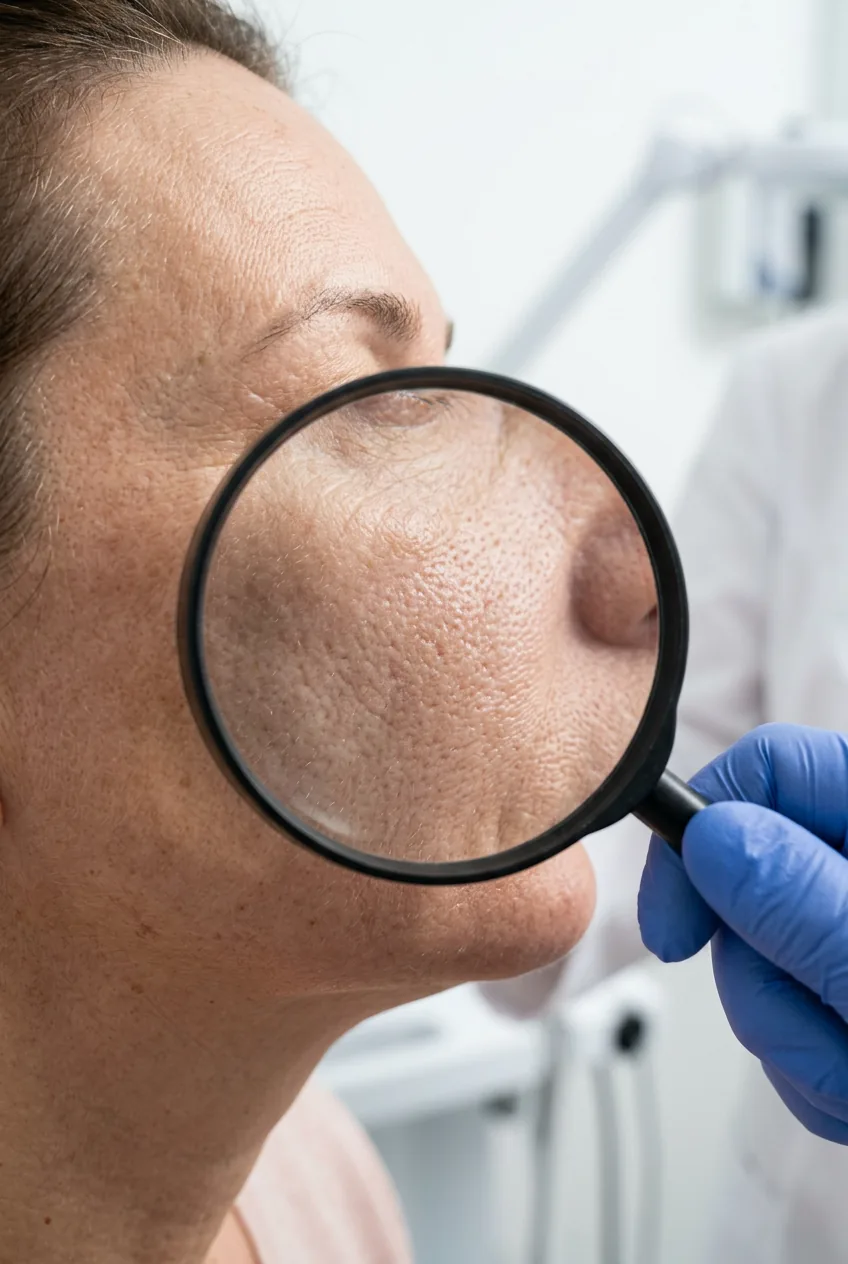
I use the “photo test” — take a macro photo of the area in natural light. If you can see significant texture or pores, lean toward bold minimalist. If your skin looks smooth and even, fine line work will sing.
Which Works Better with Your Pain Tolerance
This might surprise you, but fine line tattoos often hurt more than bold minimalist work, not less. The single needle technique requires multiple passes over the same area to achieve proper saturation, and that repetitive motion can be brutal on sensitive spots.
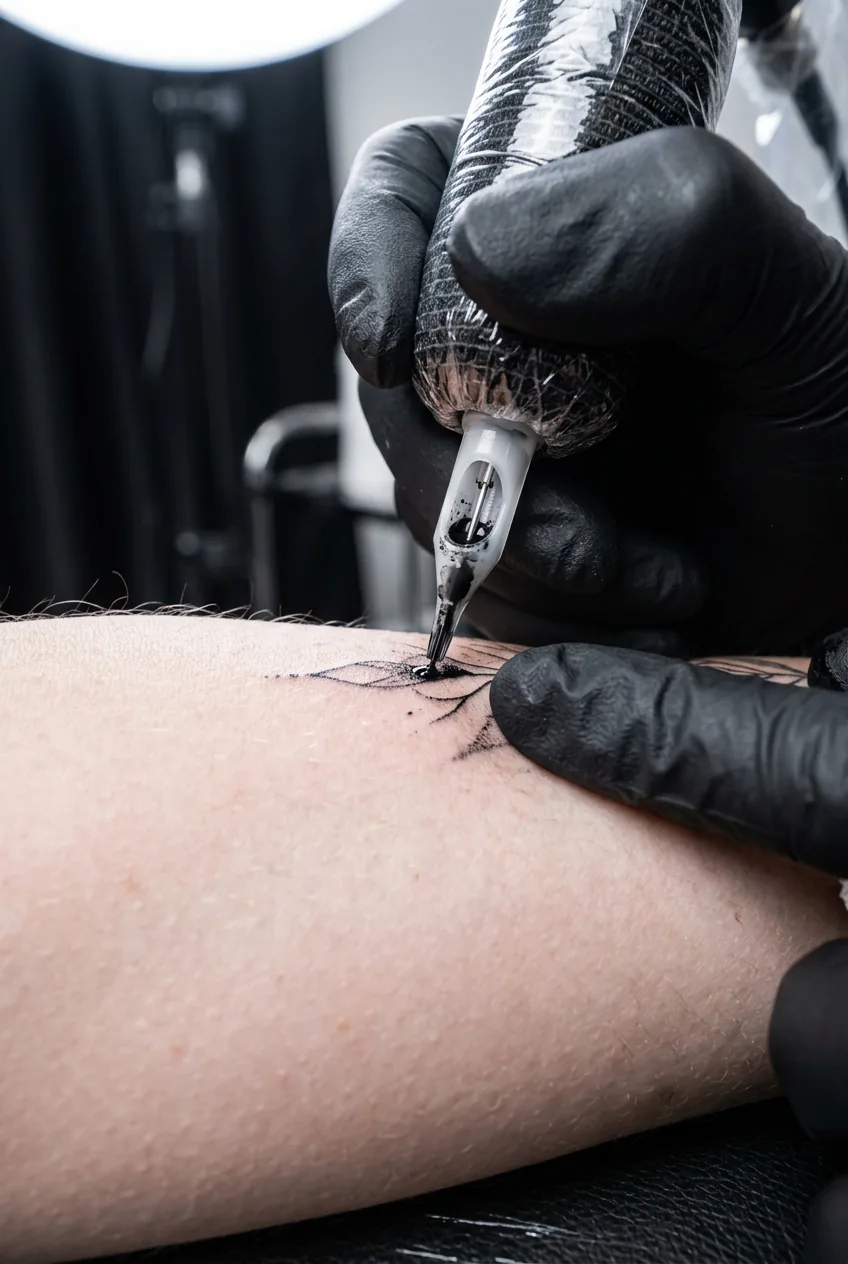
Bold minimalist tattoos typically use a small liner needle (3-5 round liner) and can achieve full saturation in fewer passes. Less time in the chair equals less cumulative pain. If you’re getting work done on your ribs, inner wrist, or behind your ear, this difference matters significantly.
I made the mistake of choosing ultra-fine line work for my ribcage piece thinking it would be “easier.” Three hours later, I was practically seeing stars from the repetitive needle work. My bold minimalist ankle tattoo took half the time and felt way more manageable.
However, if you have a high pain tolerance and you’re getting tattooed in a less sensitive area (like your forearm or shoulder), fine line work becomes much more feasible. The key is being honest about your pain threshold and matching it to your chosen placement.
Which Requires Finding a Specialist Artist
Not all tattoo artists can execute quality fine line work. It’s a specialized skill that requires steady hands, proper equipment, and lots of practice. You’ll need to research artists who specifically showcase fine line portfolios, and they typically charge premium rates.
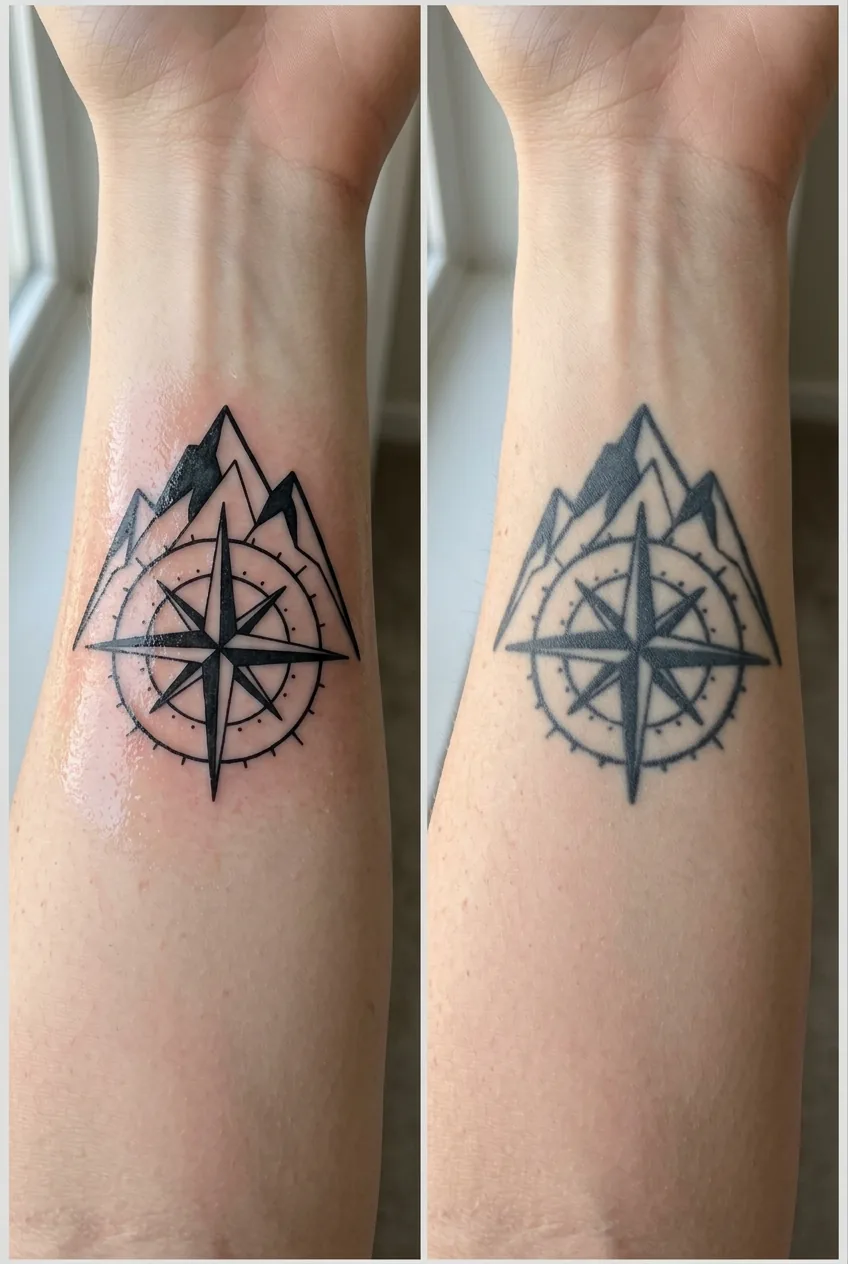
Bold minimalist work is more accessible. Most experienced tattoo artists can handle clean, simple designs with thicker lines. You’ll have more artist options in your area, more flexibility in scheduling, and often more reasonable pricing.
I spent weeks researching fine line specialists in my city and found exactly two artists whose work I trusted. Both had 3-month waiting lists. When I pivoted to bold minimalist, I had a dozen artists to choose from and could book within two weeks.
Consider your timeline and budget constraints. Are you willing to wait months for the right fine line artist? Can you travel to another city if needed? Or do you prefer having local options with shorter wait times?
This Artist Explains the Difference Perfectly
Which Style Will Age Better Over Time
This is where the conversation gets real. Fine line tattoos age differently than bold work, and not always in the ways people expect.
Ultra-fine lines naturally soften over time as your skin ages and regenerates. What starts as a crisp 1mm line might spread to 2-3mm after 10-15 years. For some designs, this creates a beautiful watercolor-like effect. For others, it can make details muddy or unreadable.
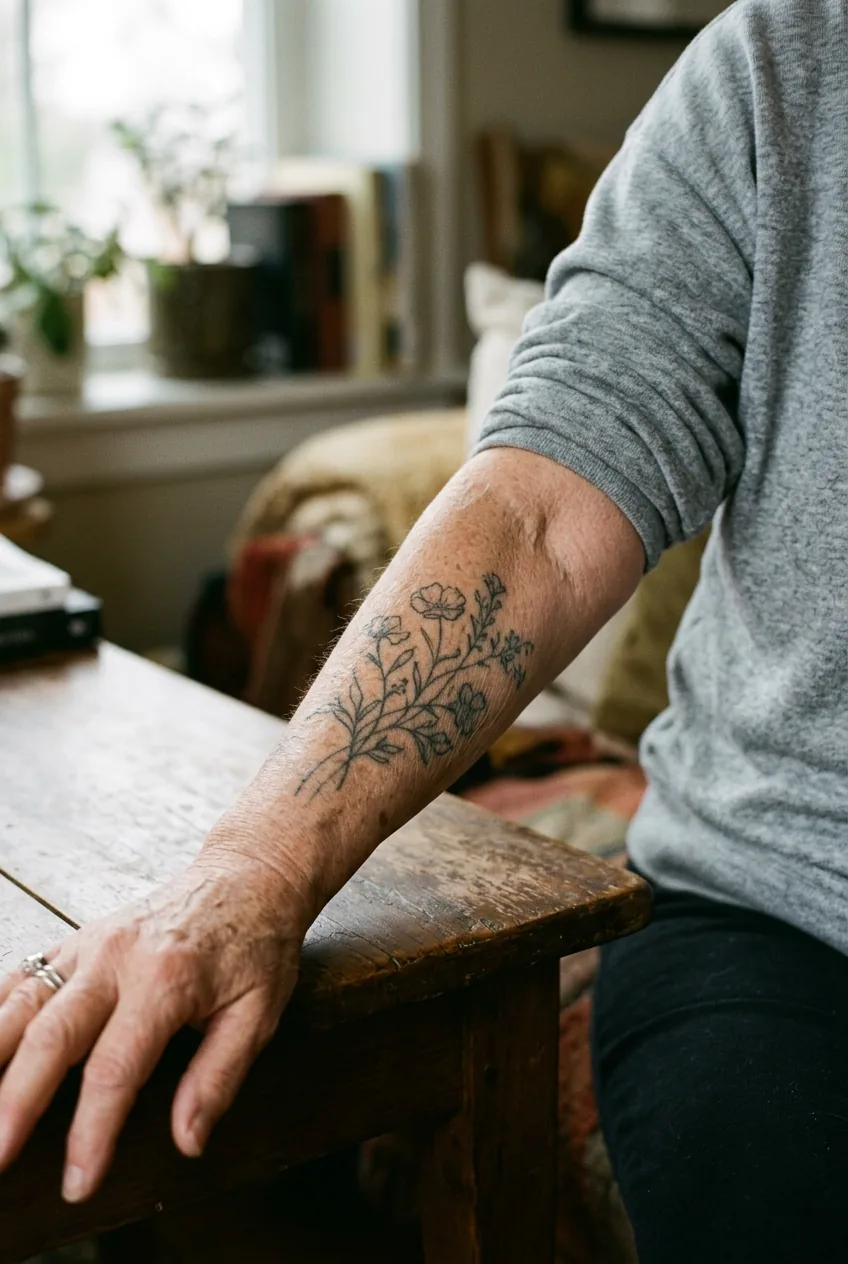
Bold minimalist tattoos start with more substantial lines (3-5mm) that can afford to spread slightly without losing their impact. They tend to maintain their intended proportions better over decades. The trade-off is less initial delicacy but more long-term clarity.
Think about your design specifically. Does it have text that needs to remain readable? Geometric patterns that require precise lines? Or is it more of an artistic flourish that could actually benefit from softer edges over time?
I’ve seen twenty-year-old fine line tattoos that developed into something completely different but equally beautiful. The key is choosing a style that can evolve gracefully with your skin.
Which Fits Your Lifestyle and Career
Your daily life impacts which style works better. Fine line tattoos require more careful aftercare and sun protection to maintain their crisp appearance. If you’re outdoors frequently, work with your hands, or live an active lifestyle, those delicate lines face more wear and tear.

Bold minimalist designs are more forgiving of real life. They can handle some sun exposure, frequent washing, and general daily wear without losing their essential character. If you’re a nurse, teacher, or work in food service where you’re constantly washing your hands, this durability matters.
Professional considerations matter too. Some conservative workplaces might view ultra-fine line work as more “acceptable” because it’s less obviously a tattoo from a distance. Other environments might not care either way.
I work in corporate finance, and my bold minimalist wrist tattoo has never been an issue. It’s clean and simple enough to feel professional, but substantial enough that I don’t worry about it fading into invisibility under office lighting.
Which One Will You Still Love in 20 Years
Here’s the final test — and the most important one. Close your eyes and imagine yourself in 20 years. Which style still feels like “you”?
Fine line work tends to appeal to people who love subtle, ethereal aesthetics. If you’re drawn to whisper-quiet jewelry, prefer understated makeup, and appreciate things that reveal themselves slowly, fine line might be your soul style.
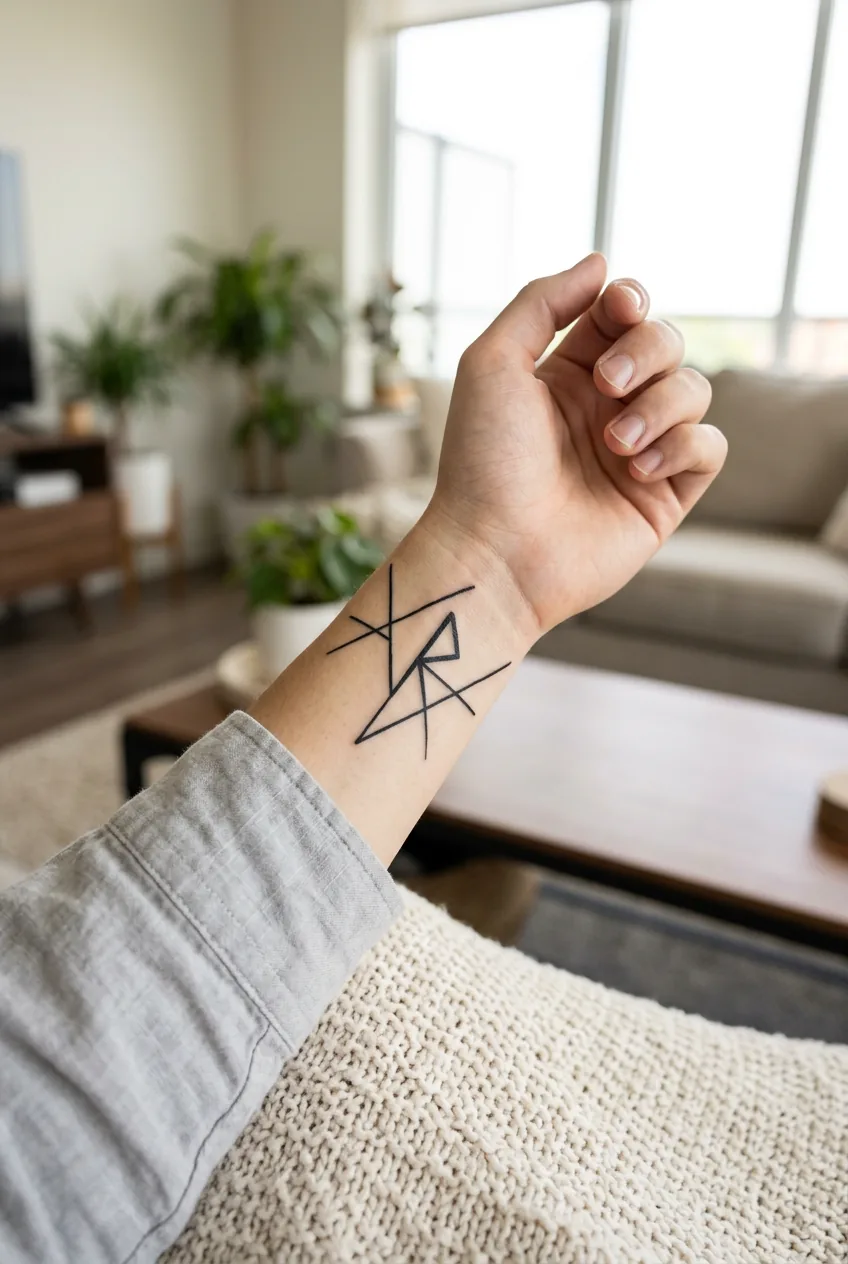
Bold minimalist speaks to people who appreciate clean confidence. If you love architectural lines, wear classic pieces that make a quiet statement, and prefer things that are beautiful but unmistakably present, bold minimalist aligns with your aesthetic DNA.
Neither choice is temporary — both styles have longevity when done well. But your personal style evolution matters. I chose bold minimalist because I knew I’d always appreciate clean, confident lines, even as my other preferences change over time.
Consider where you’ve been consistent in your aesthetic choices. Do you still love the same jewelry you bought five years ago? The same home decor style? Those consistent preferences are your best guide to tattoo longevity.
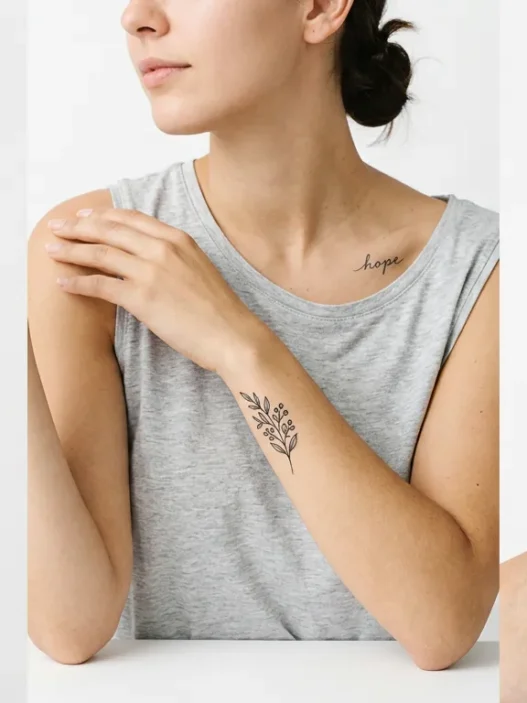
If you’re drawn to tiny minimalist tattoo ideas, both fine line and bold approaches can work beautifully at small scales. The key is matching the technique to your specific design and placement.
For more inspiration across different minimalist approaches, check out these tattoo ideas for every style — you’ll see how minimalist work can range from ultra-delicate to confidently bold while maintaining that clean aesthetic we all love.
Questions I Get About This Decision
Can I combine fine line and bold elements in one tattoo?
Absolutely, but it requires a skilled artist who understands both techniques. The contrast can be beautiful when done intentionally — like bold outlines with fine line details inside.
How do I know if an artist is truly good at fine line work?
Look for healed photos in their portfolio, not just fresh work. Fine line quality shows up months later when the tattoo has settled. Ask to see work that’s at least 6 months old.
Which style costs more?
Fine line work typically costs more due to the specialized skill required and longer session times. However, bold minimalist pieces might require more ink coverage, so pricing varies by design complexity and artist experience.
What if I change my mind after getting tattooed?
Both styles can be modified or covered up if needed, but fine line work is generally easier to cover since it uses less ink saturation. Bold minimalist work offers more options for adding to or expanding the design later.
After working through this framework myself, I ended up with a bold minimalist design that I absolutely love. It feels authentically me, works with my lifestyle, and I know it’ll age gracefully. The decision process took longer than I expected, but getting it right from the start was worth every minute of consideration.