




I spent three months flip-flopping between a delicate fine line spider and a bold traditional one before my appointment. Every Instagram post I saw made me second-guess myself again. The fine line looked so elegant on that girl’s wrist, but then I’d see a bold spider on someone’s forearm that just commanded attention. Sound familiar?
After getting my spider tattoo and watching countless friends go through the same decision paralysis, I’ve developed a framework that actually works. This isn’t about which style is “better” — it’s about which one fits YOUR specific situation, skin, and lifestyle.
Which Style Works Best on Your Chosen Placement
Here’s something most people don’t consider: your placement choice should heavily influence your style decision. I learned this the hard way when I almost went with a super fine line design for my shoulder blade — until my artist pointed out it would basically disappear from normal viewing distance.
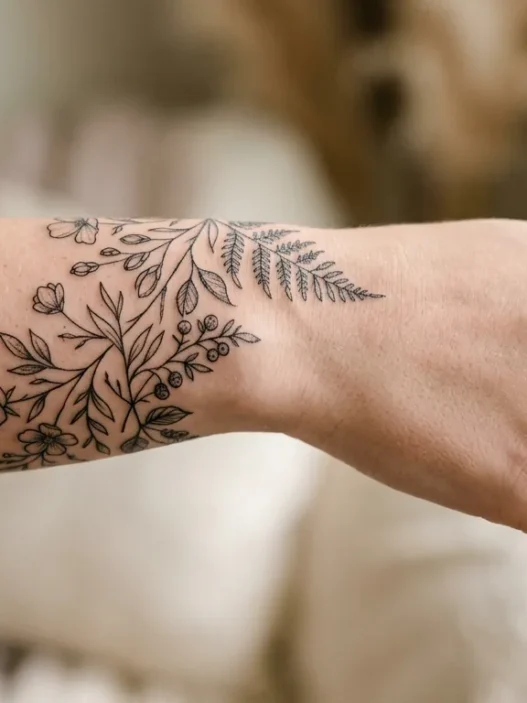
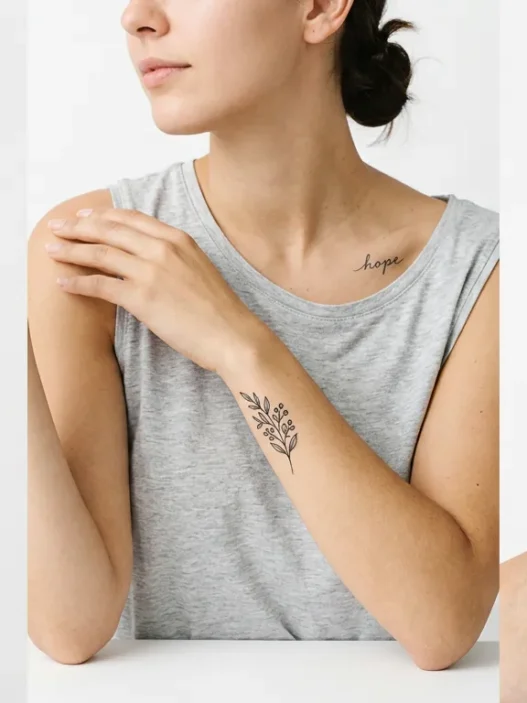
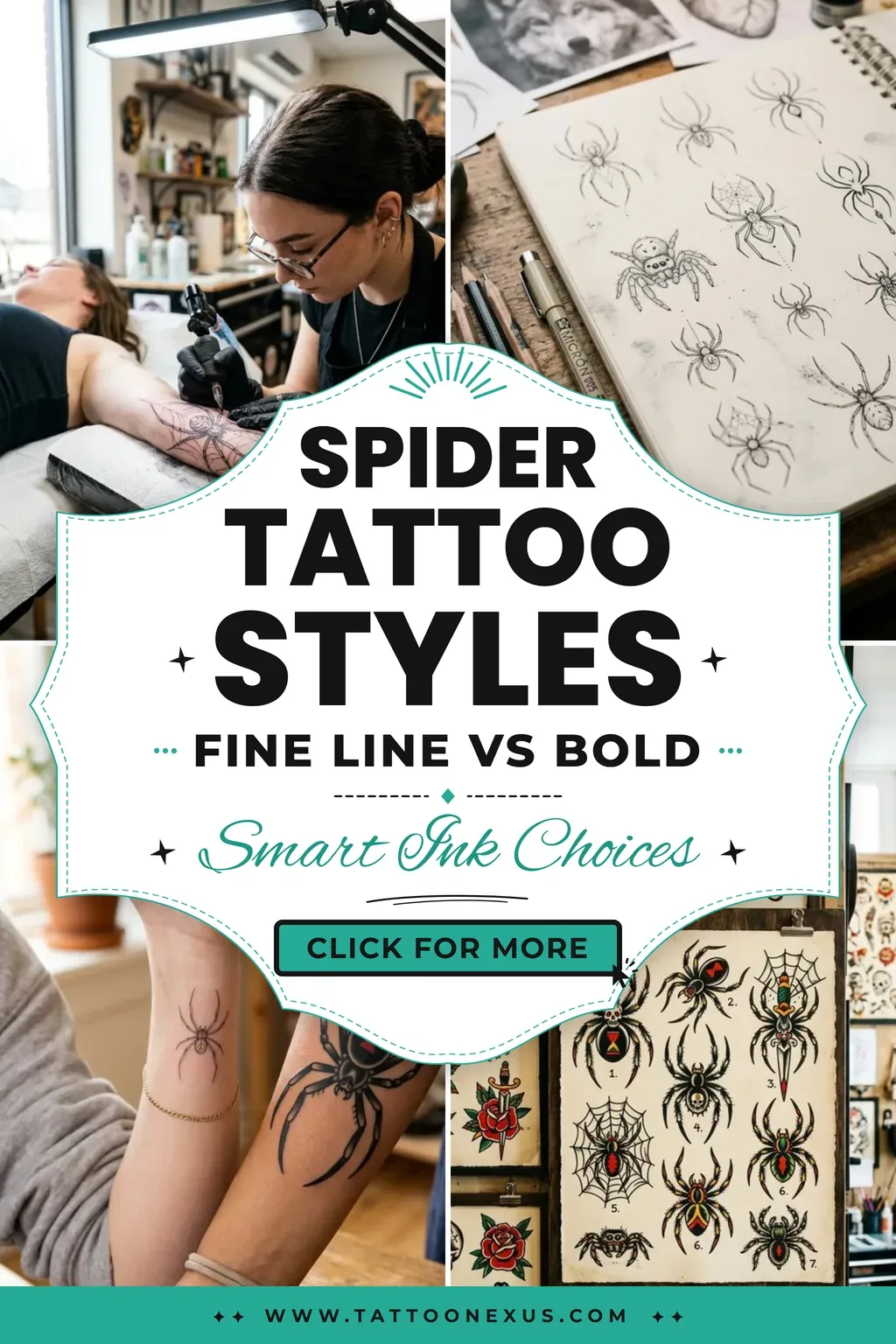
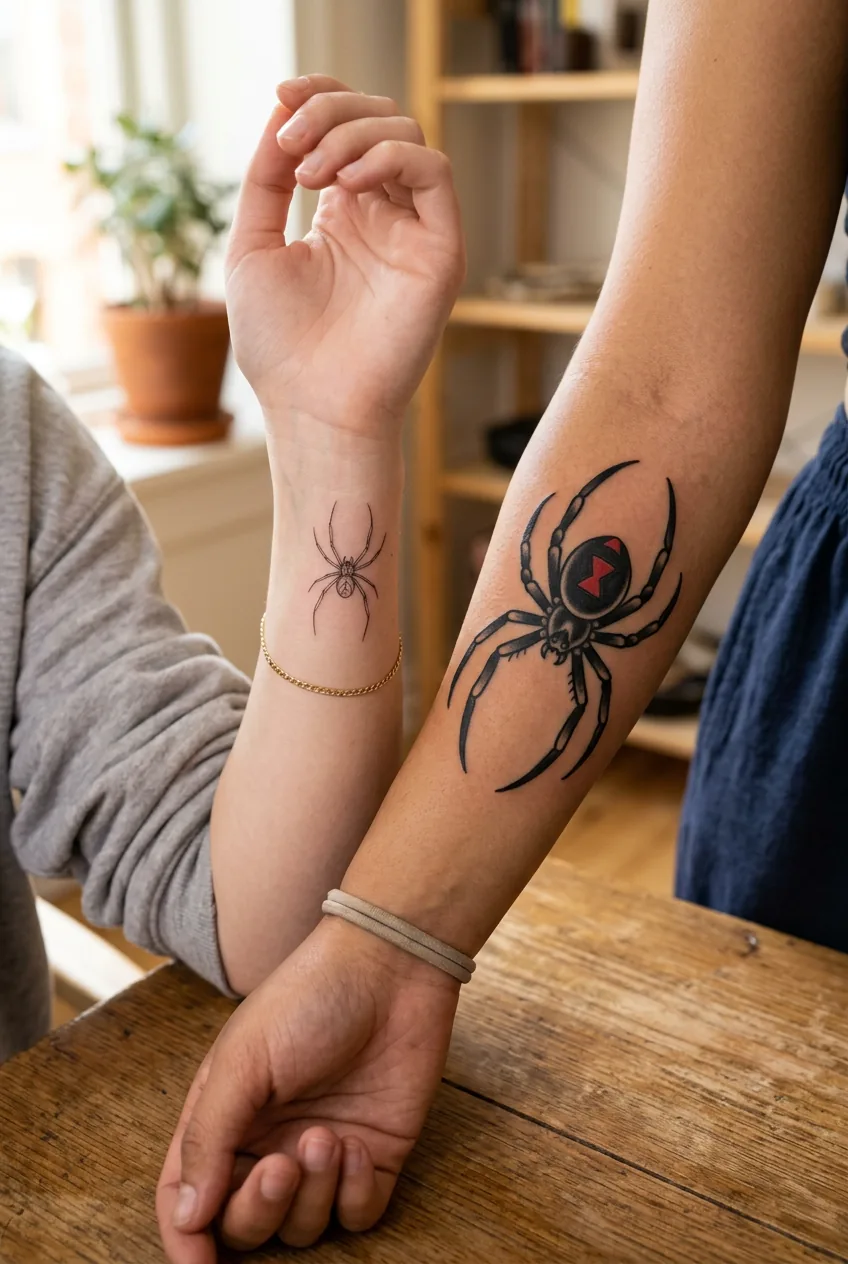
Fine line spider tattoos shine on high-visibility areas like wrists, behind the ear, or fingers. These spots get seen up close regularly, so the delicate details actually get appreciated. The thin lines create this beautiful, almost jewelry-like effect that works perfectly when people can actually see the intricacy.
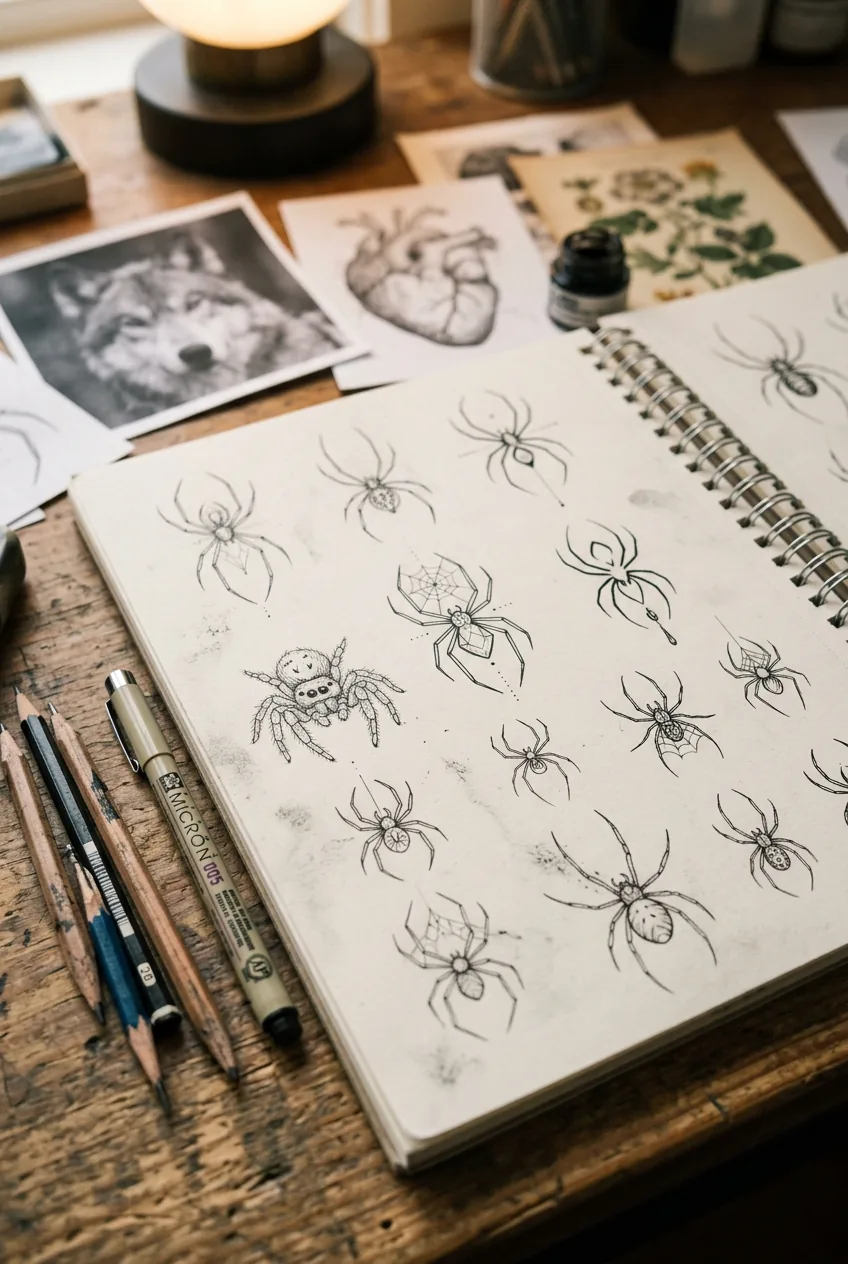
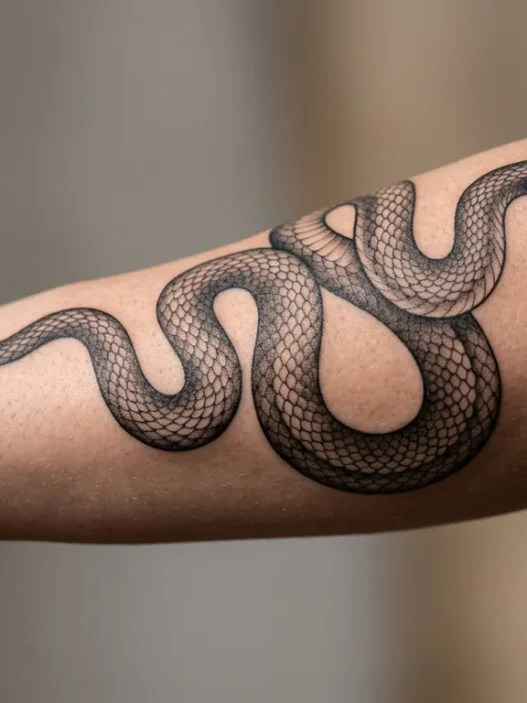
Bold spider tattoos, on the other hand, work better on larger canvases like forearms, calves, or your back. These areas can handle the visual weight, and the design remains striking even when viewed from across the room. I’ve seen too many bold spiders crammed onto tiny wrists that just look… aggressive.
Think about where you want your spider and how often people will see it up close versus from a distance. If you’re going for a small tattoo on your ankle, fine line makes sense. Planning something forearm-sized? Bold might be your winner.
Pain Tolerance: What You Need to Know
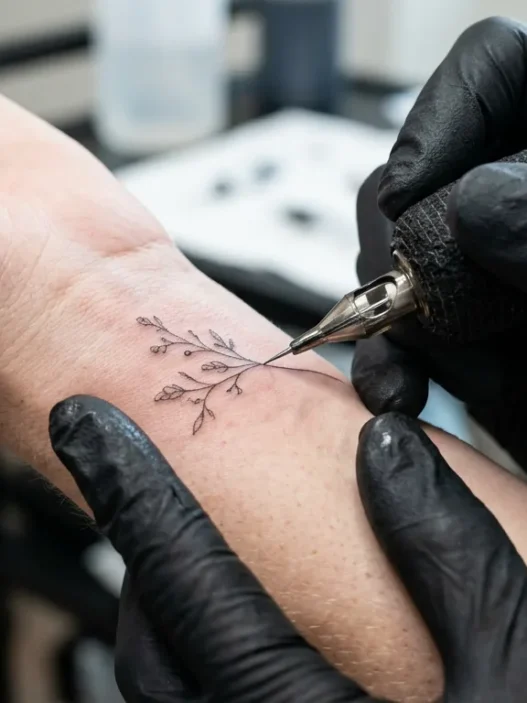
Nobody wants to talk about this part, but pain levels differ significantly between styles. Fine line tattoos use smaller needles and lighter pressure, which generally means less discomfort. I remember my fine line spider feeling more like persistent scratching than the deep pressure of bold work.
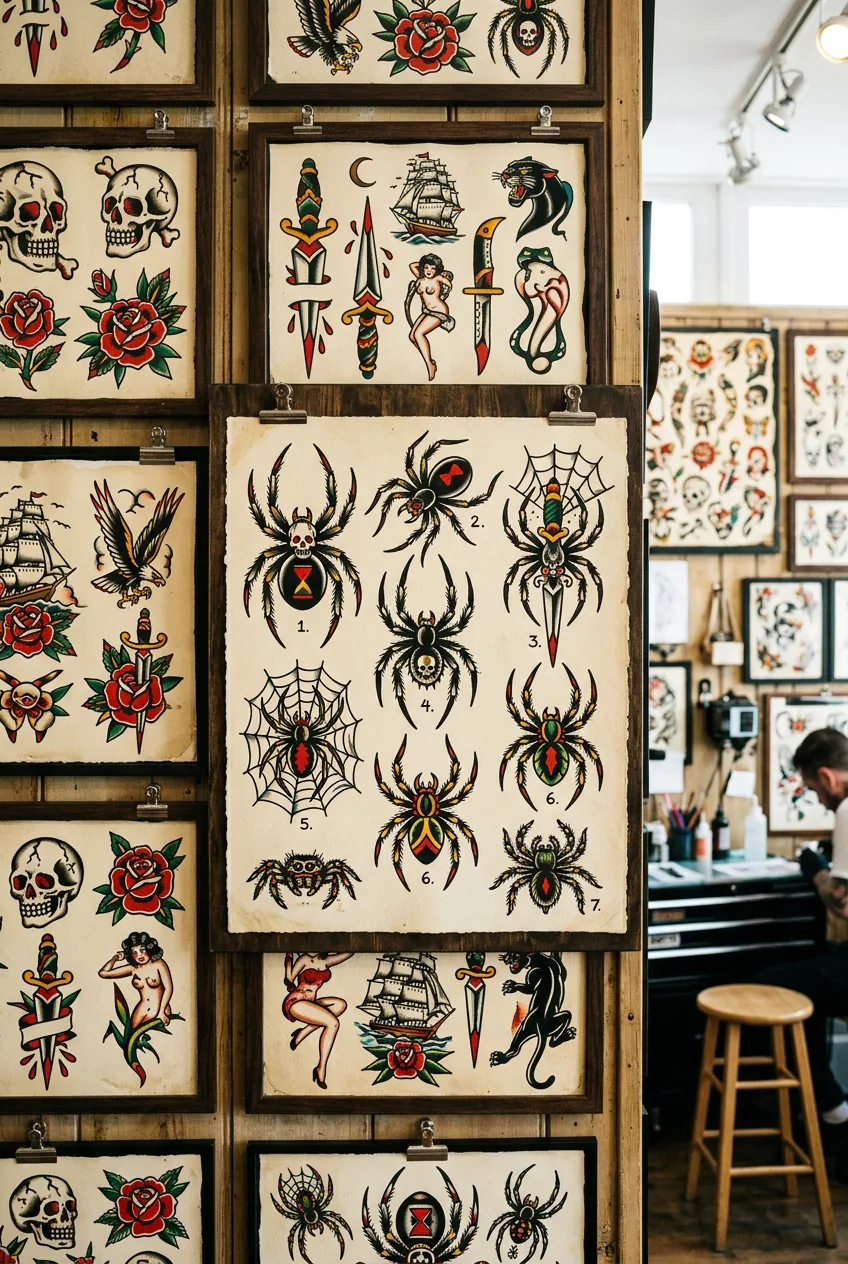
Bold tattoos require more needle passes, deeper ink saturation, and often solid color fills. The sensation is more intense, and sessions typically last longer. My bold piece took twice as long as I expected because of all the solid black fill work in the spider’s body.
Mistake I made: I scheduled my bold spider tattoo appointment right before a work presentation, thinking it would be “just like my fine line one.” Wrong. I spent the next day trying to focus on spreadsheets while my forearm throbbed. Schedule accordingly.
Consider your pain tolerance honestly. There’s no shame in choosing fine line if you want to minimize discomfort. The end result should be something you love, not something you barely survived getting.
Which Style Ages Better Long-Term
This is where things get interesting, and honestly, a bit controversial in tattoo circles. Fine line tattoos look incredible fresh, but they can soften and blur more quickly over time. Those super-thin spider legs might lose some definition in 10-15 years, especially if you’re not religious about sunscreen.
Bold tattoos age like fine wine when done properly. The thicker lines and solid fills hold their shape longer, and touch-ups are more straightforward. My artist calls them “grandfather tattoos” — they’ll still look intentional decades later.
But here’s the nuance: skin type matters enormously. If you have naturally oily skin or work outdoors frequently, bold might be the smarter long-term investment. If you have dry skin and can commit to sun protection, fine line can age beautifully too.
Proper aftercare becomes crucial regardless of style, but fine line work demands more dedication to preservation.
Budget and Time Investment Differences
Let’s talk money and time, because both vary dramatically between styles. Fine line tattoos often cost more per hour due to the precision required, but they’re typically completed faster. My delicate spider took about 90 minutes and cost $300.
Bold spider tattoos might have lower hourly rates but require more time for all that solid fill work. Expect multiple sessions for larger bold pieces. My friend’s traditional spider on her shoulder took three separate appointments and about $600 total.
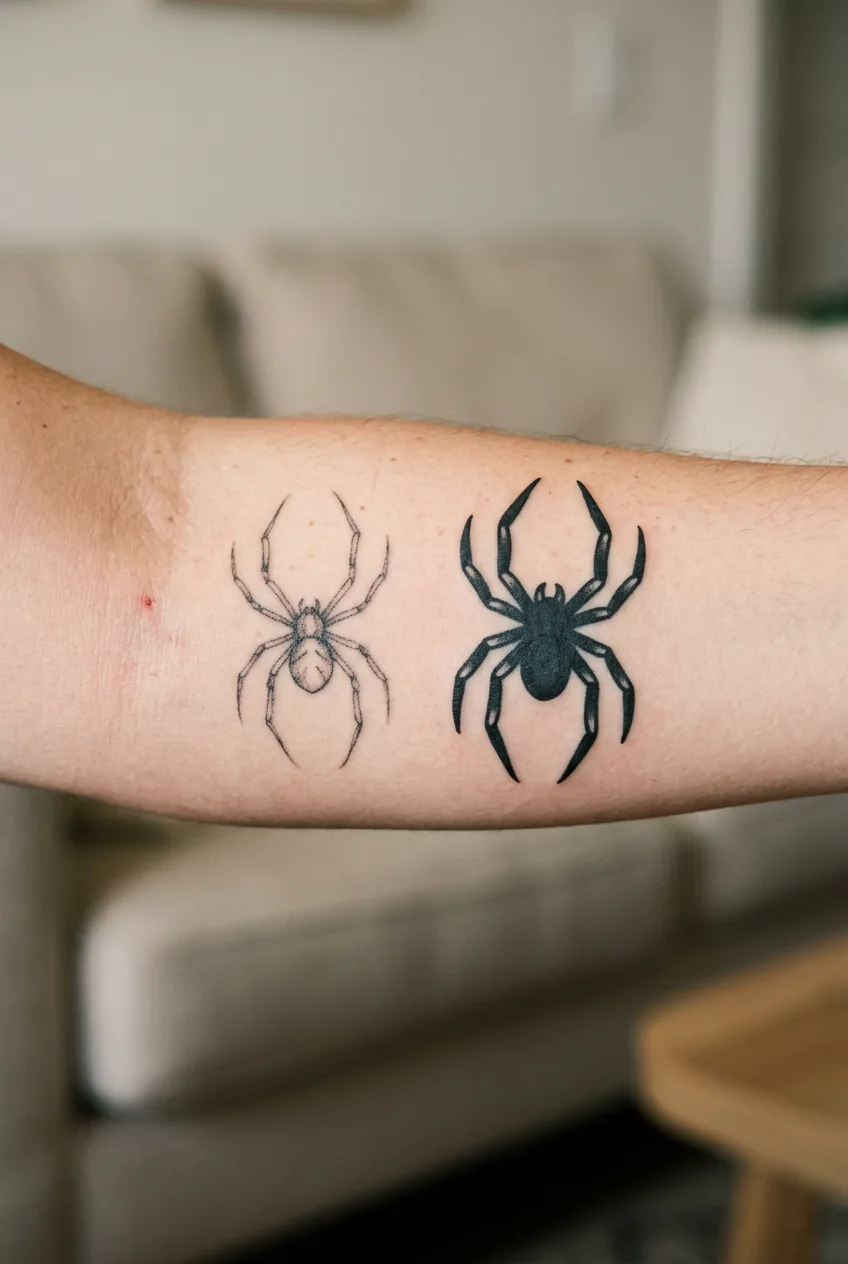
Consider your schedule too. Fine line often means one-and-done appointments, while bold work might require planning multiple sessions weeks apart for healing between fills.
Factor in touch-up costs over time. Fine line work might need more frequent refresh sessions, while bold tattoos typically need less maintenance but bigger touch-ups when they do need work.
Finding the Right Artist for Each Style
This cannot be overstated: not every artist excels at both styles. Fine line work requires incredible precision and a light hand. I’ve seen fine line attempts by traditional artists that looked shaky and uneven because the technique is completely different.
Bold work needs an artist who understands line weight, composition, and how to make solid fills look seamless. The spider needs to have visual impact without looking cartoonish.

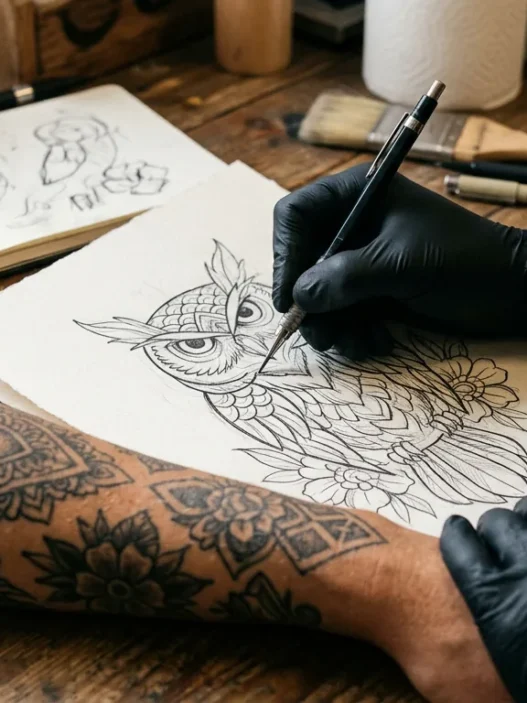
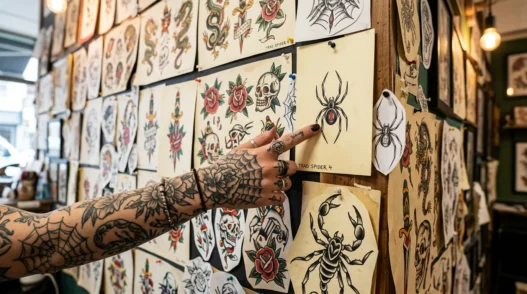
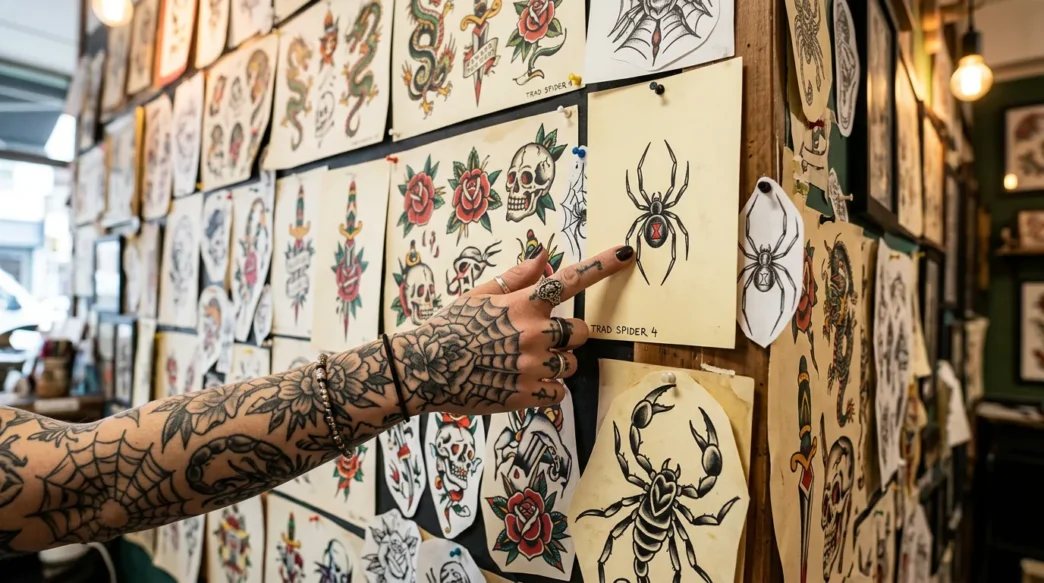
Check portfolios obsessively. Look specifically for spider tattoos or similar detailed insects in your preferred style. Don’t be swayed by an amazing rose if you want a spider — the skill sets can be quite different.
Ask about their experience with your chosen style during consultations. A good artist will honestly tell you if fine line isn’t their strength, or if they think bold would suit you better based on your skin and placement.
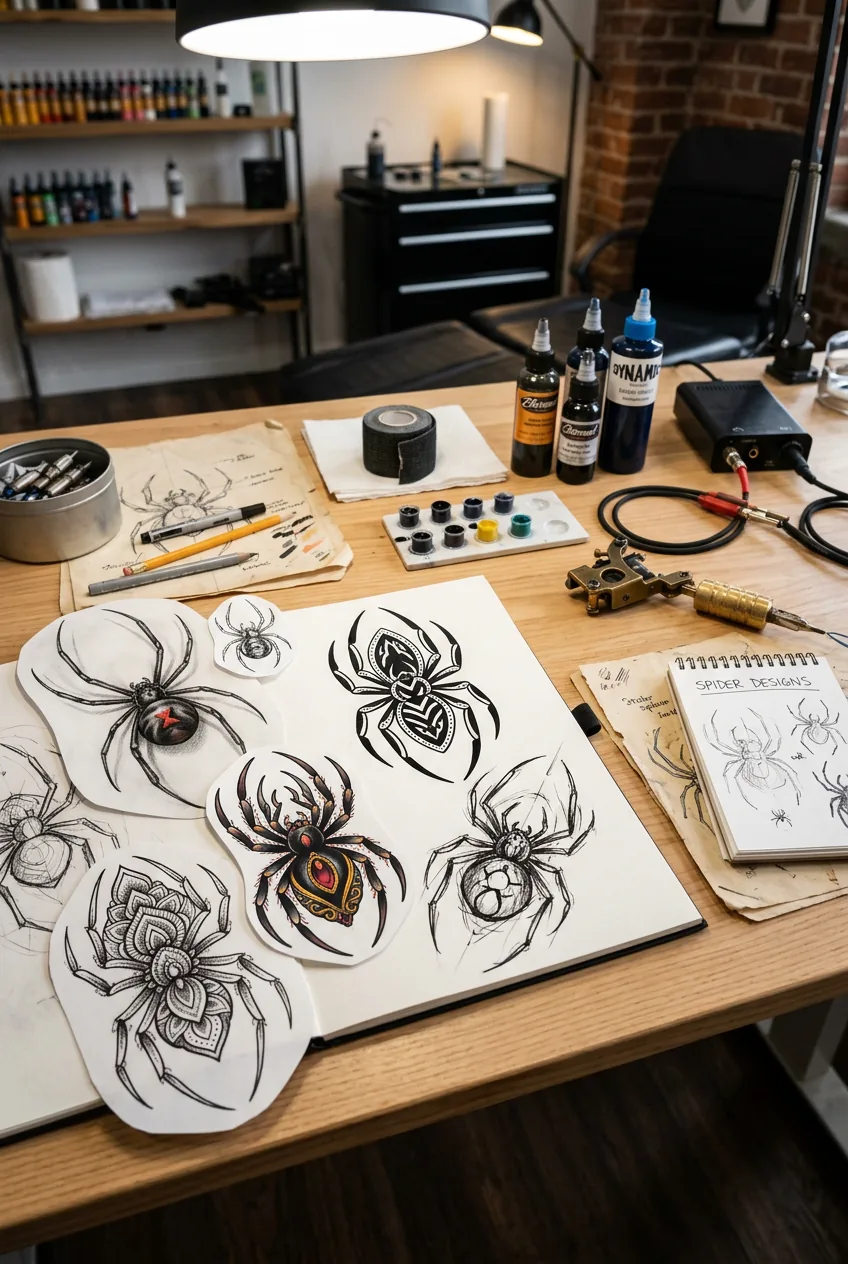
Finding specialized artists takes research, but it’s worth every hour spent looking through Instagram portfolios.
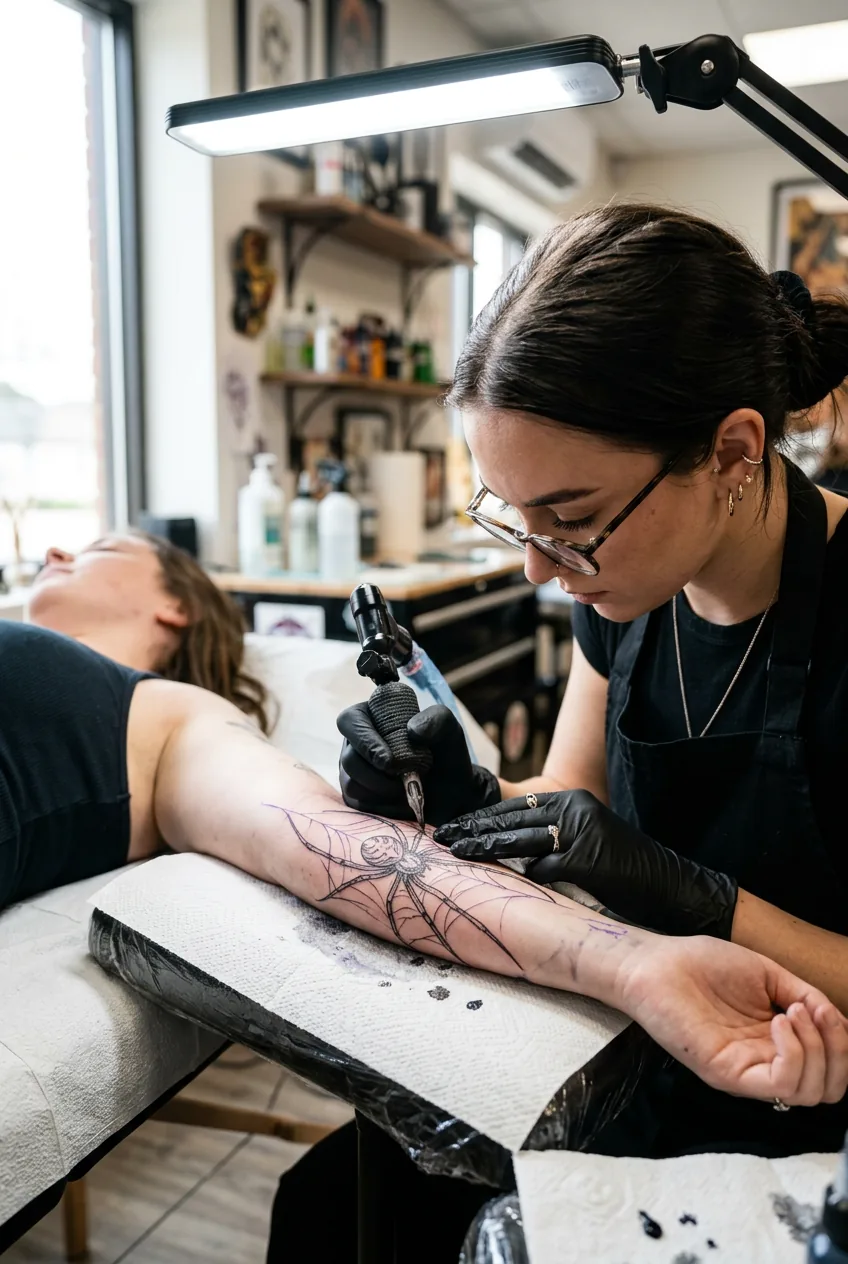
See the Technique Differences Live
Making Your Final Decision
After working through all these factors, you should have clarity about which direction feels right. But here’s my final test: which style makes you more excited when you imagine showing it off?
If you keep gravitating toward fine line examples on Pinterest, that’s your subconscious telling you something. If you find yourself drawn to bold, dramatic spider imagery, listen to that instinct.
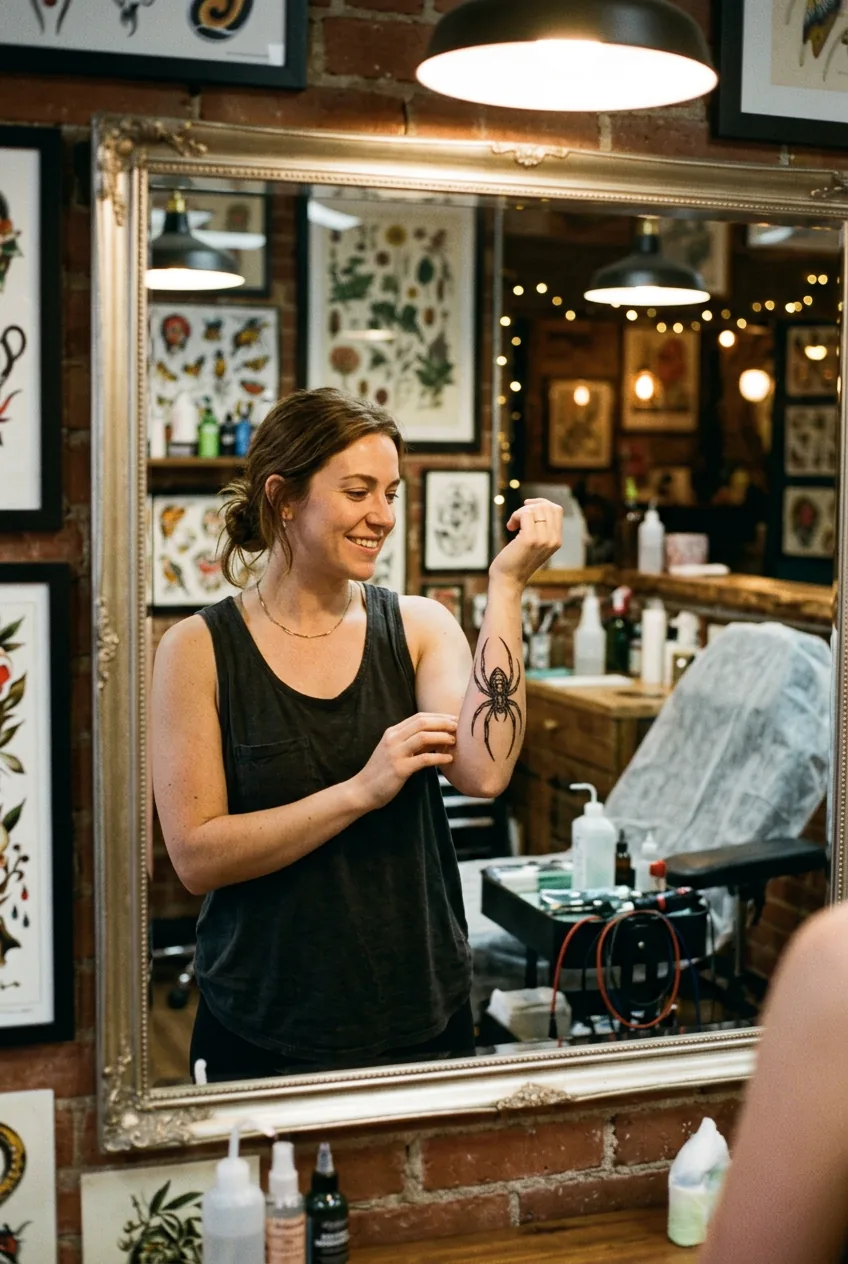
Consider creating a mood board with both styles and living with it for a week. Which images do you keep coming back to? Which ones make you think “that’s going to be me”?
Remember, there’s no wrong choice here — only the choice that fits your lifestyle, aesthetic preferences, and practical considerations. I ended up going bold for my first spider and fine line for my second. Sometimes the best answer is “eventually both.”
Questions I Get About Spider Tattoo Styles
Can I start with fine line and add bold elements later?
Absolutely, but plan this from the beginning. Tell your artist you might want to add bold elements eventually — they can design the fine line version to accommodate future additions without looking cluttered or unbalanced.
Do fine line spider tattoos hurt less than bold ones?
Generally yes, but placement matters more than style. A fine line spider on your ribs will hurt more than a bold one on your forearm. The smaller needles and lighter pressure of fine line work do tend to be more comfortable overall.
Which style works better for cover-ups?
Bold spider tattoos are much better for cover-up work. The solid fills and strong lines can effectively hide underlying tattoos. Fine line work is too delicate to cover most existing tattoos successfully.
How long should I wait between getting multiple spider tattoos?
Wait at least 4-6 weeks for proper healing, regardless of style. I actually recommend waiting longer between different styles so you can properly evaluate how each one heals and ages on your specific skin before committing to more.
I’m still obsessed with both of my spider tattoos three years later. The decision framework worked, and more importantly, I never had that post-tattoo regret that comes from rushing into the wrong style. Take your time with this choice — your future self will thank you.