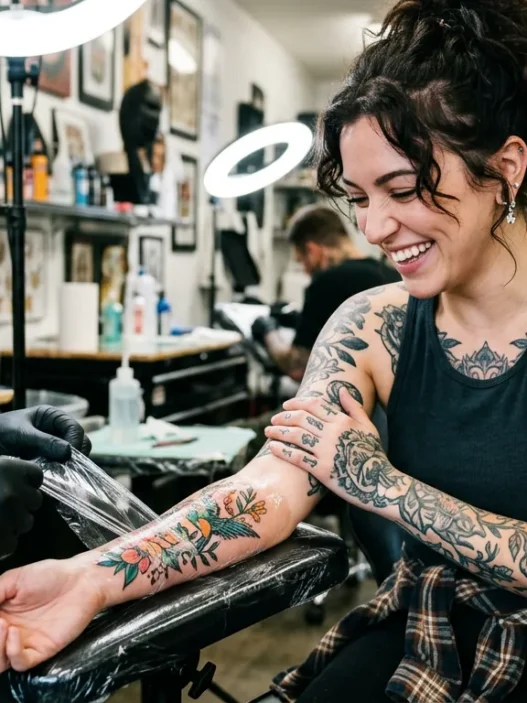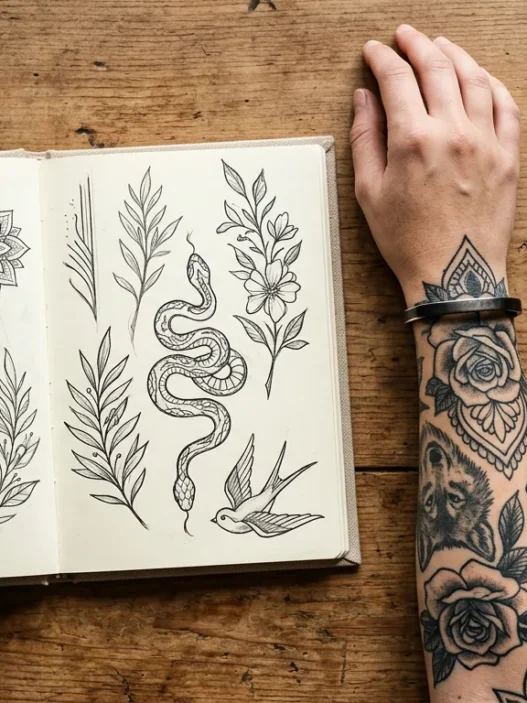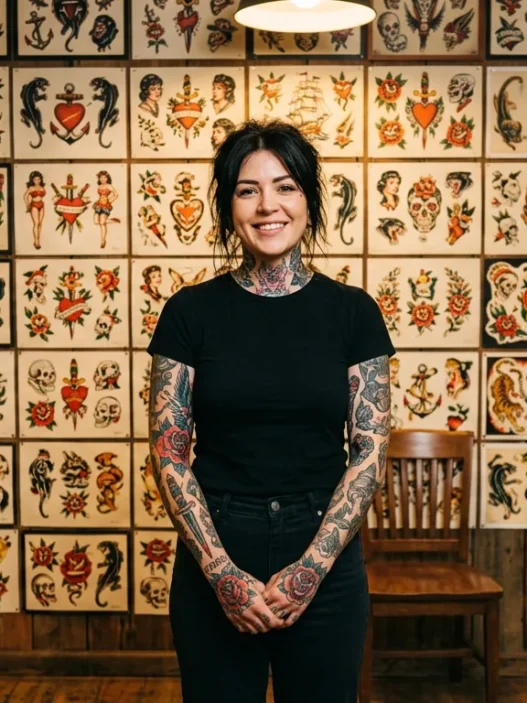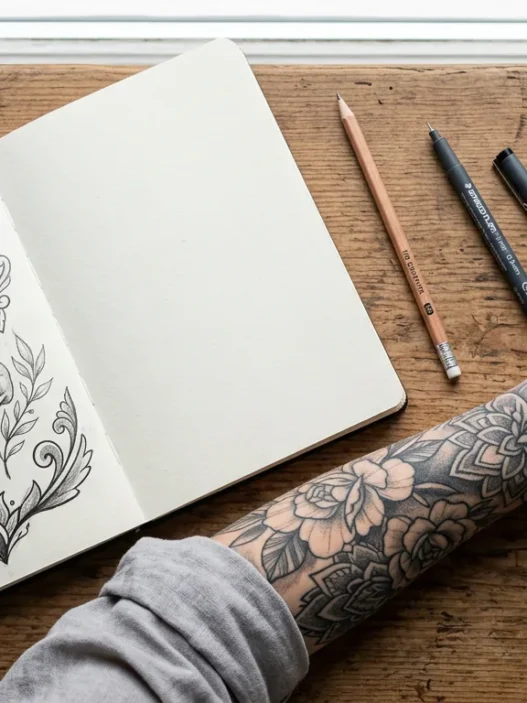





I’ll be honest — when I first started researching Hello Kitty tattoos, I expected to find nothing but basic bow-and-whiskers flash art. Instead, I discovered an entire underground movement of artists reimagining Sanrio characters in ways that would make your grandmother clutch her pearls. The evolution has been wild to witness.

The Cultural Evolution You Need to Know
Hello Kitty tattoos have traveled through three distinct cultural phases, and most people are still stuck in phase one. The first wave was pure kawaii — think pink bows, sparkles, and that saccharine sweetness that screamed “I shop at Hot Topic.” Nothing wrong with loving cute things, but these designs aged about as well as a 2003 flip phone.
Phase two brought the ironic hipster movement. Suddenly everyone wanted Hello Kitty smoking cigarettes or dressed as famous horror movie characters. The shock value was fun for about five minutes, but now those tattoos just look dated. Like wearing a “Keep Calm and Carry On” shirt in 2026.
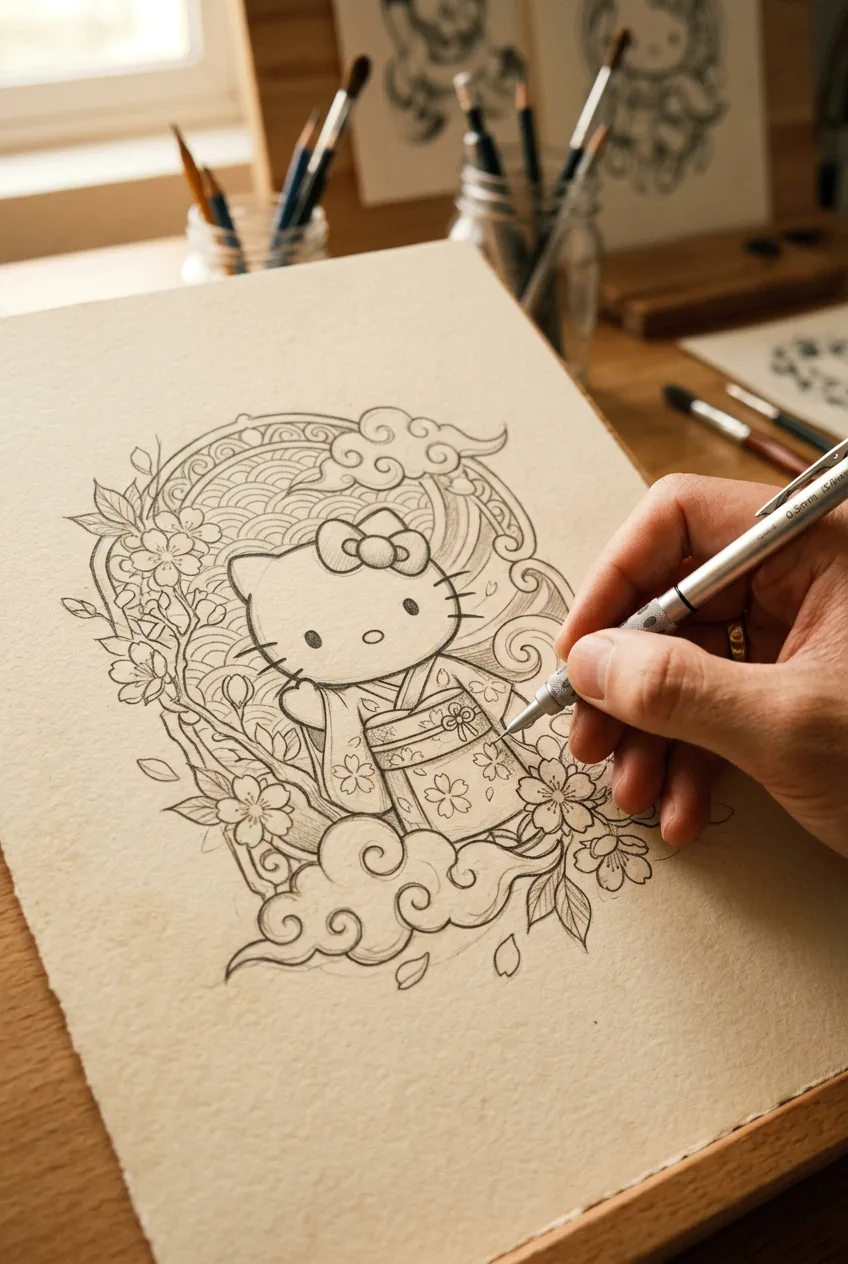
What’s happening now in phase three is actually sophisticated. Artists are treating Hello Kitty as a legitimate artistic motif — incorporating her into traditional Japanese designs, fine line work that rivals museum pieces, and geometric compositions that would make Mondrian jealous. This isn’t about being cute or edgy anymore. It’s about craft.
The shift happened around 2024 when several high-profile tattoo conventions started featuring entire Hello Kitty galleries. Not as novelty pieces, but as serious artistic interpretations. Traditional Japanese tattooing has always been about storytelling and symbolism — Hello Kitty fits perfectly into that narrative framework.
I’ve watched this evolution firsthand at conventions, and the quality difference is staggering. We’re talking about artists who charge $300+ per hour creating Hello Kitty pieces with the same attention to detail they’d give a dragon or phoenix. The cultural respect is finally there.
Why Size and Placement Actually Matter
Here’s what no one tells you: Hello Kitty’s face is deceptively complex for tattoo reproduction. Those simple lines and dots? They require mathematical precision to look right at different sizes. I’ve seen too many micro Hello Kitty tattoos turn into unreadable blobs after a year.
The minimum viable size for a recognizable Hello Kitty face is about 2 inches. Anything smaller and you lose the proportional relationships that make her iconic. The bow-to-head ratio, the whisker spacing, the eye positioning — it all breaks down under a certain threshold.
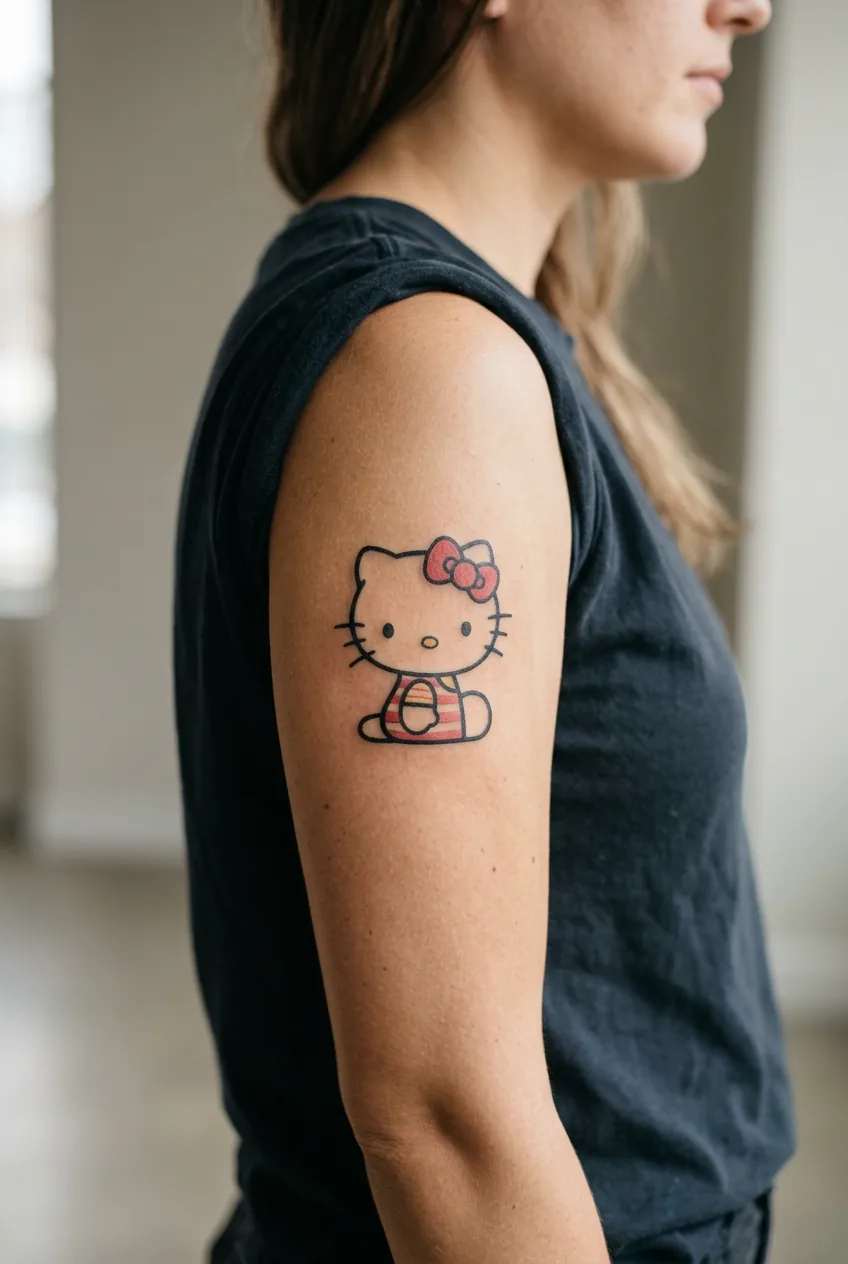
But size alone isn’t enough. Placement determines everything about how the design ages. I learned this the hard way by studying hundreds of healed Hello Kitty tattoos. The ones on areas with minimal skin stretch — upper arms, shoulder blades, calves — still look crisp after decades. The ones on hands, ribs, or ankles? Not so much.
There’s also a psychological component that most people ignore. Hello Kitty carries emotional weight — she represents childhood, innocence, a specific time in your life. Placing her somewhere you’ll see constantly (like your forearm) means living with that emotional association daily. Some people love that constant reminder. Others find it overwhelming after a few years.
I always recommend the “mirror test” — imagine seeing your Hello Kitty tattoo every morning while brushing your teeth. Does that thought make you smile or cringe? Your gut reaction is usually right.
The Three Styles That Age Gracefully
After analyzing countless healed Hello Kitty tattoos, three styles consistently look amazing even decades later. These aren’t trends — they’re approaches that work with how skin and ink interact over time.
First: Traditional American with Hello Kitty elements. Think bold outlines, solid color blocks, and classic banner layouts but featuring our favorite cat. The heavy black outlines hold their shape beautifully, and the color saturation stays vibrant. I’ve seen 20-year-old pieces that still pop like they were done yesterday.
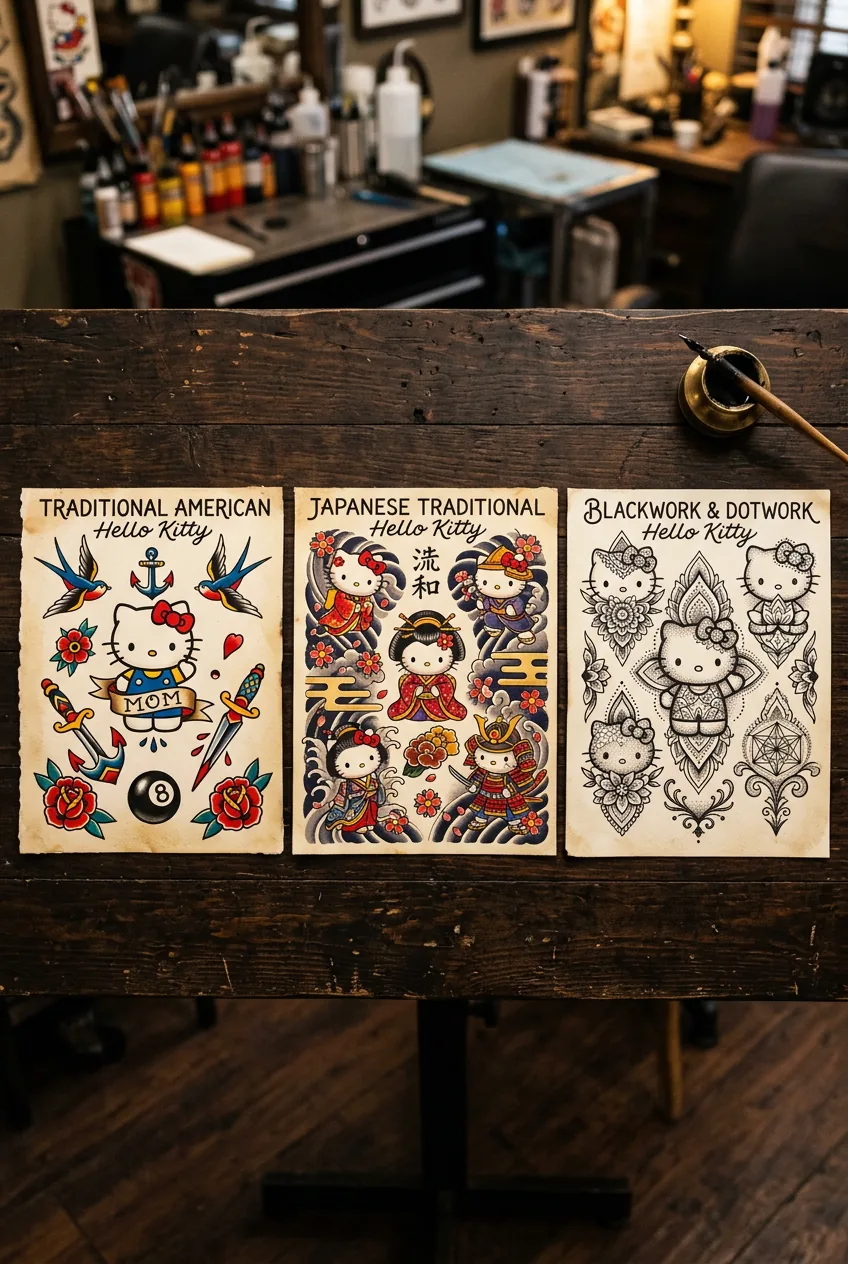
Second: Japanese traditional incorporating Hello Kitty into larger compositions. This is where artists get really creative — Hello Kitty peeking out from cherry blossoms, or integrated into koi pond scenes, or nestled among traditional cloud patterns. The juxtaposition of ancient technique with modern iconography creates something genuinely timeless.
Third: High-contrast blackwork. No color, just pure black ink in geometric or illustrative styles. These age like fine wine because there’s no color to fade or shift. The stark contrast actually intensifies over time as the ink settles into the skin. Plus, Hello Kitty’s simple silhouette translates beautifully to pure black and white.
What these three styles share is structural integrity. They’re built on proven tattooing principles that have worked for generations. The Hello Kitty element becomes part of a larger artistic framework rather than being the entire focus.
I’m personally drawn to the Japanese traditional approach. There’s something profound about seeing Hello Kitty treated with the same reverence as mythological creatures. It elevates both the character and the craft.
What Most Artists Get Wrong About Kawaii Ink
The biggest mistake I see artists make is treating Hello Kitty tattoos like they’re inherently less serious. They rush the design process, skip the custom elements, and basically slap existing flash art onto skin. The results are predictably mediocre.
Good Hello Kitty tattoos require the same planning as any complex piece. Color theory matters — those pastels everyone associates with kawaii culture actually fade faster than rich, saturated tones. Line weight variation is crucial for creating depth and interest. Composition principles don’t disappear just because the subject is “cute.”
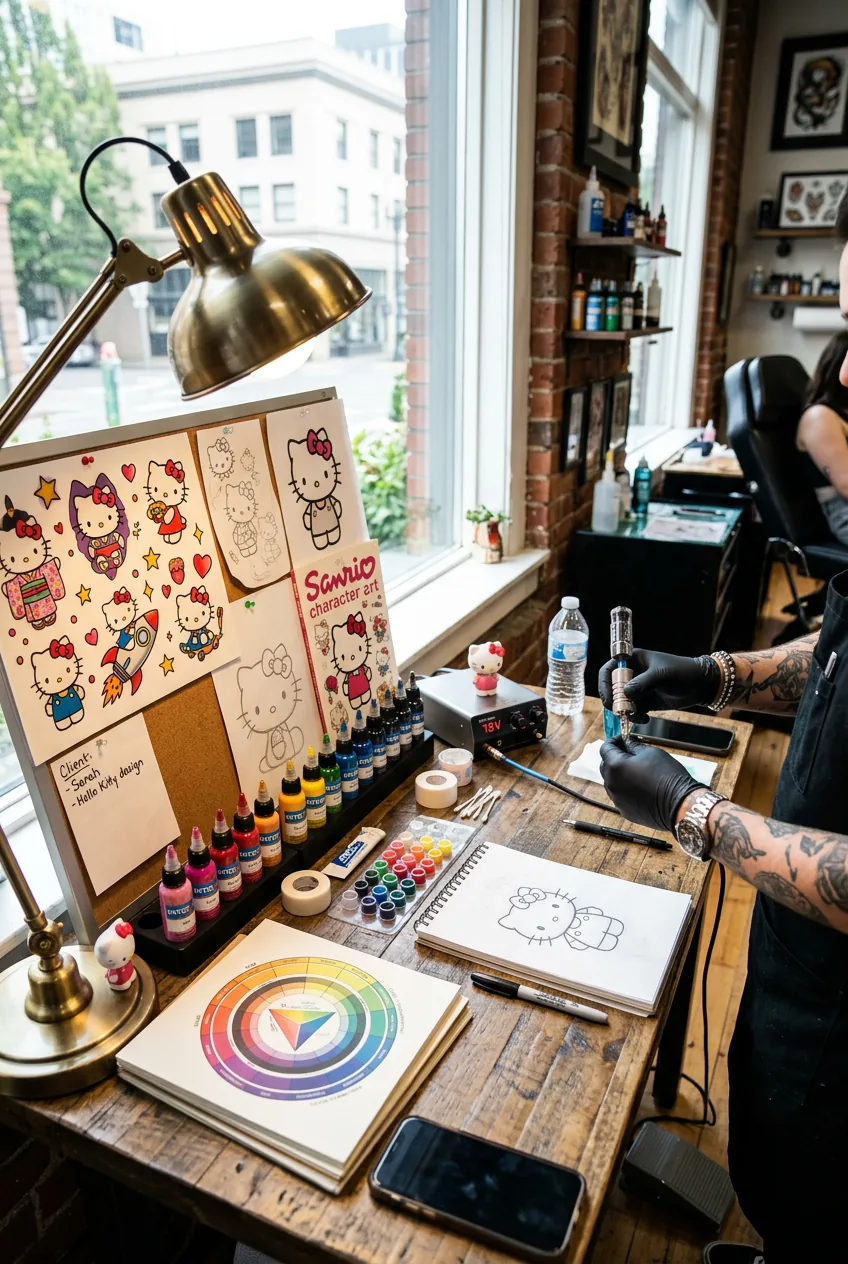
Another common error is ignoring the client’s long-term vision. I’ve watched artists focus solely on making the initial tattoo Instagram-worthy without considering how it might integrate with future work. Hello Kitty doesn’t have to live in isolation on your skin — she can be part of a larger narrative.
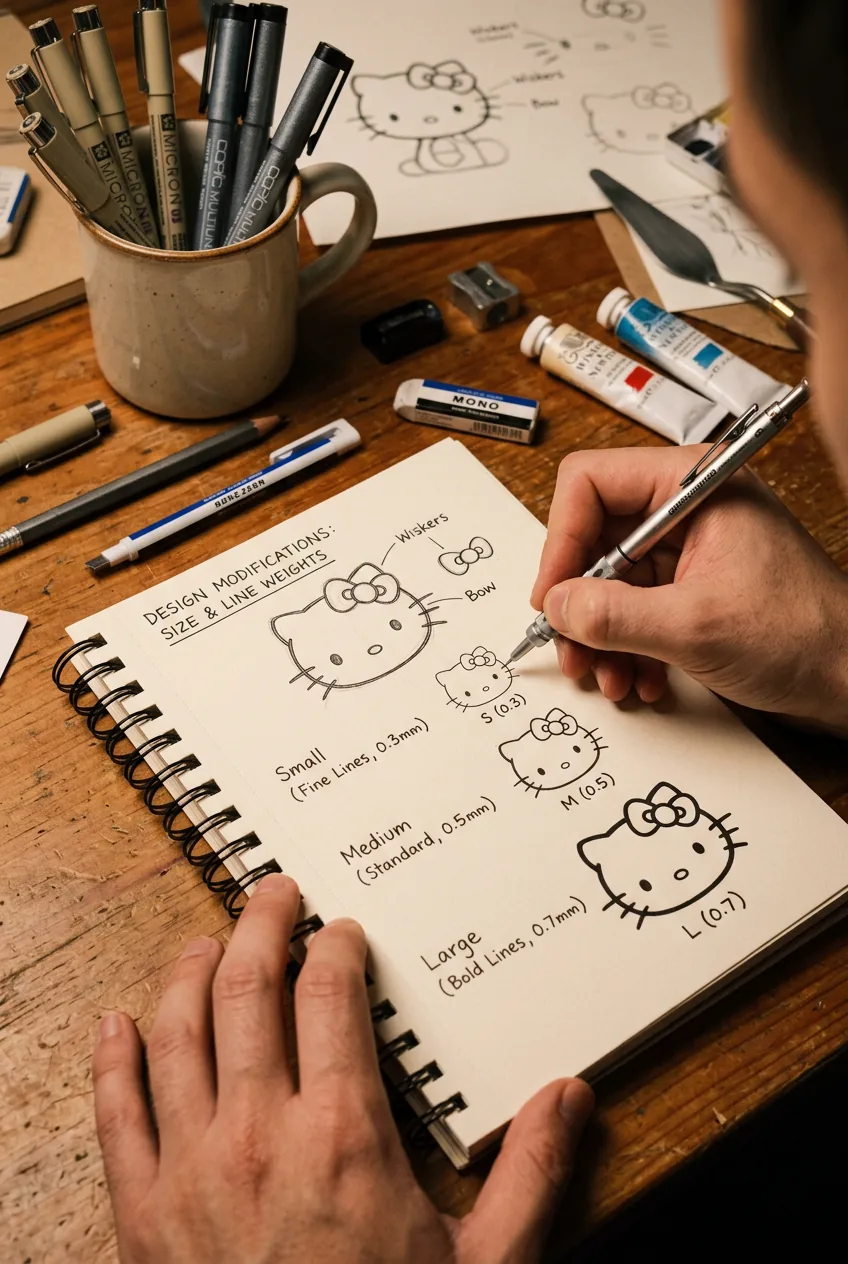
The technical execution problems are even more frustrating. Many artists don’t understand how Hello Kitty’s proportions work at different scales. They’ll take a design that looks perfect at 6 inches and shrink it down to 3 inches without adjusting the line weights or spacing. The result looks cramped and loses all impact.
Cultural sensitivity is another blind spot. Hello Kitty emerged from a specific Japanese aesthetic philosophy called “kawaii culture” — it’s not just about making things small and pink. Artists who understand this context create more authentic, respectful interpretations. Those who don’t often produce work that feels hollow.
I’ve started asking potential artists what they know about kawaii culture before booking consultations. Their answer tells me everything about how seriously they’ll take the project.
Finding an Artist Who Really Gets It
The search for a Hello Kitty specialist isn’t as straightforward as you’d think. Instagram is flooded with artists claiming kawaii expertise, but their portfolios tell a different story. Look for consistent quality across multiple pieces, not just one viral Hello Kitty tattoo.
What I’ve learned is that the best Hello Kitty artists usually have strong foundations in traditional tattooing styles. They understand color theory, composition, and technical execution before adding the kawaii elements. Their non-Hello Kitty work should be just as impressive as their character pieces.
Ask to see healed photos. Any artist worth their salt will have follow-up shots of their Hello Kitty work after 6 months, 1 year, even 2-3 years. Fresh tattoos always look amazing — healed work reveals the artist’s true skill level. Proper aftercare techniques make a huge difference in final results.
Geographic location matters more than you’d expect. Artists in cities with strong Japanese communities often have deeper cultural understanding and access to authentic reference materials. Los Angeles, San Francisco, New York, and Hawaii tend to have the most skilled kawaii specialists.
The consultation process is your best screening tool. A serious artist will ask about your connection to Hello Kitty, discuss placement options thoroughly, and suggest design modifications based on your skin tone and body type. They’ll also be upfront about maintenance requirements and color longevity.
Price is often an indicator of quality, but not always. I’ve paid $400 per hour for mediocre Hello Kitty work and $200 per hour for masterpieces. The difference was in the artist’s personal passion for the style, not their hourly rate.
Trust your instincts during the consultation. If an artist seems dismissive of your vision or tries to push you toward their preferred style, walk away. Hello Kitty tattoos are deeply personal — you need someone who respects that emotional connection.
Watch This Artist’s Process
The Honest Reality About Maintenance
Nobody wants to talk about tattoo maintenance, but Hello Kitty designs have specific challenges that other tattoos don’t face. Those crisp lines and bright colors that make her so recognizable also make maintenance more critical.
Color touch-ups are inevitable. Pink and yellow — Hello Kitty’s signature palette — fade faster than darker pigments. Plan for your first touch-up around the 2-3 year mark, then every 5-7 years depending on sun exposure and skin type. This isn’t a failure of the original tattoo; it’s just physics.
Sun protection becomes a daily ritual. UV rays destroy tattoo pigments, but they’re particularly harsh on the light colors common in Hello Kitty designs. I use SPF 50 religiously on my tattooed areas, even under clothing during summer months.
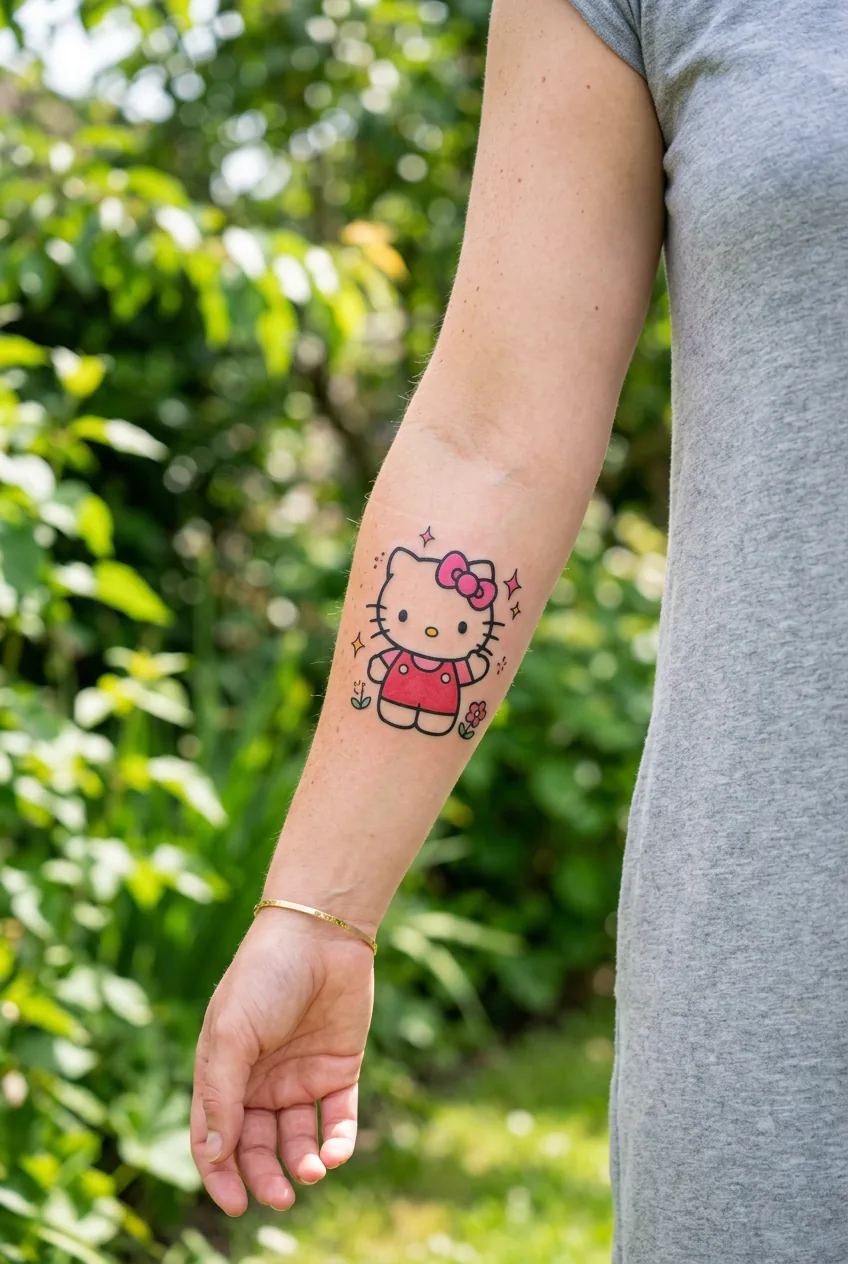
The psychological maintenance is something I never considered initially. Hello Kitty represents a specific version of yourself — often a younger, more optimistic version. As you grow and change, your relationship with that imagery might evolve too. Some people find this comforting; others find it limiting.
I’ve watched friends struggle with this. One loved her Hello Kitty piece at 22 but felt it no longer represented her at 32. Another found that her childhood trauma associations with the character became overwhelming after therapy. These aren’t design flaws — they’re human complexity.
Professional considerations are real, despite changing workplace attitudes. While many industries have relaxed tattoo policies, visible Hello Kitty ink still raises eyebrows in conservative fields. Consider placement carefully if your career path is still evolving.
The maintenance conversation should happen before you get tattooed, not after. A good artist will be honest about the commitment involved. If they promise your Hello Kitty will look perfect forever with zero upkeep, find someone else.
For related inspiration, you might also love tiny minimalist tattoo ideas that share Hello Kitty’s simple elegance, or explore how different tattoo styles can incorporate kawaii elements.
Questions I Get About Hello Kitty Tattoos
Do Hello Kitty tattoos look childish as you get older?
It depends entirely on the design execution and your personal connection to the character. Well-executed Hello Kitty pieces in traditional or blackwork styles age beautifully and actually gain sophistication over time. The key is choosing artistic interpretation over literal representation.
How much do quality Hello Kitty tattoos typically cost?
Expect to pay $200-500 for a palm-sized piece from a skilled artist. Larger compositions or full-color traditional pieces can run $800-1500+. Don’t shop based on price alone — cheap Hello Kitty tattoos almost always look cheap.
What’s the smallest size that still looks good long-term?
About 2 inches minimum for Hello Kitty’s face to remain recognizable as the tattoo heals and settles. Anything smaller risks becoming an unreadable blob within a few years, especially in high-movement areas.
Can I incorporate Hello Kitty into a larger tattoo sleeve?
Absolutely, and this often creates the most stunning results. Japanese traditional sleeves, geometric compositions, and illustrative pieces can all incorporate Hello Kitty elements beautifully when planned by an experienced artist.
After diving this deep into Hello Kitty tattoo culture, I’m more convinced than ever that these aren’t just cute accessories — they’re legitimate artistic statements when done right. The key is treating them with the same respect and planning you’d give any other tattoo. Your future self will thank you.